By Kenji Saito | Representative Director
Please find a Japanese version of this report here.
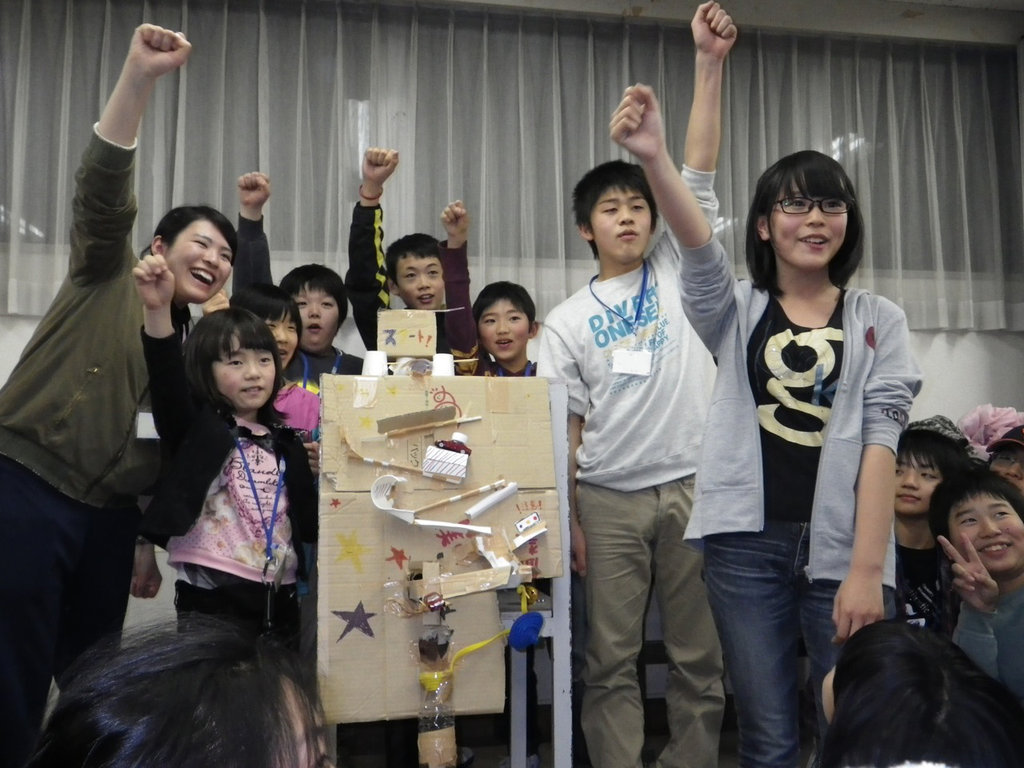
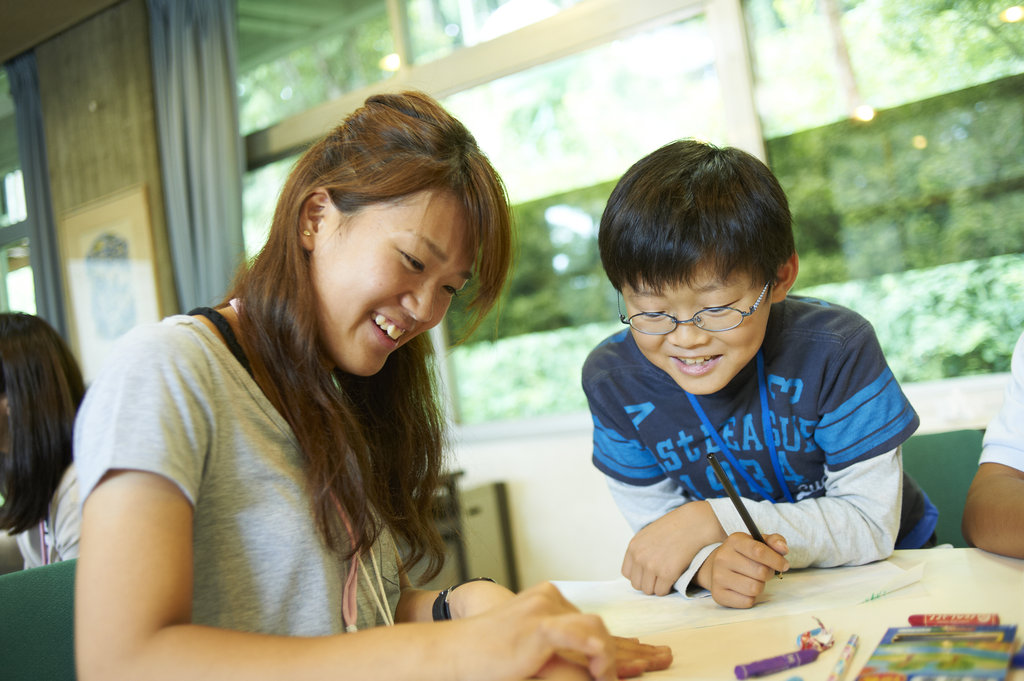
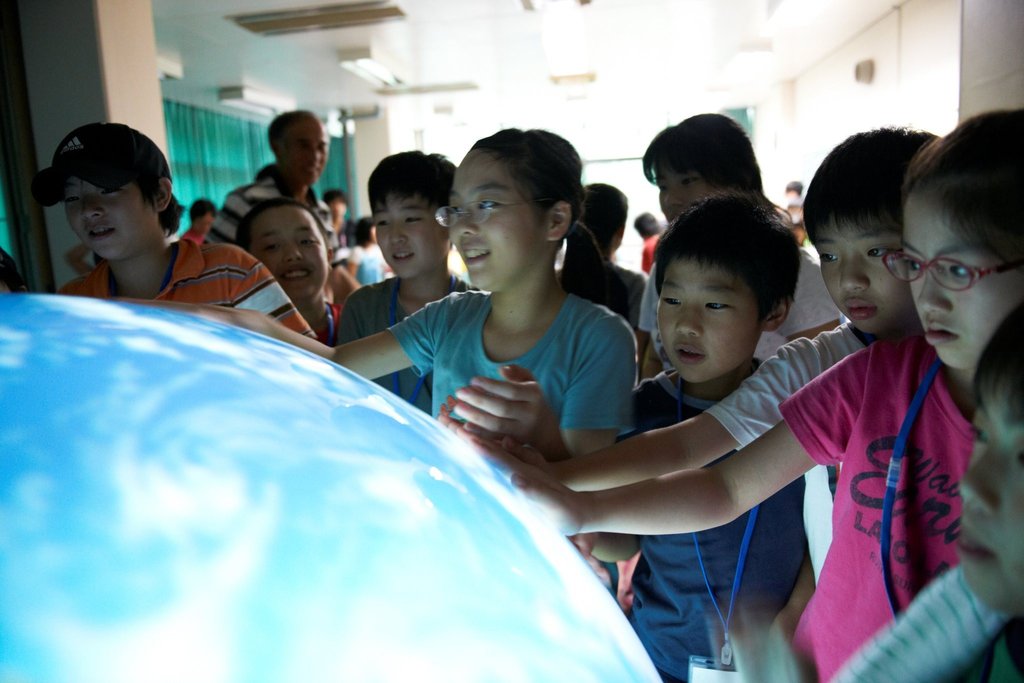
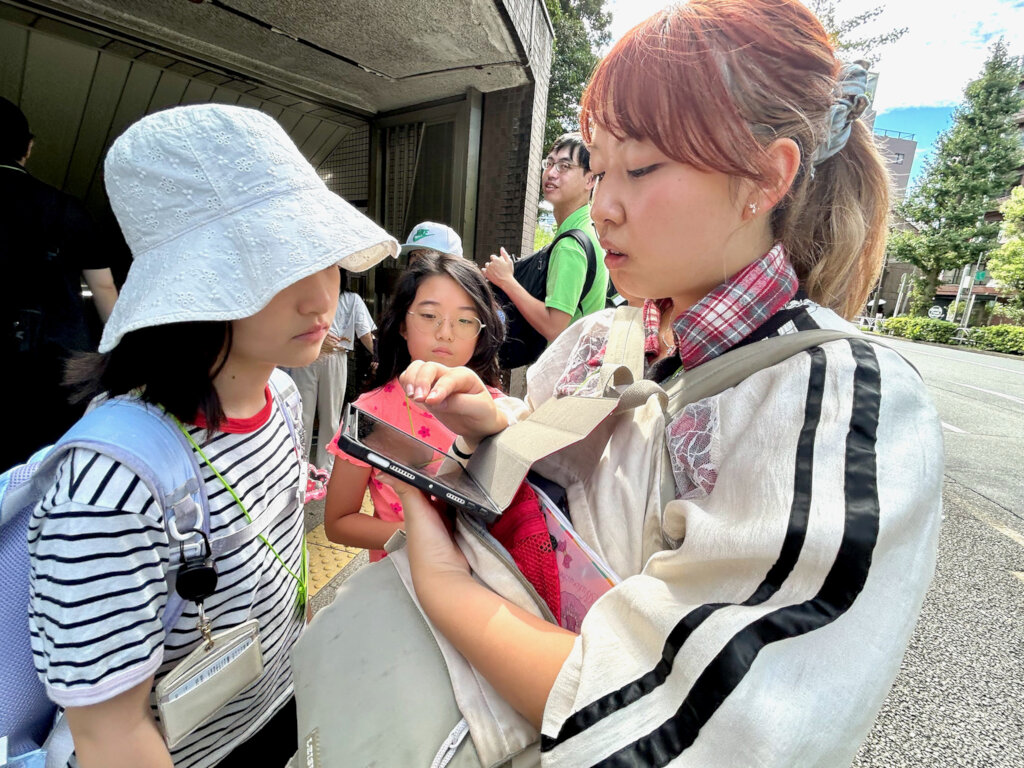
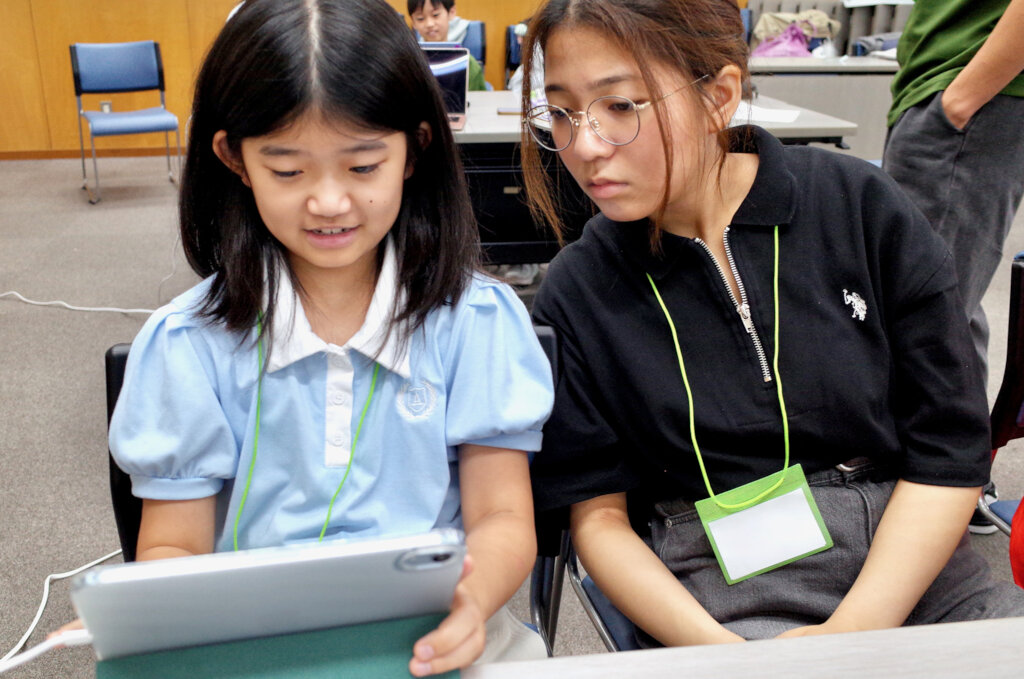
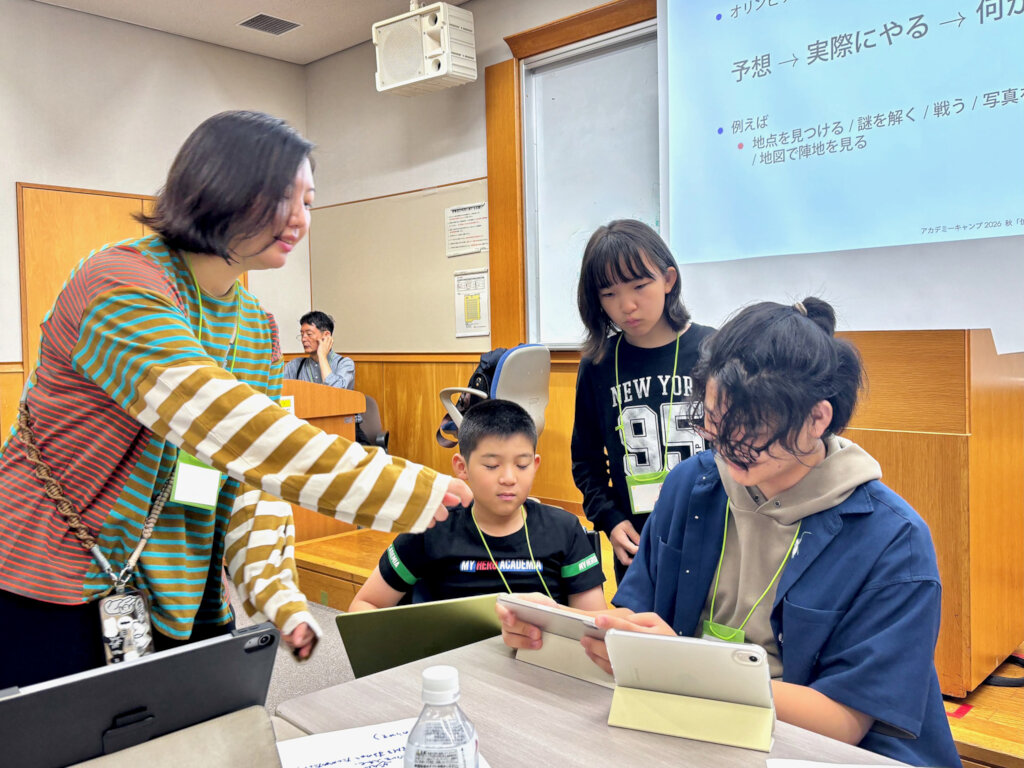
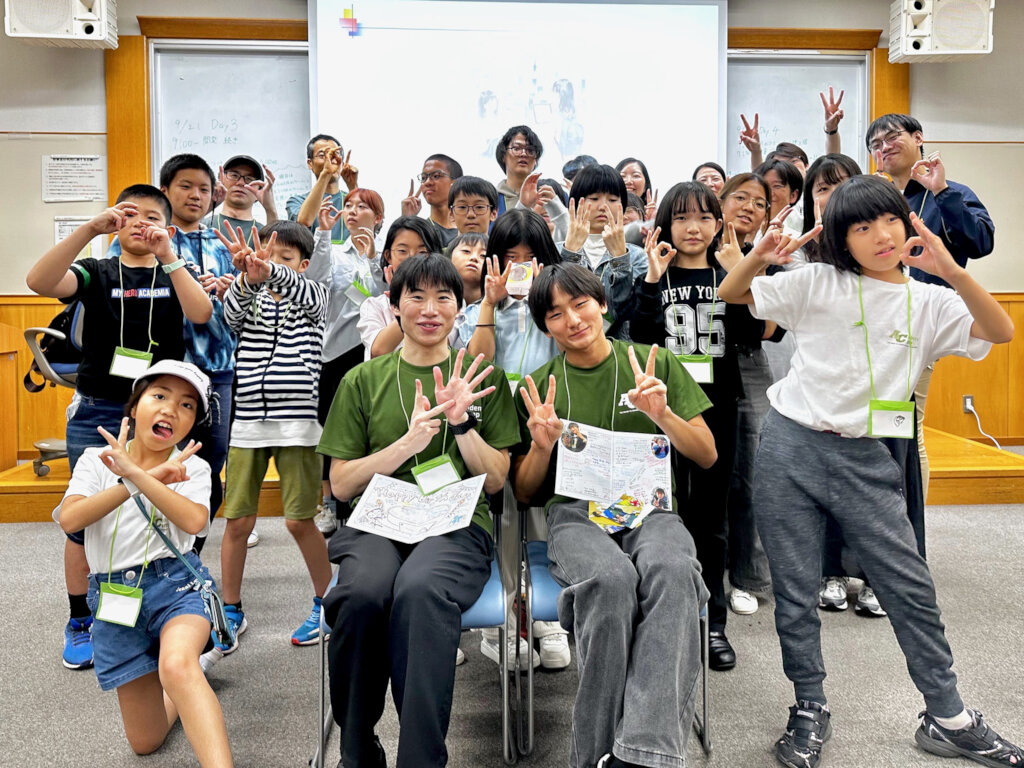
During the long five-day weekend in September, we held a four-day camp in Shibuya, Tokyo, where the children took on the challenge of designing and developing location-based games with AI and then actually playing them. Seventeen elementary, junior high, and high school students from the Tohoku, Kanto, and Kansai regions gathered for the camp. Three high school students supported the camp as sub-leaders. The children were divided into six teams, each of which designed a different location-based game. The teams were then paired up, with each pair playing both their own game and the game created by their partner team.
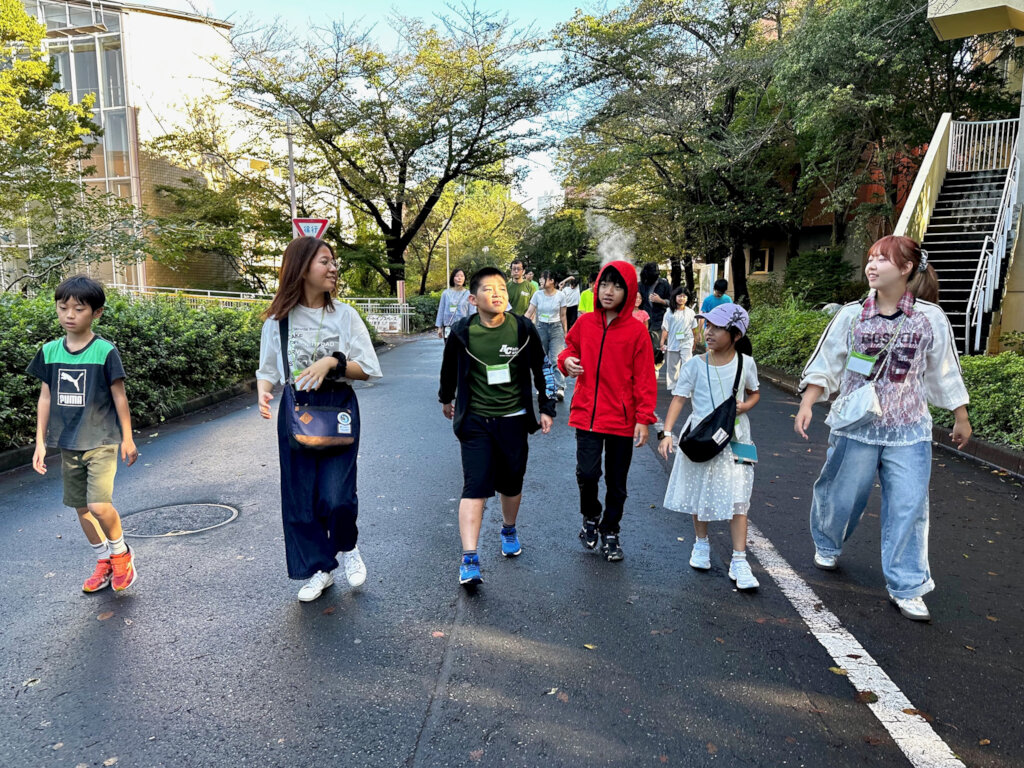
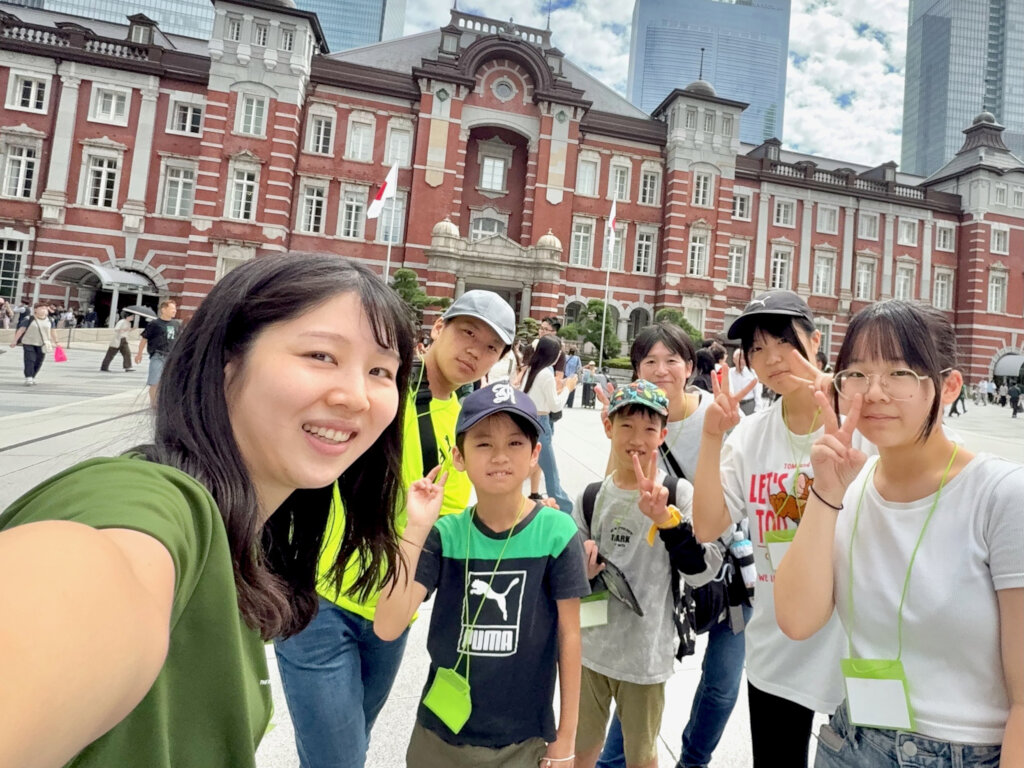
Two major challenges stood in our way. One was that the AI system was overly cautious about security, repeatedly bringing development of the games’ features to a halt. The other was an approaching typhoon. Unfortunately, it is not unusual for typhoons to arrive during our summer or autumn camps, but this time it seriously disrupted our plans. We had intended to test the games near the venue on the second day and then spend the third day running around Tokyo and actually playing them. But in the end, we spent the middle two days of the four-day camp inside our accommodation, developing the games and testing them indoors. On the morning of the fourth day, we finally headed out into the streets of Tokyo, but because we had not been able to test the games sufficiently, they did not work as well as we had hoped.
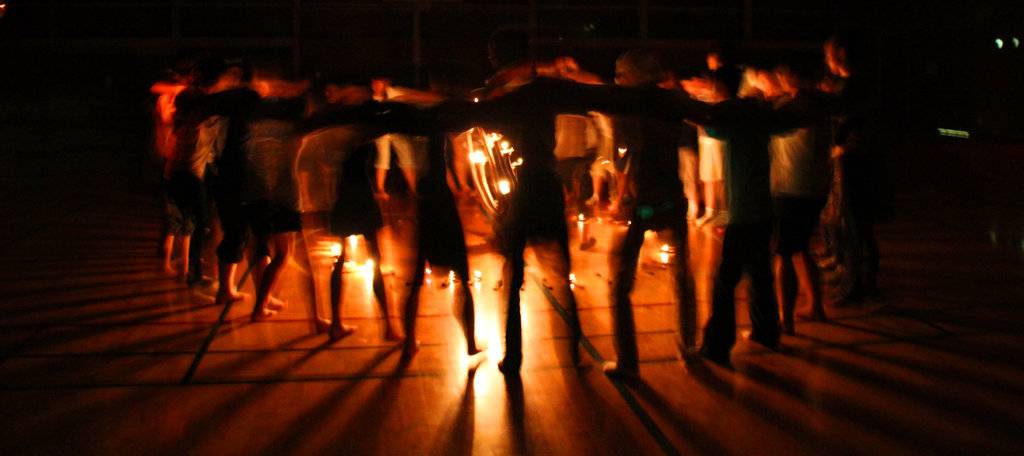
But failure is the mother of success! On the first day of this camp, 6-dim+, an improvisational theater and comedy group that joins us about once a year, came to visit. They entertained us with an improv workshop and a mini live performance—unscripted and therefore full of failures that we could laugh about. Through the workshop, we learned some of the key elements of location-based games by experiencing them through improvisational theater: Where am I? Where do I go from here? What happens next?
Come to think of it, this may be a miniature version of the children’s future. We hope that by experiencing failure again and again—and even learning to enjoy it—the children will open up new possibilities for their future.
Links:
Project reports on GlobalGiving are posted directly to globalgiving.org by Project Leaders as they are completed, generally every 3-4 months. To protect the integrity of these documents, GlobalGiving does not alter them; therefore you may find some language or formatting issues.
If you donate to this project or have donated to this project, you can receive an email when this project posts a report. You can also subscribe for reports without donating.



Support this important cause by creating a personalized fundraising page.
Start a Fundraiser