By Samuel Gummah | Project Leader
Two major developments in can be used to define the current state of media and civil society in Uganda. In January 2026, the government suspended the operating licenses of 10 of some of the largest None Governmental Organizations. At the end of June 2026, Uganda’s and indeed East Africa’s largest private independent media organization, The Nation Media Group, publishers and owners of The Monitor Newspaper, Nation Television and a variety of FM radio channels was shut down.
Outstandingly though, the Patriotic League of Uganda (PLU), formerly known as the MK Movement, operating as a pressure group aiming to promote patriotism and national development established by the president’s son, General Muhoozi Kainerugaba, Commander of the country’s defense forces, appears to wield significant influence over the country’s leadership. Nearly all the actions of the armed forces including the shutdown of media houses, regime critics like Erias Lukwago, the former Lord Mayor of Uganda’s capital Kampala, human rights activist former Minister for Ethics Hon. Miria Matembe among others have been announced on his X (formerly Twitter) account.
As Uganda’s sole news agency and a not-for-profit media organization, URN serves as a shared reporting infrastructure for local and national media outlets that lack the resources to consistently generate their own public affairs coverage.
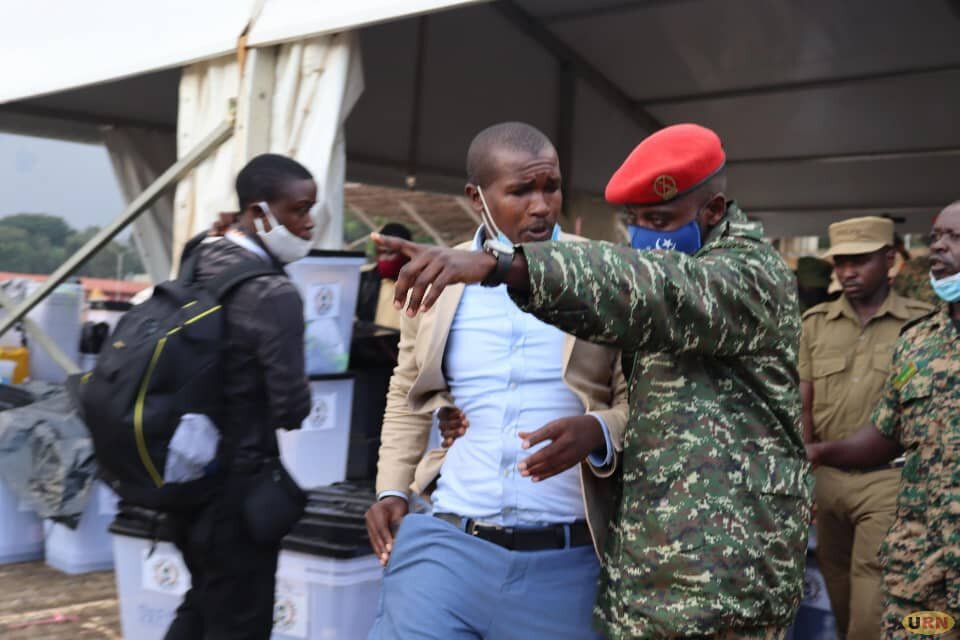
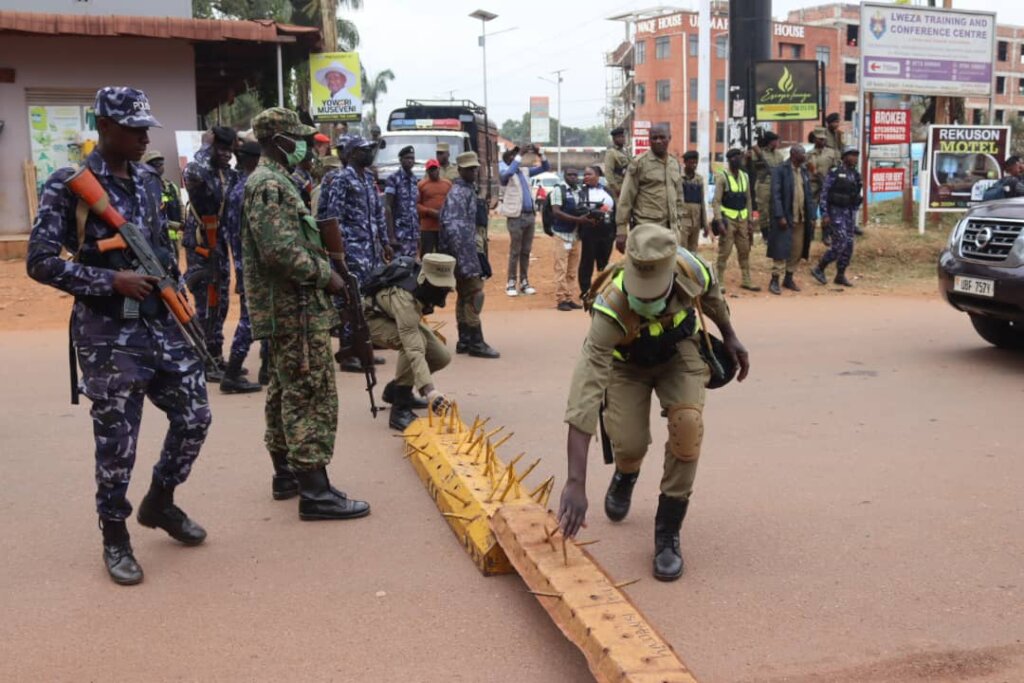
In the past three months, reports of military intervention in law and order climaxed with the raid and search at the home of the former speaker of parliament, who remains under house arrest, the raid and arrest and charging of the former mayor of Kampala and the deportation of former Kenyan justice minister, Martha Karua from Uganda.
During the reporting period, the focus on accountability took on added weight as citizens faced a complex convergence of political, economic, and human rights challenges. While the approaching and eventual 2026 elections created a clear need for media to interpret political processes and track campaign promises, the public’s concerns extended far beyond the ballot box.
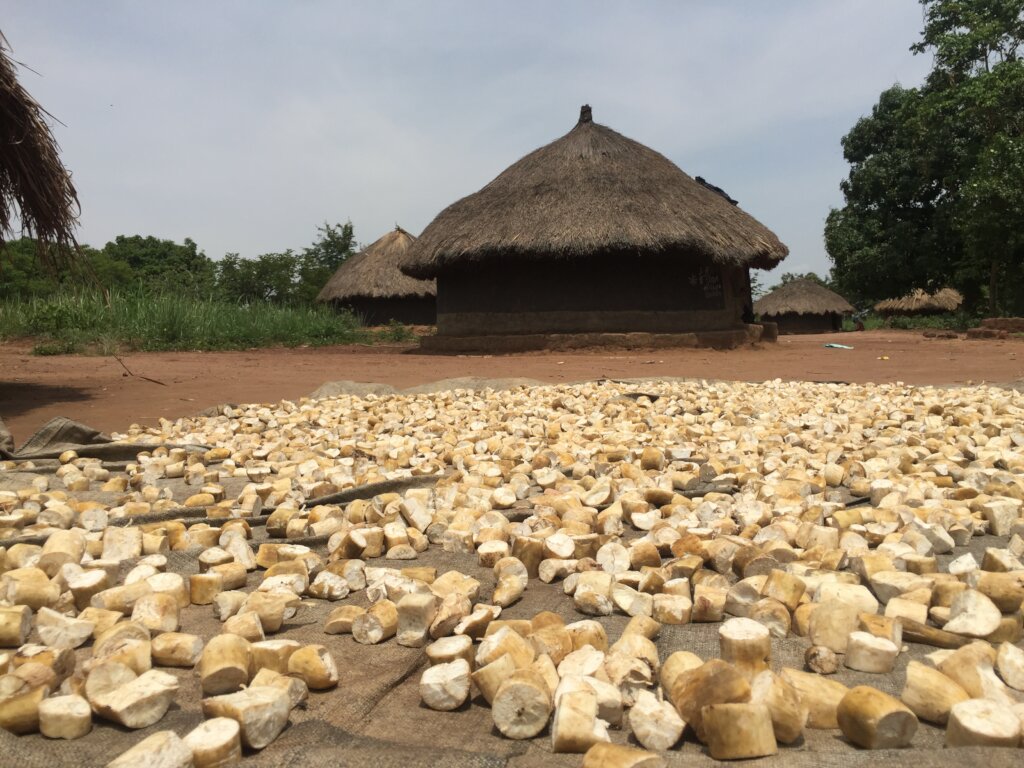
Ugandans navigated significant service delivery gaps, compounded by reports that nearly 20% of the national budget was being lost to corruption. These issues were particularly acute in regions like Kara-moja, which faced food insecurity and historical under-investment. By providing citizens with evidence-based reporting on these "pocketbook" and service issues, URN helped bridge the gap between high-level policy and the daily survival of ordinary people.
The media’s role as a trusted intermediary was further tested by a tightening civic environment. The year saw an increase in the use of legislative measures, such as the Computer Misuse Act and tax-related regulations, to monitor digital discourse and restrict in-dependent reporting. Journalists frequently operated under the threat of harassment or arrest for covering sensitive.
URN addressed these interconnected pressures by reinforcing the professional judgment and editorial clarity newsrooms needed to survive such scrutiny. The project focused on strengthening the professional norms and verification processes that allow journalism to remain a resilient, factual anchor for transparency and accountability.
The situation is made difficult by the presence of social media where political and all other interests are present. Many times, journalists know more than they are able to publish… so the question is when do you report and when do you fold? How do you avoid being a slave of the person who is constantly using social media channels?
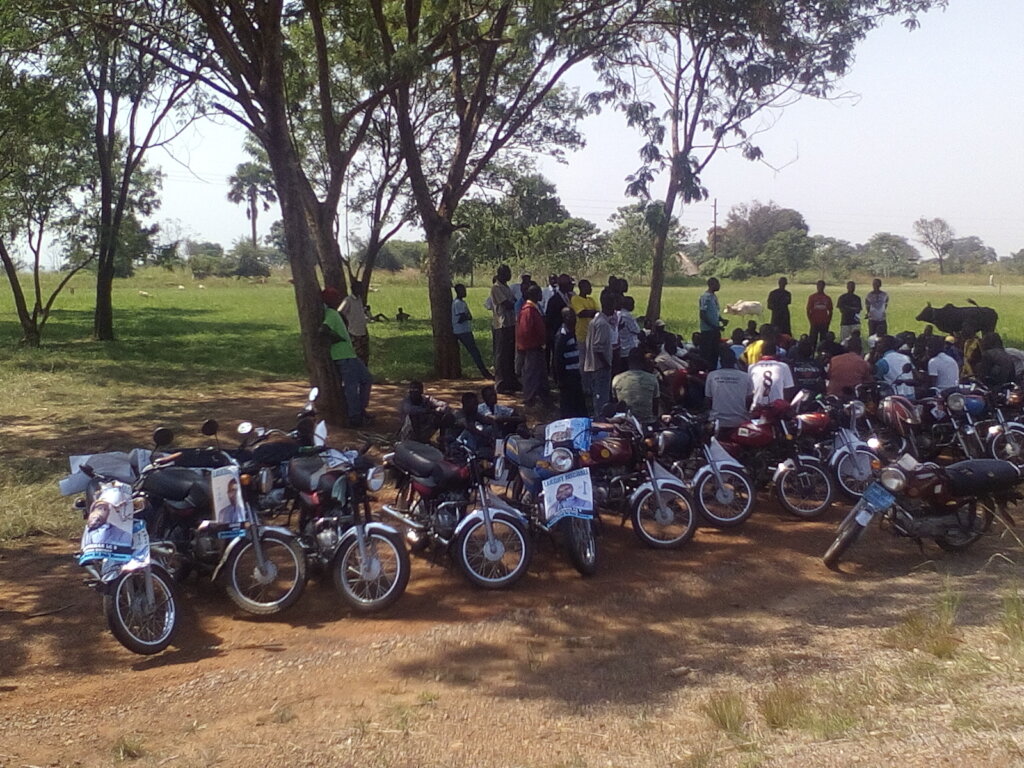
As a result of this enhanced capacity, URN produced over 9,000 news stories during the period. Editorial content placed strong emphasis on elections and electoral processes, including coverage of the campaign activities for candidates for the 2026 general elections. Reporting consistently integrated key thematic areas such as public accountability, human rights, transparency, and civic engagement, providing Ugandans with credible information to support informed participation in democratic processes.
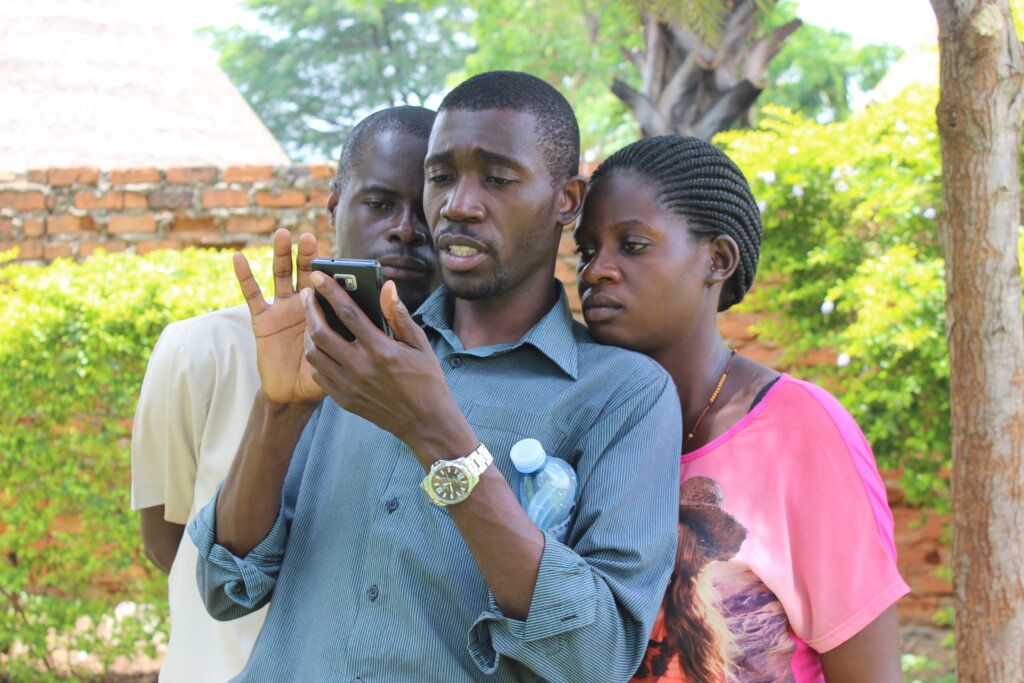
Through continuous training in our newsroom and daily brainstorming sessions, we professionally identify, pitch, research and interview news sources uniquely telling each story while adhering to editorial policies and standards. Despite operating in a turbulent political environment and facing resource challenges, we remain an uncompromised and trusted voice to give a platform to those who need it the most.
By Samuel Gummah Nabaasa | Team Leader
By Samuel Gummah | Team Leader
Project reports on GlobalGiving are posted directly to globalgiving.org by Project Leaders as they are completed, generally every 3-4 months. To protect the integrity of these documents, GlobalGiving does not alter them; therefore you may find some language or formatting issues.
If you donate to this project or have donated to this project, you can receive an email when this project posts a report. You can also subscribe for reports without donating.



Support this important cause by creating a personalized fundraising page.
Start a Fundraiser