By Samuel Gummah Nabaasa | Team Leader
URN was able to meet critical operational costs throughout the difficult electoral process which included the shutdown of internet connectivity and restrictions on digital media and financial transactions. URN strengthened its institutional capacity with staff for the Kampala newsroom and an extra bureau in Soroti, Kasese, Fortportal, Mbarara and Kitgum. The expanded team significantly improved newsroom coordination, editorial oversight, and field reporting coverage, particularly during the highly active political period.
As a result of this enhanced capacity-ty, URN produced over 9,000 news stories during the period. Editorial content placed strong emphasis on elections and electoral processes, including coverage of the Kawempe by-election, subsequent election petitions, and campaign activities for candidates for the 2026 general elections. Reporting consistently integrated key thematic areas such as public accountability, human rights, transparency, and civic engagement, providing Ugandans with credible information to support informed participation in democratic processes.
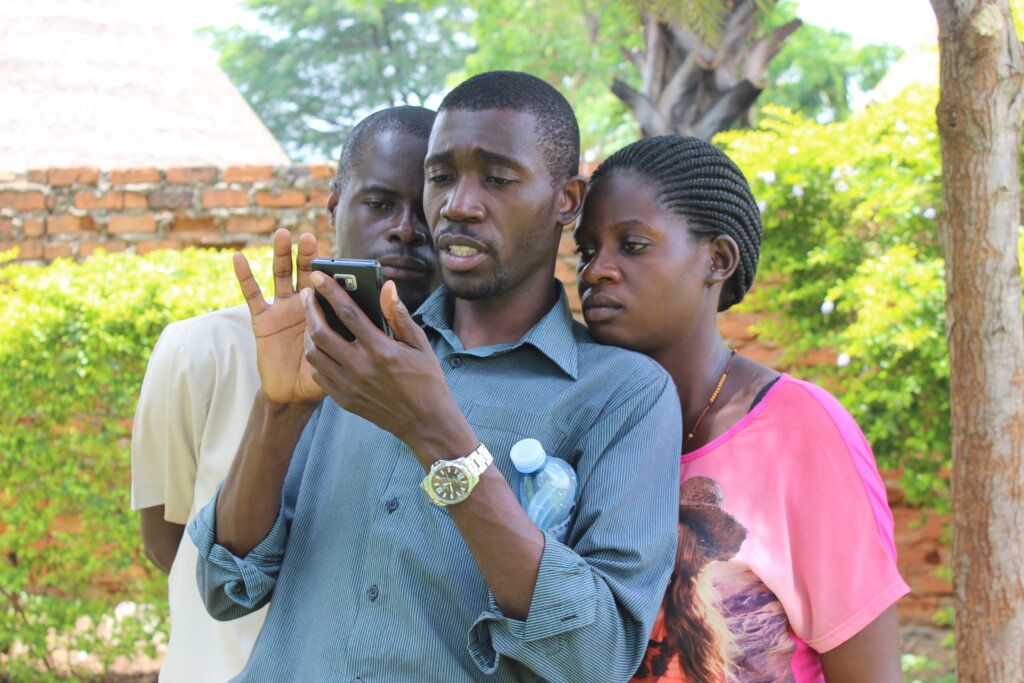
Despite shortage of some production equipment, the staff have been functioning as collaborative working partners and have attracted a growing number of content creators. These include journalists and media practitioners from within the regions as well as from other media houses, such as Voice of Life in Arua, who are utilizing the personal and limited staff equipment as shared workspaces for content development and story production
The content produced covers a wide range of thematic areas, including education, health, local economic development, crime, environment and local governance. Specific governance-related stories have addressed critical community concerns such as land conflicts, equal rights for women and girls, teenage pregnancy, child abuse particularly in gold mining areas in Karamoja poor service delivery, misuse of public offices, and corruption within local governments.
Additional in-depth reporting focused on local government accountability, including allegations of embezzlement and collusion between officials and contractors in public infrastructure and health sector projects. URN further reported on judicial performance and access to justice, highlighting reforms such as the introduction of digital tools aimed at reducing case backlogs, while also drawing attention to persistent challenges related to resource constraints and delayed justice.
Each edition combined in-depth reporting, field interviews, expert analysis, and community voices to provide balanced and evidence-based coverage of accountability and oversight issues. All content underwent editorial review and fact-checking to ensure accuracy, fairness, and compliance with URN editorial standards before publication and distribution.
The completed programs were distributed through URN’s partner radio stations across different regions, enabling wide audience reach and promoting informed public dialogue on government performance and service delivery. Feedback from partner stations and listeners indicated increased engagement with accountability-focused radio content like the perspective titled ‘I Don’t Want to Burden Anyone Anymore’: Is Uganda Heading To a Suicide Pandemic Among Young People? https://ugandaradionetwork.com/s/i-dont-want-to-burden-anyone-anymore-is-uganda-heading-to-a-suicide-pandemic-among-young-people/ Resulted into a heated debt on Sanyu FM between presenter and the audience. The other topics include
The Silent War Front In Acholi 15 Years After LRA War. https://ugandaradionetwork.com/s/the-silent-war-front-in-acholi-15-years-after-lra-war/
What kind of Justice Are You Delivering? When Uganda Law Society Faced Chief Justice Owiny-Dollo https://ugandaradionetwork.com/s/what-kind-of-justice-are-you-delivering-when-uganda-law-society-faced-chief-justice-owiny-dollo/
Promises and Perils in War Loss Compensation in Uganda: When Emotions Rose In Parliament https://ugandaradionetwork.com/s/promises-and-perils-in-war-loss-compensation-in-uganda-when-emotions-rose-in-parliament/
The Mining Law: Can it deliver Uganda to prosperity? https://ugandaradionetwork.com/s/the-mining-law-can-it-deliver-uganda-to-prosperity/
The Men and Officers That Protect Uganda’s National Parks Against Poachers https://ugandaradionetwork.com/s/the-men-and-officers-that-protect-ugandas-national-parks-against-poachers/
Media and Elections In Uganda: When candidates bribe their way into the airwaves and political pages. https://ugandaradionetwork.com/s/media-and-elections-in-uganda-when-candidates-bribe-their-way-into-the-airwaves-and-political-pages/
The UPDF ACT Amendment Bill (2025): A good law laced with poisonous clauses. https://ugandaradionetwork.com/s/the-updf-act-amendment-bill-2025-a-good-law-laced-with-poisonous-clauses/
Why Isimba dam is doomed, awaiting collapse https://ugandaradionetwork.com/s/why-isimba-dam-is-doomed-awaiting-collapse/
The Nobel Profession, Harsh Beginning: The Plight of Young Lawyers in Uganda https://ugandaradionetwork.com/s/the-nobel-profession-harsh-beginning-the-plight-of-young-lawyers-in-uganda/
Votes For Sale: The Monster Wrecking Uganda’s Elections https://ugandaradionetwork.com/s/votes-for-sale-the-monster-wrecking-ugandas-elections/
URN undertook preparations and initial implementation of three-day training workshops aimed at strengthening journalists’ capacity in conflict-sensitive reporting and enhancing their physical and digital safety during election periods in the areas of Arua, Moroto, Gulu, Jinja and Masaka. The trainings attracted 121 participants (Male:77/Female:44) that include news reporters, radio presenters, editors, and producers from different media houses, with a focus on responsible election coverage and risk mitigation.
The workshops were designed to build practical skills in identifying and reporting on conflict dynamics without exacerbating tensions, applying ethical standards in politically sensitive contexts, and ensuring personal safety while covering electoral processes. Sessions also addressed digital security, including protection of devices, sources, and data, as well as strategies for responding to online harassment and misinformation.
Project reports on GlobalGiving are posted directly to globalgiving.org by Project Leaders as they are completed, generally every 3-4 months. To protect the integrity of these documents, GlobalGiving does not alter them; therefore you may find some language or formatting issues.
If you donate to this project or have donated to this project, you can receive an email when this project posts a report. You can also subscribe for reports without donating.



Support this important cause by creating a personalized fundraising page.
Start a Fundraiser