By Samuel Gummah | Team Leader
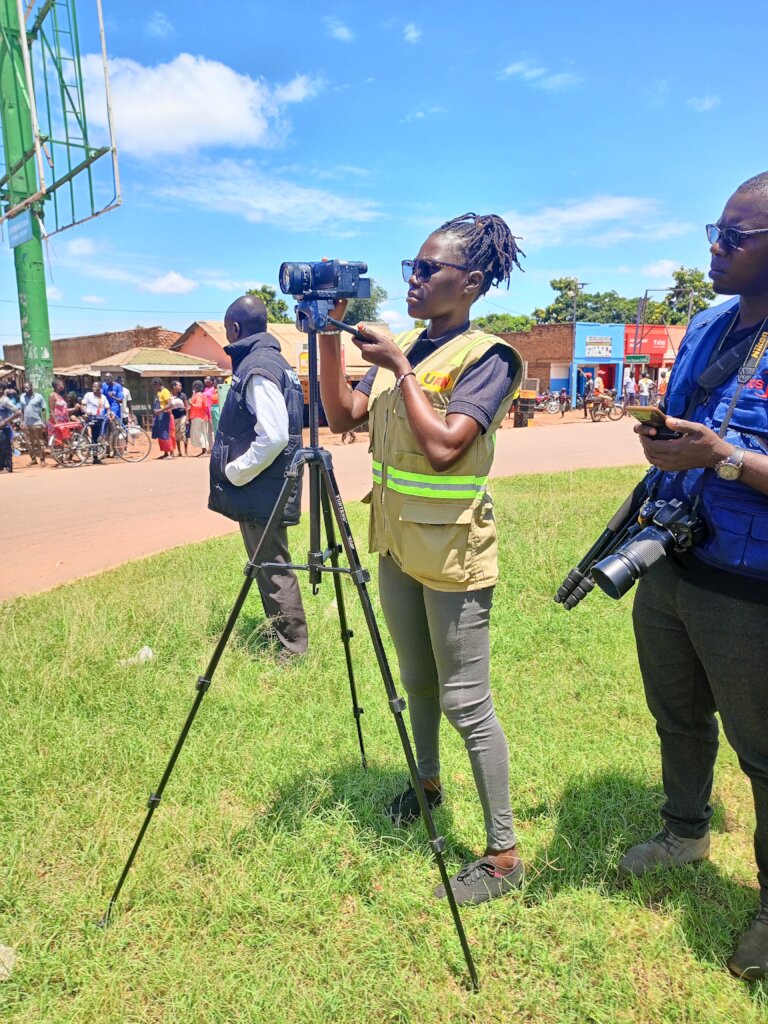
Against this challenging operating environment, URN had a significant impact by continuing with the limited operational capacity and resources to sustain field-based, conflict-sensitive reporting during the post-election period.
URN’s ability to maintain credible public-interest journalism in a constrained media environment also ensured that reliable, timely, and conflict-sensitive information was documented and published within the reporting window. In doing so, it directly advanced the core objective, contributing to a more comprehensive record of Uganda’s post-election political and security landscape. Key news reports published during this period are available on the website; www.ugandaradionetwork.net. The stories covered the following thematic areas:
1. Civil unrest & local electoral conflict
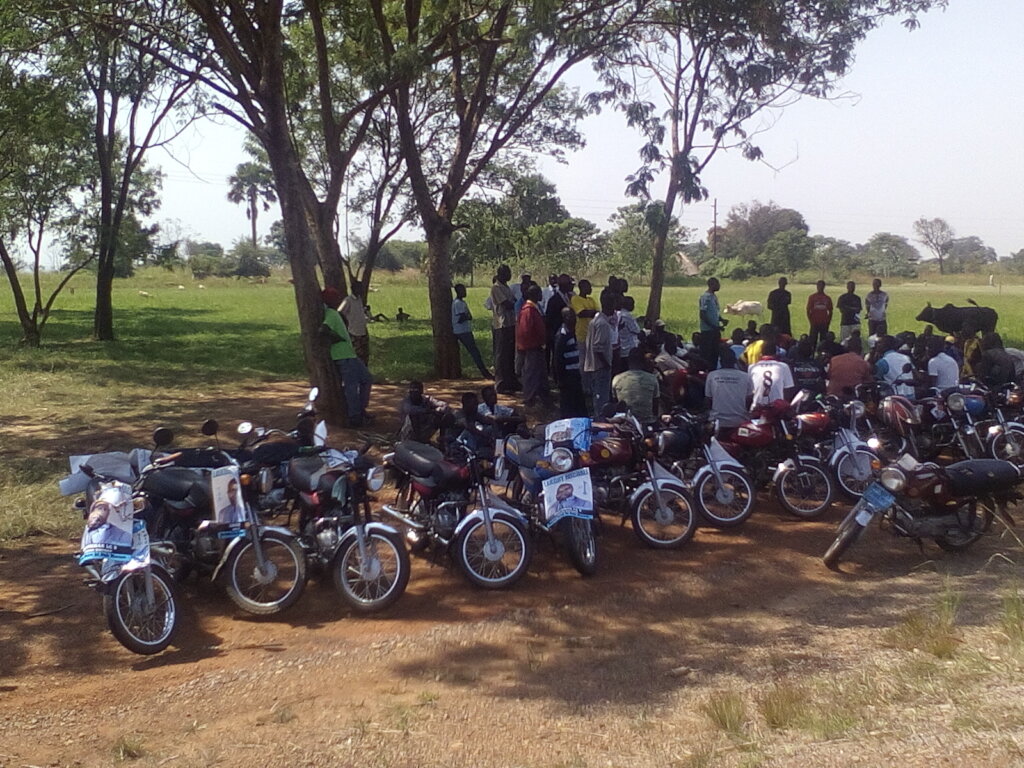
Reporting focus: We covered localized political violence, internal party primary disputes, and public protests.
These reports could be used to track non-state political dynamics such as clashes between rival party supporters (for example; during ruling party (NRM) primaries or opposition rallies), security force suppression of public demonstrations, and localized post-election intimidation. URN's granular, district-level reporting provides essential dates, perpetrator types, and localized trigger points for data mapping.
2. Security force operations & armed group activity
Focused on anti-insurgency campaigns, joint military operations, and domestic security enforcement, particularly involving the Uganda People’s Defense Forces (UPDF) and Uganda Police Force (UPF).
URN's reporting directly mapped into event categories such as "battles," "strategic developments," and "violence against civilians." Key areas included joint counter-terrorism efforts against groups like the Allied Democratic Forces (ADF) under Operation Shujaa, security enforcement during Karamoja cattle rustling/disarmament operations, and casualties resulting from clashes between state actors and local armed groups.
3. Cross-border attacks & regional security instability
Covered regional border flashpoints, cross-border incursions, refugee movements, and transnational trade disruptions across Uganda's borders (DRC, South Sudan, Kenya).
URN's reporting provides ground truth for organizations such as ACLED's transnational security analyses. Reports detail cross-border raids by ADF rebels, M23 regional spillover effects in Western/Southwestern Uganda, South Sudanese armed militia incursions along northern border districts, and border market fires or economic blockades. This data helps track how conflict dynamics
URN’s focus, target, and timely reporting was guided by the objectives outlined in the core organizational values. As a result, it was implemented within a relatively restricted scope, and only limited challenges were encountered. Two major challenges were identified during the implementation period:
Mitigation: URN strengthened its risk mitigation measures by enforcing strict verification protocols and conducting risk assessments before deploying reporters to the field. The organisation also relied on established local and journalist networks to provide early warnings and support informed decision-making on field assignments.
In addition, staff were taken through targeted safety and security sessions to equip them with practical guidance on reporting responsibly and safely within the prevailing security environment. For example, at a time when Nation Media Group (NMG) Uganda, one of the country’s largest media organizations, was shut down, the URN Board Chair convened a meeting on July 07, 2026 with newsroom leadership and staff to provide guidance on the coverage, reporting, and publication of politically sensitive and conflict-related developments. The engagement helped strengthen the newsroom’s preparedness to report responsibly and safely amid the heightened political tensions and evolving security environment.
Project reports on GlobalGiving are posted directly to globalgiving.org by Project Leaders as they are completed, generally every 3-4 months. To protect the integrity of these documents, GlobalGiving does not alter them; therefore you may find some language or formatting issues.
If you donate to this project or have donated to this project, you can receive an email when this project posts a report. You can also subscribe for reports without donating.


Support this important cause by creating a personalized fundraising page.
Start a Fundraiser