By Markus Faigle | Volunteer
To illustrate the importance of our microcredit program for households and its impact on the family unit, we will look at examples, or households located in Zahana’s four project villages. The second focuses on Jean Liva. The other three loans are admittedly more modest than Benja and Juliette, but no less important for each of the households.
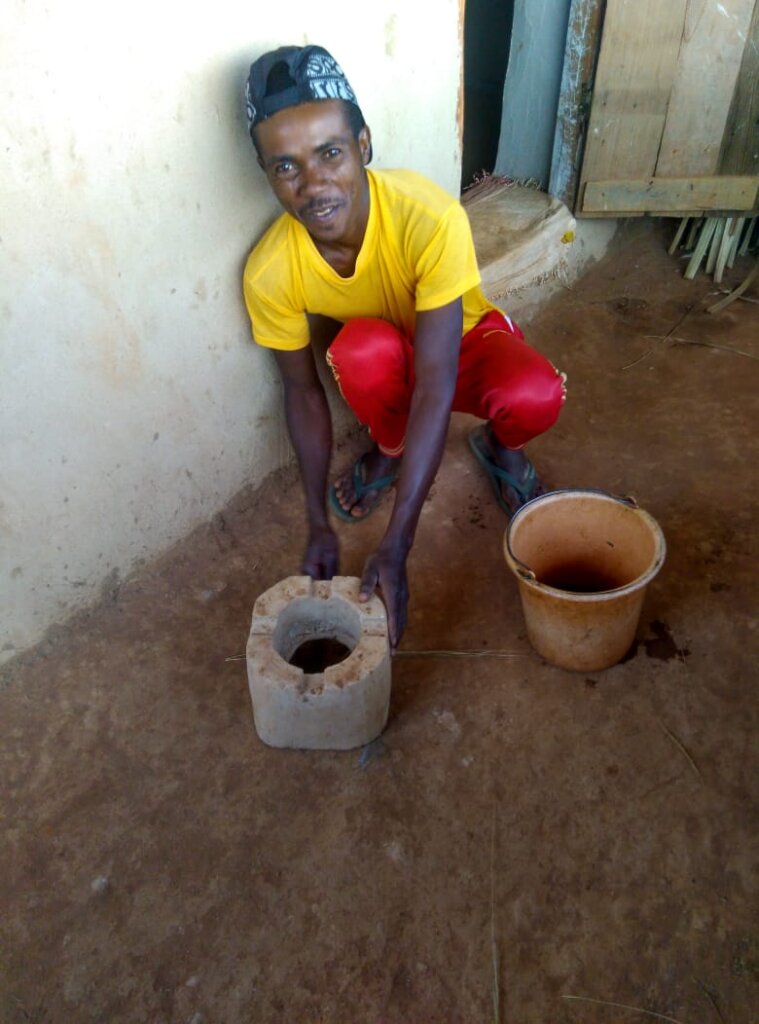
Jean Liva, who is also a former student of our school and living in Fiadanana with his wife and two young children. They received micro-credit funds from Zahana that enabled them to regularly produce improved cookstoves, based on trainings provided by Zahana when the idea was introduced in 2019 (see website). Their improved version of the original model has a unique style and shape. Their cookstoves are available for sale and very sought after in surrounding villages. Marking their cookstoves year-round, provides them with additional income to supplement their earnings from seasonal farming and livestock rearing.
This is the context for our current microcredit activities
We would have liked to fast-track the process and use microcredit as a lever, or another important tool, to raise the quality of life for current community members. Our ultimate goal is to lift them out of poverty and an endless cycle of depending on each year’s uncertain rice harvest as their only source for cash. Improving the standard of living of our community households relies first and foremost on securing a steady, regular income stream in addition of the rice harvest. We hope to accomplish that with the help of access to these much needed microcredit loans.
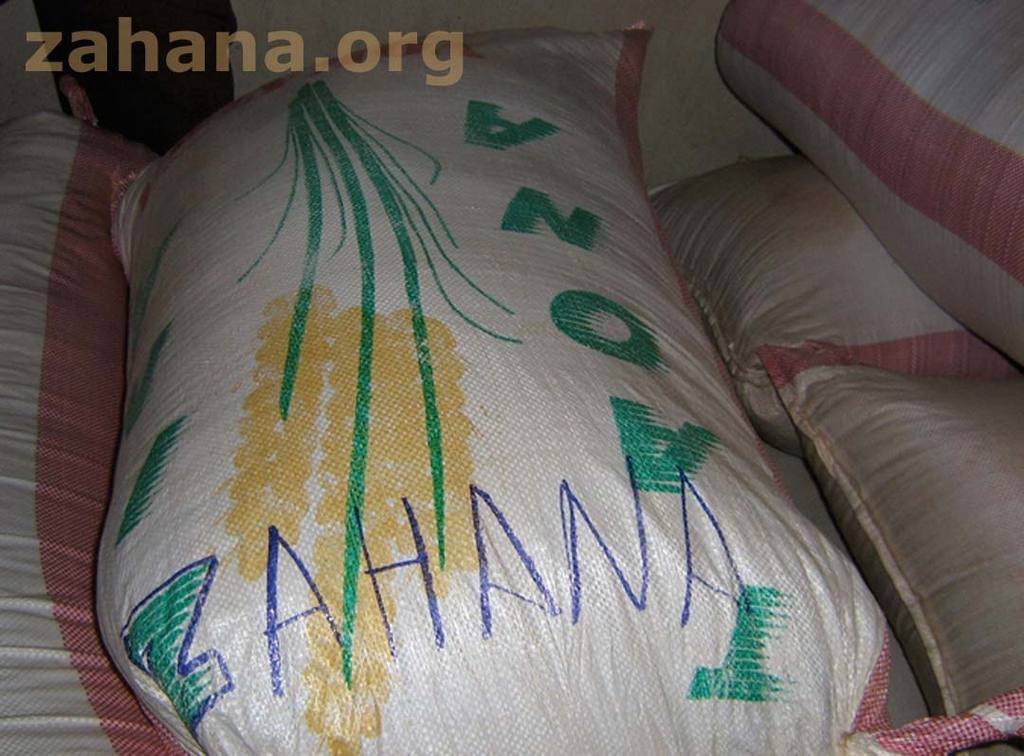
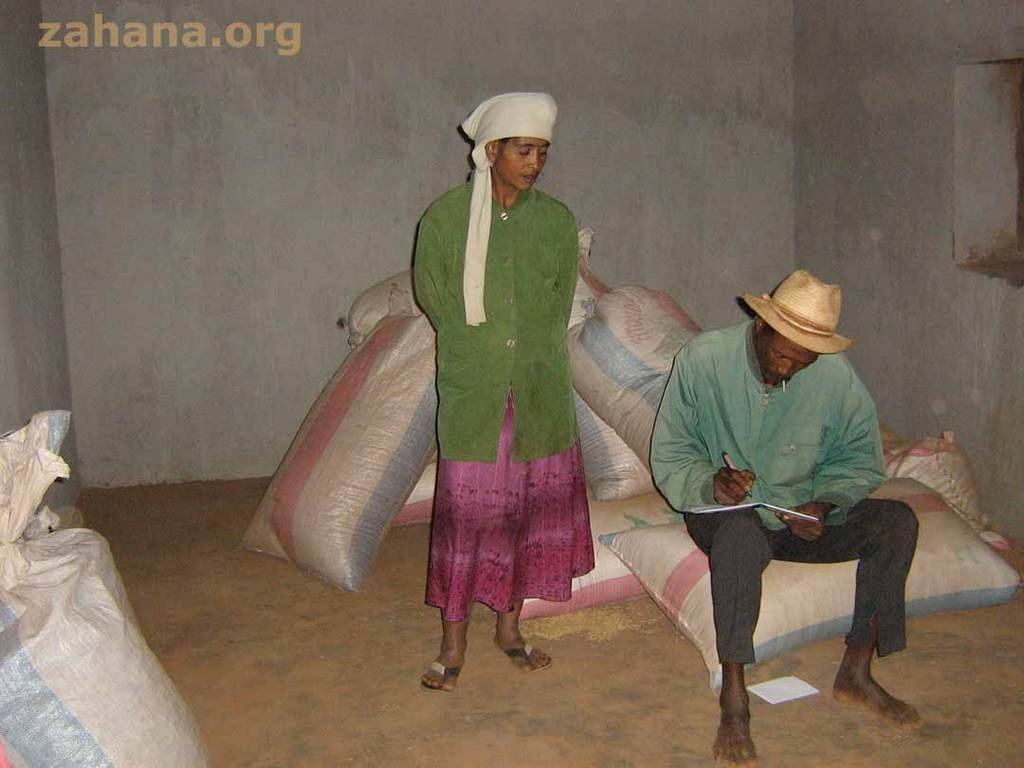
Although the microcredit loan conditions are clearly defined and set by each community for their members, they are not always easily met in rural areas due to endemic economic hardship. Launched over two decades ago, the "Zahana microcredit" scheme has evolved from ambitious large scale group loans - ranging from community rice granary loans worth millions of ariary almost 20 years ago, to household-level micro-loans. With lessons learned applied it evolved into a program targeting those willing to undergo Zahana provided training and the commitment to adhere to both the annual rural agricultural calendar and a community set repayment schedules. The approach has proven successful, with the number of loans surging from a few dozen to around a hundred today.
Links:
Project reports on GlobalGiving are posted directly to globalgiving.org by Project Leaders as they are completed, generally every 3-4 months. To protect the integrity of these documents, GlobalGiving does not alter them; therefore you may find some language or formatting issues.
If you donate to this project or have donated to this project, you can receive an email when this project posts a report. You can also subscribe for reports without donating.



Support this important cause by creating a personalized fundraising page.
Start a Fundraiser