By Marisol Aguilar | Programme Coordinador
YALP: From Learning About Anti-Racism to Imagining Change
YALP – 6th Generation
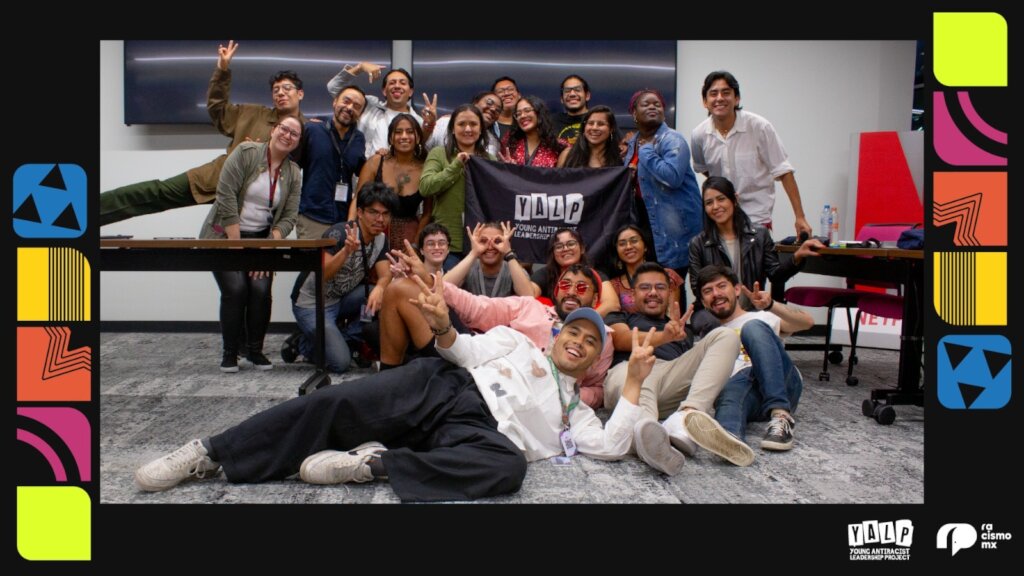
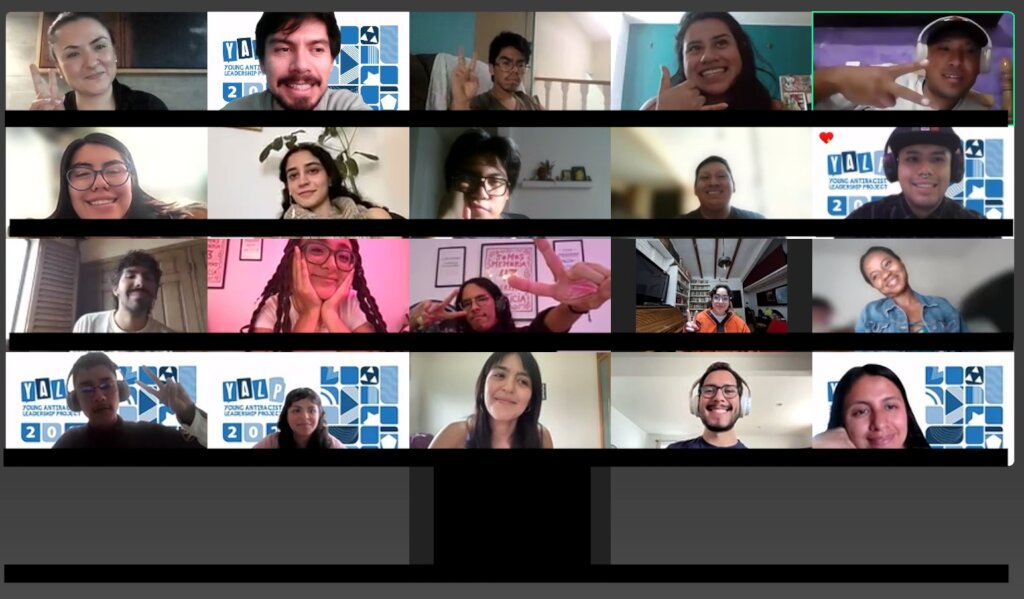
This quarter, YALP delivered its intensive training program, bringing together 11 young people who successfully completed an intensive learning experience on anti-racism and are now ready to turn what they have learned into projects capable of creating meaningful change.
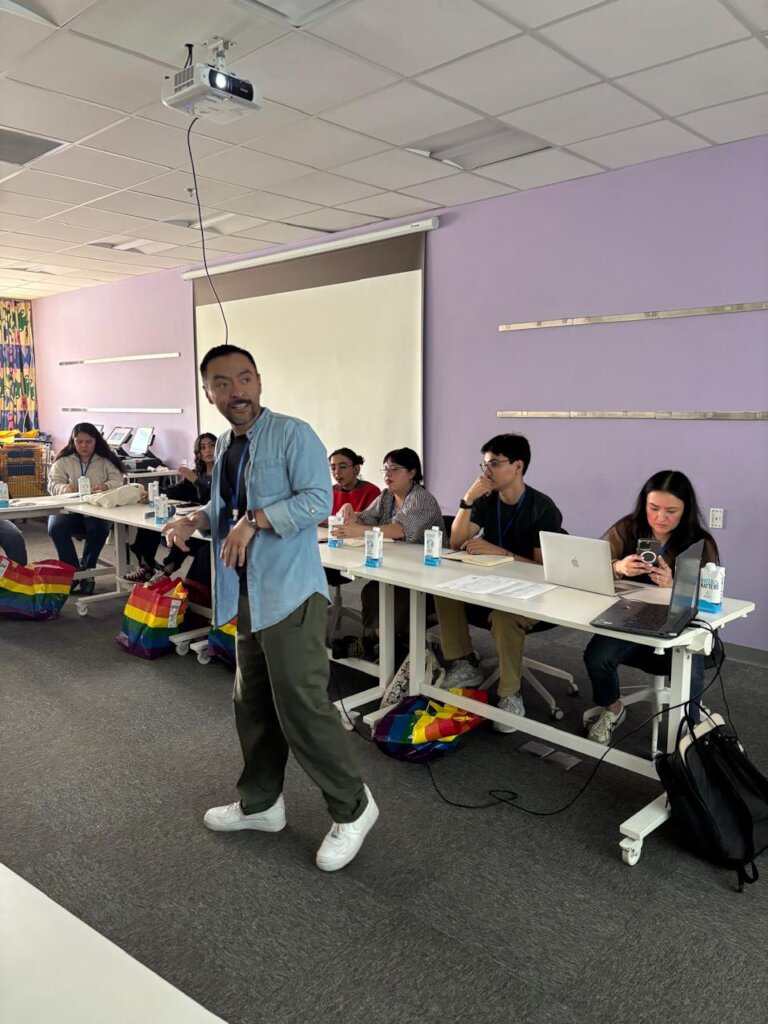
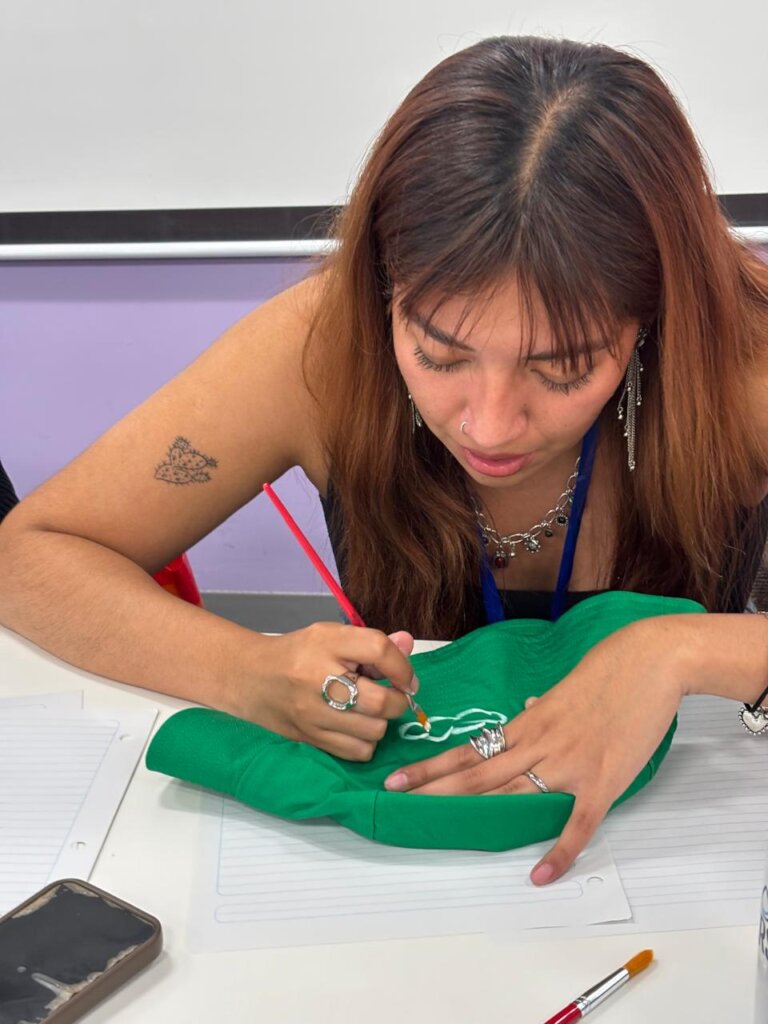
Over the course of two weeks, the sixth YALP cohort participated in classes, conversations, critical analysis, meetings with organizations and institutions, and hands-on experiences designed to understand racism as a system while exploring tools and strategies to transform it.
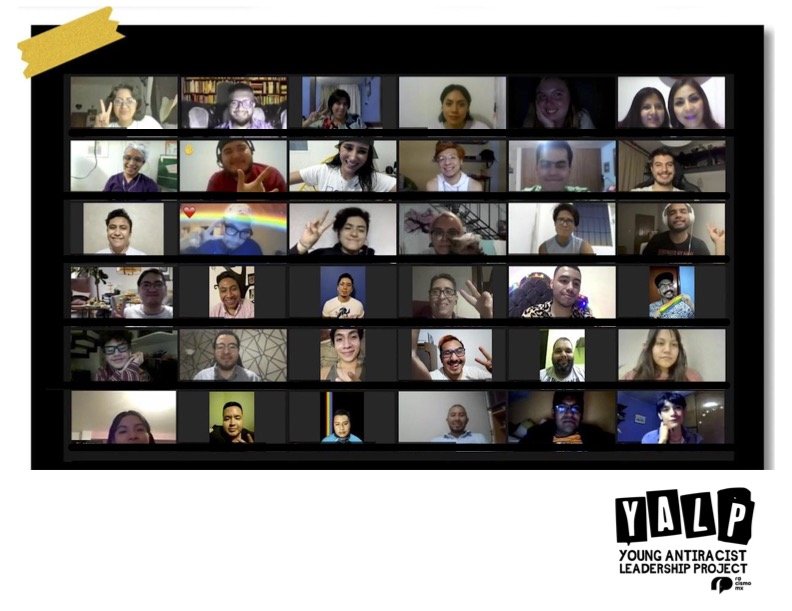
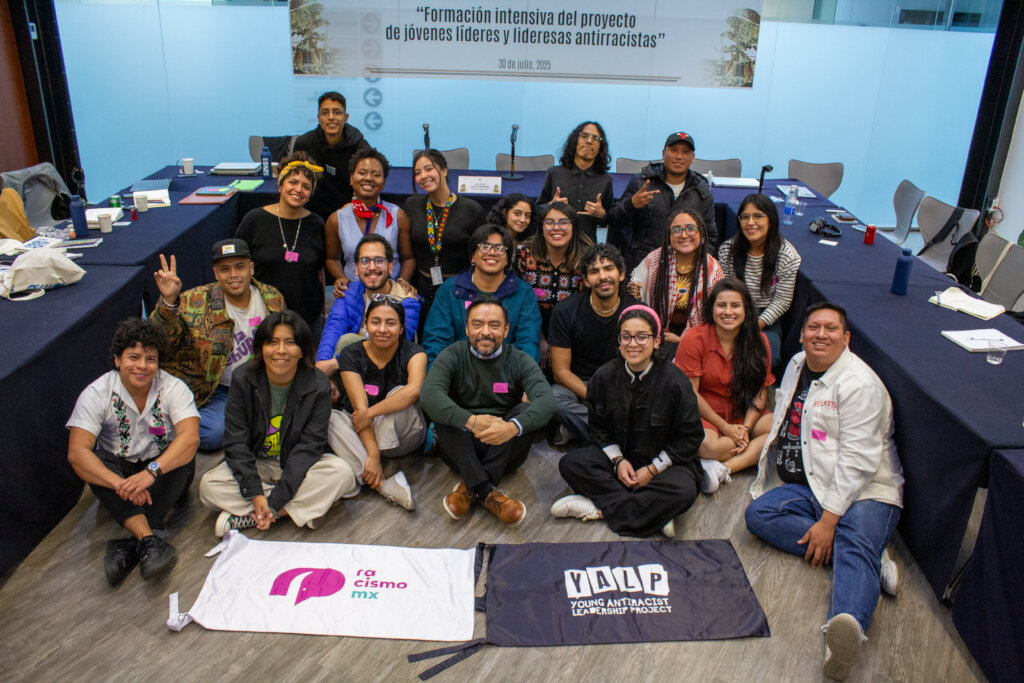
The training followed a hybrid format: the first week was entirely online, while the second week took place in person in Mexico City. During the in-person week, YALPers moved beyond the traditional classroom and brought anti-racist conversations into spaces where decisions are made, public policies are developed, and organizational cultures are shaped.
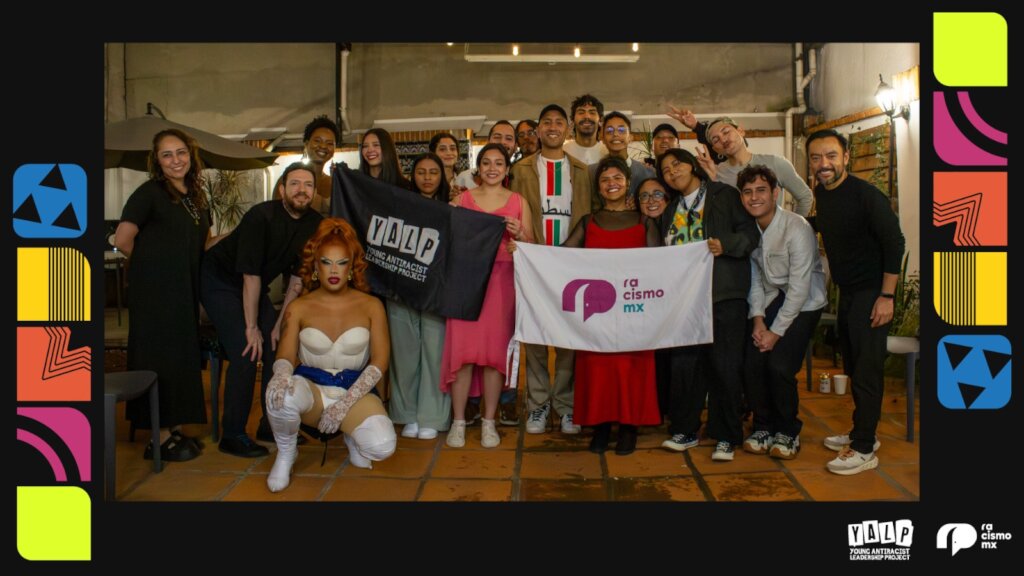
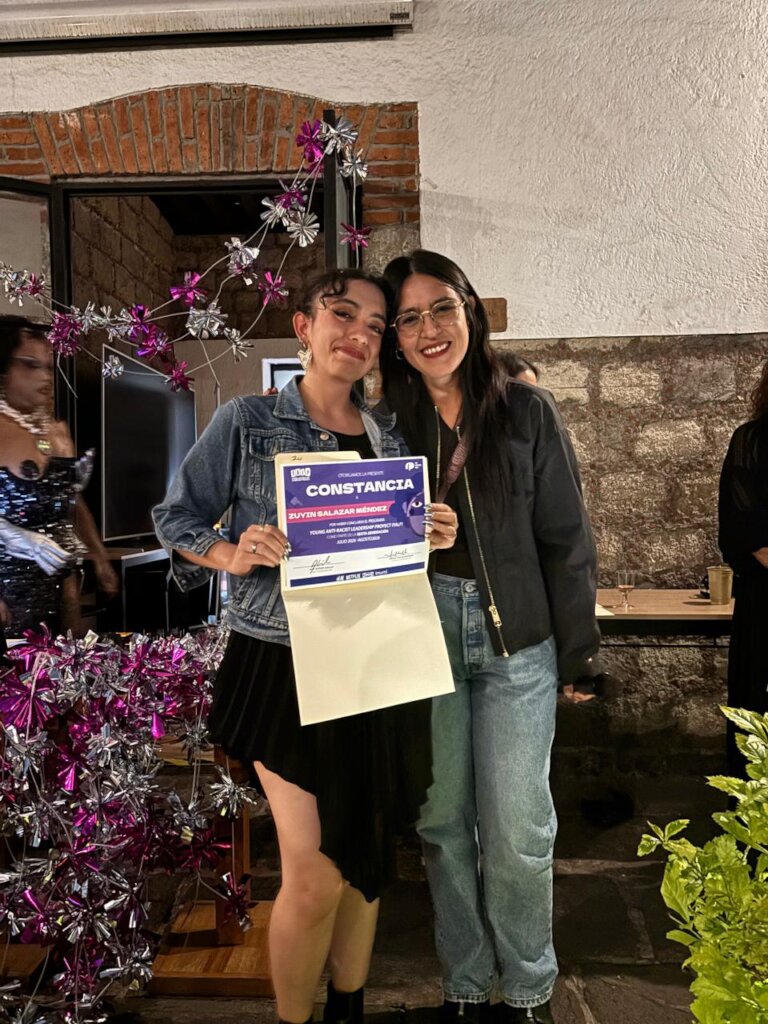
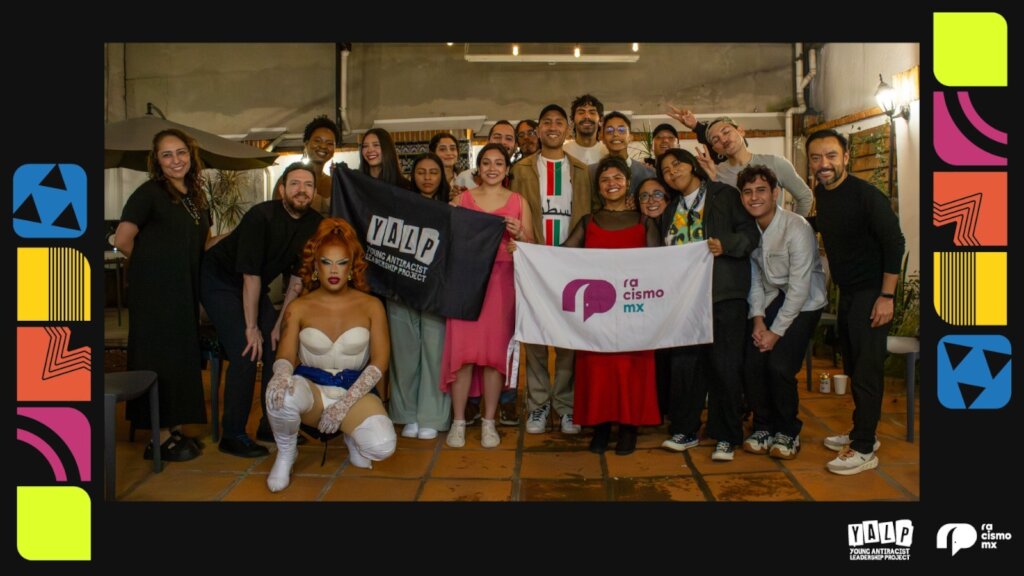
YALP concluded this stage with a graduation celebration and the presentation of certificates.
The next stage then began: turning ideas into action.
Two Weeks of Intensive Training
The intensive training for the sixth generation was designed not only to introduce participants to concepts related to racism and discrimination, but also to help them identify how racism operates in everyday life and within social structures, and to think strategically about how to transform them.
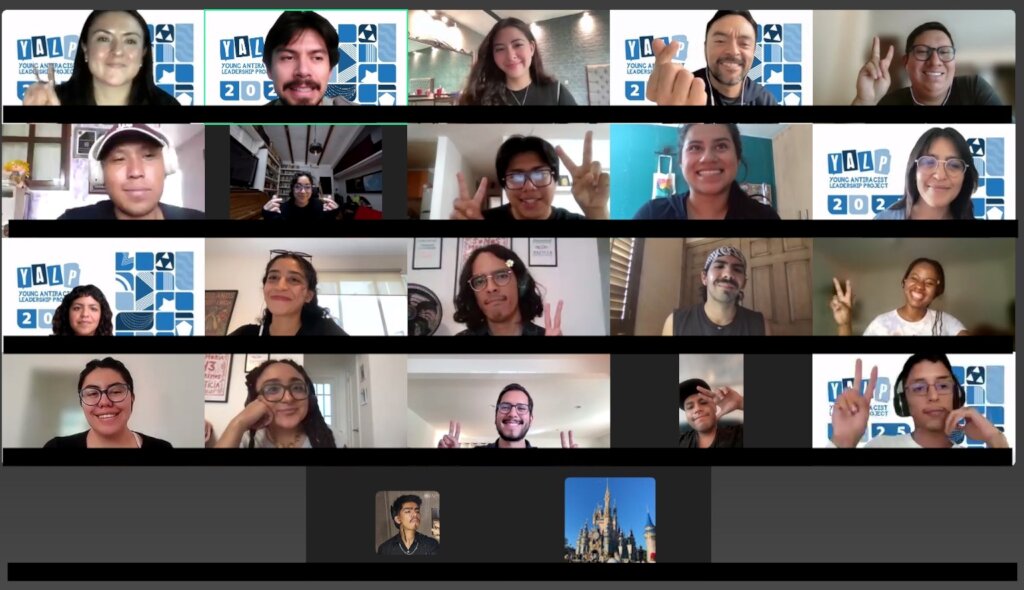
During the first week, the 11 YALPers participated in virtual sessions with educators, activists, and experts who addressed different dimensions of anti-racism.
The classes combined theoretical knowledge with the experiences of people who have worked directly in human rights advocacy and in building anti-racist movements and projects.
One of the defining elements of YALP is precisely this combination: learning from theory, but also from experience and action.
Participants had the opportunity to engage with diverse perspectives and approaches to anti-racism, question ideas that are often taken for granted, and connect conversations about race with issues such as gender, inequality, power, privilege, discrimination, and social justice.
The first week laid the foundation. The second week took these conversations to another level.
YALP’s In-Person Week
The second week took place in person and followed a particularly meaningful approach: classes were held in the spaces of institutions and organizations working, from different perspectives, toward building more equal societies.
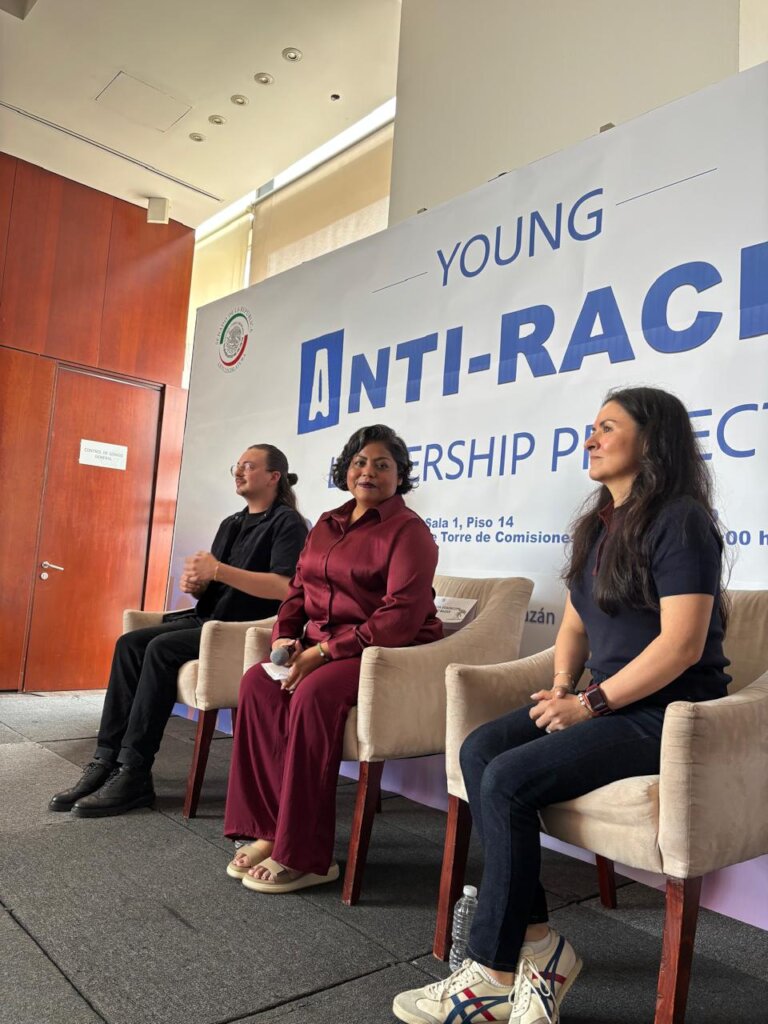
During this week, COPRED, the Mexican Senate, the Human Rights Commission of Mexico City, IKEA, and Netflix opened their doors to welcome the sixth YALP cohort.
For the young participants, this meant much more than simply changing classrooms. It meant gaining firsthand insight into spaces where policies are designed, rights are defended, decisions are made, and institutional and corporate cultures are transformed.
Each visit connected classroom discussions with much more concrete questions:
How can discrimination be addressed from within a public institution?
What role do companies play in building workplaces free from racism?
How can advocacy contribute to transforming public policies?
What does it mean to bring an anti-racist perspective to decisions that affect the lives of millions of people?
These experiences helped YALPers understand that anti-racism does not happen in a single space, nor does it have only one strategy.
It can happen within a civil society organization, a company, Congress, a human rights institution, a community, or through a project created by young people who have decided that things can be done differently.
This diversity of possibilities is precisely one of YALP’s greatest strengths.
Learning Also Means Coming Together
The in-person training created something that no digital platform can fully replace: community building.
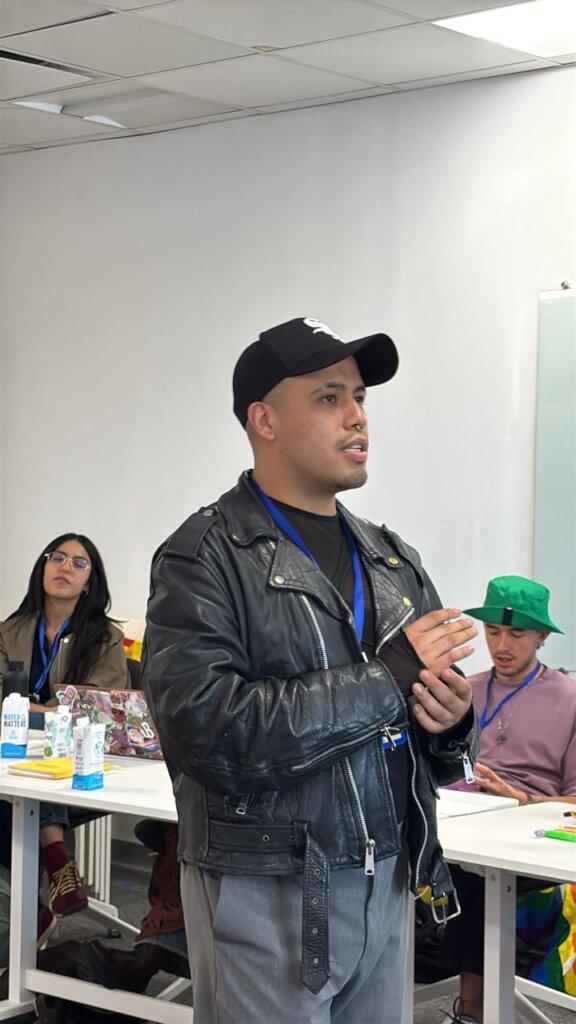
Throughout the week, YALPers shared knowledge, questions, experiences, disagreements, lessons learned, and, of course, many conversations beyond the classroom.
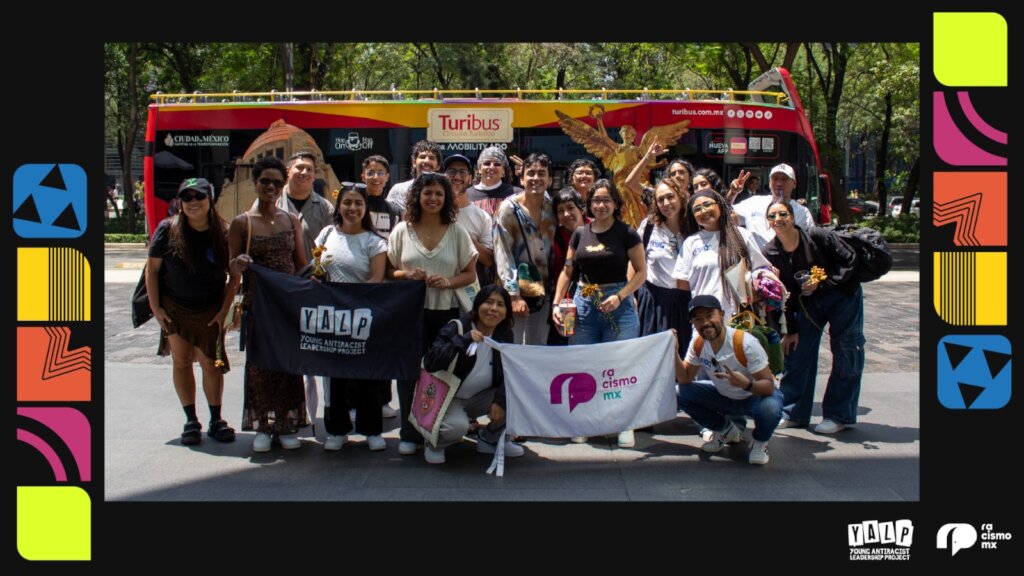
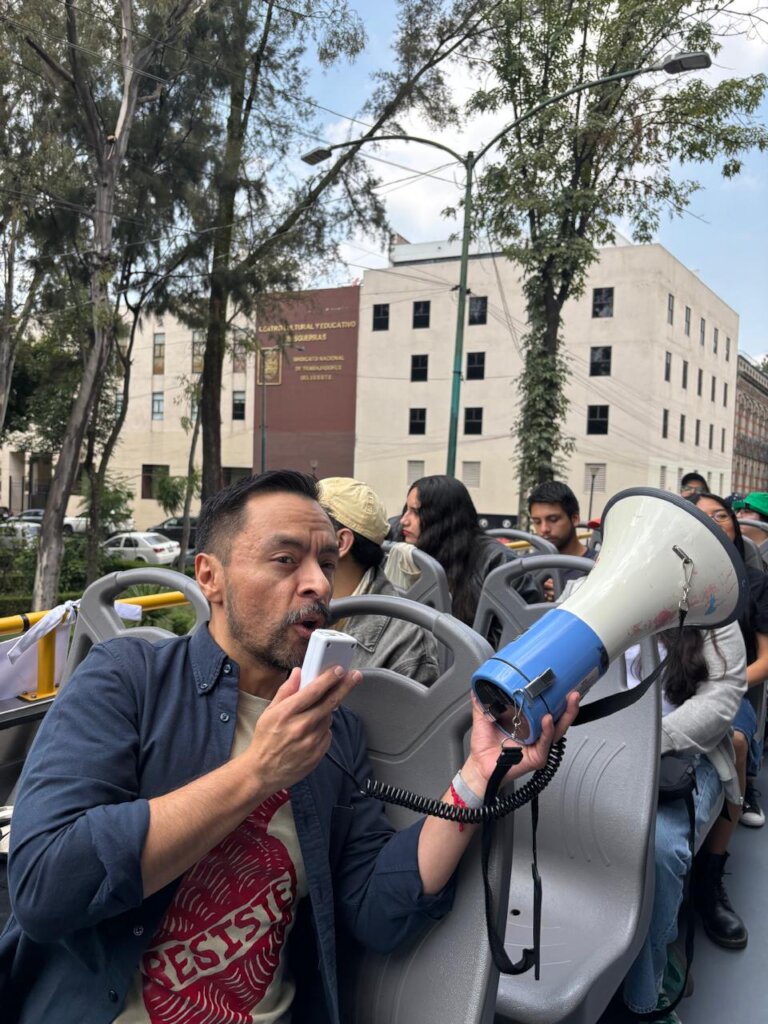
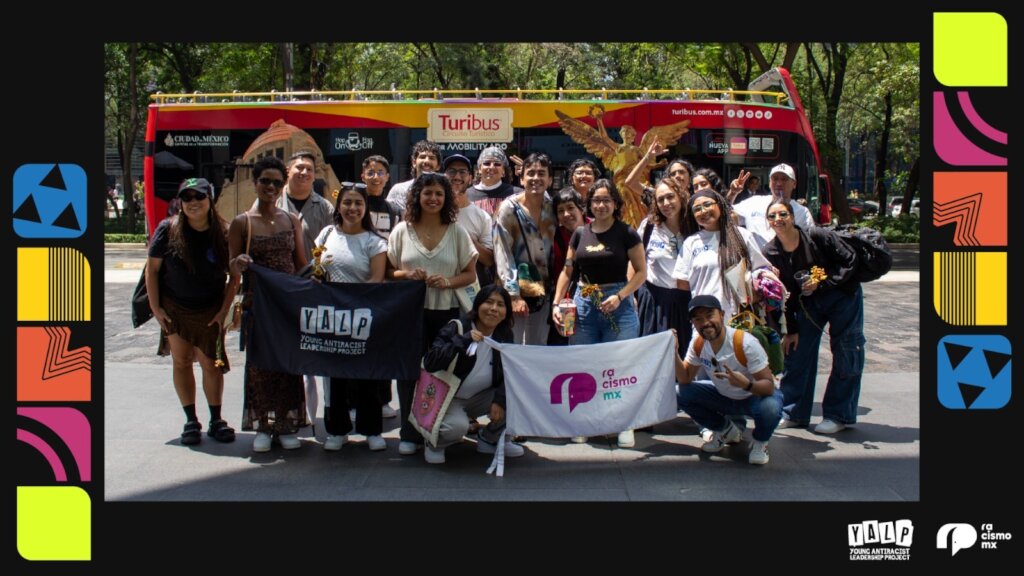
On Saturday, the group participated in an Anti-Racist Turibus, an experience designed to explore Mexico City through a critical and anti-racist lens.
Through different sites and landmarks across the city, the tour created an opportunity to reflect on history, inequality, and the ways racism is present—and often rendered invisible—in the spaces we inhabit.
The tour was also an opportunity to strengthen connections among participants and reinforce an important idea at the heart of YALP: young people do not have to face these challenges alone.
11 New Voices for the Anti-Racist Movement
The sixth generation is made up of 11 YALPers who successfully completed the intensive training stage.
Each participant brought different experiences, interests, and questions to the program. This diversity greatly enriched the process and allowed conversations to move far beyond an academic understanding of racism.
Throughout the two-week training, the young participants strengthened their ability to:
But perhaps one of the most important outcomes of this stage cannot be measured only in training hours or number of sessions.
It is 11 new people becoming part of a community committed to transforming racism from different fronts.
And Now Comes the Exciting Part: Turning Ideas into Projects
With the completion of the intensive training, YALP has entered a new stage: mentorship.
Each YALPer will now work more closely with a mentor to develop and strengthen their project.
The mentorship process will help participants move from an initial idea toward a clearer, more feasible, and more strategic proposal.
During this stage, they will work on key elements such as defining the problem they want to address, establishing their objectives, identifying the people or communities they want to work with, developing intervention strategies, generating results, and measuring their impact.
This support is especially important because YALP is not simply about equipping young people with knowledge about anti-racism.
It is about empowering young people to do something with that knowledge.
Mentorship is therefore the bridge between learning and action.
It is the moment to take the questions that emerged during the training, turn them into proposals, and begin imagining solutions.
A New Chapter for YALP
The sixth generation represents a new chapter for YALP and, at the same time, the strengthening of a commitment that we continue to see as urgent: investing in young people who can lead anti-racist transformations in their communities, organizations, and institutions.
In a context where racism continues to affect opportunities, access to rights, and the everyday lives of millions of people, we need more than conversations about diversity and inclusion.
We need people with the tools to identify inequalities, question the structures that produce them, and build alternatives.
That is what we want YALP to do.
During this period, 11 young people participated in an intensive learning experience, met activists and experts, stepped into institutional spaces, built community, and began developing their own projects.
Now comes the next challenge: supporting them as they turn those ideas into action.
And we are incredibly excited to accompany this sixth generation in what comes next.
By MARISOL AGUILAR CONTRERAS | Programme Coordinador
By Marisol Aguilar | Programme Coordinador
Project reports on GlobalGiving are posted directly to globalgiving.org by Project Leaders as they are completed, generally every 3-4 months. To protect the integrity of these documents, GlobalGiving does not alter them; therefore you may find some language or formatting issues.
If you donate to this project or have donated to this project, you can receive an email when this project posts a report. You can also subscribe for reports without donating.



Support this important cause by creating a personalized fundraising page.
Start a Fundraiser