Project Report
| Jul 13, 2026
Launching war against Poverty: KIFA 2026
By George Obua | Project Leader
Launching war against Poverty: KIFA 2026
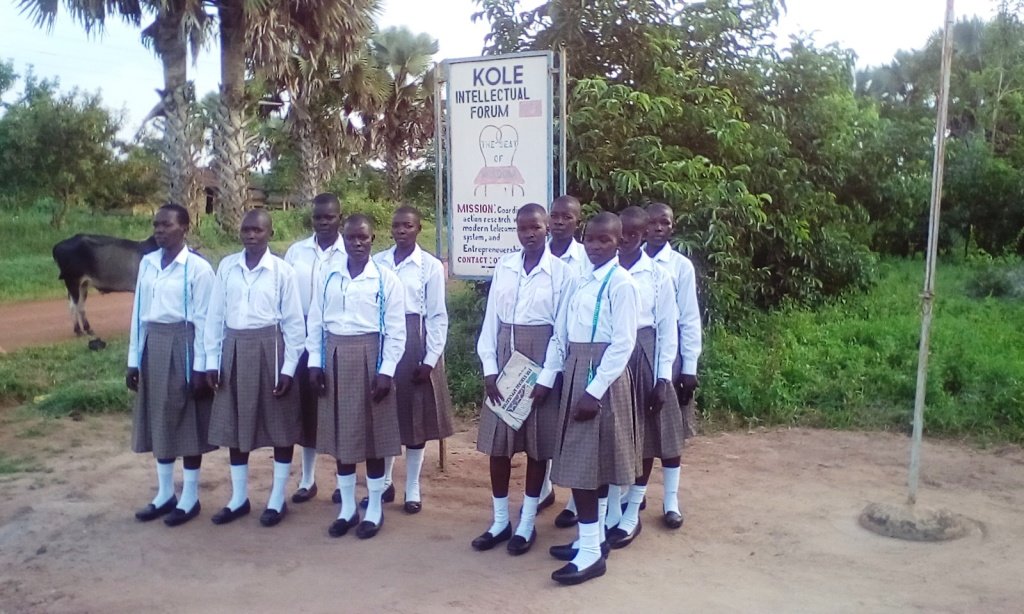
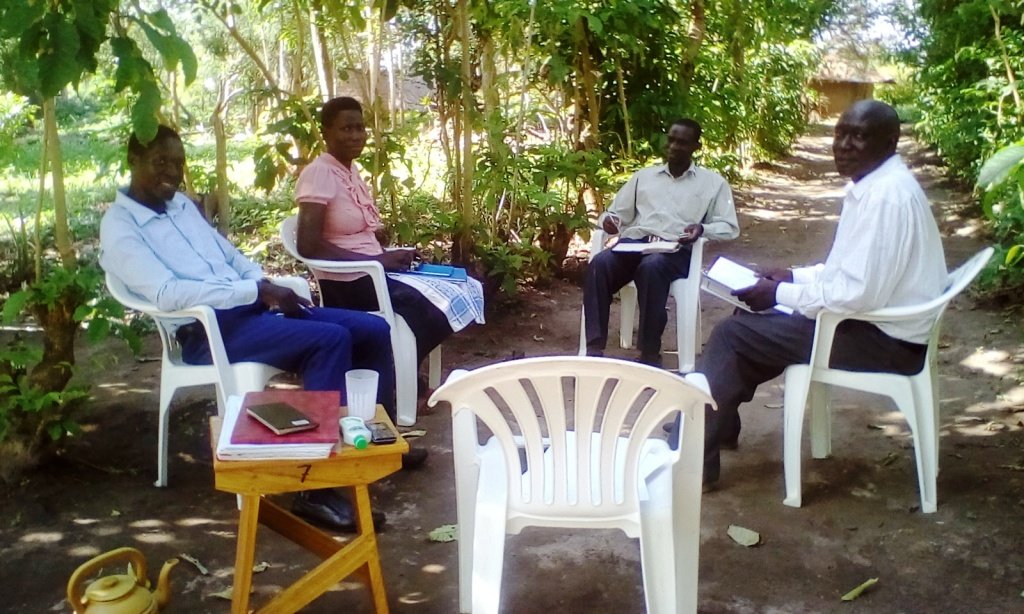
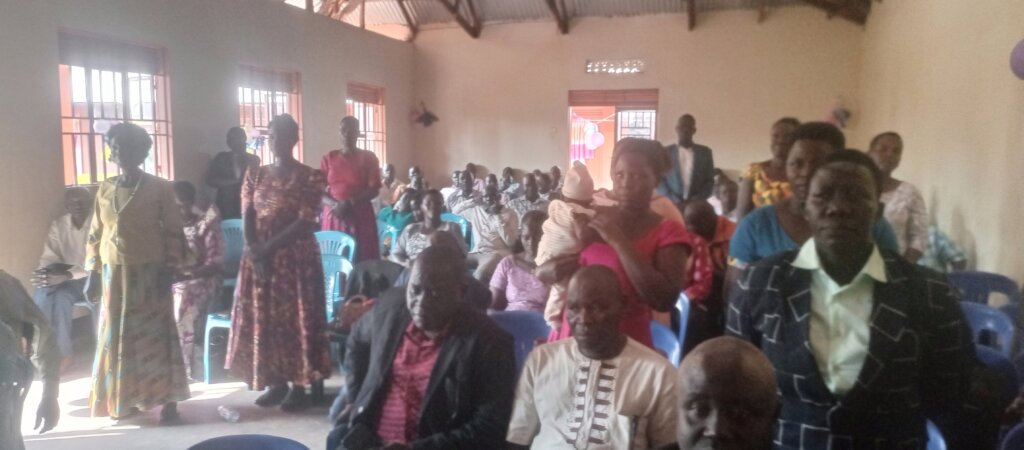
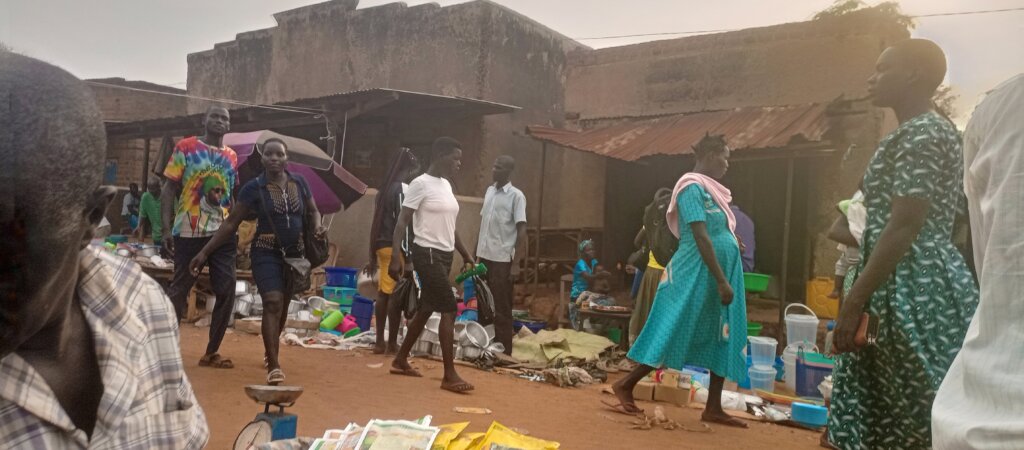
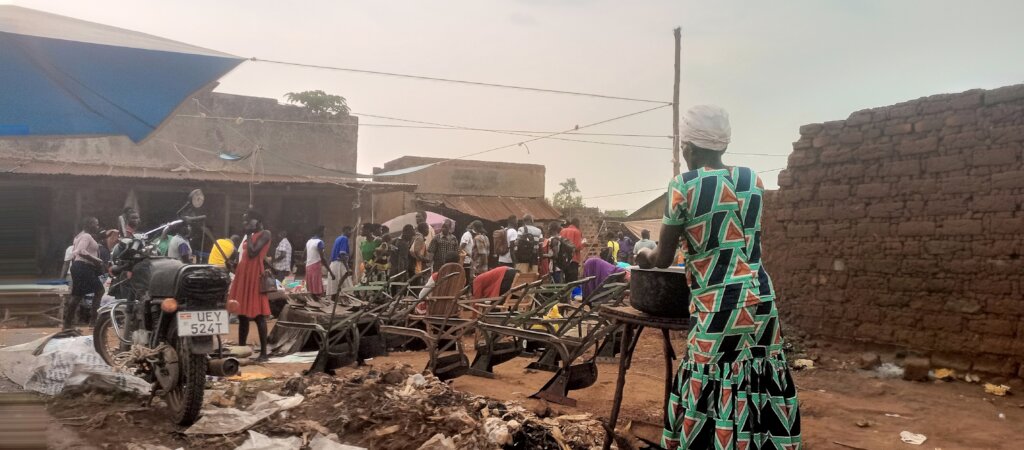
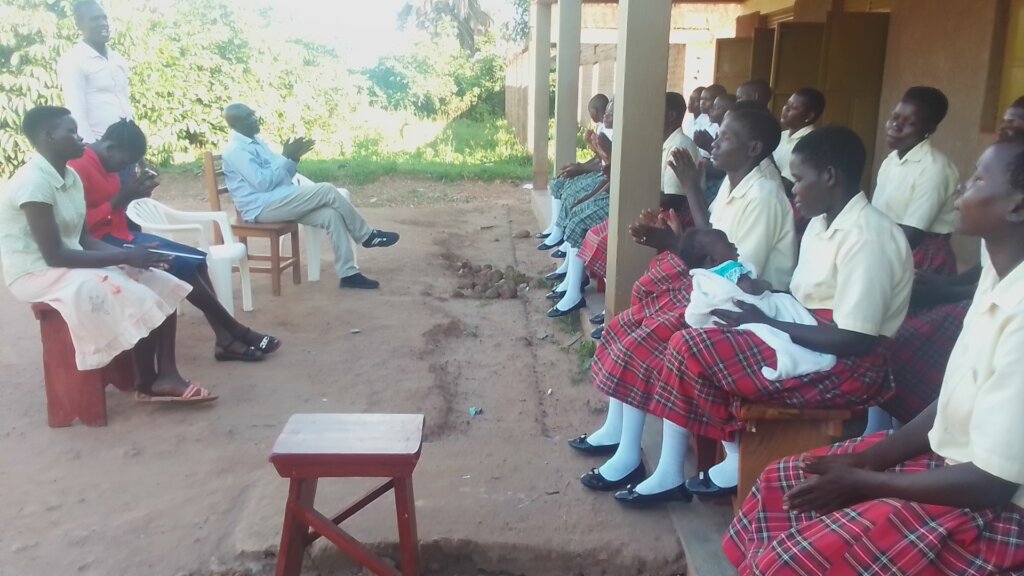
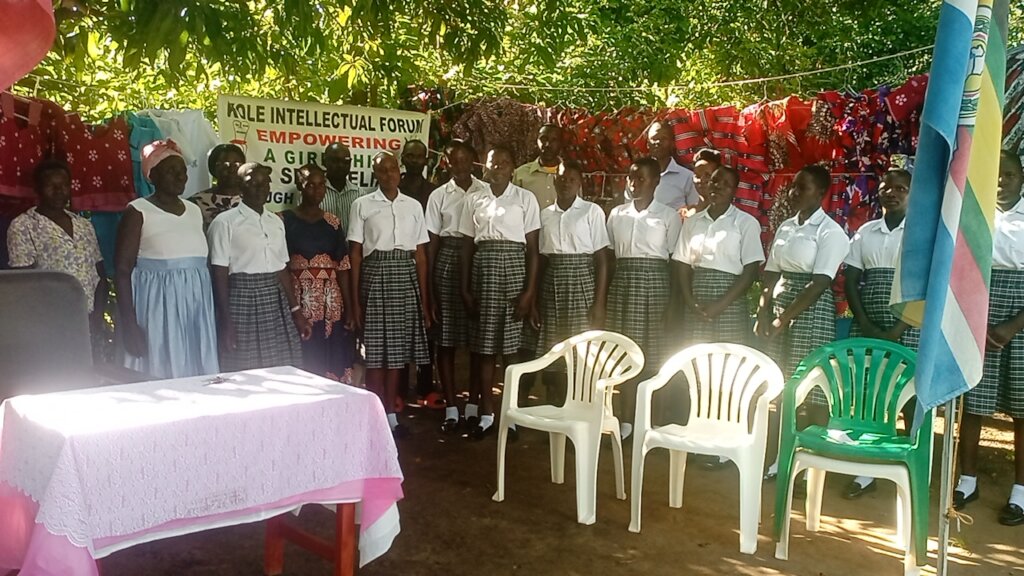
Kole Intellectual Forum is hereby reporting that: Despite significant progress across the globe, in the poverty reduction over past decades, there is still an extreme poverty that is persisting everywhere, particularly in low-income and fragile countries like Uganda. Many individuals lack access to quality education and relevant skills, limiting their ability to secure decent employment or create sustainable livelihoods. Taking note that, education systems in disadvantaged areas are often under-resourced, while training programs being implemented are frequently failing to align with labor market demands.
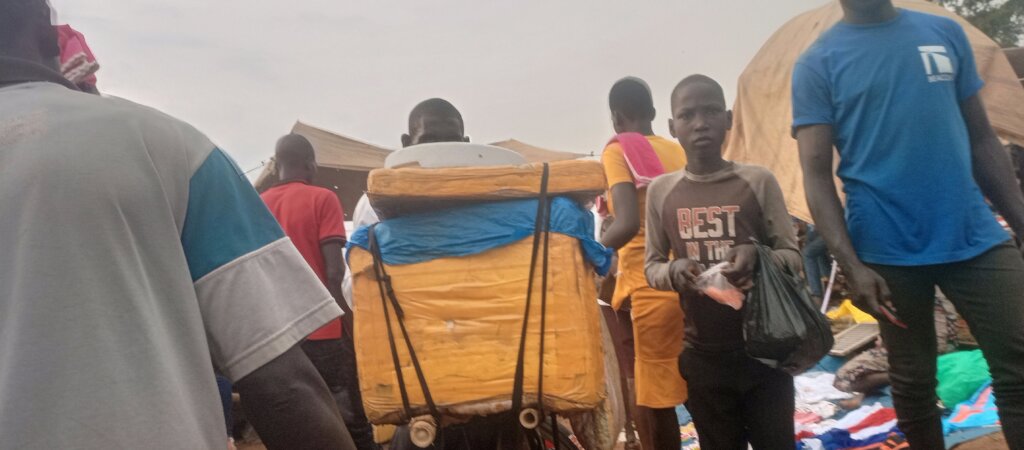
Underemployment and underemployment remain high among youth and women, forcing many into informal and low-paying work with little security. Limited access to finance, mentorship, and markets further constrains entrepreneurial potential. Social exclusion, gender inequality, and geographic isolation exacerbate these challenges, making it difficult for vulnerable populations to break out of poverty; all these have highly been research on by Kole Intellectual Forum.
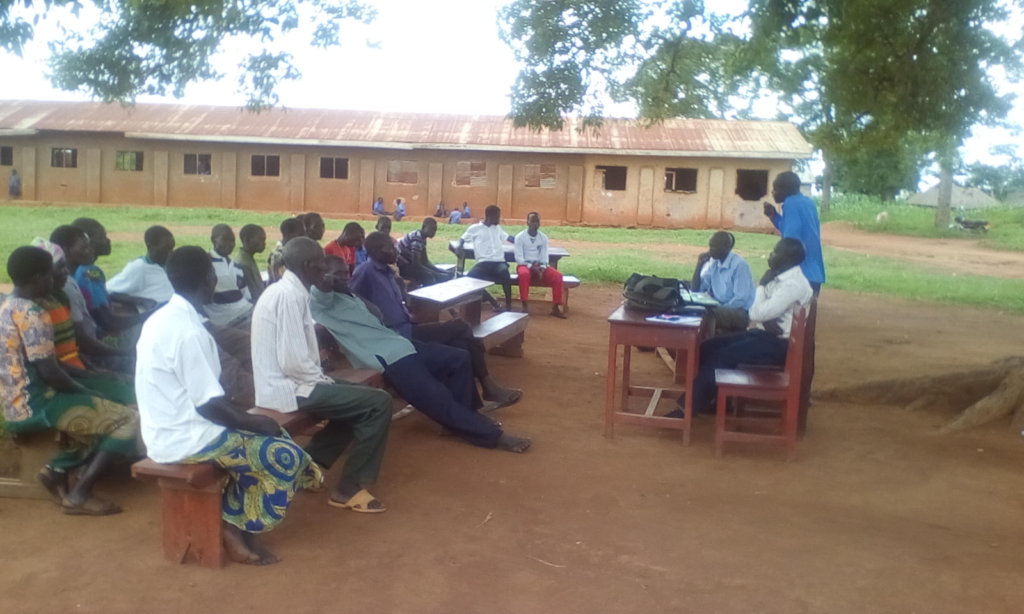
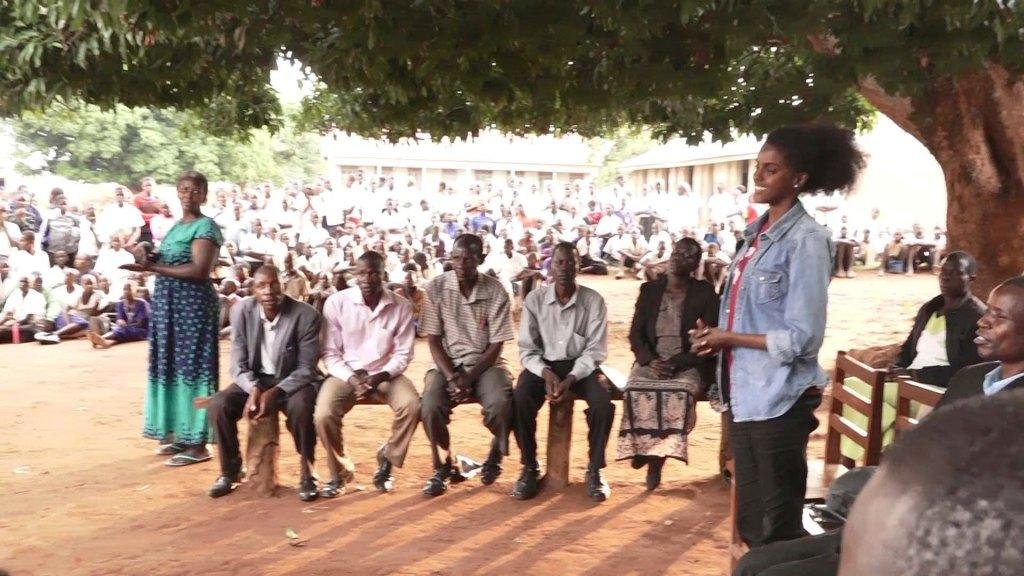
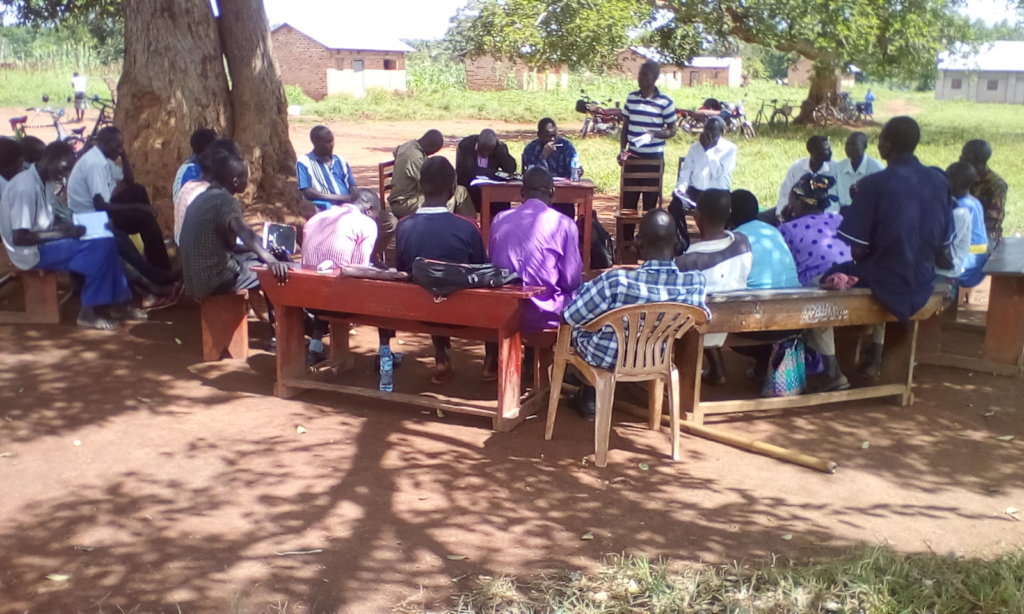
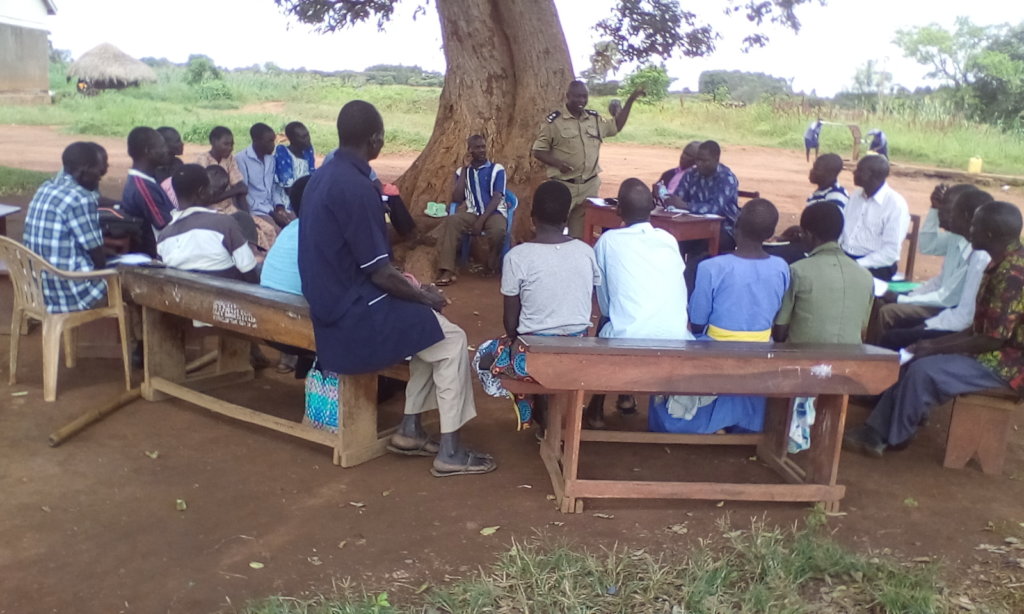
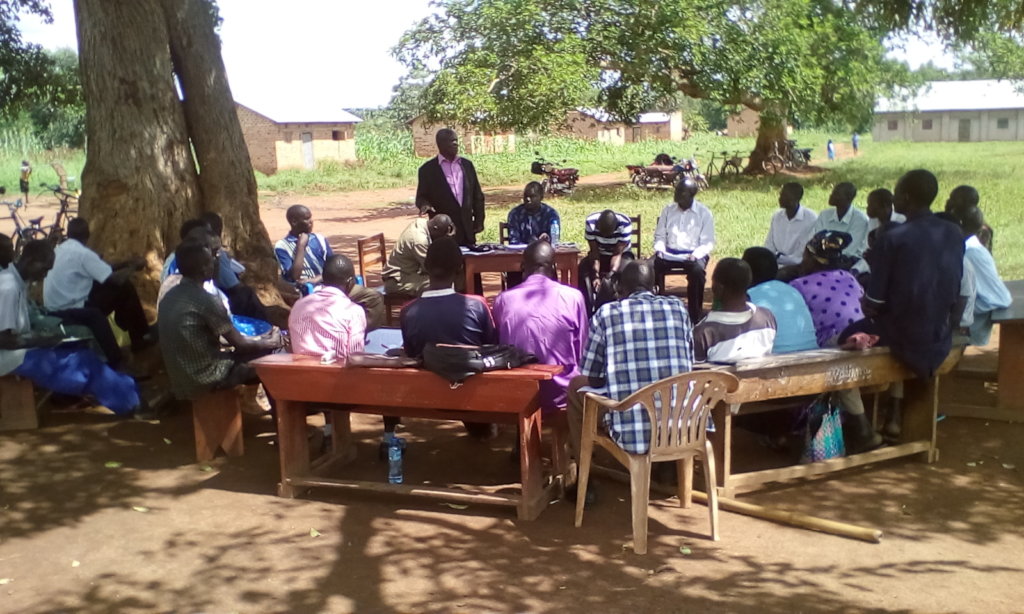
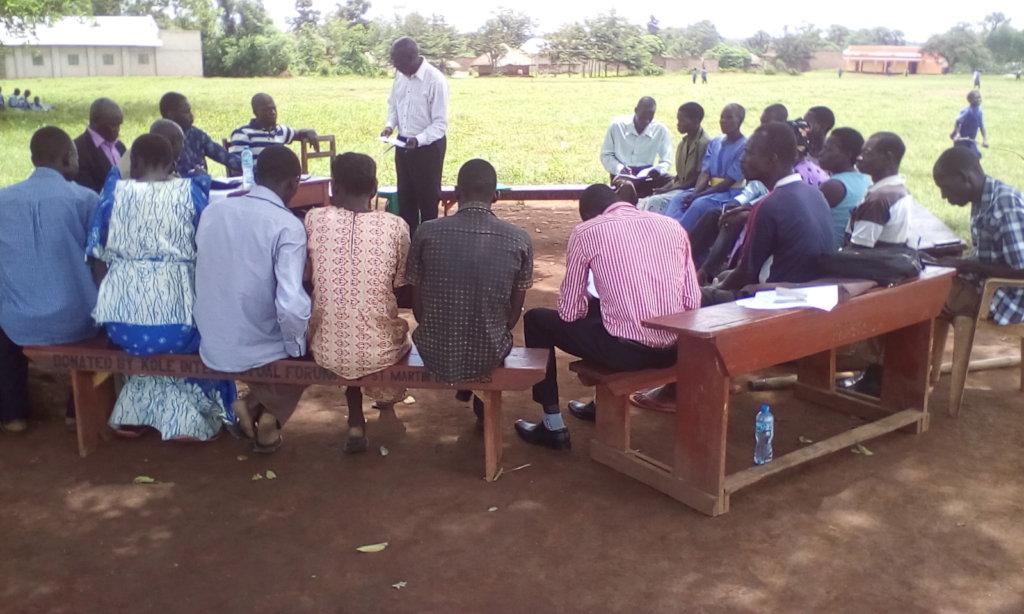
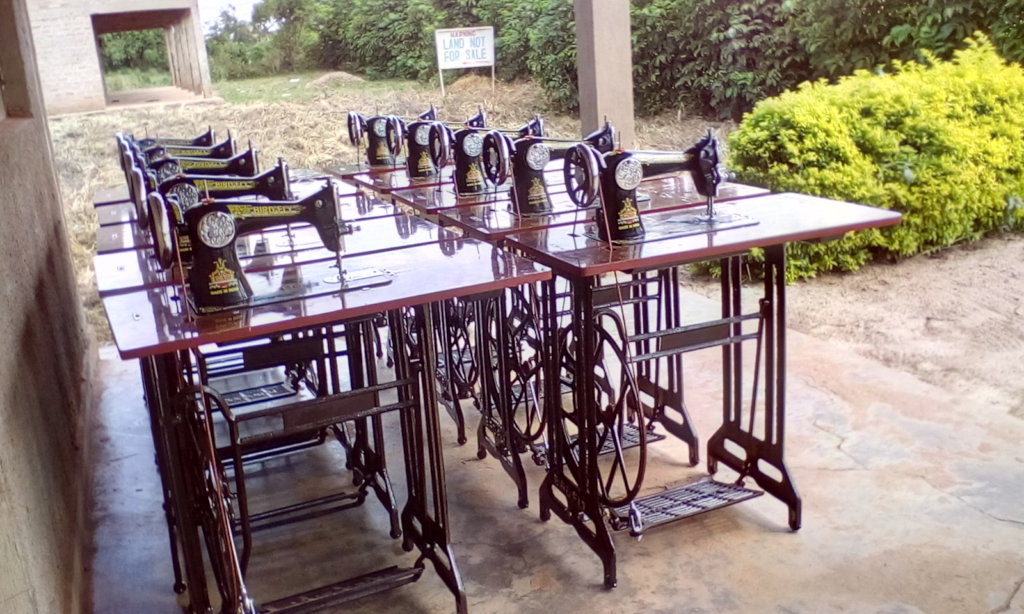
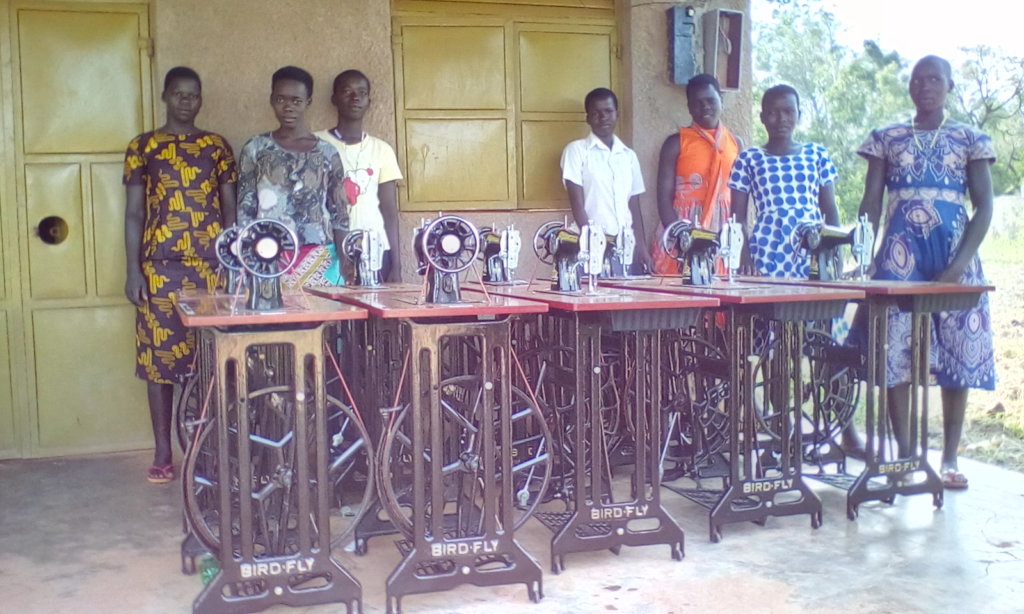
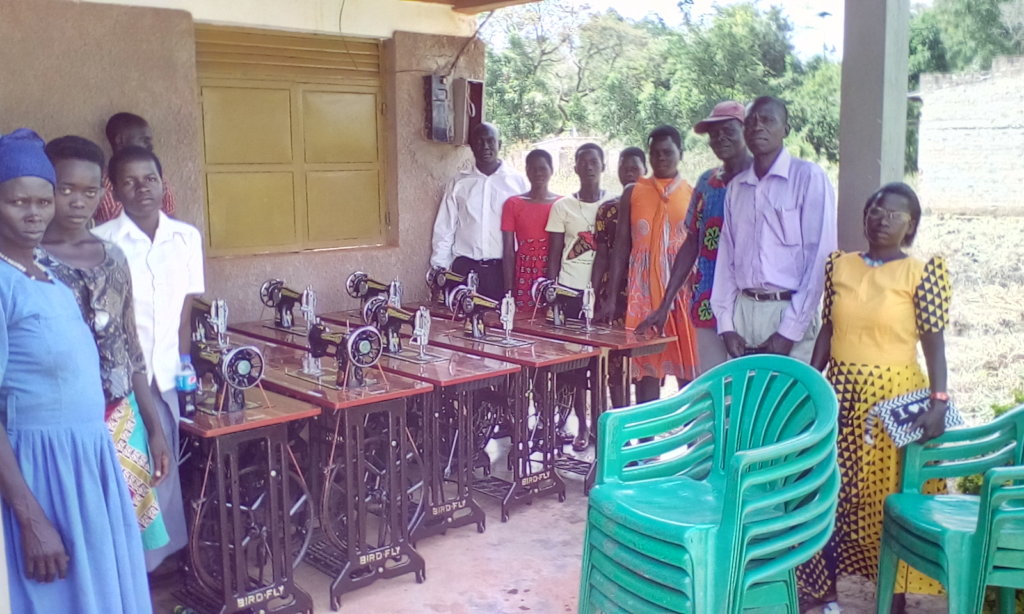
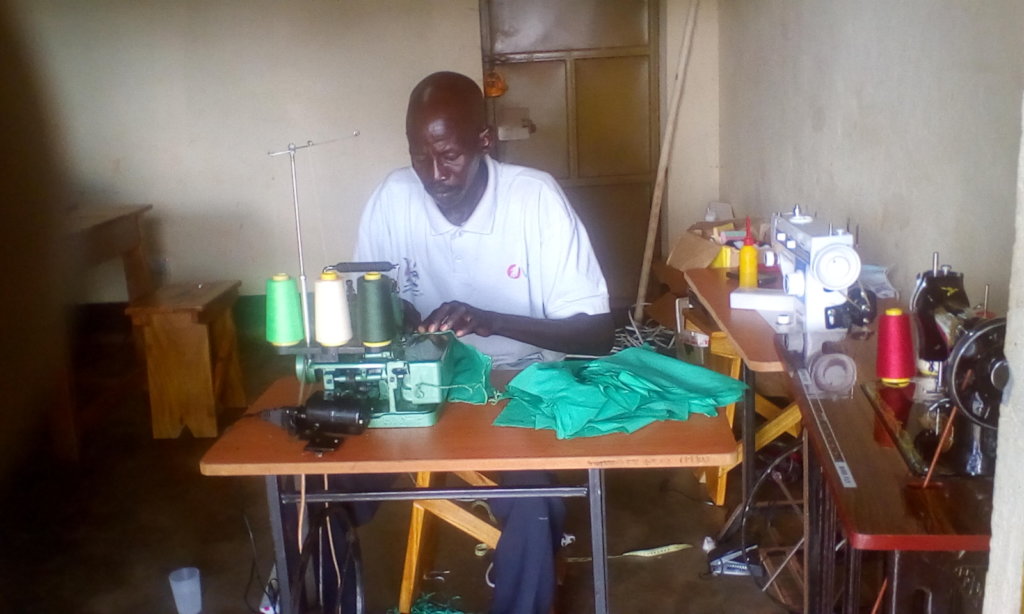
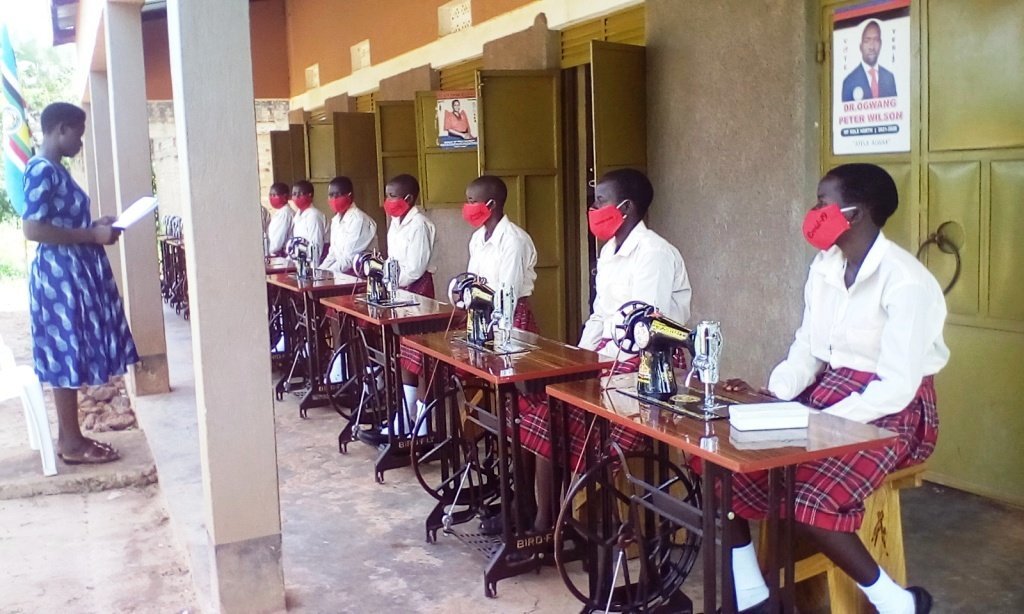
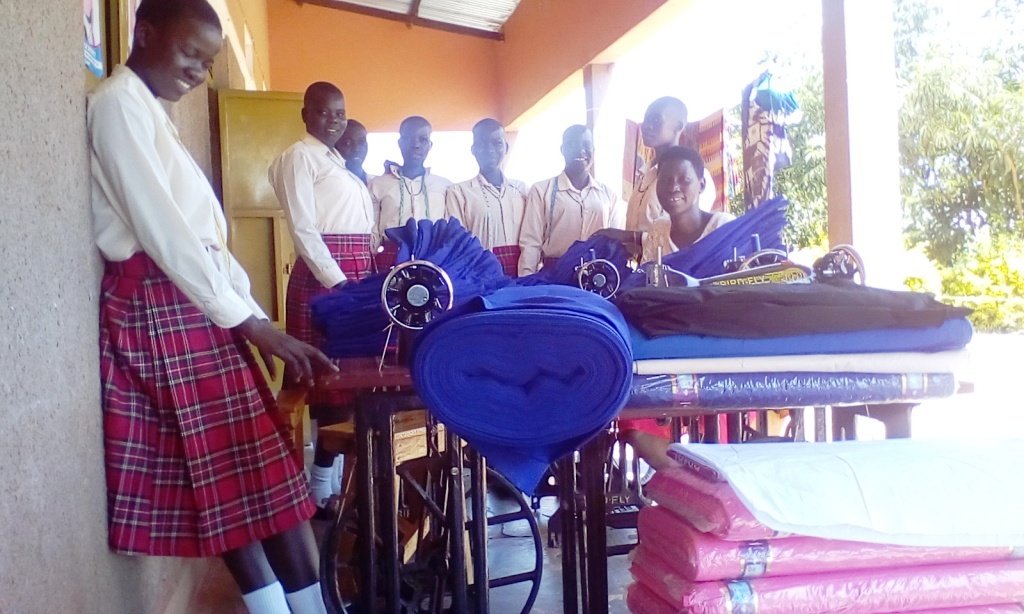
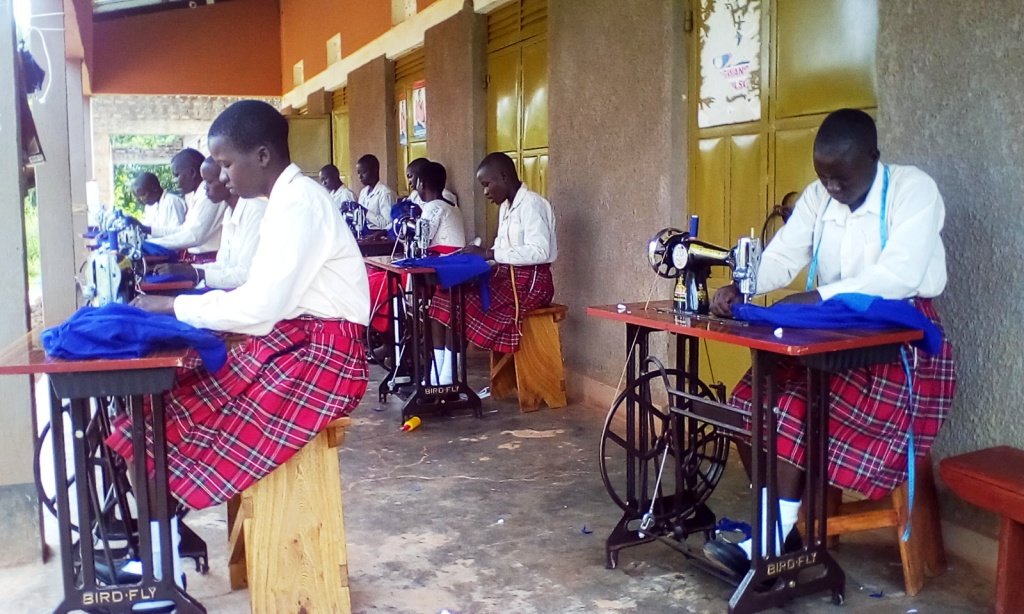
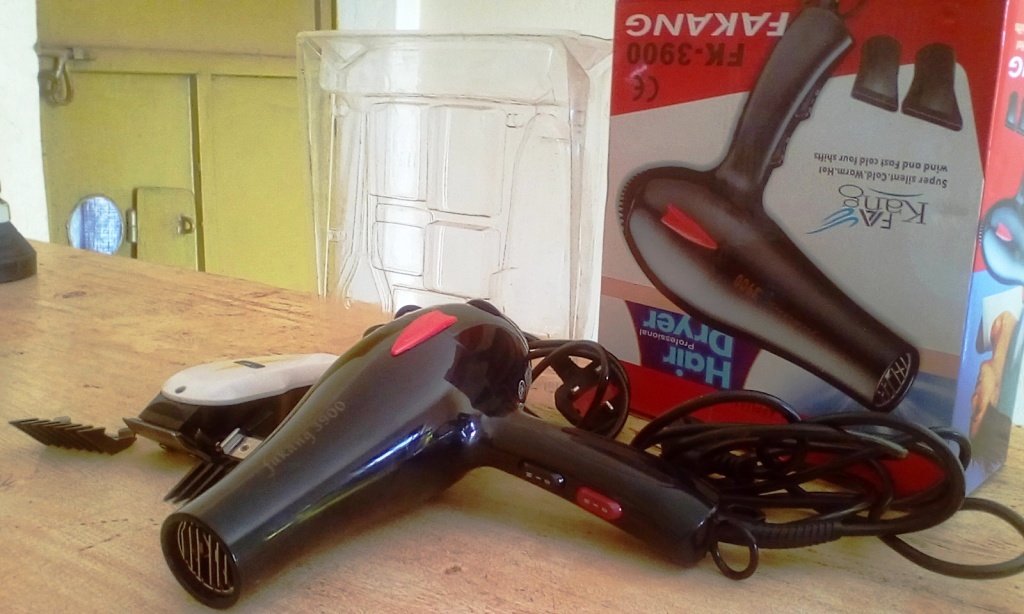
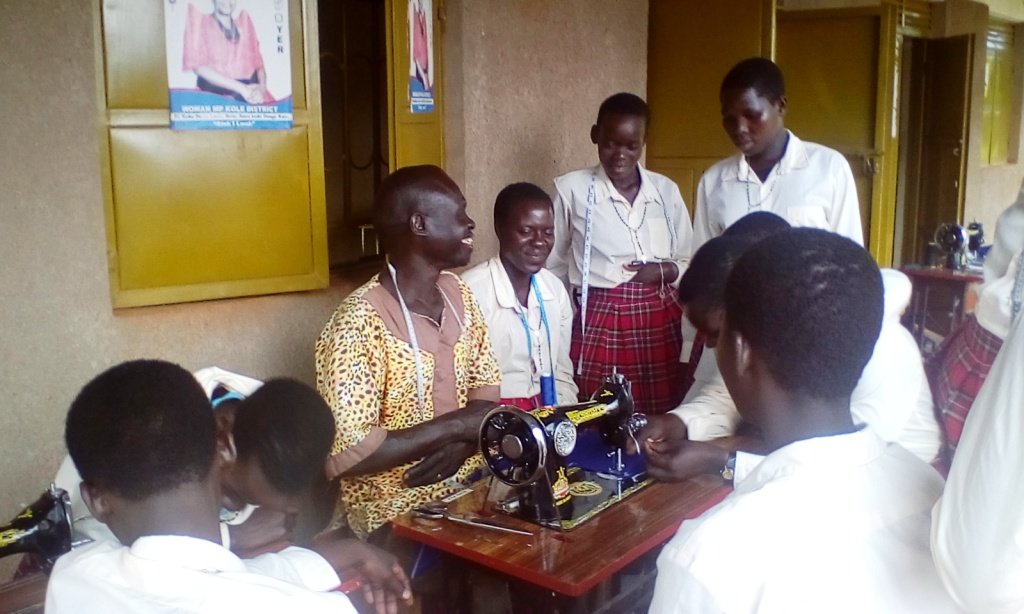
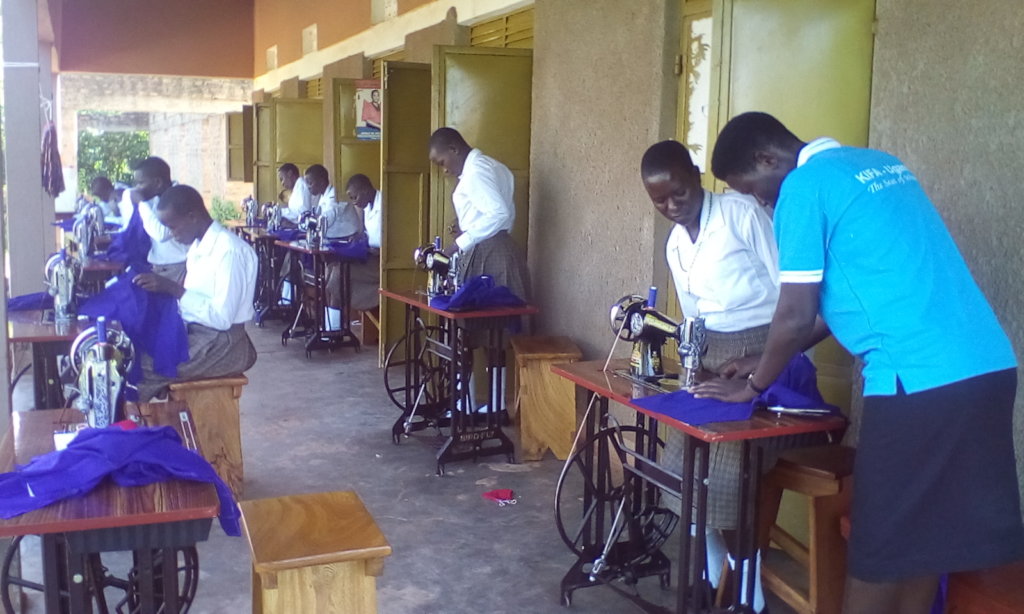
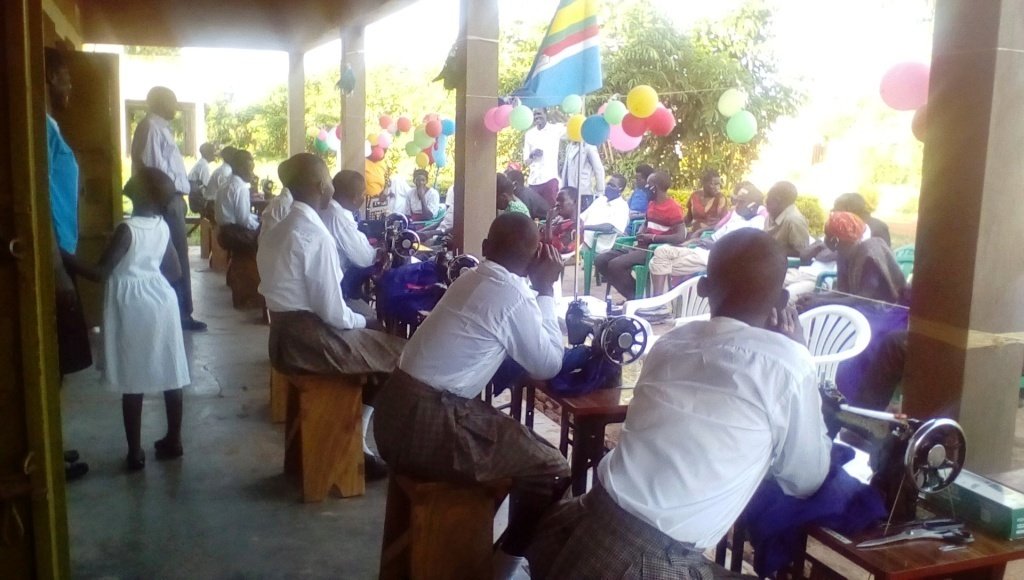
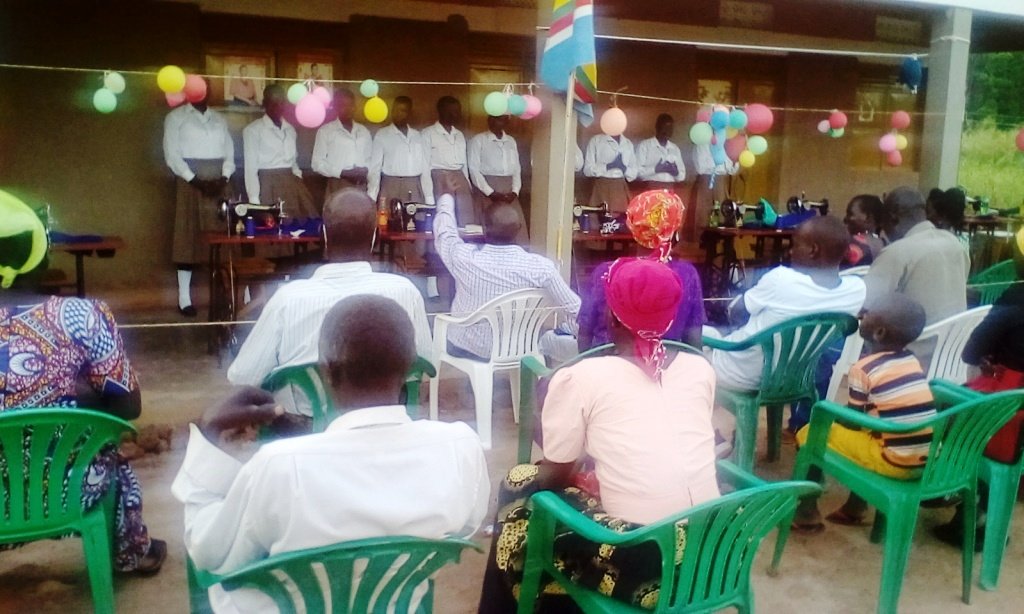
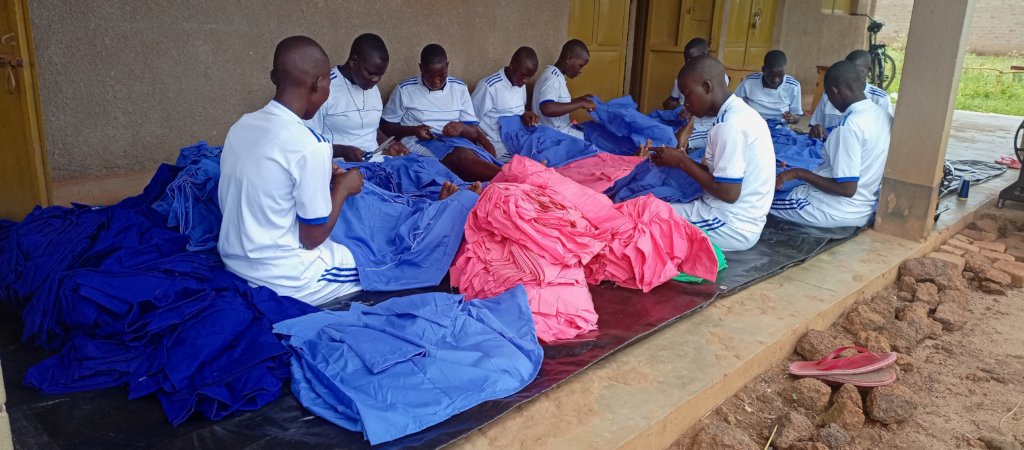
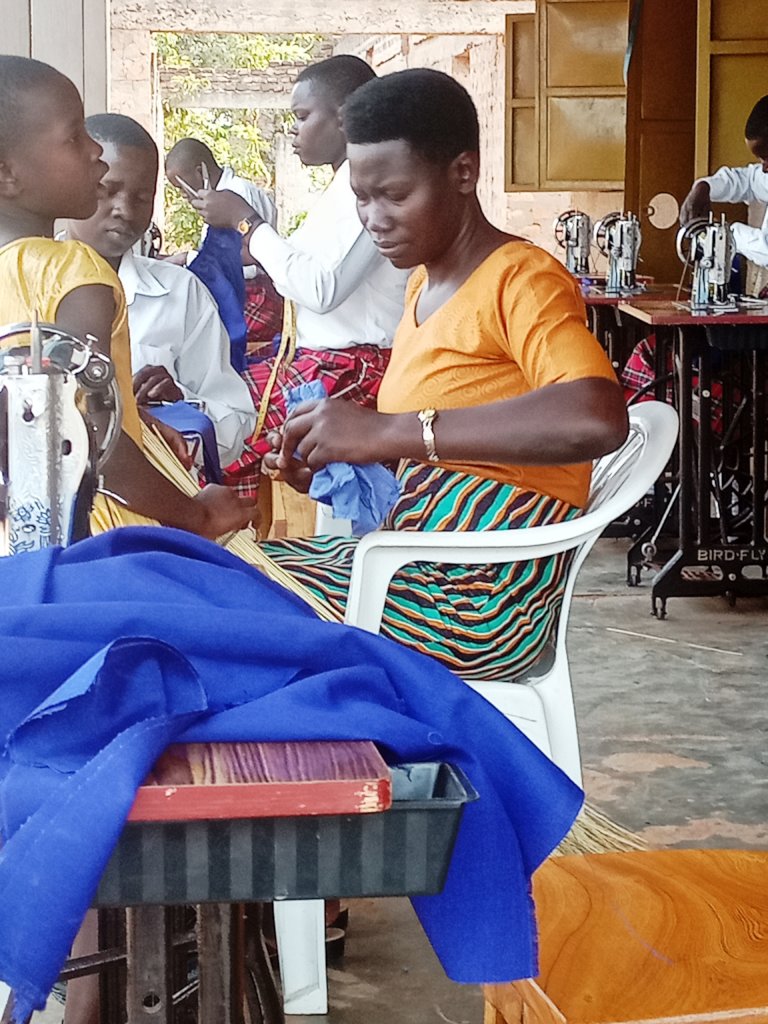
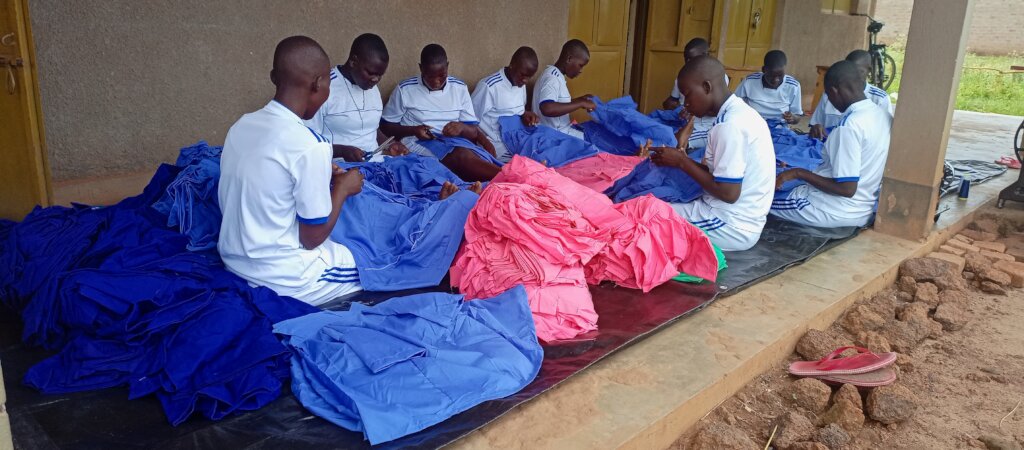
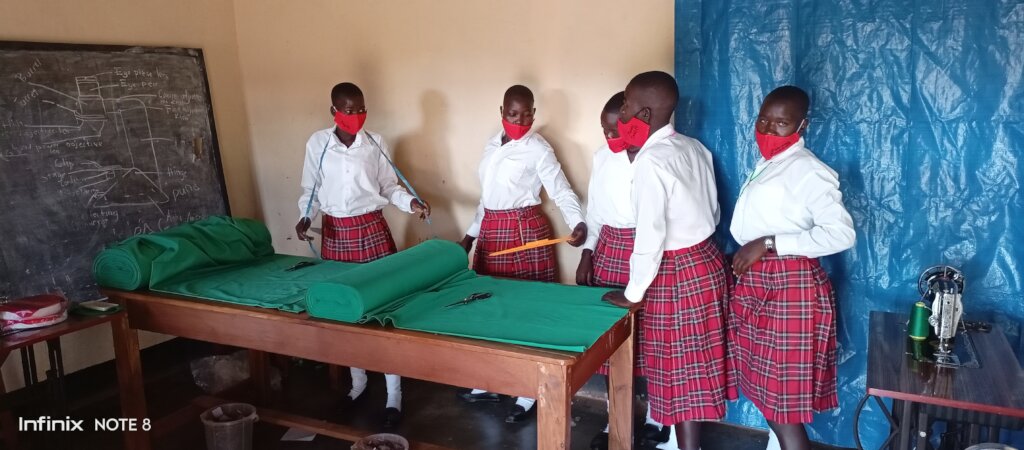
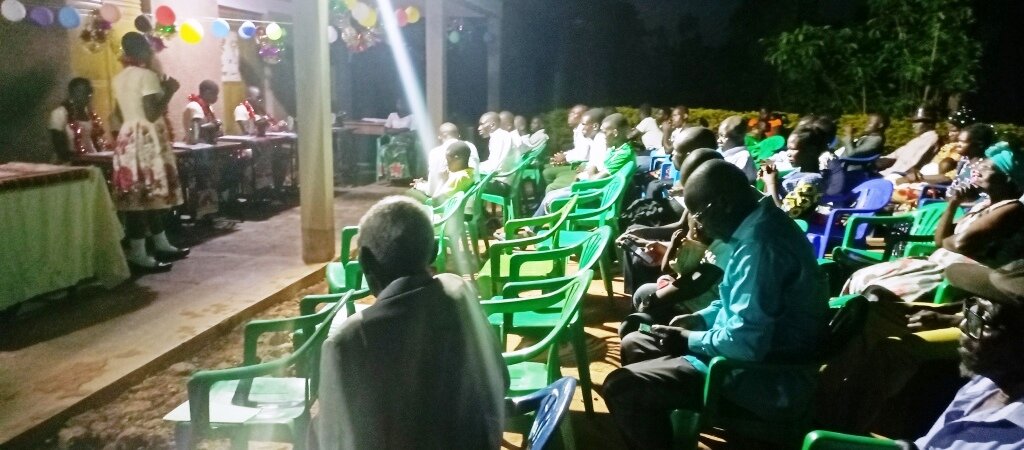
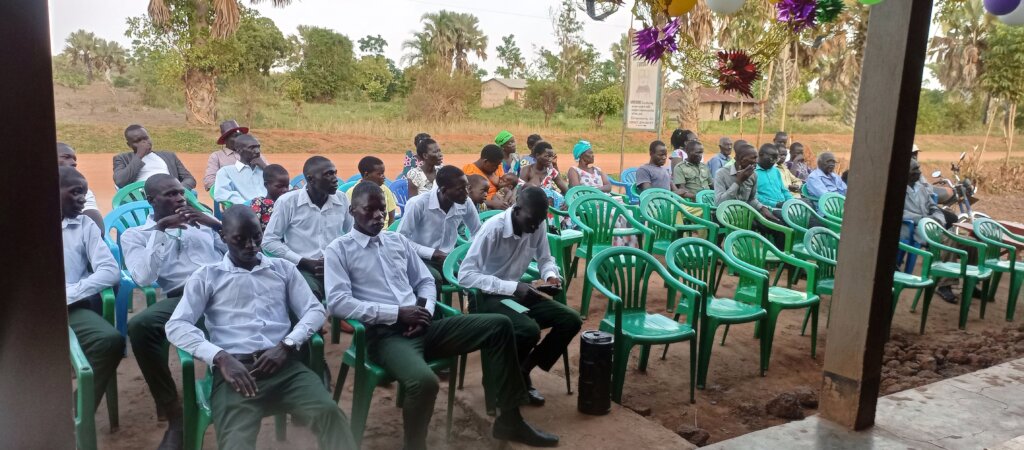
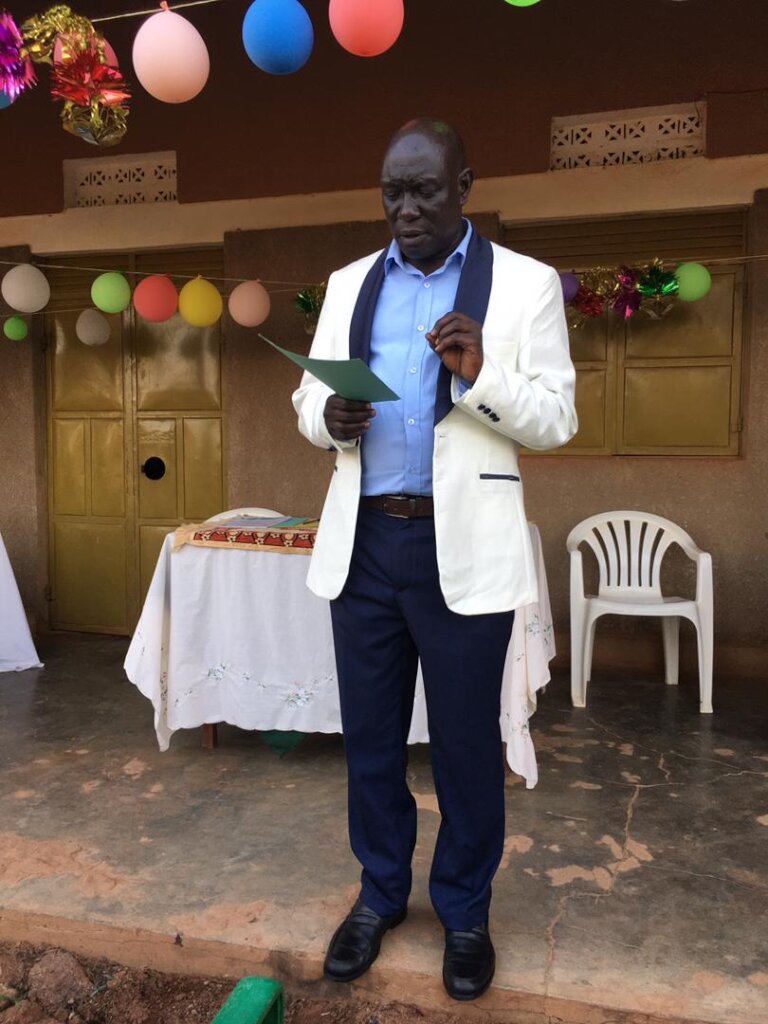
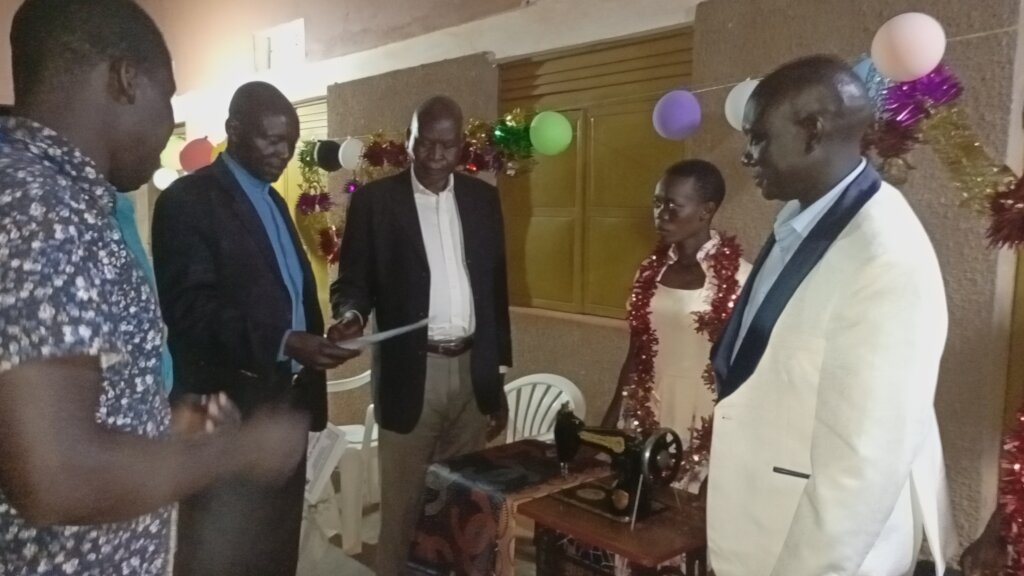
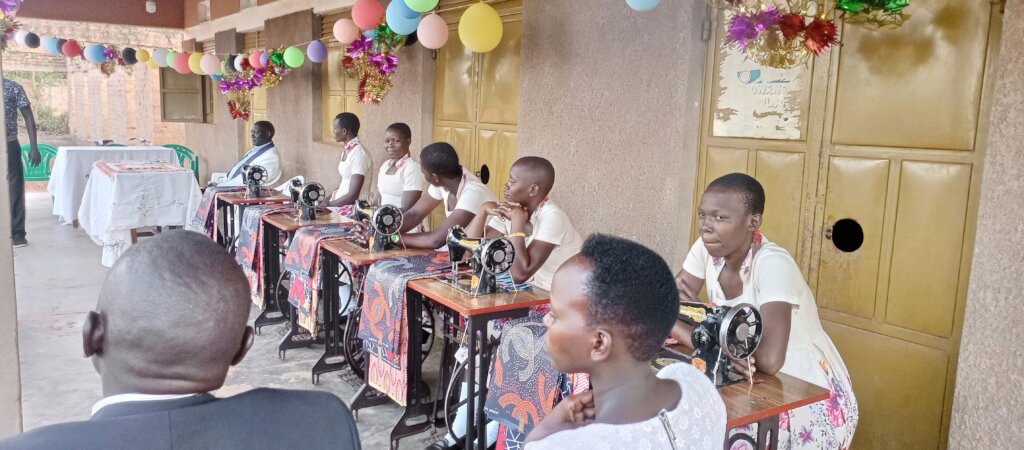
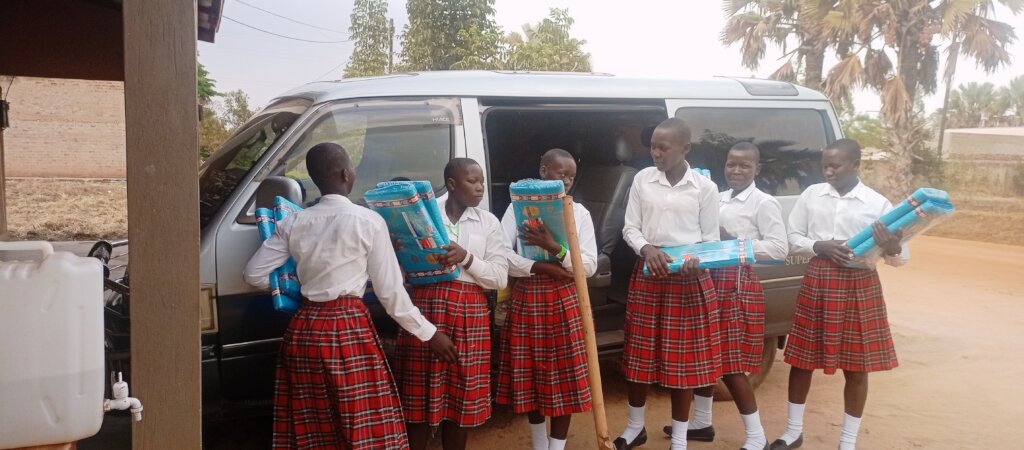
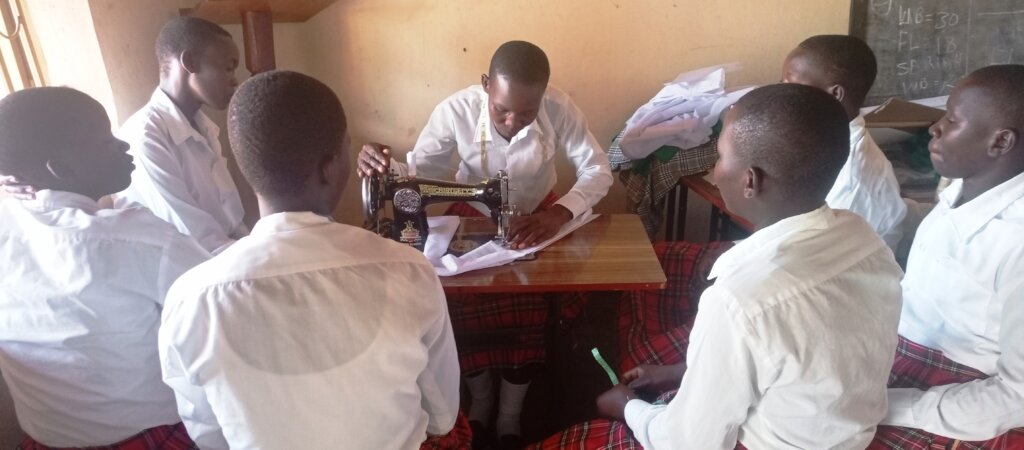
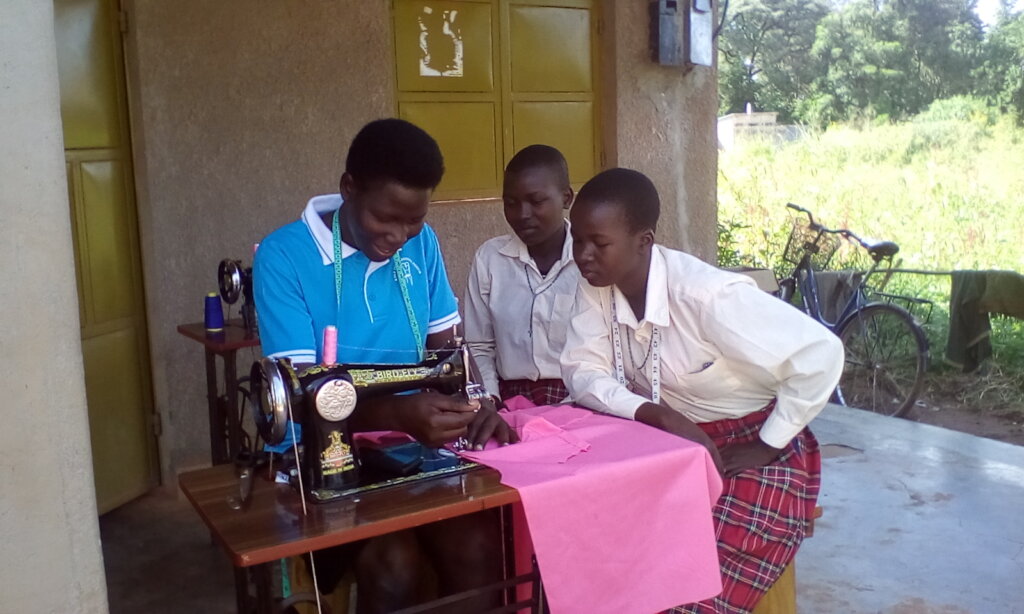
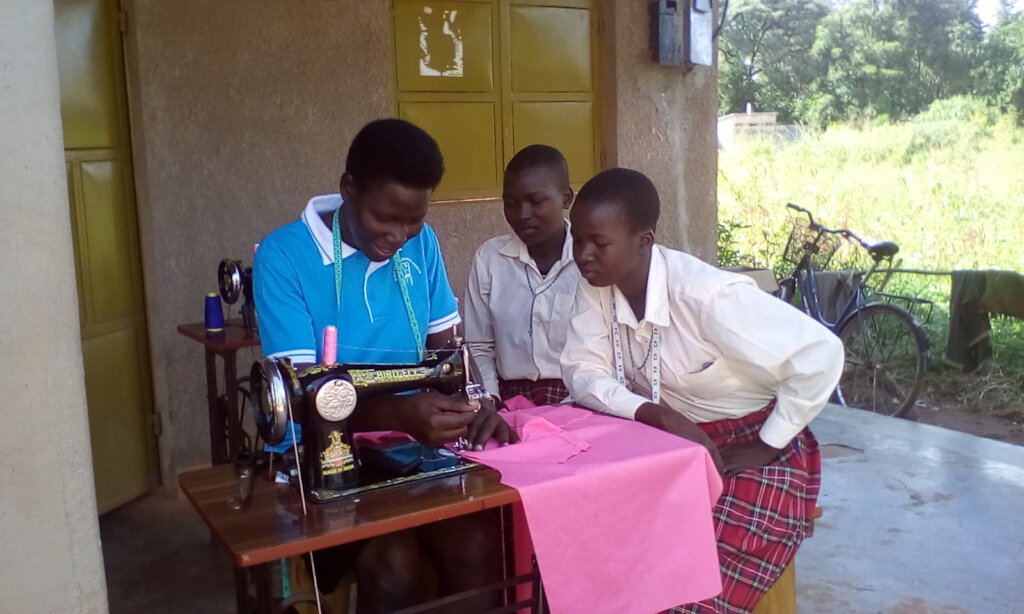
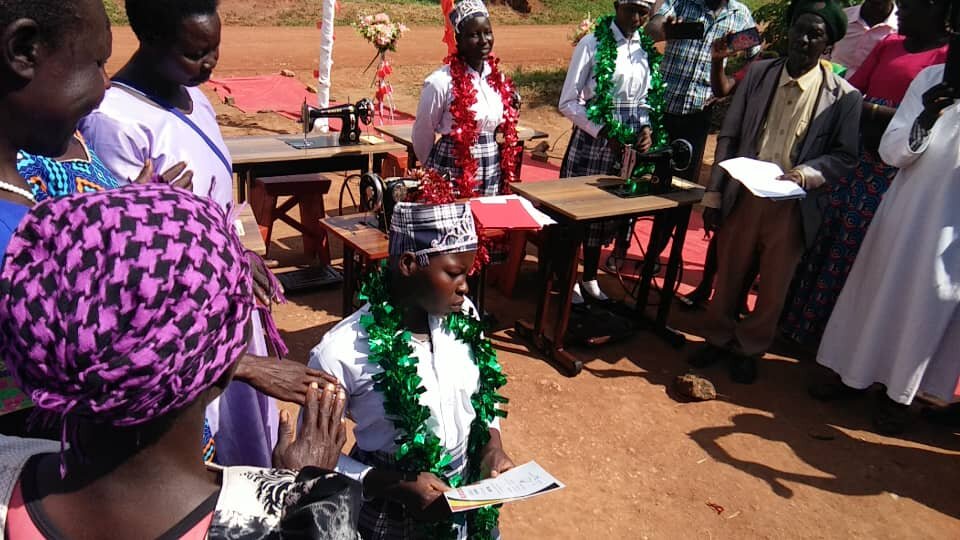
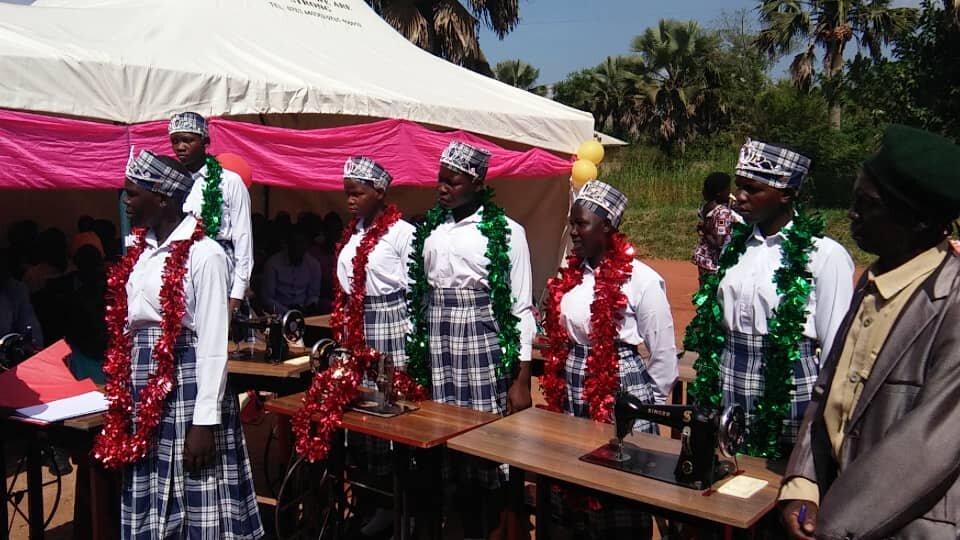
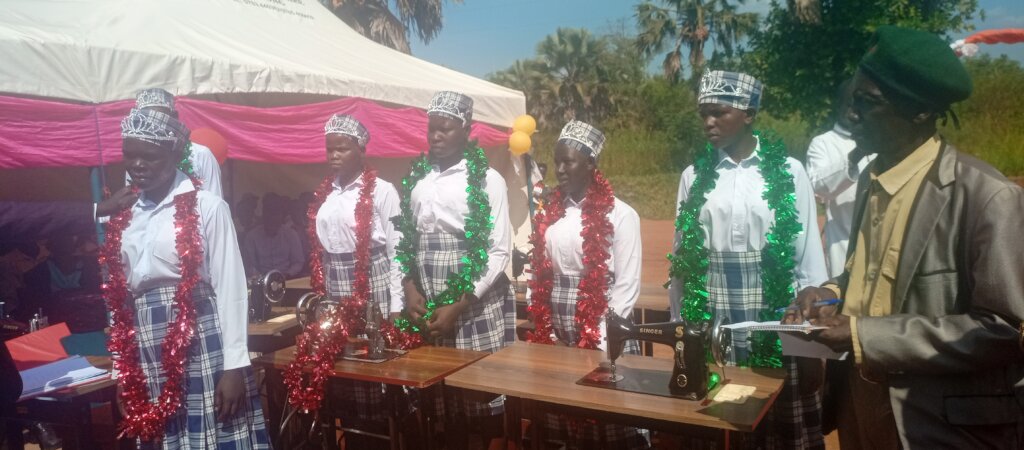
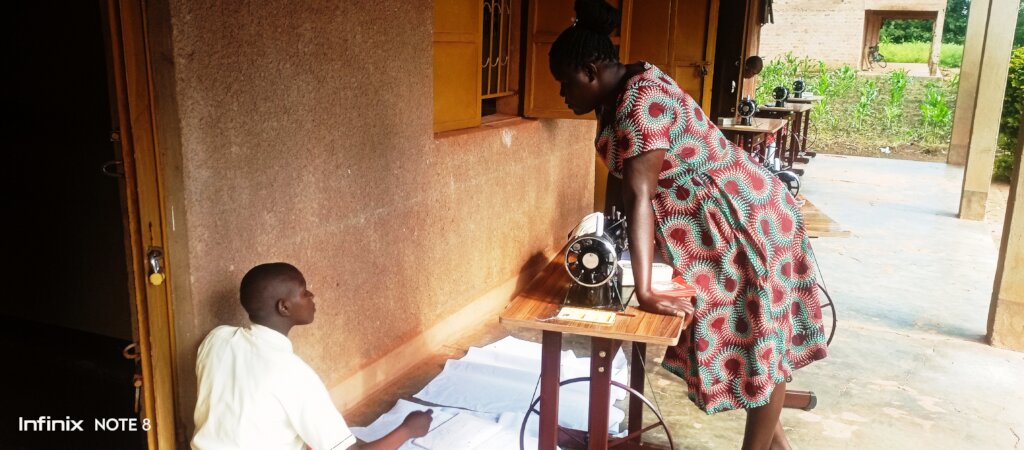
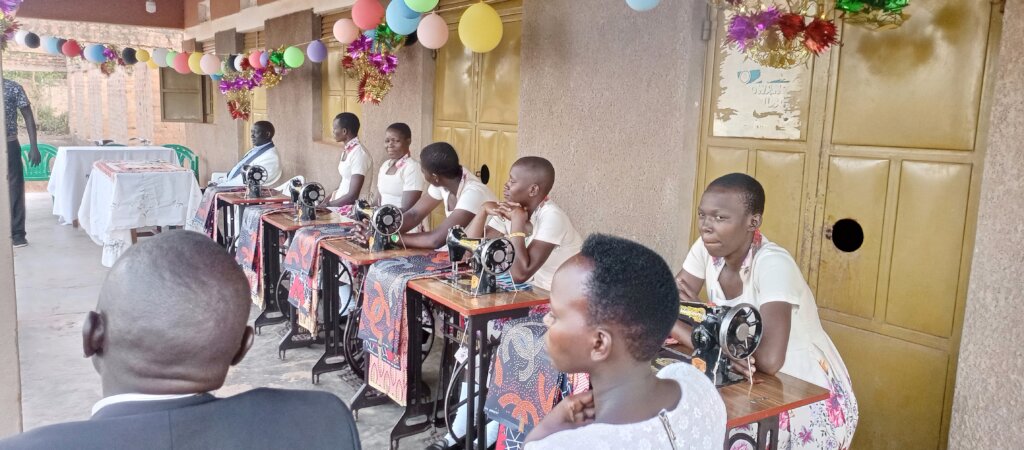
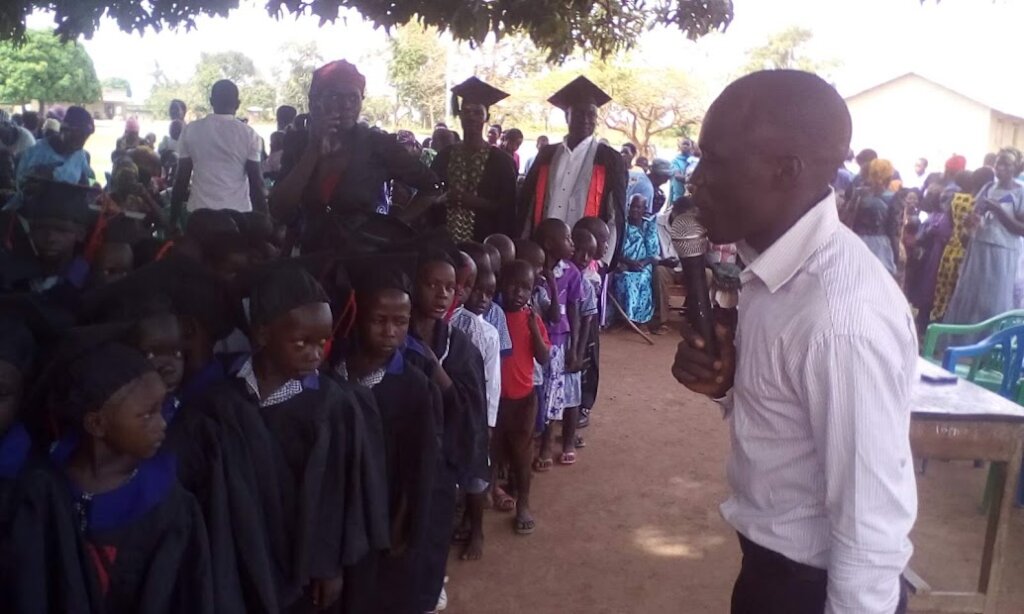
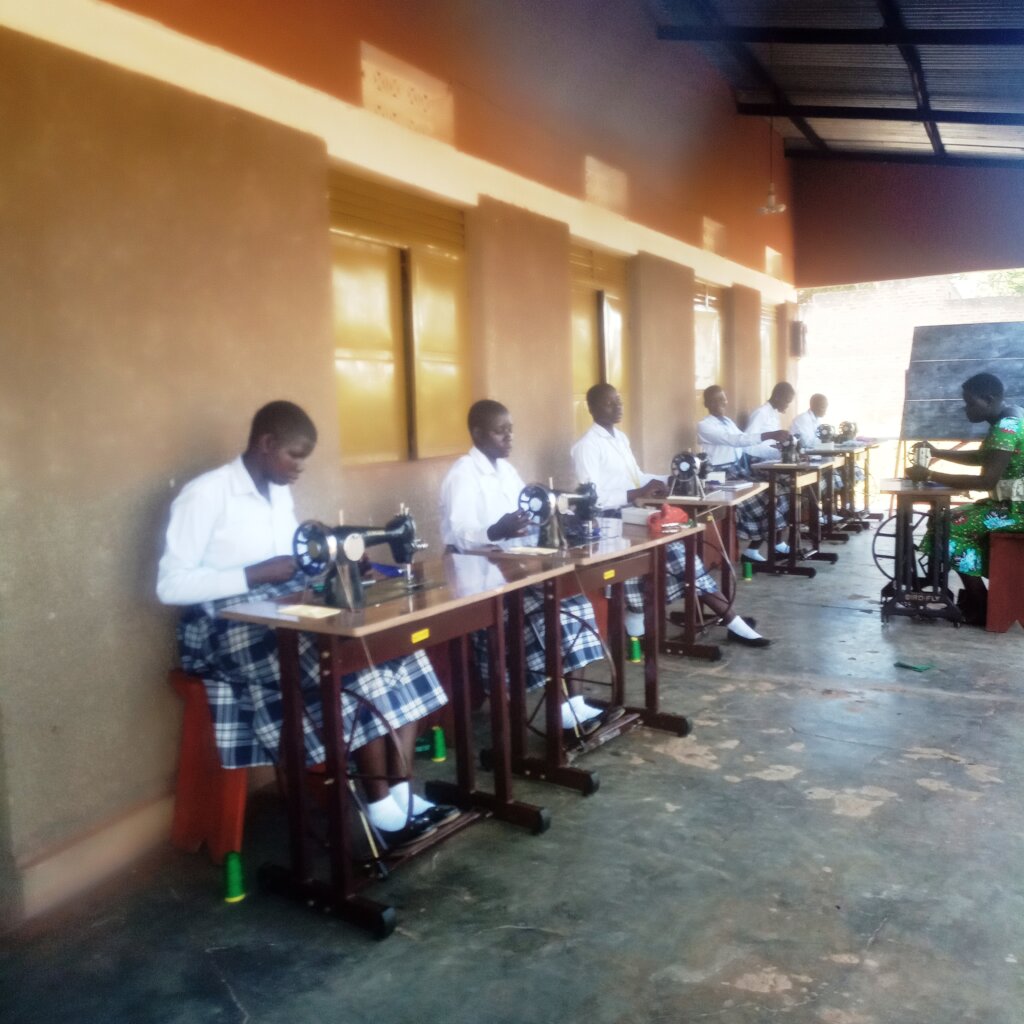
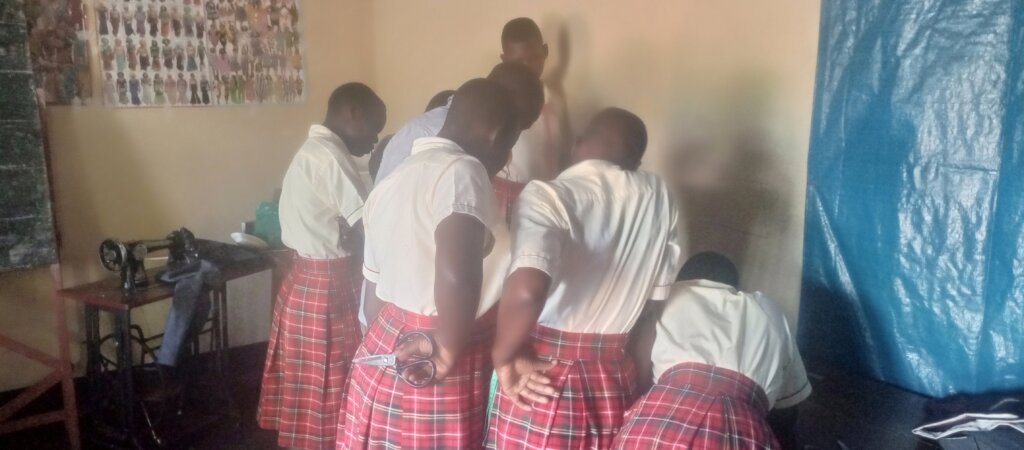
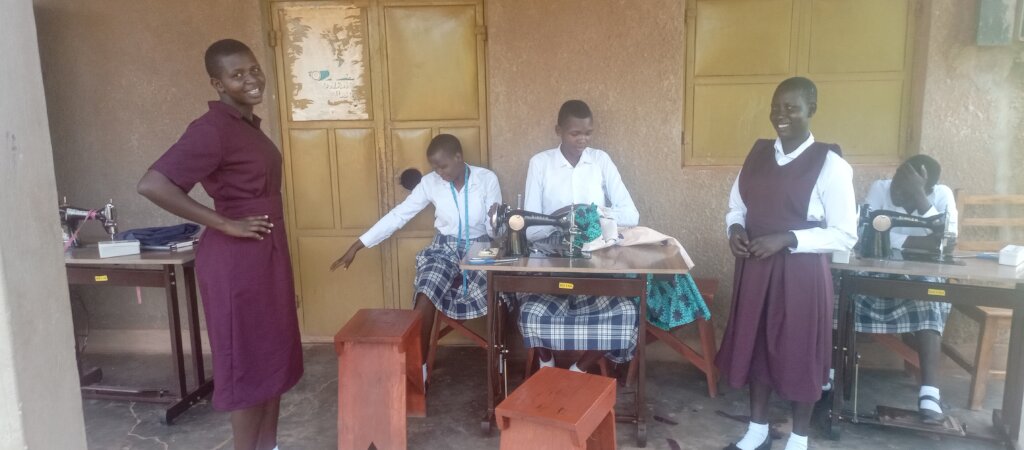
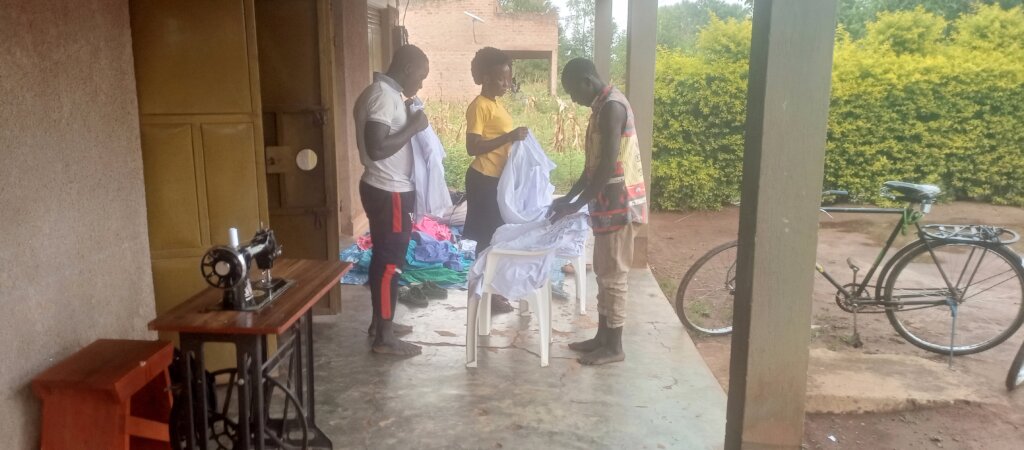
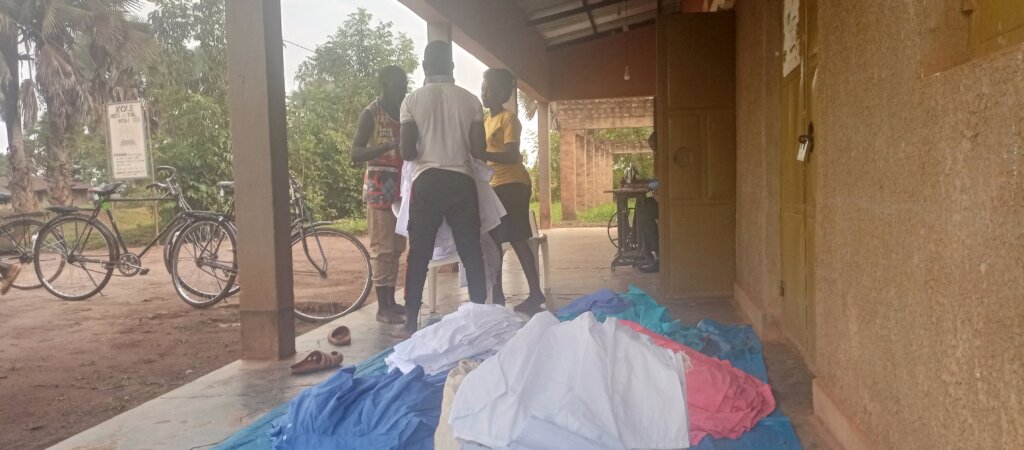
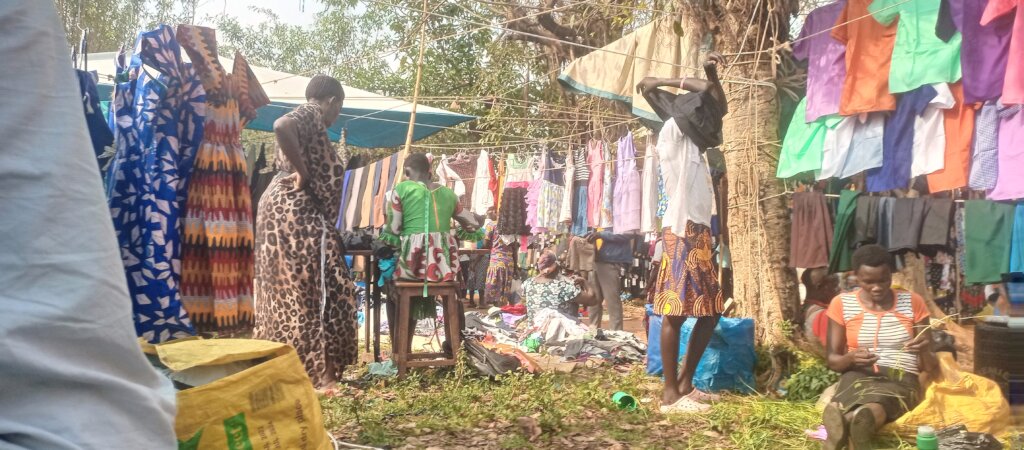
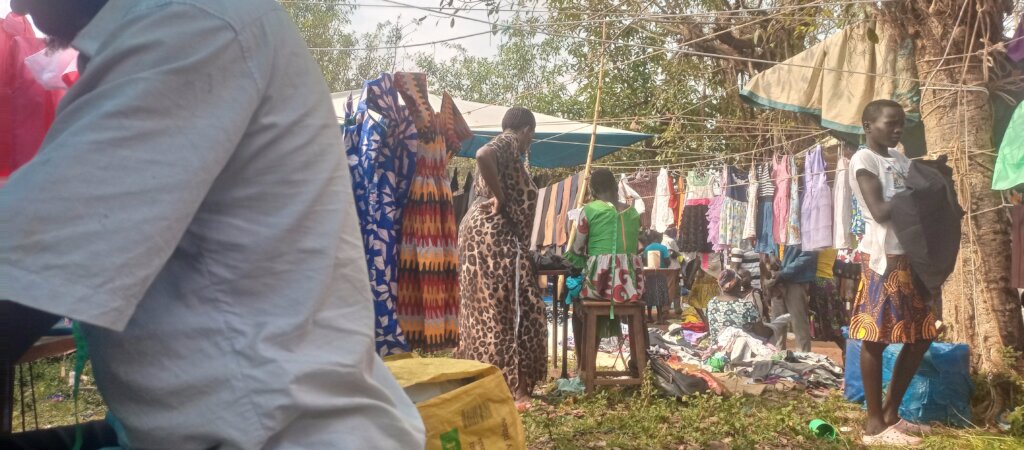
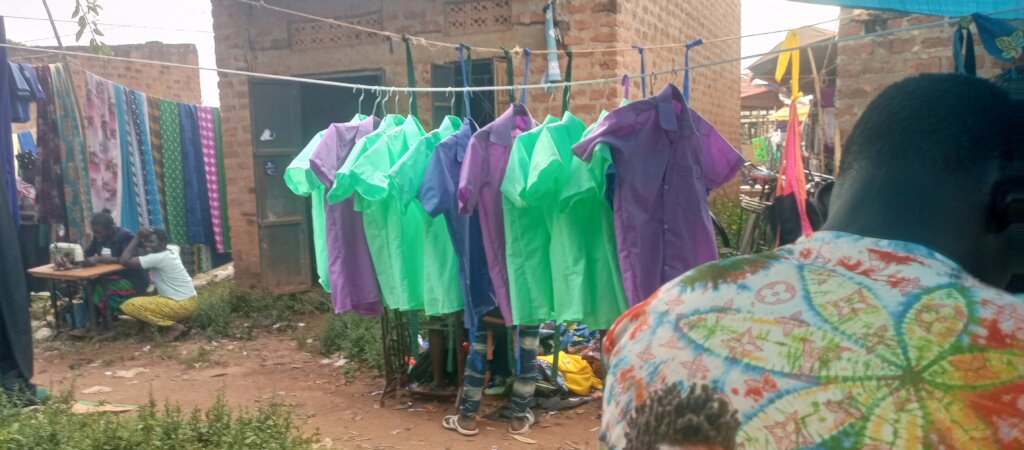
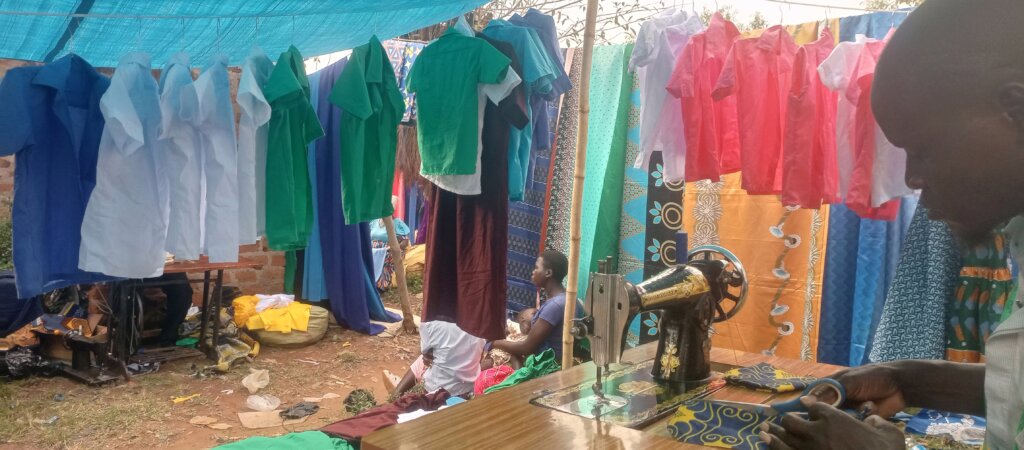
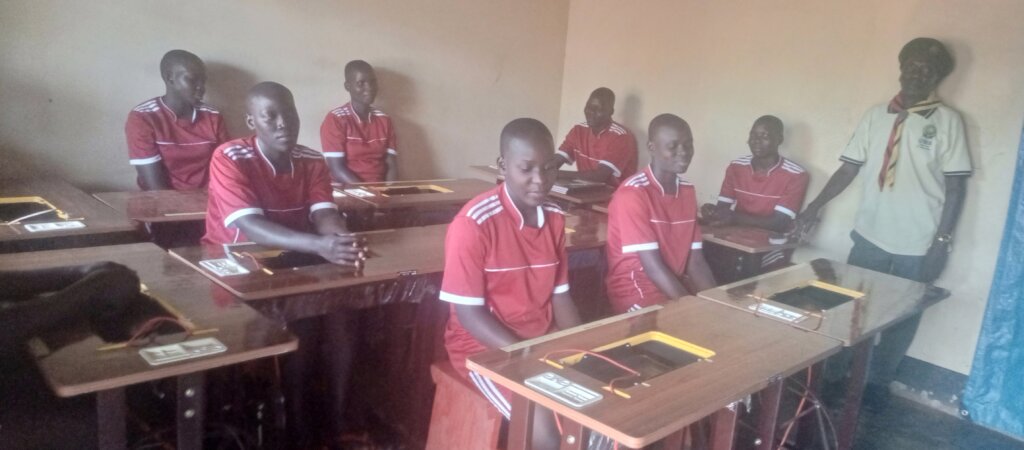
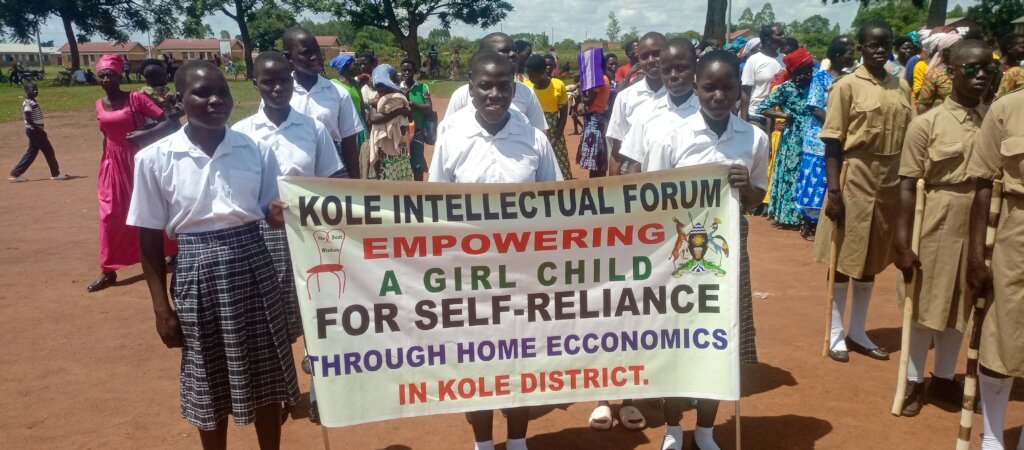
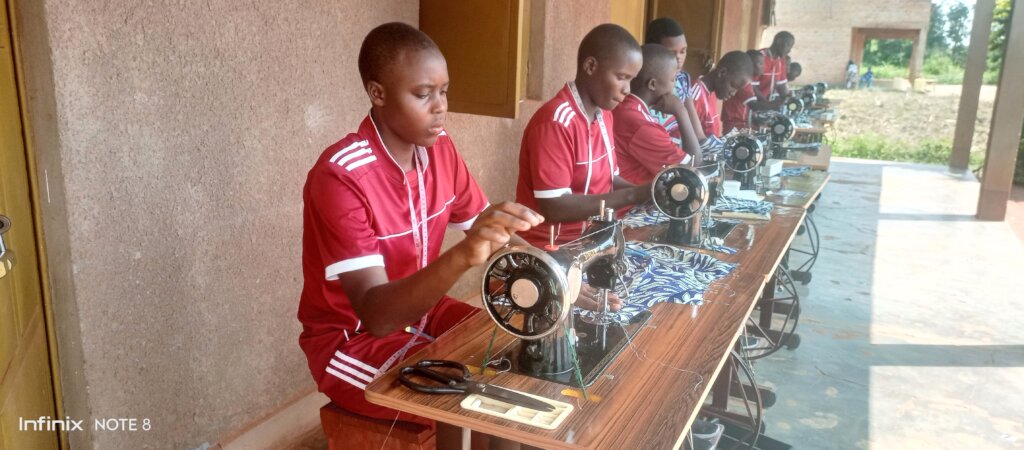
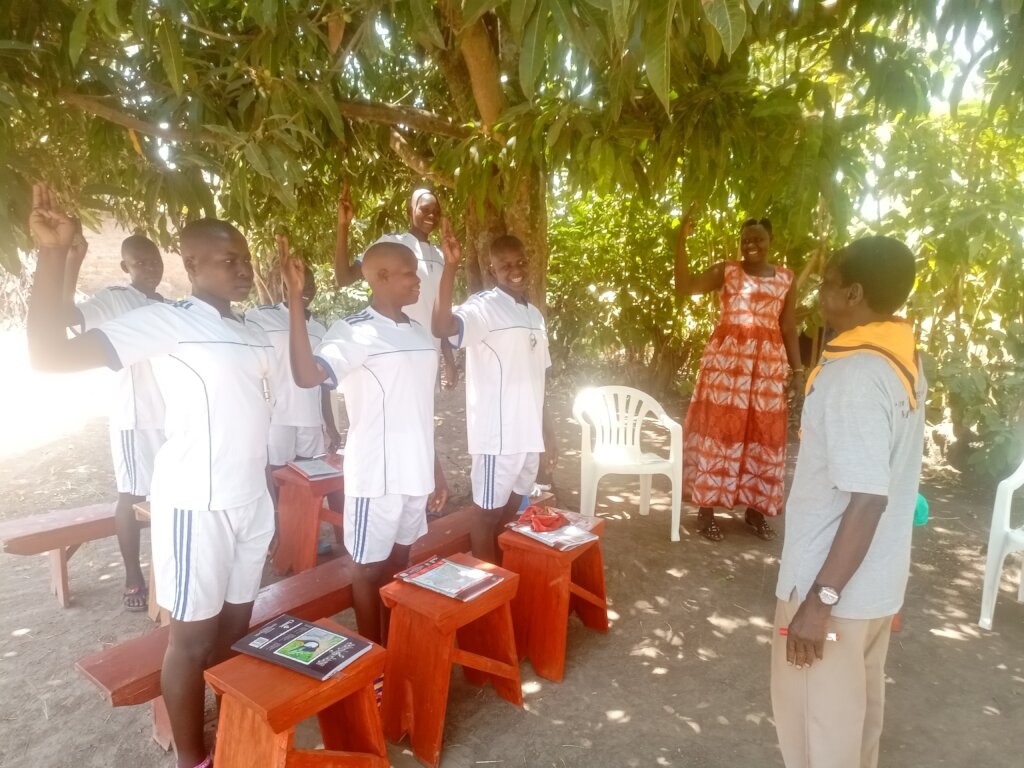
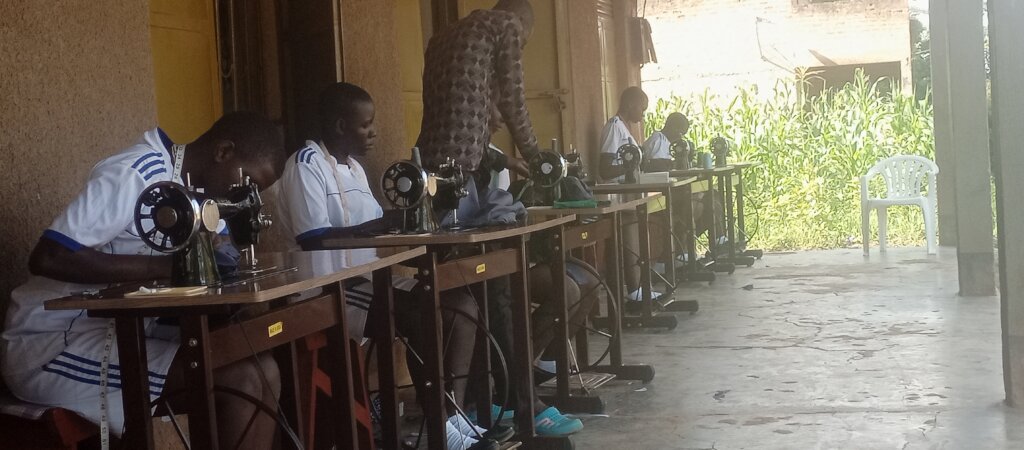
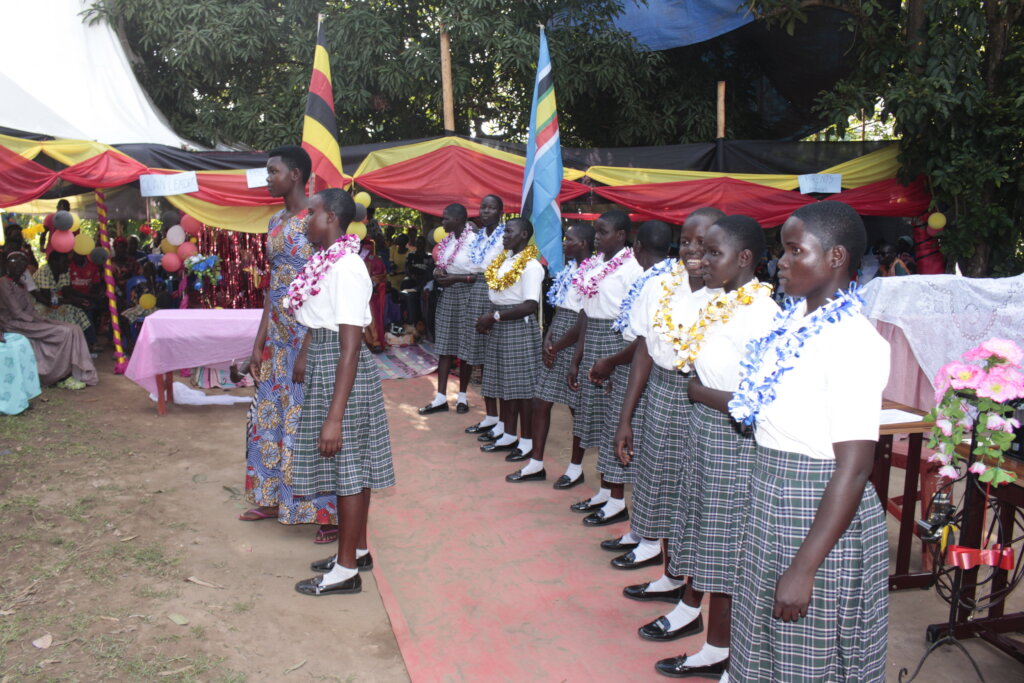
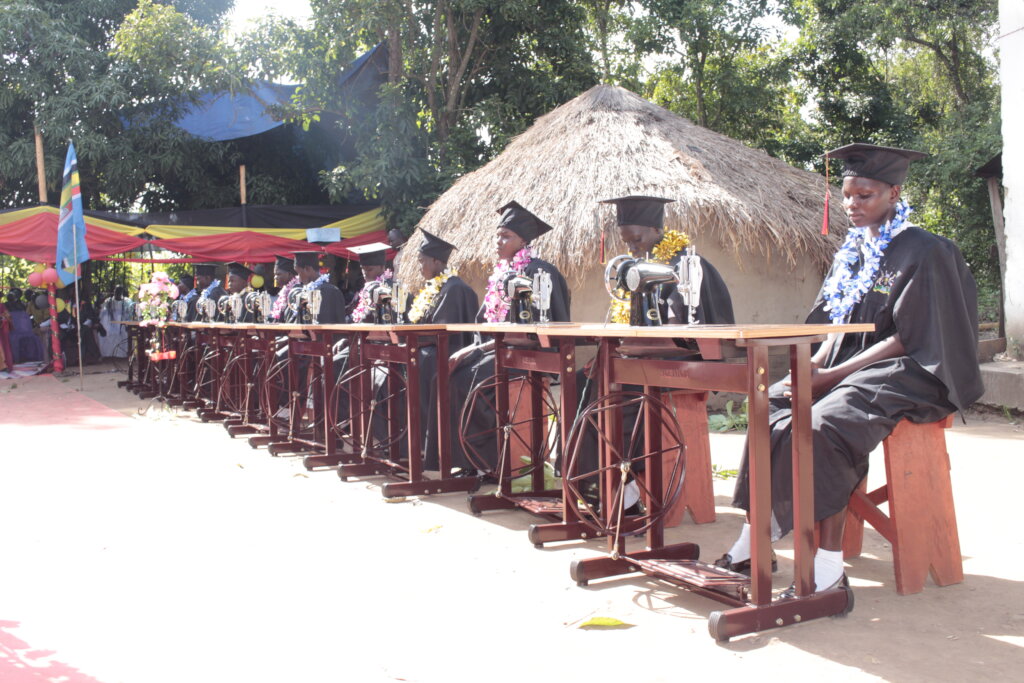
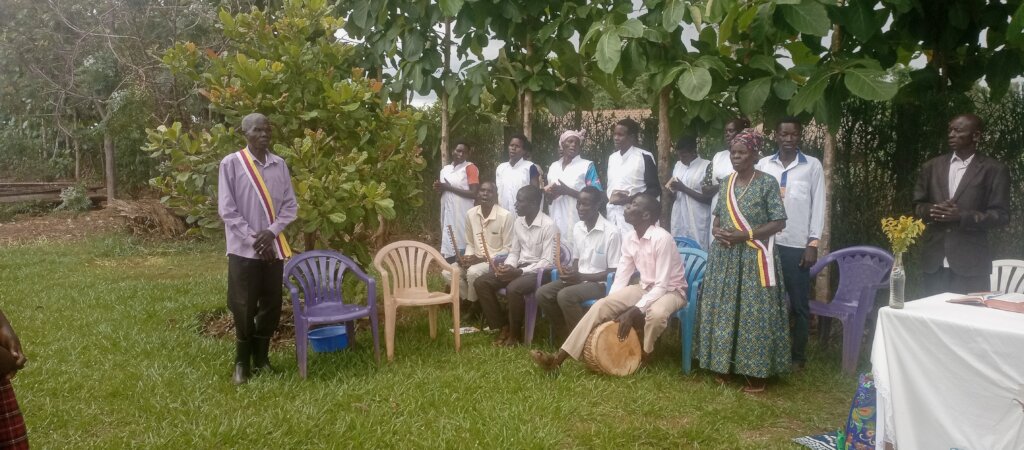
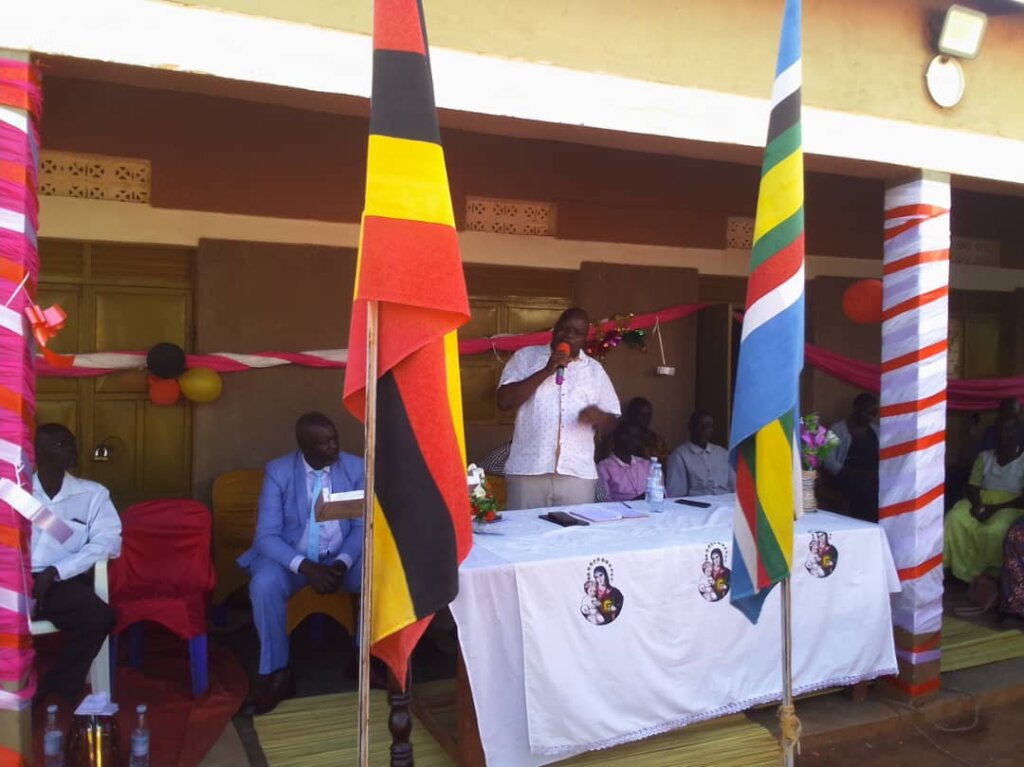
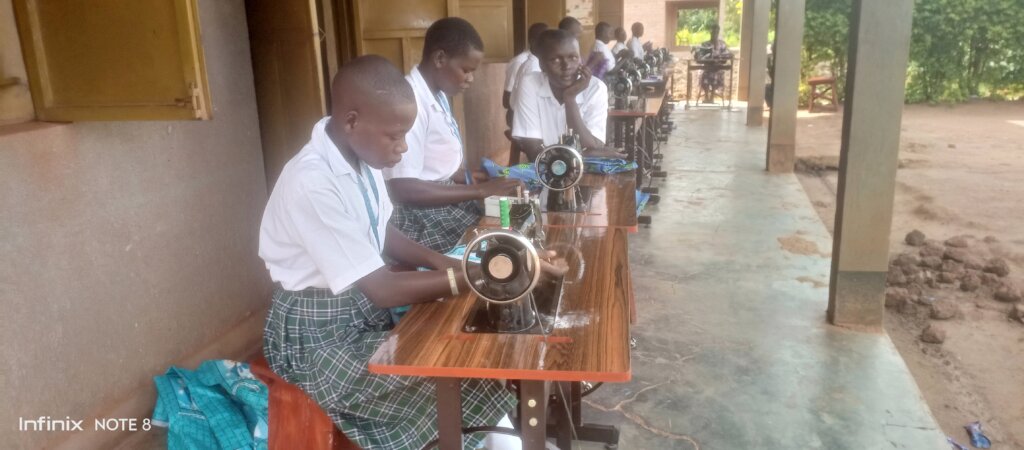
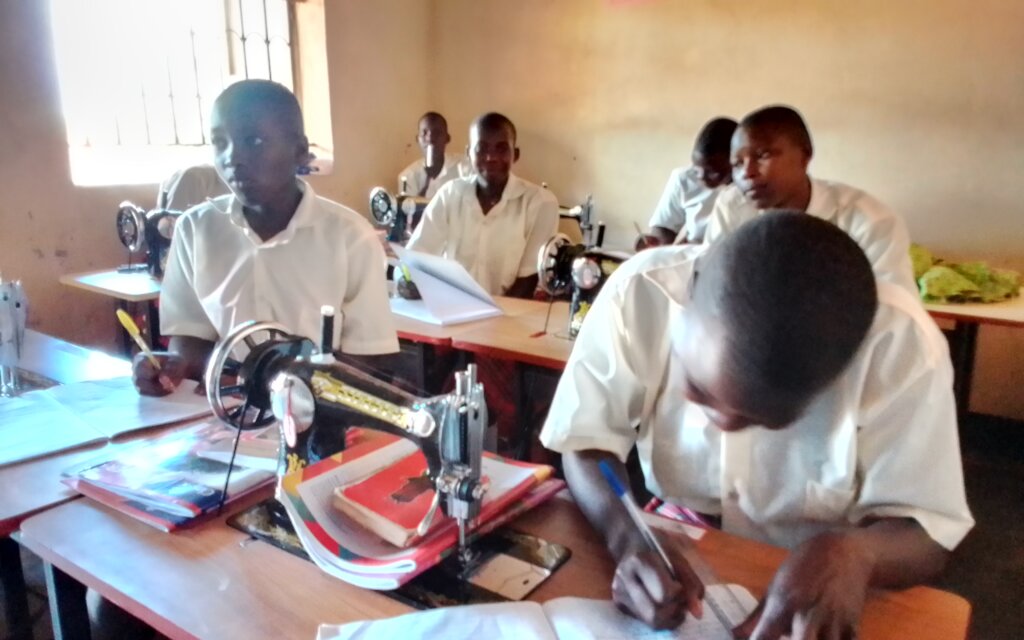
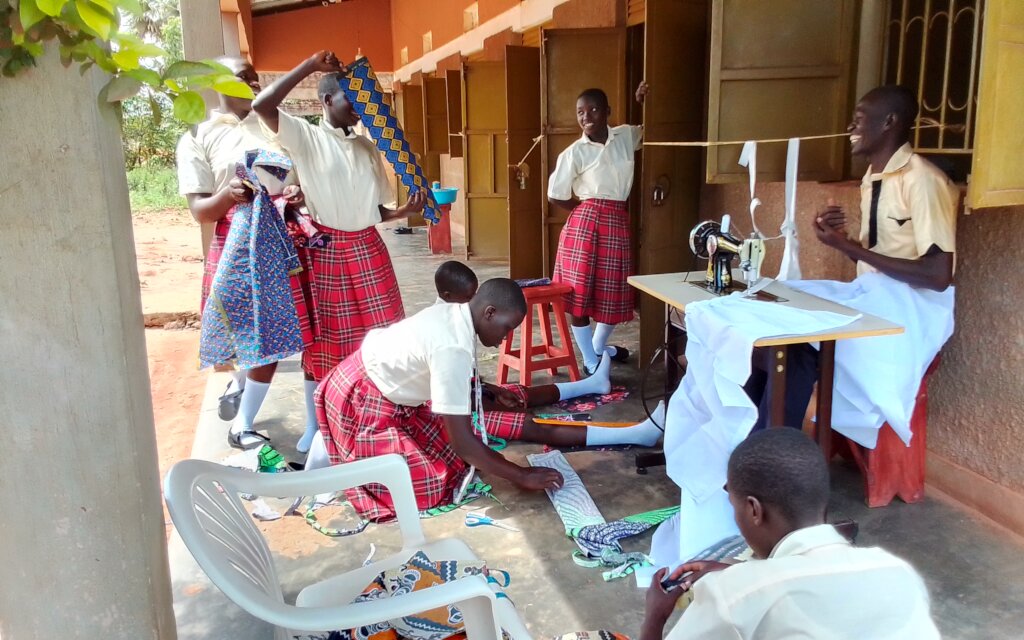
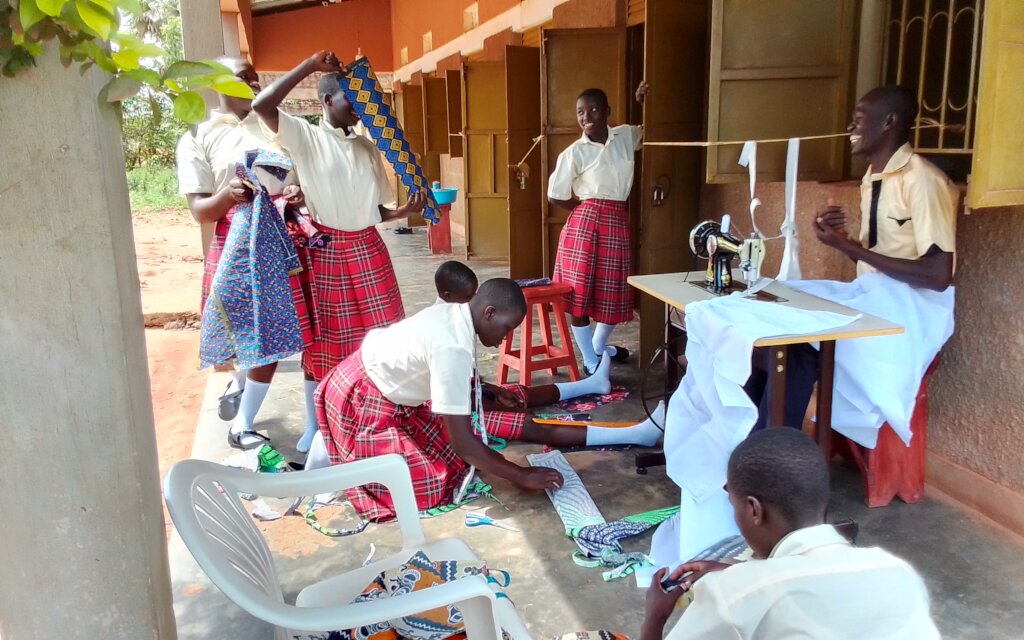
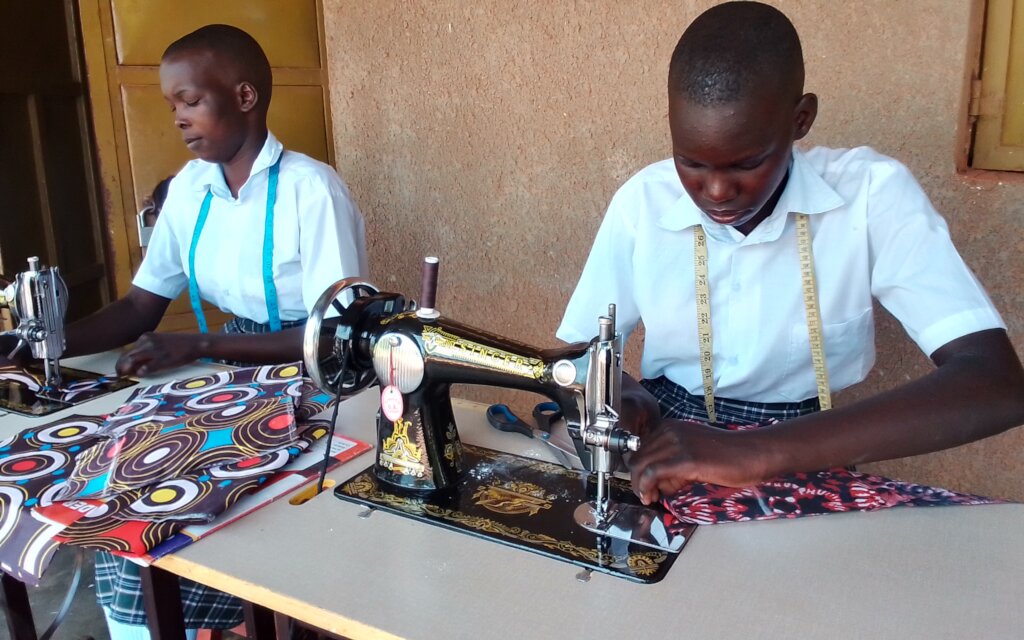
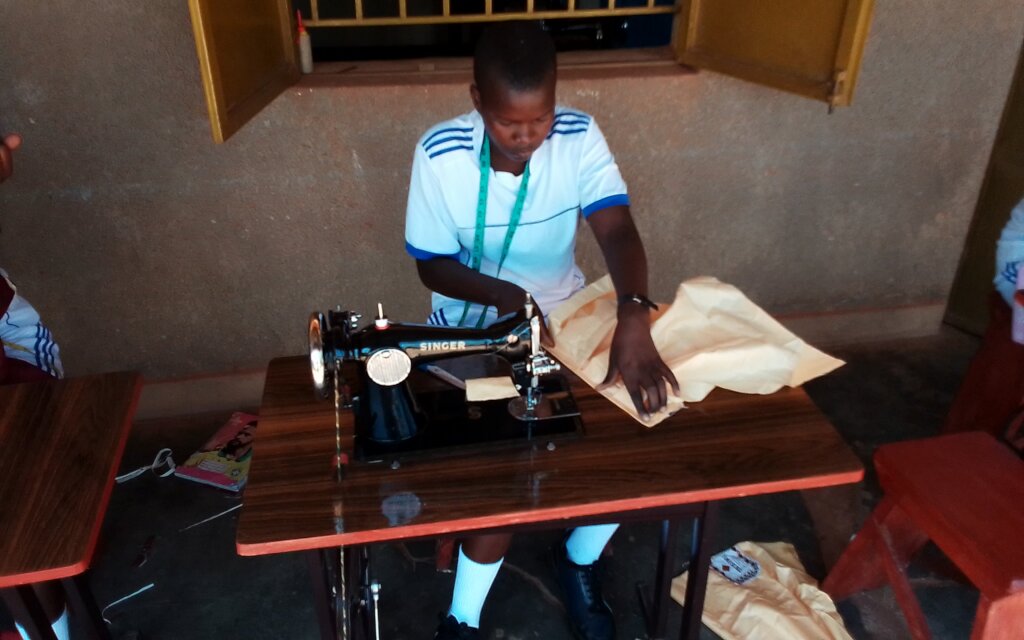
Hence, Kole Intellectual Forum is grateful to report to this platform that: in every long journey that we travel to, begins with a step. Meaning that: their campaign to introduce a program of Home Economics to their community, is a step forward to fight poverty. They expect this program to transform the society and give a lot of answers to the reduction of poverty as numerated above.
![Share on Twitter]()
![Share on Facebook]()
Jul 11, 2026
Outsoyurcing alternative Revenue: Farming
By George Obua | Project Leader
Modern farming: promoted for other sources of fund and projects sustainability
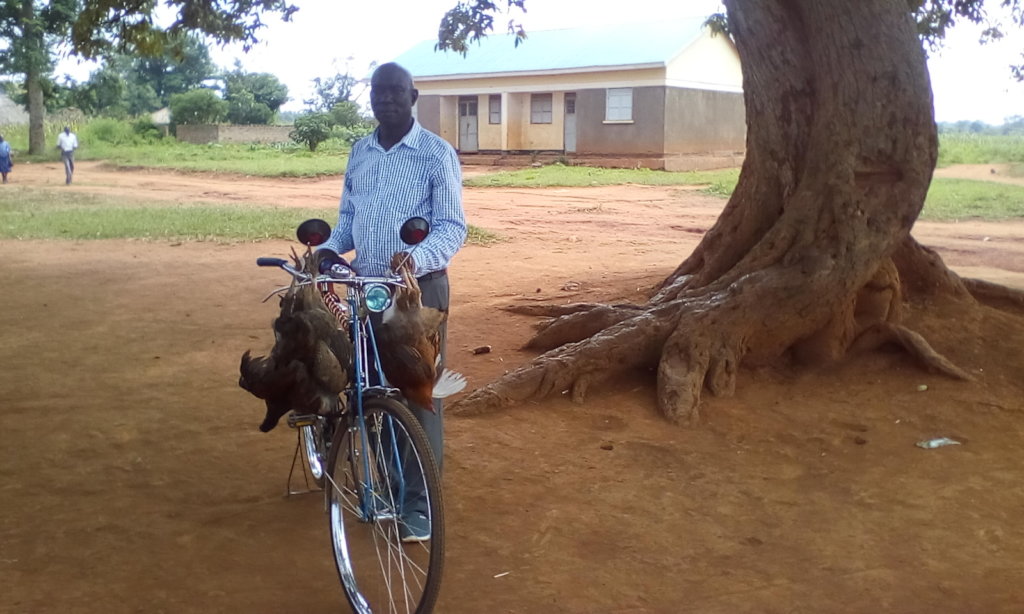
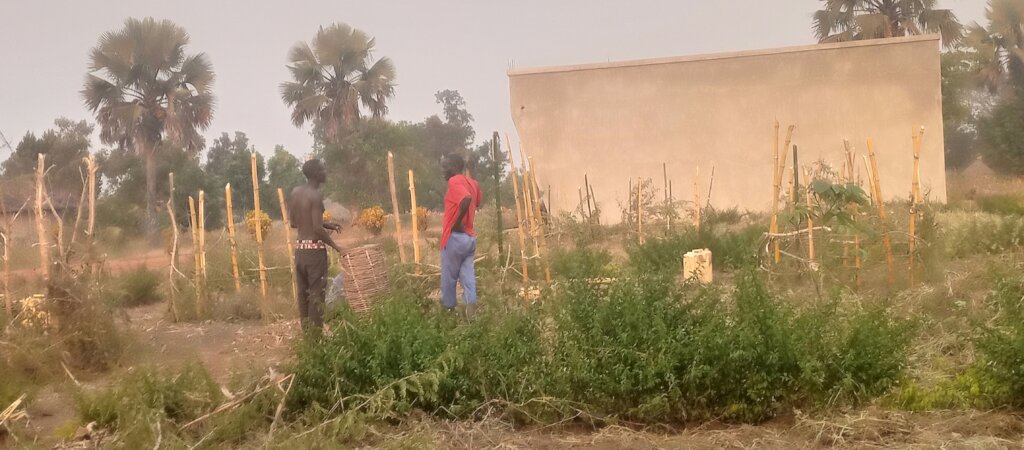
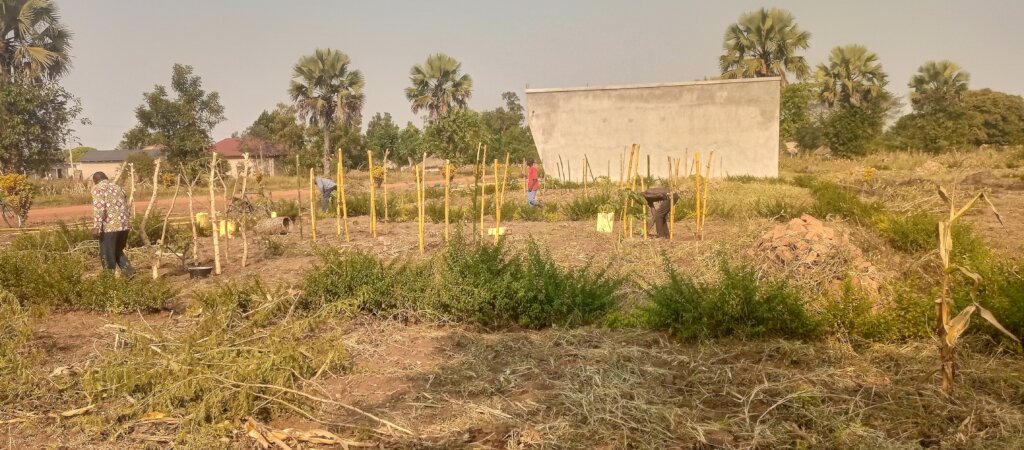
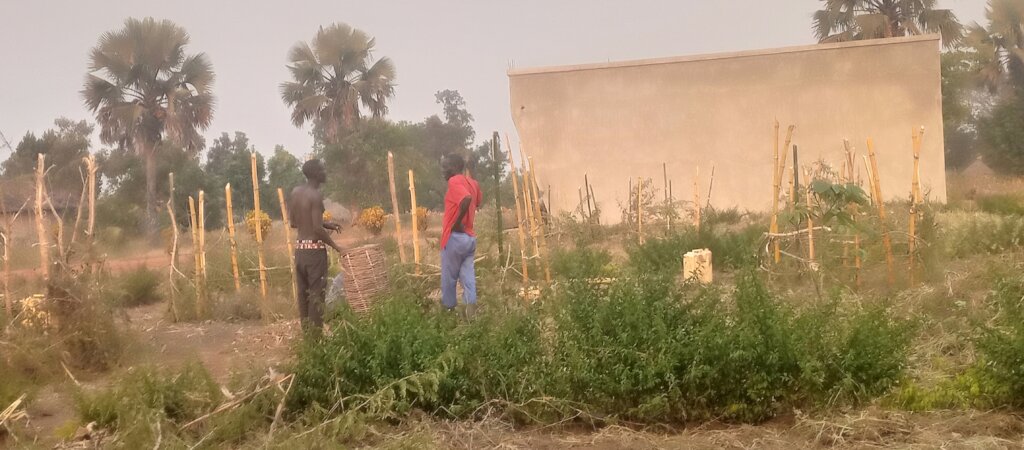
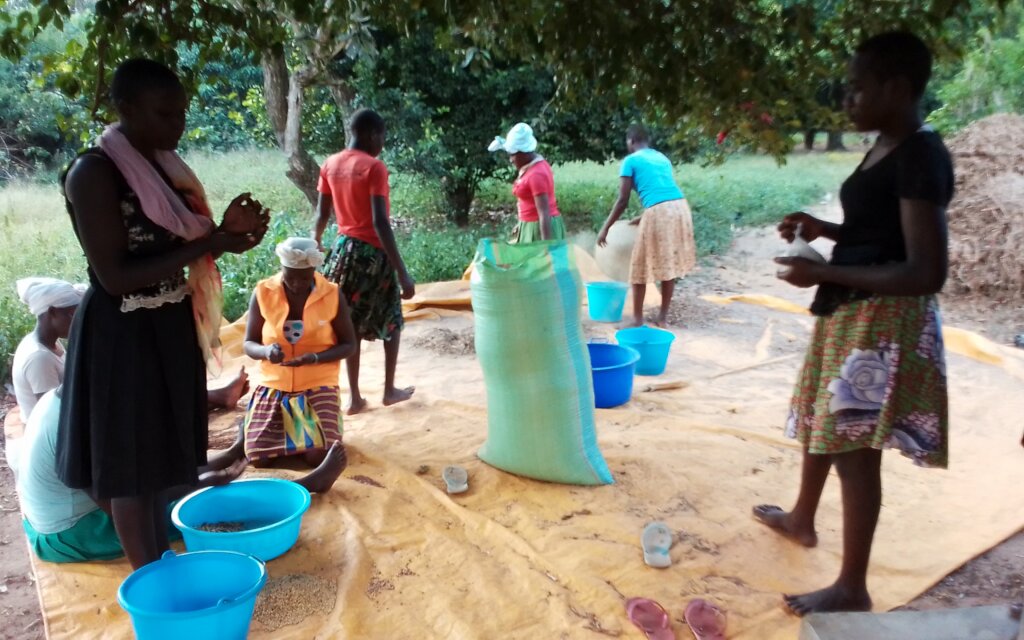
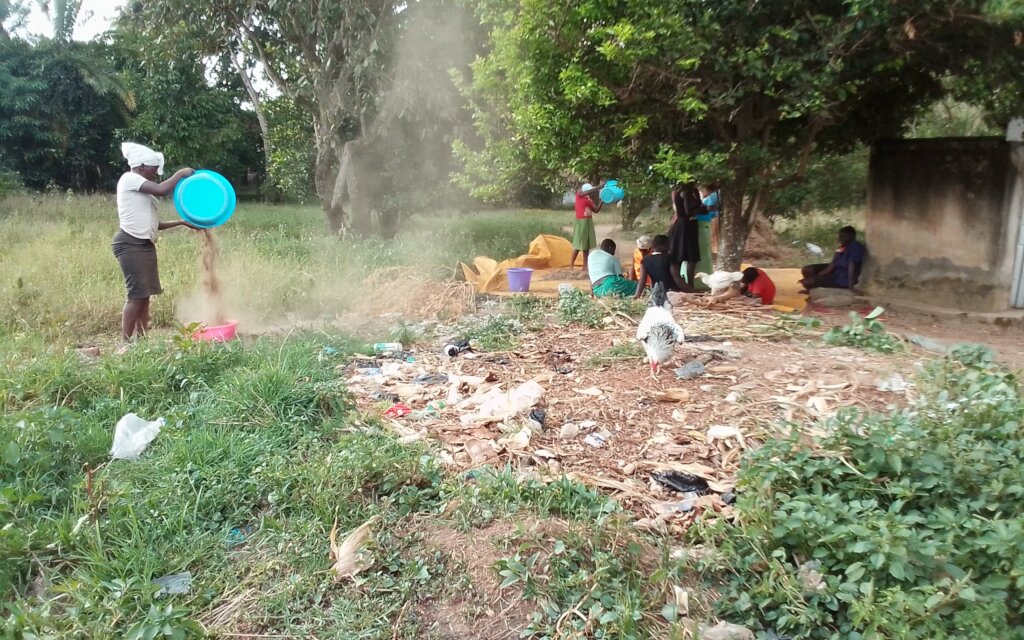
To increase on to fund for the existing projects that Kole Intellectual Forum has put in place (already in existence), the promoters of these projects are designing several ways to raise revenue for these projects; so that, they can move towards their project sustainability.
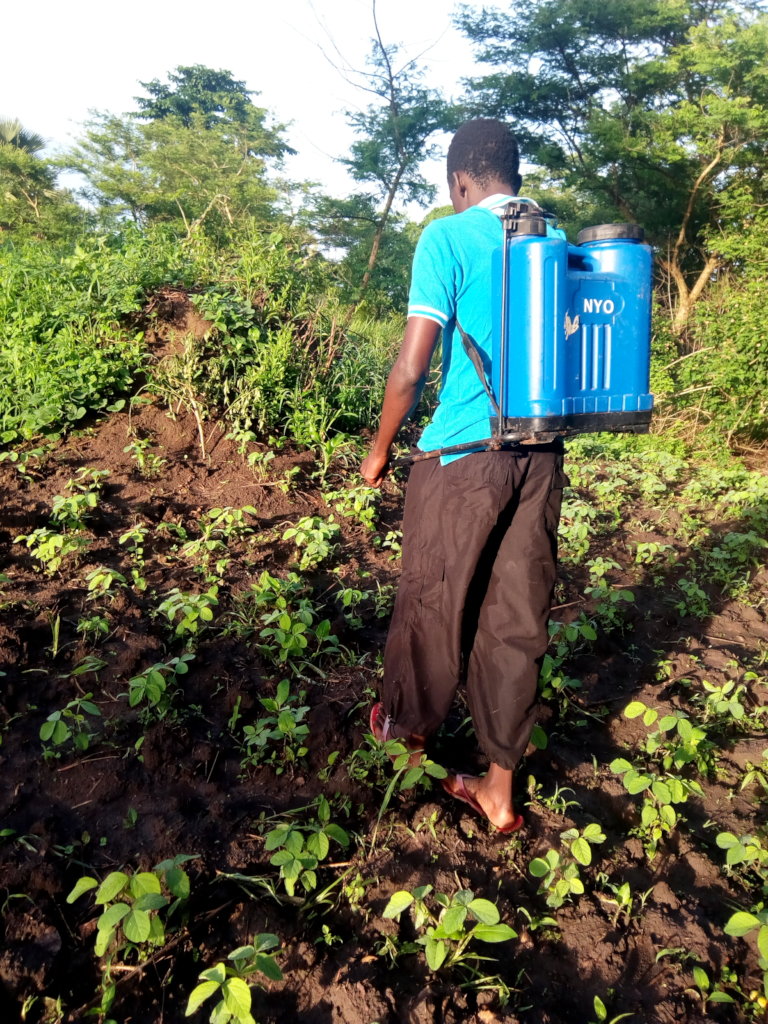
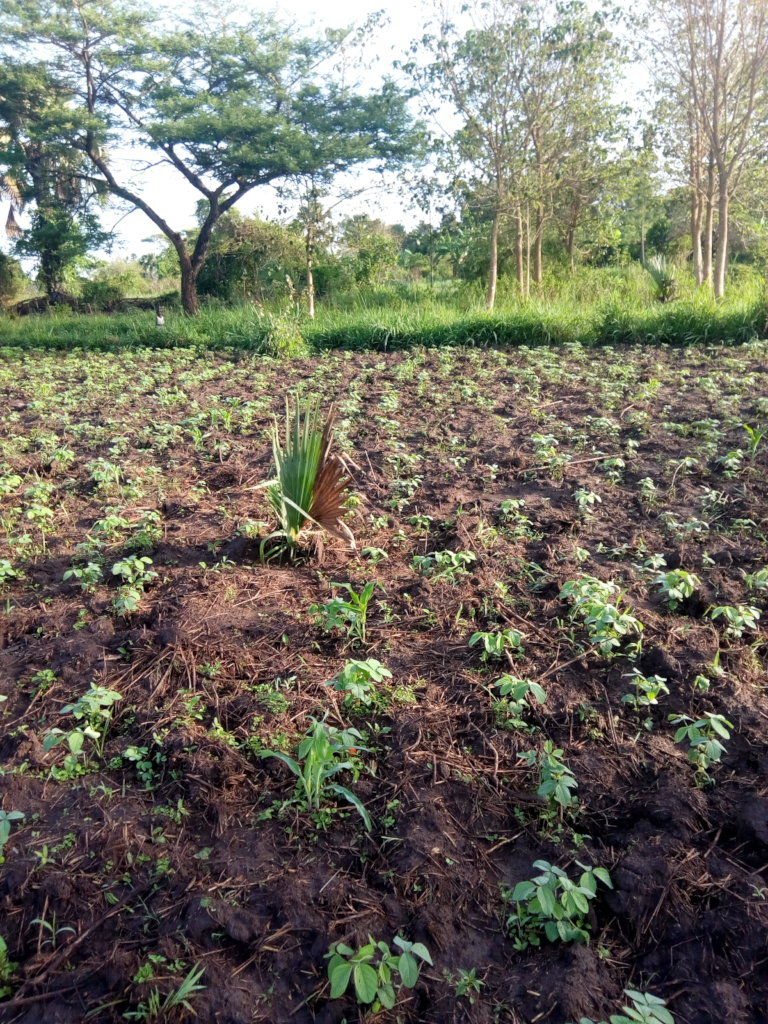
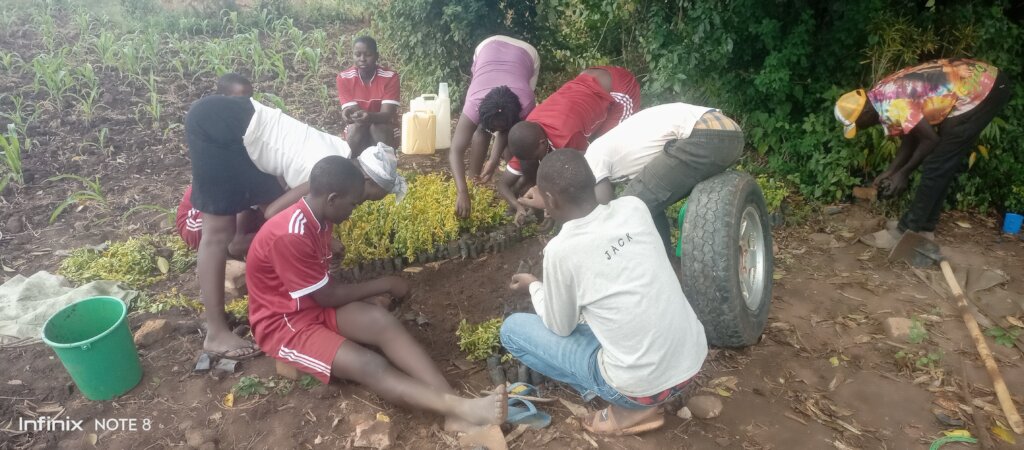
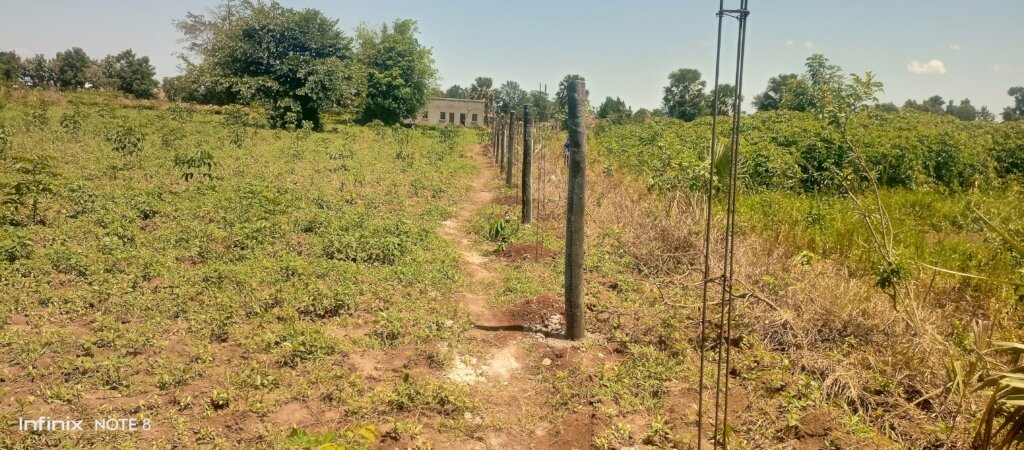
Among them is that: the framers have planned for modern farming that is meant to integrate resource-conserving technologies and data-driven methods with core agroecological principles such as crop rotation, cover cropping, and biodiversity management; with the hope of balancing and enhancing productivity for long-term environmental health.
Basically, the concept is meant to integrate:
Precision Agriculture and Resource Management: that is by use of modern technologies such as GPS, sensors, and AI the project is supposed to optimize the use of water, fertilizers, and pesticides, ensuring they are applied precisely where needed. This minimises waste and prevents the pollution and soil degradation associated with historical, intensive farming, thereby protecting existing projects by giving out good yield that when sold the fund can supplement other sources of revenue.
Integrated Pest and Nutrient Management (IPM/INM): the framers have planned use modern farming by formalizing the use of IPM and INM strategies. These integrate natural predators and organic matter (e.g., compost, manure) with targeted interventions, reducing reliance on the broad-spectrum synthetic chemicals that can harm the biodiversity and soil health of existing sustainable farms; leading to a better yield too, hence, positive revenue from its product.
![Share on Twitter]()
![Share on Facebook]()
Jul 3, 2026
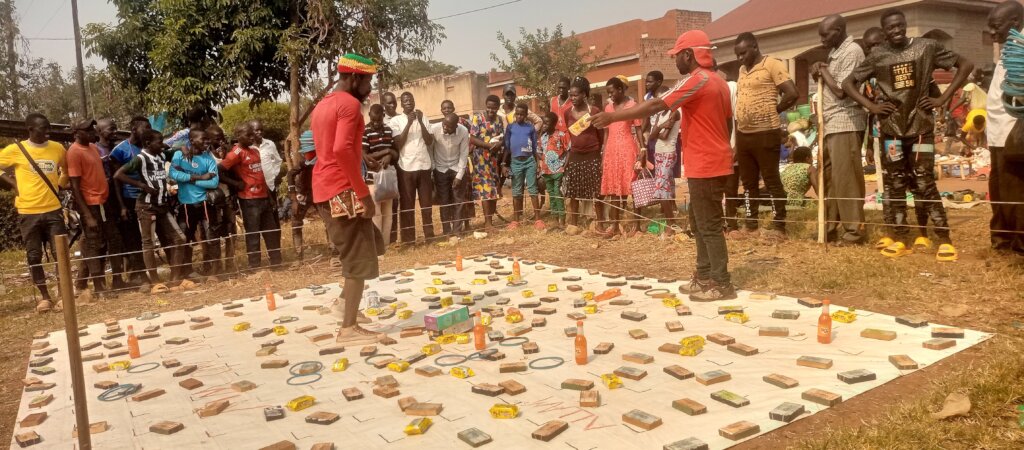
Purposes of exams to the students of KIFA
By George Obua | Project Leader
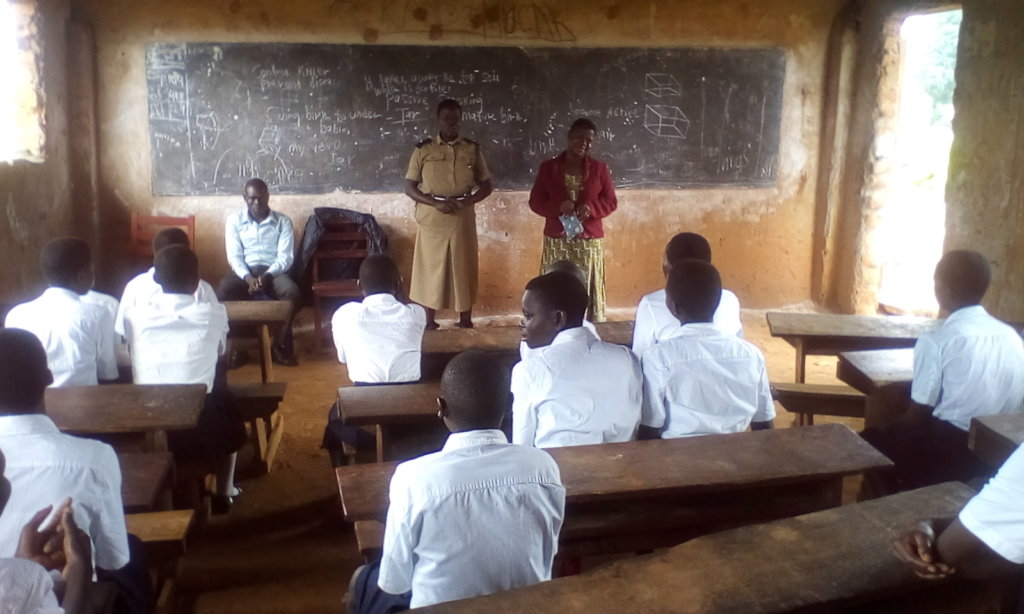
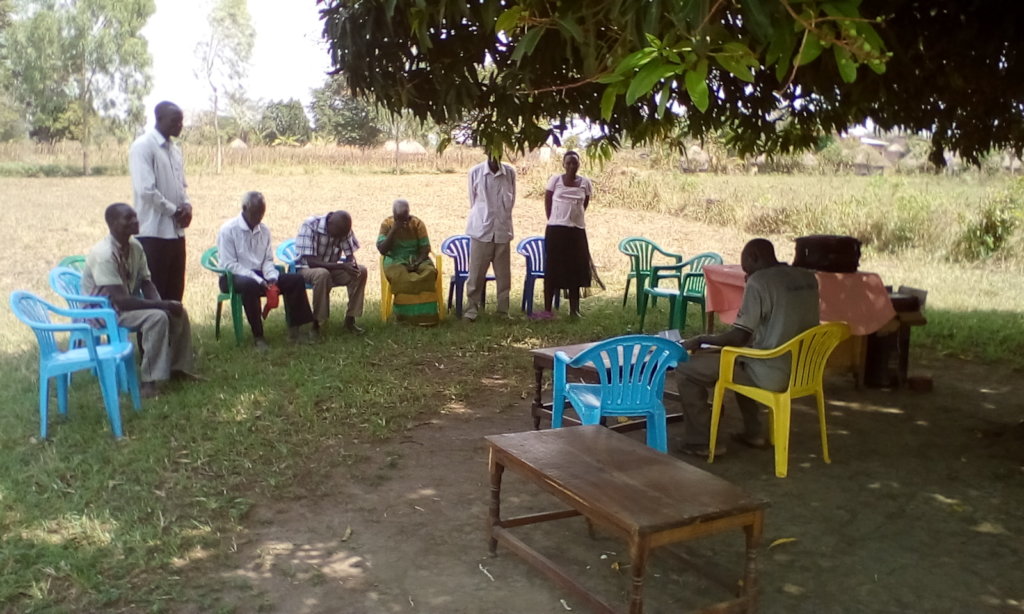
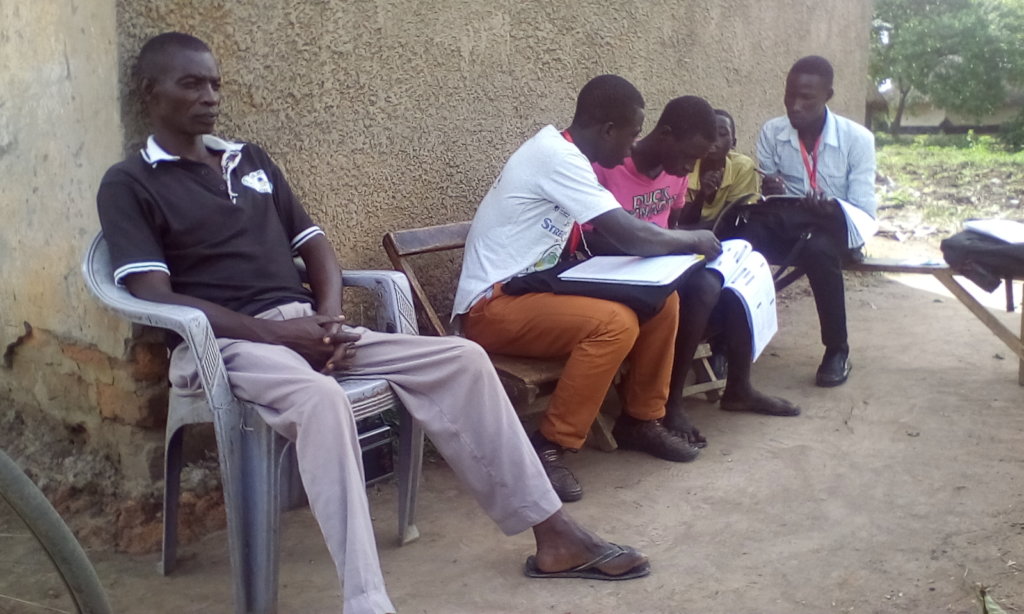
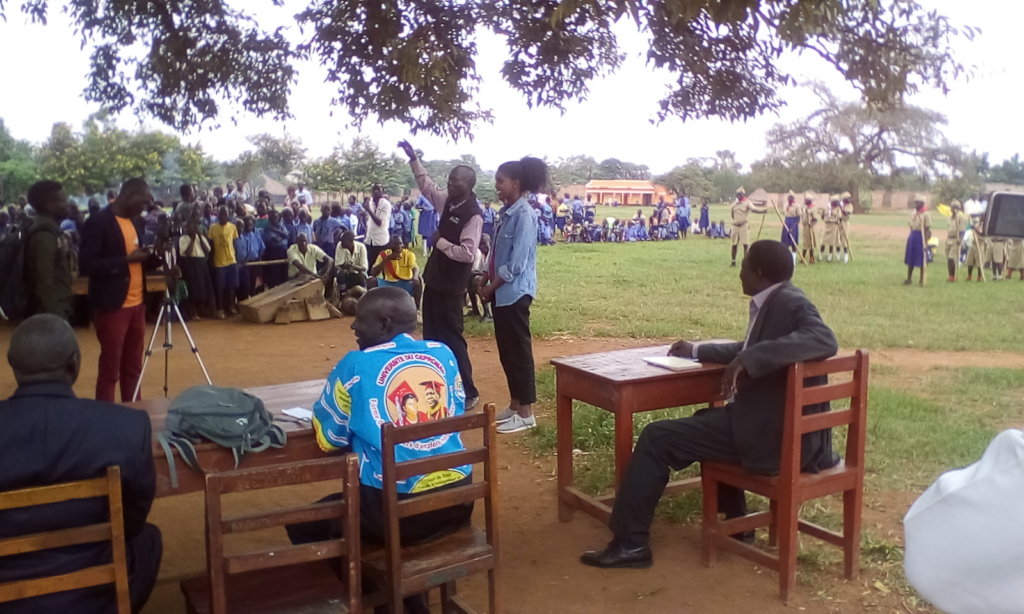
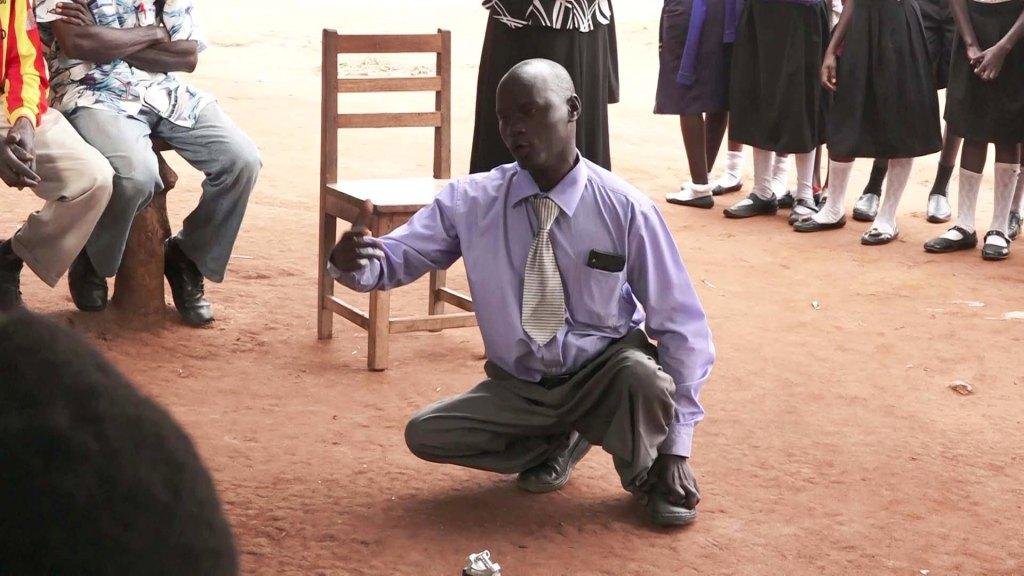
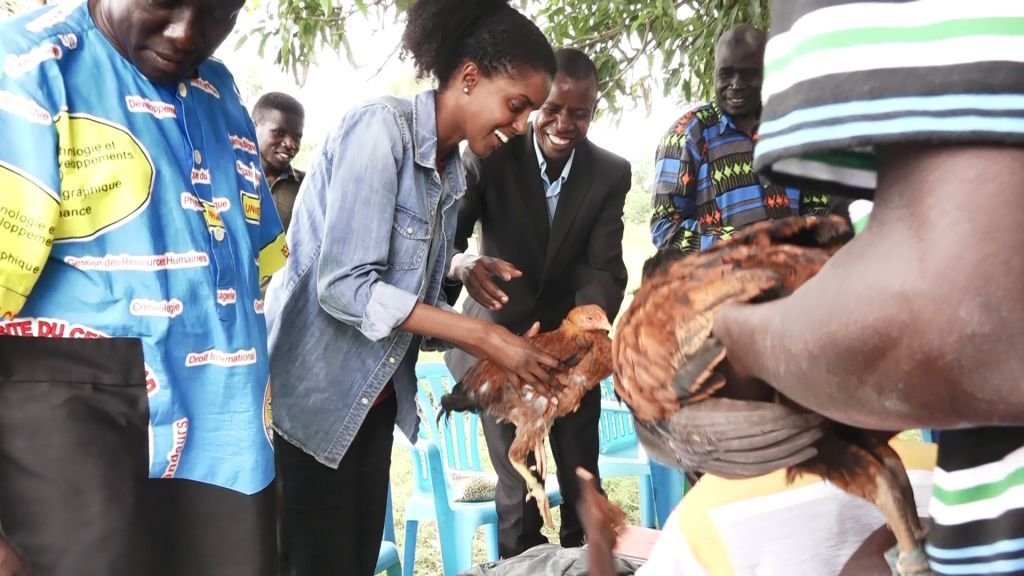
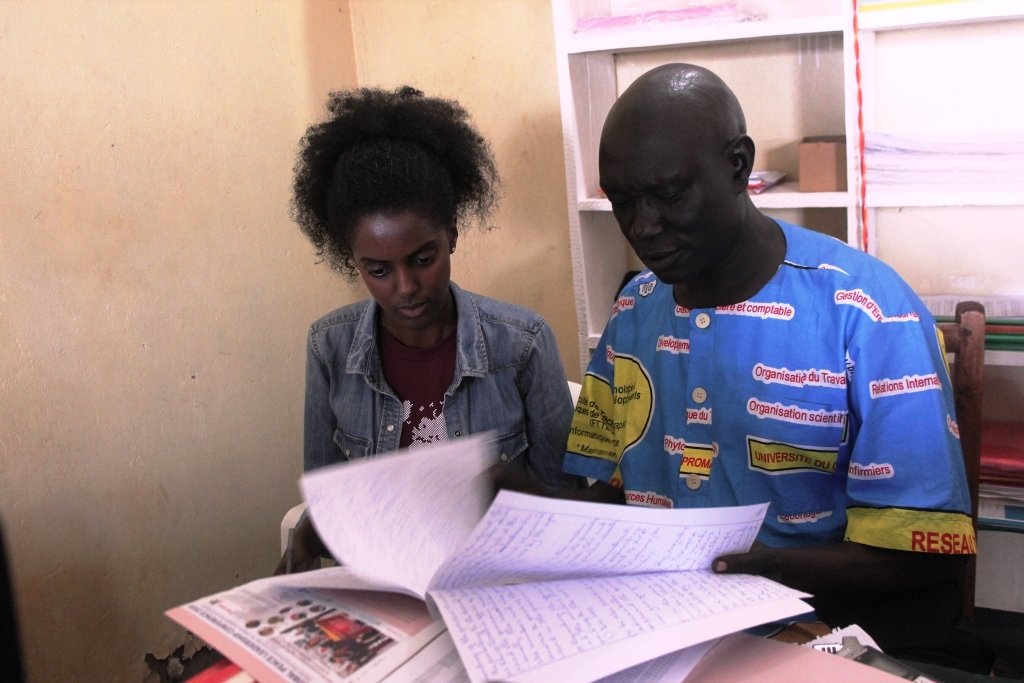
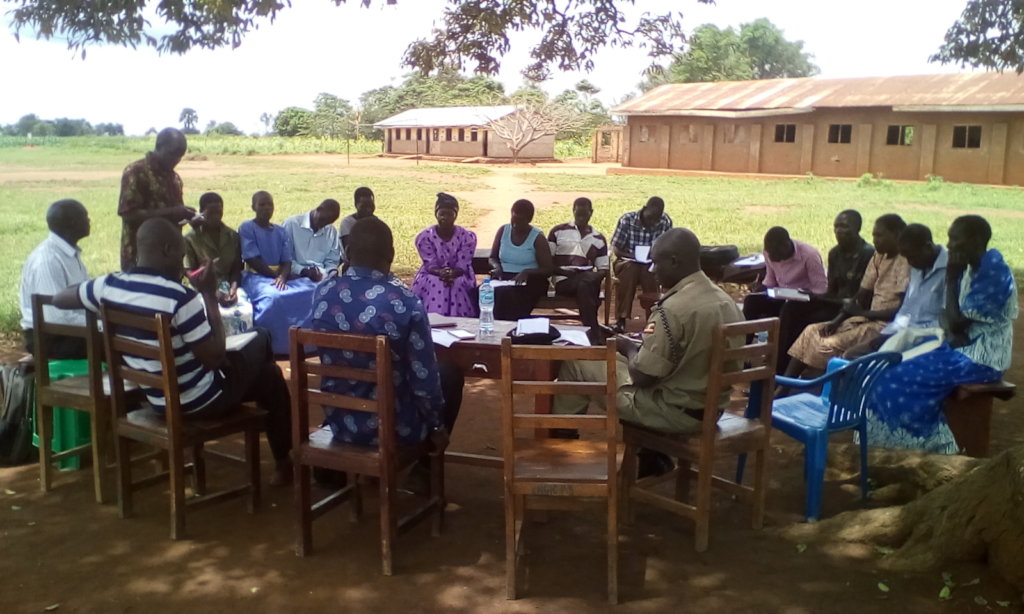
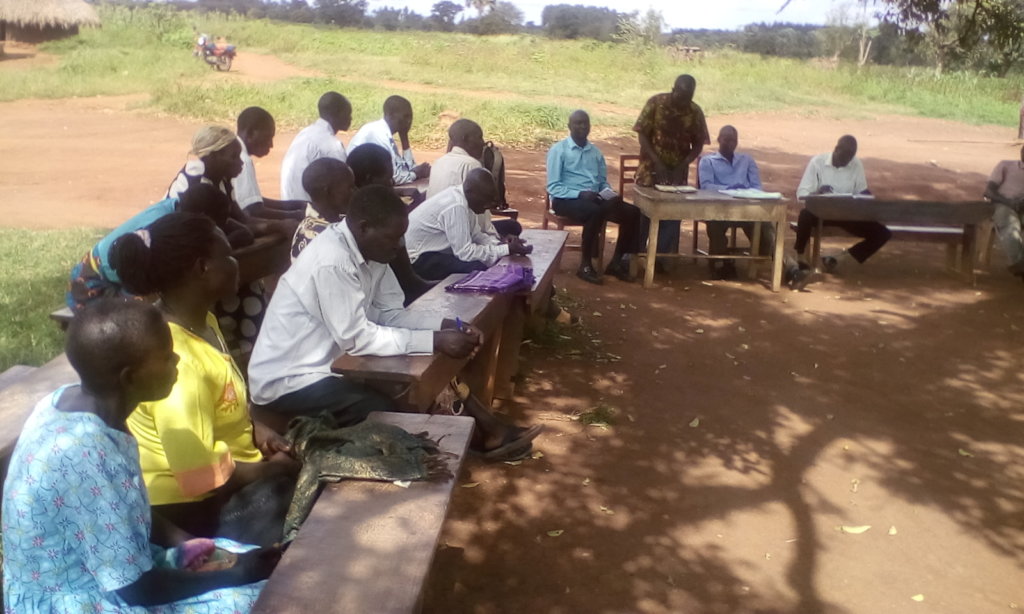
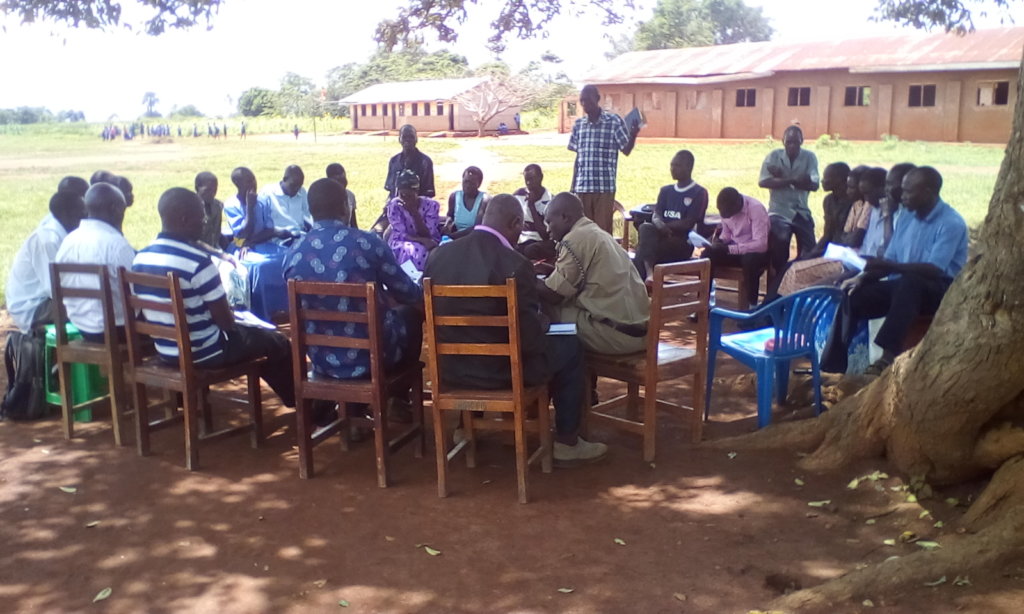
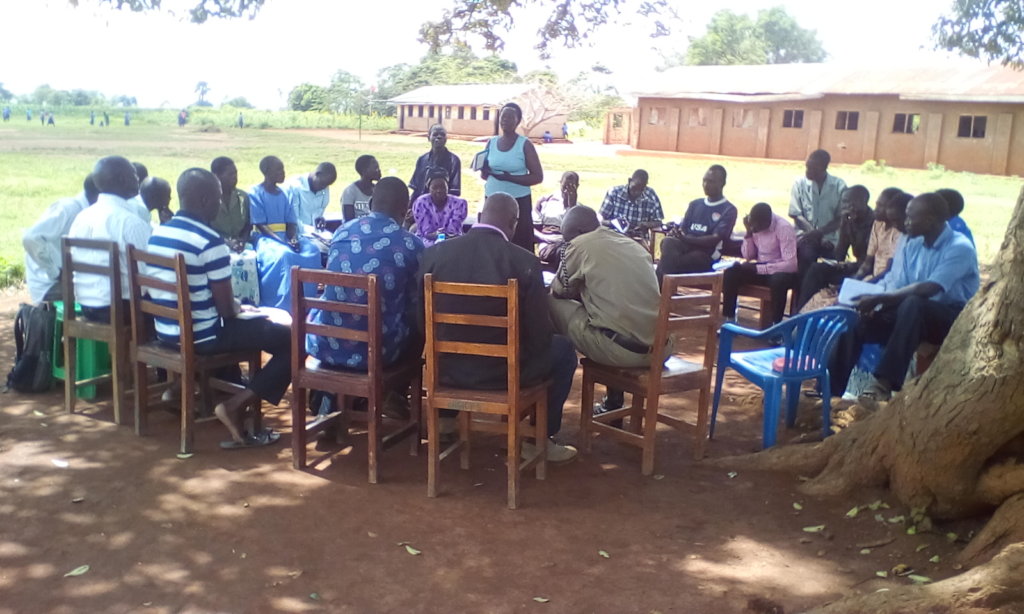
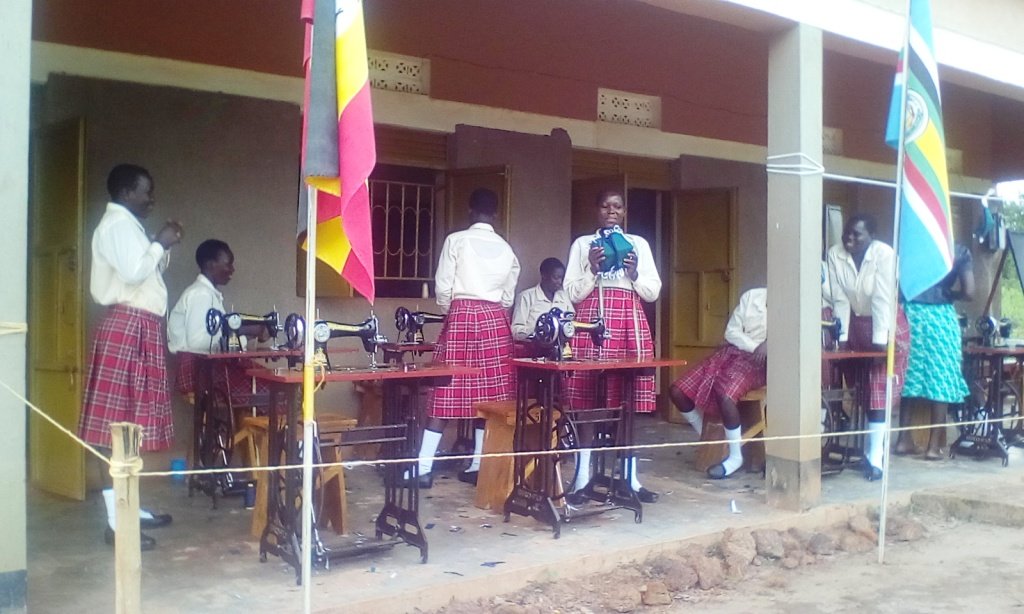
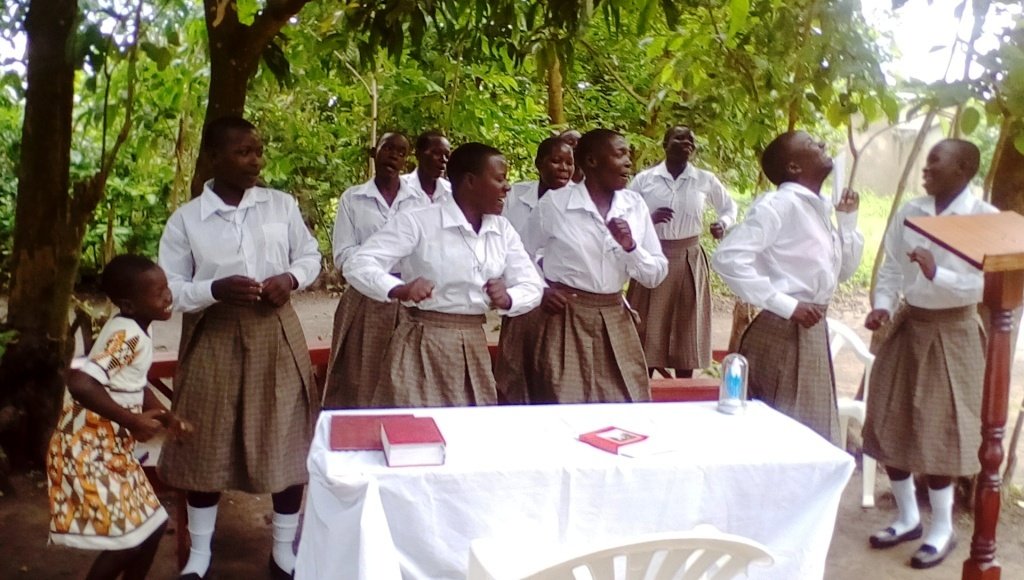
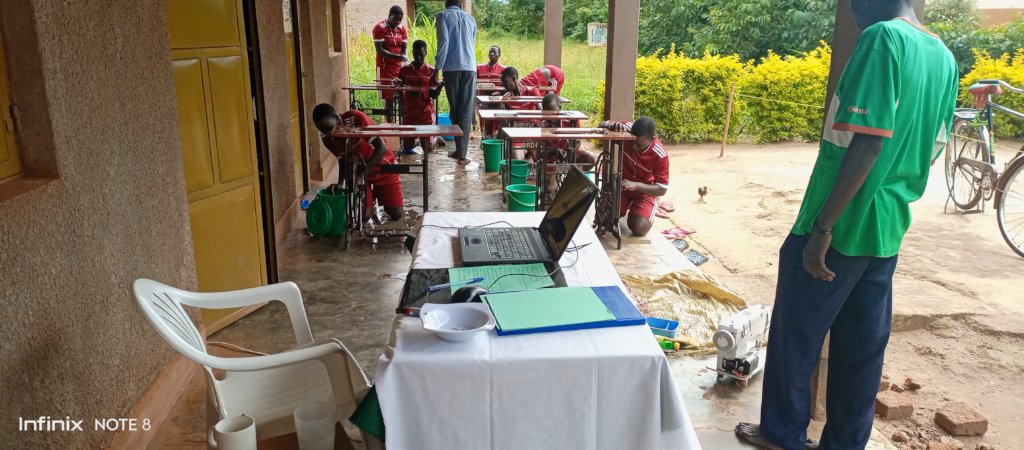
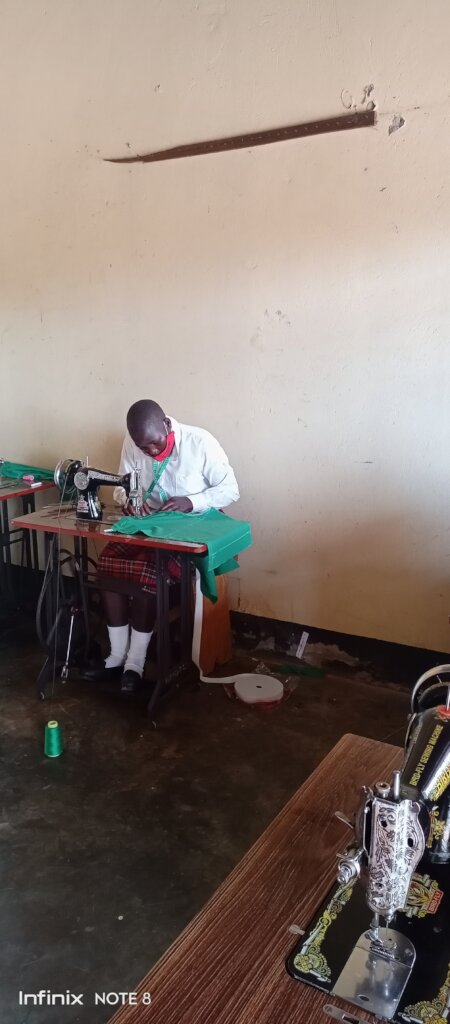
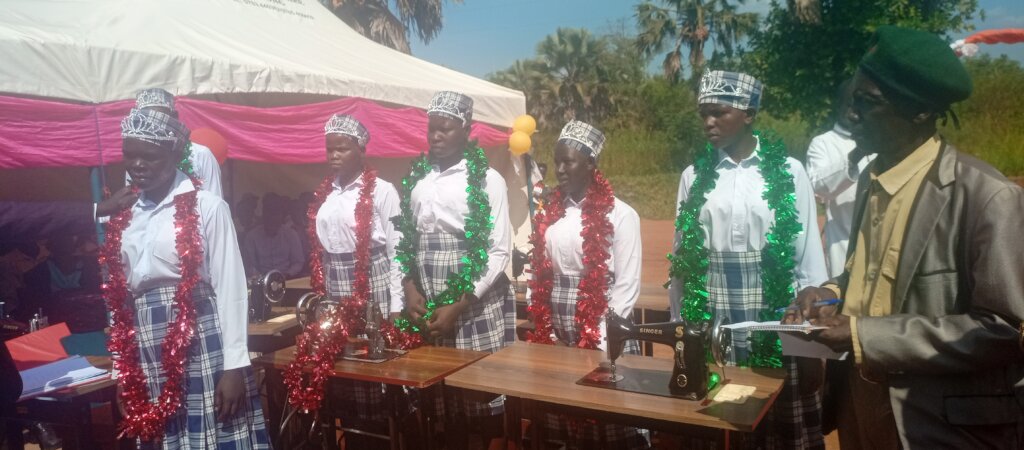
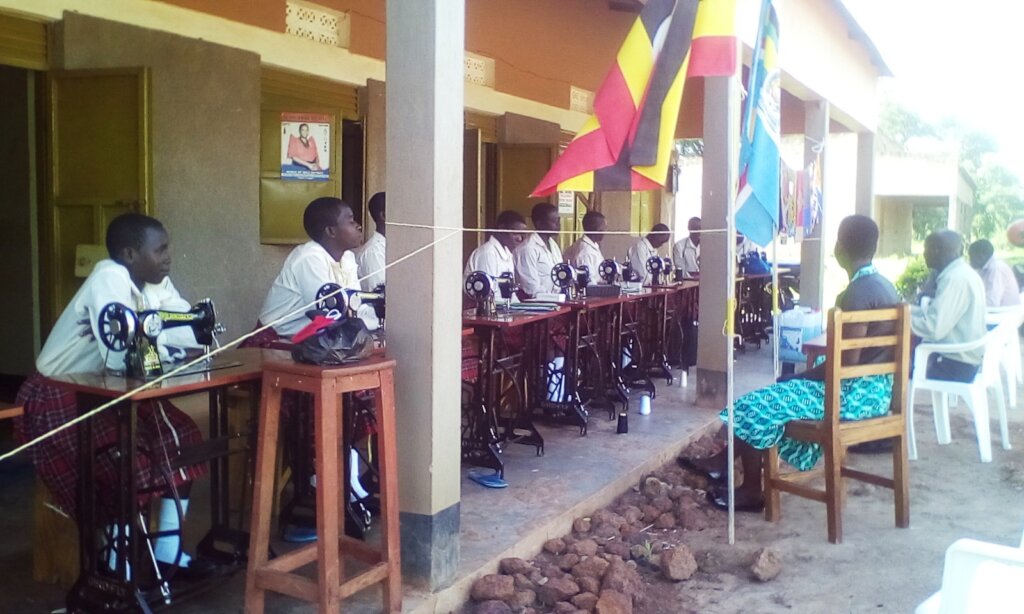
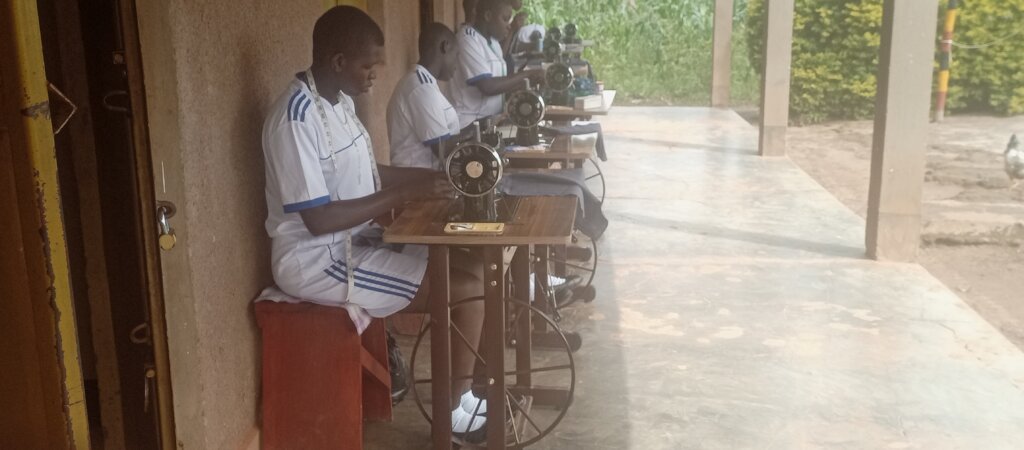
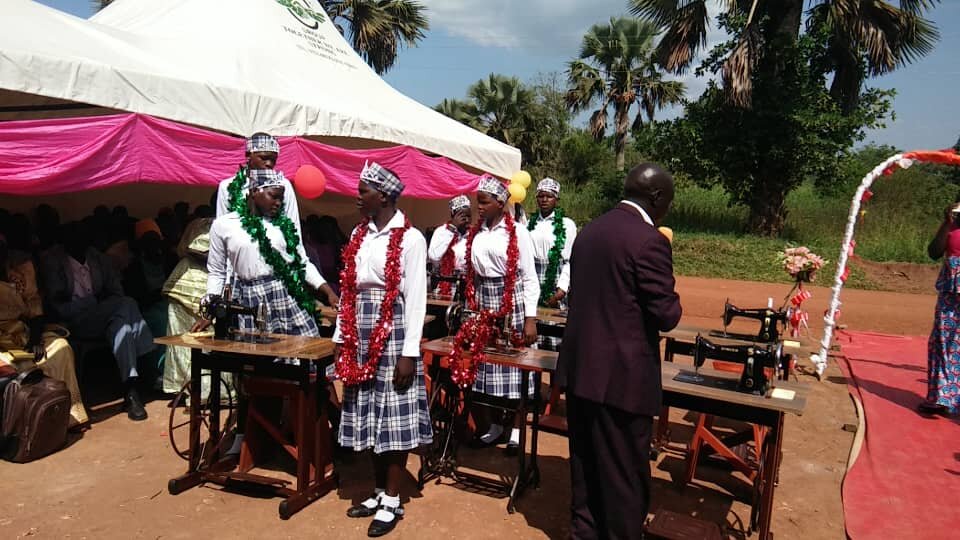
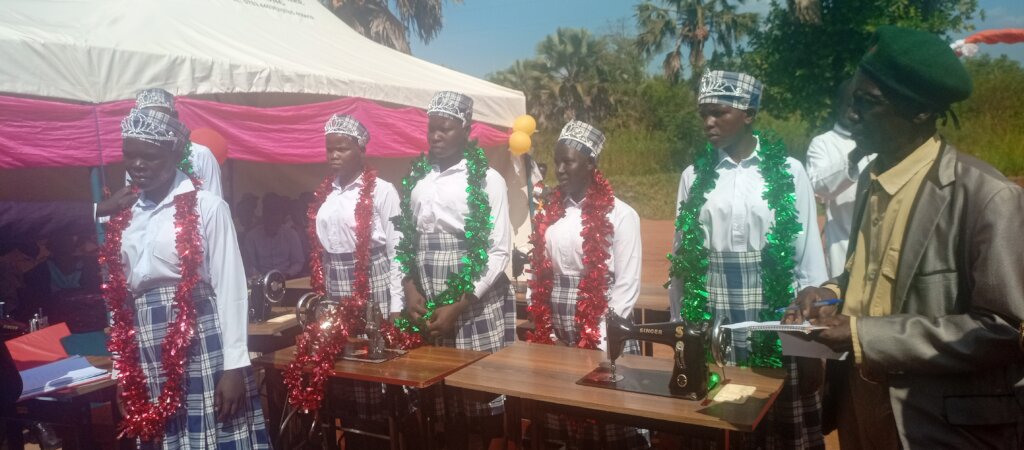
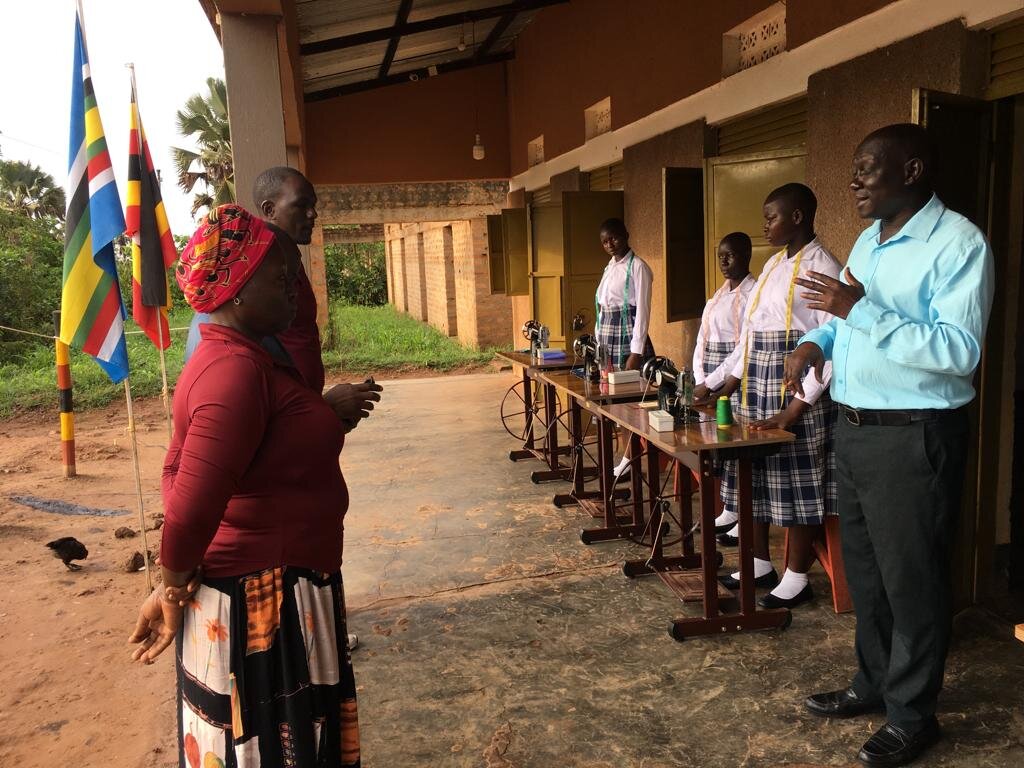
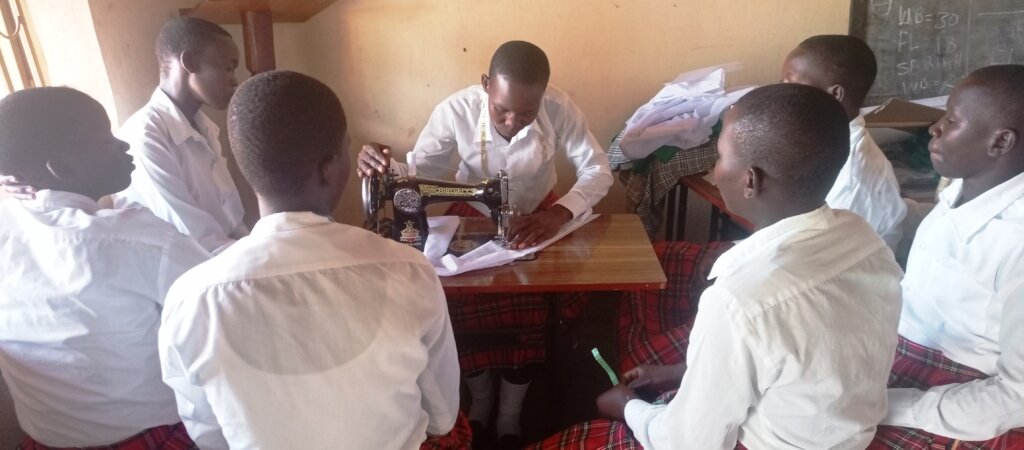
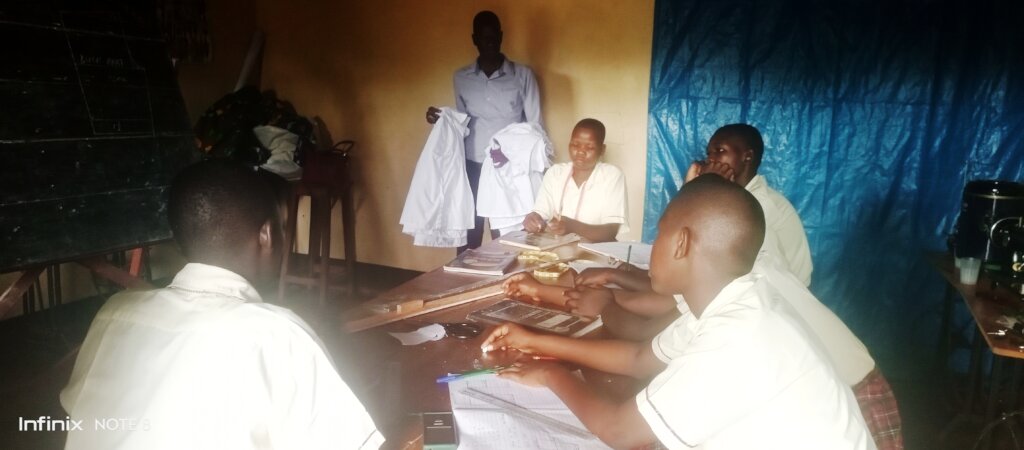
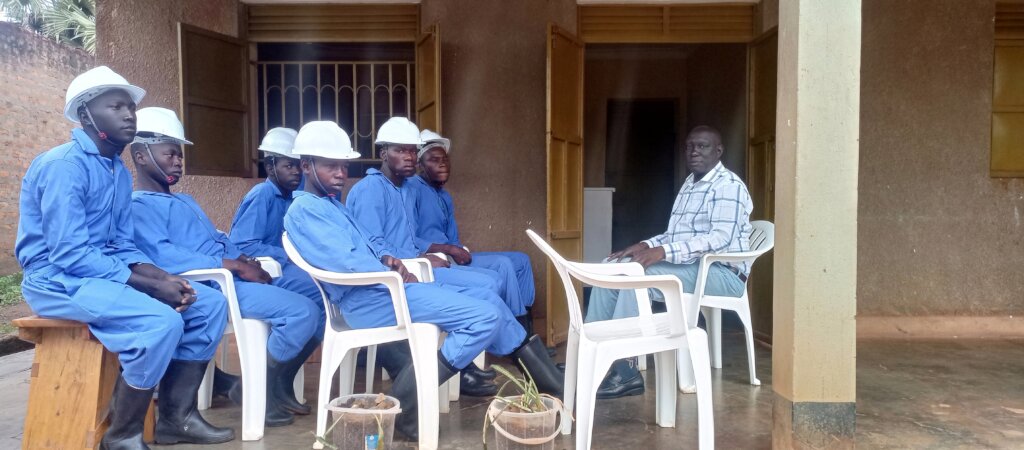
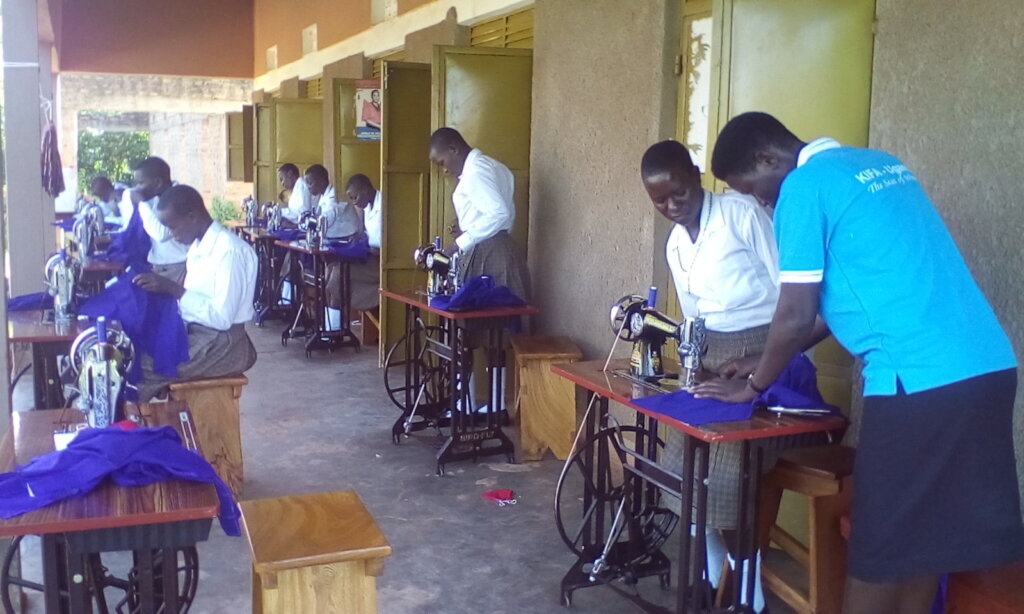
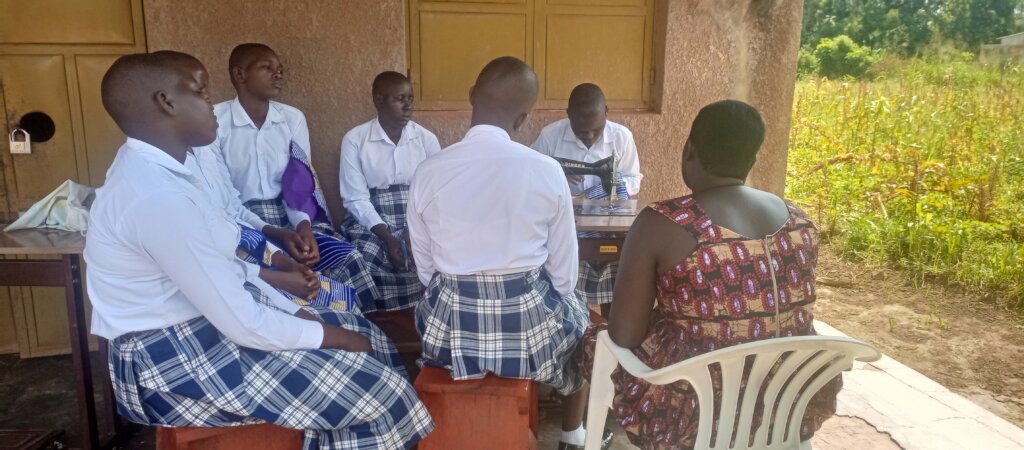
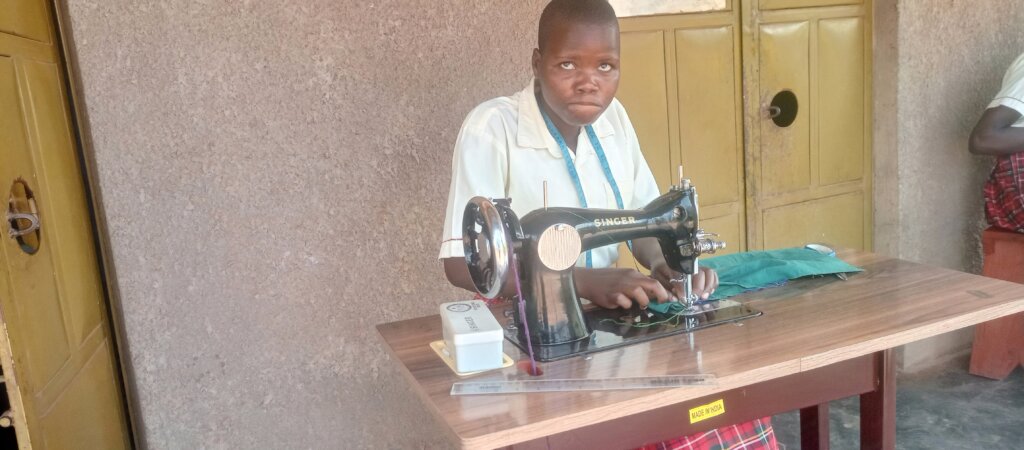
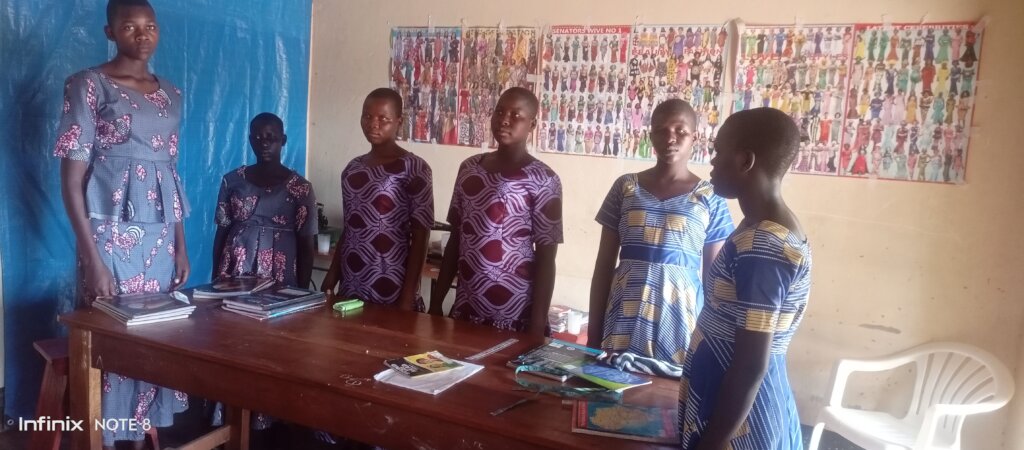
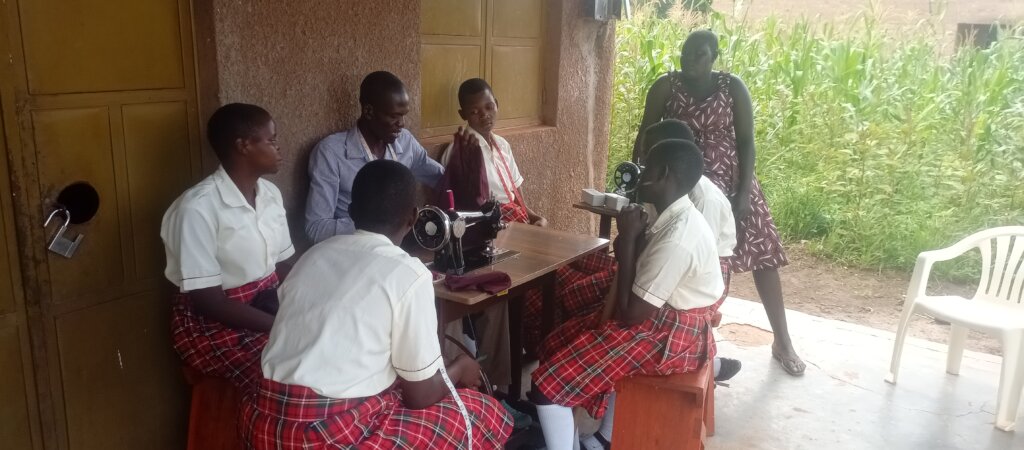
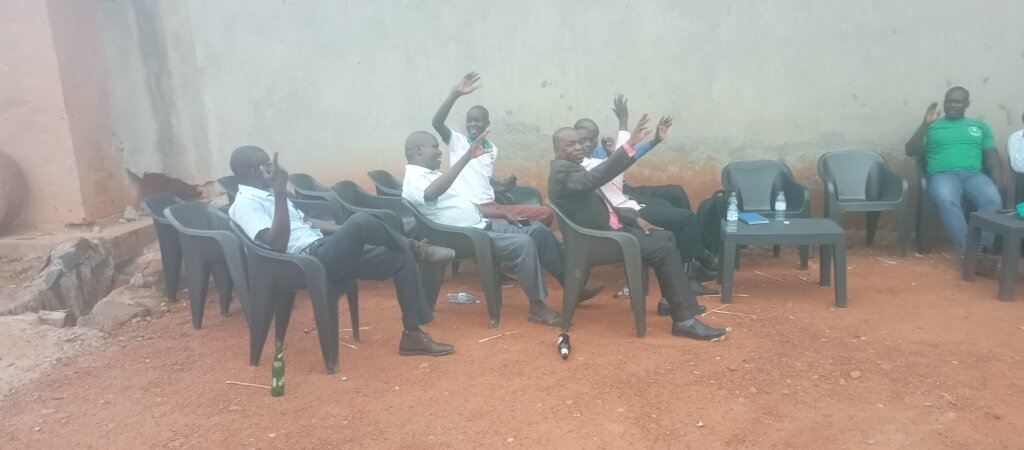
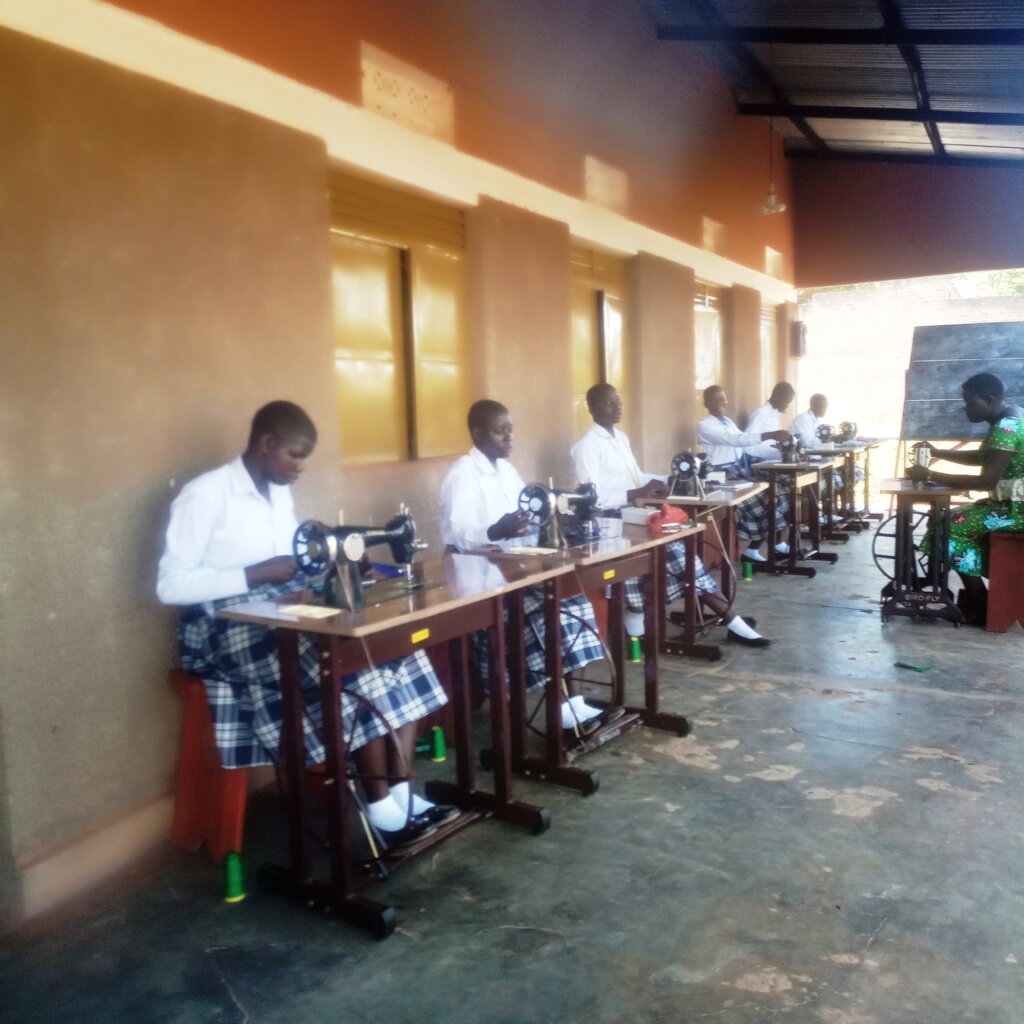
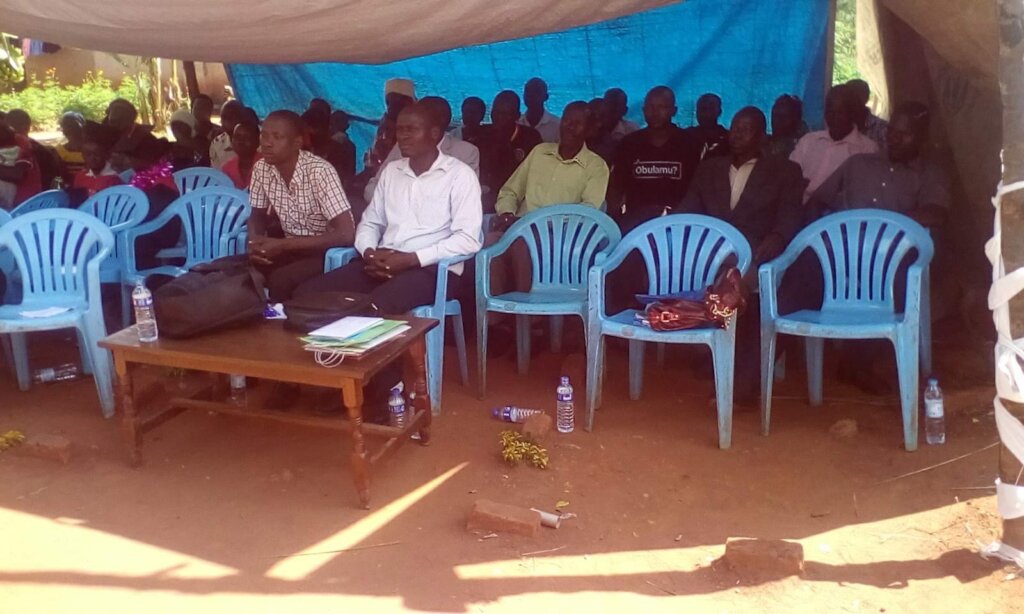
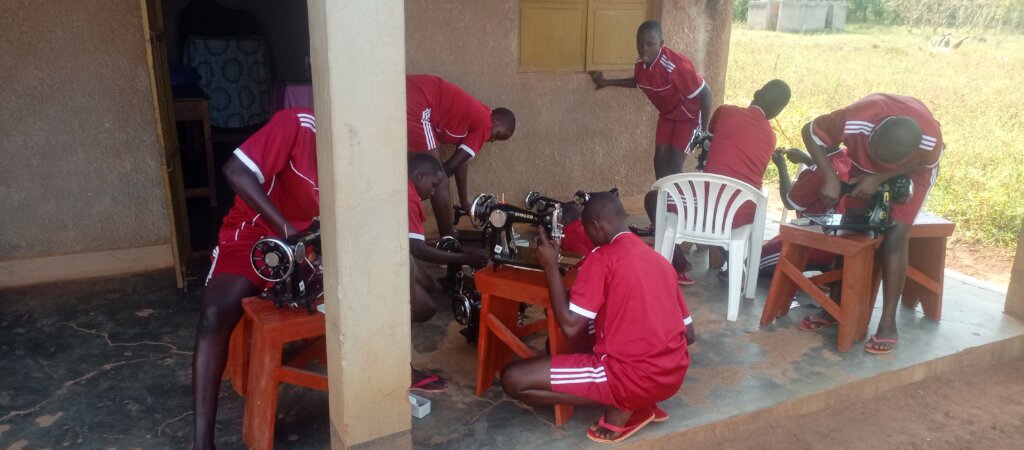
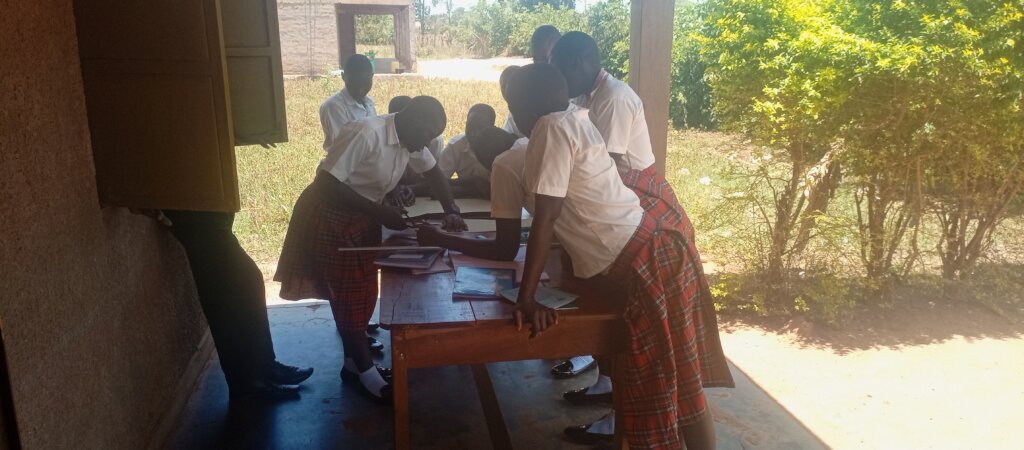
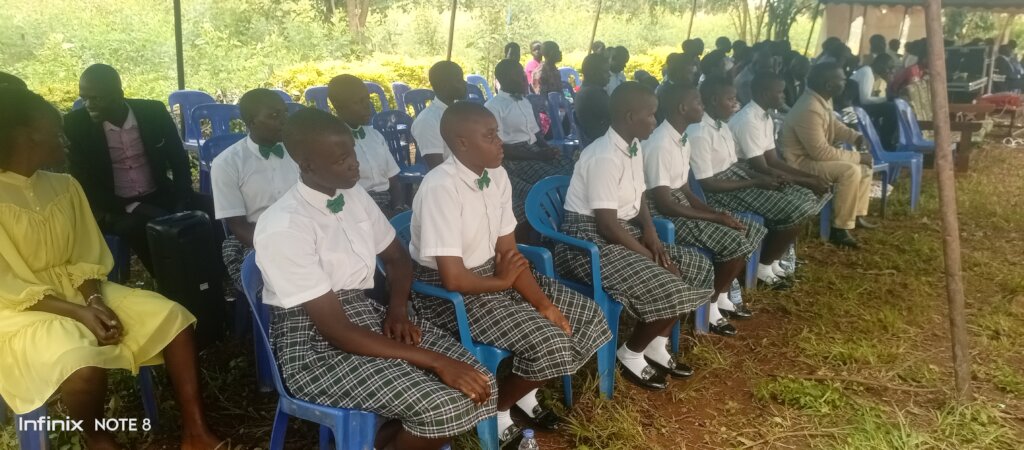
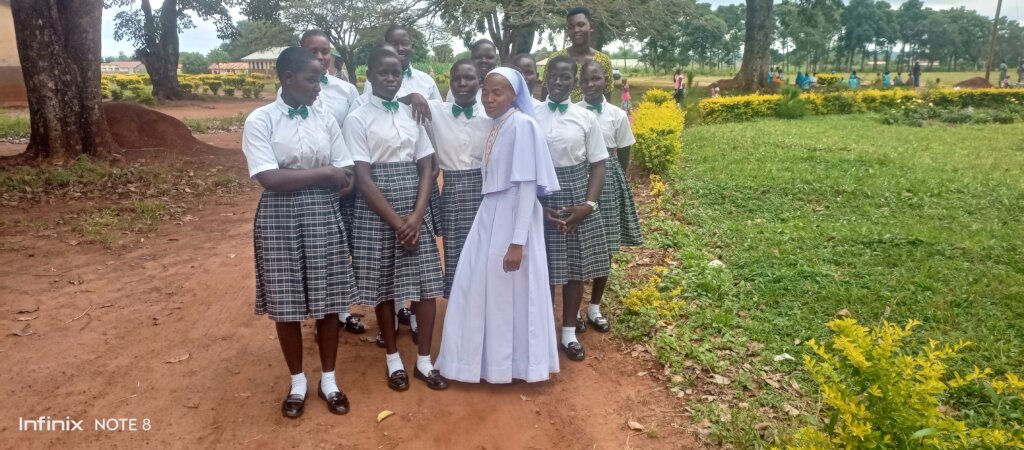
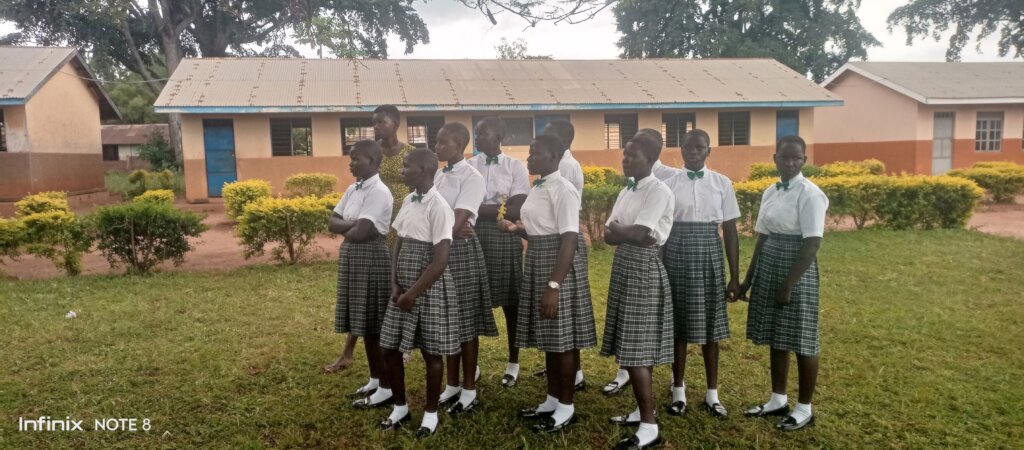
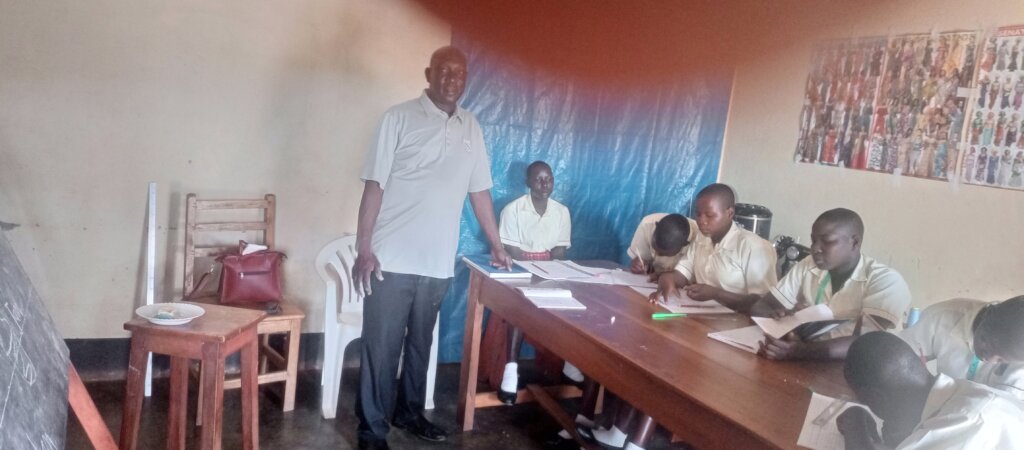
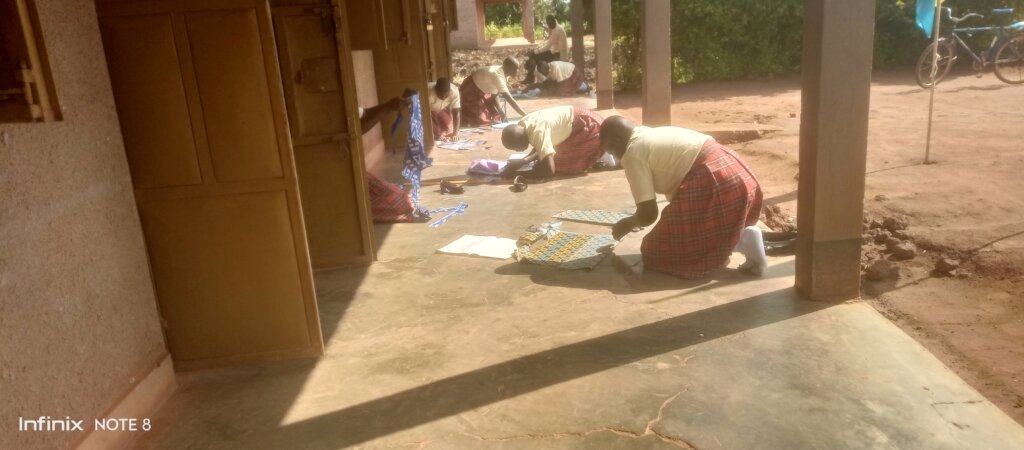
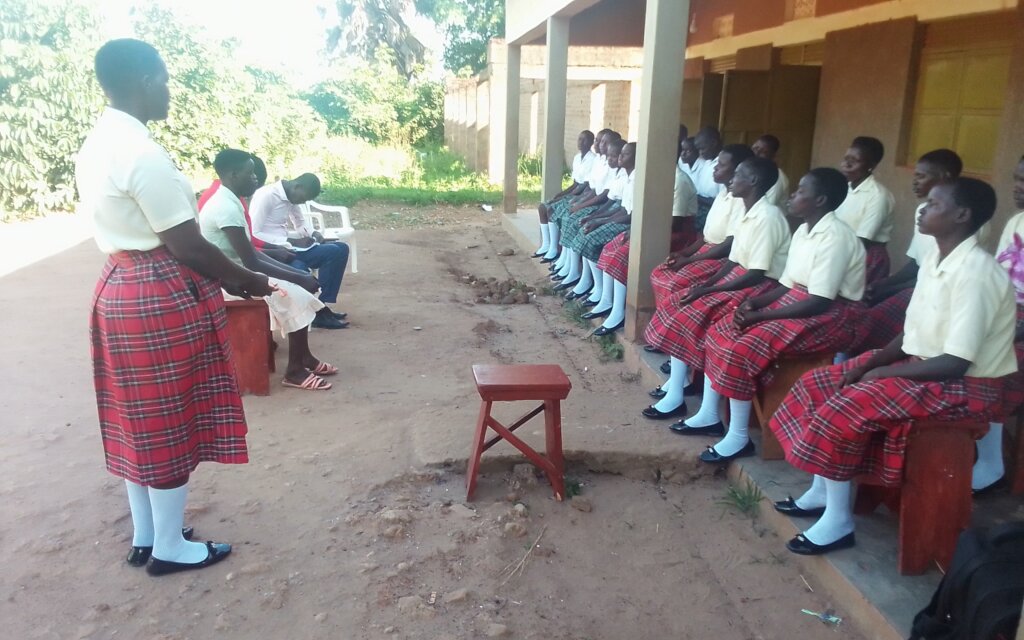
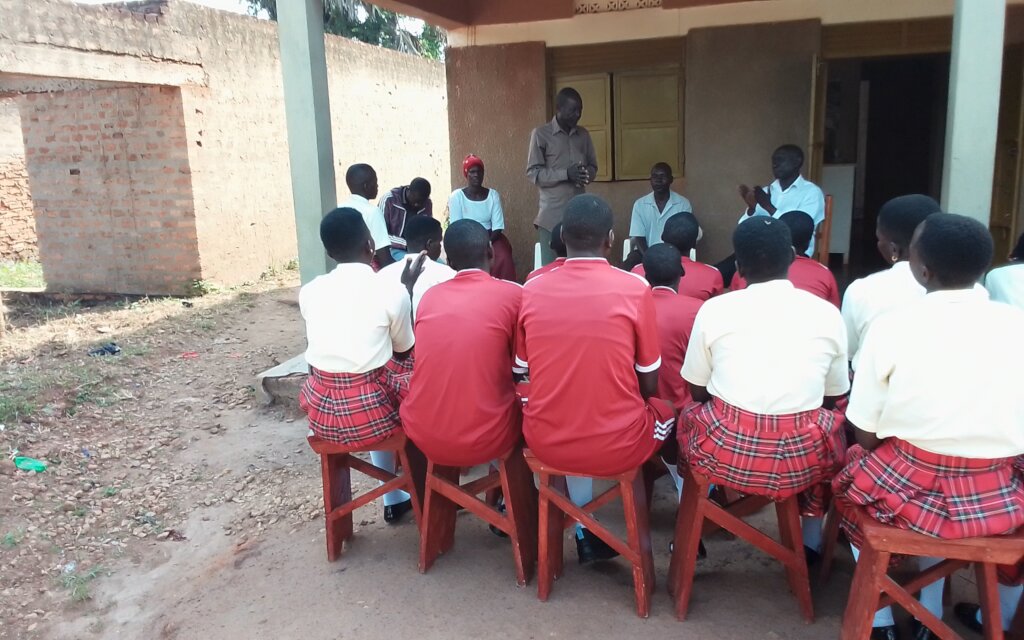
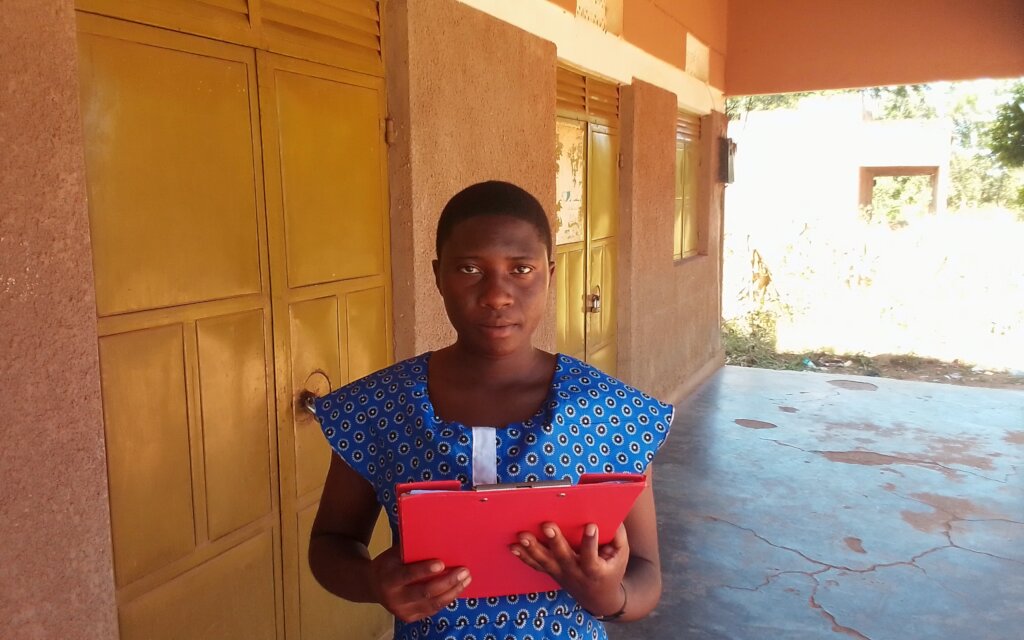
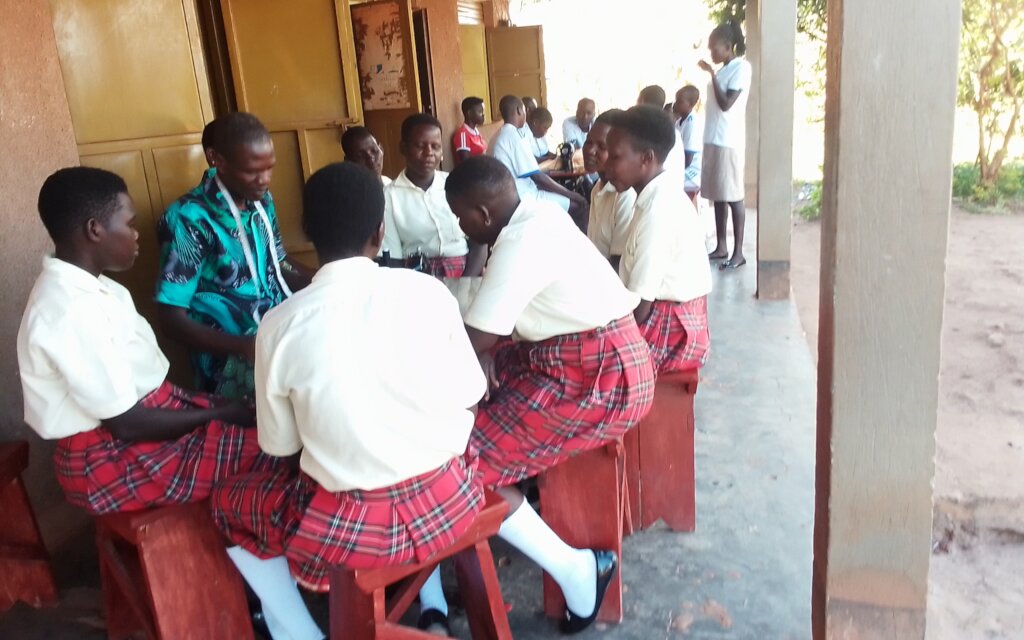
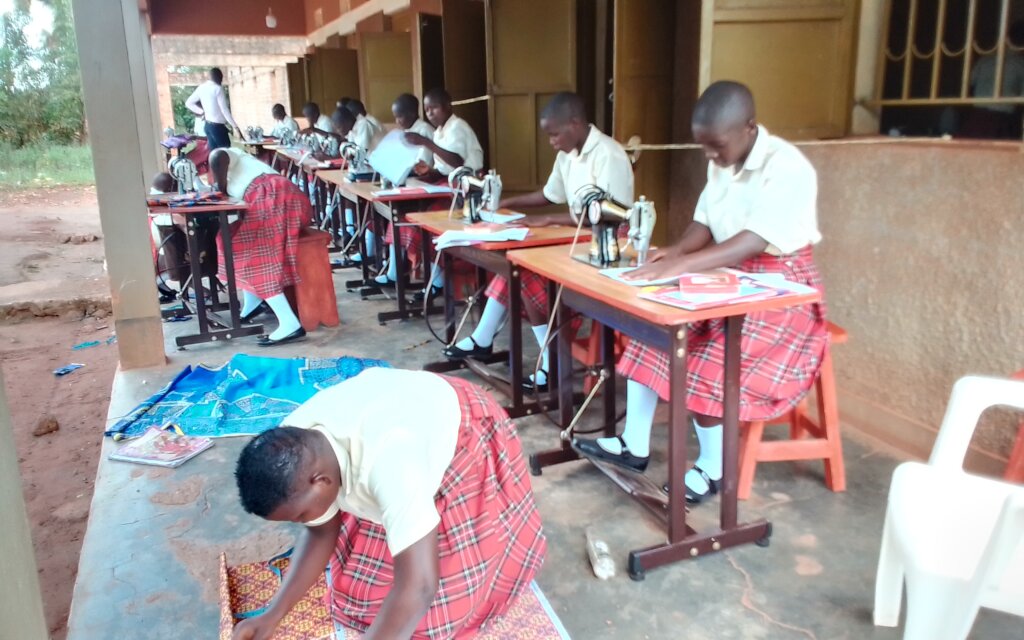
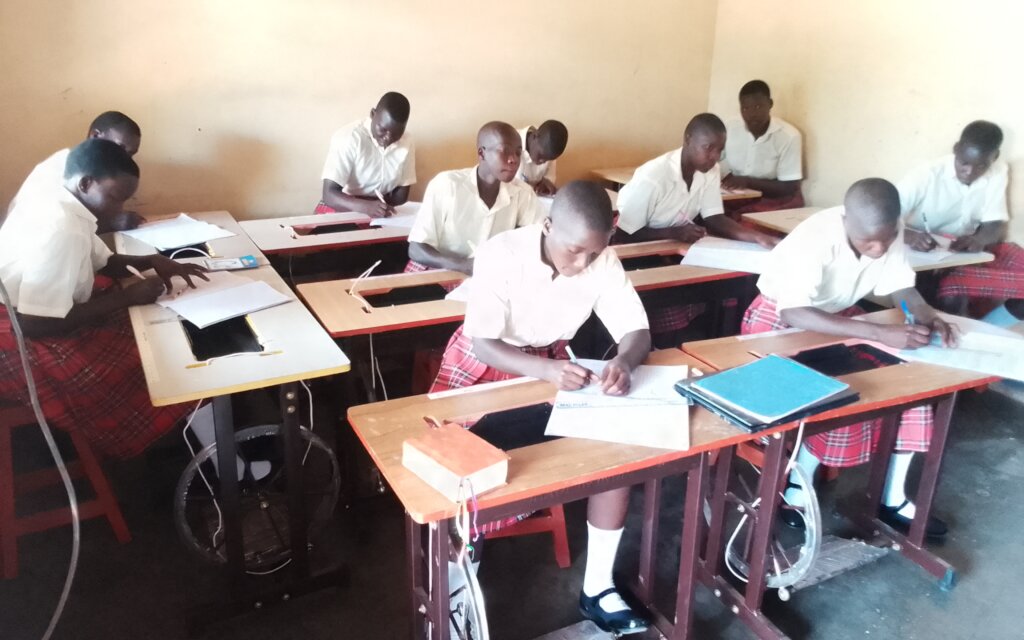
![Undertaking practical and oral examination]()
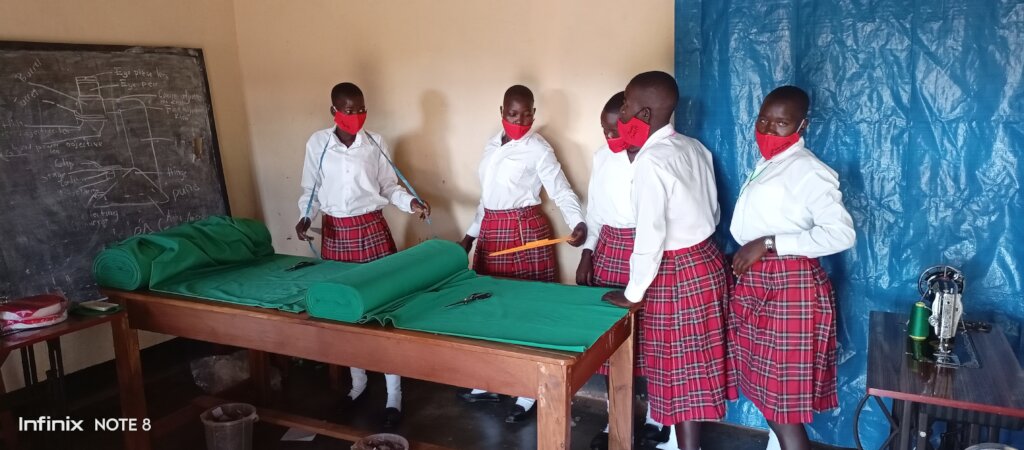
Undertaking practical and oral examination
Purposes of exams to the students of KIFA
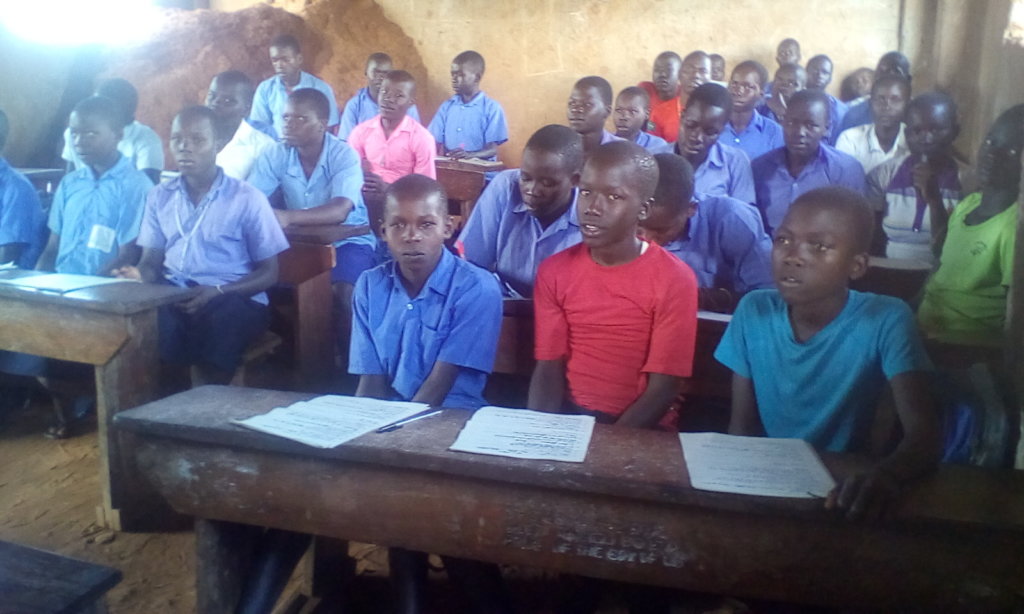
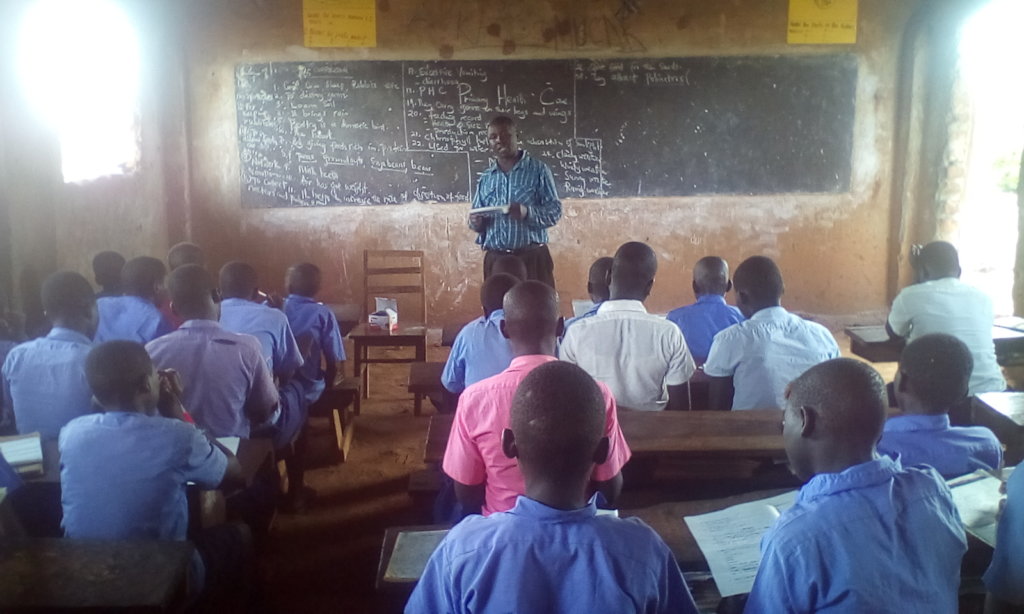
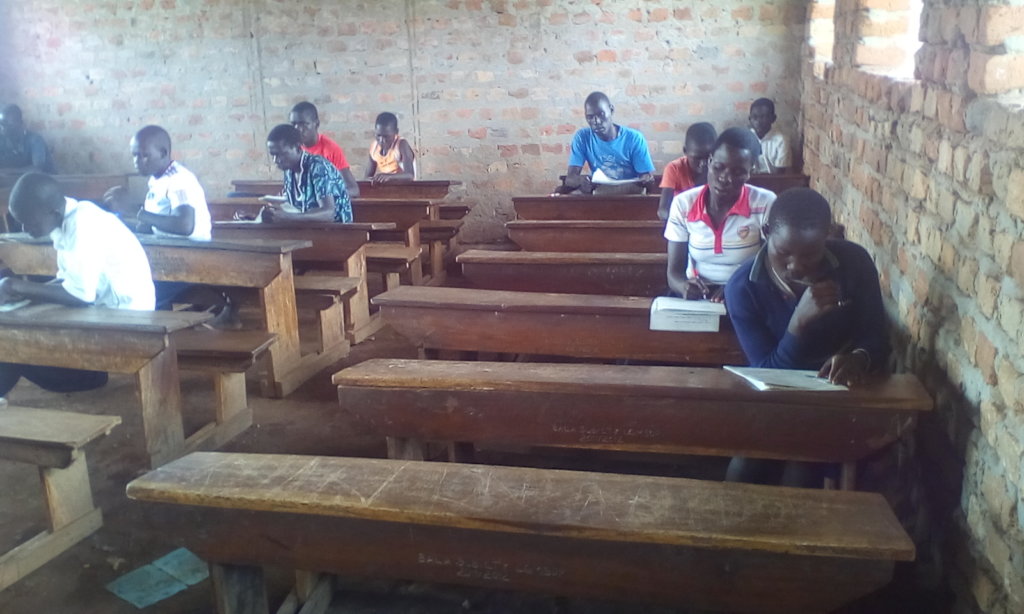
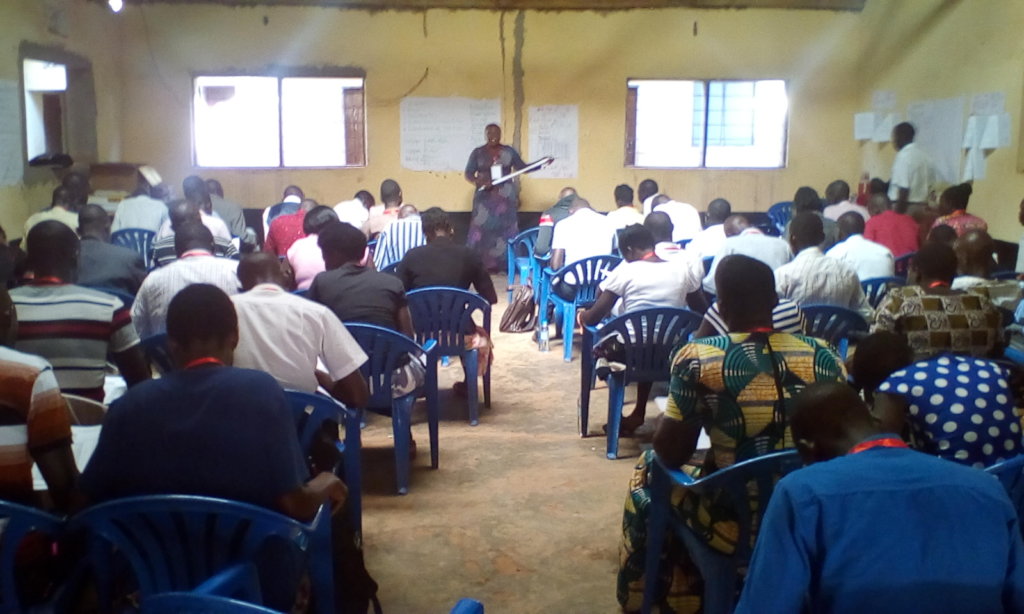
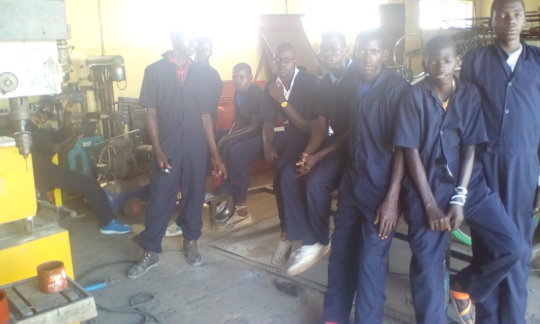
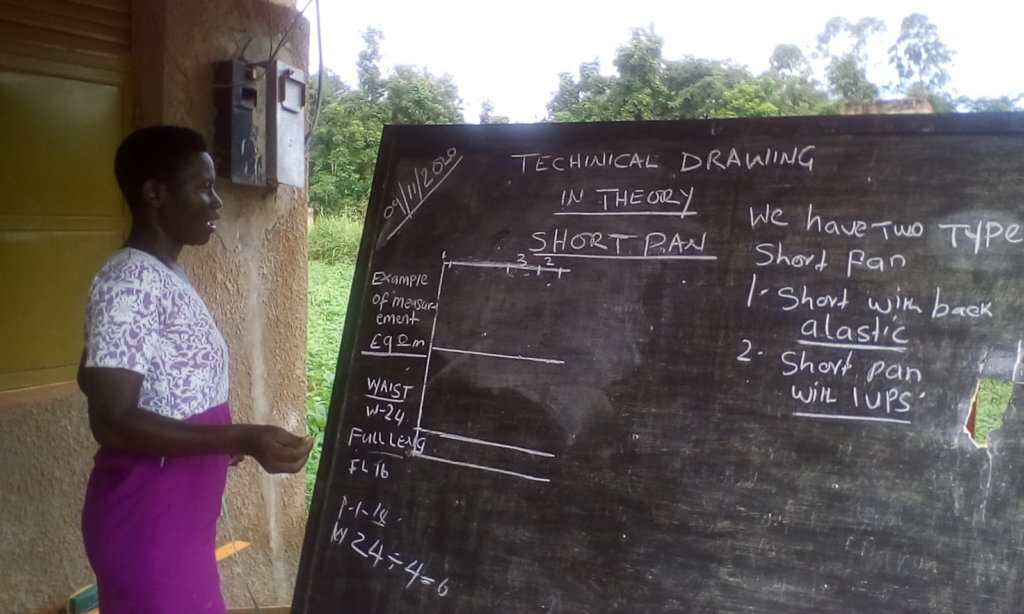
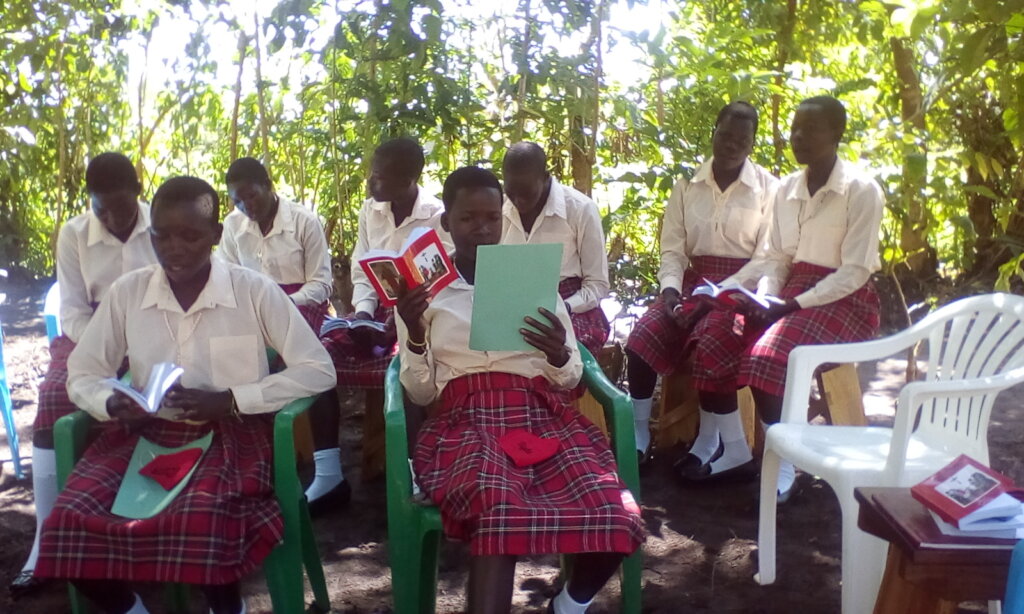
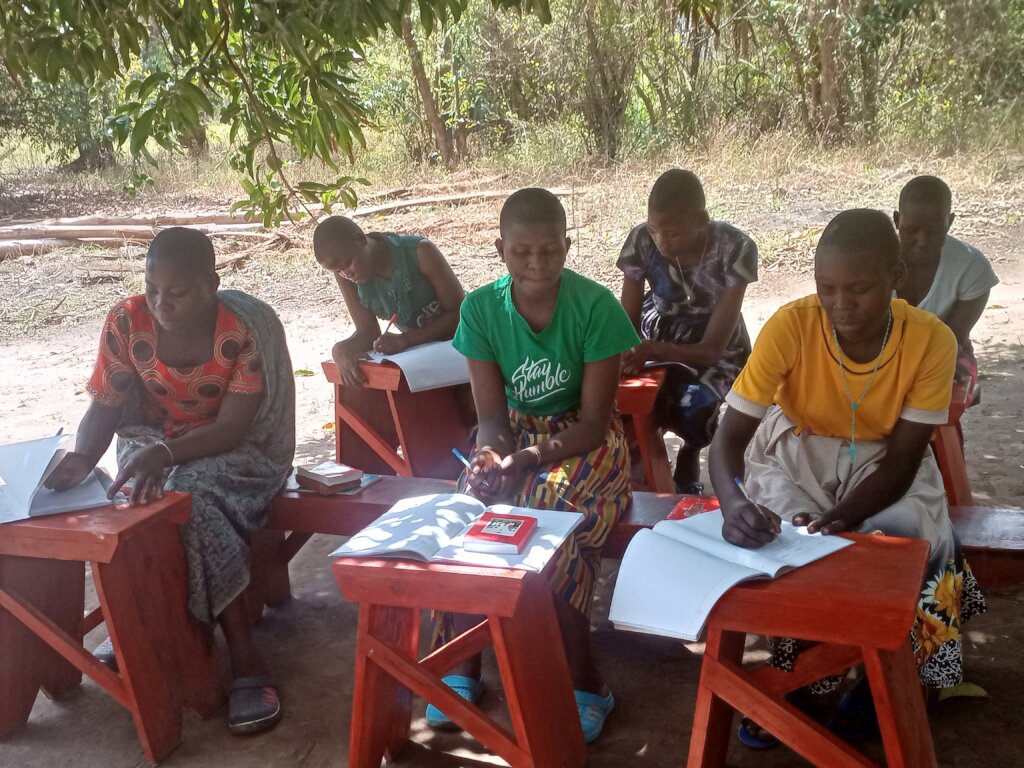
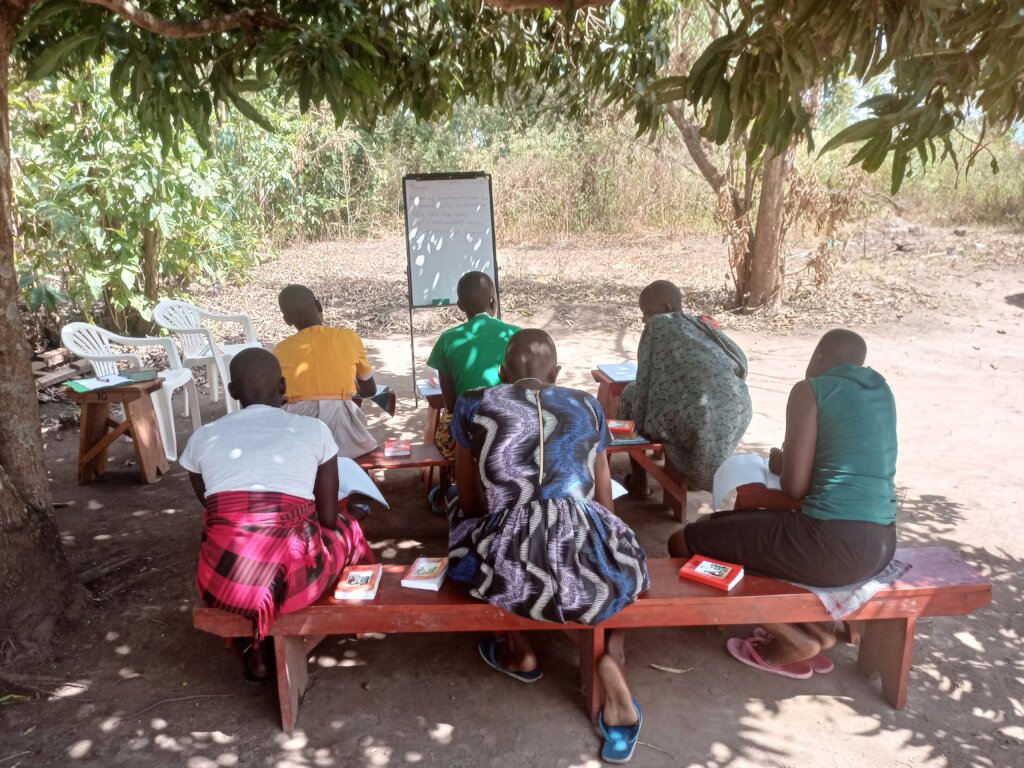
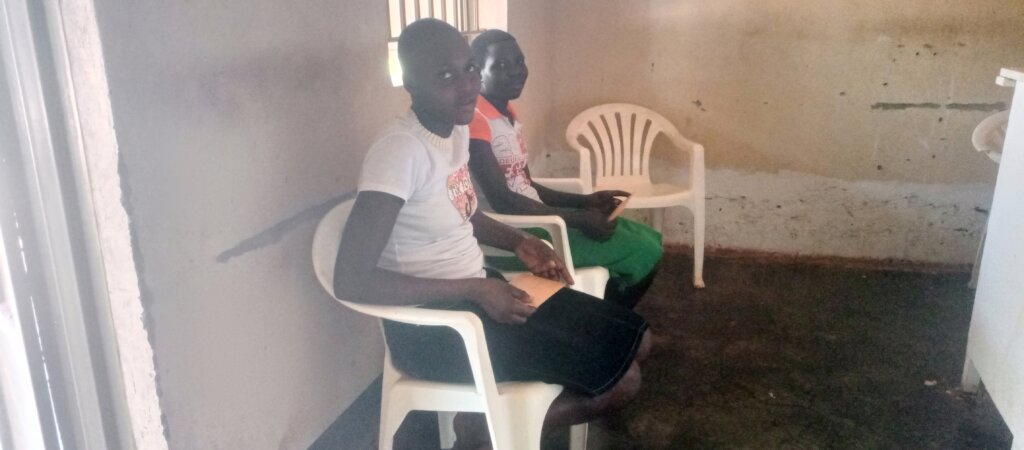
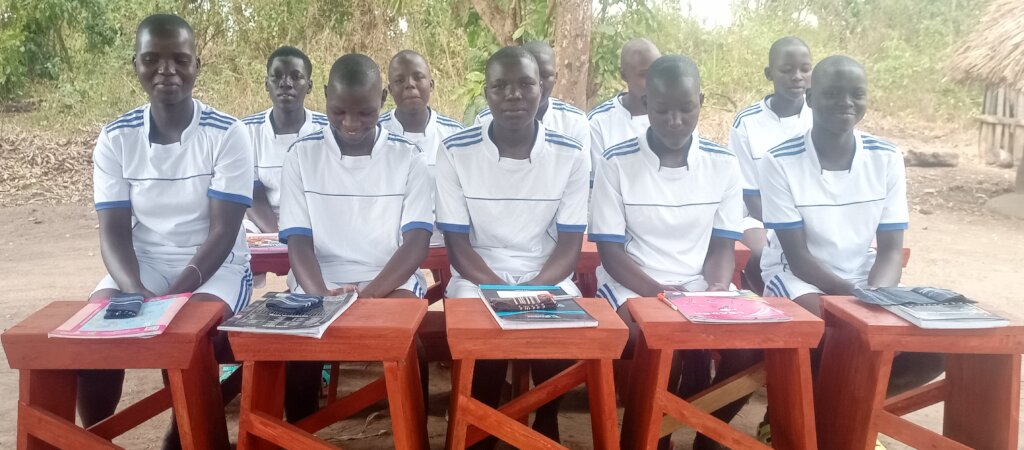
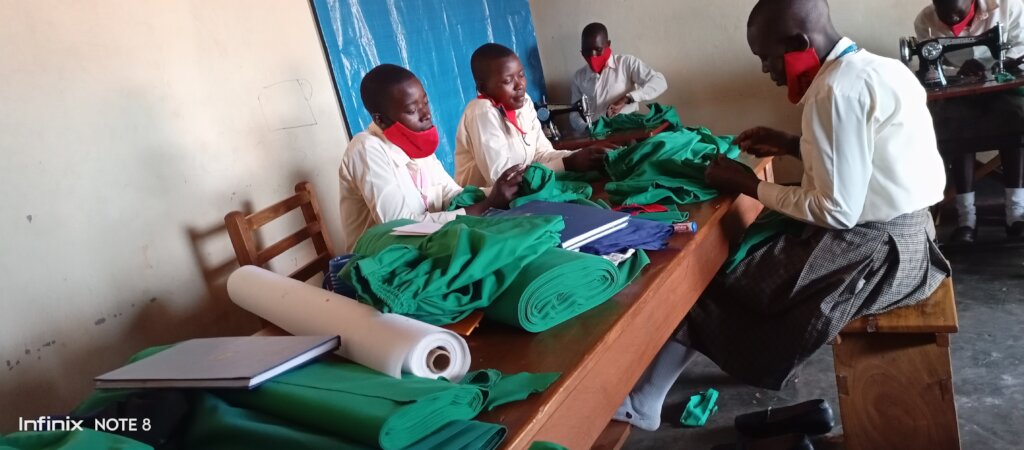
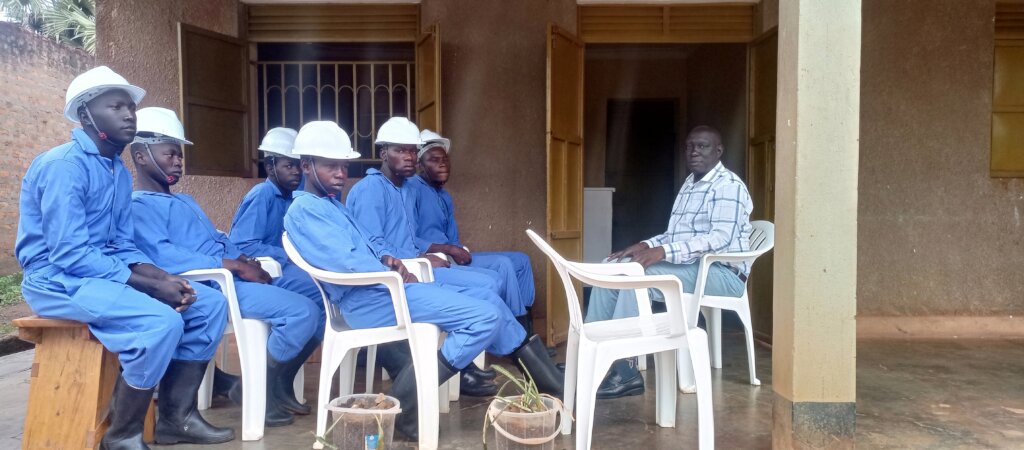
Schools for learning and training like Kole Intellectual Forum, they do conduct tests to evaluate their student’s comprehensive understanding of the material, improve their long-term knowledge retention, and prepare them for future academic and professional challenges. These kind of exams offer a way to assess students' ability to apply knowledge, help identify areas where both students and teachers may need to focus more effort, and develop crucial skills like time management, practical exploitation and critical thinking.
Generally speaking, exams help students to:
- Improve on their long-term memory: The process of studying for a final exam strengthens recall and helps students retain information for longer periods.
- Develop their essential skills: Finals require students to practice time management, study habits, and problem-solving under pressure, which are valuable skills for college and careers.
- Have an opportunity for improvement: A final exam can give students a chance to improve their overall grade for the semester if they had a poor performance on earlier assignments.
- Prepare them for future tests: The experience of taking high-stakes exams helps students prepare for the format and demands of college and professional tests.
![Share on Twitter]()
![Share on Facebook]()