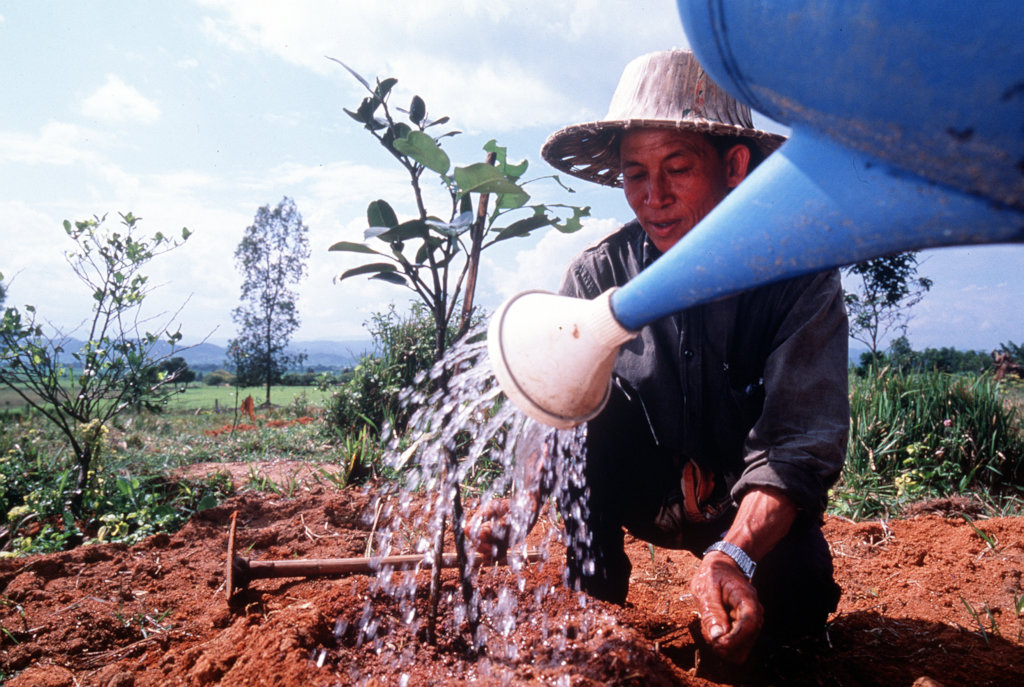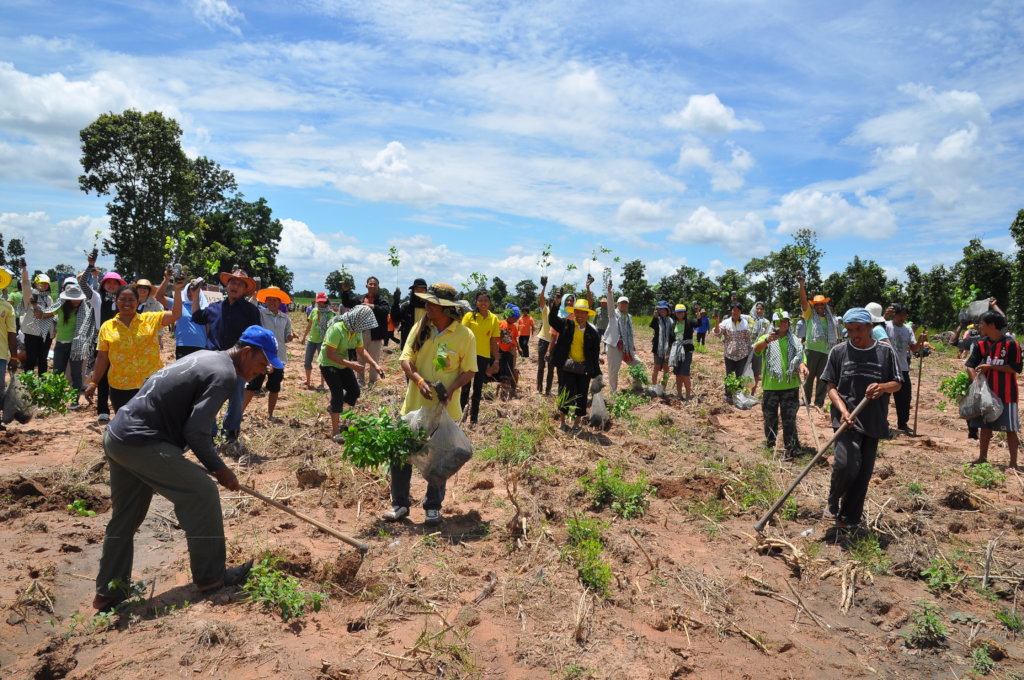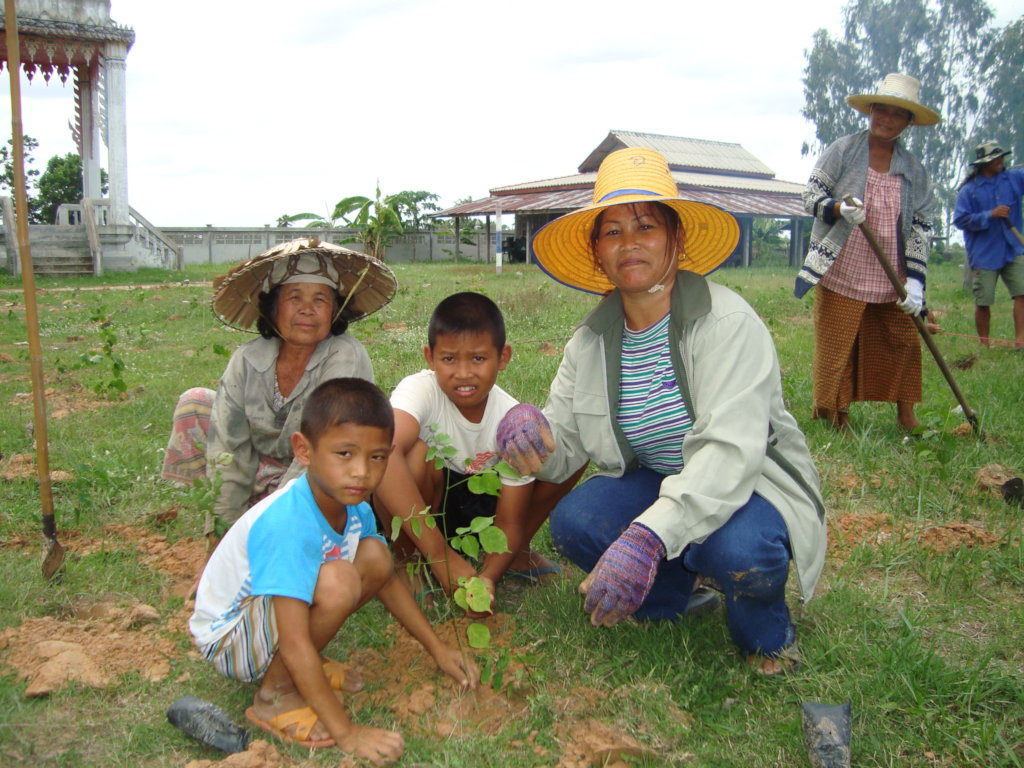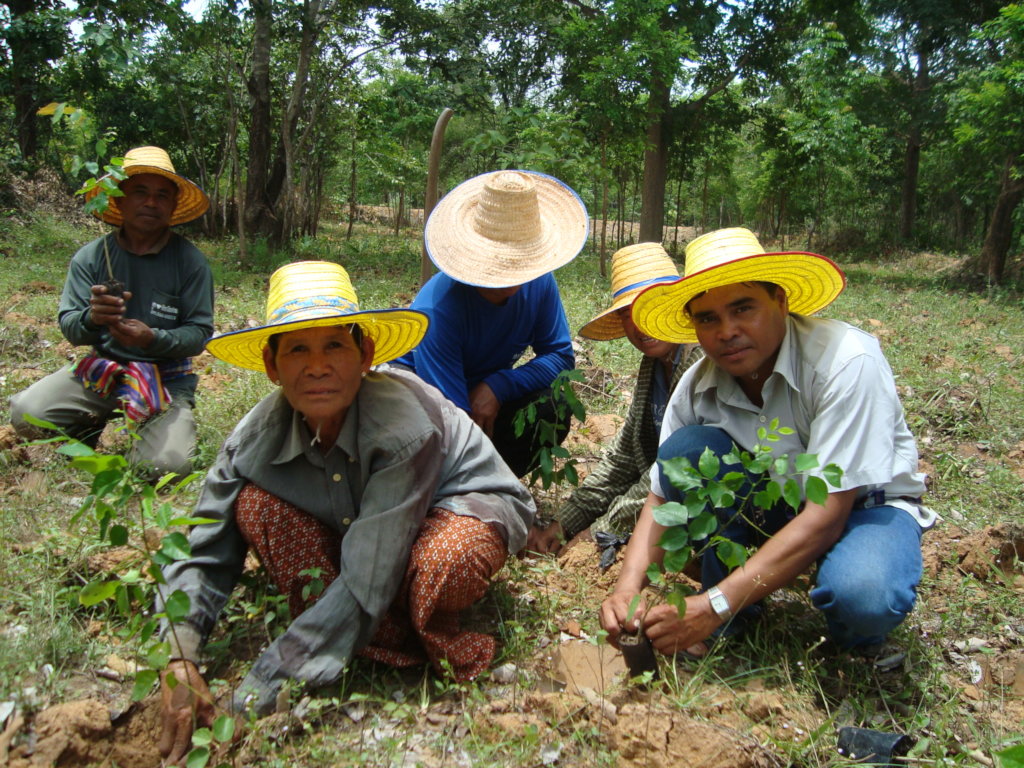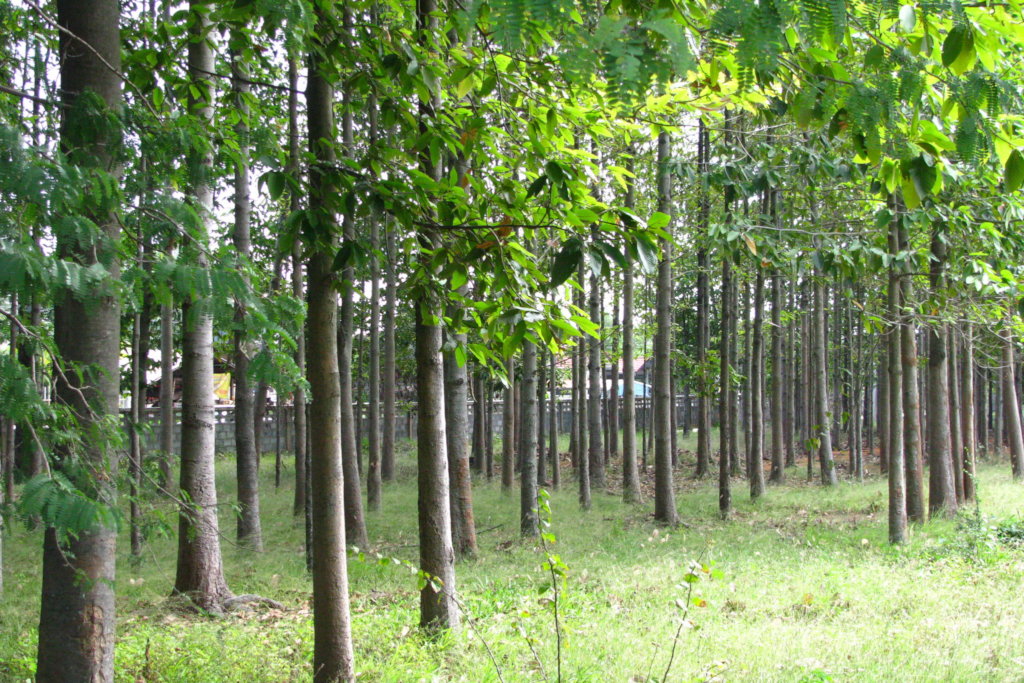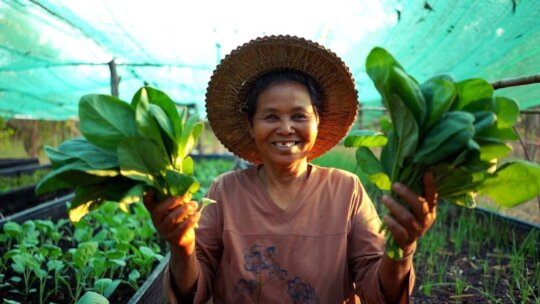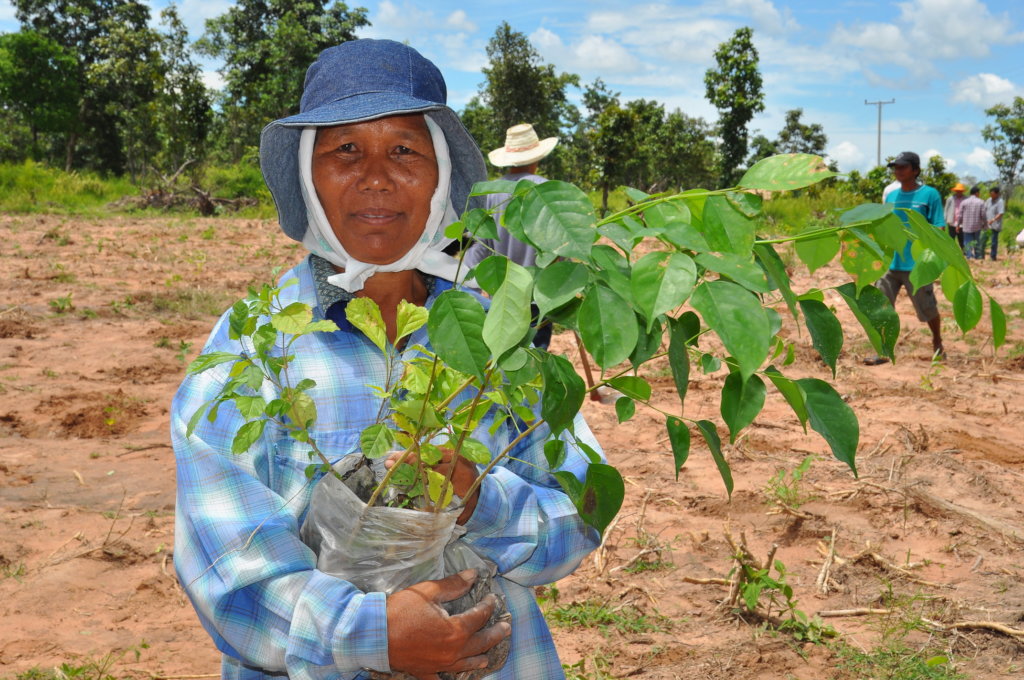
Have at least 1 tree planted (species selection depends on local needs and conditions) per year for each person in the 4 pilot districts, making use of wilderness areas, public places, temples, schools, cemeteries, road sides etc. Proposed locations are: Vien Pa Pao District in Chiang Rai Province, Ban Phai District in Khon Khan Province, Sai York District in Kanchanaburi Province and Klong Toom District in Krabi Province.
Illegal logging, conversion of forests into agricultural plantations, rapid population growth and over- exploitation of natural resources are some of the major causes of deforestation in Thailand. Besides the Thai government's ambitious reforestation initiative, previous efforts have been insufficient because they focus primarily on supply side (government needs) rather than demand side (community needs), price (government budget) rather than value (impact on environment and people's lives).
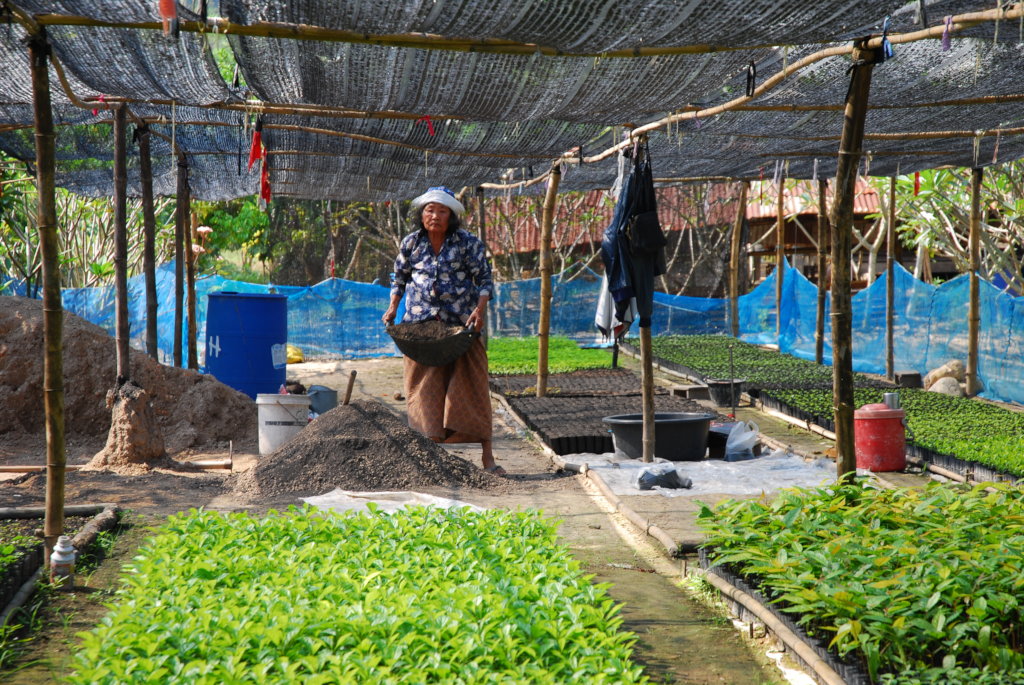
The villagers participate in site selection, land preparation, care for seedlings before planting, plant the seedlings, and care for the newly planted trees over the project period and onwards. Local communities often have better understanding of the hydrology of the area, weather, crop season and individual tree species, and are ready to cooperate and participate in natural resources conservation activities.
A culture of annual tree planting is created, proposed number of trees planted would be introduced on Buddhist Lent Day; awareness of natural resources conservation is raised among general public. Community ownership and institutions are strengthened by villagers' participation and engagement. A successful example of inexpensive, reliable and sustainable tree planting is set and ready to be expanded to other districts.
This project has provided additional documentation in a DOCX file (projdoc.docx).