By Bernadette Martin | Engagement Manager
The World Vision Syria Response, based out of Amman, covers programmes in Syria, Jordan and Turkey. We also have national offices in Lebanon and Iraq, responding to both domestic development/humanitarian needs and the Syrian refugee crisis.
Since 2011, the Syria Response has been at the leading edge of World Vision’s work in fragile contexts, delivering innovative and evidence-based programming across three diverse countries.
Directly and through partners, we support protection, health, education, livelihoods, water & sanitation, and food security projects to vulnerable families. Our approach focuses on the holistic needs of the child, embedded within their community structures.
Reaching the most vulnerable
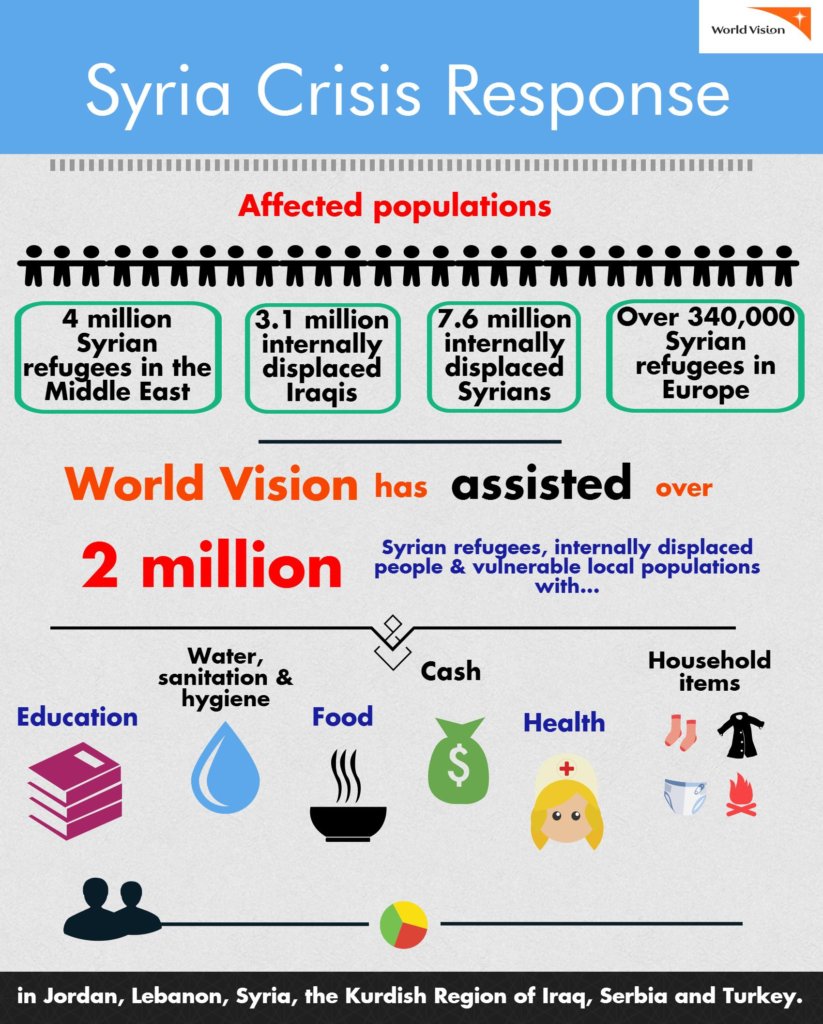
During our fiscal year 2020 (Oct 1, 2019 -Sep 30, 2020), World Vision Syria Response reached a total of 2,065,800 conflict-affected adults and children across Turkey (1% of total reach), Jordan (5% of total reach) and Syria (94% of total reach).
83% of World Vision’s beneficiaries during this period were women (26%) and children (57%)
For full details on our impact, please see the attached FY20 annual report. Below are brief overviews of our interventions.
Agility and adaptability during COVID-19 health crisis
The rapid worldwide spread of COVID-19 has severely affected health and economic systems in many countries. With the overarching goal to limit the spread of COVID-19 and reduce its impact on vulnerable children and families in Syria, Turkey, and Jordan, World Vision Syria Response has developed a holistic programme framework to respond to the emerging needs in all three country contexts. Since March 2020, the approach has been threefold:
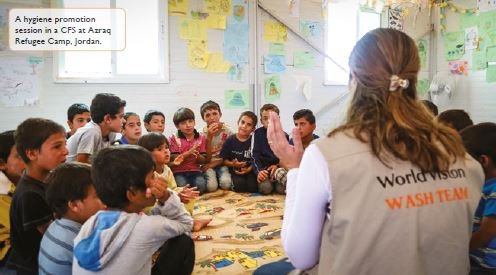
World Vision Syria Response and partners responded to the COVID-19 pandemic with a multifaceted program that simultaneously tackled prevention of the spread, as well as mitigation of the impact of the pandemic by supporting COVID-19 isolation and treatment centres with intensive care unit (ICU) capacity, community mobilisation and awareness-raising activities on COVID-19 related topics, such as, hygiene promotion, social distancing, wearing of masks and vaccinations. The team has also increased the capacity of health staff by conducting COVID-19 related trainings, which include infection prevention and control, and reorganising the routine of operations in health facilities to minimise risk of infections trainings; while ensuring the continued provision of routine health services to people in need. From the beginning of the COVID-19 pandemic, a rapid response team was deployed in NWS that included integrated health and protection services, and support for basic water and sanitation services and distribution of hygiene kits and masks were continued.
Despite the challenges faced during the COVID-19 global health crisis, World Vision Syria Response’s water, sanitation and hygiene activities were expanded through our local partners (International Humanitarian Relief Association IYD) and War Child, in NWS. At its heart Wash Up! is a behaviour change programme that not only teaches children how to avoid bacteria and keep clean and healthy, it also empowers children to bring healthy hygiene habits to their friends, families and communities—they become change agents. For the Syria Response context, the WaSH UP! program has been adapted to support the socio-emotional needs of Syrian refugee children, many of whom have experienced significant trauma.
Child protection programmes strive to protect those who are experiencing or are at risk of violence through contextualised and piloted interventions and improved capacity of service providers through direct trainings and workshops addressing skills and knowledge needed to respond to violence against children in all its forms. In addition, child survivors of abuse, exploitation or violence are supported through appropriate community-based care systems; which are framed within the safe spaces for children and women, community committees, service mapping and referral processes; after which they are reintegrated into their families, when possible and appropriate and that is achieved while we work with schools, communities and camps management.
Believing that families with secure, productive and resilient livelihoods can protect, educate, care for, and nurture their children from infancy to adulthood, World Vision’s livelihood interventions under the Syria Response aim at improving household level livelihoods through empowering extremely vulnerable individuals with the skills, knowledge and financial means to meet the basic and development needs of their children and families. Using skills training, small enterprise development, and cash and voucher programming, World Vision Syria Response’s livelihood programmes prioritise the following:
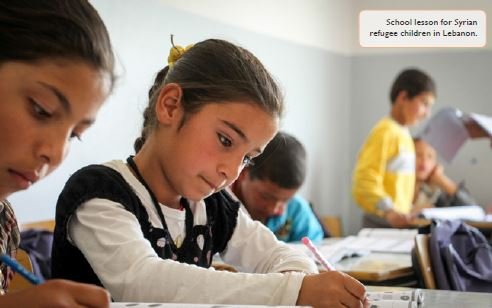
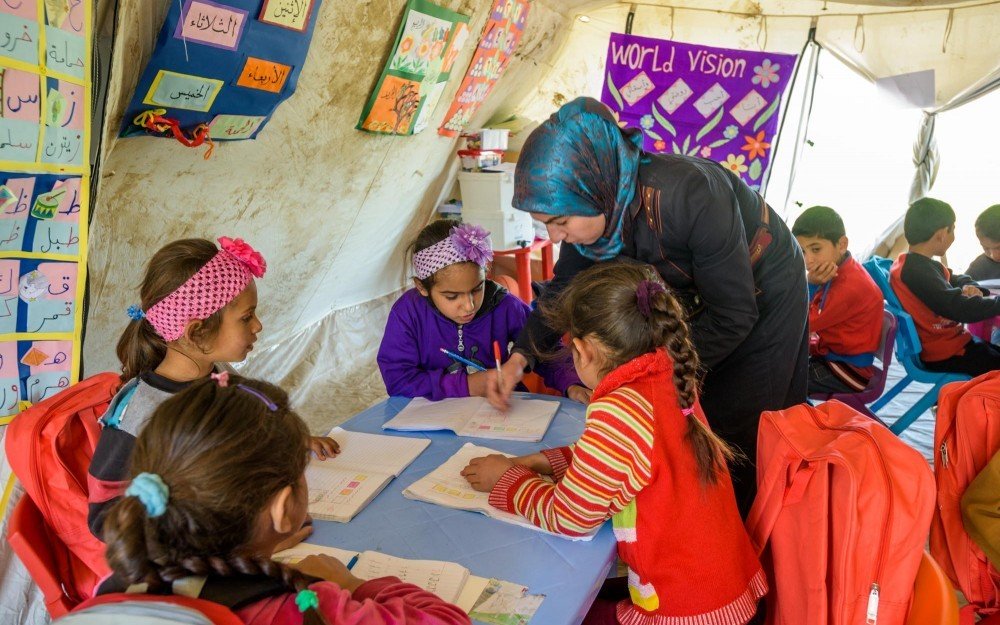
Another sector that World Vision Syria Response prioritises is education, implementing programmes with local implementing partners for the most vulnerable out-of-school children (catch-up programme) and those who are at risk of dropping out of school (remedial programme)11. To this end, World Vision Syria Response has provided 3,229 Syrian refygee girls and boys in Azraq Camp with early childhood education and development activities, including parental training and engagement. Additionally, children and youth in Jordan are also empowered through remedial education in public schools in Jordan to ensure they are supported and retained in schools.
Links:
Project reports on GlobalGiving are posted directly to globalgiving.org by Project Leaders as they are completed, generally every 3-4 months. To protect the integrity of these documents, GlobalGiving does not alter them; therefore you may find some language or formatting issues.
If you donate to this project or have donated to this project, you can receive an email when this project posts a report. You can also subscribe for reports without donating.