By Bernadette Martin | Corporate Engagement Manager
The Syrian Refugee Education Project in Jordan and Lebanon continues to benefit children and their parents/caregivers.
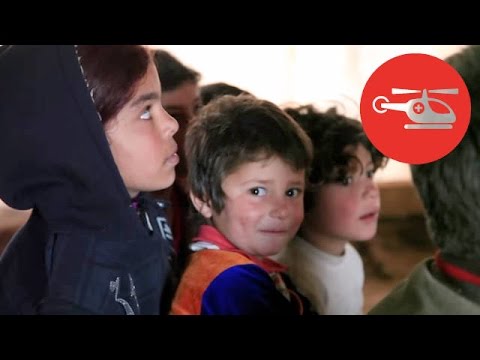
Thank you for your commitment to providing increased early childhood education opportunities for children affected by the Syrian conflict. You are helping to give refugee children and the most vulnerable Jordanian and Lebanese children safe and playful learning environments.
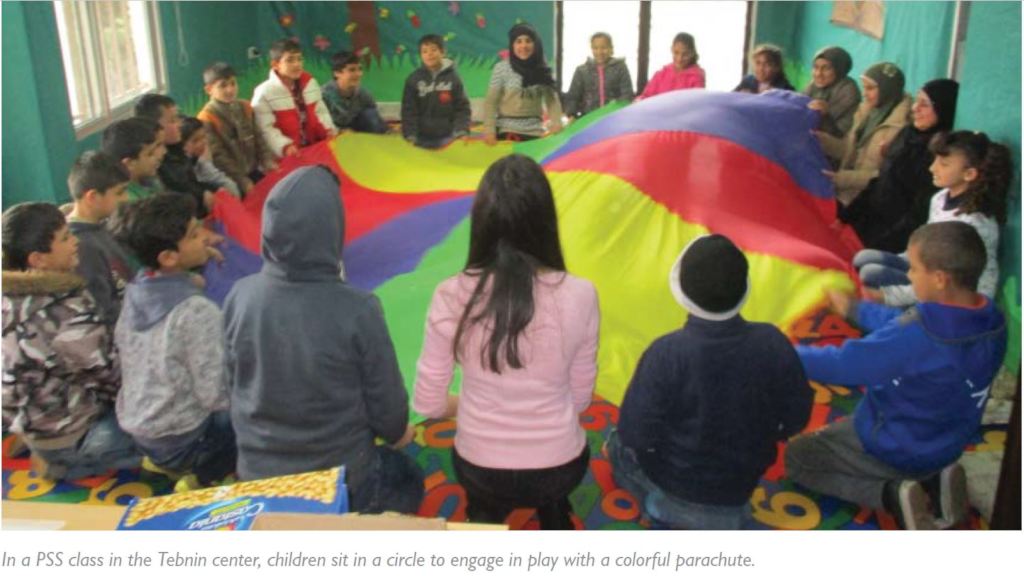
Since the project launched in Lebanon in August 2016, children have benefited from early childhood education (ECE) classes and psychosocial support sessions (PSS). In the second phase of this project, the rehabilitation of a public school was finalized in the area of Tebnin in South Lebanon. The fourth cycle of ECE classes and PSS support sessions is underway. Activities in Jordan have been delayed due to a rigorous government approval process.
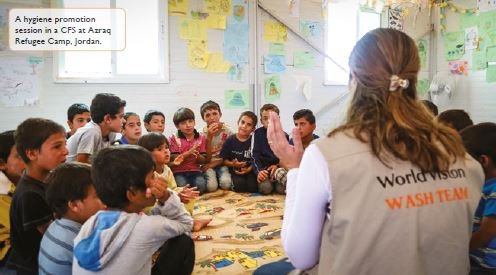
Our approach to early childhood education is similar across both countries involved in this project.
1,048 PEOPLE, INCLUDING 723 CHILDREN, have benefited from direct education interventions in Lebanon since the project started in August 2016.
LEBANON
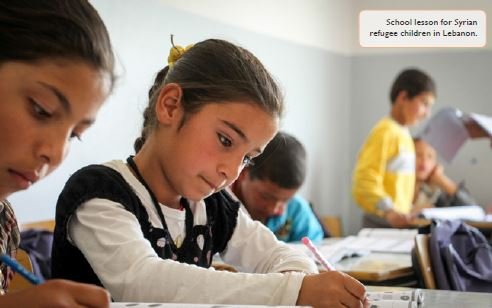
This reporting period saw the implementation of the third early childhood education (ECE) session, psychosocial support sessions, and Go My Child Go cycle. The fifth active parenting cycle was also completed. The third cycle of ECE for ages 3-6 and PSS classes for ages 6-12 benefited 233 children (116 boys, 117 girls).
Specific accomplishments through March 2018 include:
• 225 Syrian households were assessed in the new area of Tebnin in South Lebanon to know whether parents wanted their children to participate in the project.
• 102 Syrian parents participated in Go My Child Go sessions and 17 mothers participated in positive parenting sessions.
• 153 parents/caregivers of children ages 3-12 participated in Go Baby Go and active parenting sessions to strengthen parental skills to improve the well-being and development of children in their homes. Sessions took place at Syrian refugees’ homes.
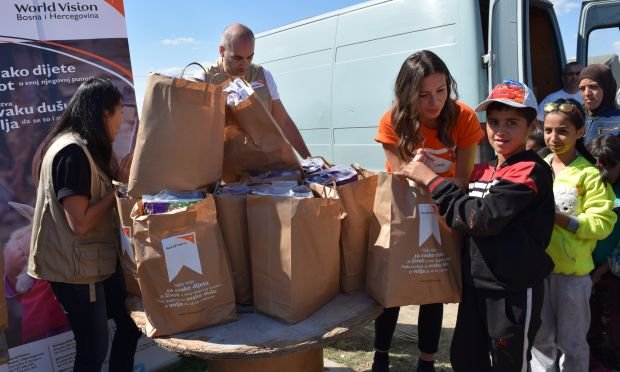
• Outreach facilitators completed all eight sessions needed to finish the fifth cycle of active parenting. Seventeen beneficiaries attended all of the sessions and each received a hygiene kit, winterization kit, and an active parenting kit, which includes school and craft supplies and a jump rope.
• 10 fathers participated in the parenting sessions during the reporting period. Fathers were encouraged to actively engage in nurturing and more actively playing with their children at home rather than delegating responsibility only to the mothers.
‘ALL MY SON NEEDED WAS TOLERANCE’
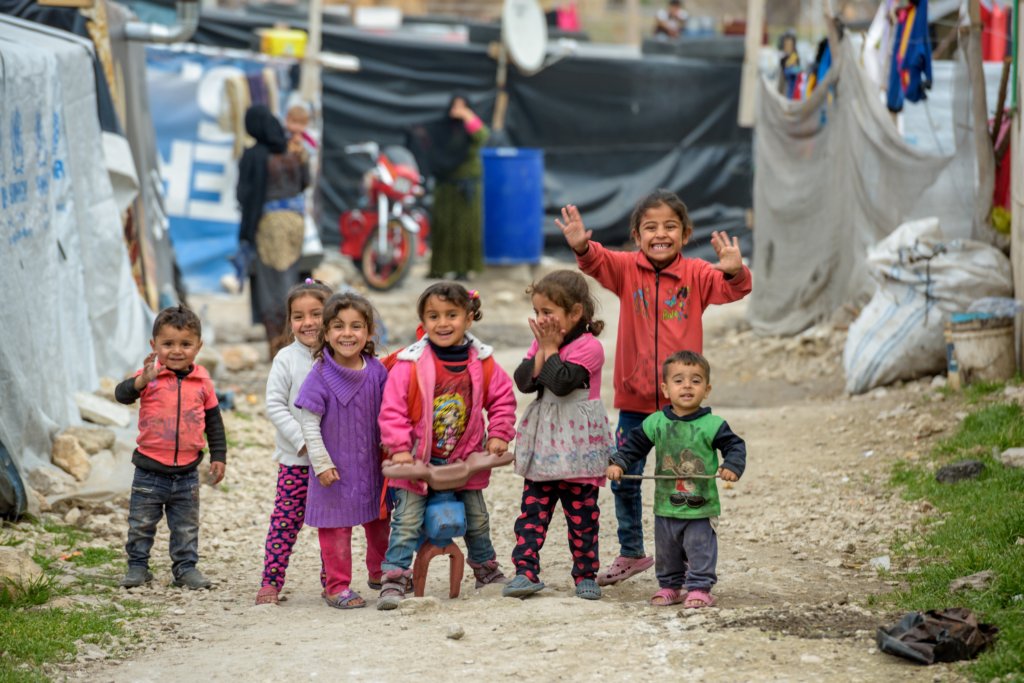
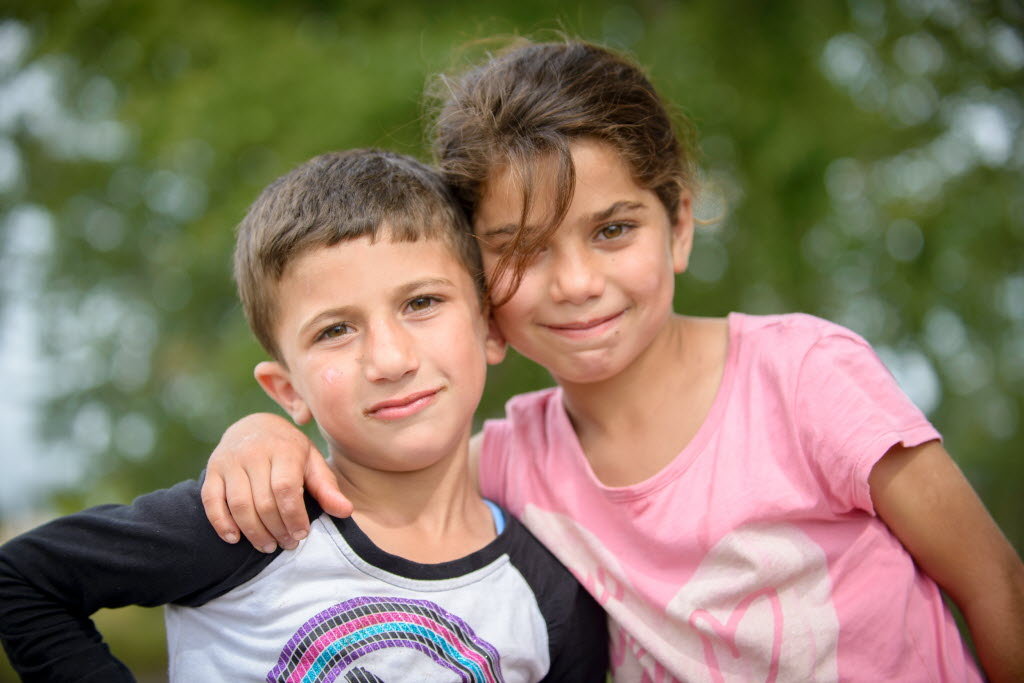
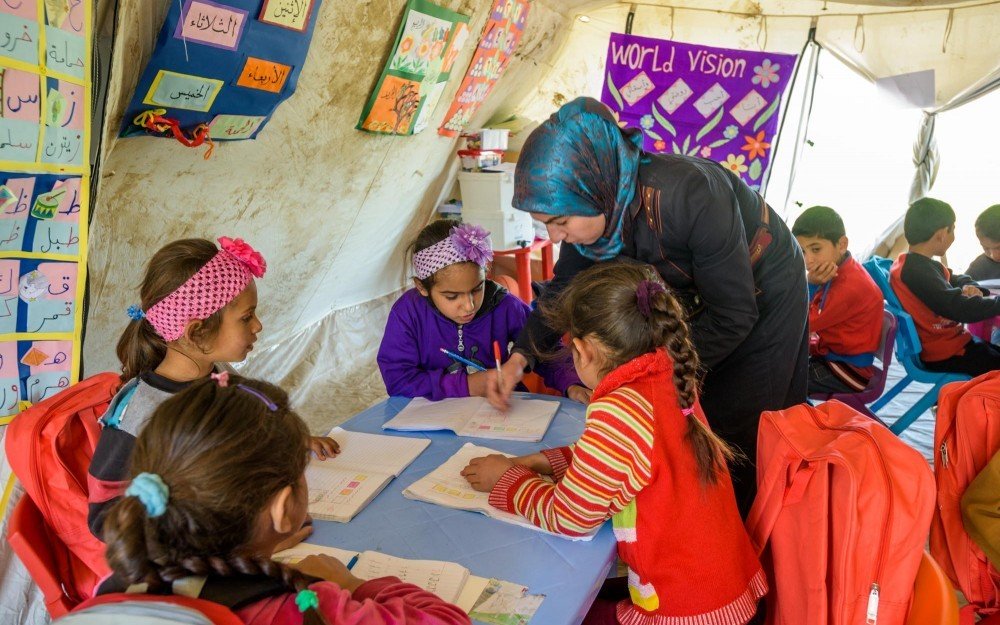
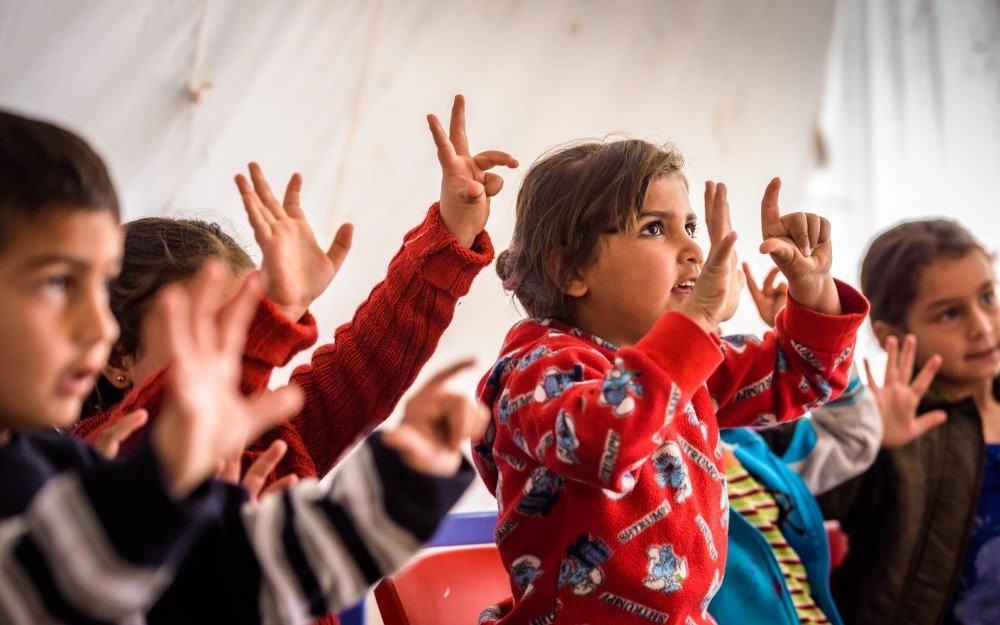
Omran and other Syrian refugee and Lebanese children are enjoying a safe and playful learning environment thanks to the Syrian Refugee Education Project.
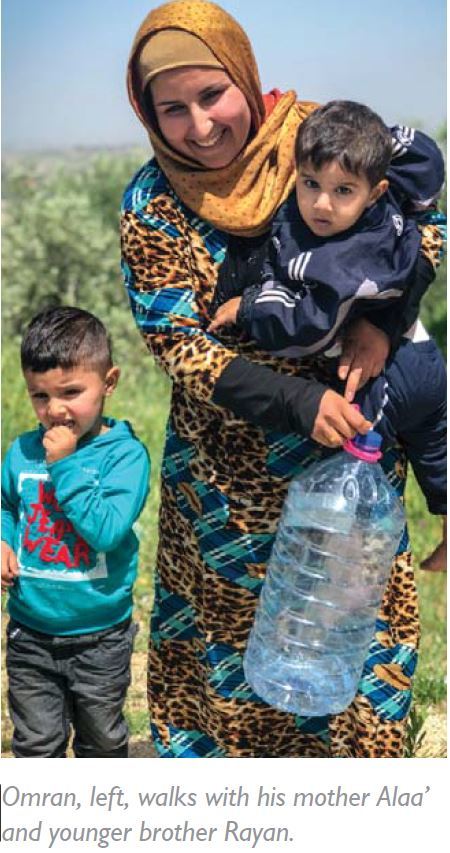
Omran’s constant movement used to compensate for his silence. The 3-year-old Syrian refugee only used to ever say “Baba” (father) and “Mama.”
When Omran joined World Vision’s early childhood education program in the south of Lebanon, he was uncontrollable. He didn’t respond when called by name, he didn’t participate in activities and he avoided eye contact.
Initially, Omran’s teacher at the World Vision center, Aya, thought Omran was just another distressed child after working with so many children troubled by the war in Syria. “We often work with children who tend to be aggressive with their classmates; however, Omran was violent with his teachers without meaning to,” Aya said. Once while explaining a lesson, Omran found a microphone and threw it at Aya’s head. Rather than showing remorse, Omran was smiling. “He had no idea that this is violent action,” Aya said.
Omran’s mother, 23-year-old Alaá, worried about her son’s behavior. While Omran did not experience the brutality of the conflict in Syria as he was born in Lebanon in 2015, he suffered from isolation and stressful living conditions. Omran’s parents were worried when their eldest child wouldn’t speak.
Aware of Omran’s violence, Alaá avoided Omran mingling with other children. She was advised to visit with a child psychologist, but transportation was too much of a financial burden for the family.
Three months into his time in the ECE program, his teachers started to notice a change. He started to show patience in waiting for his snack, he began focusing more in class, and even started participating. “All my son needed was tolerance,” Alaá said. “These teachers care about him as much as I do … Omran showed improvement in two months. By the time the second cycle ends in September, I think my son will be a new person.”
Project reports on GlobalGiving are posted directly to globalgiving.org by Project Leaders as they are completed, generally every 3-4 months. To protect the integrity of these documents, GlobalGiving does not alter them; therefore you may find some language or formatting issues.
If you donate to this project or have donated to this project, you can receive an email when this project posts a report. You can also subscribe for reports without donating.