Project Report
| Mar 14, 2018
2017 Annual Report
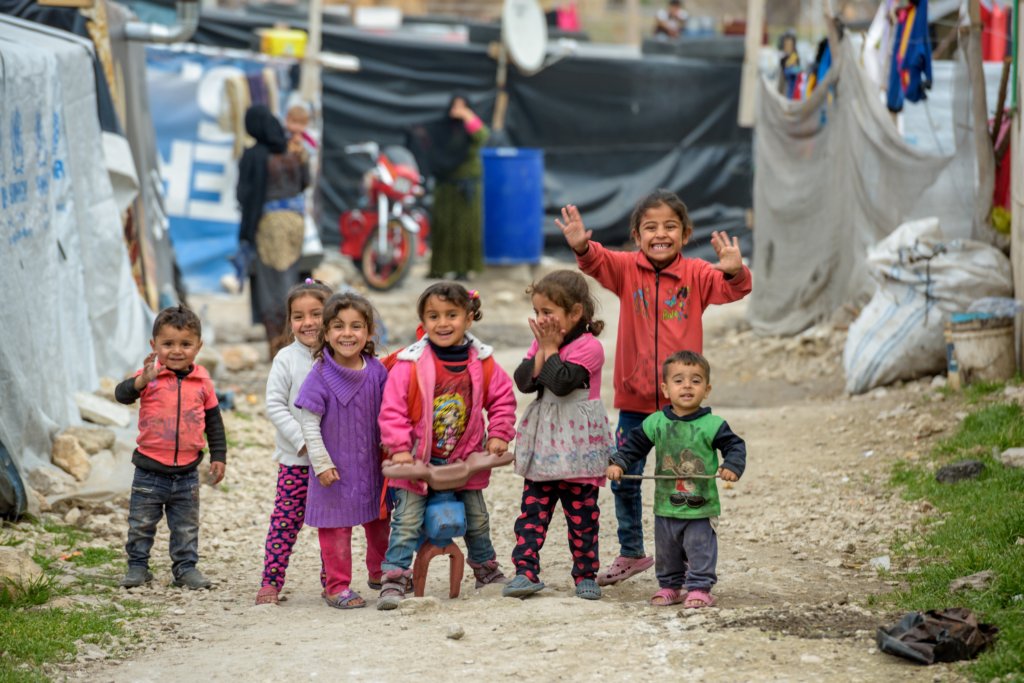
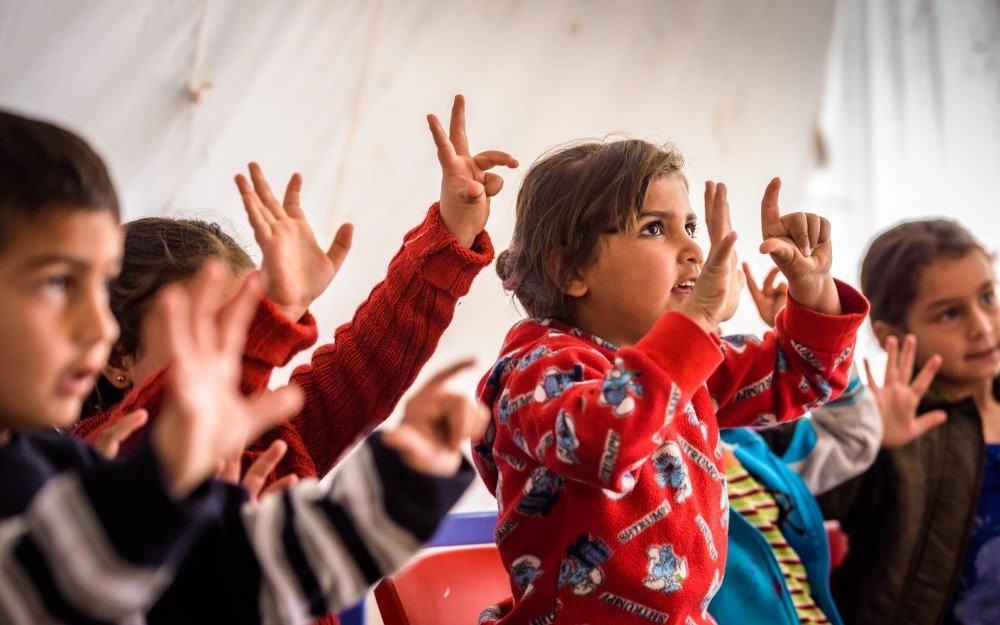
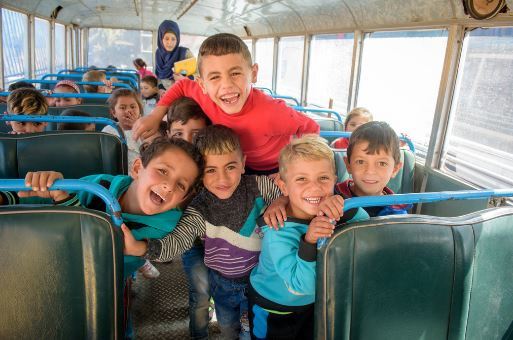
![refugee camp in Jordan]()
refugee camp in Jordan
March 2018 marks the seventh year since the first wave of violence erupted from Syria’s uprising. The scale of displacement and the longevity of the crisis compel the world to continue and to expand its humanitarian response.
WORLD VISION RESPONSE TO THE SYRIA CRISIS
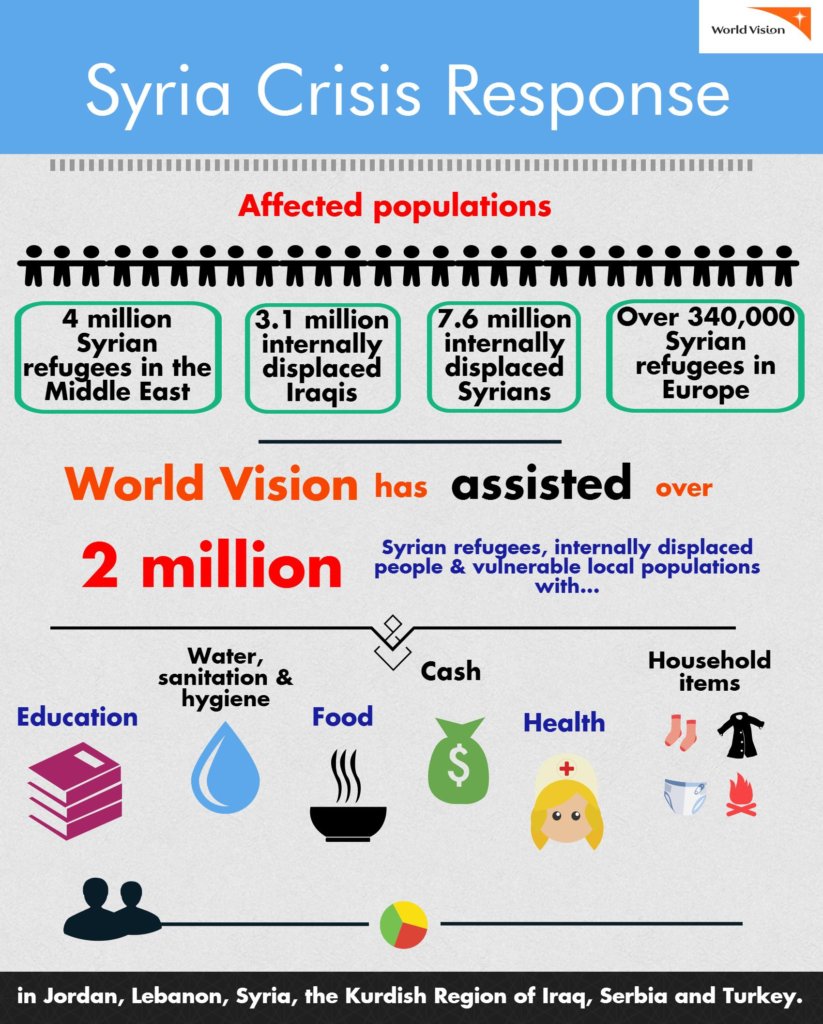
World Vision started responding to children and families of Syria in 2011, supporting resettlement and basic needs of Syrian refugees in Lebanon. Six years on, the World Vision response operates in five countries. From October 2016 until September 2017, World Vision reached over 2.2 million people, including nearly 1.3 million children.
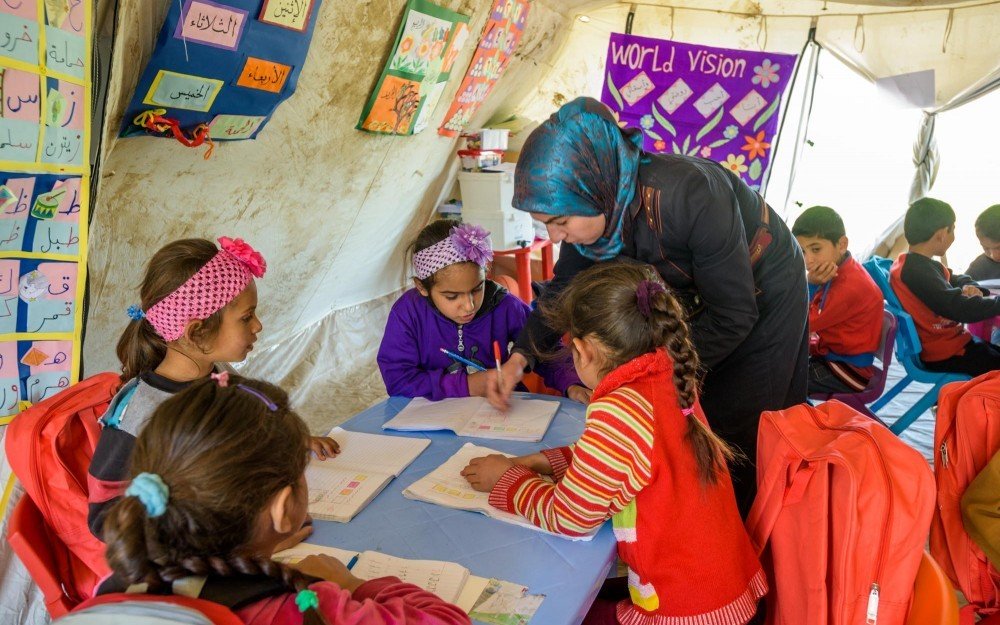
• Programmes for children and families in Lebanon and Jordan continue to focus on children’s schooling, social interactions, family bonds and psychosocial well-being.
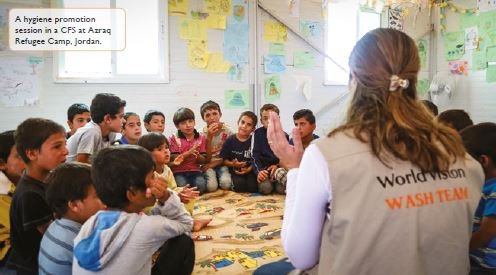
• World Vision has also been a major water and sanitation provider in camps, towns and schools in Lebanon and Jordan.
• Within Syria, and amongst the refugee camps in Turkey, World Vision has partnered with humanitarian donors to deliver water and sanitation, protection (including child protection) and desperately needed health services.
• Regionally, World Vision is using research and evidence from its multi-sector programme to advocate for greater and more targeted efforts to protect children from the horrors of this crisis and to end violence against civilians.
2017 World Vision Impact by country
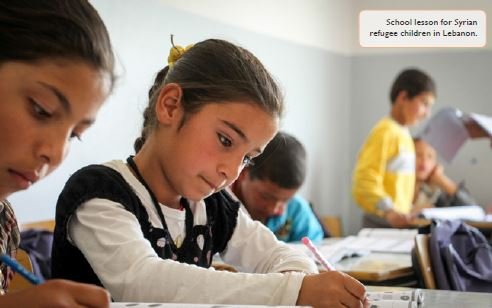
- Lebanon: World Vision helped 202,600 people, including 75,102 children with water, sanitation and hygiene (WASH) in schools, cash and food assistance to refugees in host communities, bridging courses and additional classes to get children back to school, Child-Friendly Spaces (CFS) with regular sessions for parents on psychosocial support and positive parenting, as well as computer and skills training in schools.
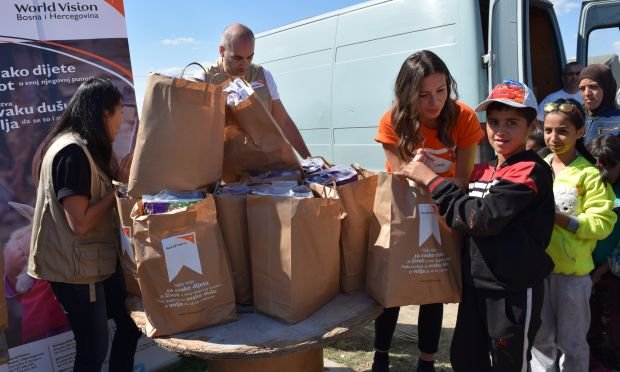
- Jordan: World Vision helped 188,316 people, including 131,004 children, with winter supplies and cash transfers for the most vulnerable families in camps and communities, rice for families in need, snacks and healthy lunches in schools. WV has also supported teachers, parents and students of all ages, in and out of formal Jordanian schools, sports facilities and tournaments to bring young people of different backgrounds together, and form community child protection committees and caregiver networks to help parents protect their children from bullying and negative influences.
- Iraq: World Vision helped 937,294 people, including 530,396 children, with food vouchers and e-cards, helping around 180,000 people each month. WV also helped with WASH for thousands living in new and existing camps, primary health-care clinics and hospitals, alternative classes for children in relevant subjects, including adult literacy in English and Arabic, an ‘EcoVillage’ livelihoods and markets project for unemployed youth and nearly 8,000 stoves in the response to Mosul displacement helping around 40,000 people.
- Syria and Turkey: World Vision helped 852,337 people, including 487,596 children in Syria and 47,808 people, including 22,308 children in Turkey, with substantial and lifesaving support to fractured health systems; hospitals, maternal services, health centres and mobile clinics. WV has also helped repair or replace damaged water infrastructure such as pipelines and water tanks; chlorination of water reserves, and assist families to rebuild homes and shelters in Idleb and Aleppo. It has also provided a mobile child protection team, raising awareness with 5,000 people a month about child abuse and child labor, protection for women and unaccompanied unaccompanied children along the Turkish border, and a new school bus to transport children, including children with disabilities, to school.
2017 World Vision Impact by sector
- Education and child protection: Education and protection initiatives reached 177,839 people, including 113,441 children. WV’s programmes support children who have missed out on education to acquire crucial knowledge and skills so they can return to formal schools and work towards their certificates. As well as supporting access to education, WV is working with teachers, parents, communities and governments to strengthen education systems and ensure sustainability for the future.
- Food, cash and livelihoods programmes: Food, cash and livelihoods programming reached 723,036 people, including 433,548 children. Support to household economies and food has taken many forms, such as cash transfers in Lebanon, grocery vouchers with approved suppliers in Iraq, school snacks and rice distribution in Jordan and food baskets for people settling along the Syria-Turkey border.
- Water, sanitation and hygiene projects (WASH): WASH programming reached 846,565 people, including 492,394 children. World Vision is a major provider of drainage, infrastructure and trucked water within camps, as well as repairing, rehabilitating, and upgrading municipal water and sanitation systems.
- Winter and household supplies: Winter and household supplies reached 73,242 people, including 40,458 children. World Vision has helped the displaced families with warm clothes, kitchen equipment, stoves and fuel.
- Health and nutrition programmes: WV’s health and nutrition programming reached 405,376 people, including 210,239 children. In 2017, across several locations, World Vision has provided specialized maternity staff and equipment that have assisted with births, including cesareans. Women who had experienced sexual violence were able to seek medical care and support. The scale of health support is small compared to the immense needs of displaced or conflict-affected populations, but where World Vision has been able to reach, lives have been saved.
CURRENT SITUATION
- UNICEF figures released during 2017 revealed that the preceding year had been the deadliest for children in the entire conflict, with at least 652 children killed, 255 of them in or near a school.
- Beyond families’ basic needs for food, water, health and shelter from heat and freezing cold, complex social problems affect children’s rights and individual resilience.
- Over 40 per cent of the 1.7 million refugee children are not in school. Education systems have struggled to keep up with demand, and children who can find a place are disadvantaged by their time away from learning, by language barriers or by the cost of transport to get to class safely.
- Many out-of-school children are working to help feed their families.
- Girls as young as 11 have been coerced into marriage because of poverty. Families often believed that, through marriage, someone else could look after their daughters better than they could.
- Refugees and internally displaced families face massive employment scarcity, which affects all aspects of recovery; shelter, food, clothes, schooling, and social interaction.
- Competition for jobs and other local resources can fuel tension between local communities and newer arrivals.
- Schools, clinics and hospitals have been singled out for bomb attacks, badly damaging health and sanitation infrastructure. UNICEF estimates that only 25 per cent of children in Syria are receiving vaccinations, and the need for health supplies outweighs what is available nearly tenfold.
Thank you for your continuing support of World Vision's humanitarian efforts! We couldn't do our work without you!
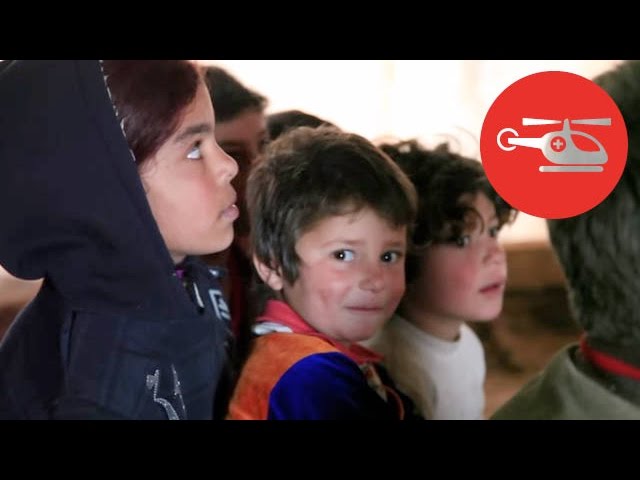
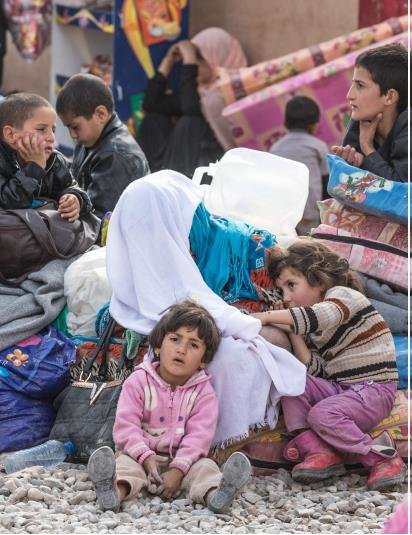
![Children displaced by fighting in Mosul]()
Children displaced by fighting in Mosul
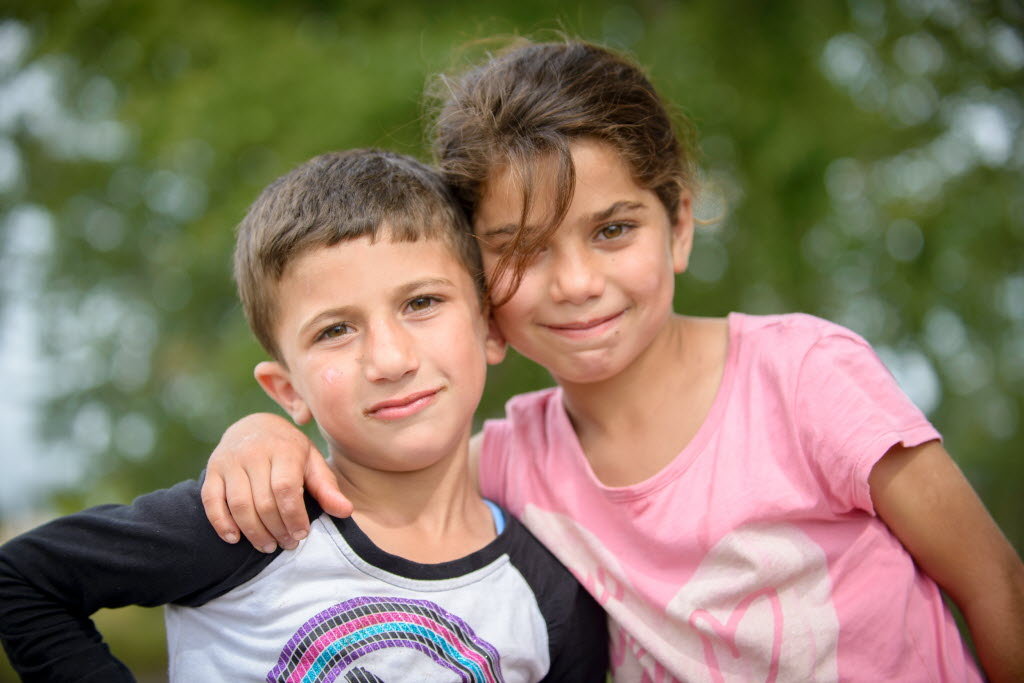
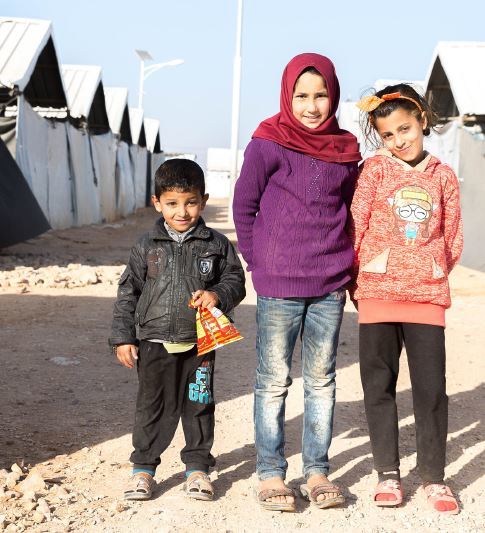
![On their way to the education center in Lebanon]()
On their way to the education center in Lebanon
Attachments:
![Share on Twitter]()
![Share on Facebook]()