By Geoffrey Anguyo | PROJECT LEADER
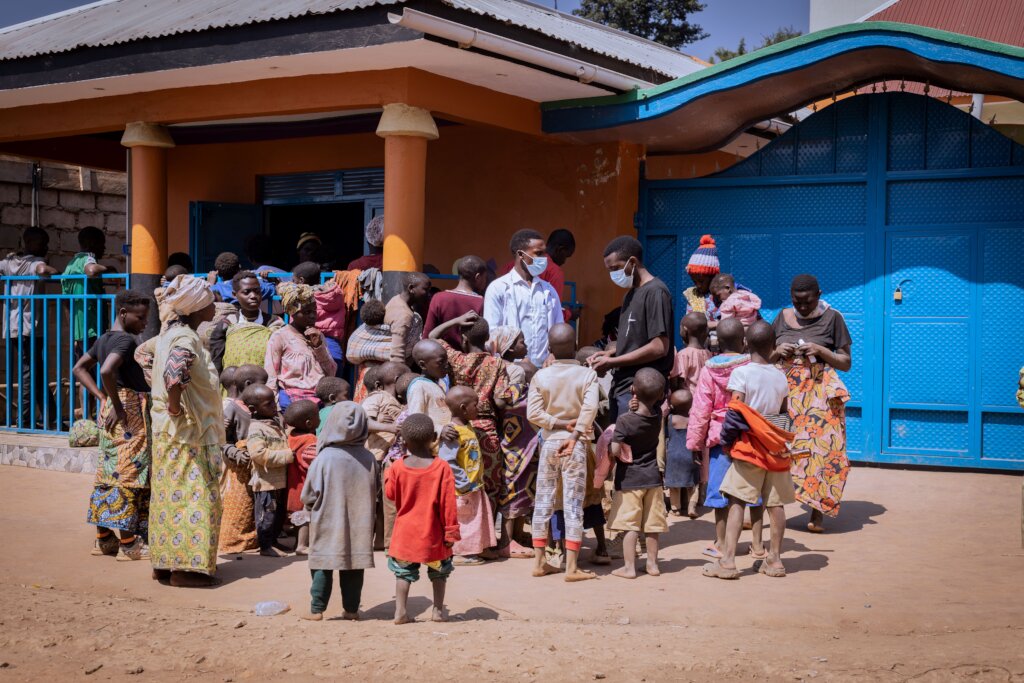
Over 100 people have been supported to remain in Uganda because of the Ebola outbreak in Democratic republic of Congo. Refugees typically move in and out of Uganda depending on the volatile security situation in Congo. Congolese refugees frequently move back and forth between Uganda and the Democratic Republic of Congo (DRC) to escape sudden escalations of violence in eastern DRC. When fighting flares up, they cross into Uganda for safety, but often return home to check on their farms, tend to livestock, or salvage remaining property during temporary periods of calm. Additionally, prolonged confinement in overcrowded transit centers and settlements—combined with severe cuts to international food and aid budgets—drives many to take the risk of going back. They constantly communicate with people who remain behind. If the situation is a bit calm, they move back to their homes. If it becomes more volatile, they come back to Uganda. The outbreak of Ebola in DRC which the world Health organization declared as public health emergency of international concern. On the 15th of May 2026. The health system in DRC is extremely poor because of the war situation in Eastern Congo. A number of cases crossed to Uganda to get better Healthcare and that is how cases were reported in Uganda. To prevent further escalation of the cases a number of people who were already in Uganda were prevented from crossing back to DRC to avoid being infected and also to prevent importing more cases to Uganda. Escalating conflict in the northeastern region of the Democratic Republic of Congo led to an influx of refugees crossing the border into Uganda. Over a one-month period, more than 10,000 people, 80% of them women and children, fled the Kivu region. They were escaping attacks against civilians, arbitrary killings, rape, abductions, looting and forced recruitment into armed groups. Arriving tired, hungry and scared, often separated from their families, refugees entered camps housing 1.4 million people, close to two thirds of whom were children. Many children were exposed to extreme violence (or victims themselves) in their communities, and encountered further risk along the route to Uganda as they fled with their families or alone. These children required safe places to learn and play as well as access to psychosocial support and health services.
By Geoffrey Anguyo | project Leader
By KEZZY ADANIA | project Leader
Project reports on GlobalGiving are posted directly to globalgiving.org by Project Leaders as they are completed, generally every 3-4 months. To protect the integrity of these documents, GlobalGiving does not alter them; therefore you may find some language or formatting issues.
If you donate to this project or have donated to this project, you can receive an email when this project posts a report. You can also subscribe for reports without donating.



Support this important cause by creating a personalized fundraising page.
Start a Fundraiser