By Bonfas Maya | Fundraising & Projects Officer
PROGRESS REPORT
We are pleased to present the progress made during May–August 2026. During the quarter, the programme continued to provide integrated support that promoted children’s learning, emotional wellbeing, personal development, and protection while strengthening families and community systems.
Through after-school programming, psychosocial support, family strengthening, child protection, caregiver engagement, and community activities, children and families accessed safe spaces for learning, support, and positive interaction. The programme also began strengthening household financial resilience through a new caregiver-led savings initiative, recognizing the important connection between family stability and children’s wellbeing.
Quarter Highlights
1. INTRODUCTION & CONTEXT
During May–August, the programme continued responding to the interconnected needs affecting children and families. Alongside educational and psychosocial needs, families continue to experience economic pressures that can affect household stability and the ability of caregivers to consistently meet children’s needs.
The programme therefore continued to combine direct support to children with family strengthening, child protection, caregiver engagement, and community-based interventions. This approach recognises that improving children’s wellbeing requires not only supporting children directly, but also strengthening the families and community systems around them.
2. AFTER-SCHOOL PROGRAMME
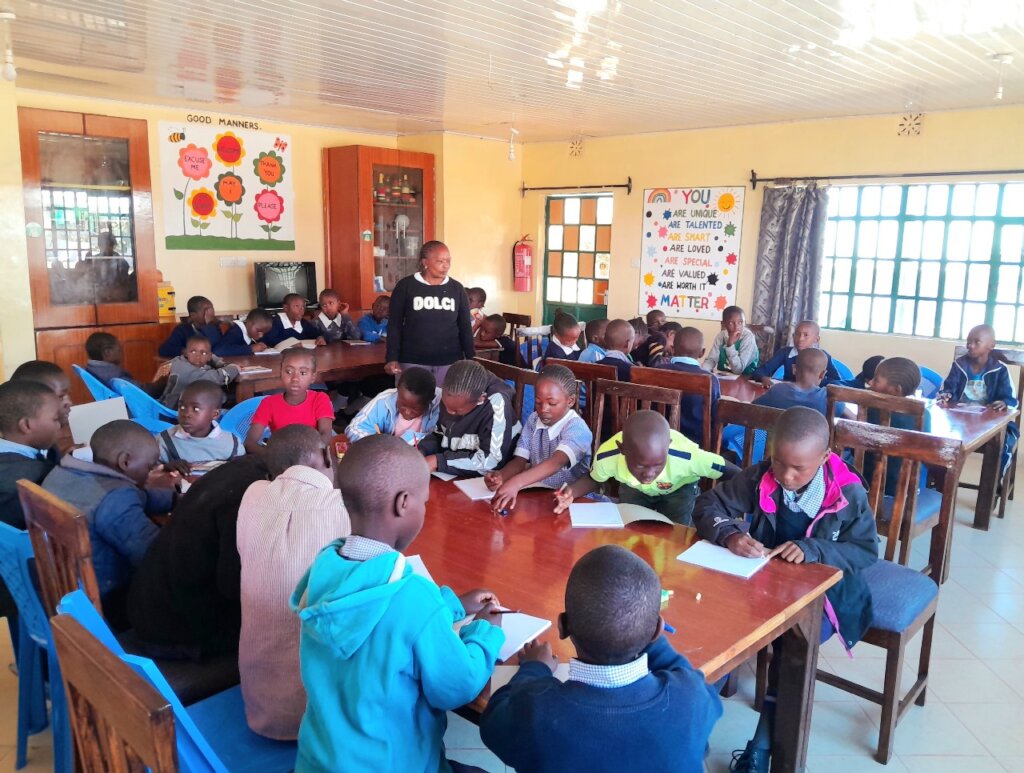
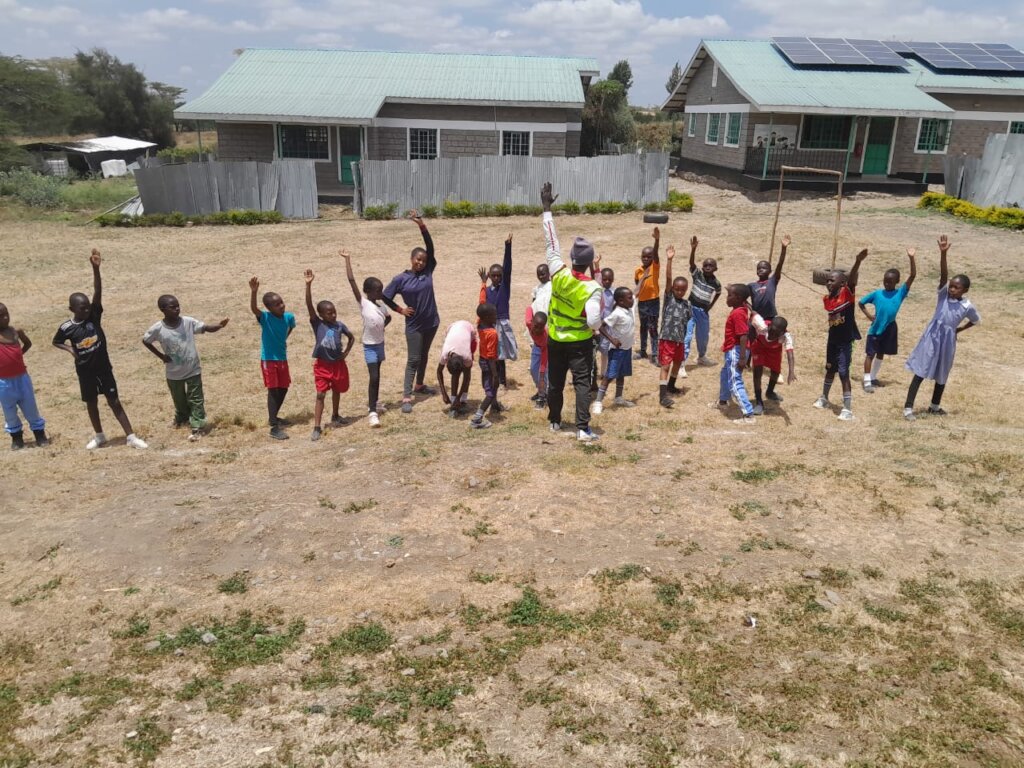
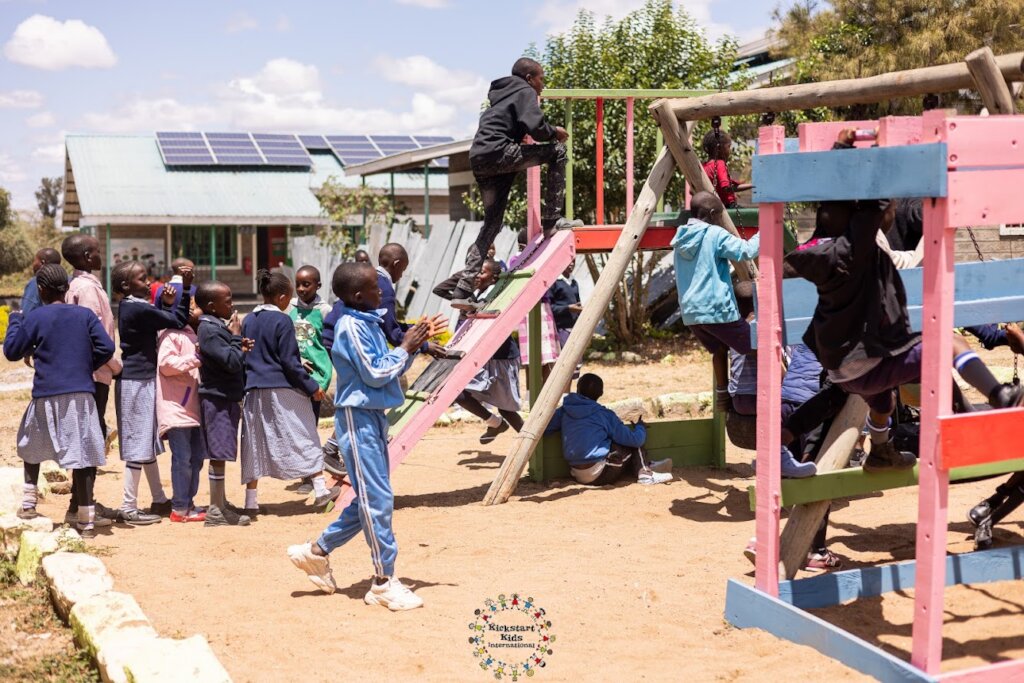
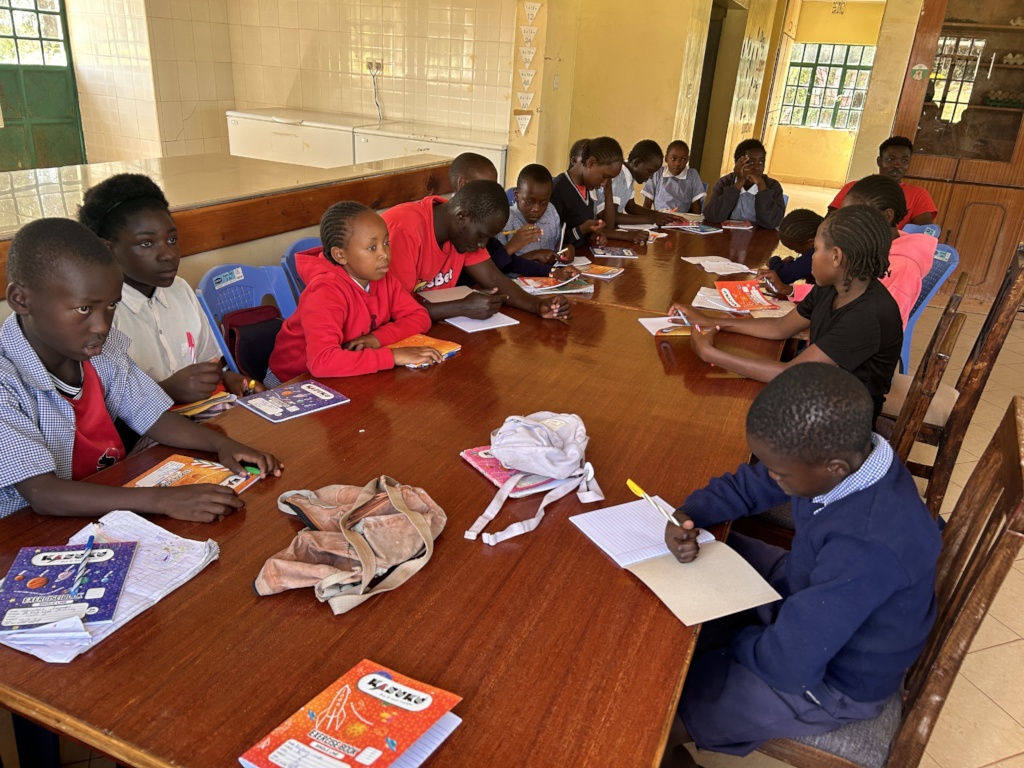
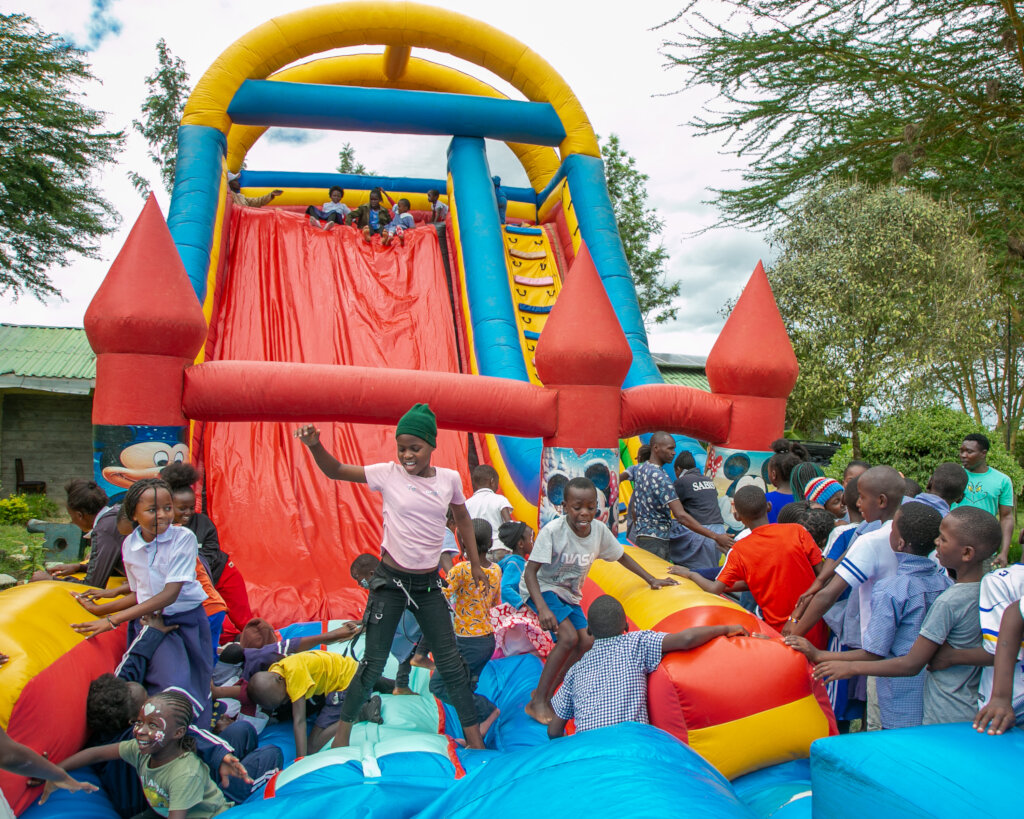
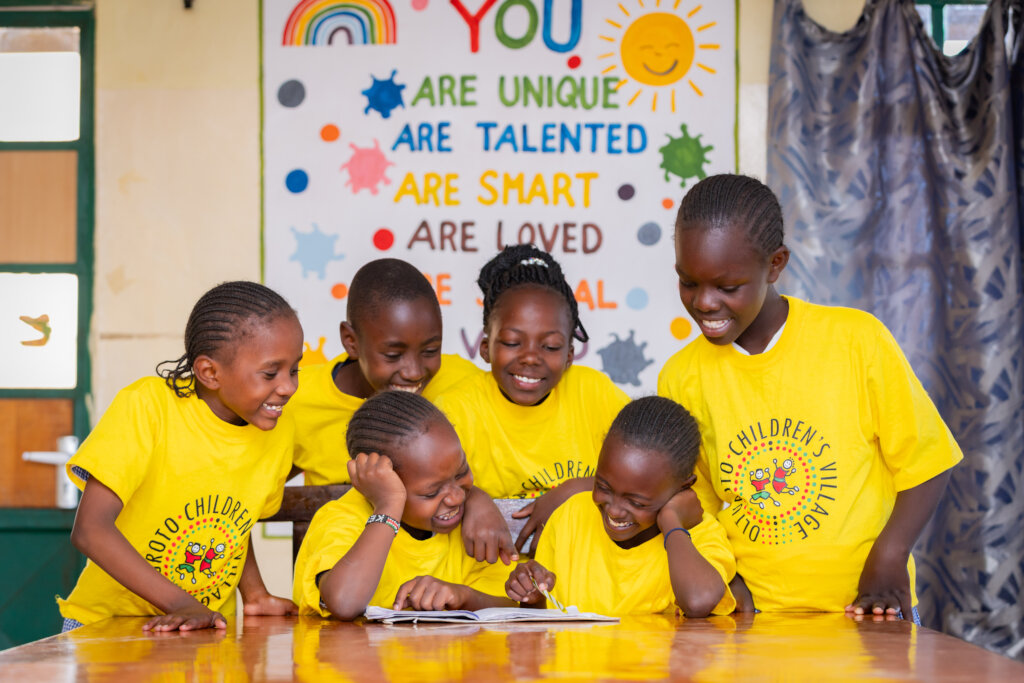
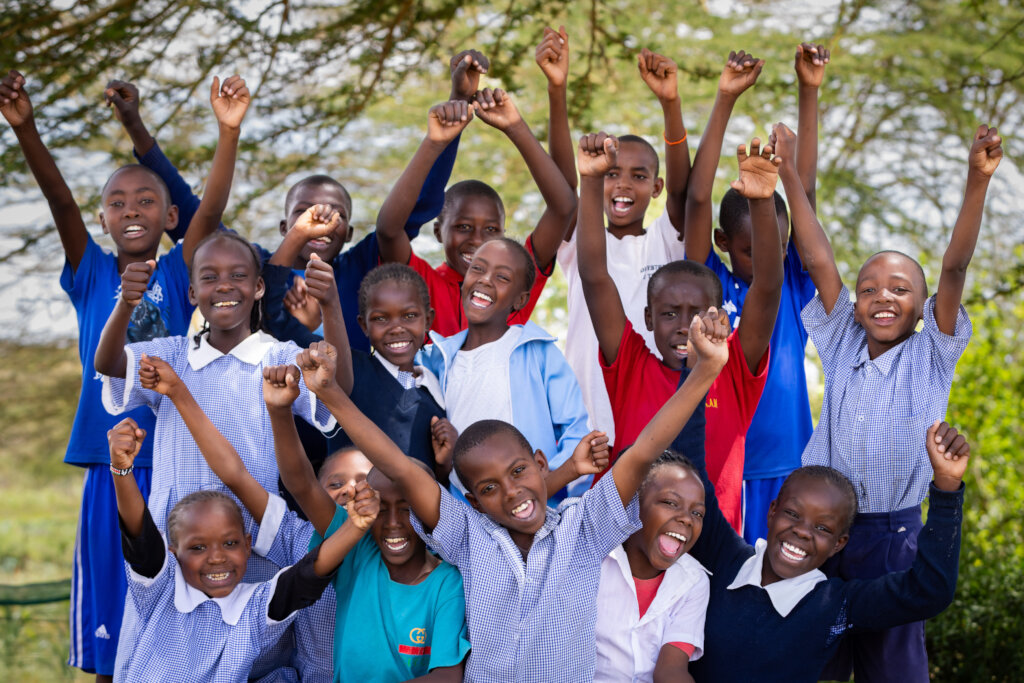
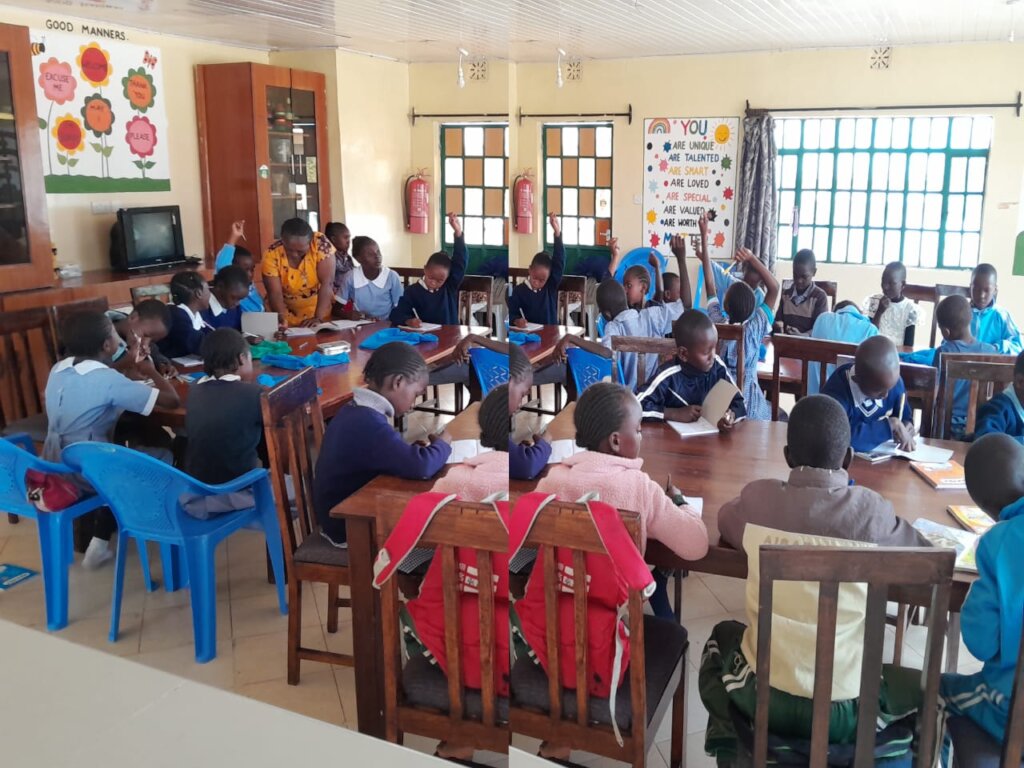
The After-School Programme remained a key platform for supporting children’s learning, personal development, and wellbeing during the reporting period. A total of18 sessions were conducted, reaching up to 62 learners in a single month. Sessions combined academic support, life skills, psychosocial support, creativity, environmental activities, and sports in a safe and child-friendly environment.
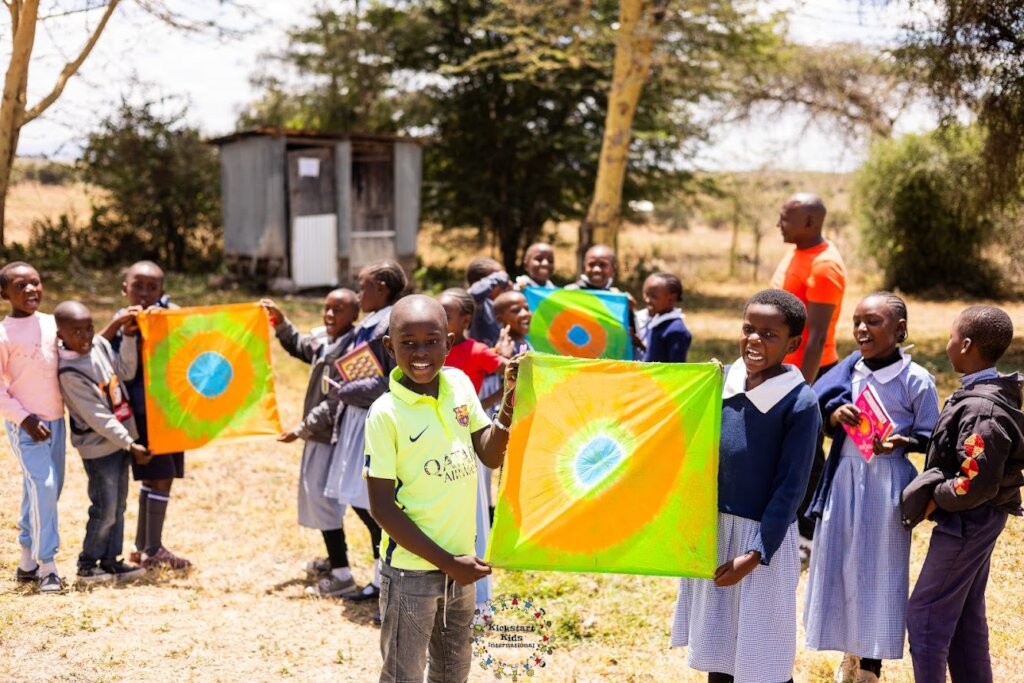
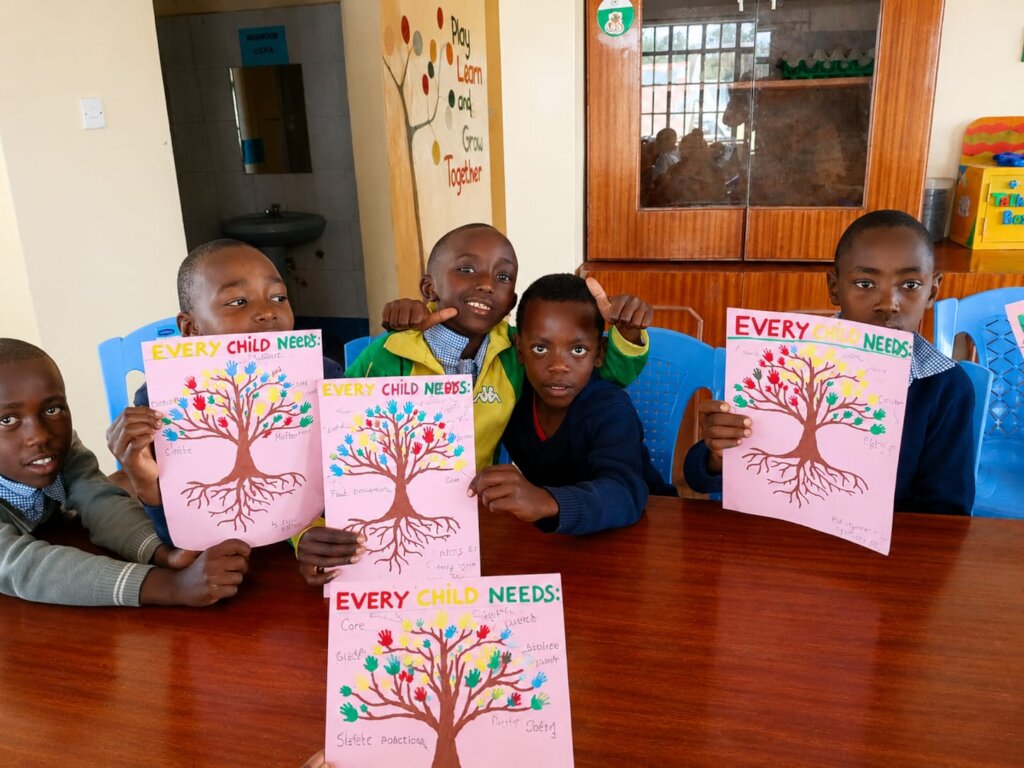
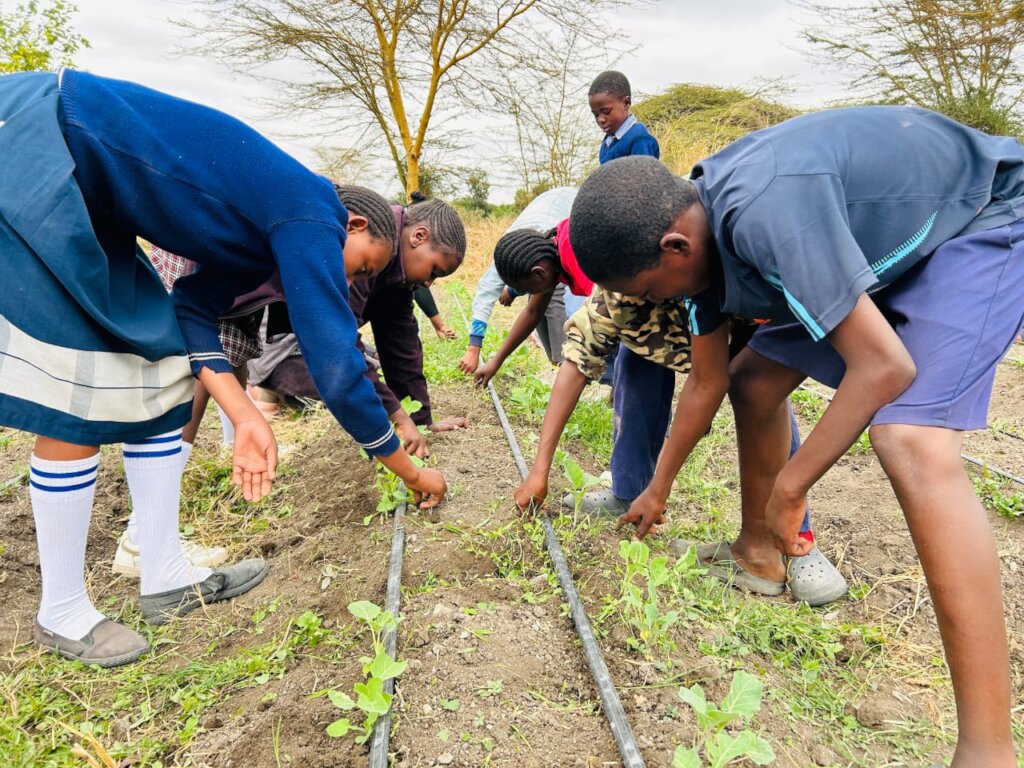
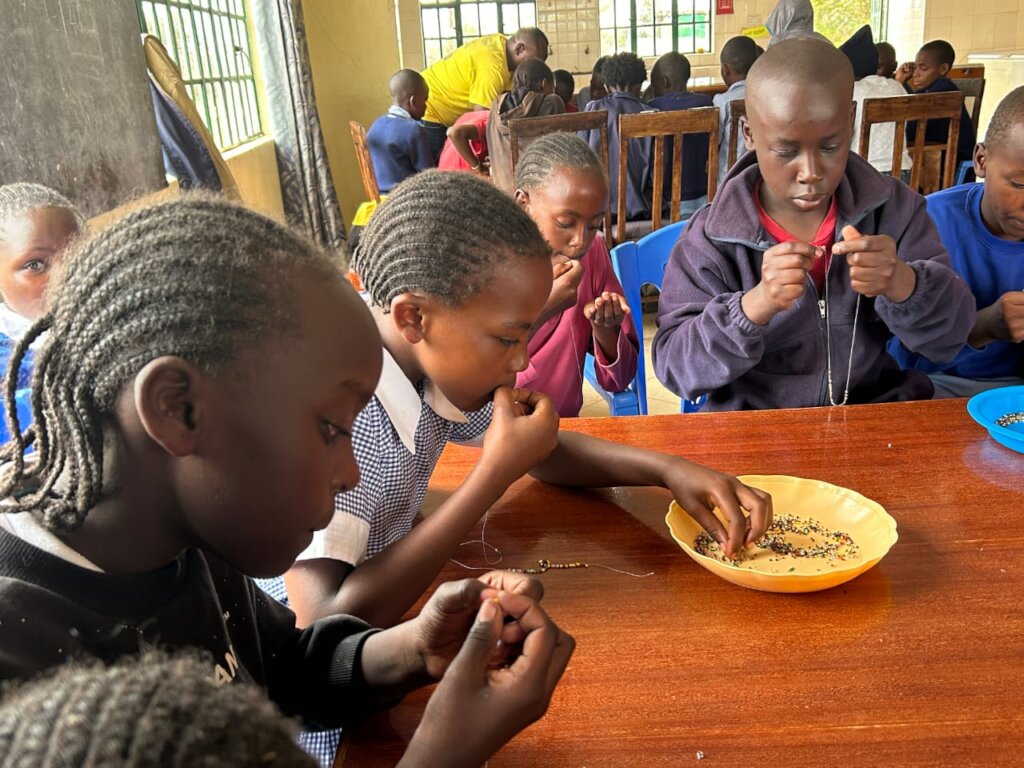
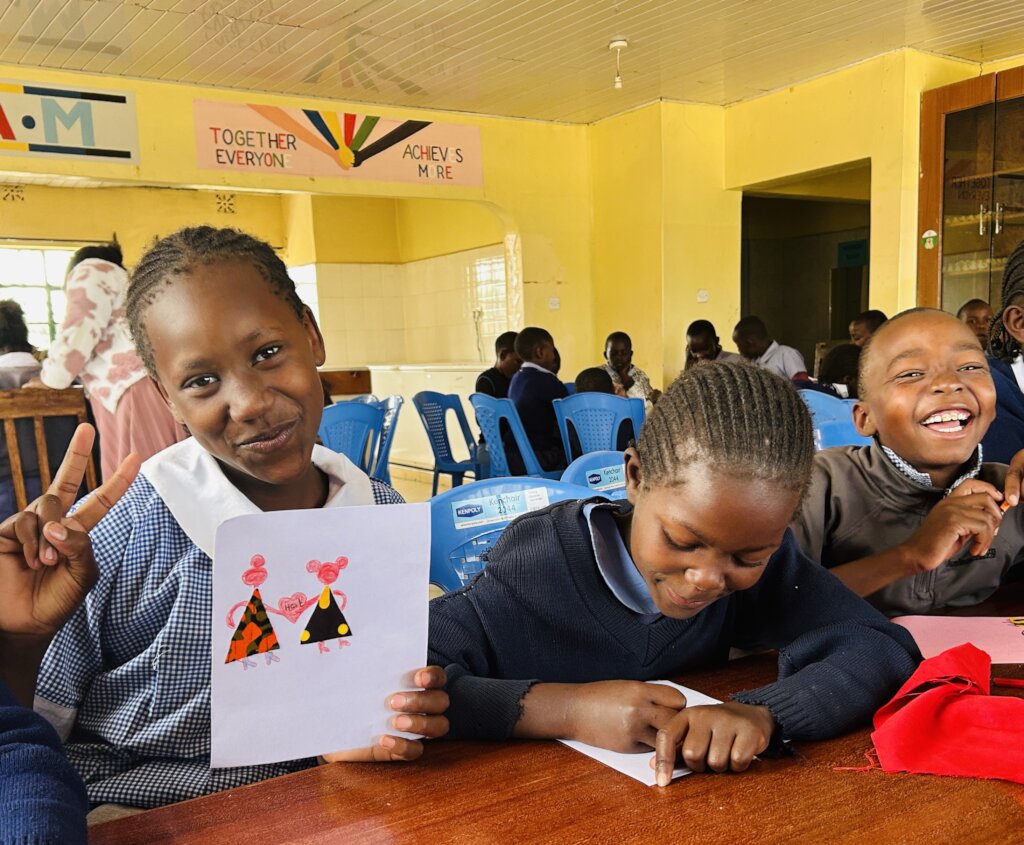
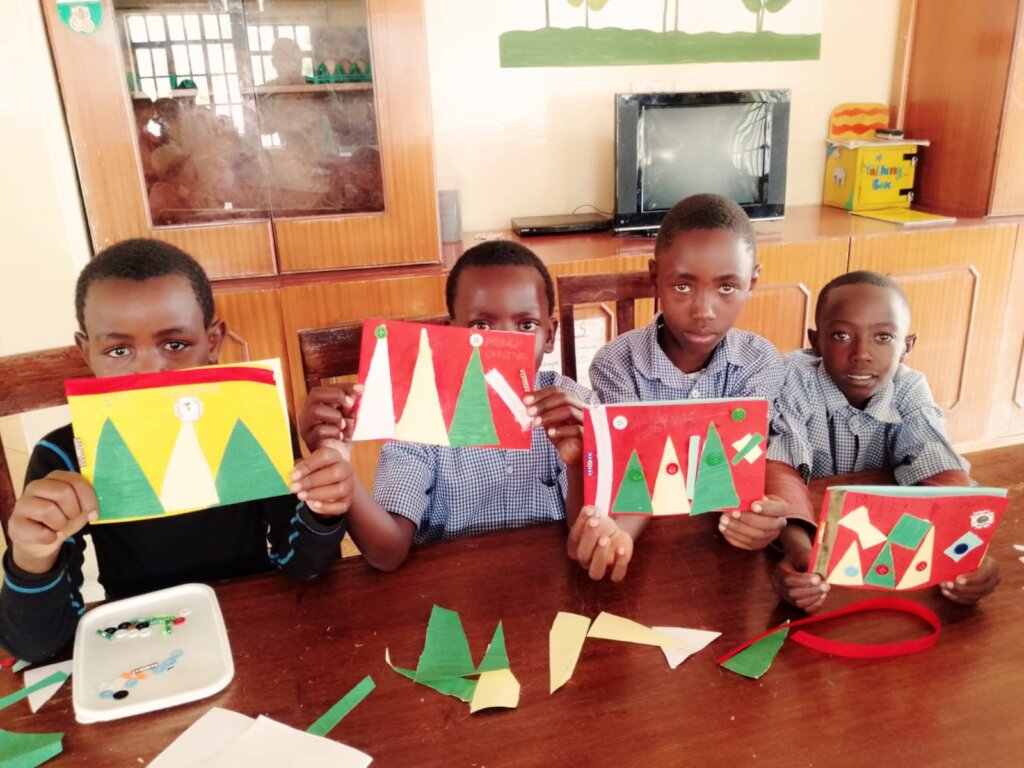
Throughout the quarter, children explored topics including the importance of education, children’s rights, responsible technology, financial literacy, saving, emotional wellbeing, confidence, teamwork, and positive behavior. Practical activities such as gardening, saving through personal piggy banks, art and craft, storytelling, and sports gave learners opportunities to apply what they learned while strengthening communication, decision-making, cooperation, creativity, and self-expression.
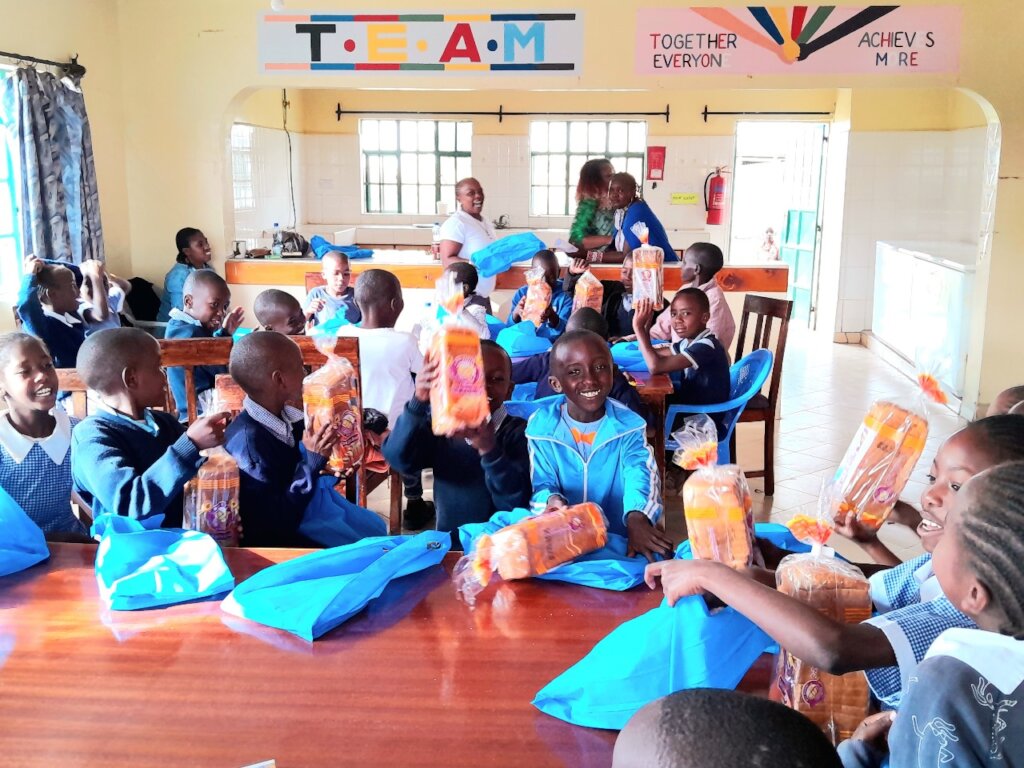
The programme also provided children with consistent opportunities to interact positively with their peers and participate in structured activities that promote confidence, discipline, teamwork, and healthy relationships. Meals provided during sessions further supported children’s wellbeing and enabled them to participate actively throughout the programme.
The integrated approach contributed to improved participation, confidence, positive peer interaction, and development of practical life skills. Continued after-school programming is expected to strengthen children’s resilience, learning engagement, responsible decision-making, and overall wellbeing while providing a consistent platform for identifying and responding to emerging support and protection needs.
3. PSYCHOSOCIAL SUPPORT AND COUNSELLING
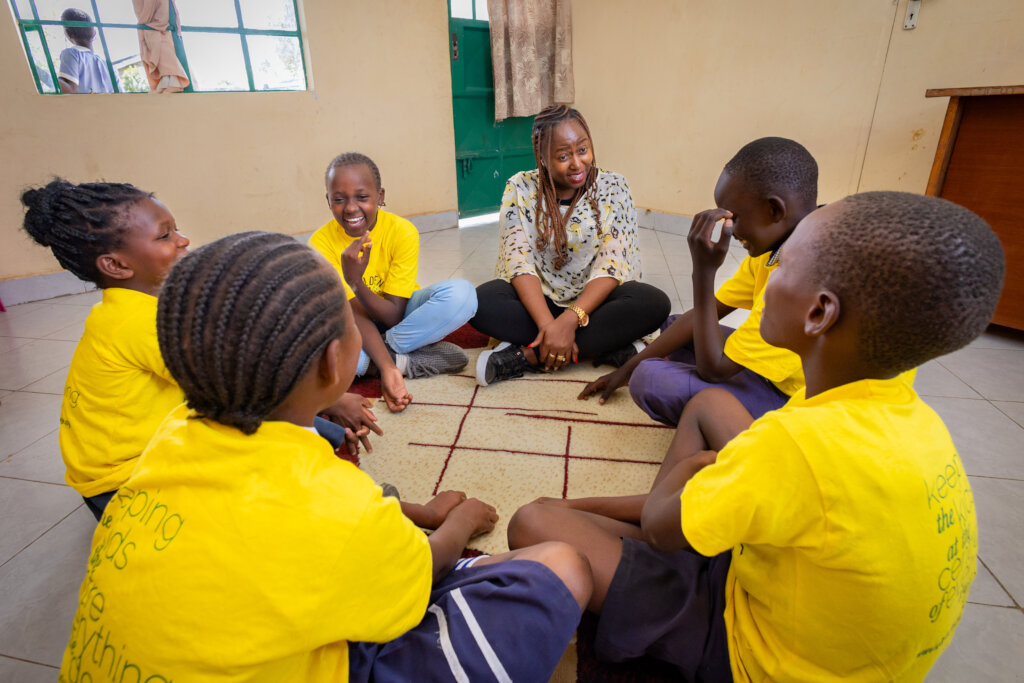
Psychosocial support and counselling remained a key pillar of the programme during the reporting period. A total of 9 group psychosocial and counselling sessionsand85 individual psychosocial support sessions were provided to children, parents and guardians, care leavers, and other beneficiaries. Support focused on emotional wellbeing, coping skills, self-awareness, positive behavior, family relationships, parenting, confidence, and adjustment to personal challenges.
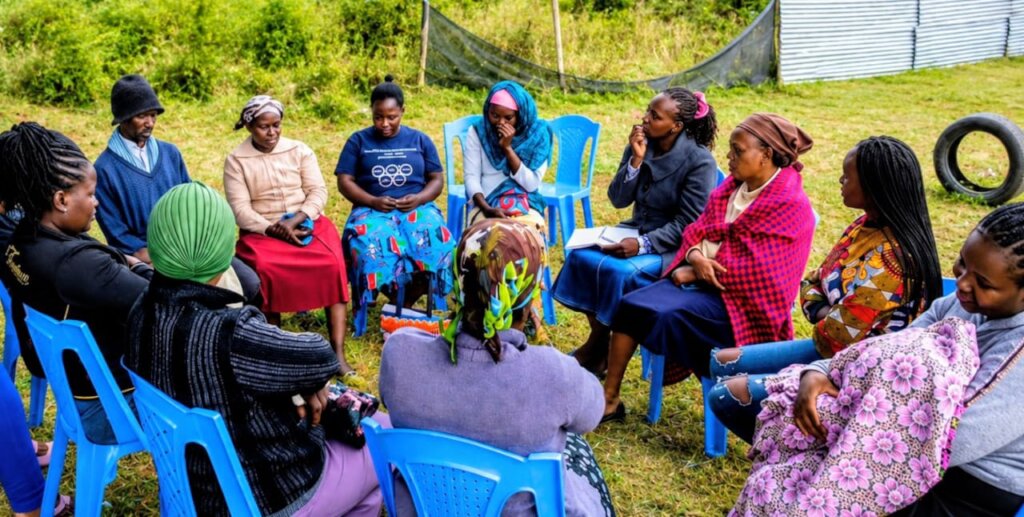
Group sessions provided safe and supportive spaces for children and caregivers to express themselves, share experiences, reflect on common challenges, and learn from one another. Sessions with children focused on emotional wellbeing, self-confidence, positive peer relationships, personal safety, rights, decision-making, and healthy coping. Parenting sessions supported caregivers to strengthen communication, positive discipline, emotional regulation, and their ability to respond to children’s needs.
Individual counselling provided more targeted support for children, parents and guardians, care leavers, and other beneficiaries experiencing personal, emotional, behavioral, family, or adjustment challenges. The sessions provided opportunities to understand individual circumstances, strengthen coping and decision-making skills, and develop appropriate follow-up and support.
The interventions created safe spaces for participants to reflect on challenges and develop healthier ways of managing emotions and relationships. The support contributed to improved emotional wellbeing, increased confidence, stronger coping skills, and improved communication within families.
Caregiver engagement also provided opportunities for parents and guardians to share their experiences and seek guidance on challenges affecting their children. Feedback from caregivers highlighted the value of counselling and parenting support in improving communication, understanding, and relationships within the home.
In addition, child protection concerns identified during the reporting period were followed up through assessments, counselling, home visits, referrals, and coordination with relevant child protection structures. These interventions supported timely responses while ensuring continued monitoring of the safety and wellbeing of affected children and families.
4. FAMILY ASSESSMENTS AND TARGETED SUPPORT
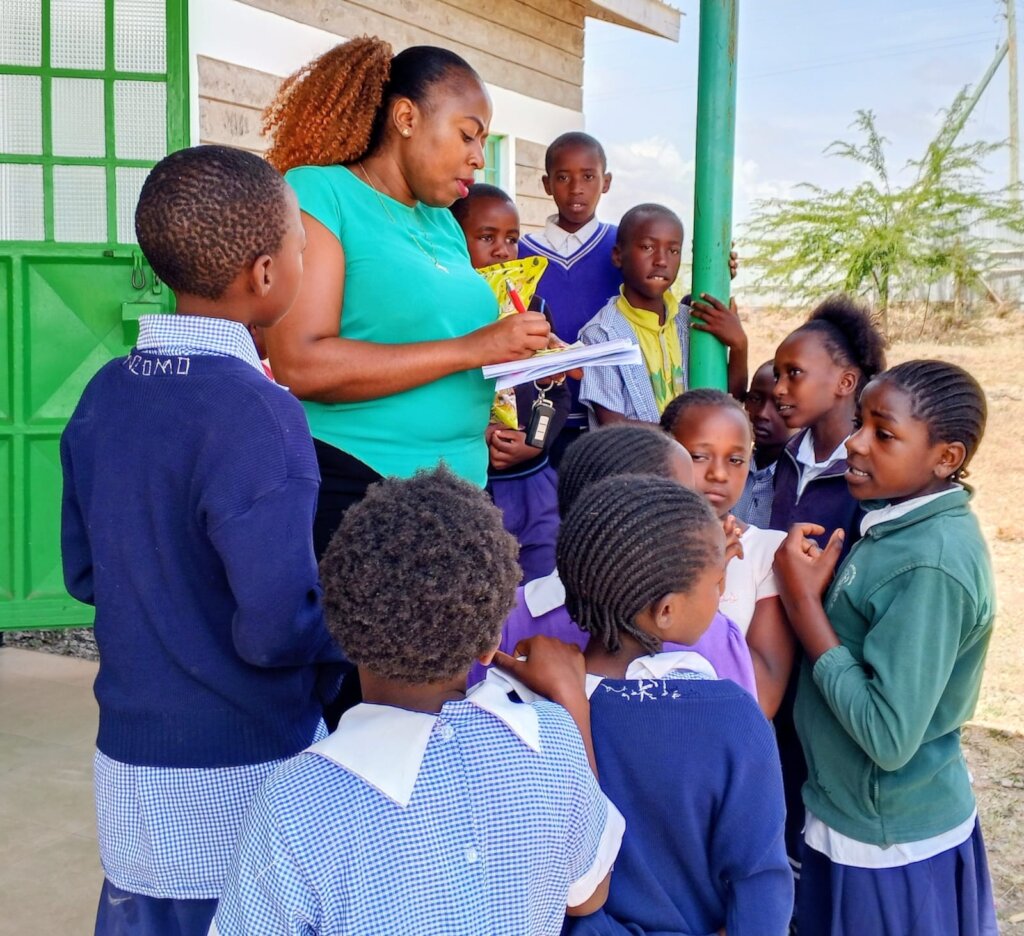
Family assessments and case management focused on identifying vulnerabilities affecting children and their caregiving environments. During the reporting period, 7 at-risk family assessments and follow-up interventionswere conducted, focusing on family relationships, caregiving capacity, child safety, emotional wellbeing, and household challenges.
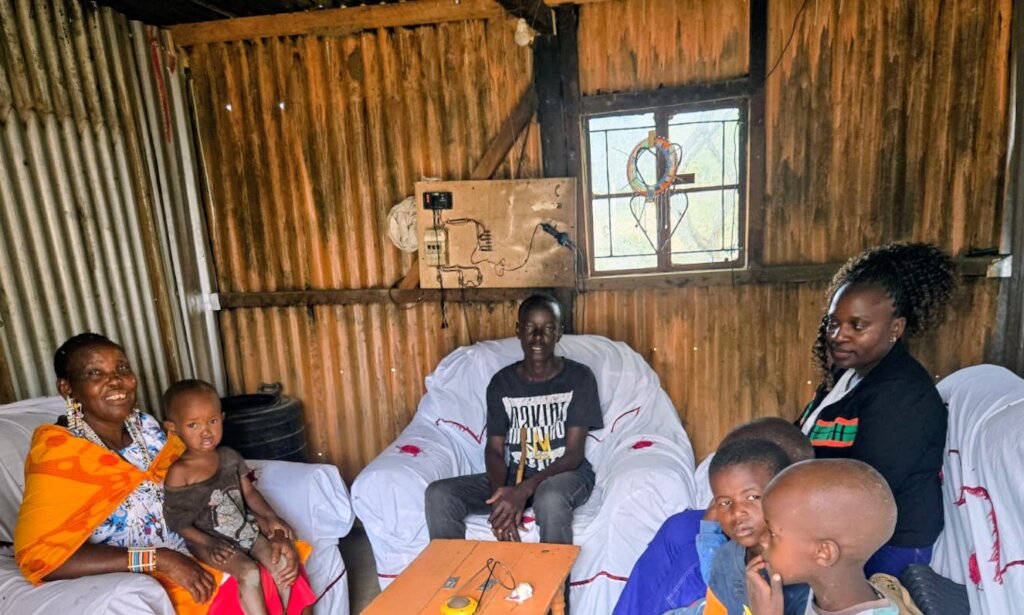
Where concerns were identified, support included counselling, psychosocial support, home visits, food and clothing assistance, referrals, and continued follow-up. The programme worked closely with the Community Child Protection Committee, Area Chief, Children’s Office, schools, and other relevant structures to ensure that identified concerns received appropriate and timely attention.
The interventions supported children and families facing challenges including neglect, family conflict, unsafe caregiving environments, economic difficulties, and other vulnerabilities. Case follow-up also helped monitor progress and ensure that support remained responsive to changing family circumstances.
These interventions contributed to improved identification of risks, stronger coordination around vulnerable children, and more targeted support for families. Continued family assessments and case management are expected to strengthen protective caregiving, improve early response to risks, and support children to remain safely within family and community environments wherever possible.
5. FAMILY FINANCIAL RESILIENCE – HOPE VSLA
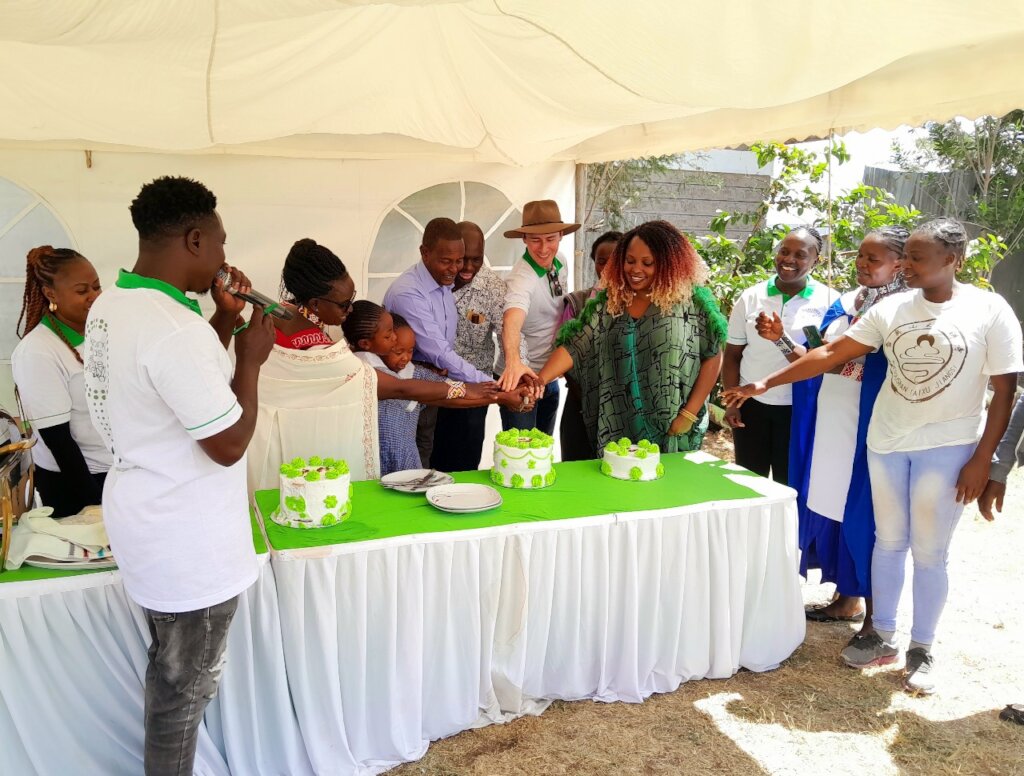
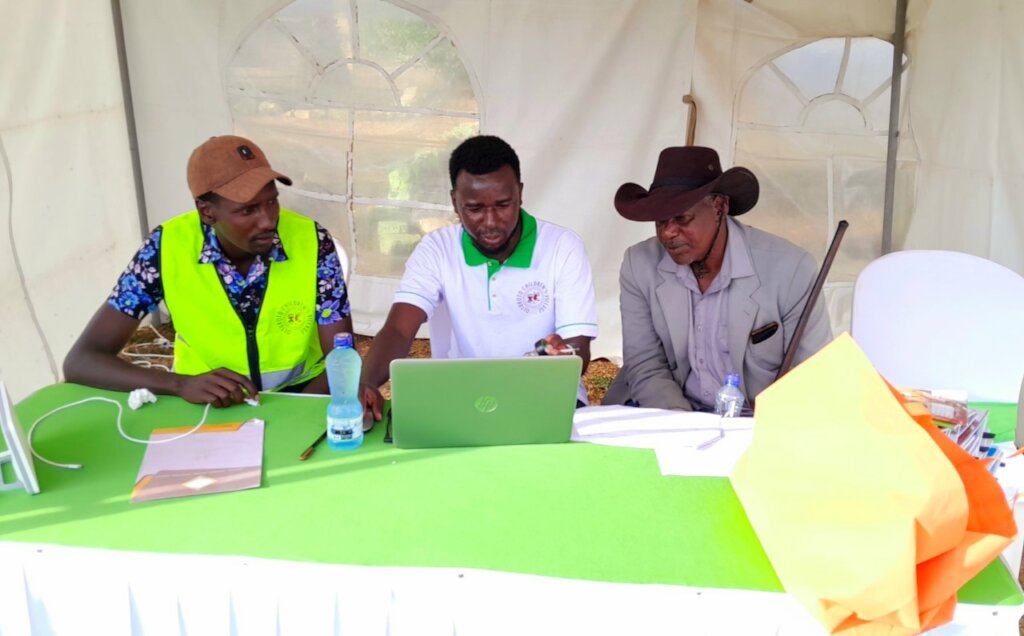
During the quarter, the programme introduced the Hope Village Savings and Loan Association (VSLA) as a practical way of strengthening the financial resilience of parents and guardians. The group provides caregivers with a structured, community-based way to save regularly, access small loans, and support one another in responding to household needs.
The initiative was introduced in recognition of the financial pressures faced by families and the link between household stability and children’s wellbeing. Members contribute savings through share purchases and can access loans according to the group’s agreed constitution and procedures.
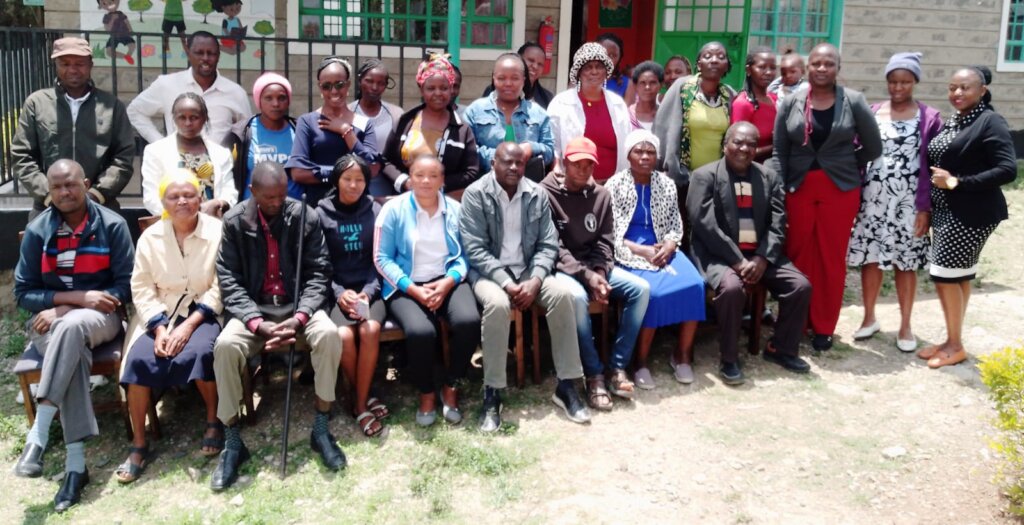
By the end of the quarter, the group had 25 parent and guardian members. Members had begun purchasing shares, repaying loans, and building a culture of regular saving and responsible borrowing.
Impact:
The VSLA is giving caregivers greater ownership of their financial planning while creating a peer-support mechanism within the community. Early participation demonstrates growing commitment to building household financial resilience.
Expected contribution:
As the group continues to grow, regular savings and access to small loans are expected to strengthen caregivers’ capacity to manage household needs, respond to unexpected financial pressures, and provide more stable support for children’s education and wellbeing.
6. COMMUNITY CHILD PROTECTION COMMITTEE ENGAGEMENTS
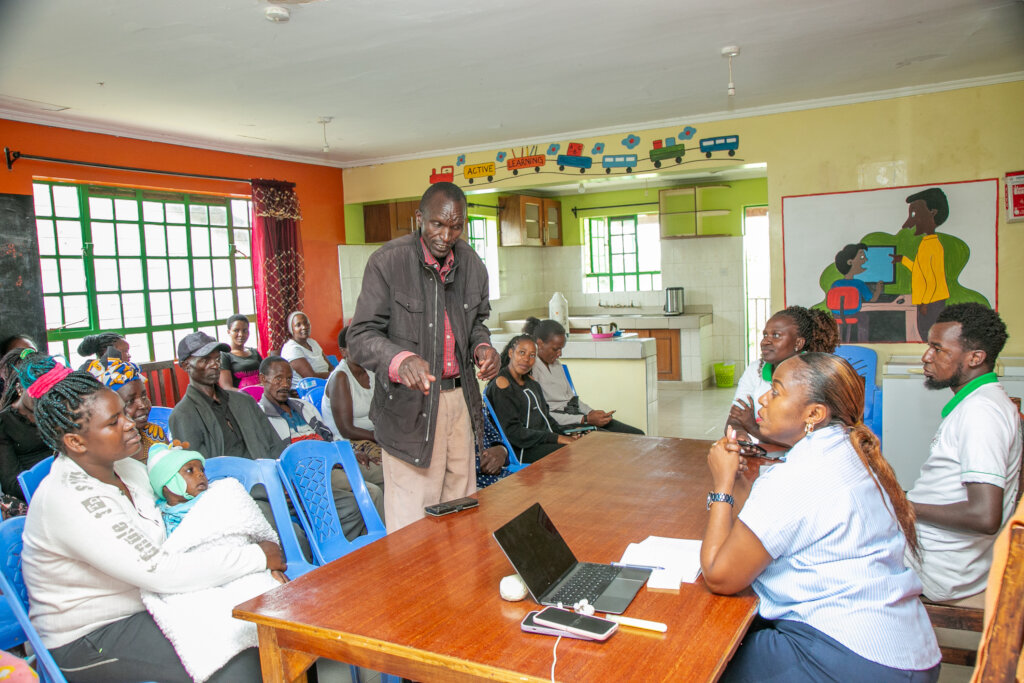
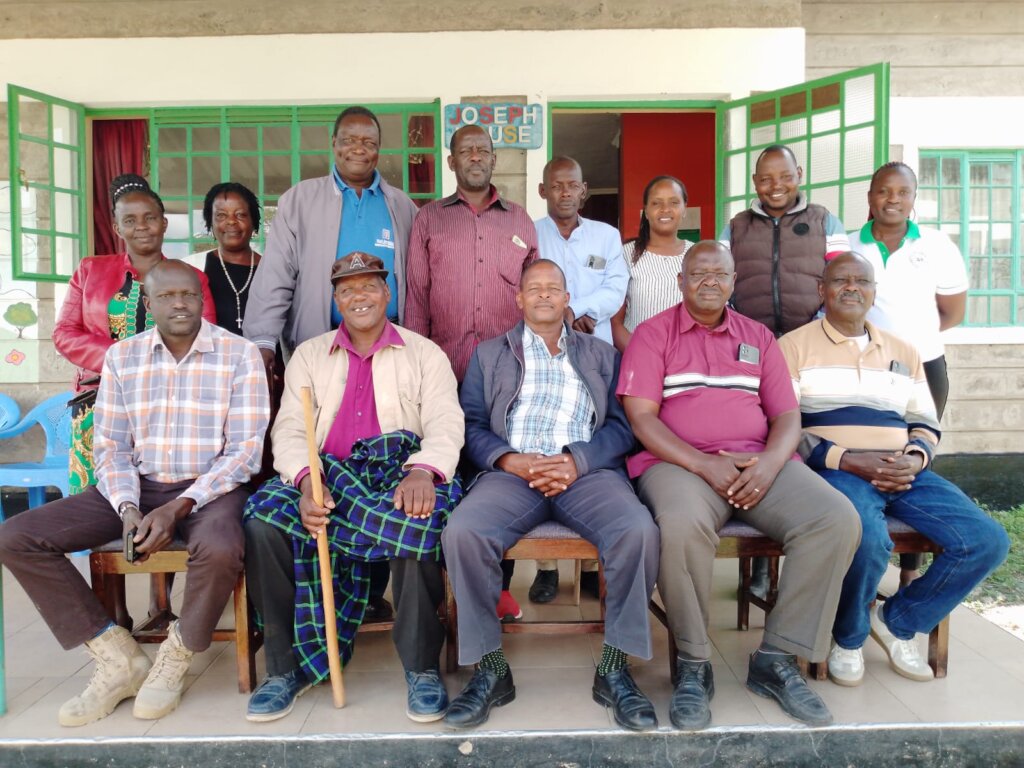
The Community Child Protection Committee (CCPC) continued to provide an important community-based mechanism for identifying and responding to child protection concerns during the reporting period. Three CCPC engagements were conducted between May and July, bringing together community representatives and programme staff to review child protection concerns, follow up ongoing cases, and strengthen coordination around vulnerable children and families.
The engagements addressed concerns including neglect, family conflict, unsafe caregiving environments, health and economic challenges, and other factors affecting children’s safety and wellbeing. Follow-up actions included counselling, psychosocial support, family engagement, referrals, home visits, and coordination with the Children’s Office, Area Chief, schools, and other relevant structures.
The CCPC also contributed to strengthening community awareness of child protection procedures, confidentiality, positive parenting, and appropriate referral pathways. Through these engagements, community structures were better positioned to identify concerns early and support timely responses.
The CCPC engagements contributed to stronger coordination between community structures and formal child protection services, improved follow-up of vulnerable cases, and more timely support for affected children and families. Continued engagement is expected to strengthen community-led child protection mechanisms and promote safer, more supportive family and community environments for children.
7. PARENTAL ENGAGEMENT
Parental engagement remained an important part of strengthening children’s wellbeing during the reporting period. Four parent and guardian engagement sessions were conducted, creating opportunities to discuss positive parenting, parent-child communication, emotional wellbeing, child protection, and children’s development.
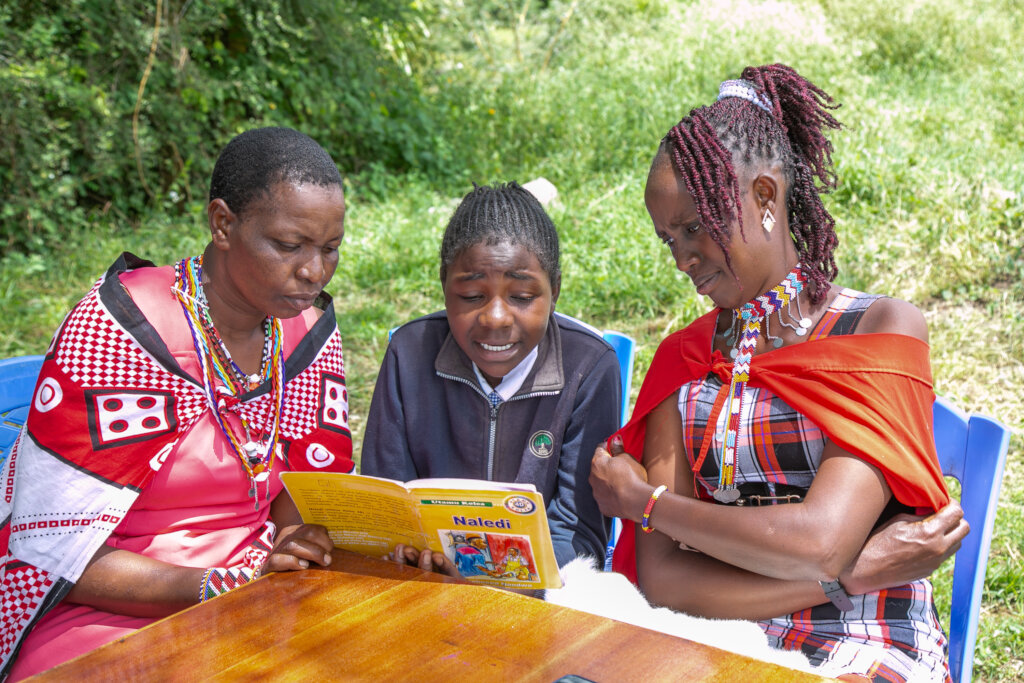
The sessions provided caregivers with practical guidance on positive discipline, emotional support, active listening, encouragement, and responding to children’s needs. Parents and guardians also shared feedback on programme activities, children’s participation, school experiences, and areas where additional support was needed.
The engagement strengthened communication between caregivers and the programme and encouraged parents to take a more active role in supporting their children’s emotional, social, and educational wellbeing. It also provided an important link between the programme and families, allowing concerns affecting children to be identified and followed up.
Continued parental engagement is expected to strengthen positive parenting practices, improve parent-child relationships, increase caregiver participation, and contribute to safer and more supportive home environments for children.
8. COMMUNITY ENGAGEMENT
Community engagement during the reporting period focused on strengthening community participation, environmental responsibility, and collective action around issues affecting children and their communities.
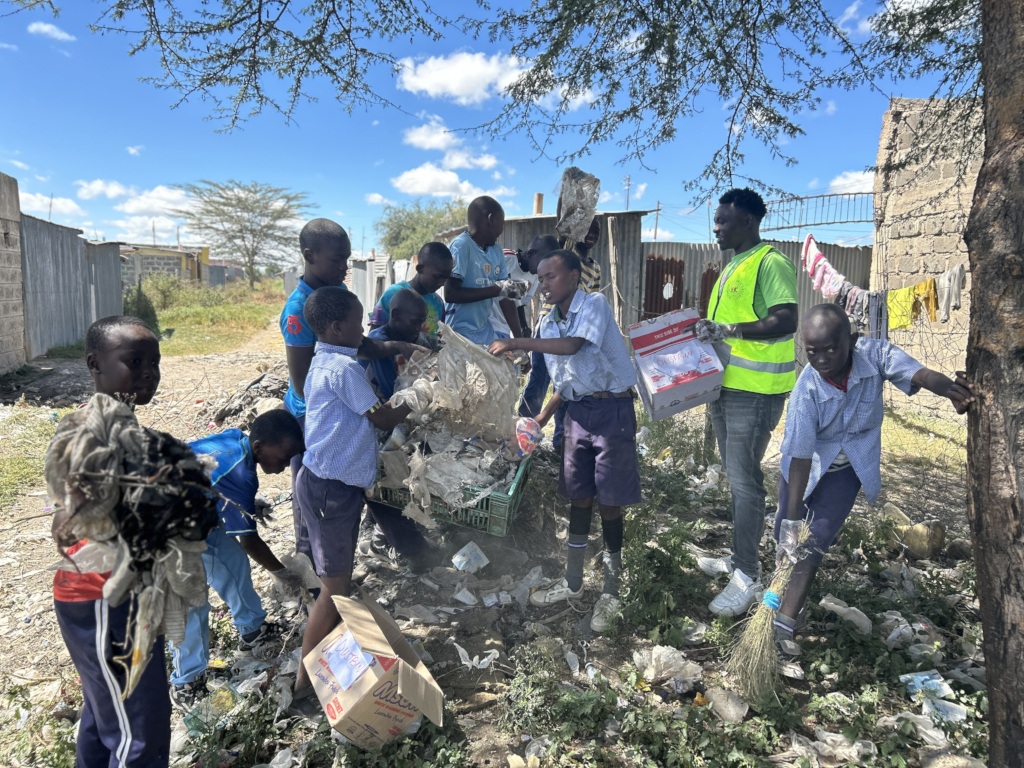
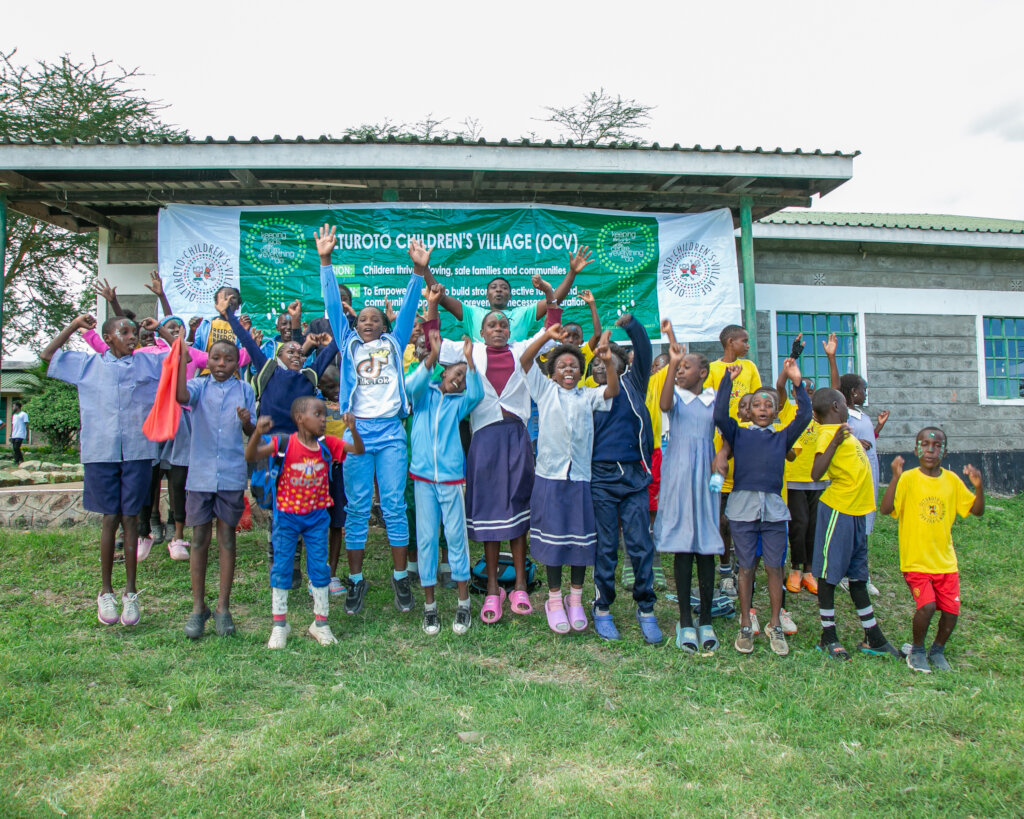
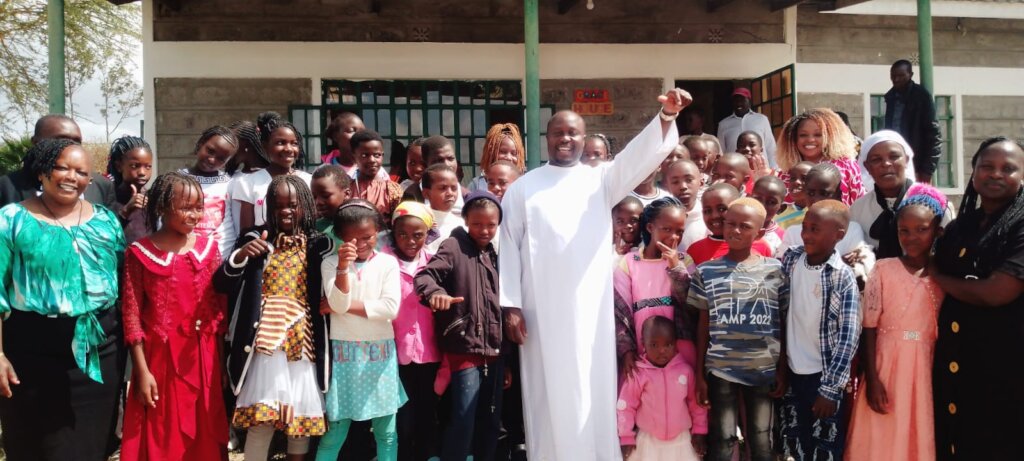
A key activity was the World Environment Day community clean-up, which brought together 308 participants from Olturoto Comprehensive School and Olturoto Shopping Centre. Children, teachers, community members, local leaders, and programme staff participated in waste collection, sweeping, weeding, slashing, and tree care, alongside awareness on proper waste management and environmental conservation.
The activity provided a practical opportunity for children and community members to work together and take responsibility for their shared environment. It strengthened cooperation between the school and wider community while promoting positive attitudes towards cleanliness, environmental care, and community participation.
The engagement contributed to increased community ownership and collaboration around shared concerns. Continued community activities are expected to strengthen participation, collective responsibility, and community-led efforts that contribute to safer, healthier, and more supportive environments for children.
9. CROSSCUTTING LESSONS & OUTCOMES
Key Learning
Emerging Outcomes
10. CONCLUSION
The May–August period demonstrated continued progress in strengthening children’s wellbeing while addressing the family and community factors that influence their safety, development, and future.
The combination of after-school programming, psychosocial support, family strengthening, child protection, caregiver engagement, community participation, and the introduction of the Hope VSLA contributed to a more integrated approach to supporting children and families.
Going forward, continued investment in children’s development, family capacity, psychosocial support, child protection systems, and household resilience will be important in sustaining these gains and creating stronger, safer, and more supportive environments for children.
Links:
By Bonfas Maya | Fundraising & Projects Officer
By Nancy Kitangwari | Administration & Finance Officer
Project reports on GlobalGiving are posted directly to globalgiving.org by Project Leaders as they are completed, generally every 3-4 months. To protect the integrity of these documents, GlobalGiving does not alter them; therefore you may find some language or formatting issues.
If you donate to this project or have donated to this project, you can receive an email when this project posts a report. You can also subscribe for reports without donating.



Support this important cause by creating a personalized fundraising page.
Start a Fundraiser