By Bonfas Maya | Fundraising & Projects Officer
PROGRESS REPORT
We are pleased to present the progress made during January - April 2026. During the reporting period, the programme continued to provide integrated support that promoted children’s learning, emotional wellbeing, and personal development while strengthening family resilience and community-led child protection systems.
Through after-school learning, psychosocial support, caregiver engagement, and community safeguarding interventions, children accessed safe and supportive spaces for learning, growth, and positive social interaction. These combined efforts improved academic participation, emotional resilience, and collaboration among families, schools, caregivers, and community stakeholders, contributing to a more protective and supportive environment for vulnerable children
Quarter Highlights
Programme Performance Summary (January–April)
January
February
March
April
1. INTRODUCTION & CONTEXT
The reporting period was marked by school re-entry adjustments, economic pressures affecting vulnerable households, weather-related disruptions, school holiday breaks, and emerging child protection concerns within the community. These challenges affected children’s learning continuity, emotional wellbeing, and household stability, increasing the need for structured support and responsive interventions.
In response, the programme strengthened integrated academic support, psychosocial interventions, family engagement, and community safeguarding efforts to ensure children continued accessing safe spaces for learning, emotional support, and personal development. The programme also continued strengthening collaboration with caregivers, schools, and community protection structures to reinforce child protection systems and improve overall wellbeing outcomes for vulnerable children. We have included our 6 months (Nov to April 2026) impact numbers which show the critical progress and impact we continue to make.
2. AFTER-SCHOOL PROGRAMME
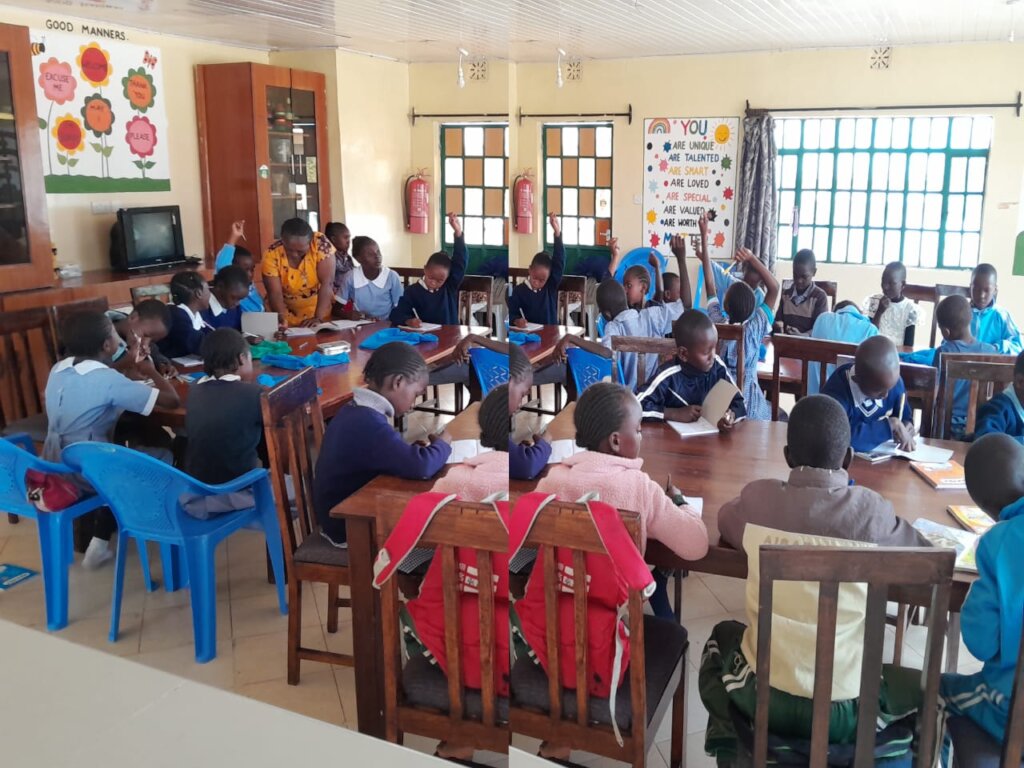
A total of 13 after-school sessions were conducted during the reporting period, reaching up to 106 learners. Attendance remained generally consistent despite occasional weather-related disruptions and the Easter school break in April, reflecting strong community engagement and the continued need for structured after-school support.
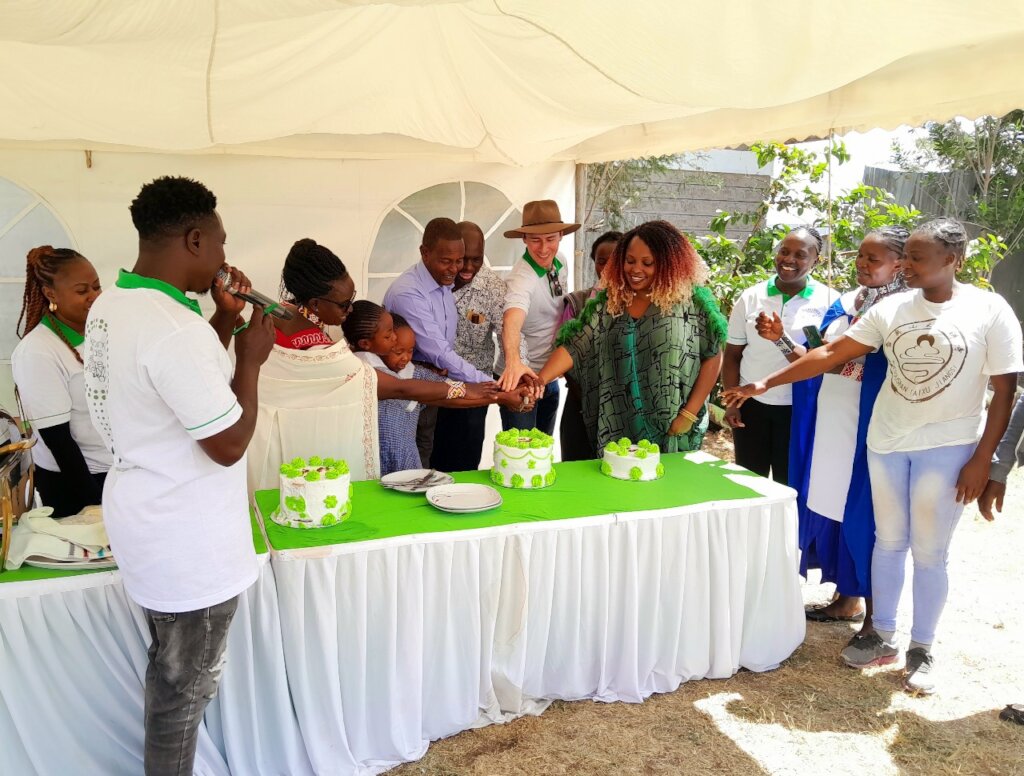
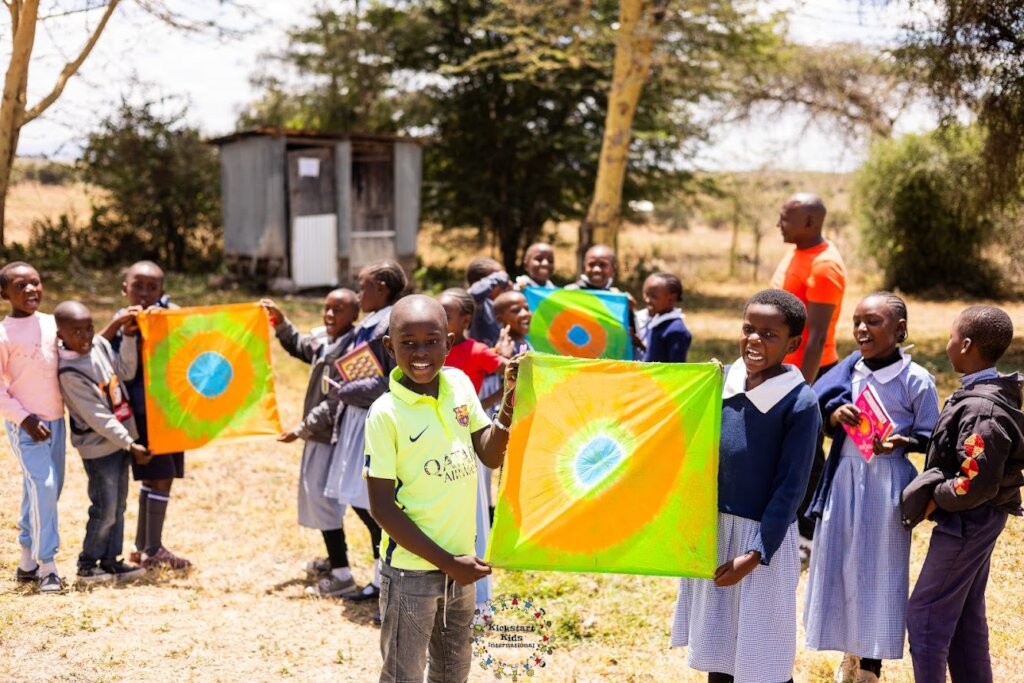
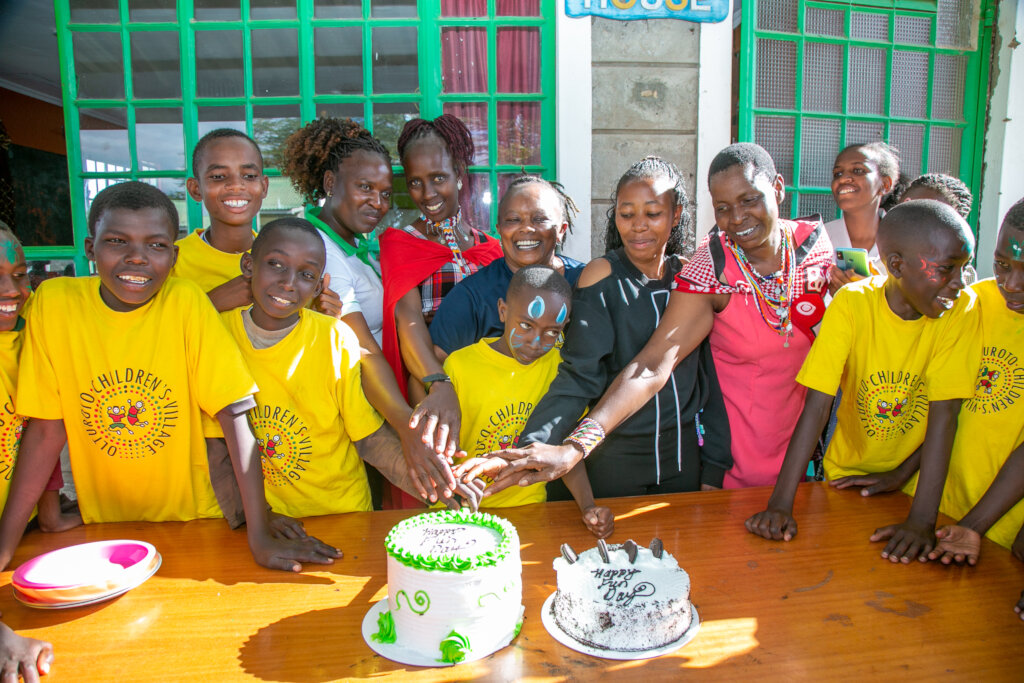
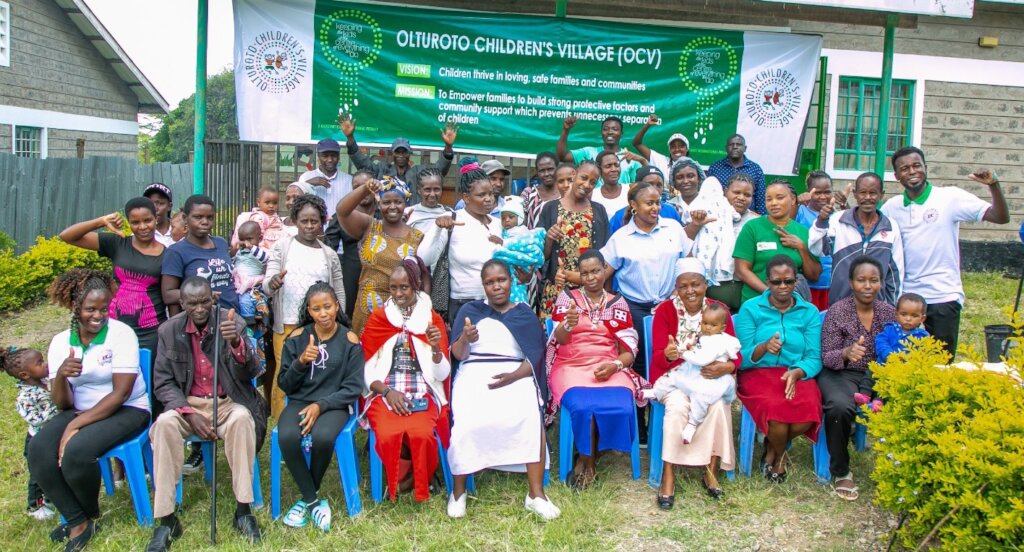
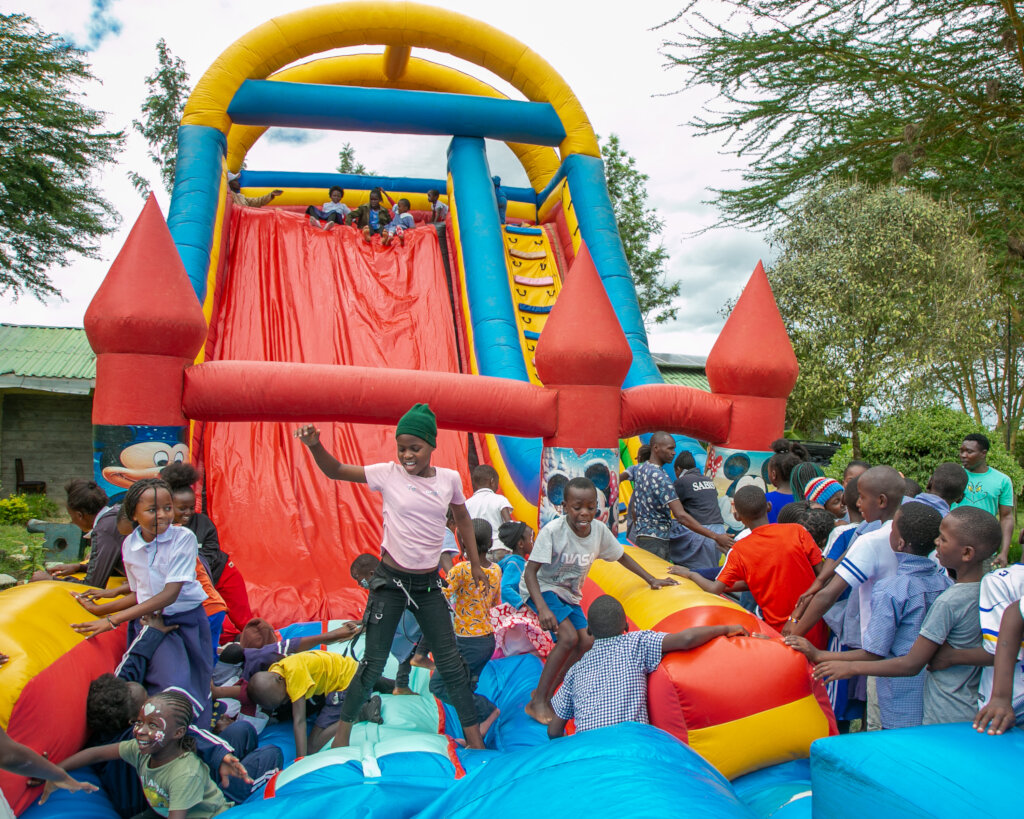
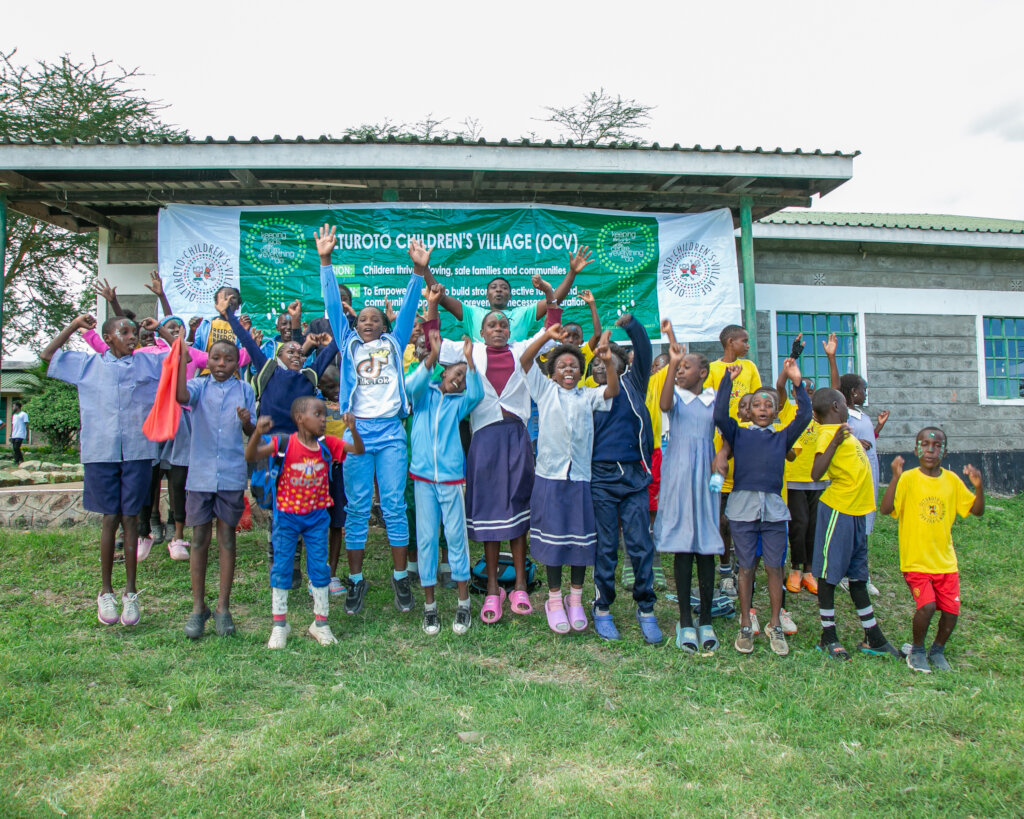
In April, one after-school session was conducted due to the Easter break period when regular programming was temporarily paused. A Fun day and parental engagement activity held on 24th April 2026 reached 106 children (64 enrolled and 42 non-enrolled), with participation from 34 parents and guardians.
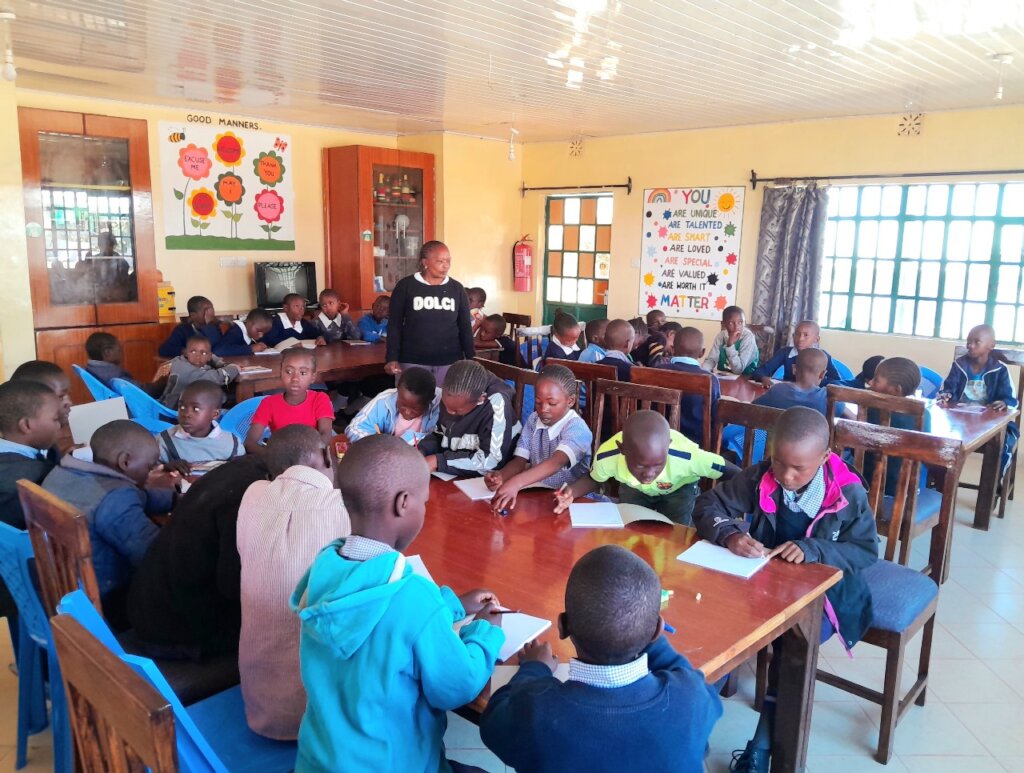
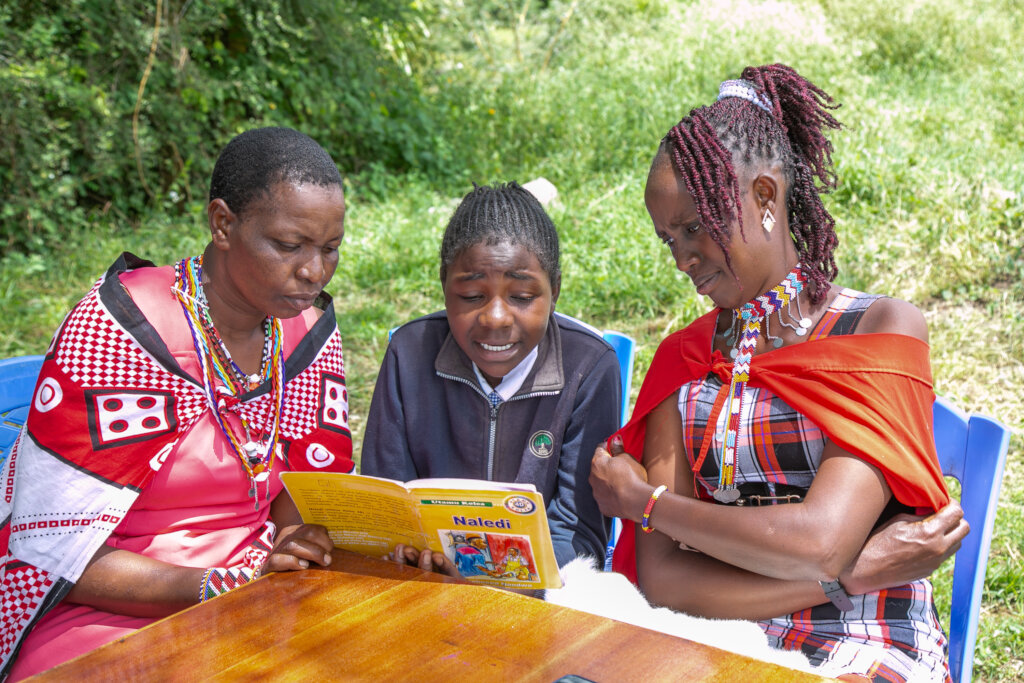
The programme delivered 7 academic support sessions focusing on literacy development, Social Studies, global citizenship, and talent identification. During the April Readathon session, children were grouped according to reading levels and supported to read aloud, strengthen vocabulary, and discuss story content, improving literacy skills, reading confidence, and comprehension. Parents also participated in reading activities and discussions, strengthening parent-child interaction and learning continuity at home. Storybooks continued to be issued regularly to encourage home reading and strengthen independent learning habits.
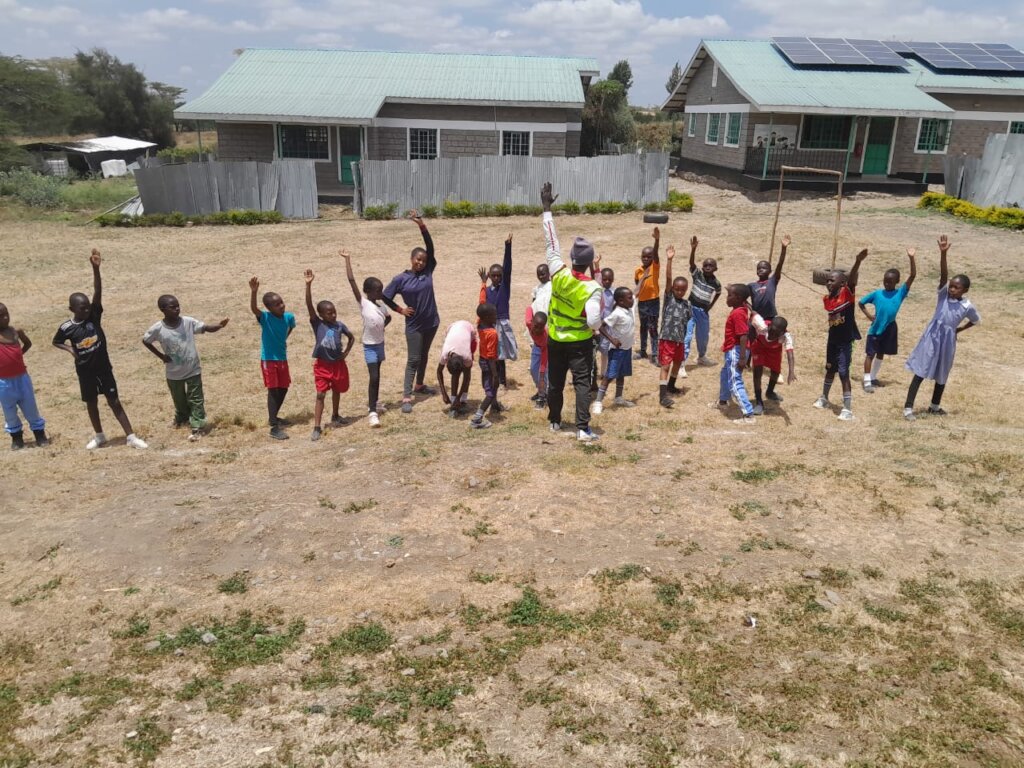
Additionally, life skills and wellbeing sessions focused on personal hygiene, emotional awareness, speaking up and staying safe, adapting to change, and positive decision-making. In April, life skills and wellbeing learning was integrated within Fun day activities, promoting teamwork, confidence, discipline, and positive social interaction among children.
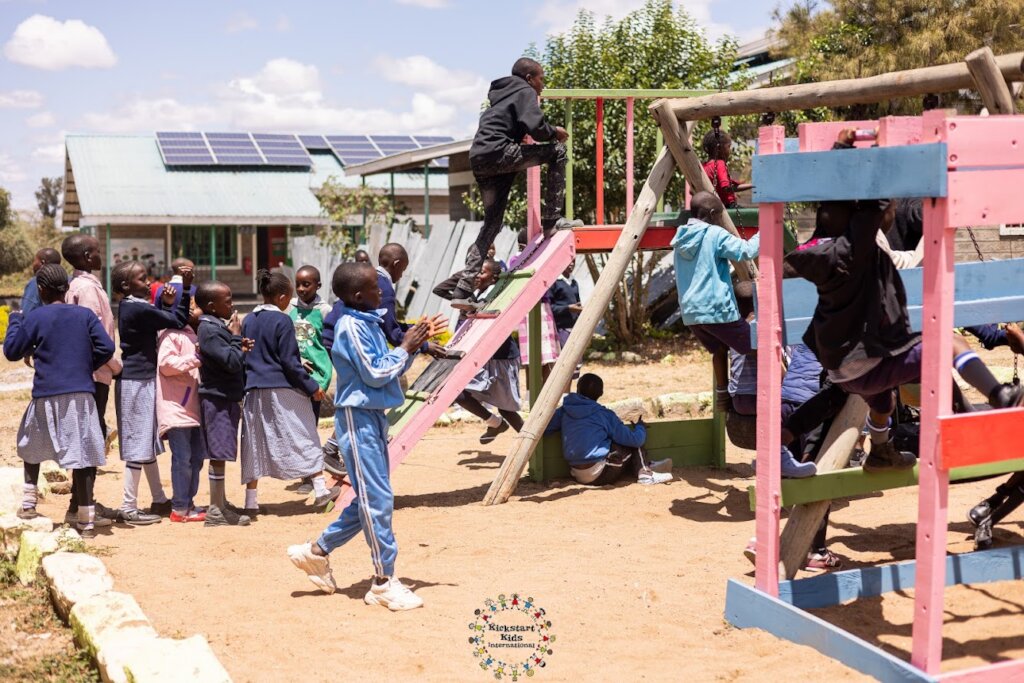
Regular sports, art and craft activities, climate-smart farming, and talent-based engagement further promoted teamwork, creativity, discipline, and self-expression among children. Recreational activities conducted during the April Fun day, including games, face painting, and football matches, created opportunities for social interaction, confidence building, and positive peer engagement. The activity concluded with a cake-cutting ceremony that reinforced unity, appreciation, and shared celebration among children, parents, and staff.
As a result of consistent participation, 8 learners who had previously demonstrated low classroom participation gradually became more confident and actively engaged in group discussions, reading exercises, and peer learning activities.
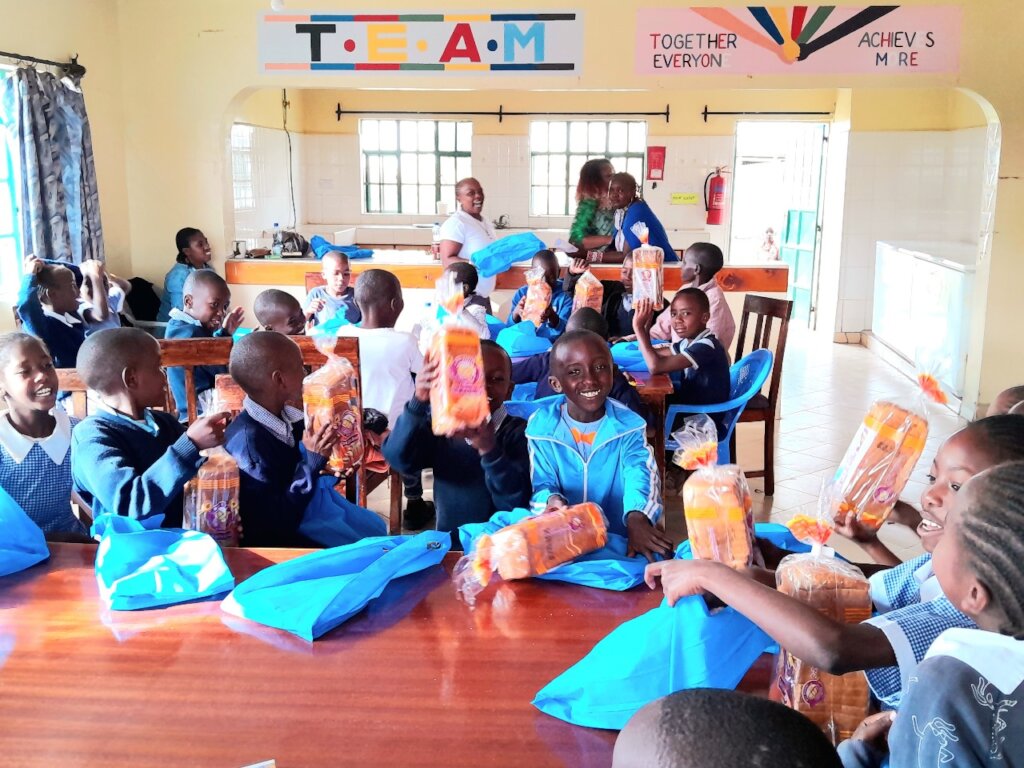
Nutritious meals provided during sessions also supported concentration, participation, and overall wellbeing.
3. PSYCHOSOCIAL SUPPORT AND COUNSELLING
Psychosocial support and counselling remained a key pillar of the programme during the reporting period. A total of 40 psychosocial support sessions and 37 individual counselling and family support cases were managed, focusing on emotional regulation, family relationships, behaviour management, personal safety, coping with change, and emotional wellbeing.
In April, 4 group counselling sessions were conducted, reaching 13 participants and focusing on emotional wellbeing, coping skills, and positive adjustment to everyday challenges. These sessions created safe spaces for children to express themselves, share experiences, and build resilience in managing personal and social challenges.
Additionally, 9 psychosocial support sessions were conducted for children requiring continued emotional and behavioural support, helping them strengthen coping mechanisms, improve self-awareness, and build confidence in handling personal challenges. Furthermore, 4 individual counselling sessions were conducted to provide targeted support and consistent follow-up care for high-need cases within the programme.
The interventions provided children and caregivers with safe spaces to reflect on challenges, strengthen healthy coping strategies, and improve communication within the family environment. The support contributed to improved emotional wellbeing, increased resilience, enhanced confidence, and healthier parent-child relationships.
Several caregivers reported noticeable improvement in communication and interaction with their children following parenting and psychosocial support sessions, with at least 6 caregivers sharing positive feedback on strengthened family relationships and improved understanding within the home environment.
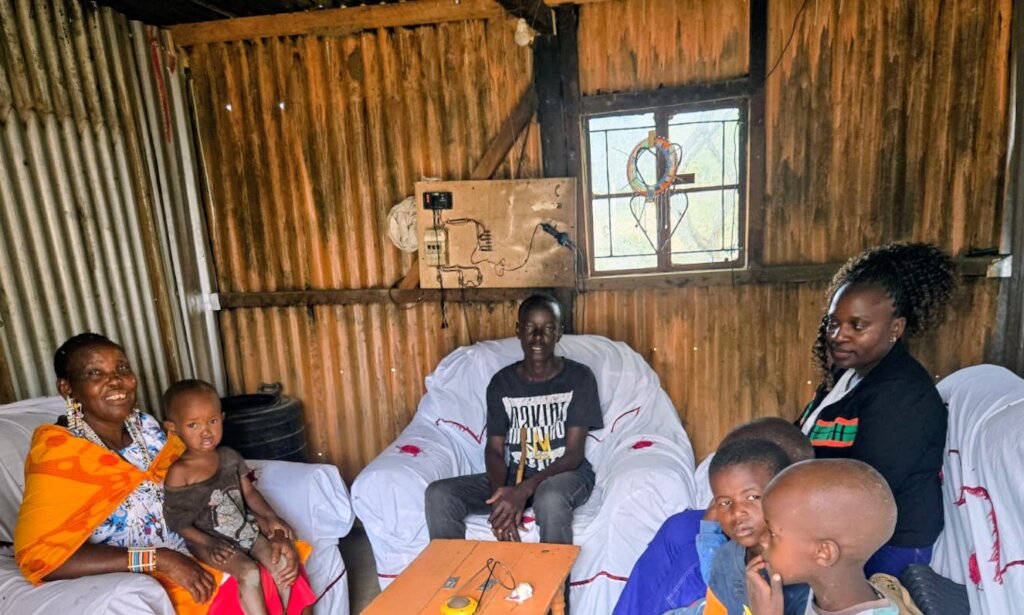
Additionally, 2 child protection cases identified through Community Child Protection Committee engagements were followed up through home visits, assessments, counselling support, and referrals to ensure timely intervention and continued support for affected children and families.
4. FAMILY ASSESSMENTS AND TARGETED SUPPORT
Family assessments and targeted support interventions remained important in identifying and responding to the needs of vulnerable households. A total of 3 family assessments were conducted, providing insight into child wellbeing risks and socio-economic challenges affecting care and protection.
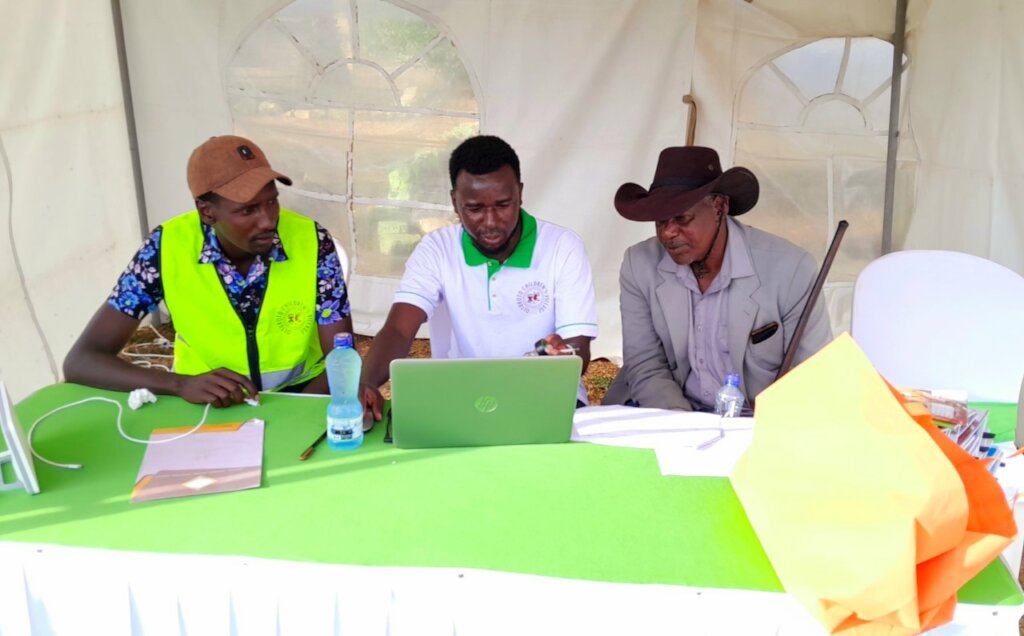
In April, no family assessments were conducted as the Thrive Assessment Tool developed with A Child Hope Foundation (ACHF) remained under review for adaptation to the local community context and programme needs. Ongoing training on the use, adaptation, and scoring of the tool is expected to strengthen future assessments, care planning, and evidence-based support interventions.
Based on assessment findings, follow-up support, guidance, referrals, and monitoring were provided to strengthen family functioning and promote safer home environments. Continued home visits and counselling support also encouraged more open discussions around parenting challenges, school attendance, and children’s emotional wellbeing.
Some caregivers demonstrated improved responsiveness to children’s educational and emotional needs, while affected families showed increased willingness to seek support and engage in child protection interventions.
In April, three families received clothing support through donated materials as part of ongoing efforts to respond to identified household needs within available resources.
5. COMMUNITY CHILD PROTECTION COMMITTEE (CCPC) ENGAGEMENTS
The Community Child Protection Committee continued to play an important role in strengthening community-based safeguarding systems throughout the reporting period. A total of 3 CCPC meetings were conducted with cumulative attendance of 16 members.
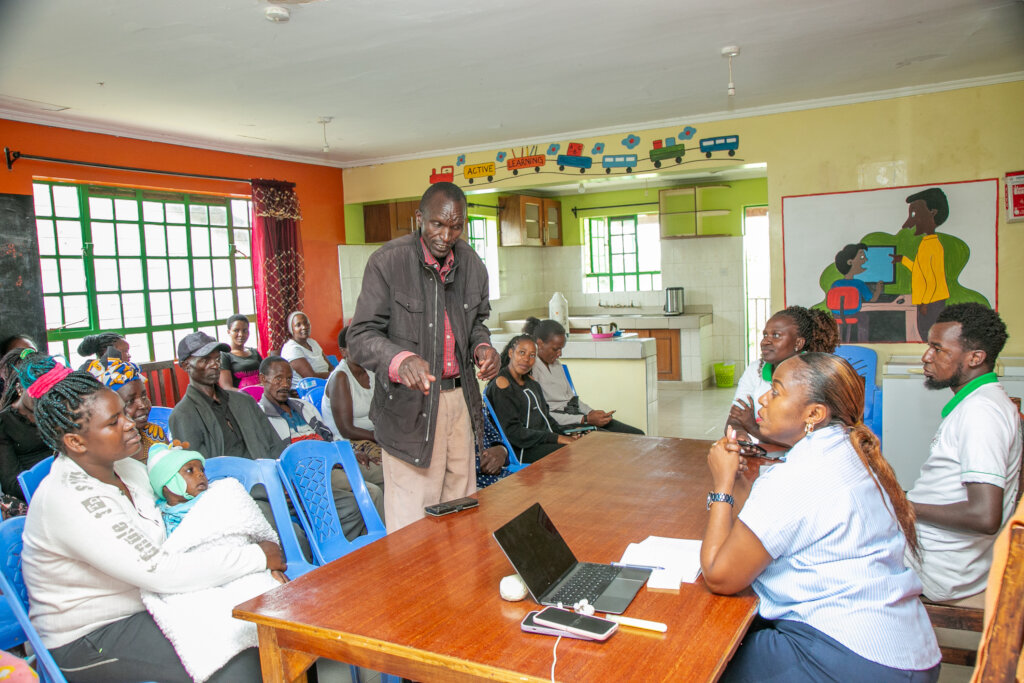
The meetings provided a platform for coordination, review of emerging child protection concerns, case follow-up, and strengthening referral pathways within the community. Discussions focused on early identification of vulnerable children, coordinated response mechanisms, and strengthening collaboration between community structures and service providers.
In April, the scheduled CCPC meeting did not take place due to overlapping community activities affecting member availability. However, informal coordination on child protection issues continued through existing referral mechanisms and follow-up support.
These engagements contributed to improved coordination and more timely response to child protection concerns. Community members also demonstrated increased confidence in reporting child protection issues affecting vulnerable children and families.
6. PARENTAL ENGAGEMENT
Parental engagement remained central to the programme’s holistic approach to child wellbeing and protection. A total of 4 parental meetings and engagement sessions were conducted, creating opportunities for dialogue, shared learning, and collaboration between caregivers and the programme team.
The sessions focused on positive parenting practices, improving communication between parents and children, and strengthening caregiver involvement in children’s education, behaviour, and emotional wellbeing.
In April, a parental engagement session conducted during the Fun day activity reached 34 parents and guardians and focused on positive parenting and child safeguarding. Discussions emphasized non-violent, respectful, and child-centered discipline approaches while encouraging communication, trust-building, and positive reinforcement within the family environment.
Several caregivers reported improved communication with their children and greater confidence in handling behavioural and emotional challenges at home following the parenting discussions and psychosocial support sessions. Parents also demonstrated increased willingness to participate in school follow-up and support children’s learning activities at home.
7. CROSSCUTTING LESSONS & OUTCOMES
Lessons Learned
Outcomes
8. CONCLUSION
The programme continues to make meaningful progress in strengthening child wellbeing through integrated educational support, psychosocial care, life skills development, and family engagement. These interventions contributed to improved learning participation, emotional resilience, social development, and stronger community-based child protection systems.
We sincerely appreciate your continued support and commitment, which remain instrumental in positively impacting the lives of vulnerable children and families within the community.
Moving forward, the programme will continue strengthening integrated child protection, psychosocial support, and educational interventions to ensure children and families access safe, supportive, and empowering environments for growth and development.
Links:
Project reports on GlobalGiving are posted directly to globalgiving.org by Project Leaders as they are completed, generally every 3-4 months. To protect the integrity of these documents, GlobalGiving does not alter them; therefore you may find some language or formatting issues.
If you donate to this project or have donated to this project, you can receive an email when this project posts a report. You can also subscribe for reports without donating.



Support this important cause by creating a personalized fundraising page.
Start a Fundraiser