By Charles McJilton | CEO
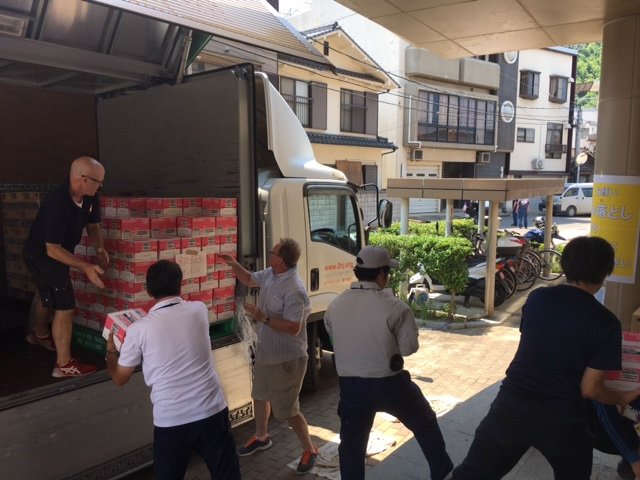
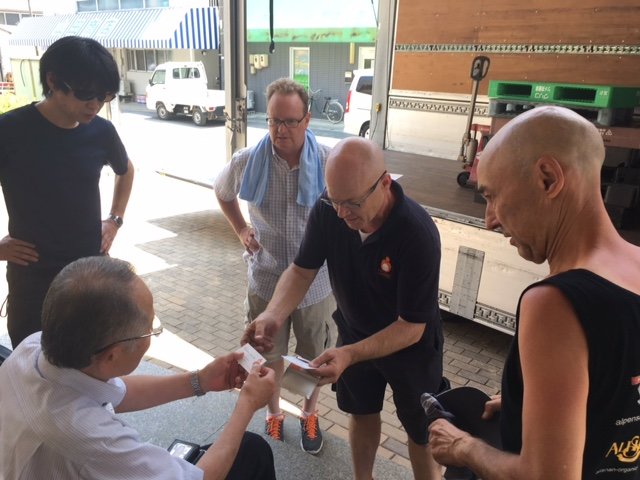
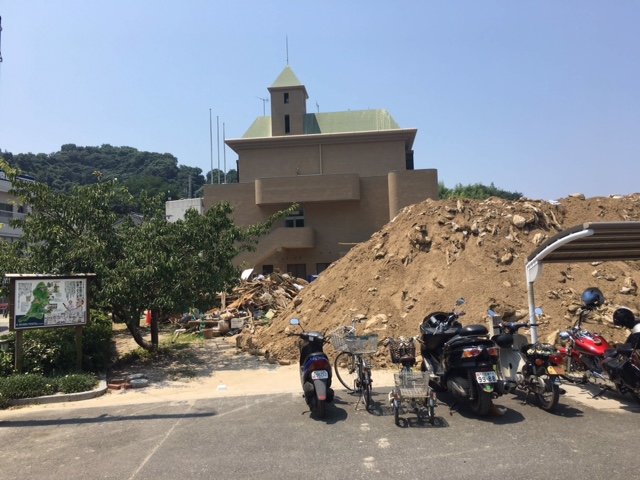
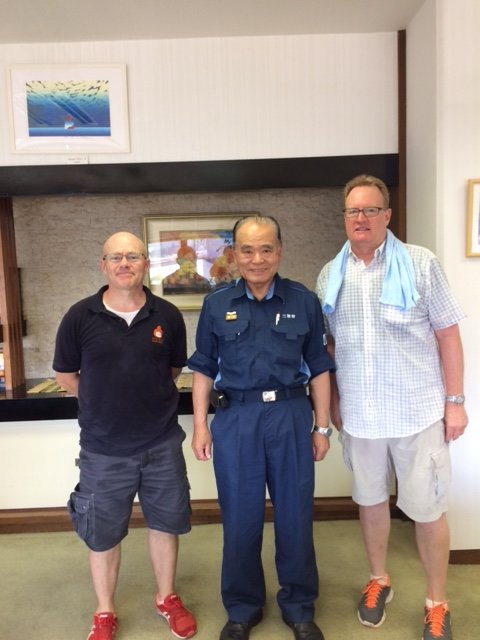
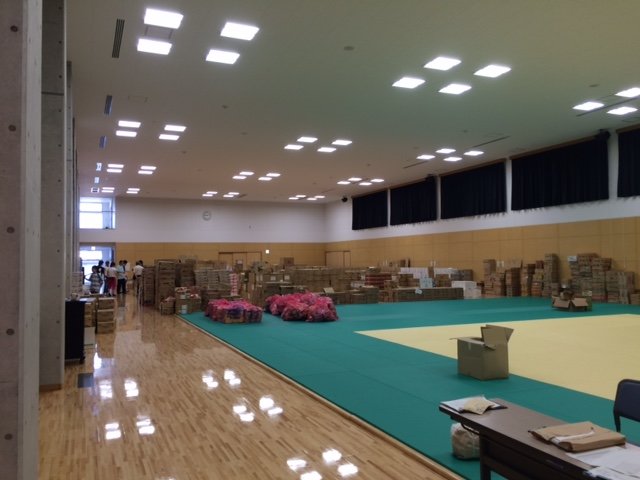
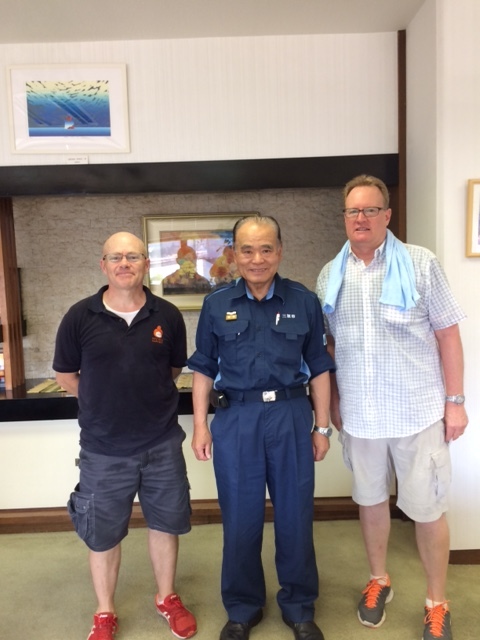
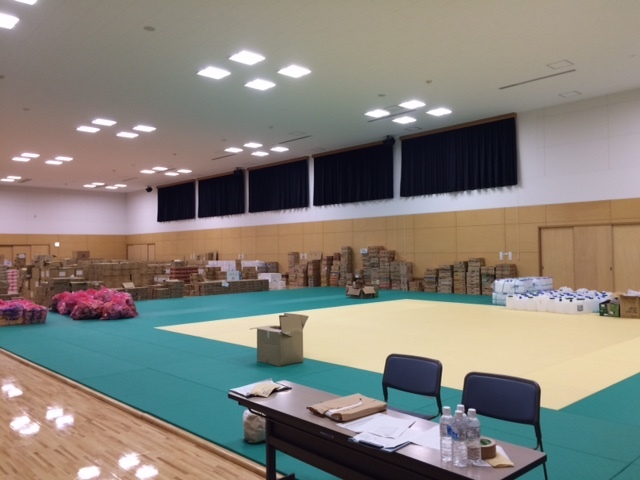
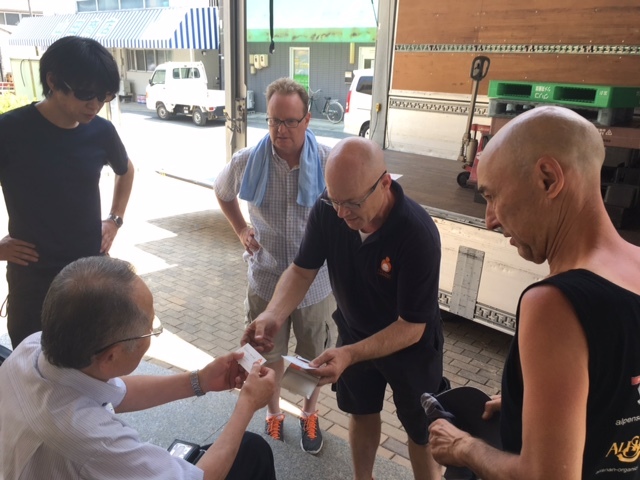
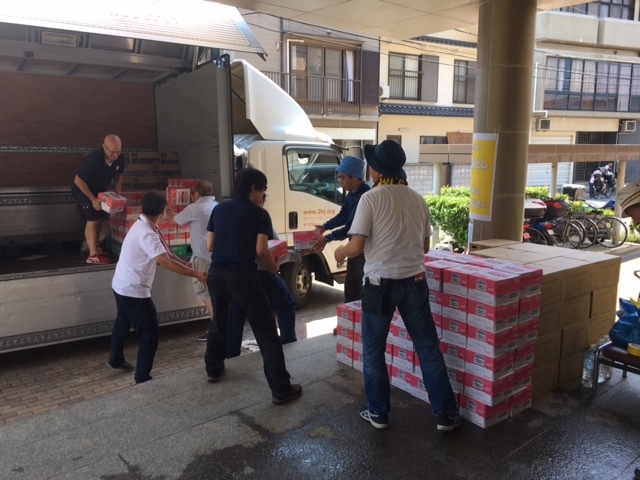
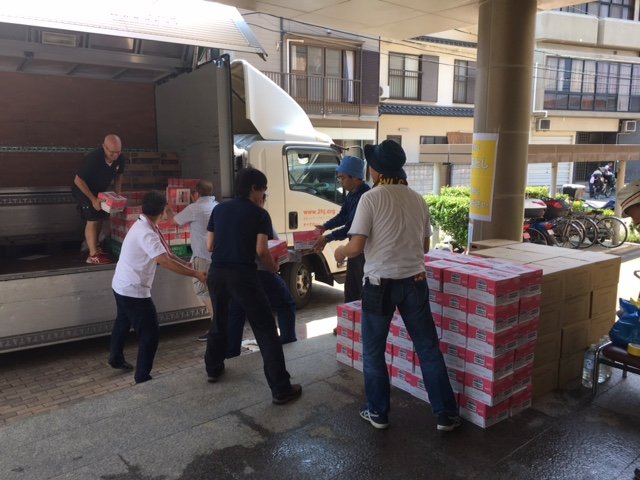
We received a call on July 14ththat the Island of Ninoshima located in Hiroshima City and nearby Mihara City were in dire need of food, water and drinks. Within hours we confirmed what was needed and when it could be delivered. On the morning of July 16thwe delivered 4 tons of aid to these cities. We were able to meet the mayor of Mihara and the local official in charge of Ninoshima. It was thanks to the support of Global Giving that we were able to act quickly knowing that our supporters had a platform they could safely get funds to us.
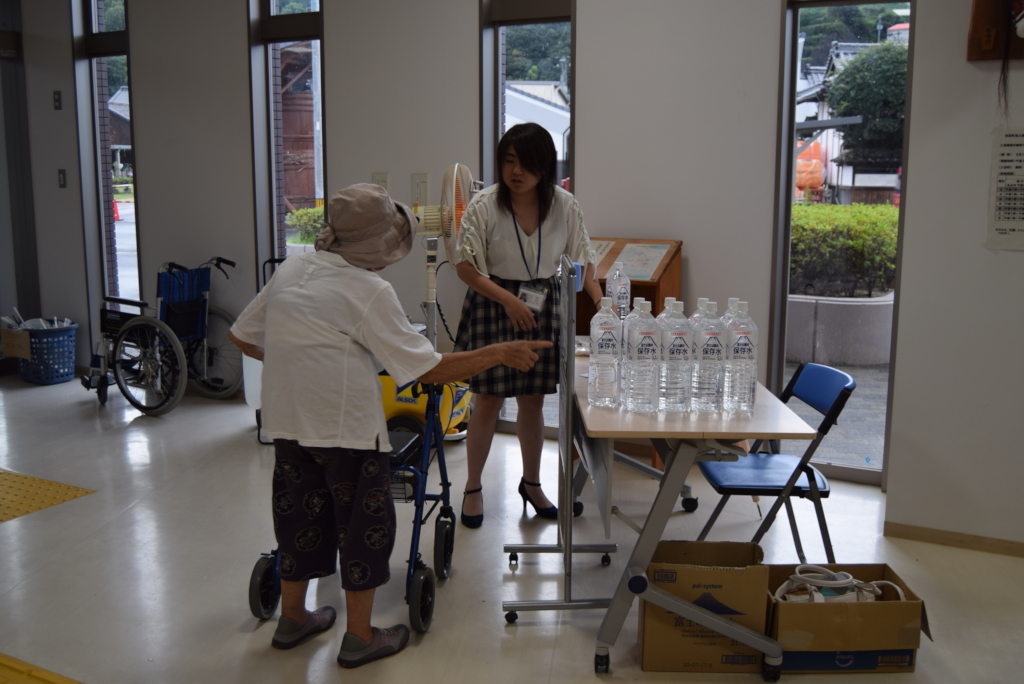
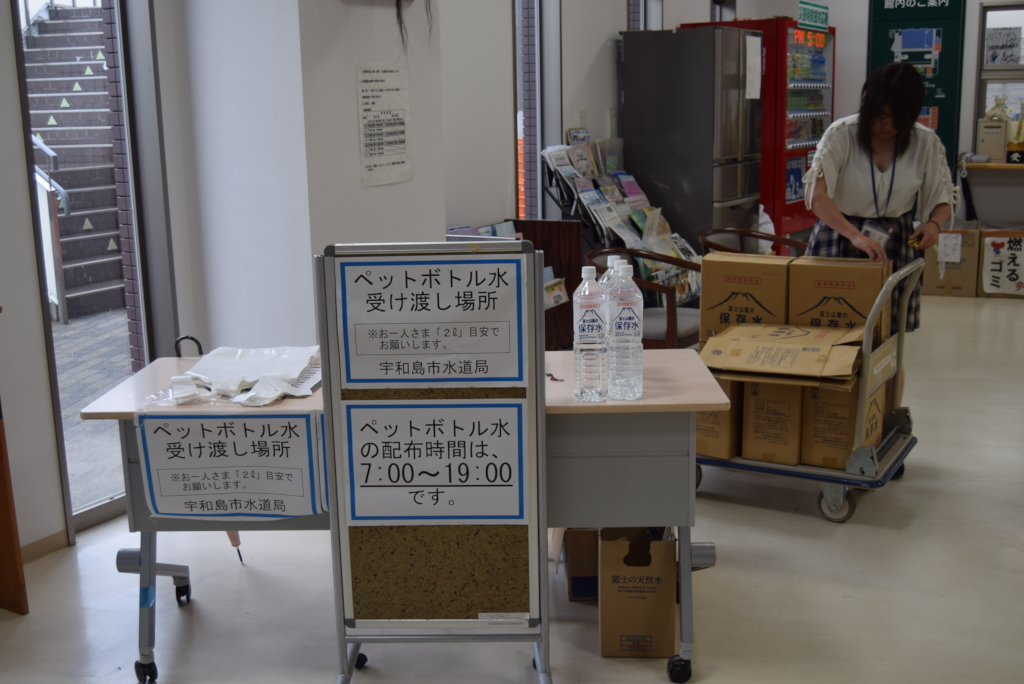
We continued to provide aid to disaster areas in Hiroshima and Okayama prefectures. Our 4-ton truck has made eight trips to the region delivering food, drinks, and water to those affected by the flooding. We worked with NGOs, churches, and local government authorities to get the right aid to the right people at the right time. While most roads were quickly reopened, infrastructure supporting sewage and fresh water were heavily damaged and remained not fully functionally until only recently. Those affected by the floods looked to our drinks and water for support.
The NGOs, churches and local government officials used our aid to facilitate communication with those whose houses were damaged, but had chosen to stay rather than seek housing elsewhere. While the reasons for staying vary with each household, it did create challenges and concerns for those responding to the flooding. The first concern was the safety of those still living in their damaged homes. Typhoons and heavy rain continued hit the region throughout summer and already saturated area could not absorb more. This led to an increase risk of sudden flooding. The second concern was the heat and humidity. While people were doing their best to remove debris from their houses, staying hydrated became a continual challenge. Lastly, there was concern that survivors may feel isolated and distraught over the series of flooding that had occurred. Many of those affected by the flooding are elderly and feel especially vulnerable. Our aid provided a reason for those groups to follow up with households they deemed at risk.
Funds were also used to move 10,000 portions of rice from Fukushima directly to the disaster areas as well as our warehouse in Tokyo. We use the rice when we send care packages to households in the disaster region. This is an interesting connection because Fukushima was badly hit during the triple disasters of 2011. Through the Global Giving funds, we were able to assist those in Fukushima to provide aid to those Western Japan. In a sense, to help them give back to those who assisted them in 2011.
Phase 1 ended on September 30th. The focus of this phase was to provide large amounts of aid to NGOs, churches, and local governments for further distribution to shelters, temporary housing, and those who have stayed their home. Phase 2 started on October 1stand will run through March 2019.
Links:
Project reports on GlobalGiving are posted directly to globalgiving.org by Project Leaders as they are completed, generally every 3-4 months. To protect the integrity of these documents, GlobalGiving does not alter them; therefore you may find some language or formatting issues.
If you donate to this project or have donated to this project, you can receive an email when this project posts a report. You can also subscribe for reports without donating.



Support this important cause by creating a personalized fundraising page.
Start a Fundraiser