By TRISHA MANDAP | Senior Resource Mobilization Officer
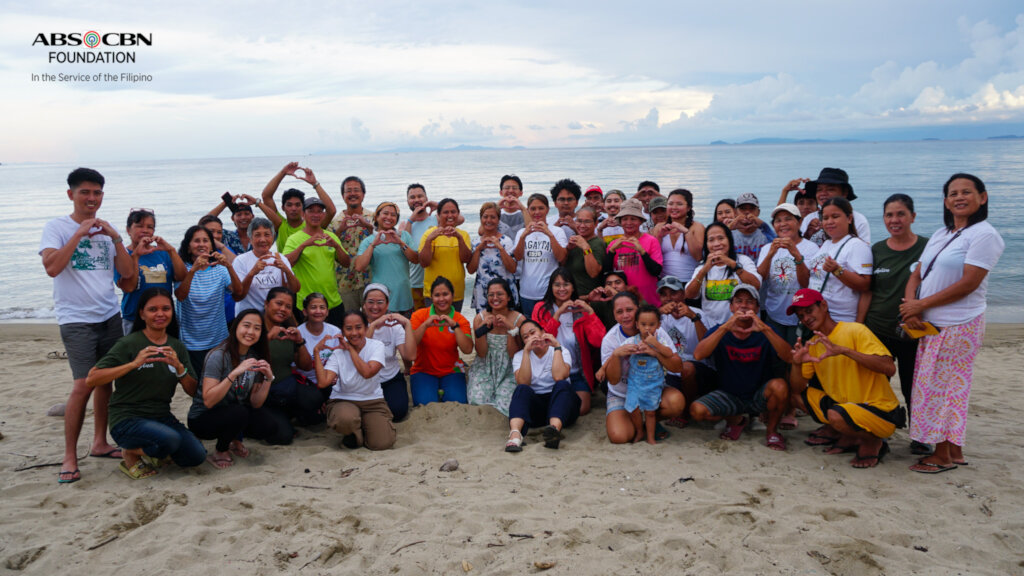
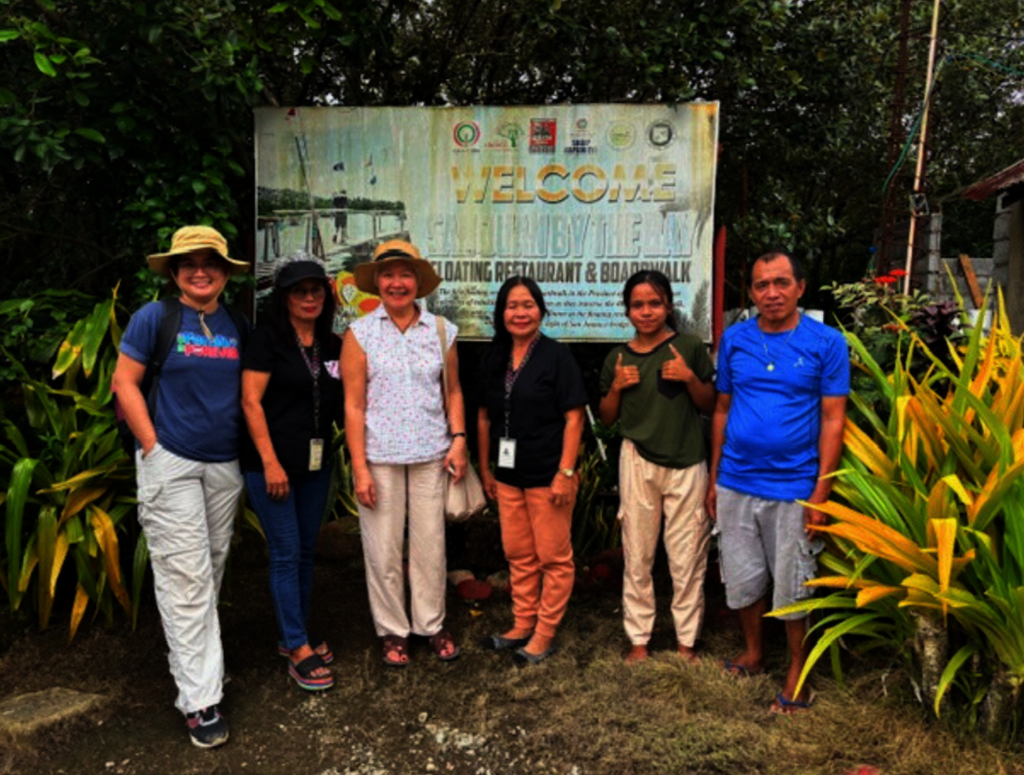
ABS-CBN Foundation International, in partnership with ABS-CBN Foundation Inc., recently completed another cycle of the Journey of the Heart (JOH), an immersive experience designed to foster meaningful connections between participants and local communities championing social missions on environmental stewardship and economic development. This year’s program was held in Lobo, Batangas, a coastal town located in the Verde Island Passage—recognized as the center of the world’s marine biodiversity.
The program was designed to help global Filipinos, especially the youth and educators, reconnect with their Filipino identity while gaining firsthand insight into the rich natural ecosystems, biodiversity, and the communities that protect and depend on these resources.
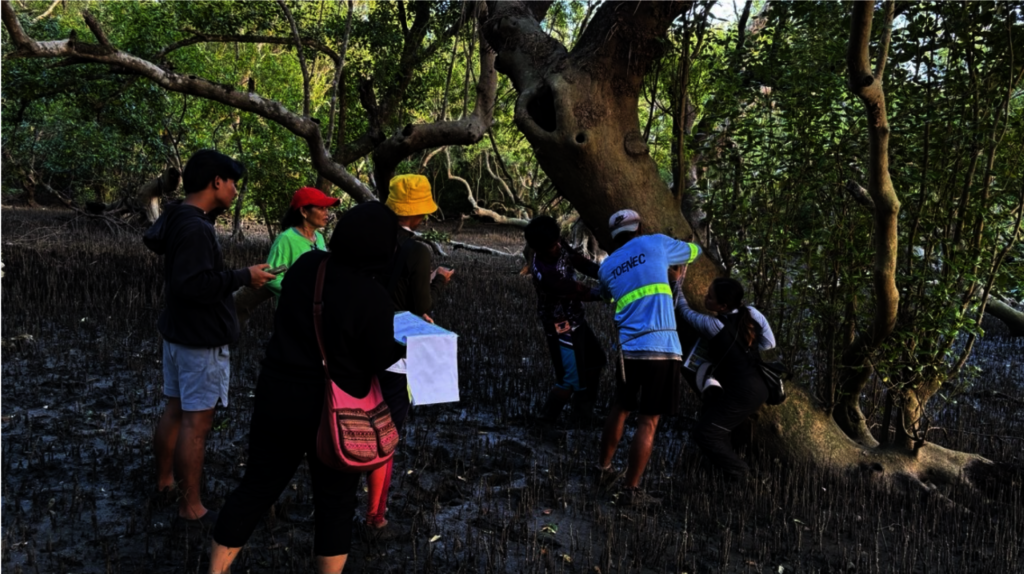
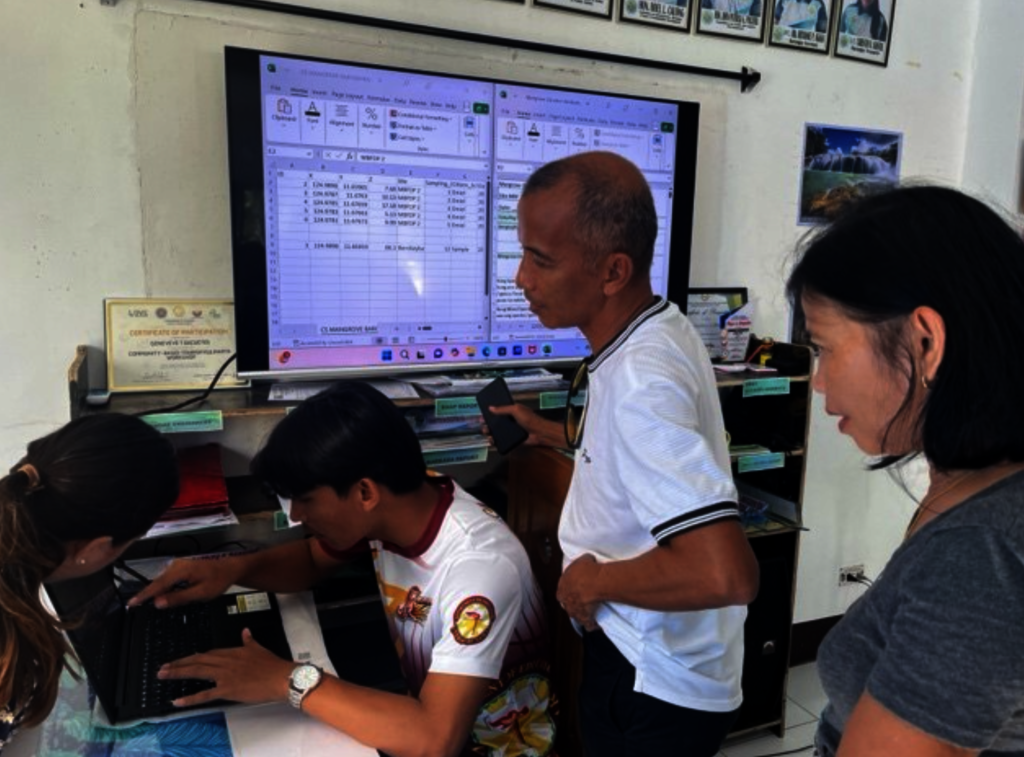
Participants engaged in citizen science efforts, including hands-on coral reef and mangrove monitoring, a solid waste management workshop, and eco-friendly practices shared by local residents. They also stayed with host families, allowing them to experience daily life in a coastal barangay. One of the highlights was the Earth Warrior Games, a friendly community activity that fostered teamwork and celebrated the Filipino spirit of bayanihan.
“I came here expecting to learn, but I leave with a stronger responsibility to act,” said Xavier Jose Macalalad, a UC Berkeley student and member of the Filipino Association of Scientists, Architects, and Engineers.
“Being on the ground changed how I see environmental justice. It’s not just science—it’s cultural, political, and deeply human,” added Reese Mendoza, student delegate.
“What inspired me most was how people here protect their home with so little. I want to do my part, starting with raising awareness and bringing resources back,” said Jamielle Angelique Leones, also a student participant.
The timing of this year’s JOH was especially significant. The Philippines is currently facing major environmental threats, including stronger typhoons, El Niño-induced droughts, and ongoing damage to its coasts and marine ecosystems. These issues disproportionately affect the most vulnerable families.
Reana Cuevas, Project Development Officer of ABS-CBN Foundation Galing Pamayanan, emphasized the program’s deeper purpose: “This is not just immersion; it’s activation. We’re cultivating partners, not just volunteers. And now, more than ever, we need more hearts and hands on the ground.”
Through Journey of the Heart, ABS-CBN Foundation aims to inspire and build a strong network of Filipino advocates—individuals who will help advance the Foundation’s mission to protect the environment, support children’s welfare, build safer communities, promote education, and help families achieve sustainable livelihoods.
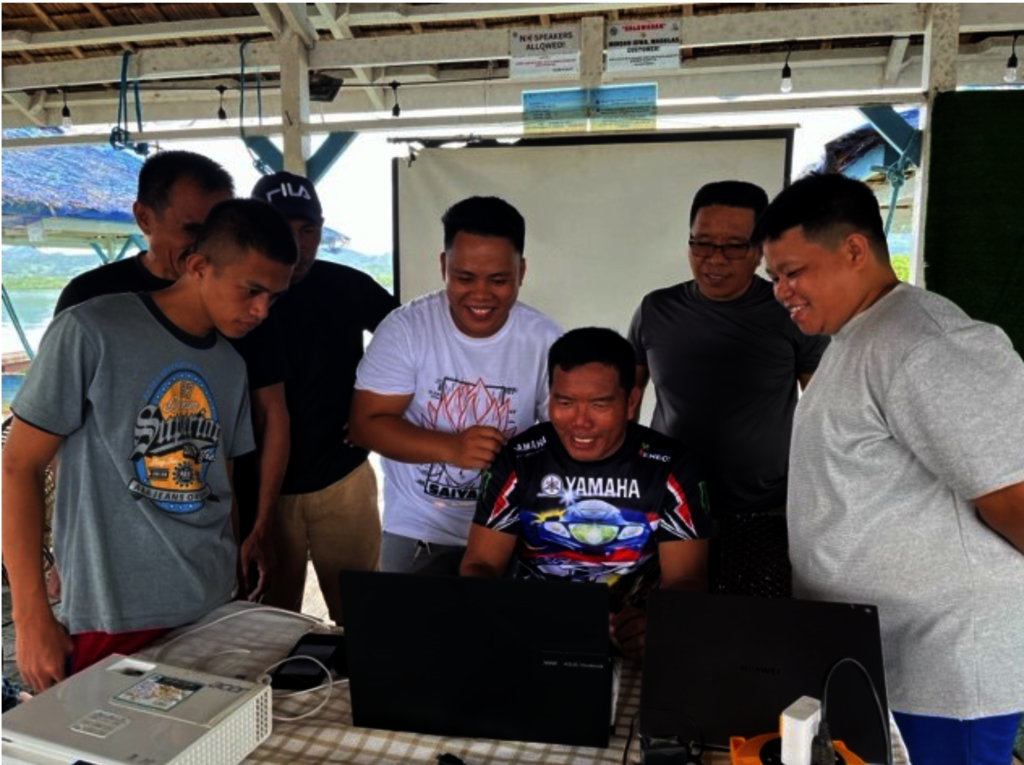
The program also reflects the Foundation’s long-term commitment to working alongside communities—not just through short-term aid, but by understanding their challenges, collecting meaningful data, and co-creating practical, community-led solutions. This kind of heart-driven leadership is especially vital as the climate crisis continues to escalate.
This event was made possible by ABS-CBN Foundation International, Bantay Dagat, Olo-olo Seaside Workers Association (OSWA), Samahan ng Maliliit na Mangingisda sa Pangangalaga ng Kalikasan sa Brgy. Lagadlarin (SMMPKBL), and the Local Government Unit of Lobo.
By TRISHA MANDAP | Resource Mobilization Officer
By TRISHA MANDAP | Resource Mobilization Officer
Project reports on GlobalGiving are posted directly to globalgiving.org by Project Leaders as they are completed, generally every 3-4 months. To protect the integrity of these documents, GlobalGiving does not alter them; therefore you may find some language or formatting issues.
If you donate to this project or have donated to this project, you can receive an email when this project posts a report. You can also subscribe for reports without donating.



Support this important cause by creating a personalized fundraising page.
Start a Fundraiser