By Zachery Onyango | Project Leader
Dear Donor,
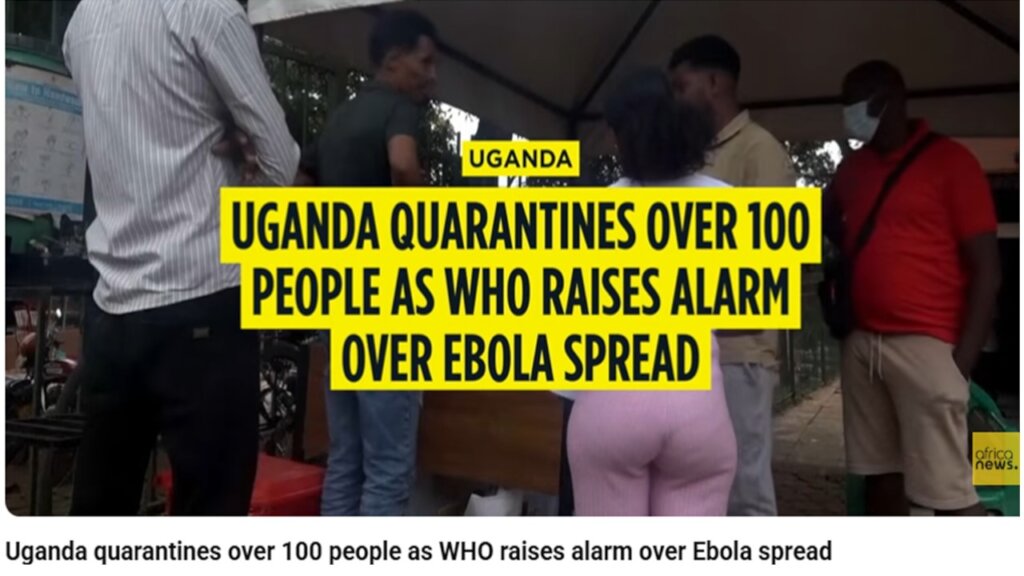
The latest Ebola figures from the Democratic Republic of Congo underline the importance of infection prevention and control. WHO reports 7,258 confirmed cases and 3,510 deaths as of 13 September, with cases detected across 62 health zones in seven provinces.
Development Alert continues promoting practical infection-prevention measures within communities, schools and other public settings.
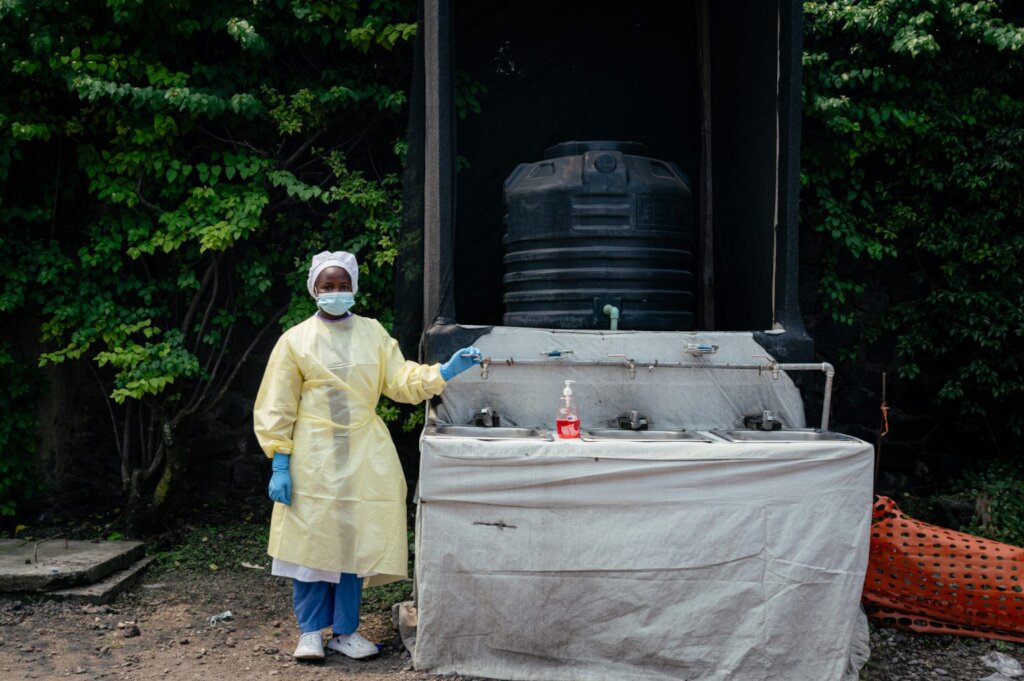
Our activities emphasize regular handwashing, appropriate hygiene, maintaining clean shared spaces, responsible health-seeking behavior and following instructions from qualified health authorities. These measures are important not only during an Ebola outbreak but also for reducing the spread of other infectious diseases.
We recognize that prevention cannot depend exclusively on hospitals and treatment centers. People spend most of their time in households, schools, markets, workplaces, places of worship and transport settings. Preparedness must therefore extend into those environments.
We are engaging community leaders and volunteers to promote practical health messages and encourage communities to maintain basic hygiene facilities. In schools, teachers can reinforce handwashing and hygiene behavior among children, who can then share these practices with their families.
We are also paying attention to transport communities. Boda boda riders, drivers and traders interact with people from different locations every day and can help circulate accurate public-health information.
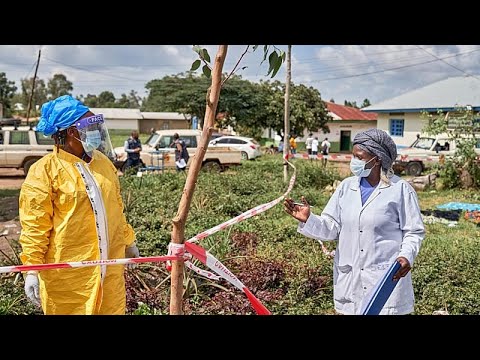
Healthcare-worker protection remains another important pillar. Development Alert promotes cooperation with trained health personnel and encourages communities not to expose volunteers or untrained individuals to suspected Ebola cases.
WHO reports that the official response continues to include infection prevention and control, laboratory testing, clinical care, community engagement and logistics.
Our role is to reinforce these efforts at grassroots level.
Your support helps make prevention practical—through knowledge, hygiene, community engagement and stronger links between rural households and health services.
Project reports on GlobalGiving are posted directly to globalgiving.org by Project Leaders as they are completed, generally every 3-4 months. To protect the integrity of these documents, GlobalGiving does not alter them; therefore you may find some language or formatting issues.
If you donate to this project or have donated to this project, you can receive an email when this project posts a report. You can also subscribe for reports without donating.



Support this important cause by creating a personalized fundraising page.
Start a Fundraiser