By Zachery Onyango | Project Leader
Dear Donor,
The latest Ebola situation demonstrates why emergency preparedness must continue even after transmission is interrupted in individual countries.
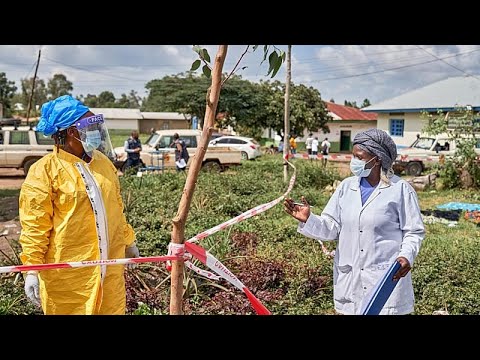
As of 12 September, the DRC had reported 7,200 confirmed cases and 3,475 deaths, with 923 patients hospitalized in isolation. The outbreak has continued expanding into new areas, creating additional challenges for surveillance, treatment, contact tracing and community engagement.
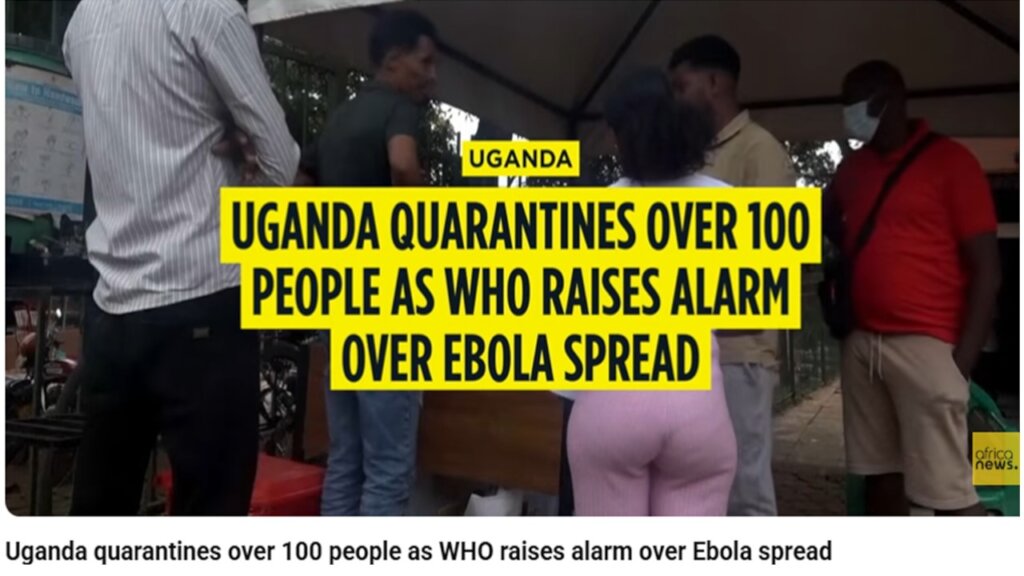
Uganda, meanwhile, has successfully ended its Ebola outbreak after completing the required 42-day monitoring period without a new confirmed case. This achievement provides valuable lessons that can be incorporated into long-term preparedness.
Development Alert is working to turn these lessons into lasting community capacity.
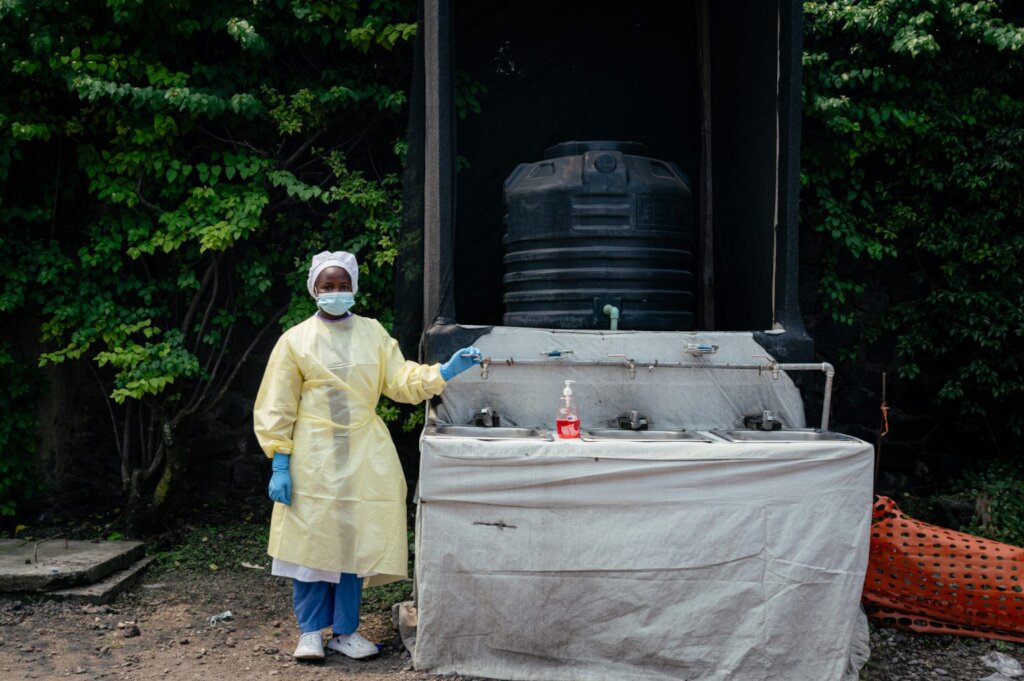
This includes strengthening community surveillance, health education, hygiene promotion, school preparedness, risk communication, referral awareness, support for vulnerable families, engagement with transport communities and coordination with local health structures.
We also recognize the importance of preparedness supplies and logistics. Communities need access to basic prevention materials, communication resources and practical mechanisms for reaching remote areas.
Our work emphasizes partnership rather than duplication. Development Alert supports community-level preparedness while encouraging residents to cooperate with government health authorities and professional response teams.
The current outbreak also highlights the importance of flexibility. Response measures must adapt as transmission moves geographically, communities change their behavior and new operational challenges emerge.
Long-term preparedness therefore means maintaining trained volunteers, trusted communication networks, community relationships and practical response capacity between outbreaks—not rebuilding everything from zero when another emergency begins.
Development Alert's vision is to help communities become more resilient to Ebola and other emerging health threats.
The goal is not simply to respond better to the current crisis. It is to ensure that communities are stronger, better informed and better prepared for whatever health emergency comes next.
Project reports on GlobalGiving are posted directly to globalgiving.org by Project Leaders as they are completed, generally every 3-4 months. To protect the integrity of these documents, GlobalGiving does not alter them; therefore you may find some language or formatting issues.
If you donate to this project or have donated to this project, you can receive an email when this project posts a report. You can also subscribe for reports without donating.



Support this important cause by creating a personalized fundraising page.
Start a Fundraiser