By Zachery Onyango | Project Leader
Dear Donor,
Ebola outbreaks affect more than patients. They can disrupt household income, restrict access to services, interrupt education and increase anxiety among families already facing poverty.
The continuing DRC outbreak, with 7,200 confirmed cases and 3,475 deaths reported by 12 September, is placing enormous pressure on affected communities.
Development Alert's community preparedness approach recognizes the need to consider vulnerable households alongside disease-control measures.
Our work focuses on ensuring that health information reaches people who may otherwise be overlooked, including elderly people, children, people living with disabilities, low-income households and families in remote rural communities.
We encourage community volunteers and leaders to identify households that may have difficulty accessing health information or services and to connect them with appropriate support structures.
Food and basic-needs concerns are also important during health emergencies. A family experiencing quarantine, illness or disruption to livelihood may struggle to obtain necessities. Humanitarian response therefore needs to consider both disease prevention and the wellbeing of affected households.
We also promote psychosocial support through compassionate community engagement. Fear, grief and stigma can have lasting effects, particularly on children and families who lose loved ones.
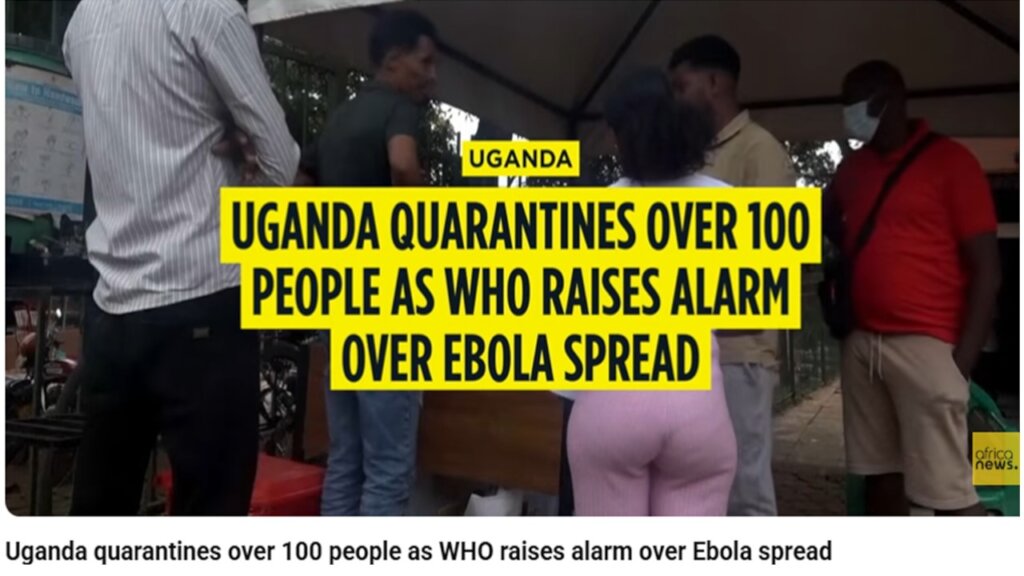
Our preparedness activities encourage communities to support rather than isolate affected families and to follow public-health guidance without discrimination.
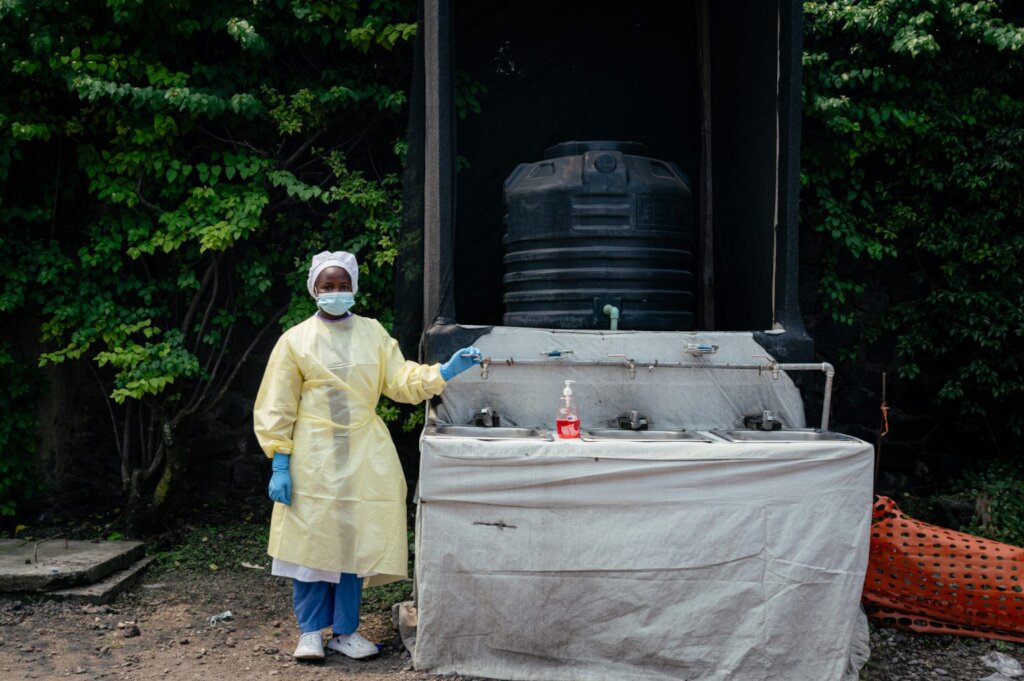
At the same time, Development Alert continues promoting hygiene, early reporting and appropriate referral so that vulnerable families are protected from preventable exposure.
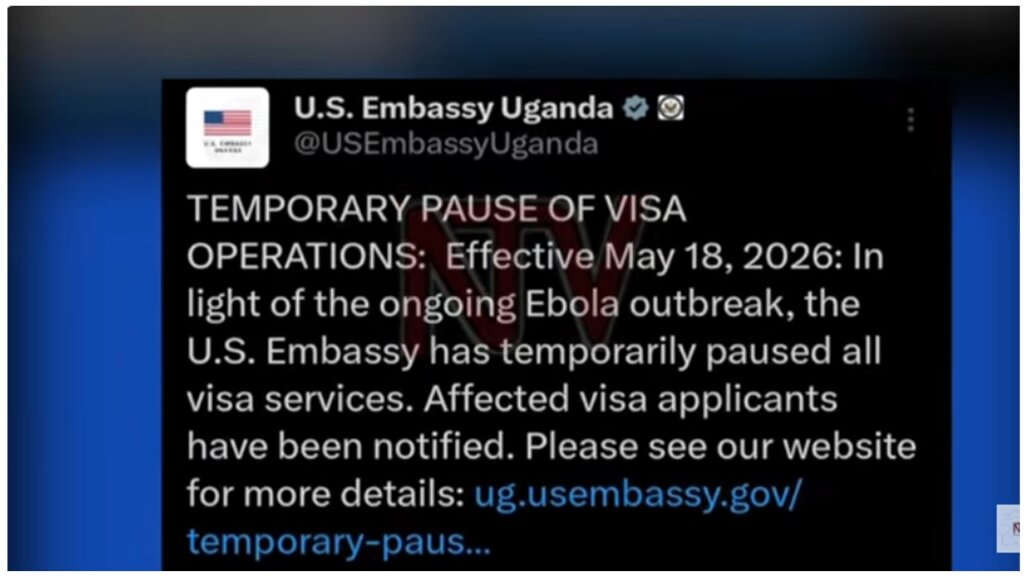
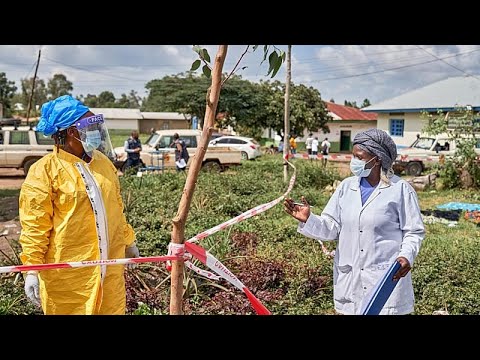
The DRC response is facing major operational challenges, including shortages of trained staff, treatment capacity and funding.
This makes community solidarity increasingly important.
Your support helps Development Alert keep the human needs of vulnerable families at the center of epidemic preparedness—because an effective Ebola response must protect both lives and dignity.
Project reports on GlobalGiving are posted directly to globalgiving.org by Project Leaders as they are completed, generally every 3-4 months. To protect the integrity of these documents, GlobalGiving does not alter them; therefore you may find some language or formatting issues.
If you donate to this project or have donated to this project, you can receive an email when this project posts a report. You can also subscribe for reports without donating.



Support this important cause by creating a personalized fundraising page.
Start a Fundraiser