By Zachery Onyango | Project Leader
Dear Donor,
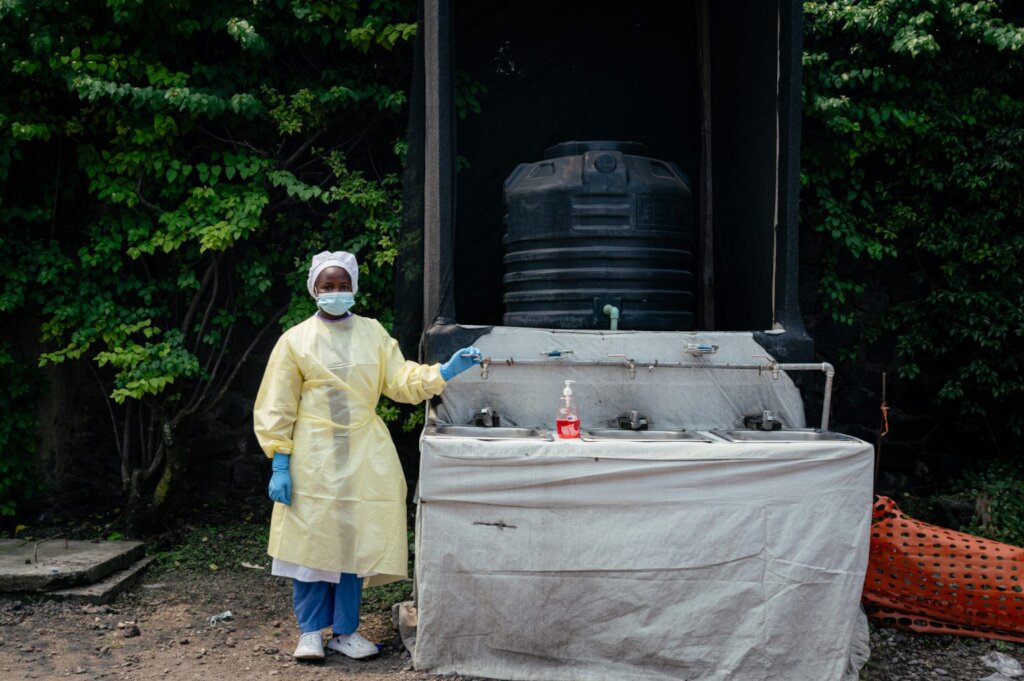
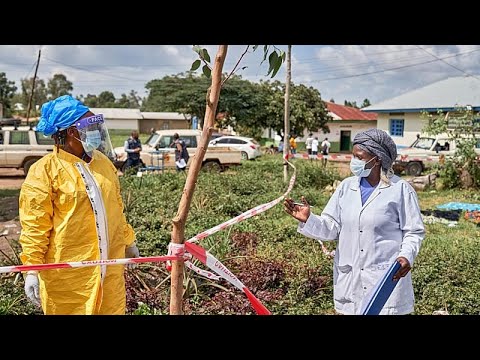
Healthcare workers and community responders are among the most important people in any Ebola response. They are also among those who can face significant exposure risks when infection-prevention measures, equipment, training and operational support are inadequate.
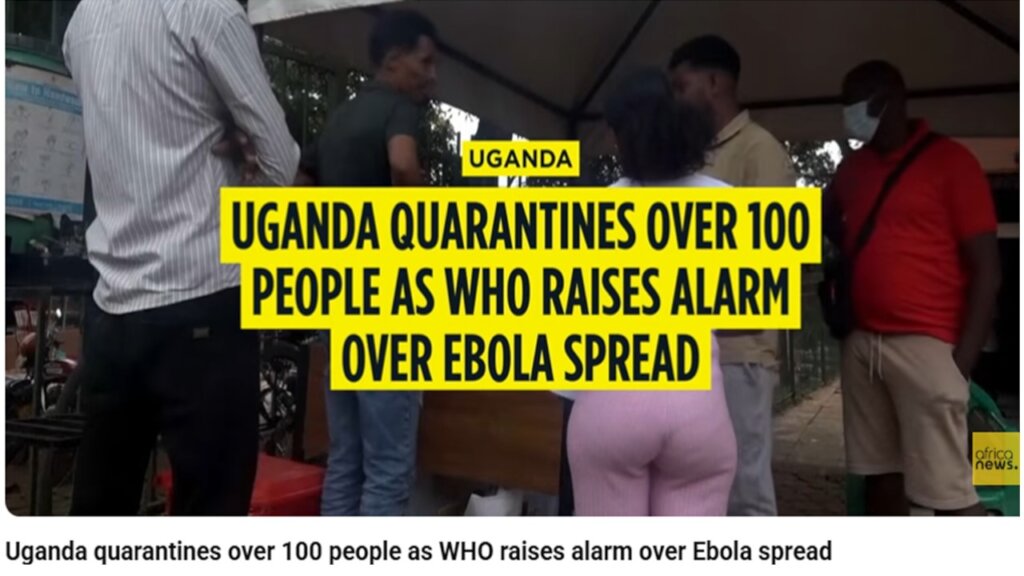
The latest Ebola situation in the Democratic Republic of Congo underscores the enormous pressure facing the response. More than 7,200 confirmed cases and 3,475 deaths had been reported by 12 September, while hundreds of patients remained in isolation.
Development Alert continues emphasizing the protection of frontline responders through awareness, infection-prevention education and community cooperation.
Our preparedness work promotes safe interaction with suspected cases, appropriate referral of people who may be ill, accurate communication and respect for established health protocols.
We also recognize the importance of protecting community volunteers. Volunteers often become the bridge between formal health systems and remote households. They may help distribute information, mobilize communities, identify concerns and encourage families to seek care.
For this reason, we emphasize that volunteers should work within appropriate guidance and should never take unnecessary risks by attempting to handle suspected cases themselves.
We also support community awareness around stigma. Healthcare workers, survivors and families affected by Ebola can face discrimination and fear. Such stigma can discourage people from seeking care or sharing information with health authorities.
WHO has warned that the DRC response is facing shortages of trained personnel and operational resources, making the protection and support of existing responders even more important.
Development Alert believes that protecting responders is ultimately about protecting entire communities.
When health workers, volunteers and community leaders are safer and better supported, they can serve communities more effectively—and help prevent fear from becoming another driver of transmission.
Project reports on GlobalGiving are posted directly to globalgiving.org by Project Leaders as they are completed, generally every 3-4 months. To protect the integrity of these documents, GlobalGiving does not alter them; therefore you may find some language or formatting issues.
If you donate to this project or have donated to this project, you can receive an email when this project posts a report. You can also subscribe for reports without donating.



Support this important cause by creating a personalized fundraising page.
Start a Fundraiser