By Zachery Onyango | Project Leader
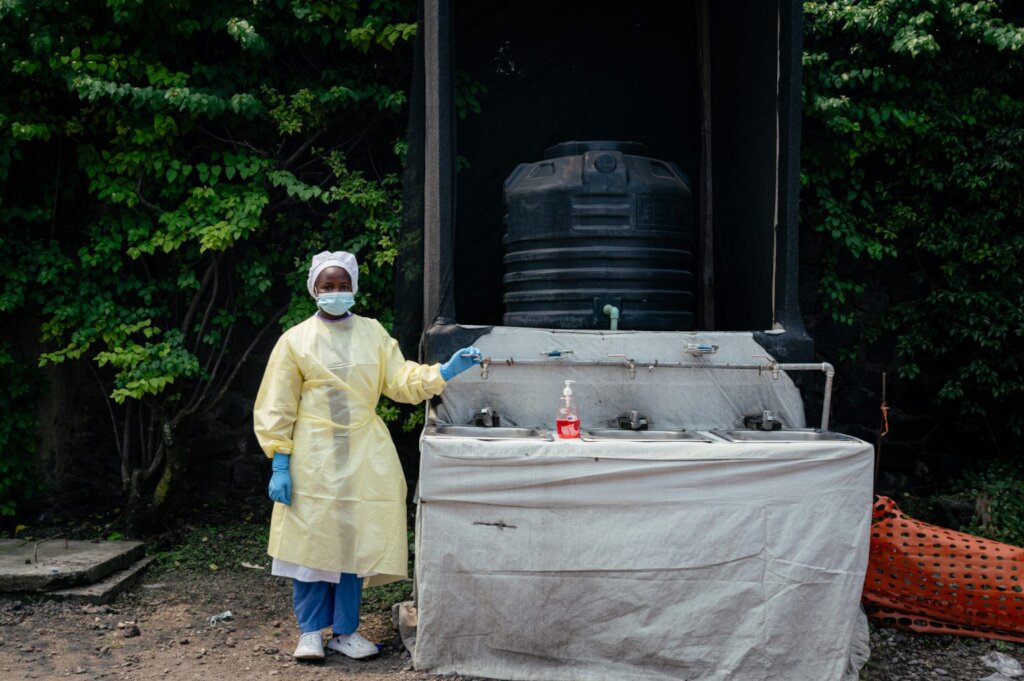
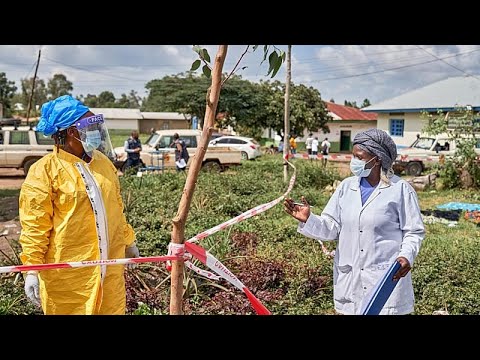
The continuing Ebola emergency in the Democratic Republic of Congo demonstrates that disease outbreaks require sustained investment long after the first emergency response begins. The latest reporting indicates that more than 6,000 people have been infected and 3,175 have died. WHO has warned that shortages of trained health workers, operational partners and funding are hampering the response.
These challenges reinforce Development Alert’s commitment to community-led preparedness.
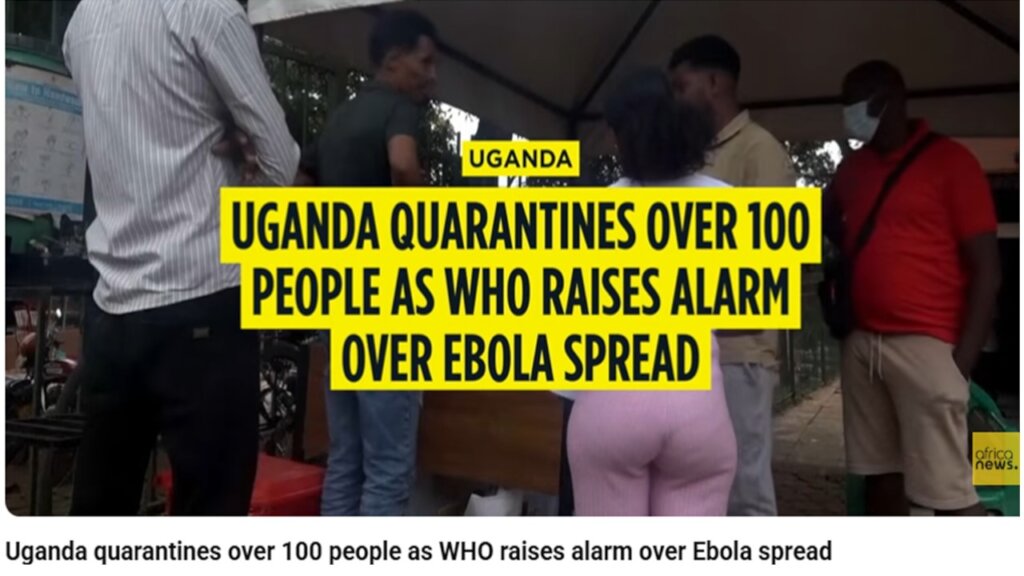
Uganda has successfully completed its Ebola response and remains Ebola-free after recording 20 confirmed cases. This achievement demonstrates that strong community engagement can complement national health systems and contribute to rapid interruption of transmission.
Development Alert continues building on the lessons learned from Uganda’s response by supporting grassroots health awareness, early reporting, hygiene promotion and community surveillance.
Our work recognizes that communities are not simply recipients of emergency assistance. They are active partners. Local leaders understand their communities, volunteers can identify concerns early, teachers can reach children and families, transport workers connect multiple locations, and religious leaders can communicate with trusted networks.
We therefore continue engaging these groups while encouraging them to share accurate information and connect suspected health concerns with appropriate health authorities.
Our field motorcycle strengthens this community-led model by providing the mobility needed to reach rural locations. It supports awareness campaigns, follow-up visits, supply delivery, community meetings and rapid preparedness activities.
The continuing challenges in the DRC also highlight why local capacity is so important. When international response resources are stretched, strong community networks can provide an essential first layer of protection.
Development Alert is committed to ensuring that Uganda’s Ebola-free status becomes a foundation for stronger long-term health resilience rather than a reason to reduce preparedness.
The regional situation remains a reminder that public health security requires sustained investment.
With continued donor support, we can keep community volunteers engaged, maintain field mobility, expand health education and ensure that vulnerable border communities remain prepared for emerging health threats.
Project reports on GlobalGiving are posted directly to globalgiving.org by Project Leaders as they are completed, generally every 3-4 months. To protect the integrity of these documents, GlobalGiving does not alter them; therefore you may find some language or formatting issues.
If you donate to this project or have donated to this project, you can receive an email when this project posts a report. You can also subscribe for reports without donating.



Support this important cause by creating a personalized fundraising page.
Start a Fundraiser