By Zachery Onyango | Project Leader
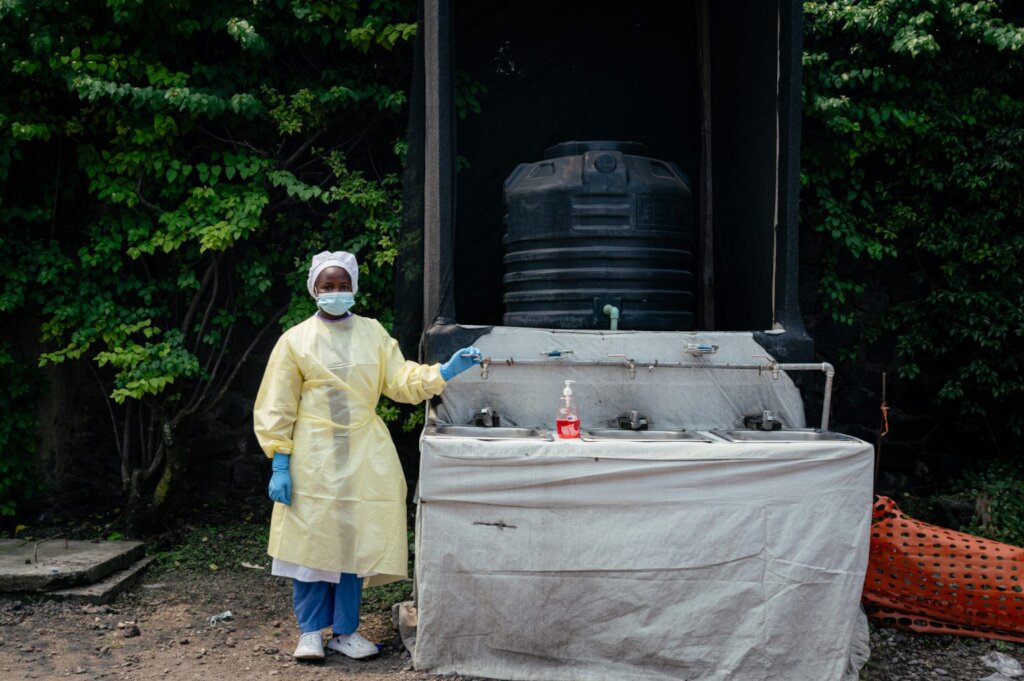
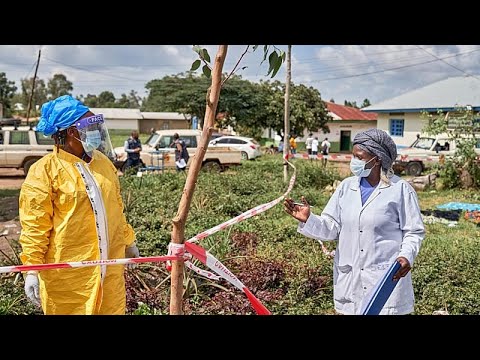
One of the greatest challenges in responding to Ebola is reaching people quickly when they live in remote or insecure locations. The continuing outbreak in the Democratic Republic of Congo demonstrates how geography, insecurity, limited infrastructure and shortages of response personnel can make disease control extraordinarily difficult.
The latest reporting indicates that more than 6,000 people have been infected and 3,175 have died in the DRC. WHO is working with authorities to decentralize the response by establishing treatment centers closer to affected communities. Nearly 1,400 treatment beds have already been established across 59 centers, but additional capacity and thousands more health workers are required.
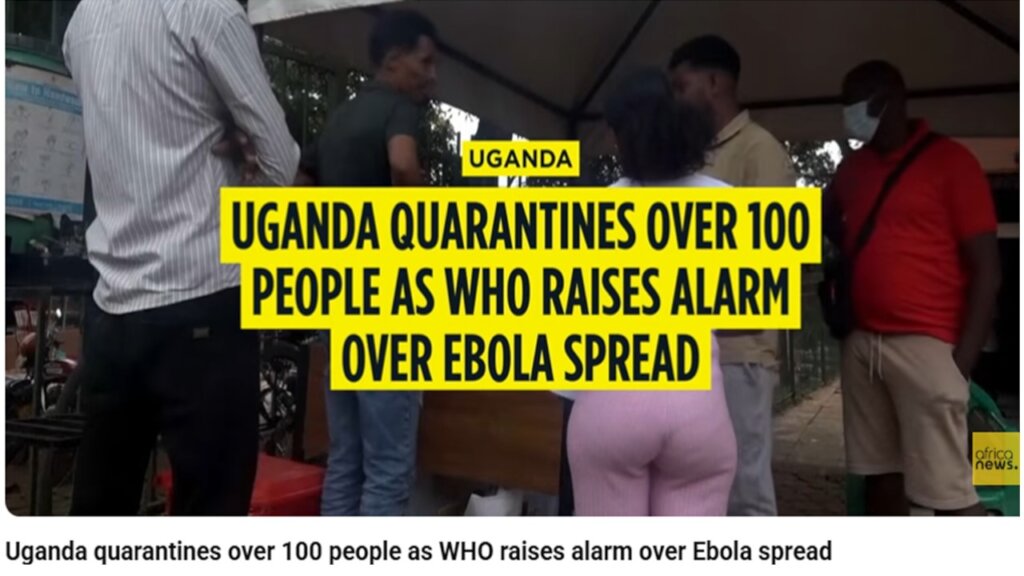
Development Alert understands that community-level access is equally important in Uganda. Border communities may be geographically distant from major health facilities and can face transportation challenges when urgent support is needed.
Our field motorcycle was therefore purchased as a practical response tool. It enables Development Alert teams to travel to remote villages and border communities, conduct community awareness, follow up health alerts, deliver prevention materials and transport essential supplies.
We continue supporting health education activities focused on early reporting, hygiene, infection prevention and responsible health-seeking behavior. Our volunteers and community leaders help connect households with appropriate health structures.
We are particularly focused on vulnerable populations who can easily be missed during emergencies, including families living in remote villages, children, elderly people, people with disabilities and households with limited access to reliable information.
Our community-centered approach complements formal health systems by ensuring that preparedness begins at household and village level.
Uganda’s Ebola-free status demonstrates that determined action can successfully interrupt transmission. The continuing DRC emergency demonstrates that response capacity must reach communities quickly enough to make that success possible.
Through donor support, Development Alert is building practical grassroots preparedness that can protect communities today and strengthen their resilience against future outbreaks.
Project reports on GlobalGiving are posted directly to globalgiving.org by Project Leaders as they are completed, generally every 3-4 months. To protect the integrity of these documents, GlobalGiving does not alter them; therefore you may find some language or formatting issues.
If you donate to this project or have donated to this project, you can receive an email when this project posts a report. You can also subscribe for reports without donating.



Support this important cause by creating a personalized fundraising page.
Start a Fundraiser