By Zachery Onyango | Project Leader
Dear Donors,
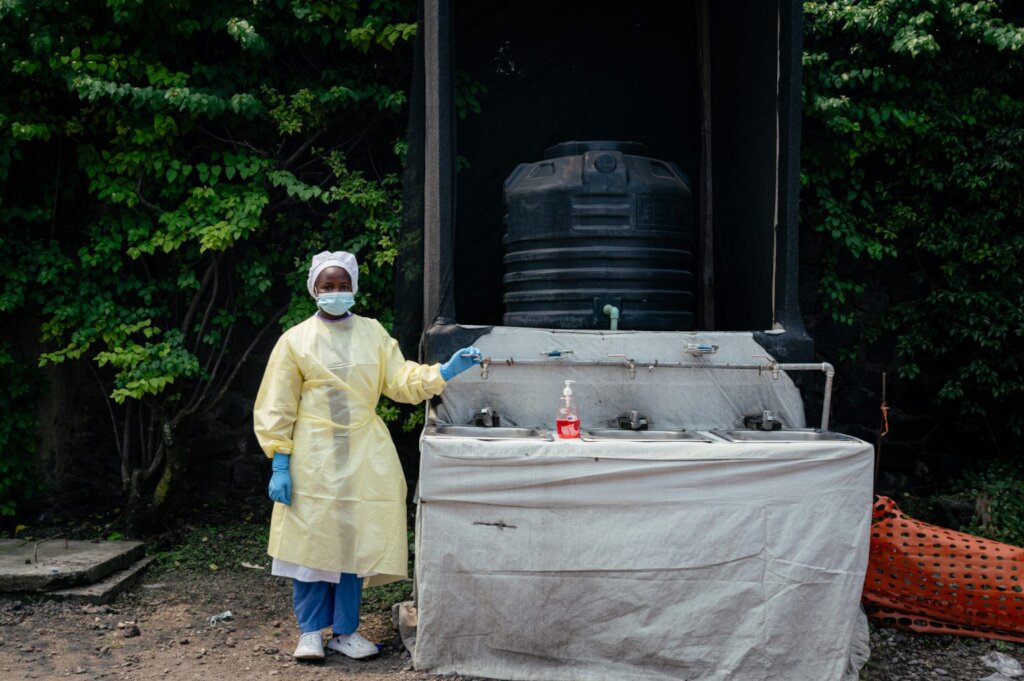
The Ebola emergency in the Democratic Republic of Congo continues to demand urgent international attention. The latest reporting indicates that more than 6,000 people have been infected and 3,175 have died. WHO has described the outbreak as the worst Ebola epidemic in the country’s history, while the response faces shortages of trained health workers, funding and operational partners.
For Development Alert, these developments reinforce the importance of maintaining strong preparedness among communities in Uganda, particularly those connected socially and economically to communities across the DRC border.
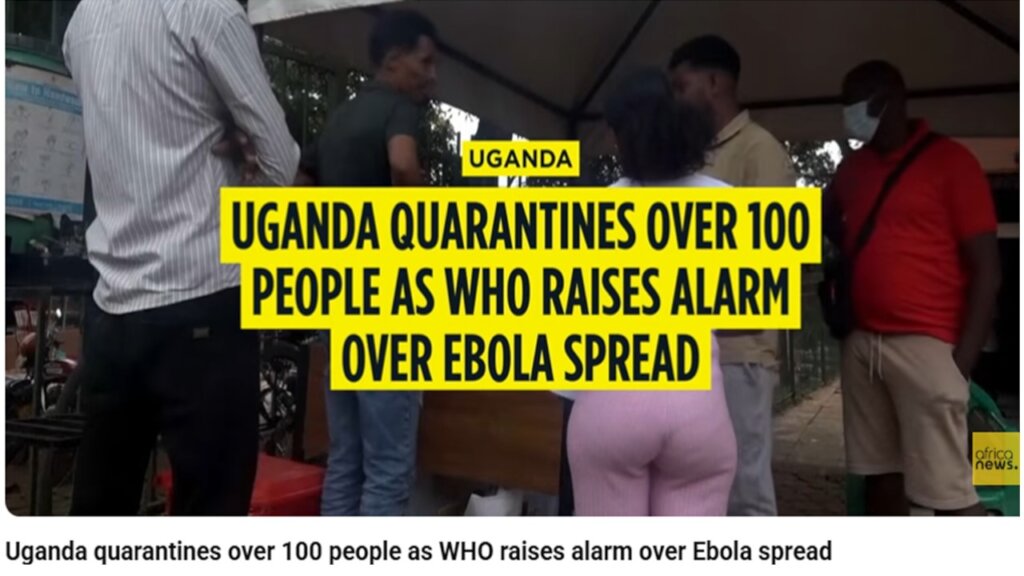
Uganda’s successful containment of its own outbreak provides valuable lessons. Community participation, early detection, contact tracing, health education and rapid response all contributed to preventing wider transmission. We are working to ensure these lessons remain active within communities rather than disappearing once the immediate emergency has passed.
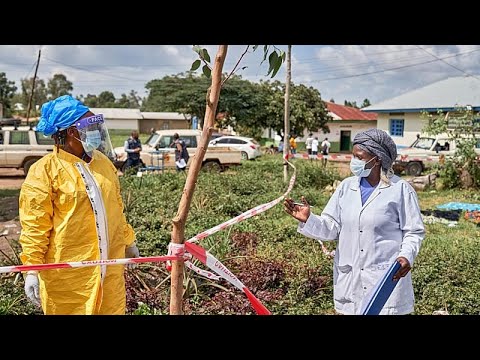
Our teams continue supporting community awareness activities in villages, schools, markets, transport stages and other gathering points. Residents are encouraged to seek reliable information, report concerning health events promptly and cooperate with trained health authorities.
In rural communities, distance and poor road infrastructure can make emergency response difficult. The motorcycle enables field teams to move quickly between communities, conduct awareness sessions, follow up alerts, deliver educational materials and support preparedness activities.
We are also working to reduce stigma and misinformation. During a disease outbreak, fear can discourage families from seeking care or communicating concerns. Trusted local leaders therefore play a critical role in building confidence.
The emergence of another Ebola case in rebel-held eastern DRC in early September further demonstrates the challenges created by insecurity and limited access.
Development Alert remains committed to protecting Uganda’s Ebola-free status while strengthening preparedness among vulnerable border communities.
Project reports on GlobalGiving are posted directly to globalgiving.org by Project Leaders as they are completed, generally every 3-4 months. To protect the integrity of these documents, GlobalGiving does not alter them; therefore you may find some language or formatting issues.
If you donate to this project or have donated to this project, you can receive an email when this project posts a report. You can also subscribe for reports without donating.



Support this important cause by creating a personalized fundraising page.
Start a Fundraiser