By Zachery Onyango | Project Leader
Dear Donor,
For families living in remote communities, distance can become a serious barrier during a public health emergency. Long journeys to health facilities, poor roads, limited transportation, and lack of timely information can delay the identification and reporting of suspected illnesses.
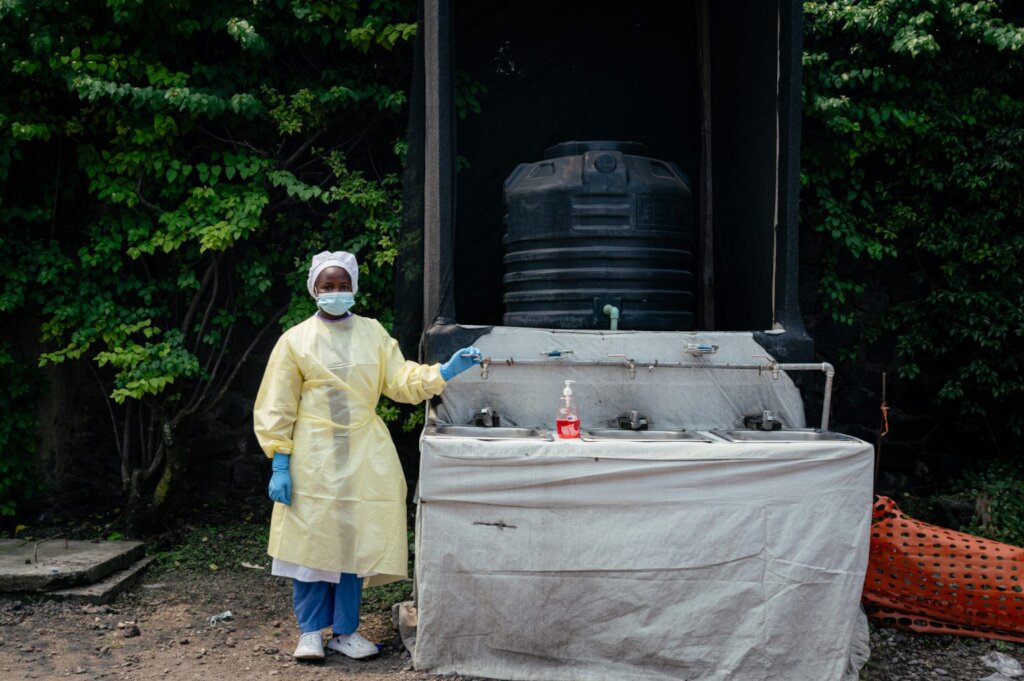
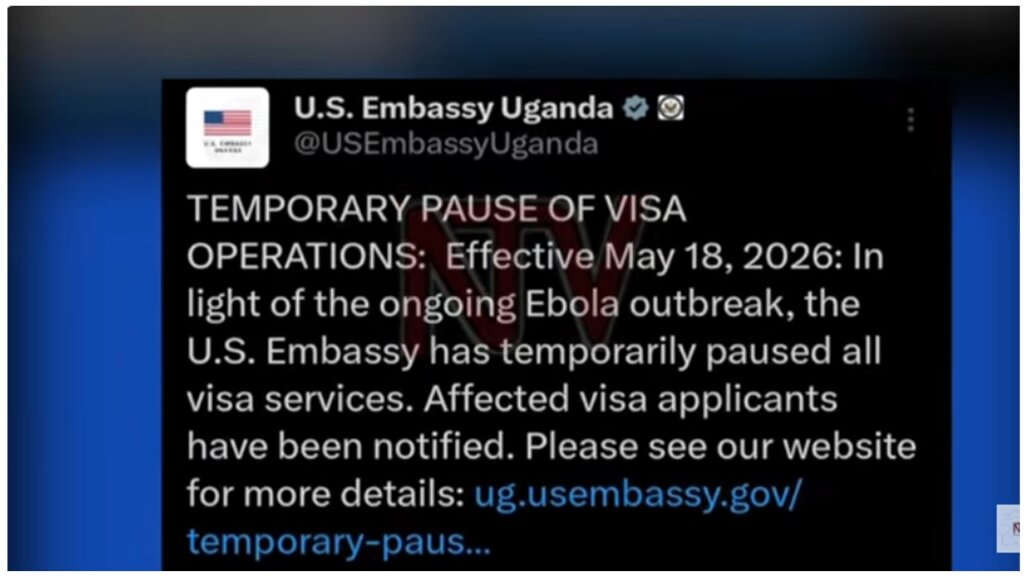
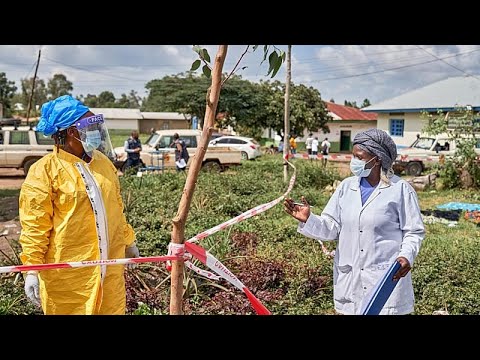
The ongoing Ebola outbreak in the Democratic Republic of Congo demonstrates why reaching vulnerable communities must remain a priority. As of 26 August, WHO reported 5,794 confirmed cases and 2,786 deaths in the DRC. Cases have now been recorded across 60 health zones in six provinces.
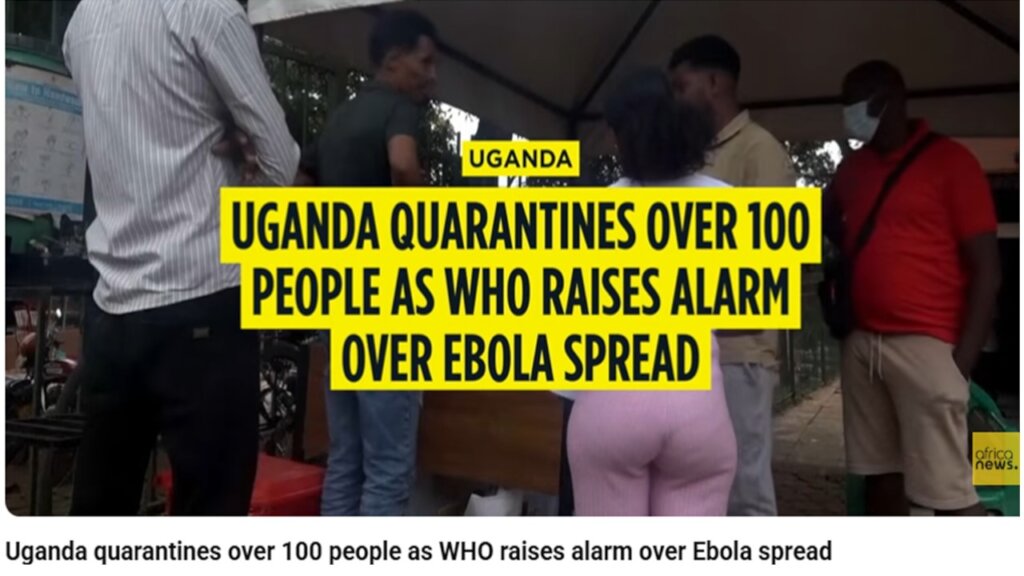
Uganda, meanwhile, has successfully completed its 42-day enhanced monitoring period after recording 20 confirmed cases, 18 recoveries and two deaths. The achievement demonstrates what strong surveillance, community engagement, and rapid response can accomplish.
Development Alert continues translating these lessons into practical community preparedness. Our teams and volunteers are helping take health education directly to households, schools, markets, transport stages, places of worship, and other community gathering points.
We emphasize early reporting, accurate information, hygiene, infection prevention, and cooperation with health authorities. We also encourage communities to avoid stigma against people suspected of illness or families affected by Ebola. Compassion and trust are essential components of effective disease control.
Our field motorcycle has become an important resource for this work. It allows outreach teams to travel to communities that may otherwise be difficult to access, transport educational materials and supplies, and conduct rapid follow-up when alerts are received.
This community-centered approach ensures that preparedness does not remain concentrated in health facilities or administrative offices. It reaches people where they actually live.
Uganda's success gives us hope. The continuing DRC emergency gives us urgency. With donor support, Development Alert can continue reaching vulnerable communities, strengthening local preparedness, and helping ensure that no family is left without the information and support needed to respond to a future health emergency.
Project reports on GlobalGiving are posted directly to globalgiving.org by Project Leaders as they are completed, generally every 3-4 months. To protect the integrity of these documents, GlobalGiving does not alter them; therefore you may find some language or formatting issues.
If you donate to this project or have donated to this project, you can receive an email when this project posts a report. You can also subscribe for reports without donating.



Support this important cause by creating a personalized fundraising page.
Start a Fundraiser