By Zachery Onyango | Project Leader
Dear donor,
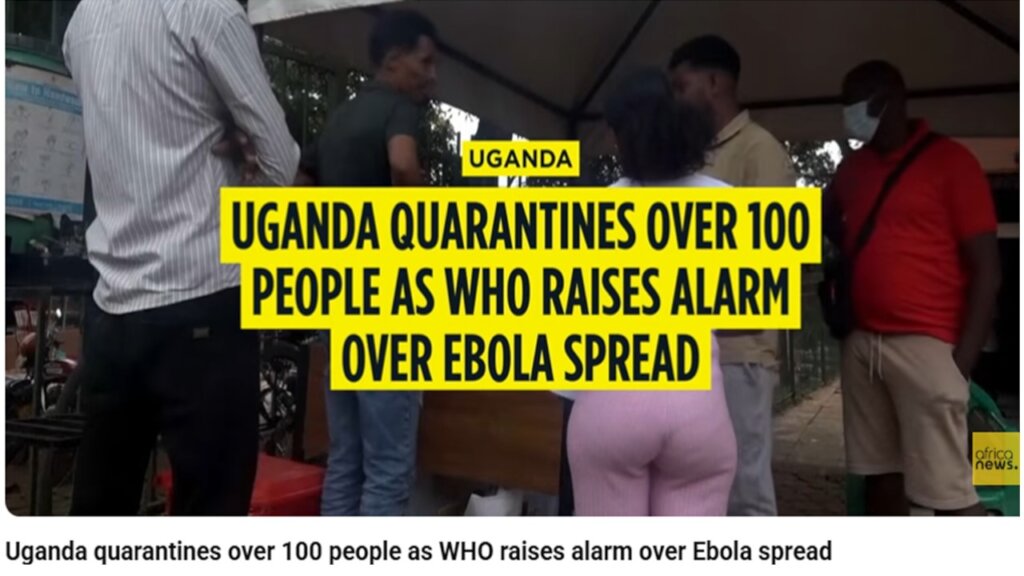
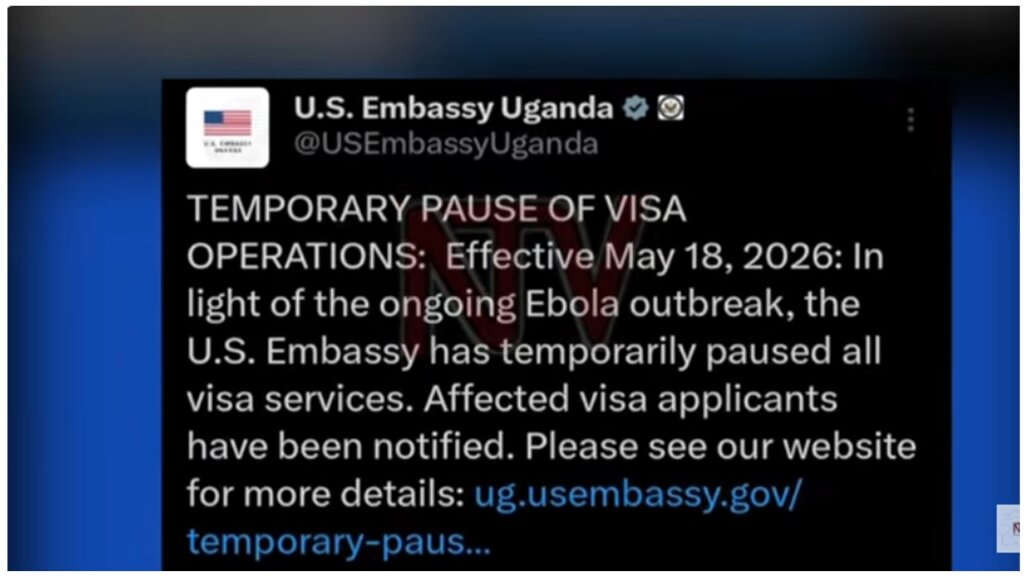
Schools, transport centers, markets, and community institutions have played an important role in Development Alert's Ebola preparedness activities. Even after Uganda was declared Ebola-free, these community platforms remain essential because the Democratic Republic of Congo continues experiencing intense transmission.
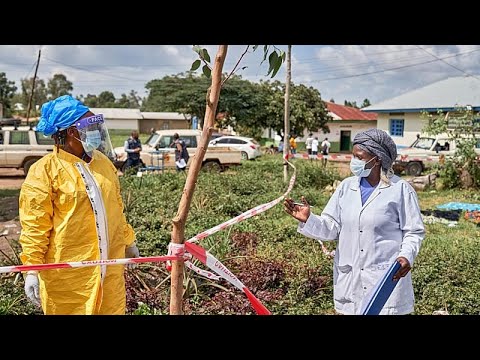
The latest available figures show 4,945 confirmed Ebola cases and 2,325 deaths in the DRC as of August 16. The outbreak has become the deadliest in the country's history and continues to challenge health systems and response teams.
Development Alert continues using schools as platforms for health education. Teachers and students can help reinforce messages about hygiene, early reporting, and responsible health-seeking behavior. Children also carry important information back to their families, making school-based education an effective way of reaching entire households.
Transport workers are another priority group. Boda boda riders, taxi operators, truck drivers, and traders regularly move between communities and can therefore play an important role in sharing accurate information and identifying health concerns. Our engagement encourages transport operators to cooperate with health authorities and promote responsible behavior.
Local leaders, religious leaders, women's groups, and youth representatives also remain important partners. Their trusted relationships within communities can help counter misinformation and reduce stigma.
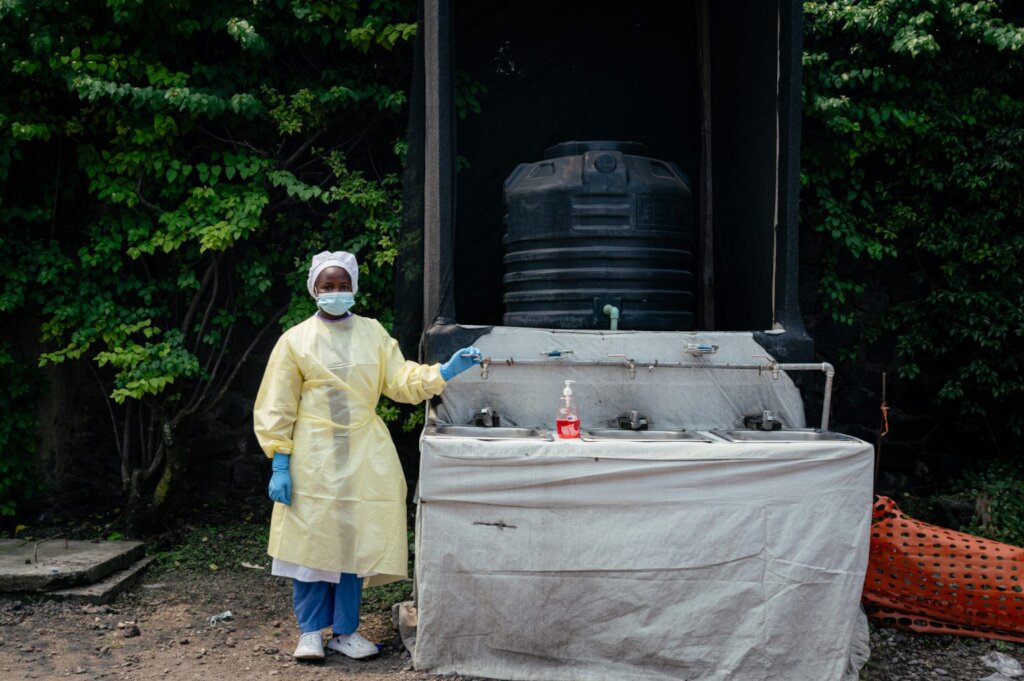
Handwashing and hygiene promotion remain central to preparedness. Public handwashing points and demonstrations provide practical opportunities for communities to strengthen everyday infection-prevention habits.
Uganda's experience demonstrates the value of bringing communities into the response rather than treating them simply as recipients of information. Community ownership strengthens trust and improves cooperation.
As Uganda protects its Ebola-free status, Development Alert remains committed to ensuring that communities along the border retain the knowledge, relationships, and practical tools necessary to respond to future health threats.
Your generosity continues making this community-led preparedness possible.
Project reports on GlobalGiving are posted directly to globalgiving.org by Project Leaders as they are completed, generally every 3-4 months. To protect the integrity of these documents, GlobalGiving does not alter them; therefore you may find some language or formatting issues.
If you donate to this project or have donated to this project, you can receive an email when this project posts a report. You can also subscribe for reports without donating.



Support this important cause by creating a personalized fundraising page.
Start a Fundraiser