By Zachery Onyango | Project Leader
Dear donor,
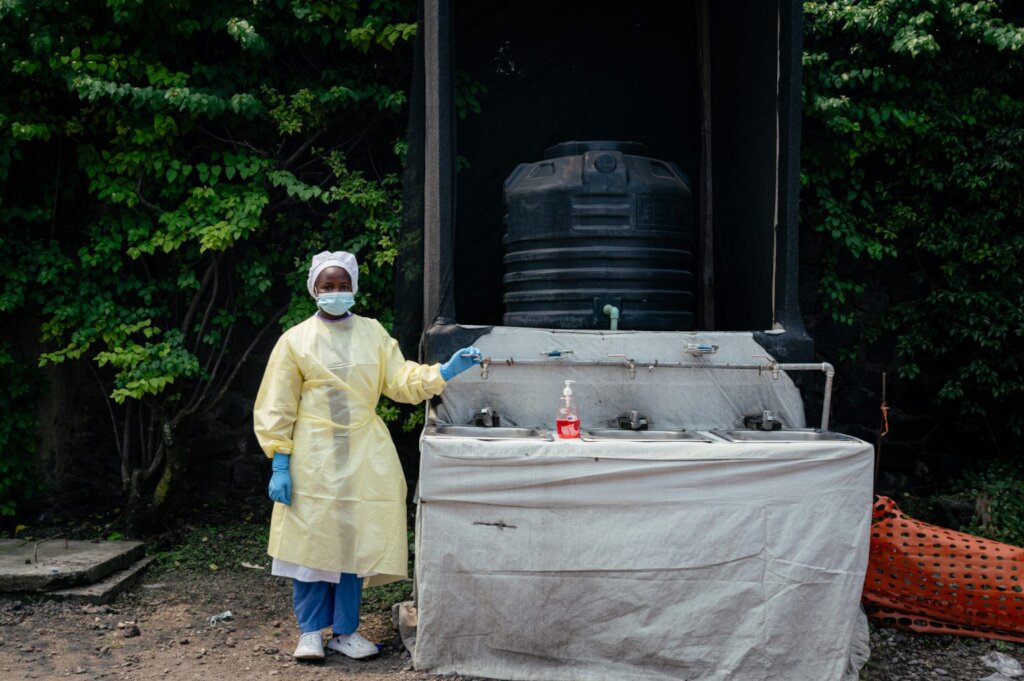
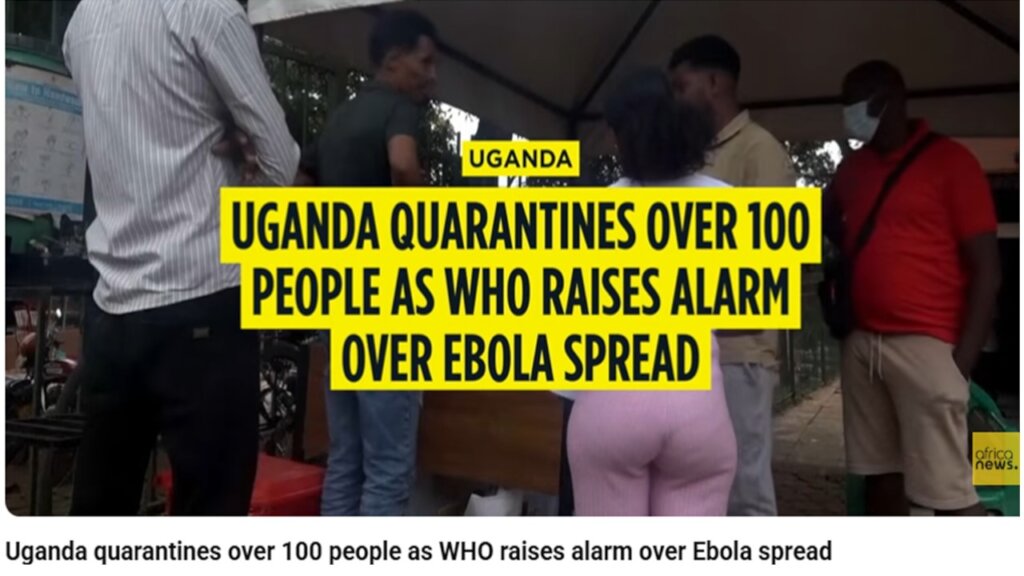
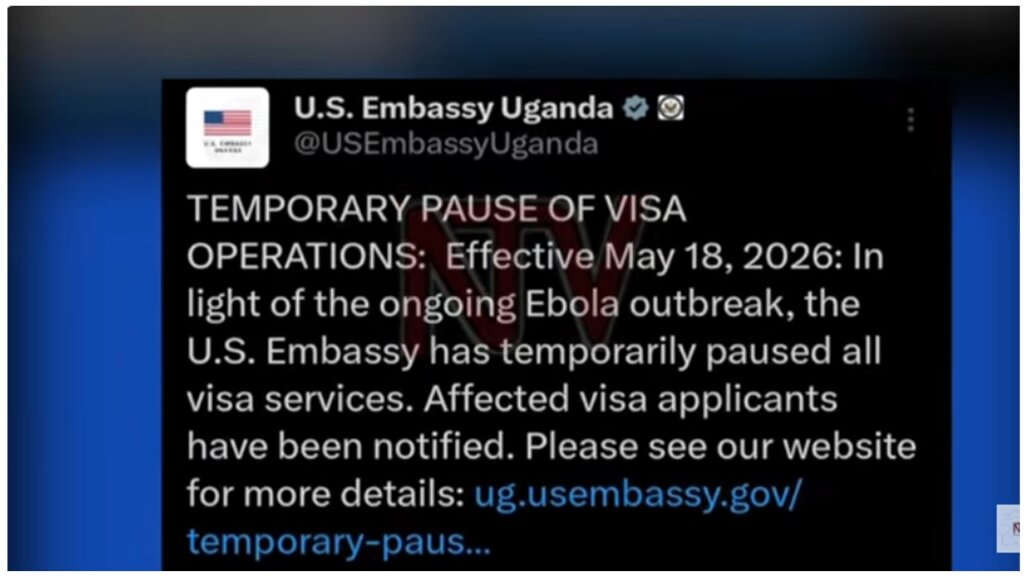
One of the most important lessons from Uganda's 2026 Ebola response is the importance of acting quickly. Uganda successfully contained 20 confirmed cases and was declared Ebola-free on July 28. Rapid identification, contact tracing, community cooperation, infection prevention, and effective coordination helped prevent the outbreak from becoming significantly larger.
The continuing situation in the Democratic Republic of Congo demonstrates why these capabilities must be maintained. By August 16, the DRC had recorded 4,945 confirmed cases and 2,325 deaths.
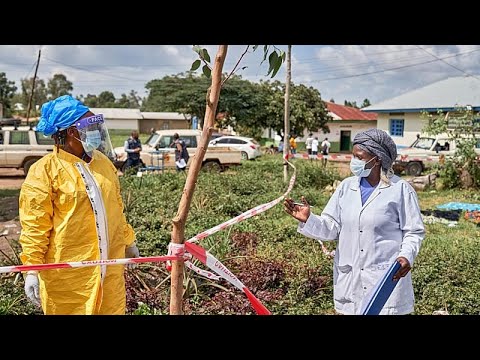
Development Alert continues strengthening grassroots response capacity among communities connected to the Uganda–DRC border. Community alert systems remain an important component of this effort. Volunteers and local leaders can help identify unusual health events and communicate concerns to appropriate health structures.
The field motorcycle purchased to support the Ebola response has become an especially valuable asset. Remote communities can be difficult to reach, particularly during emergencies when roads may be damaged or transportation unavailable. Reliable field transportation allows response personnel to travel rapidly for contact follow-up, community assessments, awareness activities, and emergency supply delivery.
The motorcycle also reduces delays between receiving a community alert and reaching the affected location. In an infectious disease emergency, timely movement can be critical.
Development Alert continues working to strengthen relationships between community volunteers, health facilities, local authorities, and other response partners. These connections help ensure that information moves quickly and that communities know where to seek assistance.
We are also emphasizing preparedness without creating unnecessary fear. The goal is to ensure communities understand what to do if a suspected case is identified.
Uganda's success shows what rapid action can accomplish. The continuing DRC emergency shows what happens when transmission outpaces response capacity. Your support is helping ensure that Uganda's border communities remain ready, connected, and capable of responding quickly to future health alerts.
Project reports on GlobalGiving are posted directly to globalgiving.org by Project Leaders as they are completed, generally every 3-4 months. To protect the integrity of these documents, GlobalGiving does not alter them; therefore you may find some language or formatting issues.
If you donate to this project or have donated to this project, you can receive an email when this project posts a report. You can also subscribe for reports without donating.



Support this important cause by creating a personalized fundraising page.
Start a Fundraiser