By Faith Chagara | Programme Advisor
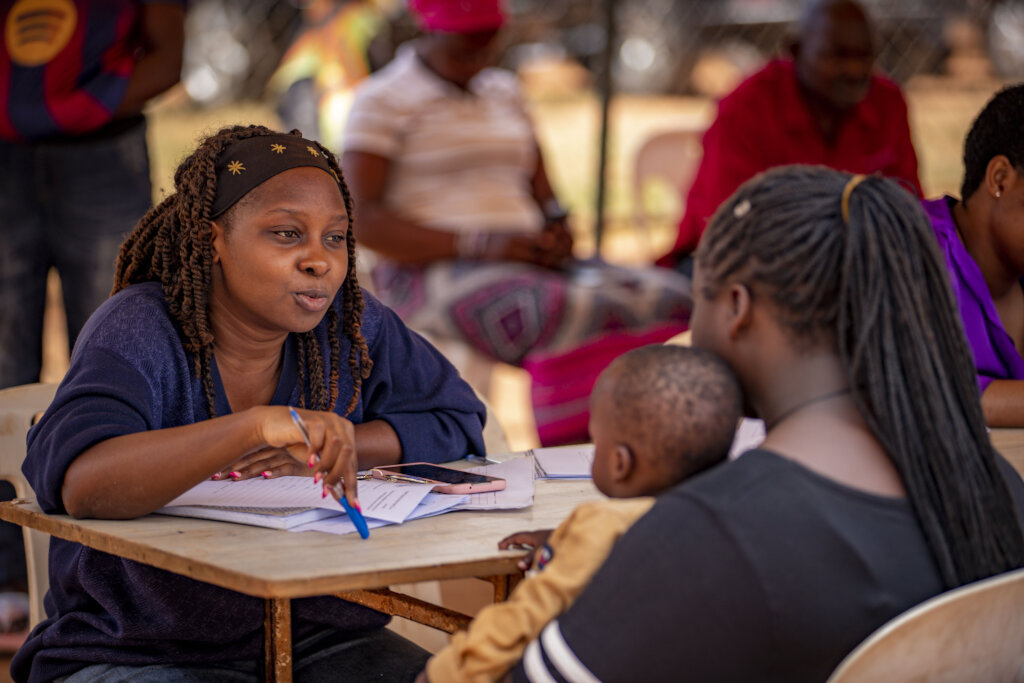
Thanks to your generous support, FIDA-Uganda continues to transform lives by ensuring that justice reaches those who need it most. During the first half of 2026 (January-June), we provided legal aid to 11,243 vulnerable women, men, and children across Uganda, including 7,900 women and girls and 3,343 men and boys. Demand for our services continued to grow throughout the period, with legal aid provision increasing by over 40 percent from one quarter to the next, reflecting both the escalating need for justice and the confidence that communities place in FIDA-Uganda.
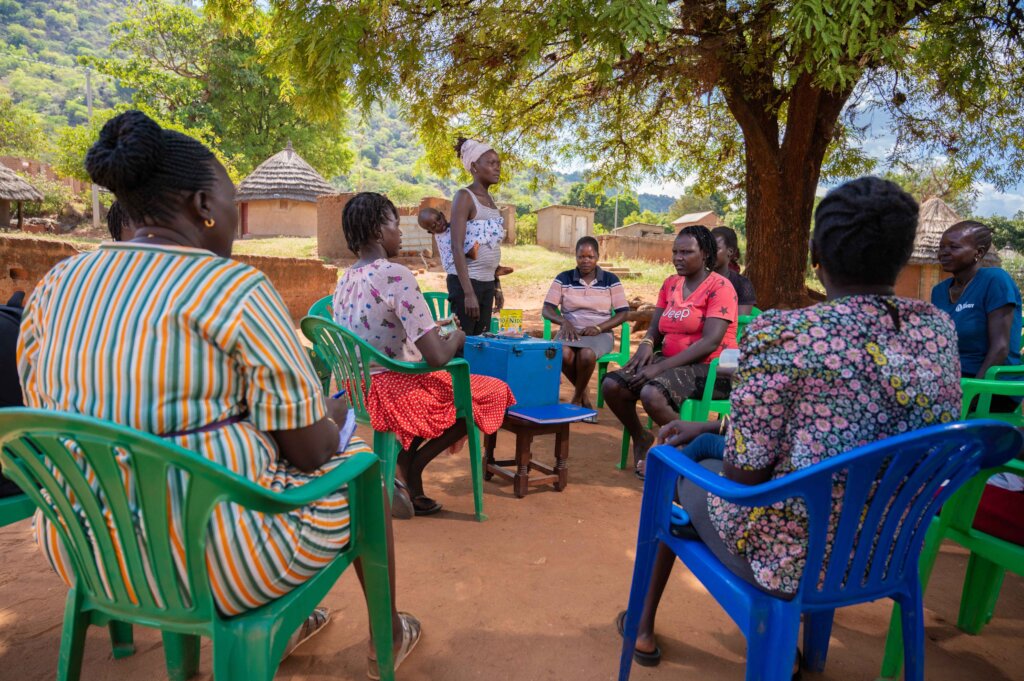
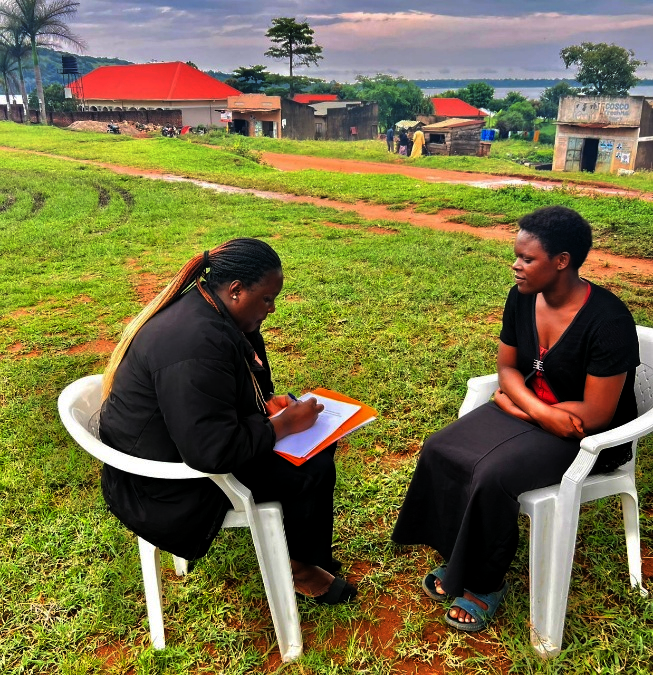
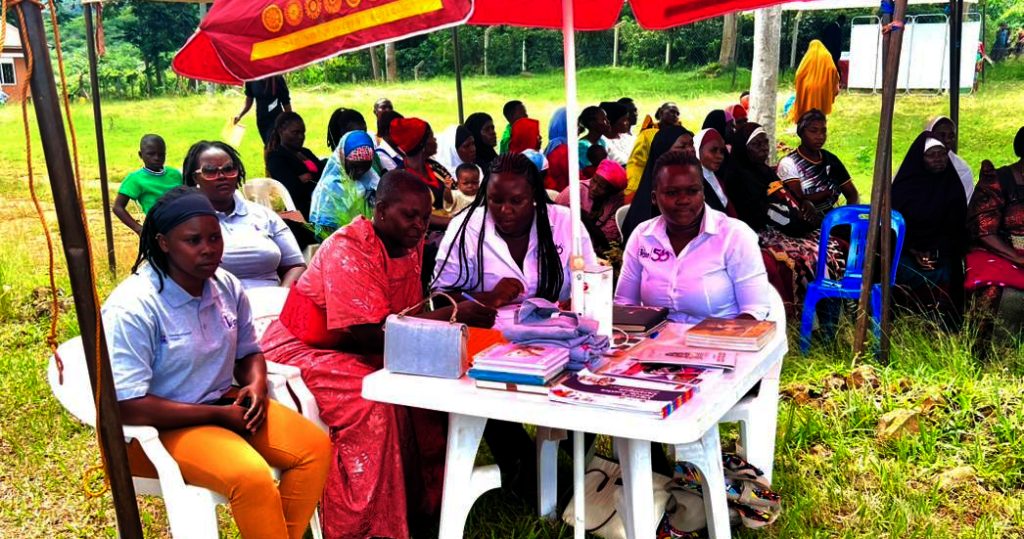
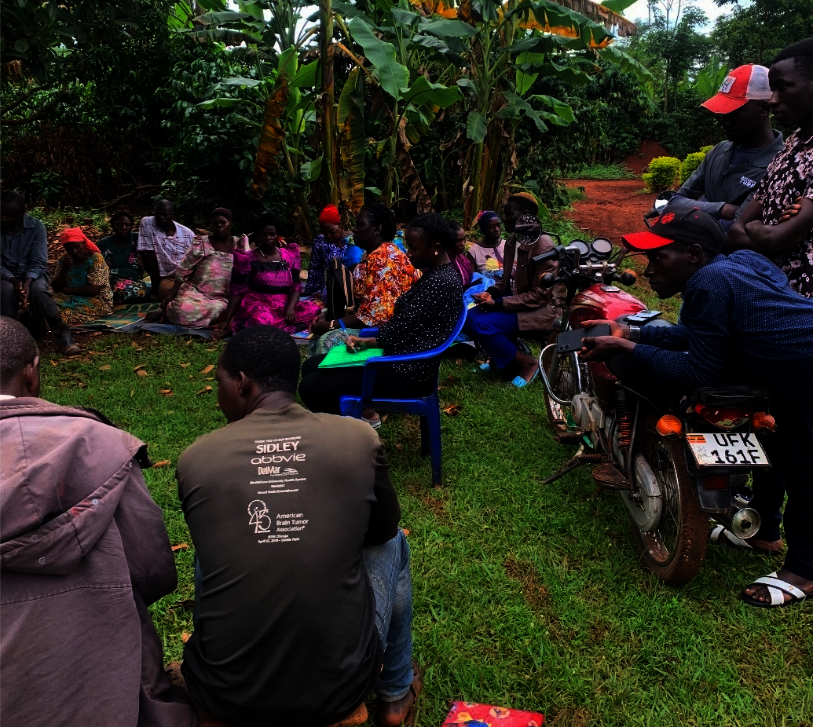
Our network of Legal Aid Clinics, Family Justice Desks, and Community Legal Volunteers (CLVs) remained the foundation of this work, ensuring that justice reached even the most remote and underserved communities. In the second quarter alone, CLVs handled nearly 70 percent of all cases, demonstrating the critical role of community-based justice mechanisms in expanding access to legal services. Women and girls continued to account for more than two-thirds of all clients served, underscoring the persistent inequalities and barriers they face in accessing justice.
Across both quarters, child maintenance remained the most common legal issue, while hundreds of survivors of domestic and gender-based violence received legal representation, counselling, referrals, and other essential support services. These trends reinforce the urgent need to strengthen family protection systems, expand survivor-centred services, and engage men and communities as partners in preventing violence against women and girls.
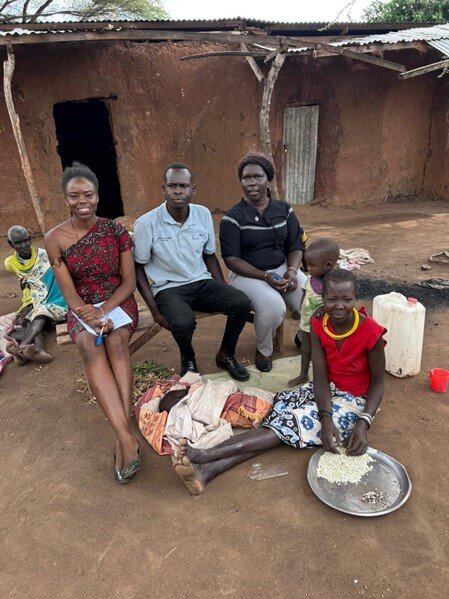
Your support also enabled FIDA-Uganda to expand its reach and deepen its impact. Through partnerships with the Austrian Development Agency (ADA) and the International Development Law Organization (IDLO), we extended legal aid services to seven additional districts, ensuring that more vulnerable communities can access quality legal assistance closer to home.
Beyond individual case support, we continued to address the structural drivers of inequality through advocacy, policy engagement, and strategic partnerships. During the reporting period, FIDA-Uganda participated in the 70th Session of the Commission on the Status of Women (CSW70), ensuring that the voices of Ugandan women informed global discussions on gender equality. We also commemorated International Women's Day across seven districts, mobilised communities through the Moroto Justice Run, amplified young feminist voices through a national debate, and convened a high-level dialogue on Technology-Facilitated Gender-Based Violence to address emerging risks facing women and girls.
At the national, regional, and international levels, FIDA-Uganda helped shape the proposed African Union Convention on the Elimination of Violence Against Women and Girls, strengthened survivor-centred policing, advanced safer schools in Moroto through landmark policy reforms, engaged cultural leaders to challenge harmful social norms, and pursued strategic litigation to promote accountability for sexual and gender-based violence. These efforts are helping to build stronger institutions and more responsive justice systems for women and vulnerable communities.
This period also brought important recognition of our work. Our Chief Executive Officer received a Presidential Award in recognition of her contribution to advancing women's rights in Uganda, while the visit of the Ambassador of the Netherlands to our Arua office reaffirmed international confidence in our community-led approach to expanding access to justice.
Every legal case resolved, every survivor supported, every community volunteer trained, and every policy influenced represents another step toward a more just and equal Uganda. None of these achievements would be possible without your partnership.
Thank you for investing in justice. Together, we are ensuring that women, children, and vulnerable communities not only know their rights but are empowered to exercise them with dignity, confidence, and hope.
Success story: Securing Her Future: How FIDA-Uganda Helped Eseza Gain Ownership of Land She Helped Build
For years, Eseza* (not real name), a 50-year-old farmer from Bakijulula Village in Luwero District, worked alongside her husband to build a home, raise a family, and develop their land. As a mother of eight children, she relied on farming as her primary source of livelihood, using the proceeds to feed and support her family. Like many women in rural communities, Eseza invested significant time and effort in developing family property. Together with her husband, they acquired and cultivated approximately 2.5 acres of land, which became the foundation of their household’s wellbeing. However, her life took a painful turn when her husband entered into a relationship with another woman and eventually brought her into the matrimonial home. Unable to continue living under those circumstances, Eseza left the marital home. Although she continued cultivating the land she had helped develop, she faced constant resistance from her husband’s relatives whenever she attempted to access or use it. Despite years of contribution to the family property, she had no independent ownership rights over the land and remained vulnerable to interference and exclusion. “I had worked hard on that land for many years, but I could not use it freely,” she recalls. “Every time I tried to cultivate, I faced challenges and resistance.” Determined to secure her future and provide stability for her children, Eseza sought an independent share of the property she had helped acquire. However, her husband refused to recognize her request.
Seeking justice, she reported the matter to the Police, who referred her to FIDA-Uganda on 26th February 2026. Upon receiving the case, FIDA-Uganda, with support from FOKUS, immediately initiated a mediation process aimed at resolving the dispute amicably while protecting Eseza’s rights. On 4th March 2026, a mediation meeting was convened in which Eseza’s husband openly acknowledged that they had acquired the family property together and admitted that Eseza had made substantial contributions to its development. He also admitted to bringing another woman into their matrimonial home and accepted responsibility for the circumstances that had led to the dispute. Following constructive dialogue facilitated by FIDA-Uganda, the parties reached a mutual agreement. The husband agreed to transfer one acre of land to Eseza as recognition of her contribution to the family property and as compensation for her years of effort and investment. The agreement was formally documented in a Memorandum of Understanding (MOU), which was signed by both parties. To ensure implementation of the agreement, FIDA-Uganda scheduled a locus visit and continued engaging relevant local leaders.
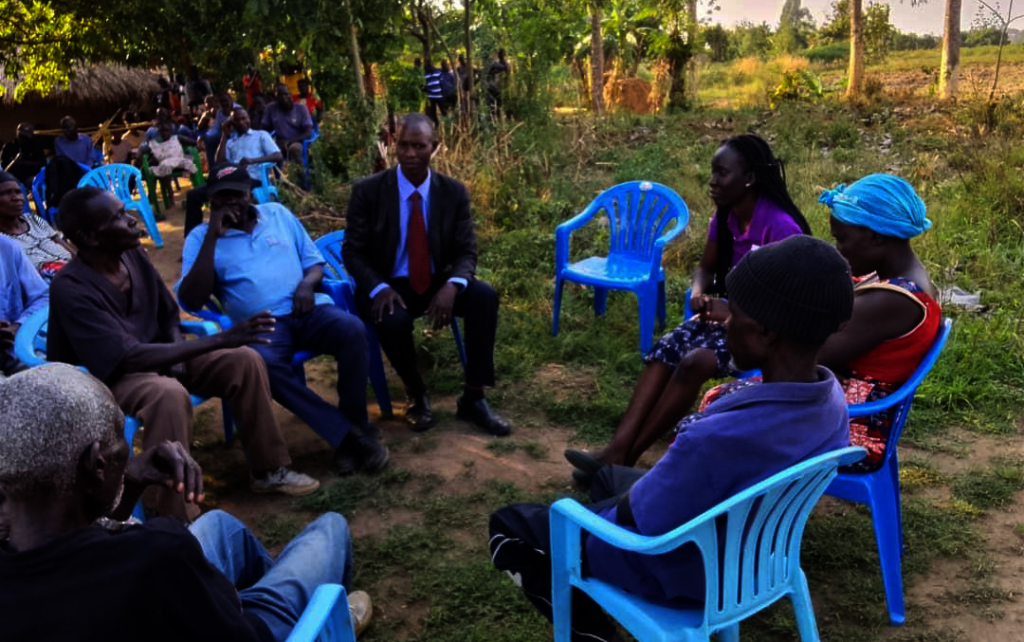
The intervention resulted in a remarkable outcome for Eseza. Not only did she gain full ownership of one acre of land, but she also secured the freedom to use and develop it without interference from her husband, his relatives, or any other parties. With support from the Local Council 1 Chairperson of Bakijulula Village, a community meeting was held to communicate the agreement and ensure that all concerned parties respected the new arrangement. The LC 1 Chairperson further assisted the parties in drafting a gift deed, which Eseza’s husband formally signed, relinquishing all interest in the one-acre parcel and officially transferring ownership to her. For the first time, Eseza had land that belonged entirely to her!
The impact was immediate and life-changing. The secure ownership of the land gave her confidence to invest in long-term agricultural activities without fear of interference or dispossession. During a follow-up visit conducted by FIDA-Uganda on 23rd April 2026, the team found that Eseza had already planted additional coffee trees on the land, demonstrating her commitment to expanding her farming enterprise. “Now I can use my land freely and make decisions about it without fear,” she says. “Everything I plant, and harvest belongs to me and my children.” The change has strengthened her economic security and provided a foundation for future growth. Rather than focusing primarily on subsistence crops such as maize and beans, Eseza plans to expand coffee farming, which she views as a more profitable and sustainable source of income. She plans to continue expanding her coffee plantation, increase agricultural productivity, and use the income generated from the land to support herself and her children.
She has also gained valuable knowledge through the experience. Eseza says the intervention taught her the importance of investing in modern farming methods, learning from experienced coffee farmers, and making informed decisions that improve productivity and profitability. Most importantly, the case reinforced her understanding of women’s rights to property and the importance of seeking support when those rights are threatened. Expressing her gratitude, Eseza says: “I am very grateful to FIDA-Uganda and the donors for supporting me to the point of getting ownership of this land. I will forever be grateful because I would never have achieved this without your support.”
Eseza’s story is a powerful example of how access to justice can transform lives. By securing her property rights, FIDA-Uganda not only protected her livelihood but also strengthened her ability to build a more stable and prosperous future for herself and her children.
By Faith Chagara | Program Advisor
By Linette du Toit | Research and Fundraising Manager
Project reports on GlobalGiving are posted directly to globalgiving.org by Project Leaders as they are completed, generally every 3-4 months. To protect the integrity of these documents, GlobalGiving does not alter them; therefore you may find some language or formatting issues.
If you donate to this project or have donated to this project, you can receive an email when this project posts a report. You can also subscribe for reports without donating.



Support this important cause by creating a personalized fundraising page.
Start a Fundraiser