By Liz Marcelli | Co-Student Coordinator
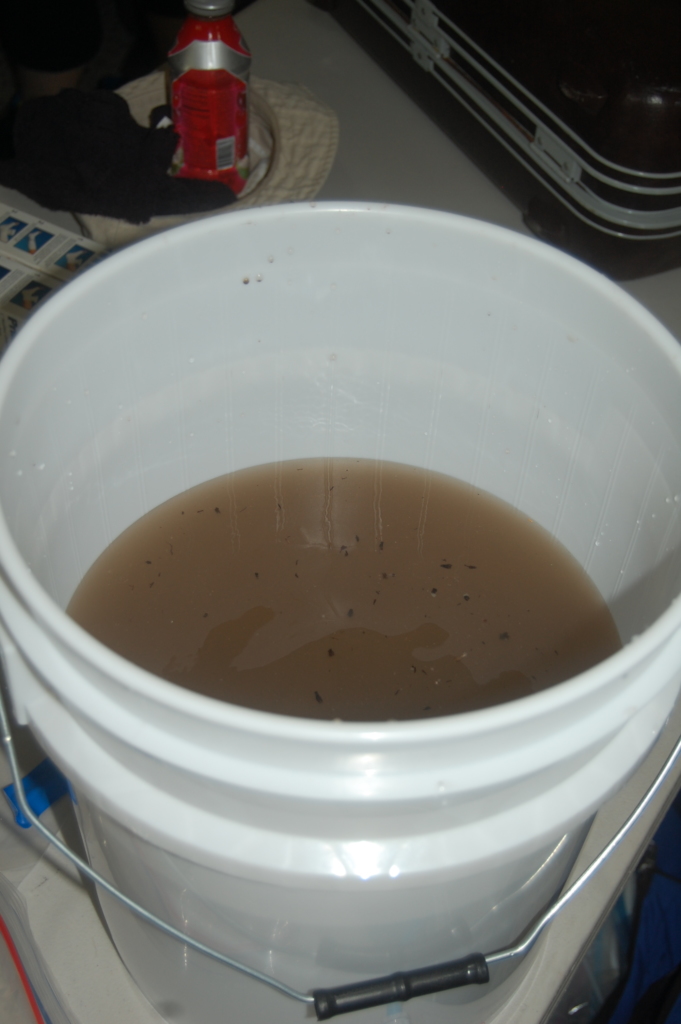
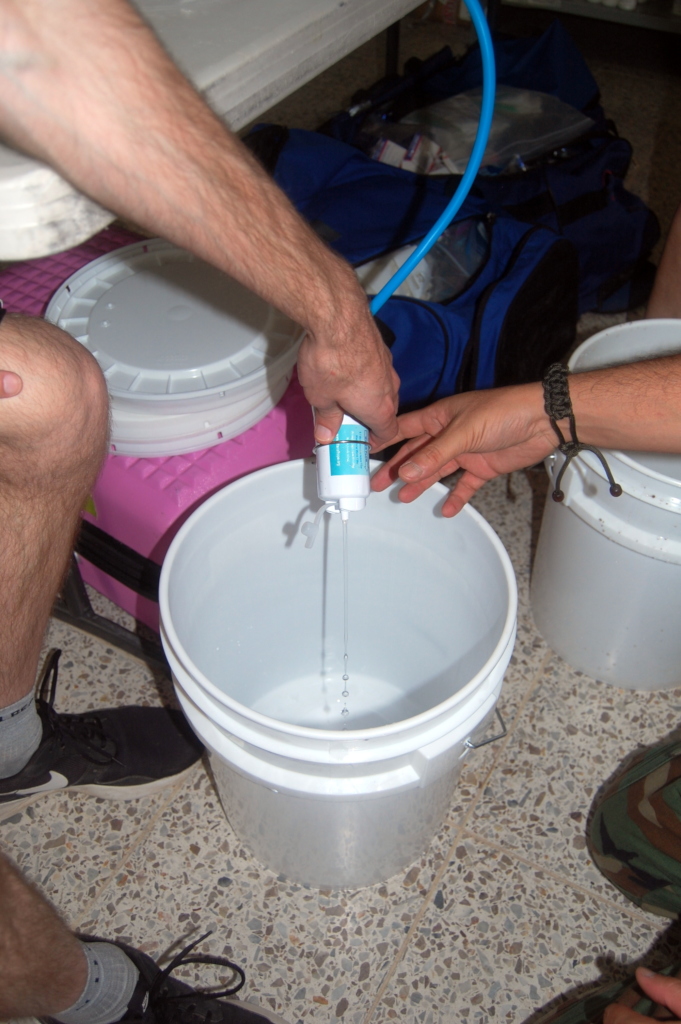
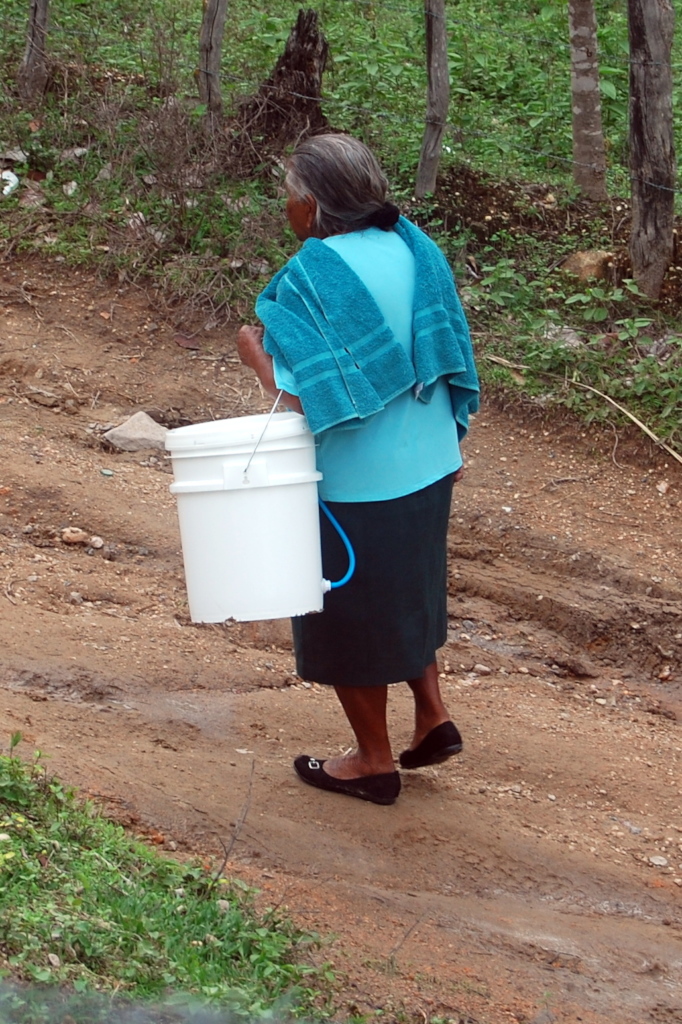
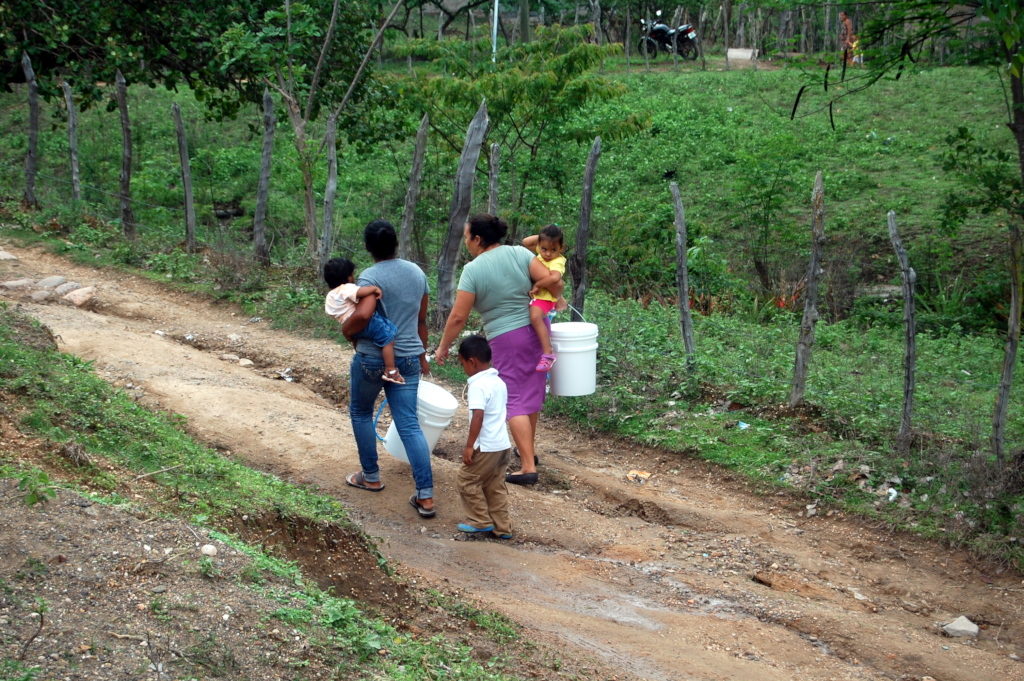
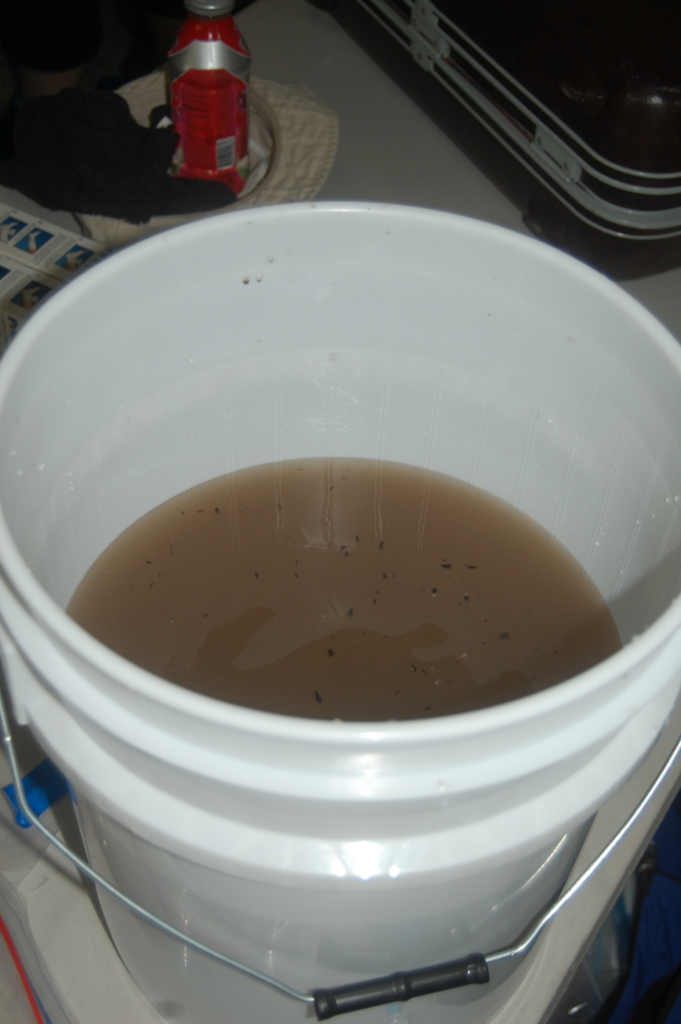
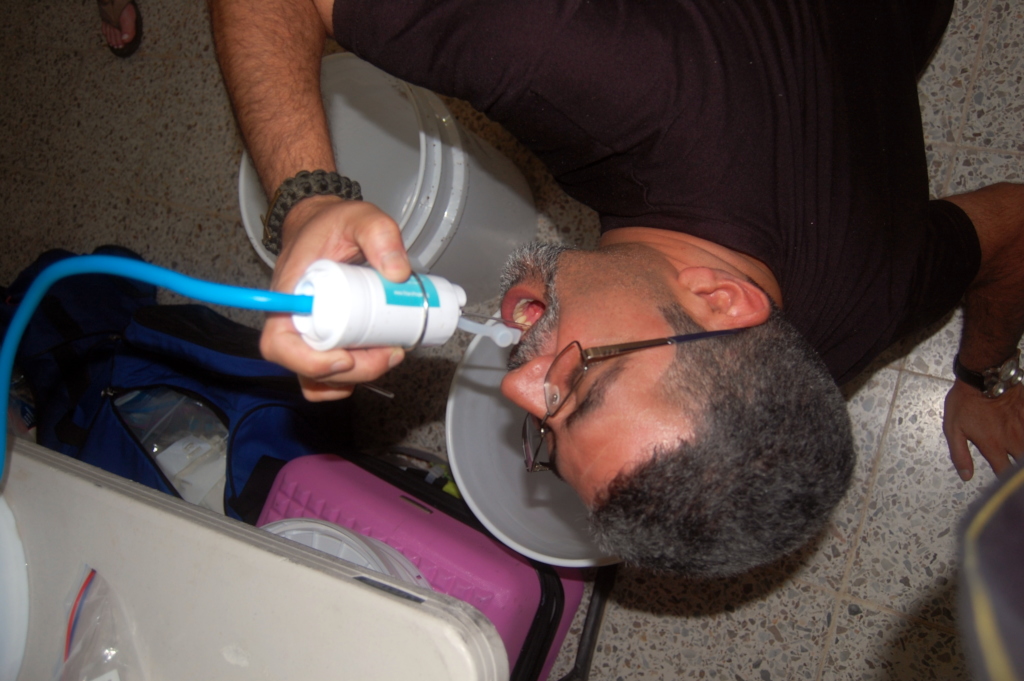
In the five different rural Honduran villages that we implement medical brigades, a significant portion of Hondurans retrieve their water from local streams nearby. In the hope of reducing waterborne diseases in the patients that we see, water filters are crucial in sustaining the health of our patients. When we see children drinking from a basin filled with unclean water after playing a game of soccer or an elderly woman washing her clothes in a local stream nearby, this puts the people of rural Honduras at an increased risk for developing a waterborne disease. Due to the high presense of waterborne diseases in the patients we see, we took six samples from local water sources to test for the presence of E. Coli. In all of these six tests, E. Coli was present in "very high risk/unsafe" levels in each location (according to the World Health Organization: >100 E. Coli CFU per 100 mL), which puts the Hondurans at high risk for developing a waterborne disease. Due to the high safety risk of the presence of E. Coli in water sources, water filtration is crucial for the safety of the Hondurans in these villages. To test the overall effectiveness of the water filters provided with our new partnership with Filter of Hope, an experiment was performed at Valle Arriba. E. Coli was in the water at the level of "very high risk/unsafe" as described above. After running the water sample through the Filter of Hope filter, the E. Coli level dropped to a relatively safe level of E. Coli = 9.1-9.6 MPN per 100 mL. The effects of water filters on removing E. Coli could help to successfully decrease the presence of waterborne diseases in the patients that we see in the future of our medical immersion. As we continue to use funds to purchase more and more water filters, we are able to track the overall health of the villages given the filters to see significant changes in overall health.
By Brendan Sieber | Co-Student Leader
By Brendan Sieber | Project Co Leader
Project reports on GlobalGiving are posted directly to globalgiving.org by Project Leaders as they are completed, generally every 3-4 months. To protect the integrity of these documents, GlobalGiving does not alter them; therefore you may find some language or formatting issues.
If you donate to this project or have donated to this project, you can receive an email when this project posts a report. You can also subscribe for reports without donating.