By Muhammad Jan Odhano | Chief Executive Officer
Heatwave Relief Water Camp Report Community Development Foundation (CDF), Jacobabad – Sindh, Pakistan
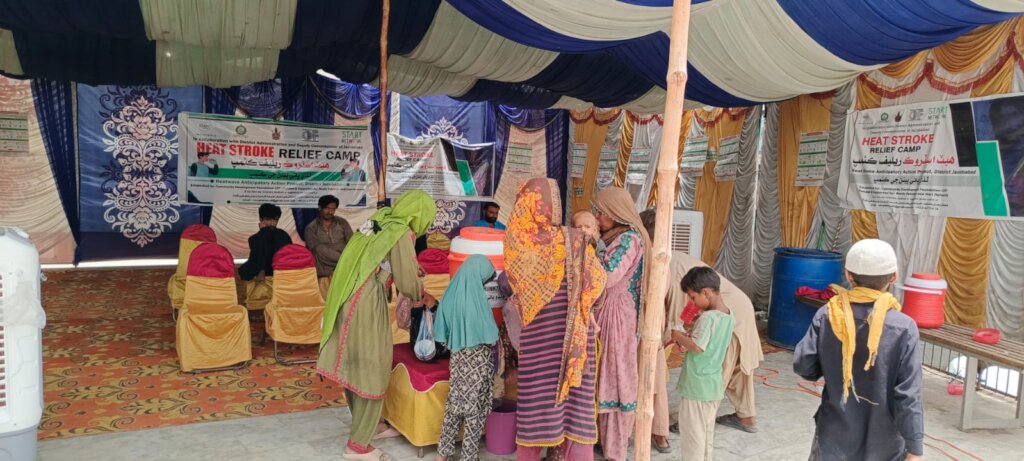
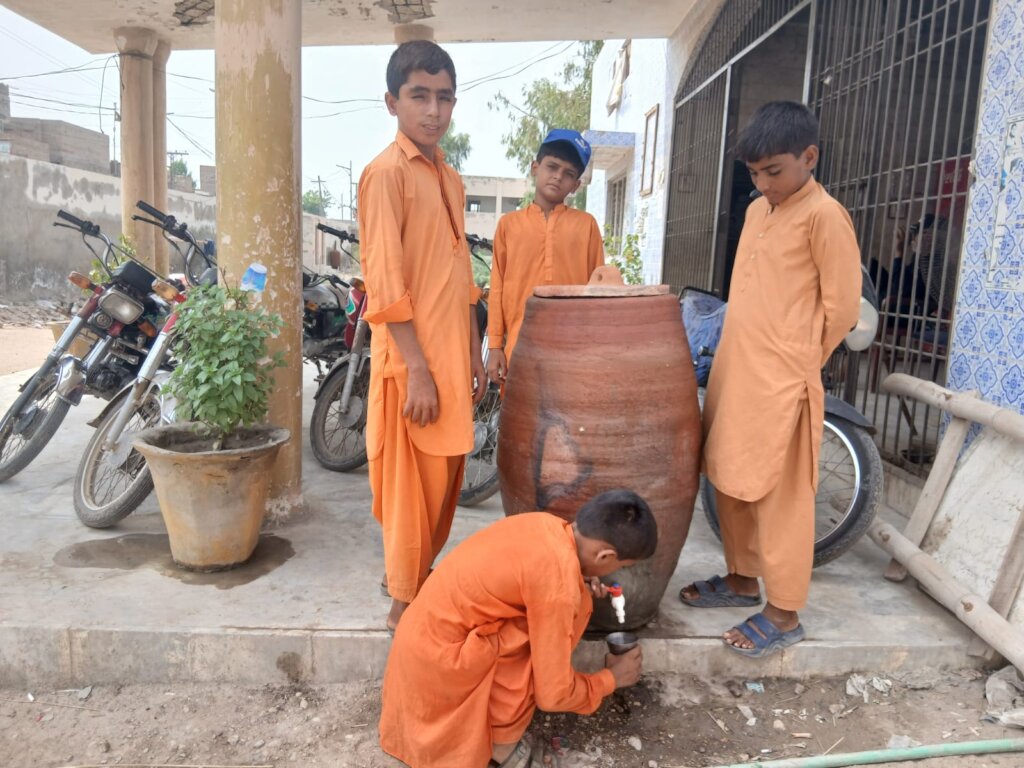
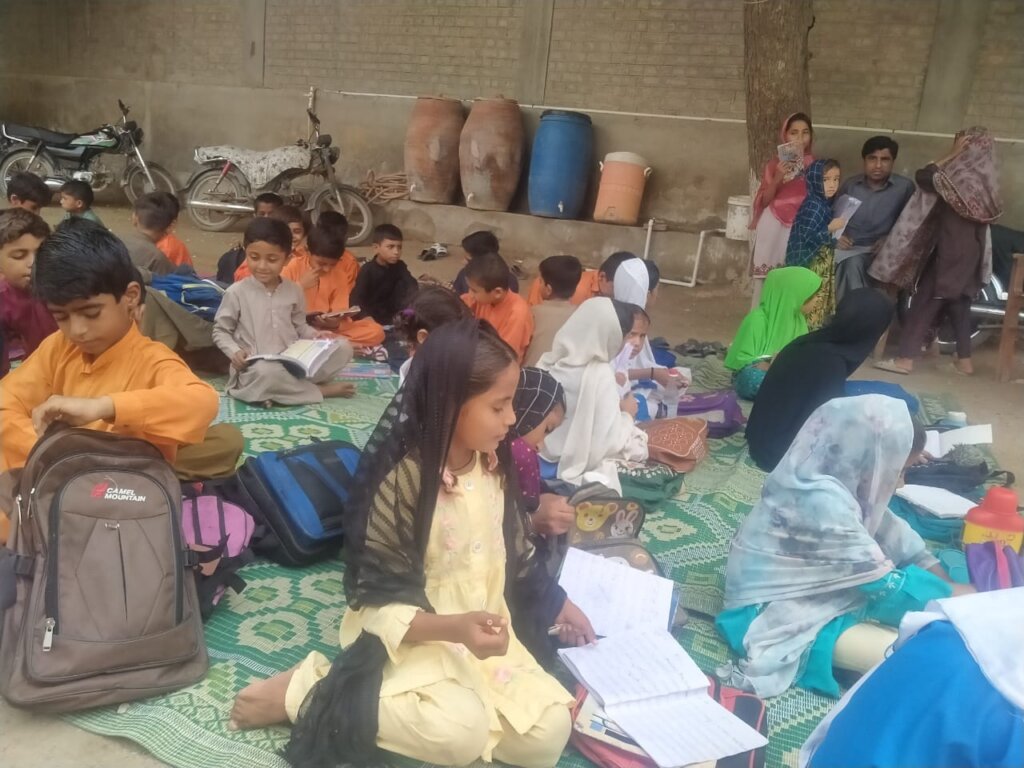
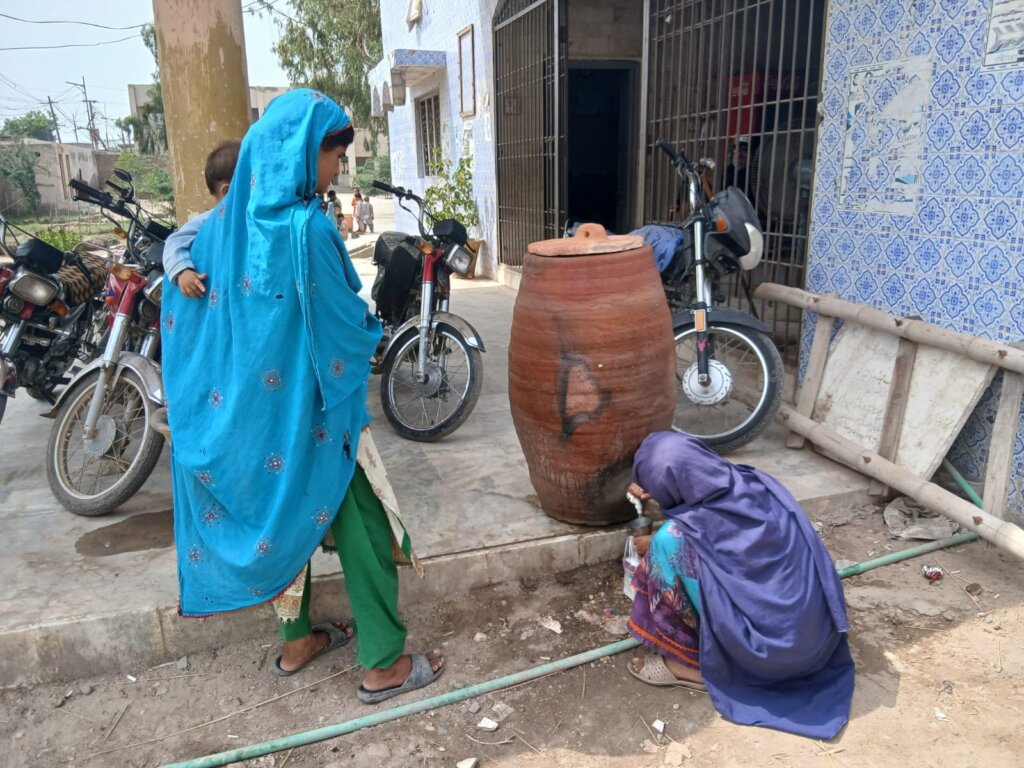
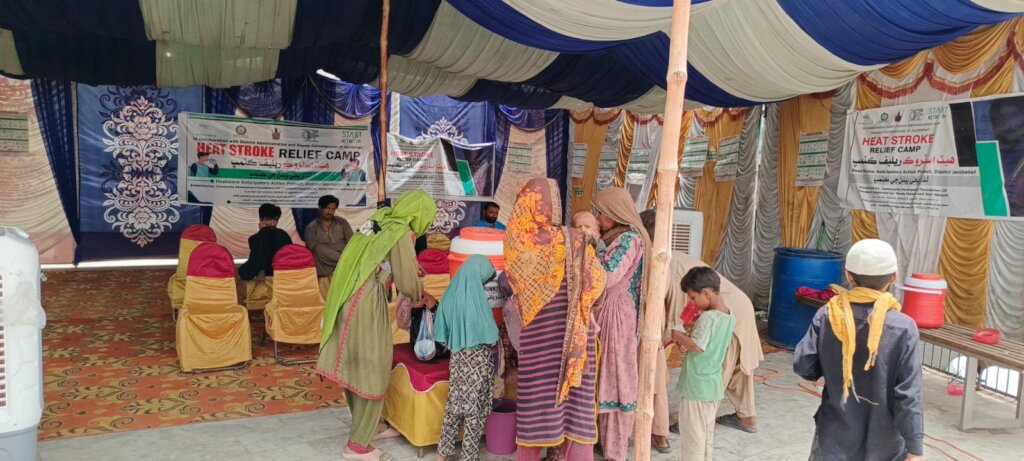
1. Background: Jacobabad is one of the hottest cities in the world, experiencing extreme heatwaves during the summer season. CDF applied through the GlobalGiving platform to mobilize resources for a Heatwave Relief Water Camp Project. The proposed initiative aimed to establish water relief points during the peak heatwave season to provide immediate relief to vulnerable communities, particularly children. CDF requested USD 3,700 to implement the project. However, during the campaign period, USD 500 was received from one generous donor. While the funds were insufficient to fully establish the planned camp, CDF was committed to utilizing the available support effectively and sustainably before the end of the heatwave season. 2. Strategic Adjustment: Since the complete budget was not raised, CDF reviewed its approach and decided to use the received funds in a sustainable, climate-friendly, and child-focused manner. Instead of establishing a temporary relief camp, CDF redirected the resources to provide safe drinking water access in schools of Jacobabad. 3. Implementation Target Area: 5 Government Schools in Jacobabad District Selection Criteria: Schools with no drinking water facility. Enrollment of 500+ students per school. Intervention: Placement of 10 climate-resilient mud water containers (2 in each school). Containers designed to keep water naturally cool without electricity or ice. Agreement signed with school administrations for: Daily refilling of water containers. Maintaining sanitation and hygiene standards. Sustaining the initiative for continued benefit of students. 4. Outcomes & Impact Total Beneficiaries: Approximately 2,000 students (average 400 per school). Direct Results: Students gained regular access to clean and cool drinking water. Reduced dependency on electric water coolers or ice, promoting climate-resilient practices. Encouraged eco-friendly solutions in schools. Sustainability: School administrations are committed to ensuring daily refilling and cleaning. Containers are durable and suitable for long-term use. 5. Lessons Learned : Flexible adaptation of project design ensured that donor funds were utilized meaningfully. Even a small contribution can make a lasting impact when directed to climate-smart and sustainable solutions. Schools are effective entry points for resilience initiatives, as children are among the most vulnerable to heatwaves. 6. Way Forward: CDF plans to scale up the initiative by mobilizing additional resources to cover more schools and public spaces. Advocacy will continue for promoting climate-resilient water solutions in Jacobabad and similar high-risk districts. CDF will keep engaging with GlobalGiving and donors to raise remaining funds for the original Heatwave Relief Camp project in the coming year. 7. Acknowledgment: CDF sincerely thanks the donor who contributed USD 500 through the GlobalGiving platform. This support enabled CDF to provide sustainable drinking water access to over 2,000 students in Jacobabad. The generosity and trust of donors remain the backbone of CDF’s mission to protect vulnerable communities from the adverse impacts of climate change.
Links:
Project reports on GlobalGiving are posted directly to globalgiving.org by Project Leaders as they are completed, generally every 3-4 months. To protect the integrity of these documents, GlobalGiving does not alter them; therefore you may find some language or formatting issues.
If you donate to this project or have donated to this project, you can receive an email when this project posts a report. You can also subscribe for reports without donating.



Support this important cause by creating a personalized fundraising page.
Start a Fundraiser