By Mandy Schroeder | Director of Communications
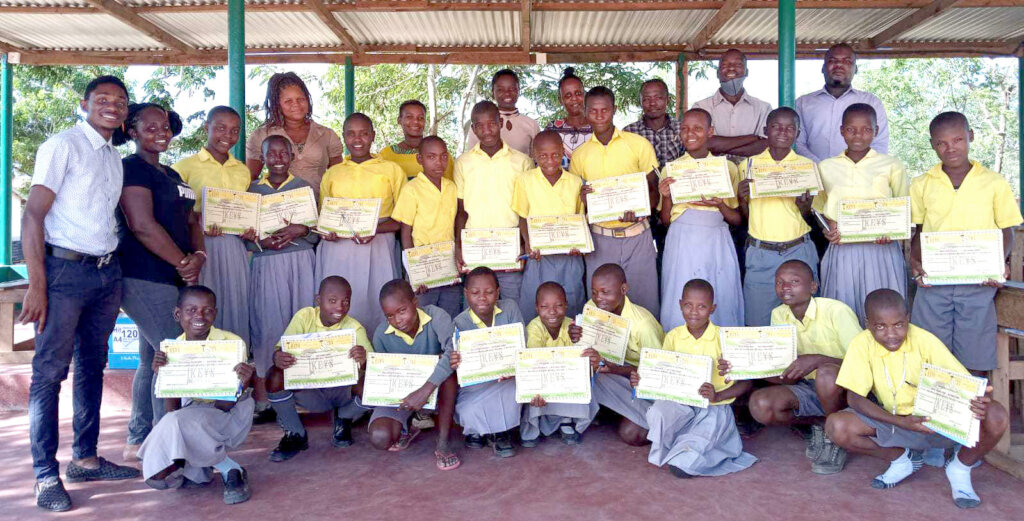
Education is not shaped by classrooms alone. For students to thrive, they need families, mentors, safe communities, and the confidence to keep showing up for their futures. Kenya Keys continually addresses the barriers that affect both male and female students, recognizing that lasting educational success depends on supporting the whole community around them.
Baraza
At Taru Social Hall, the Kenya Keys Gender and Affirmative Action Department partnered with the Sports Connect Initiative and the area chief to host a Men’s Baraza focused on male leadership and gender roles. The gathering brought together 36 men from older, middle-aged, and younger generations for what became a deeply honest conversation about the struggles silently affecting many families today.
The discussion opened with a powerful question: “Where did we lose our way?” From there, men spoke openly about broken family connections, absent fathers, drug abuse among young people, and the growing distance between parents and children. Many reflected on how traditional mentorship, once passed down through elders, stories, and direct guidance, has slowly faded. Without that support, young people can be left without direction, and fathers can feel disconnected from their families and uncertain about their role.
As the conversation deepened, participants shared the emotional burden of feeling unheard, sidelined, or unsure of how to lead within changing family and community structures. Yet the gathering did not remain in a place of discouragement. Instead, it became a moment of awakening. Men challenged one another to rise again, not through fear or authority, but through presence, love, responsibility, and positive example.
By the end of the Baraza, participants had renewed their commitment to rebuild families, restore mentorship, and strengthen relationships within homes and communities. They acknowledged that while society continues to change, the role of a present, caring, and responsible father or mentor remains irreplaceable. For Kenya Keys, this work matters because boys and young men need positive models of leadership, and all students benefit when families and communities are strengthened.
Menstrual cups training
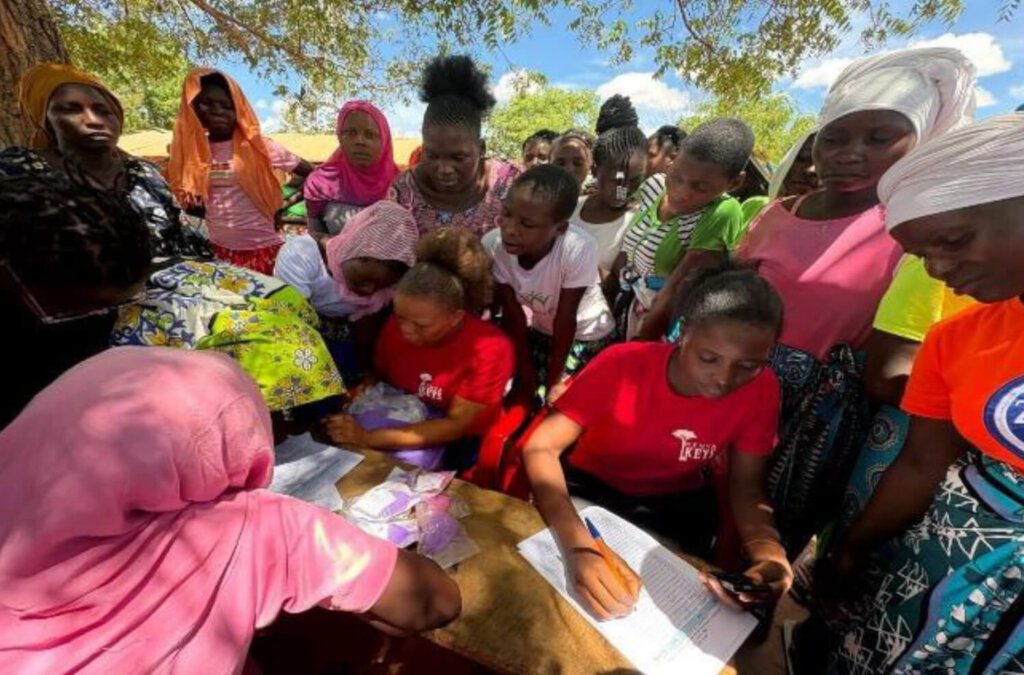
Kenya Keys also continued addressing barriers that uniquely affect girls’ education. In Kazamoyo Village, a menstrual cup training session was held at Kazamoyo Primary School in partnership with Kazamoyo Development Organisation. The area was selected because of high levels of poverty and limited access to menstrual hygiene products, with many families struggling to meet even basic daily needs.
The response from the community was far greater than expected. Organizers anticipated about 70 participants, but approximately 150 women and girls attended, including 50 school-going girls ages 14 to 18 and 100 adult women. Their participation reflected the urgent need for practical, respectful support around menstrual health.
During the session, participants shared the challenges they face in accessing sanitary products. Disposable pads are often too costly to purchase regularly, while reusable sanitary towels can be difficult to manage when families have limited access to water and soap. For school-going girls, these barriers can lead to absenteeism, discomfort, embarrassment, and increased vulnerability.
Facilitators introduced menstrual cups as a sustainable and cost-effective alternative. Participants received simple demonstrations on proper use, including insertion, removal, cleaning, and storage. The discussion also covered the long-term benefits of menstrual cups, including affordability, convenience, reduced environmental impact, and the possibility of greater confidence and dignity for girls and women.
Although some participants were hesitant at first, many became interested and willing to try menstrual cups after receiving clear information and guidance. By the end of the activity, 113 participants had received menstrual cups. The training increased awareness of menstrual health and hygiene while helping restore dignity and hope to women and girls in Kazamoyo Village.
Supporting the whole student
Together, these two activities reflect Kenya Keys’ commitment to removing barriers to education in ways that are practical, culturally responsive, and deeply human. Boys and young men need mentorship, positive leadership, and strong family connections. Girls need dignity, health education, and the resources to attend school consistently. By supporting both, Kenya Keys is helping students build stronger futures while also strengthening the families and communities that surround them.
Project reports on GlobalGiving are posted directly to globalgiving.org by Project Leaders as they are completed, generally every 3-4 months. To protect the integrity of these documents, GlobalGiving does not alter them; therefore you may find some language or formatting issues.
If you donate to this project or have donated to this project, you can receive an email when this project posts a report. You can also subscribe for reports without donating.



Support this important cause by creating a personalized fundraising page.
Start a Fundraiser