By Myron Eshowsky | Co-Director
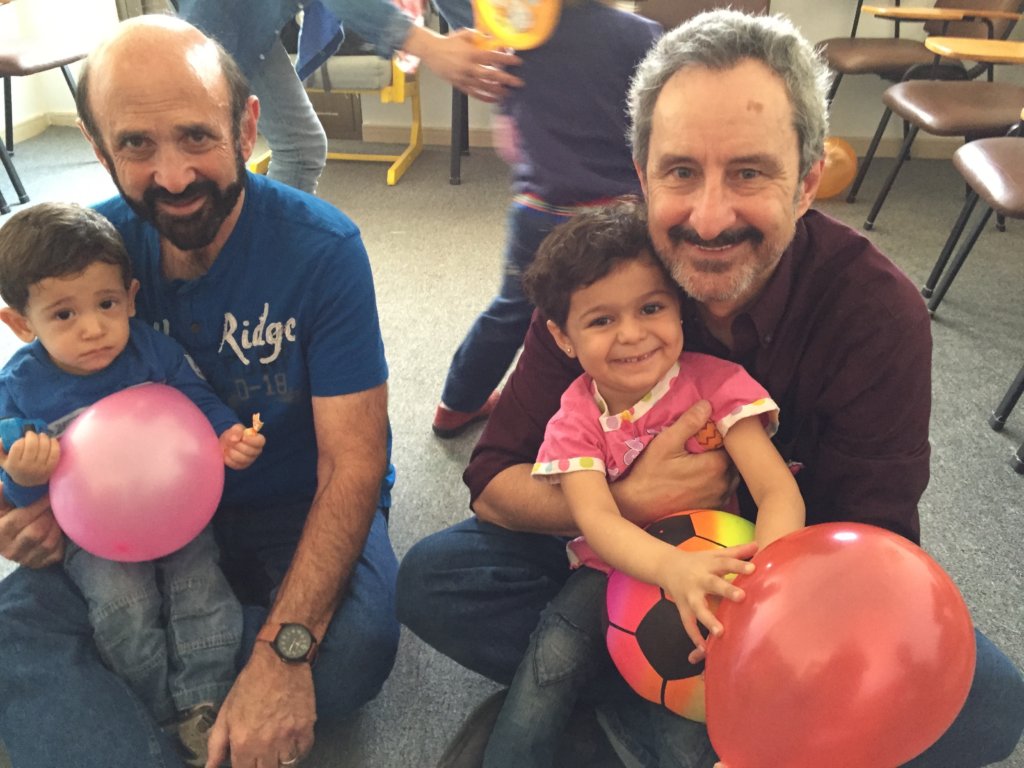
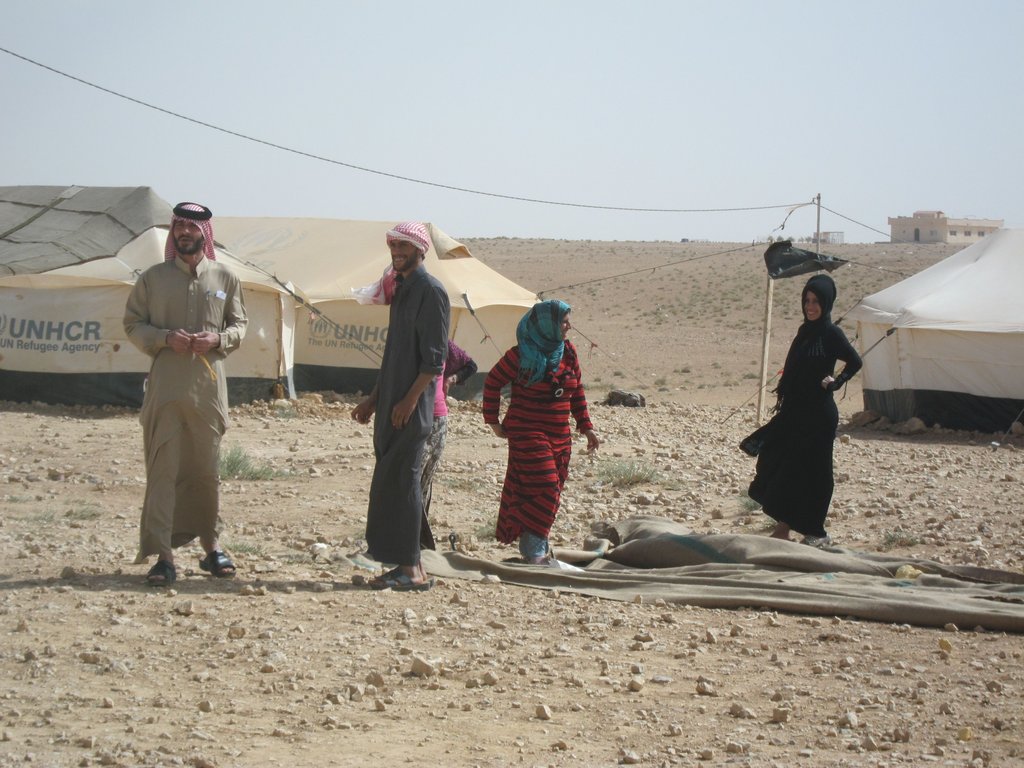
In June 2014, SHC joined Flying Doctors of America, and IFMSA/Jordan in a collaborative effort to provide medical and psychosocial treatment to Syrian refugees from the Zataari Camp and regionally. Myron Eshowsky, co-director of the Social Health Care Project, led the psychosocial team. In a four day period , over 1800 refugees received medical, dental, and mental health services. Though a large percentage of the refugees are traumatized, virtually no treatment has been available. Additionally, there is a high degree of stigmatization about acknowledging mental health issues which complicates willingness of some to pursue services that are available.
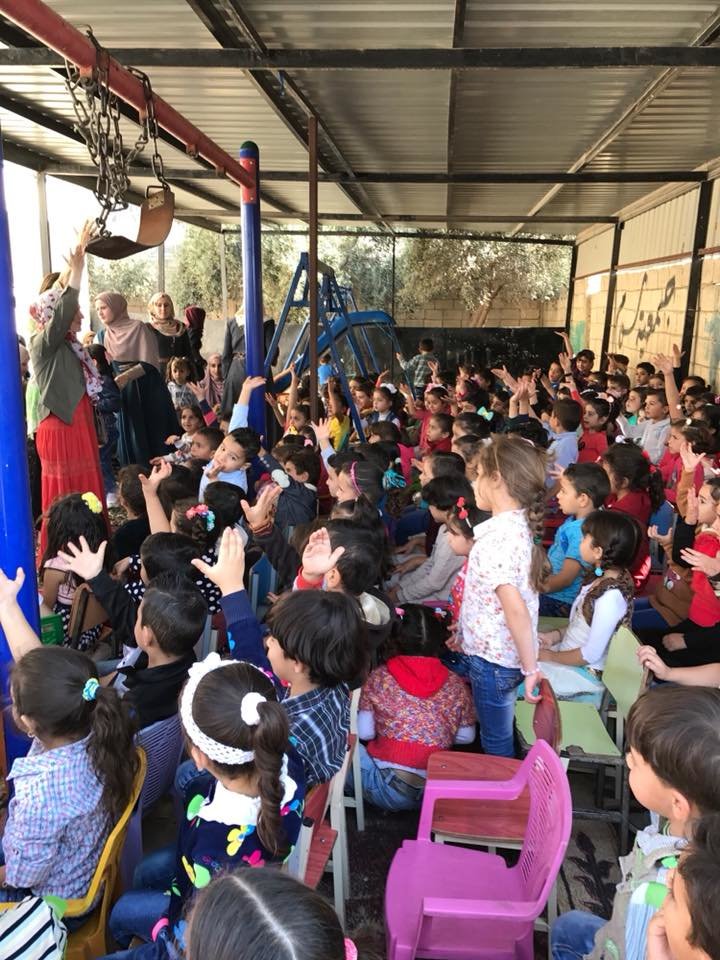
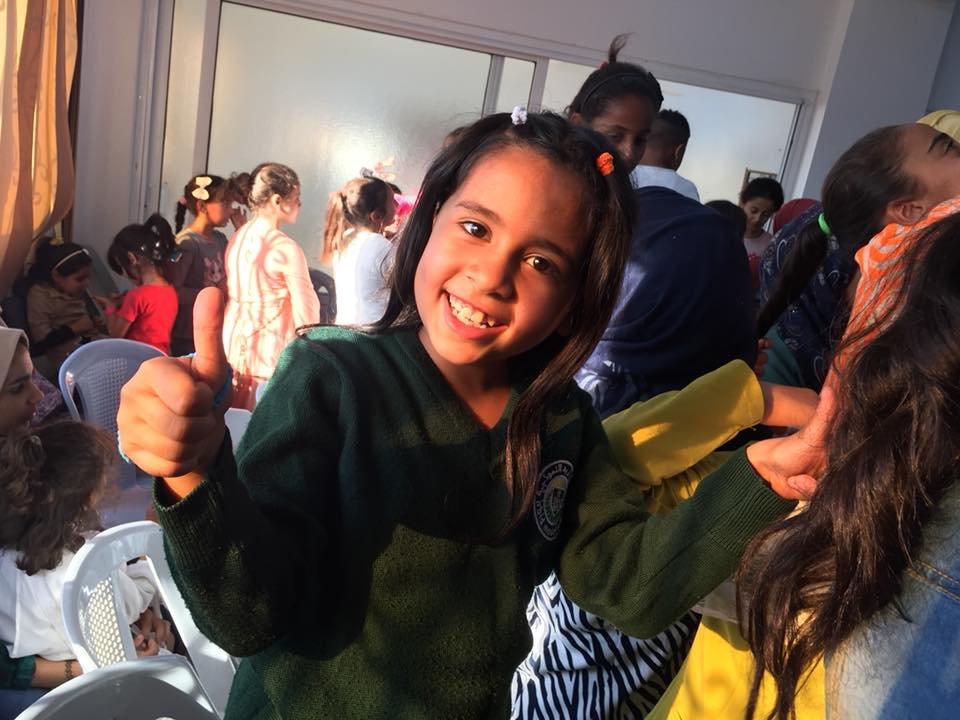
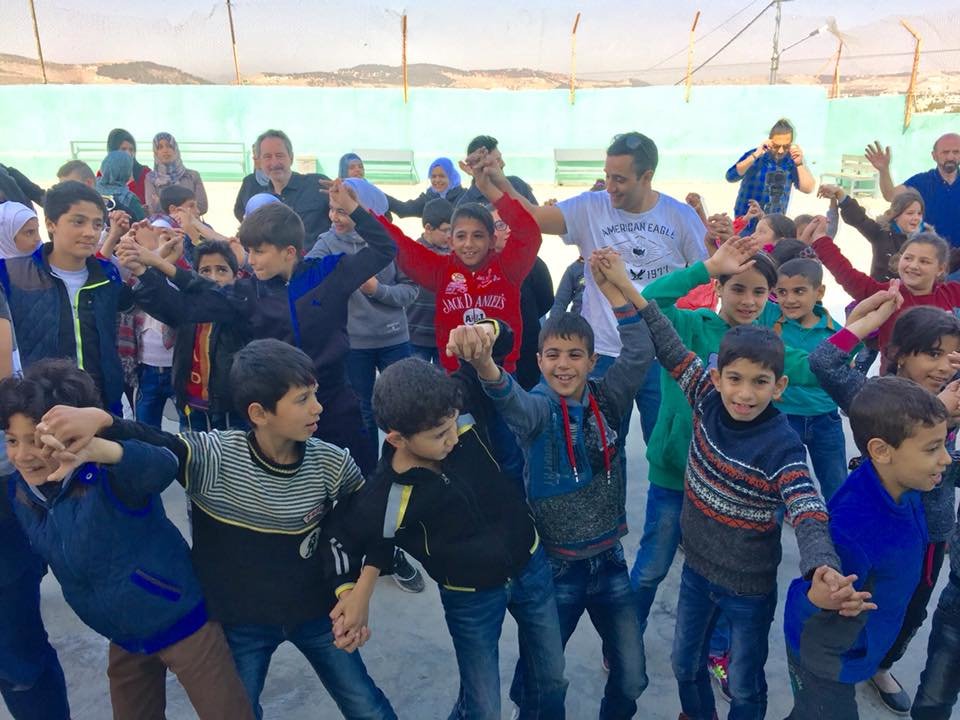
Since more than 50% of the refugees are children under the age of 18, I will share a couple of stories of work with children as sample cases we provided services. We saw over 50 people for psychological assessment and care over the 4 days. The presenting problems included : nightmares, crying, bed wetting, refusal to eat, difficulty socializing with others, range of post traumatic symtoms, conversion reactions, anxiety, dissociation, traumatic brain injuries, and severe mental illness such as schizophrenia.
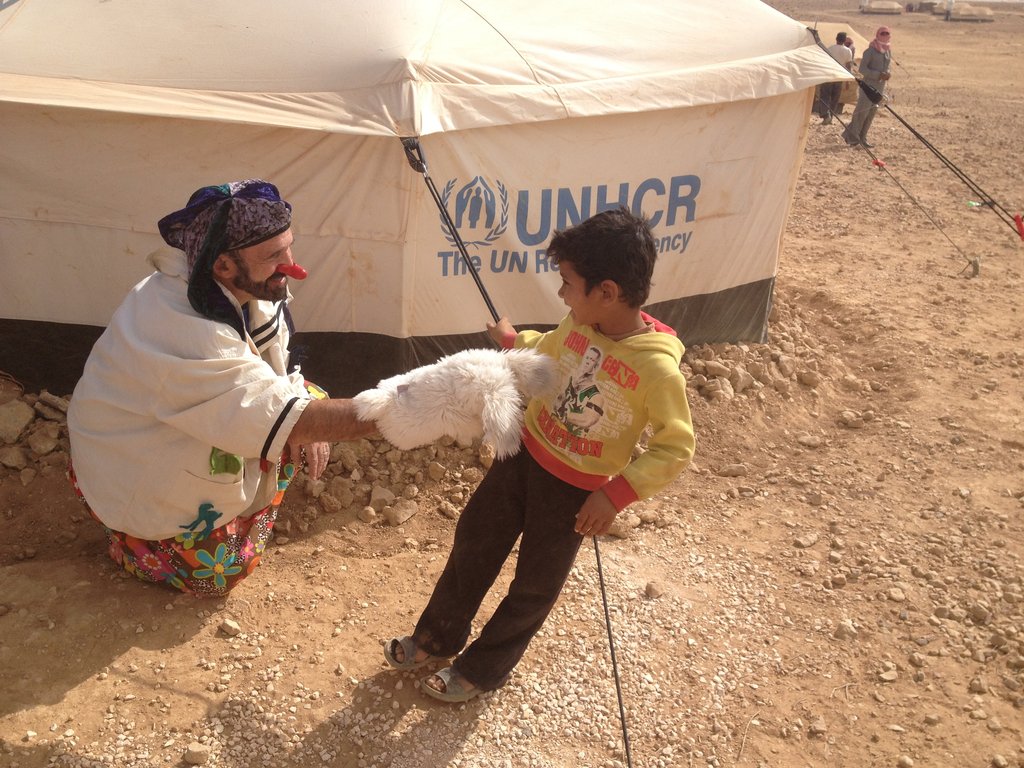
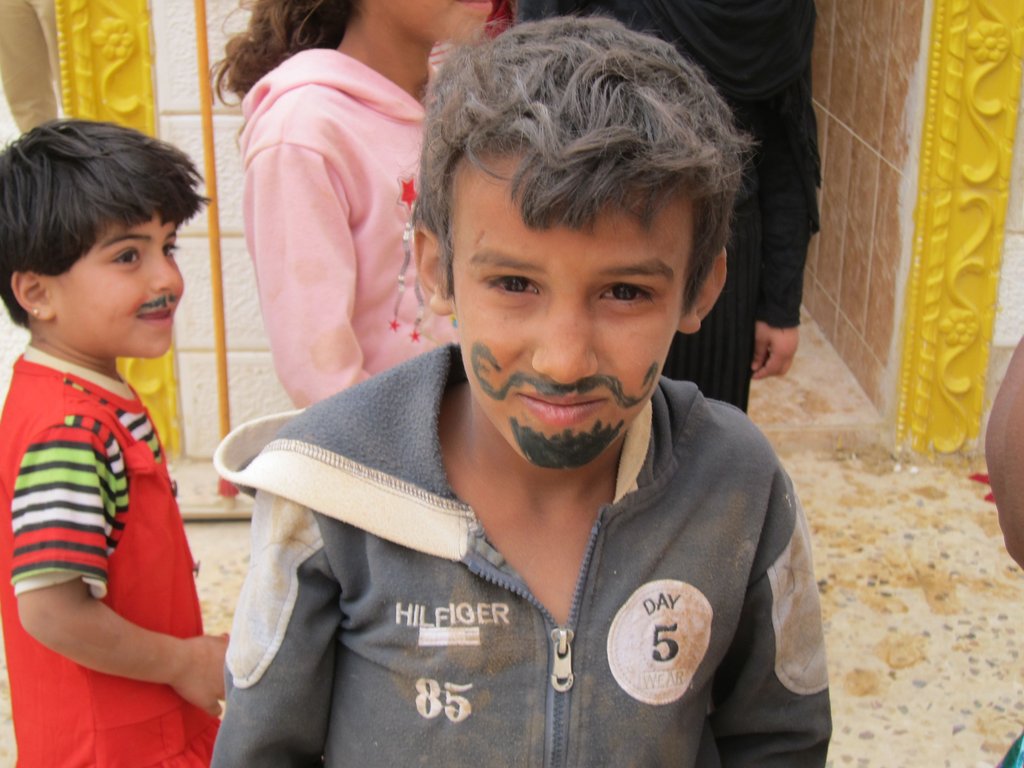
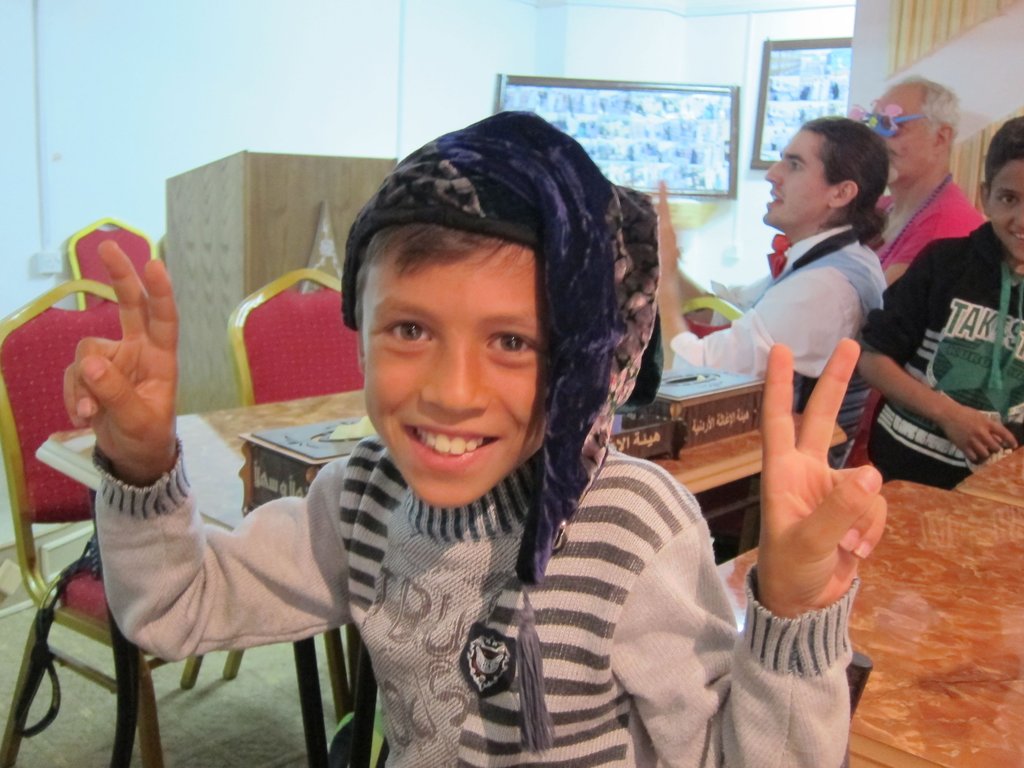
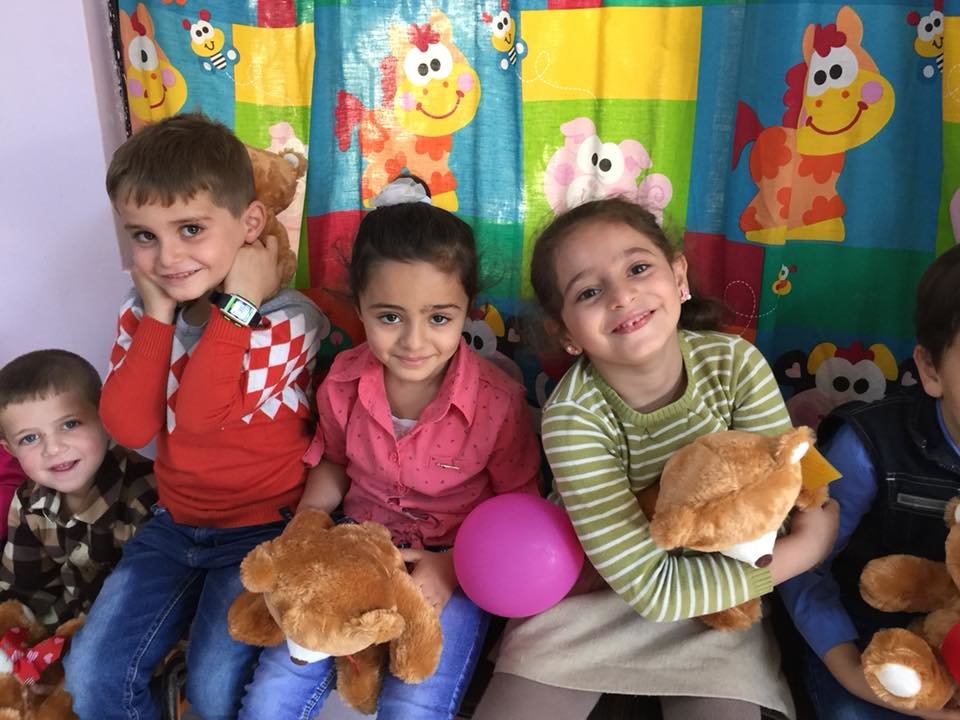
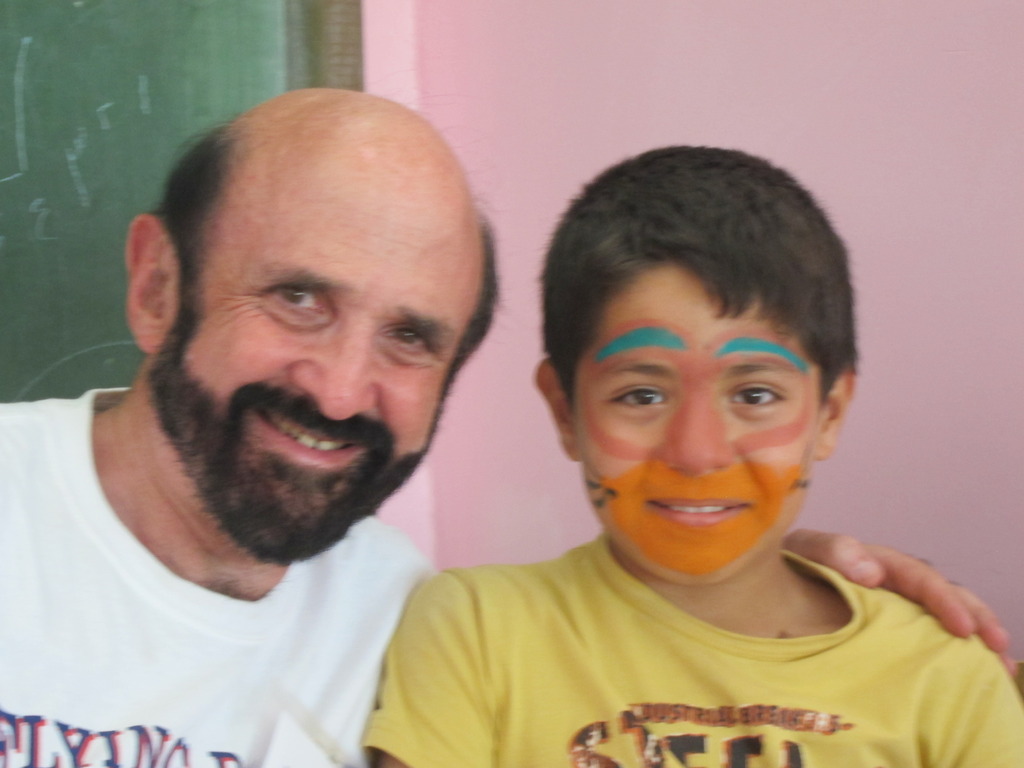
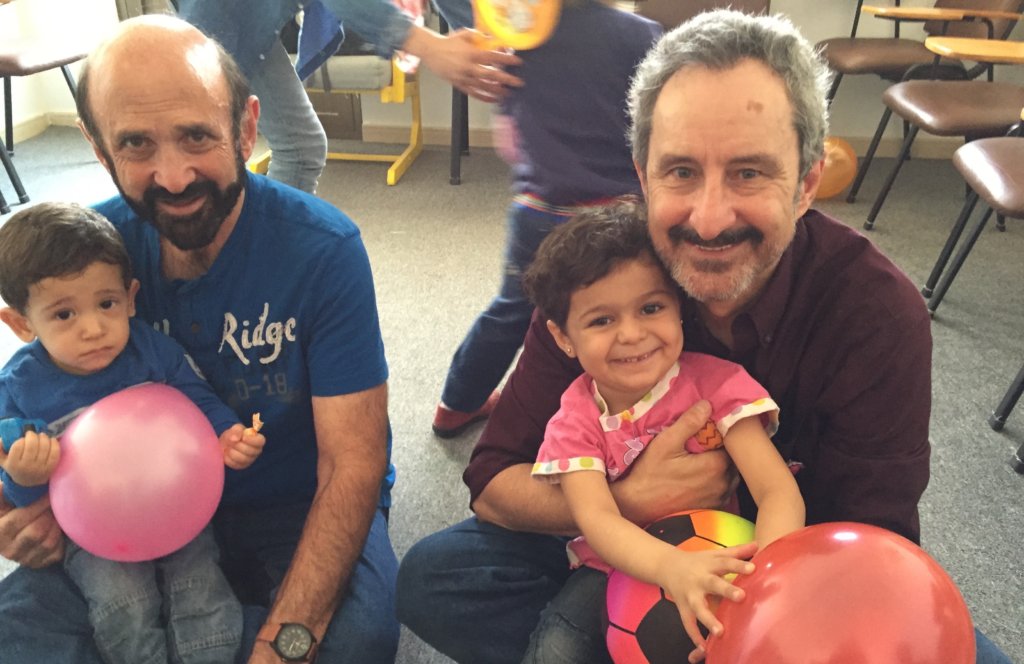
A Syrian boy (picture 1) came to see me with his mother. She told me a story of how her son was being bullied in school by Jordanian boys. They taunted him with words of "stupid Syrian and you are a disgusting animal". There were a number of episodes of physical beatings by these Jordanian boys. Mom reported his having nightmares, episodes of bedwetting, sadness, and withdrawal. She was additionally worried because he would go through periods of not eating. In her attempts to address the bullying at the school, she went to talk with the school principal. His response was to physically punish the bullies, who in turn increased their beatings of her son. When I started to work with Abd Al-Salaam, he had these sad puppy dog eyes and solemn look about him. Through some trauma counseling and teaching him aikido centering practices, he was able to learn some tools that made him feel stronger internally. When he felt the strength in himself, he began to smile. His mother glowed and said he had not smiled in many, many months. He and Italked about how he could be strong inside no matter what others are doing. Fortunately, the Syrian refugee community is developing schools for Syrian children to provide a safe learning environment.
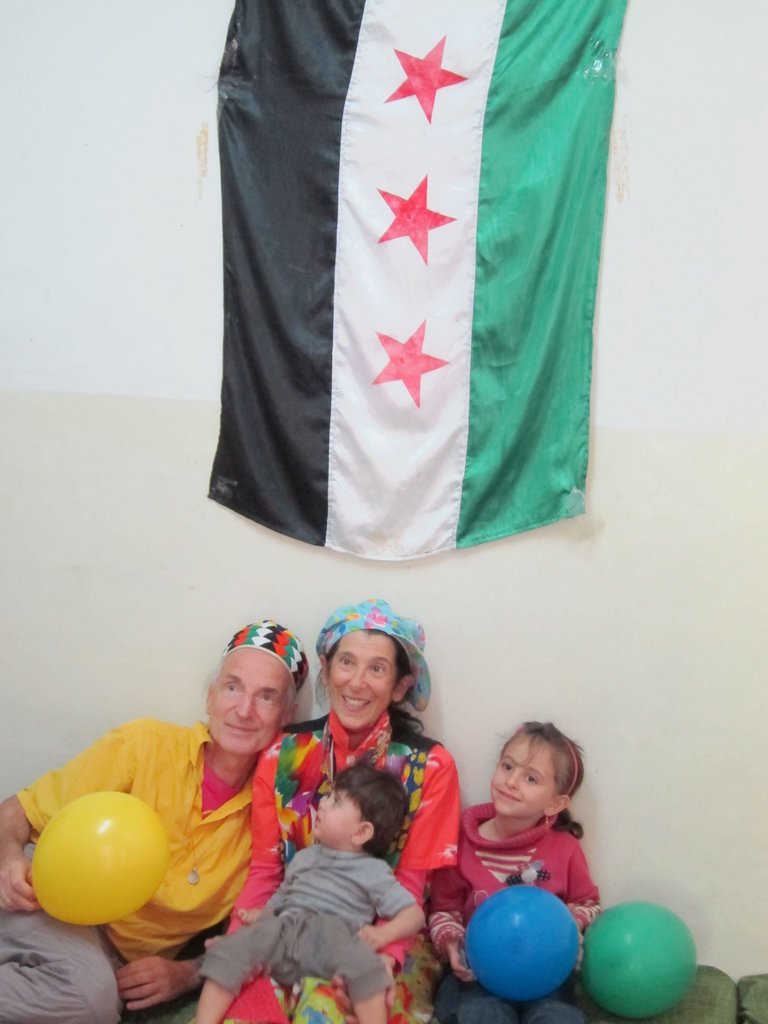
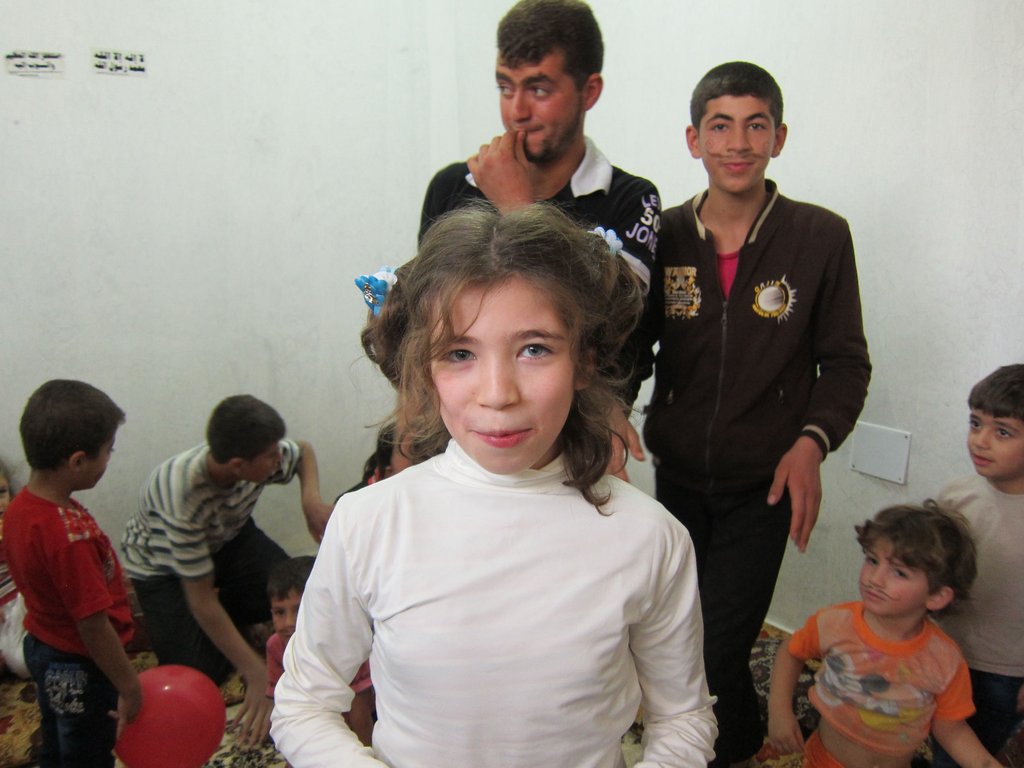
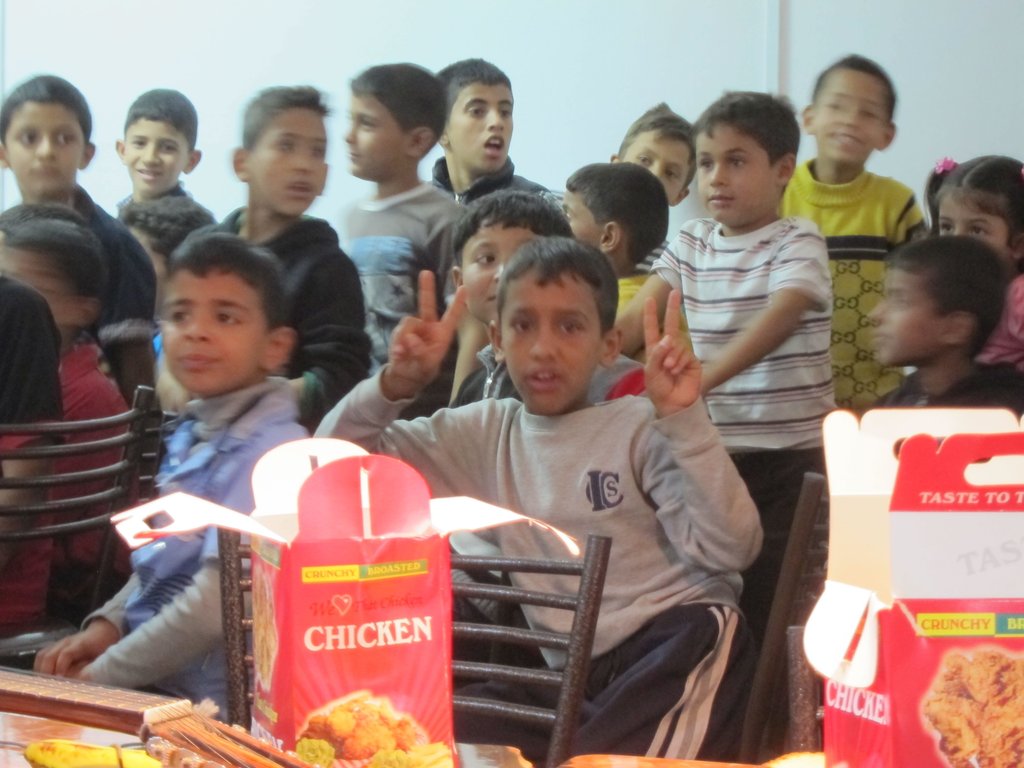
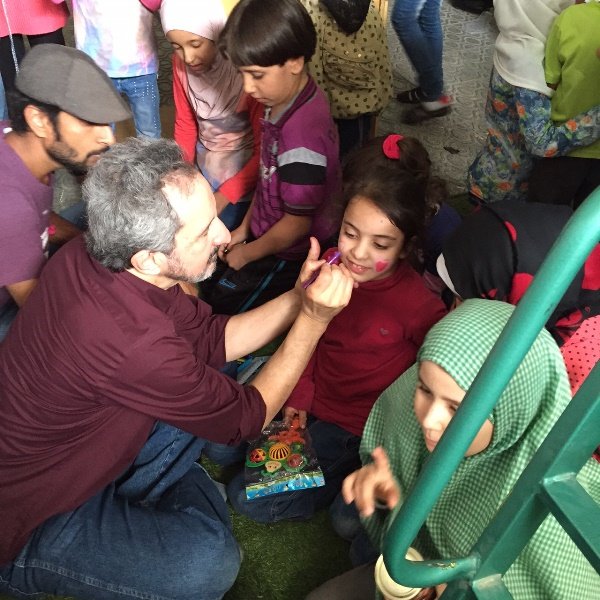
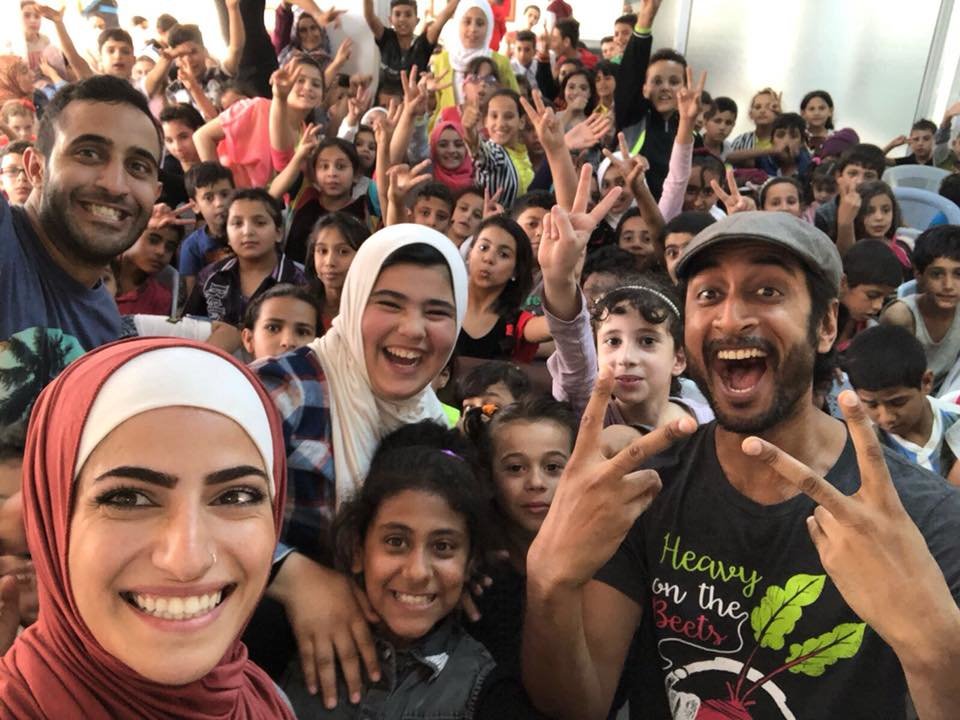
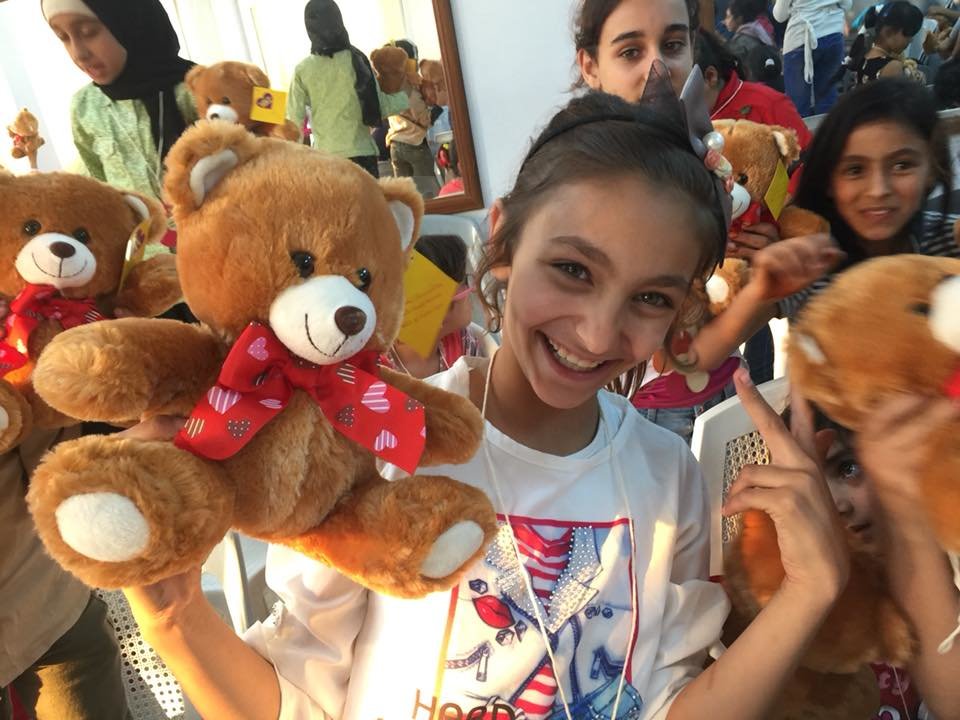
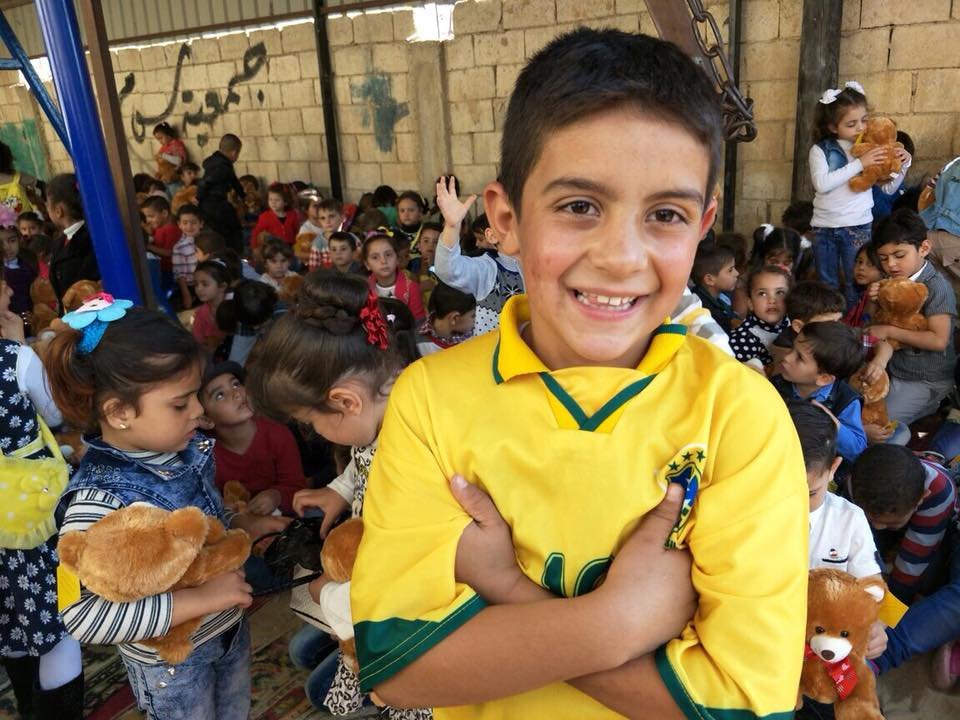
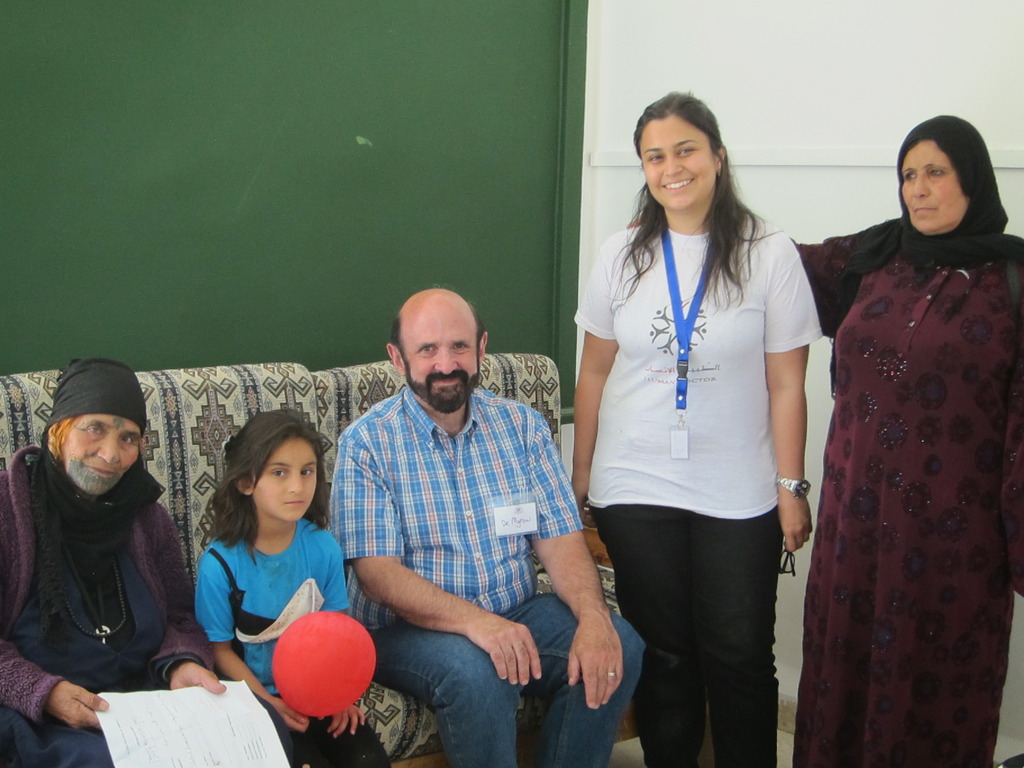
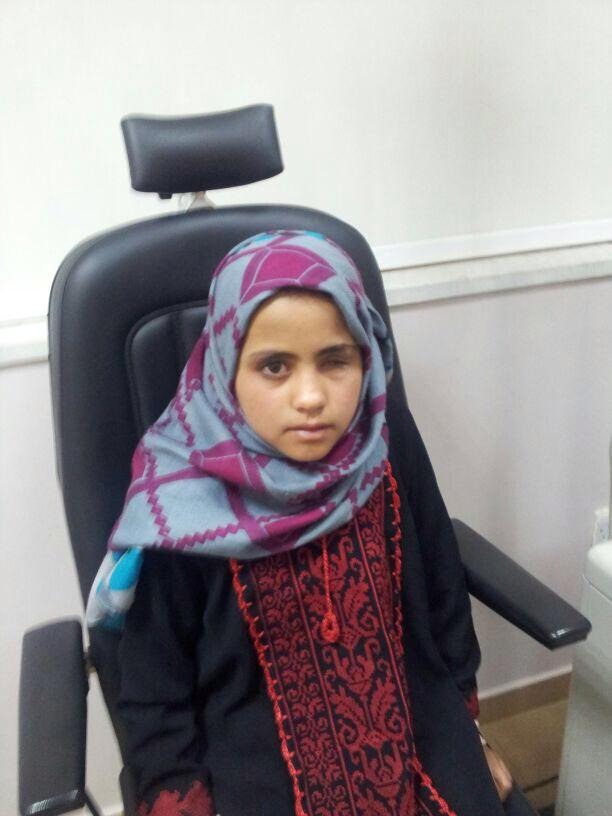
In the midst of wrapping up a session with the family of a six year old girl (picture 2) who would not eat and would not go to school (one of many children treated who were failing to thrive), one the Flying Doctors' pediatricians came and asked if I could see a girl in her office immediately. As I walked in, I saw a small 10 year old girl in torn clothing and very dusty. The doctor told me the little girl had shrapnel in her left eye socket and it was infected. Her worry was without medical treatment the infection would spread to her brain. I sat with the little girl and learned her name is Arabic for "to honor". She told me that her parents were driving and they were shot and killed in front of her. Somehow though wounded she crawled out of the car and a non-related Syrian woman found her and carried her accross the border into Jordan and found us. Despite her worn condition and obvious trauma, she had an inner strength and presence that touched all of the staff working with her. She spoke to me of the pain in her soul and her heart and how she could not speak of this to the people who had carried her into Jordan. I told her she could give me the pain as I would carry it for her. She told me the whole story of what had happened, how she felt, and how much she had cried. As she told her story, Dr. Ghalia a Syrian psychologist colleague and I did a form of EMDR which she said made the soul pain less. I asked her about the best moment in her life and she told me a story of drawing a picture that people thought was so good they applauded. I had her remember the moment and fill herself up internally with the colors of her picture. She shared it made her feel better. I gave her some drawing supplies and a paper book for her to express her feelings through her art. Despite the difficulty of refugees to get medical care, (picture 3, at a Jordanian hospital), we were able to get her into a hospital for antibiotics, surgery, and eventually a prosthetic eye. In her case were able to arrange for psychological follow up services as well.
While SHC, continues to provide grassroots training in trauma treatment to NGO staff , students, and government officials serving the refugee population, we also will continue to provide psychosocial services to the refugees via our students and staff in upcoming collaborations with Flying Doctors, Gesundheit institute, and other NGO's in Jordan and Turkey.
July 16th, 2014 is another matching funds day (until they run out). Donations will be matched at 30%. We hope you will help spread the word.
Project reports on GlobalGiving are posted directly to globalgiving.org by Project Leaders as they are completed, generally every 3-4 months. To protect the integrity of these documents, GlobalGiving does not alter them; therefore you may find some language or formatting issues.
If you donate to this project or have donated to this project, you can receive an email when this project posts a report. You can also subscribe for reports without donating.