By Cinzia De Santis | Chairwoman & Founder
Introduction: This report summarises the progress and challenges of the poultry farming programme Small Steps for a Better Future since January 2024 in Guaraunos, a village in Eastern Venezuela, which aims to support local farmers by providing training and resources for sustainable farming. Because of unexpected challenges and political turmoil before and after the presidential elections, the project was paused in August and September. During this period, we engaged with a local partner, Fundacion San Jose, with experience in micro-farms in the area to continue with the programme. During these past few months, meeting and planning activities were carried out and the new phase of this project started on the 15th of October.
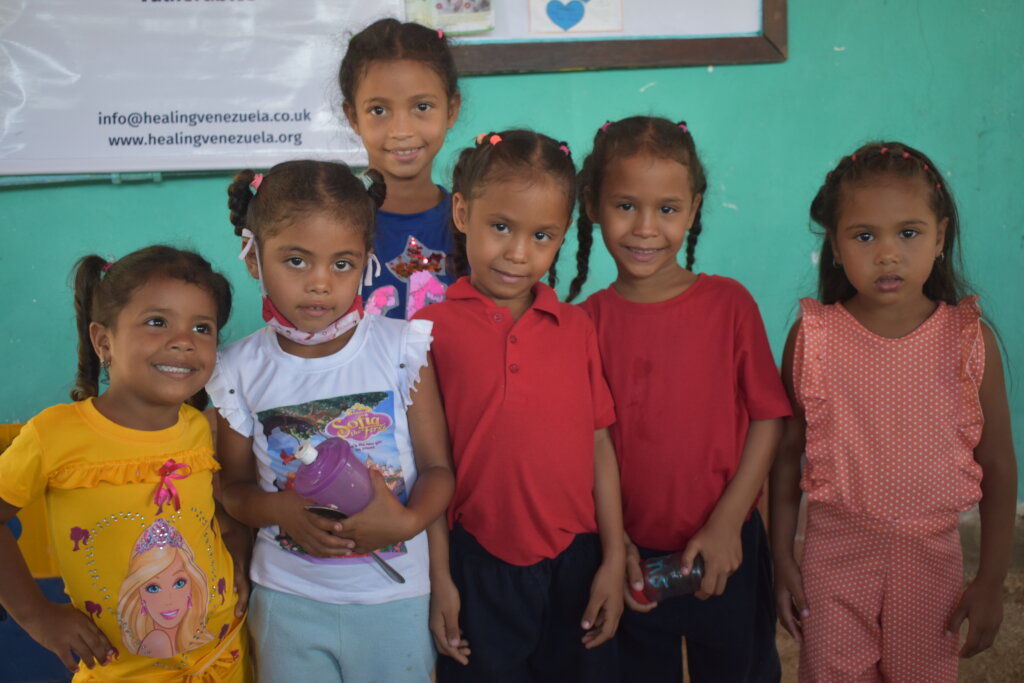
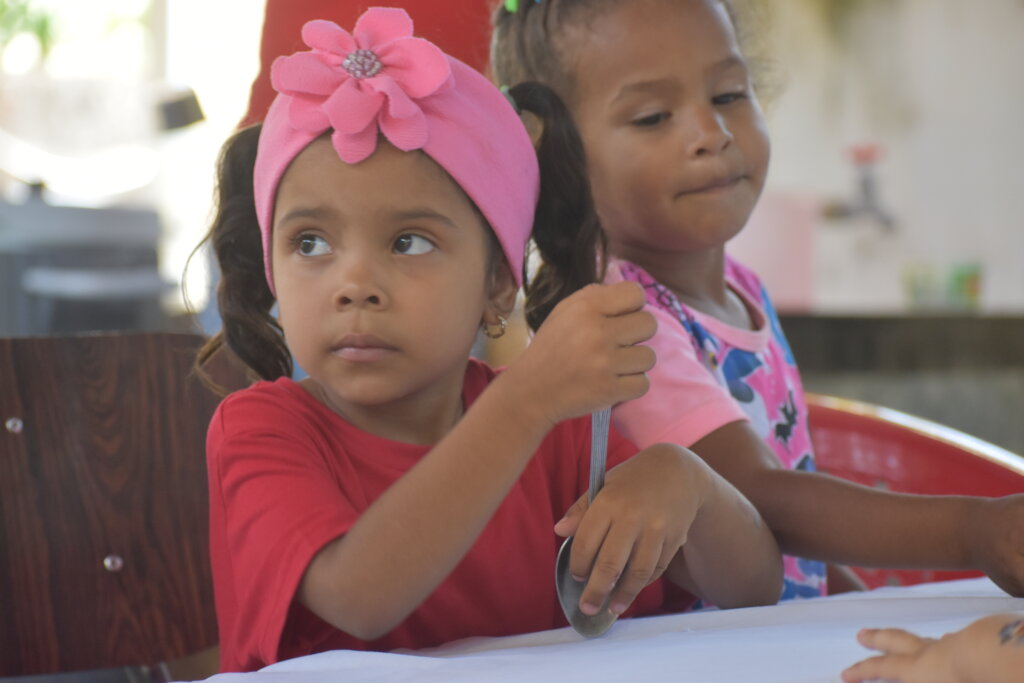
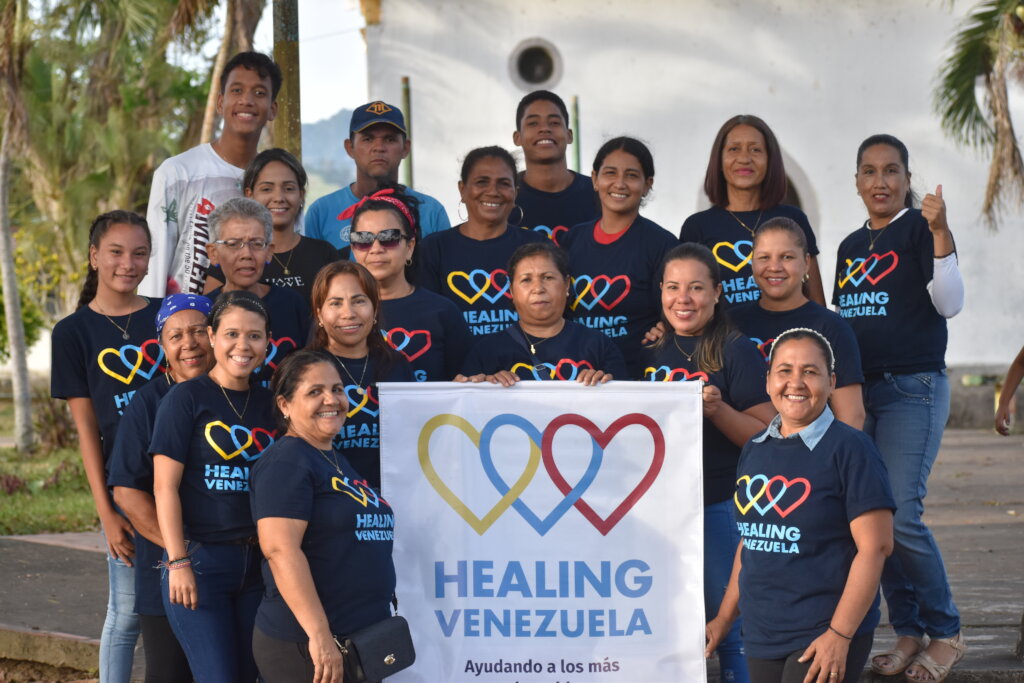
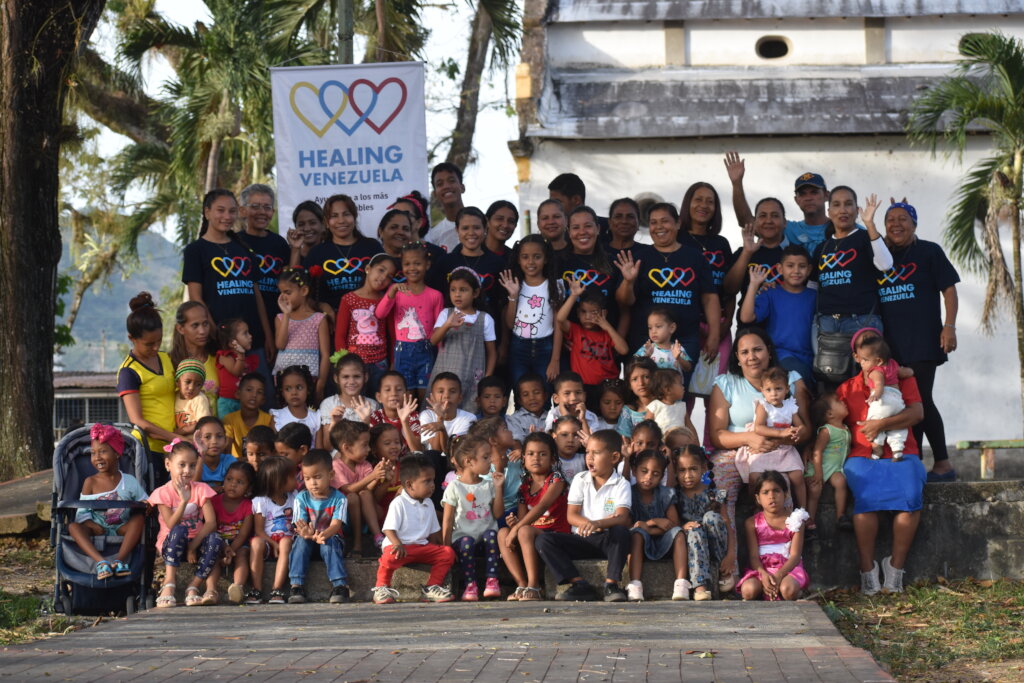
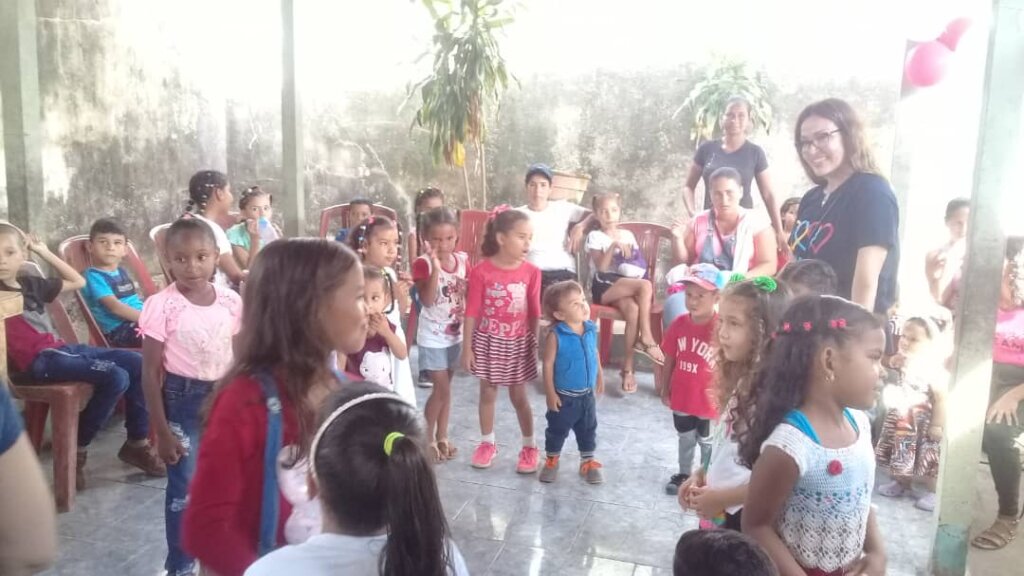
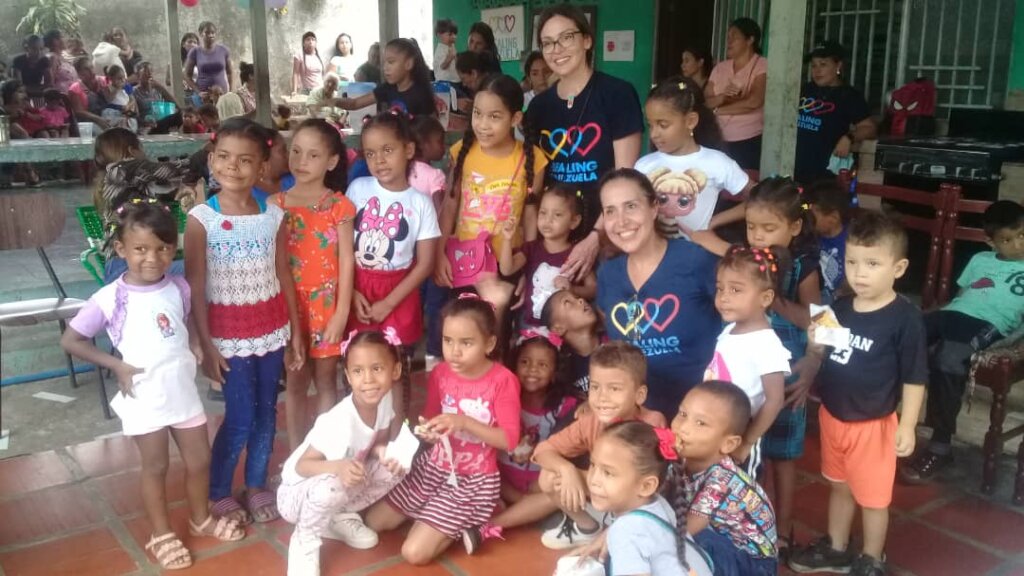
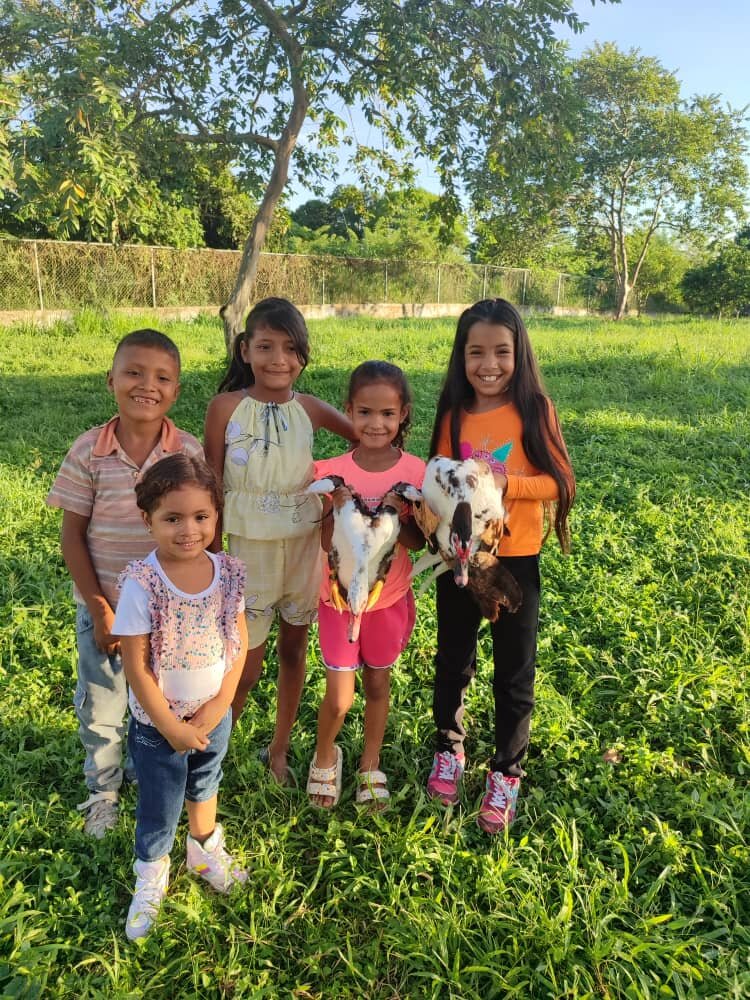
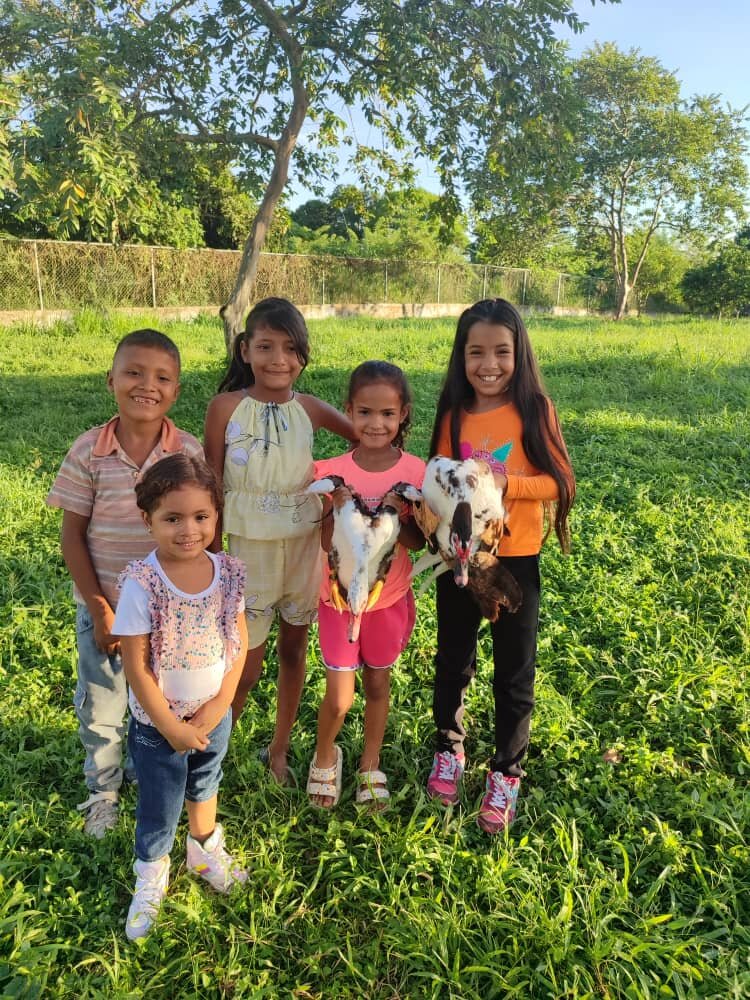
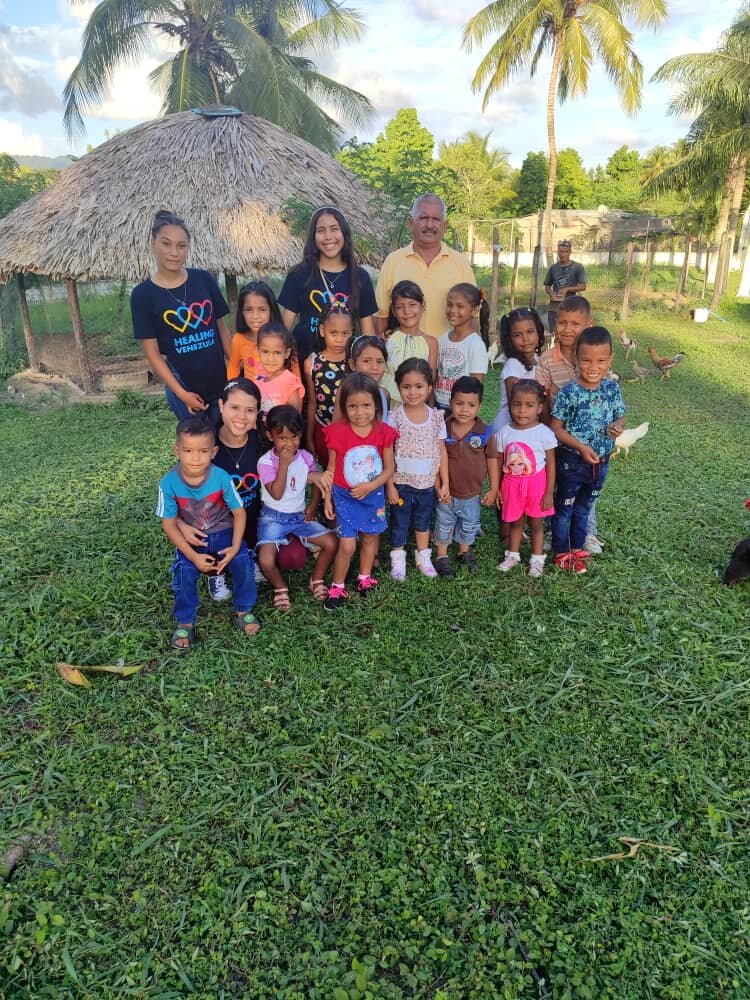
Background: During the last 5 years, Healing Venezuela has been working with the Guaraunos village delivering a Food Security Programme for 100 children at risk of malnourishment. Throughout this time, the villagers have demonstrated the willingness and commitment to organise themselves and to improve their circumstances so we decided to facilitate their journey to be self-sustainable.
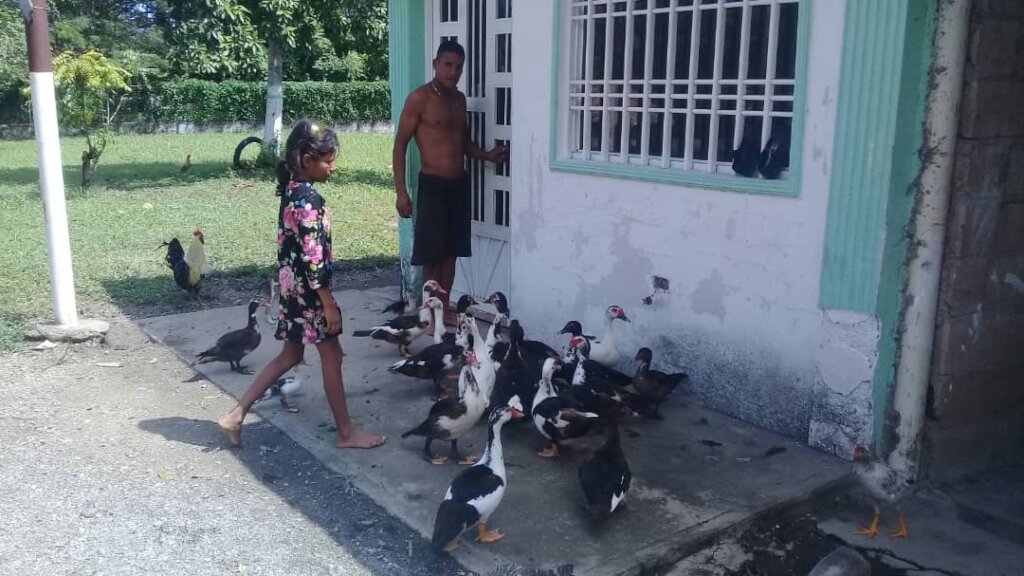
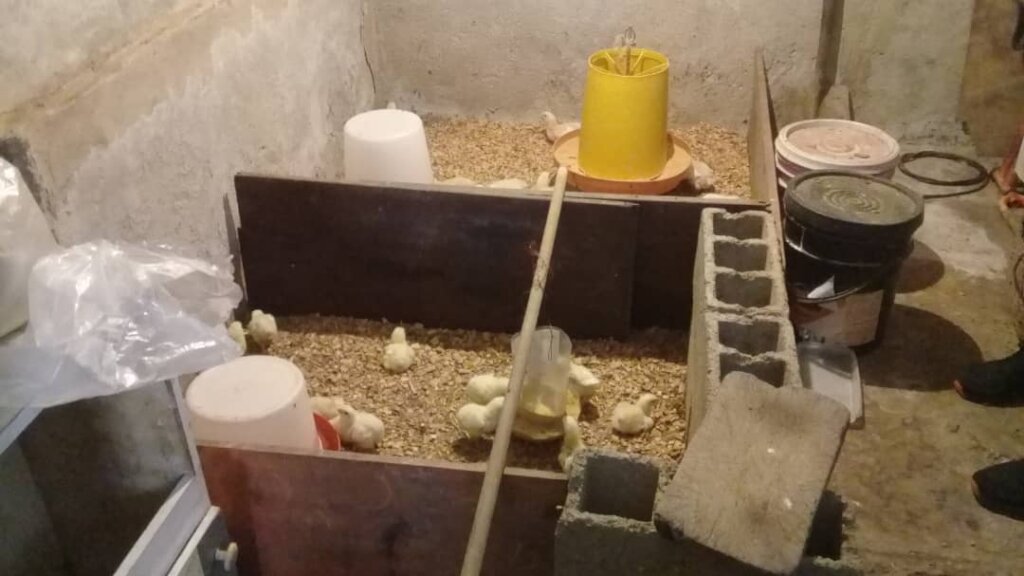
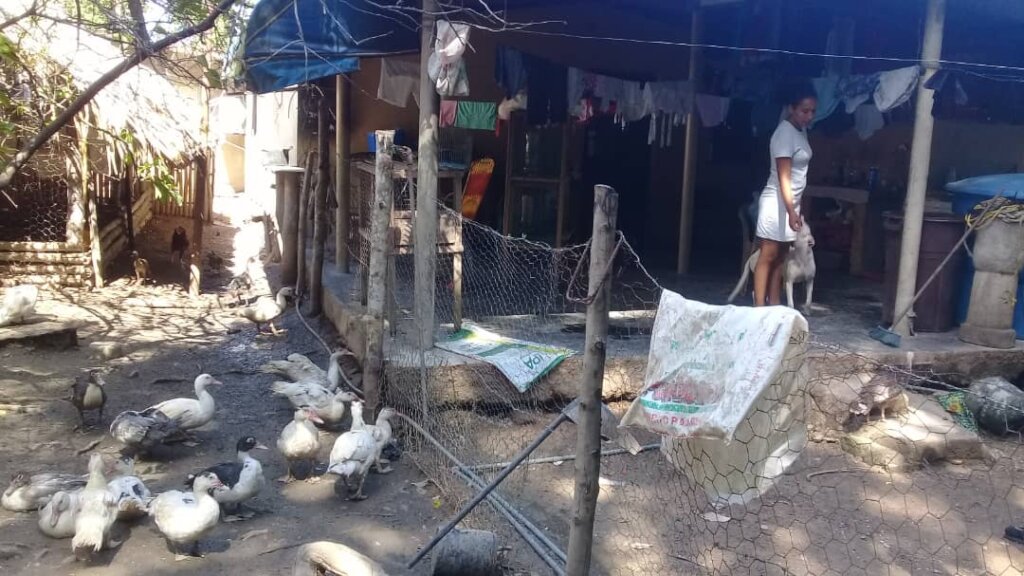
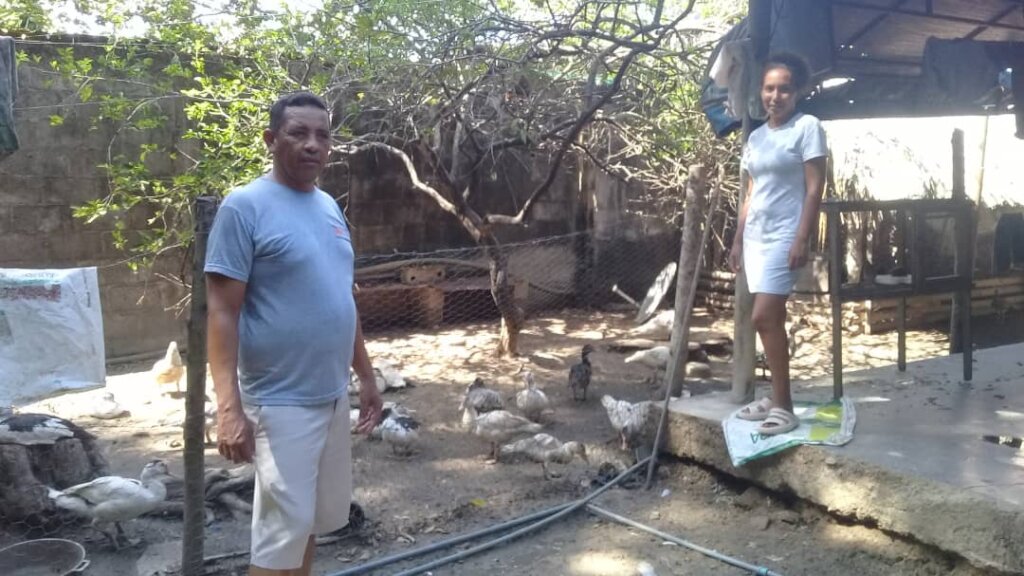
Since January 24, Healing Venezuela has been sponsoring a poultry micro-farms pilot with 5 low-income families. We chose this specific activity because of its success in other countries like India and to take advantage of the local expertise as in the village operates an agriculture technical school recently revamped by FAO.
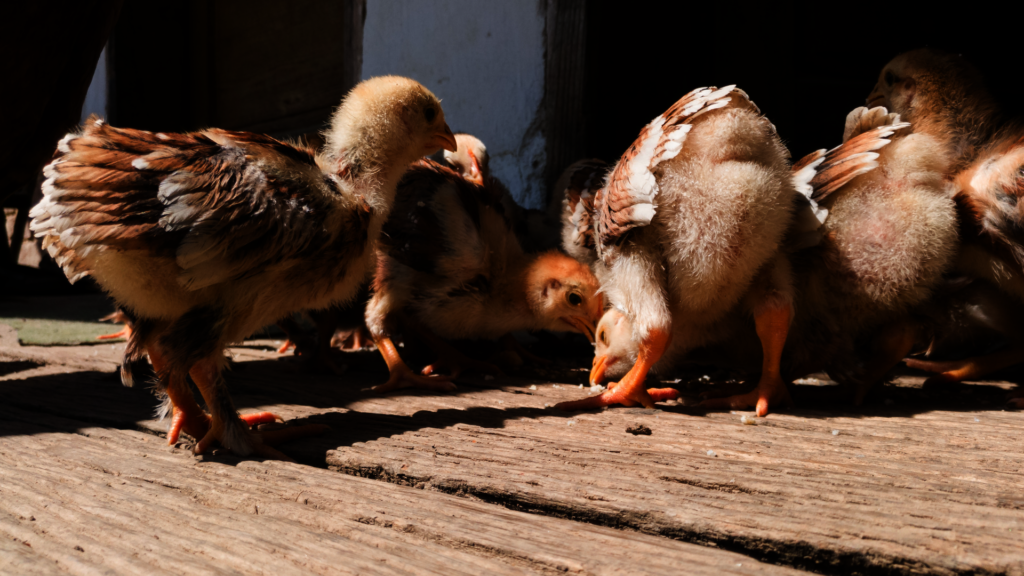
To date, 425 kgs of meat has been given to the canteen, generating also a small income for the farmers. In June, though, partly because of the sudden illness of one of the participants, the high mortality rate of the chicks, the higher-than-expected costs of poultry food and, especially, the upcoming presidential elections, the programme came to a halt and we engaged with the Fundacion San Jose, a local NGO with expertise in farming, to restructure the programme.
Stage II: Working with Fundacion San Jose
The objective of the relaunching of the Smal Steps for a Better Future is to consolidate self-sustaining family food production units, led by women in the Guaraúnos Community led by a local NGO, Fundacion San Jose.
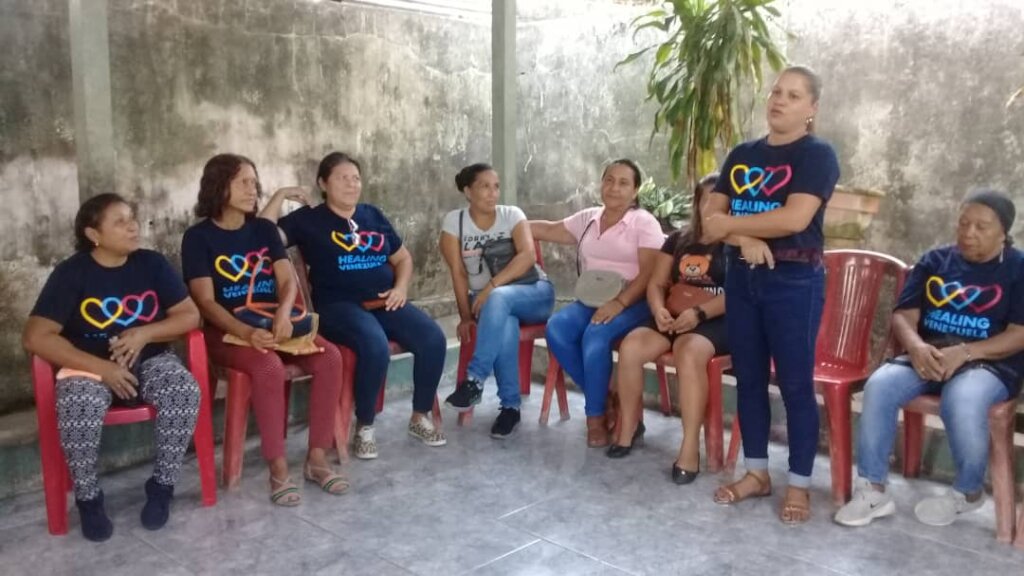
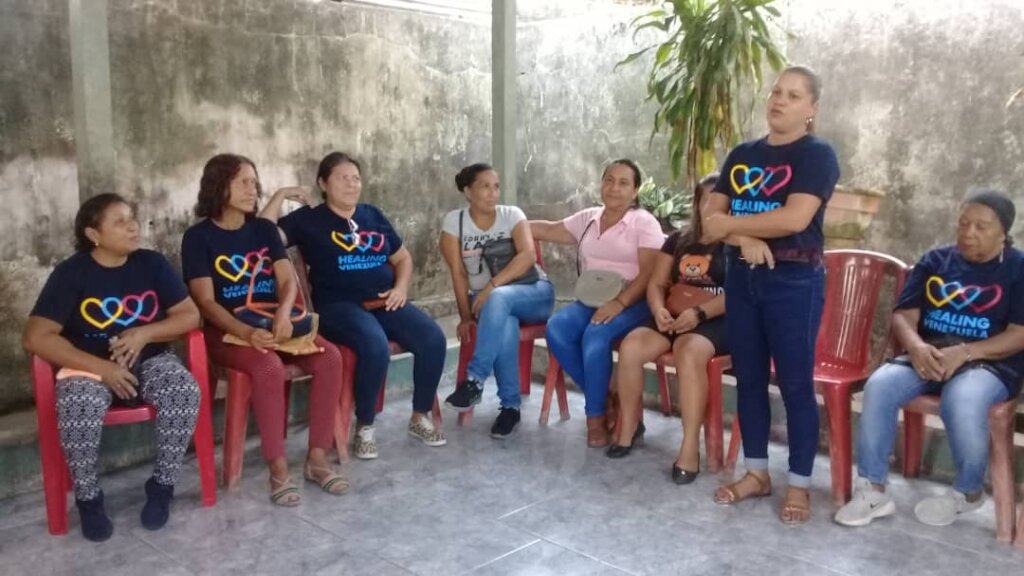
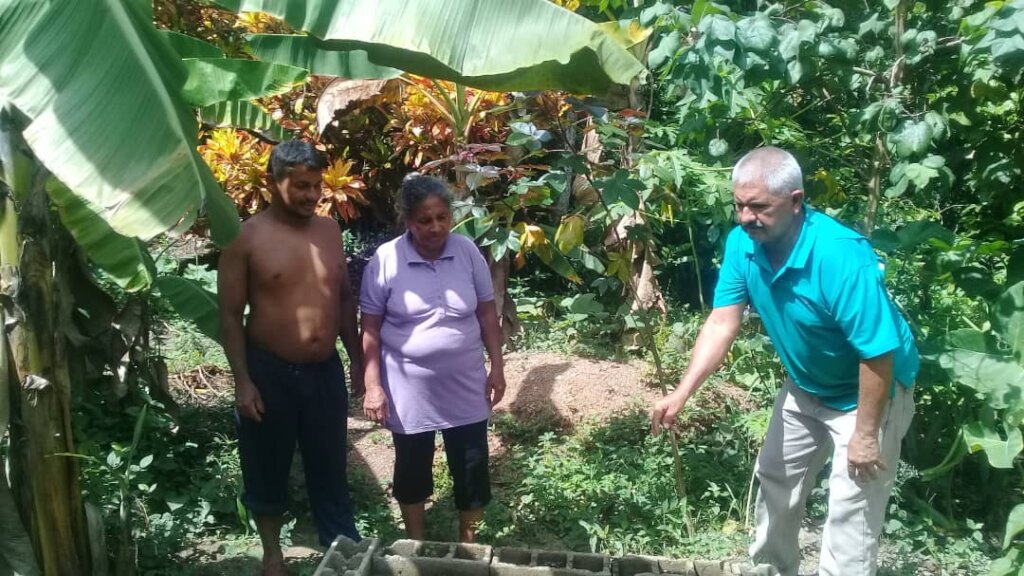
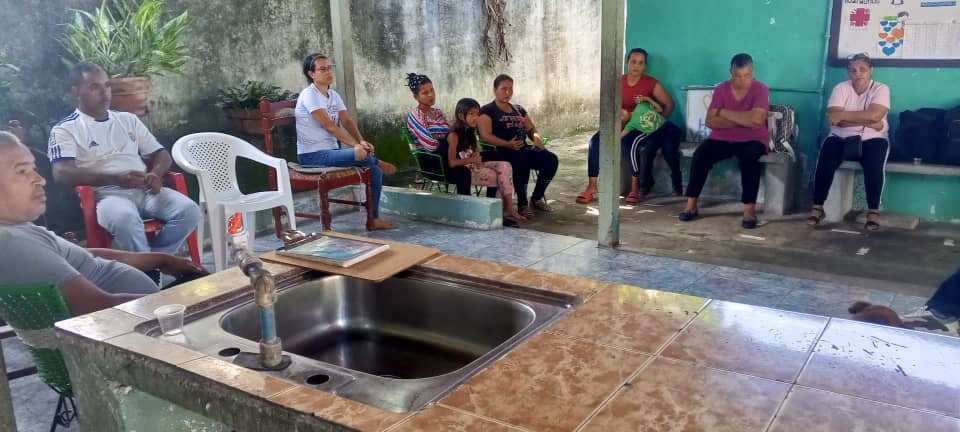
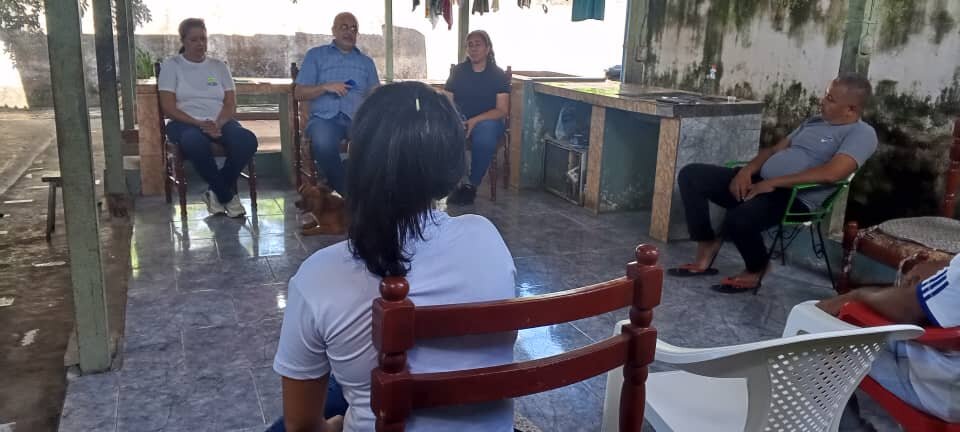
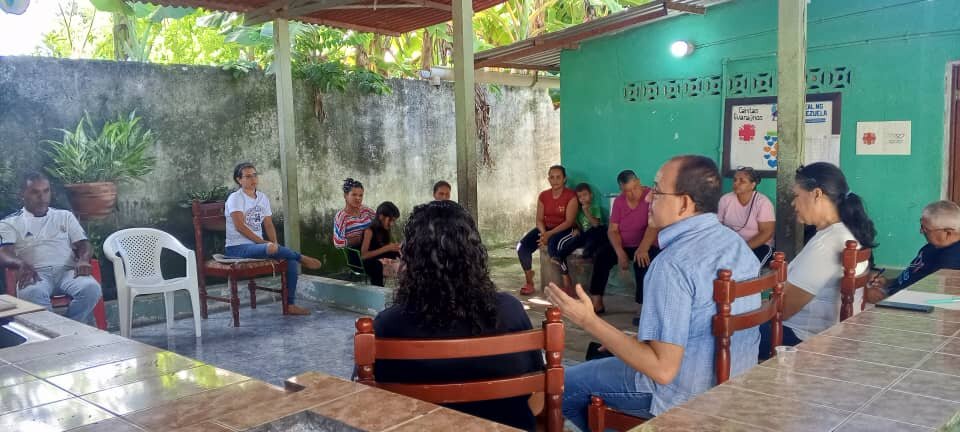
The first activities performed in this new phase of the project were held in Guaraunos with 2 technical working sessions with Fundacion San Jose and the Healing Venezuela project coordinator.
It was agreed that the first point to address was the strengthening of the capabilities in the village. For that, it was agreed to create a manual of alternative feeding and live workshops in the village based on the CANVAS method, which will allow the producers to manage the breeding of their animals in the future.
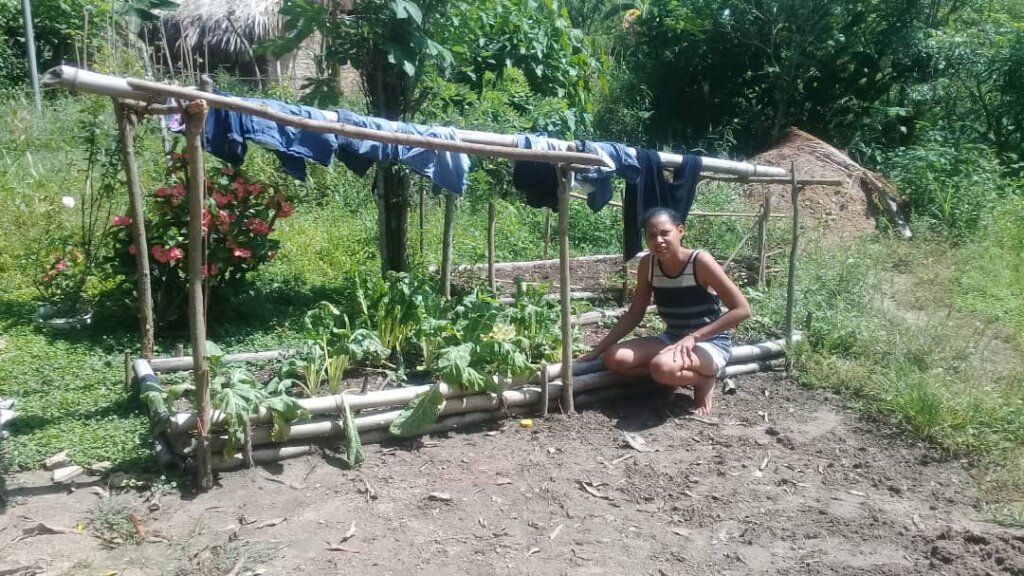
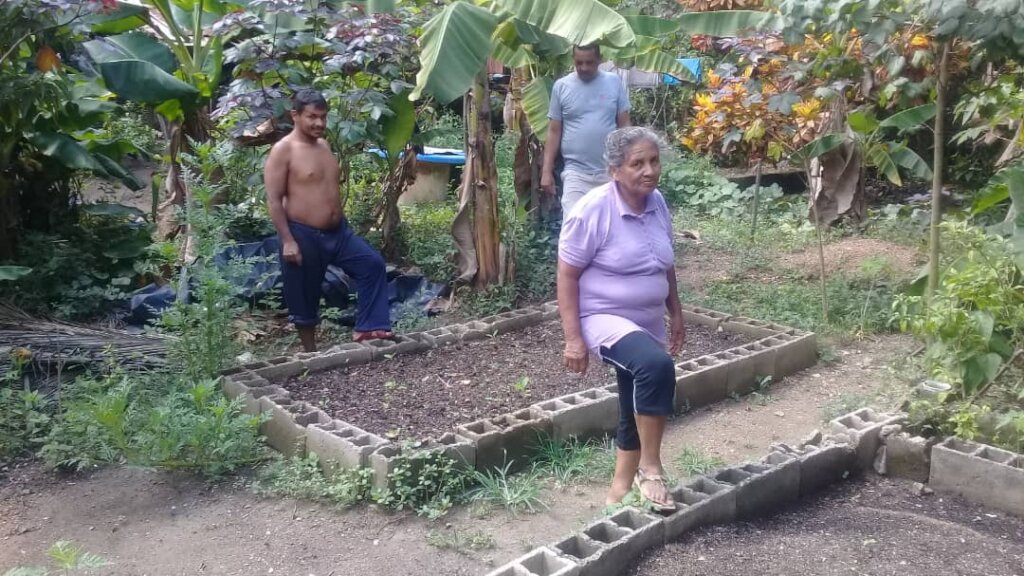
For the vegetables, it is proposed to sow short-cycle crops where families could benefit by developing activities of sowing vegetables (eggplant, sweet pepper, tomato, bell pepper, cilantro, parsley, celery, chives, Cuban garlic, squash), cereals (corn), legumes (creole bean, bayo bean, lentil, pea, among others), fruits (melon, papaya, watermelon), these activities could also be developed with alliances with the Guaraunos Technical Agricultural School, all worked with Agroecological principles and with emphasis on the application of Bio-inputs. The school has been recently refurbished by FAO.
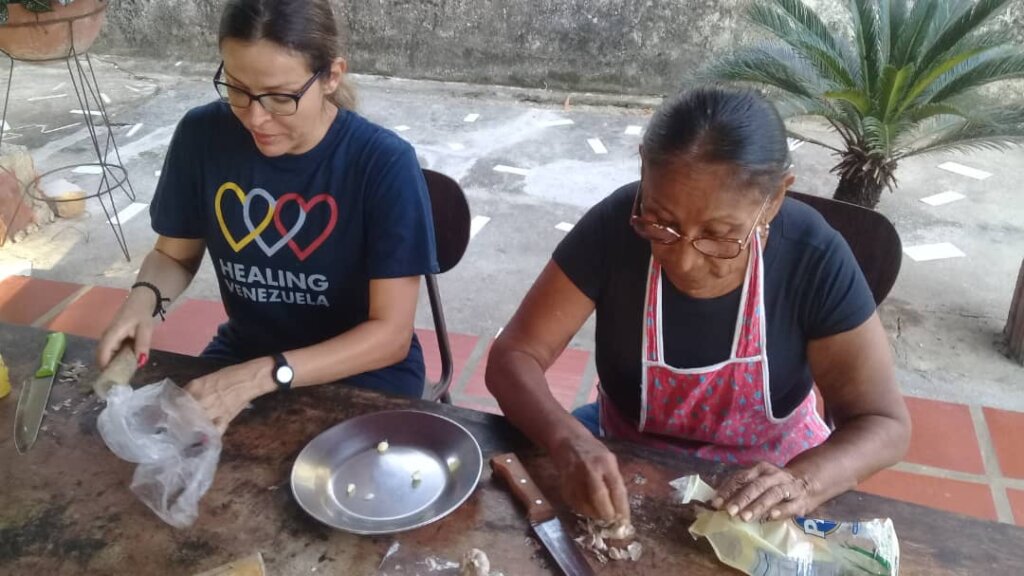
Additionally, in consultation with the group of women who were carrying out the activities in the food security programme, it was agreed to have workshops about the principles of human nutrition and nutritional content, healthy eating for the preparation of menus, and hygienic handling of food to avoid cross-contamination.
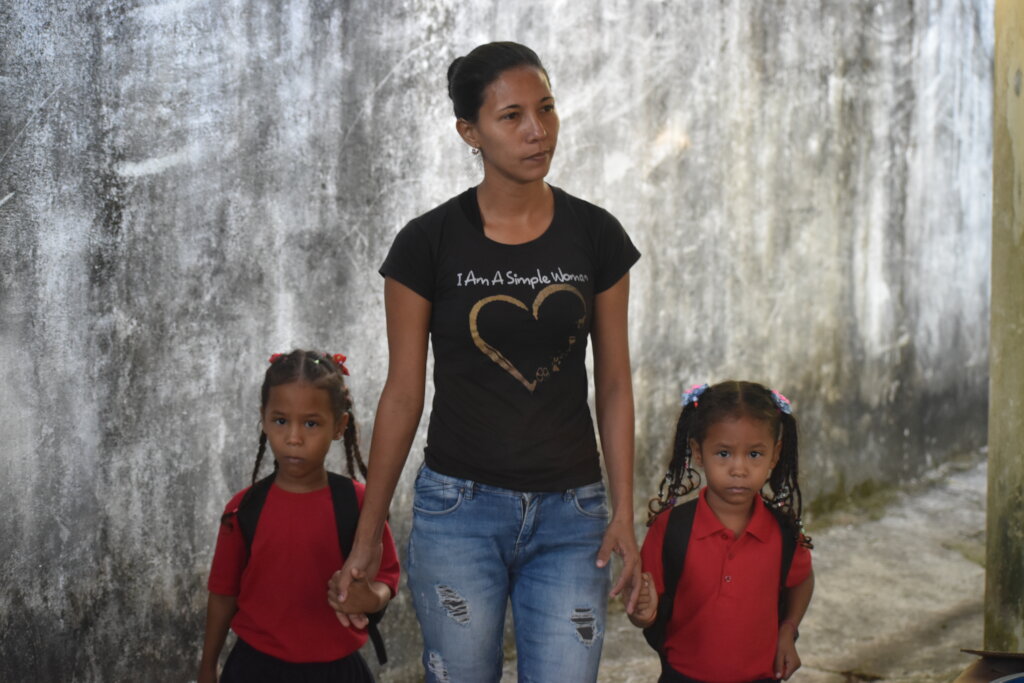
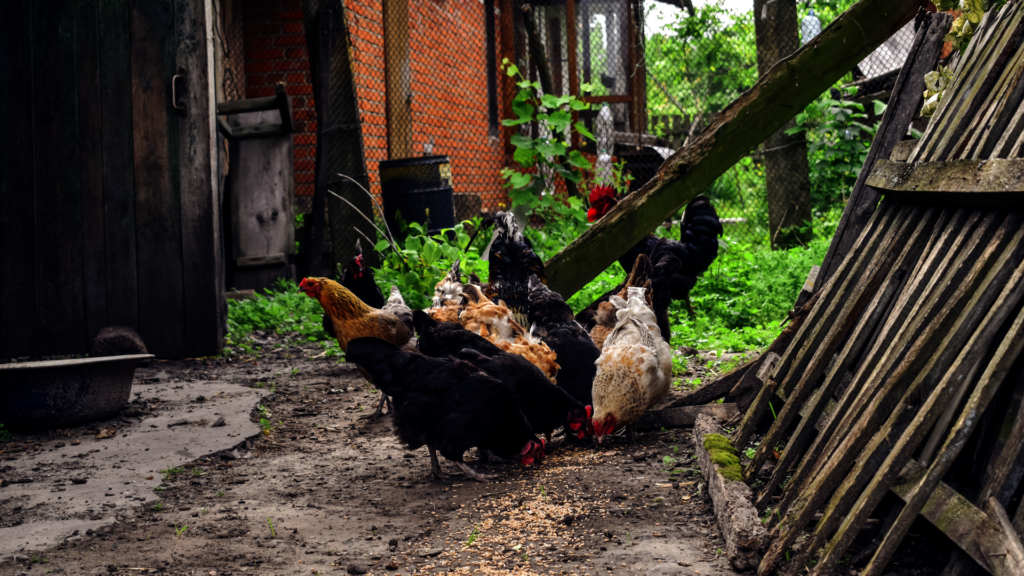
A more detailed plan was agreed upon in October 2024 (in the attachment) and signed by the two parties for the installation of small family units for the production of animal protein starting with 4 farms of broilers which provide meat, followed by the installation of 2 poultry breeding centres with a dual purpose (meat and eggs). These poultry farms will be complemented with 4 short-cycle vegetable crops (vegetables, fruits, cereals and legumes, roots and tubers), to diversify the diet and add to the family's income aiming at a self-sustaining production system.
The expected outcomes to April '25 are (see attached timeline):
We were expecting to conclude this project in December 2024, but the delay allowed the engagement with Fundacion San Jose who added to their technical expertise in poultry micro-farms, and their experience with vegetable farming. Thanks to this, instead of 6 women, 8 women will benefit from this programme with a higher probability of success and a more diversified diet. It also allows local actors to get more involved with the village and to include them in their regional health campaigns.
Though this was not our initial plan, with the same budget we will benefit 8 families instead of 6 and with longer term benefits.
Project reports on GlobalGiving are posted directly to globalgiving.org by Project Leaders as they are completed, generally every 3-4 months. To protect the integrity of these documents, GlobalGiving does not alter them; therefore you may find some language or formatting issues.
If you donate to this project or have donated to this project, you can receive an email when this project posts a report. You can also subscribe for reports without donating.