By Nicholas Relich | Project Manager
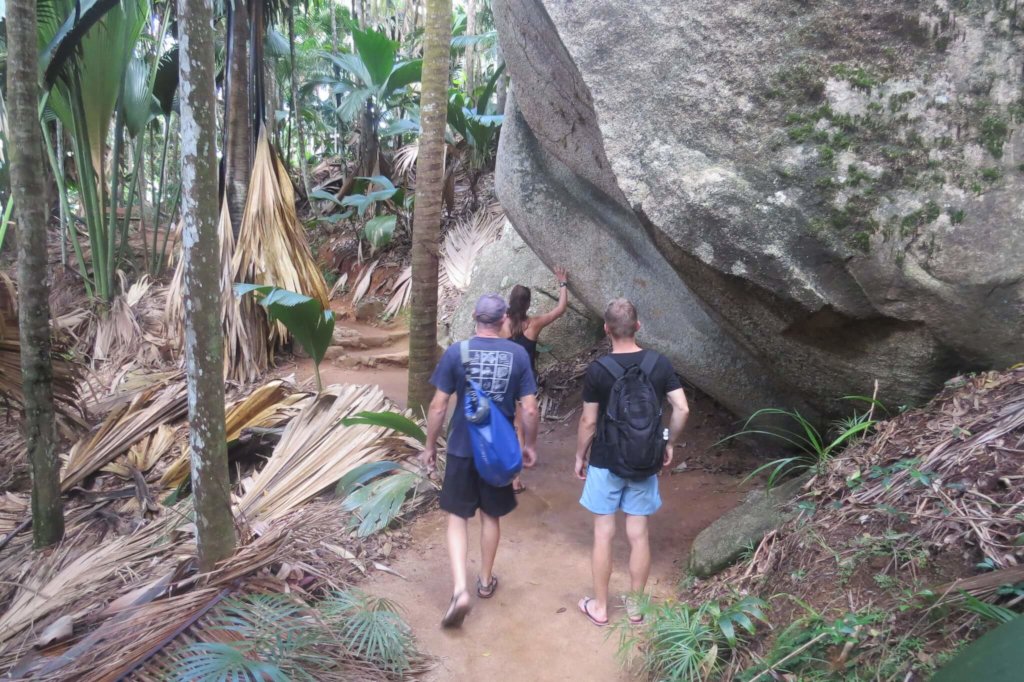
Over the last 3 months we've been supporting the Seychelles National Park Authority focusing on their research efforts involving the Aldabra Giant Tortoises, Beach Profiling and Mangroves on Curieuse Island.
Our annual Aldabra Giant Tortoise study which collects the biometrics of the species has been changed so that it is conducted once every five years in order to make space for an additional Aldabra Giant Tortoise study which focuses on their behavioral habits.Curieuse Island is home to 150 free-roaming Aldabra Giant Tortoises which puts us in a unique position to conduct such a study as no such study has been done with this amount of free-foaming Aldabra Giant Tortoises on the Inner Islands of Seychelles. Activities being observed are diet, exercise and sleeping patterns and social interactions in accordance with time, location and weather.
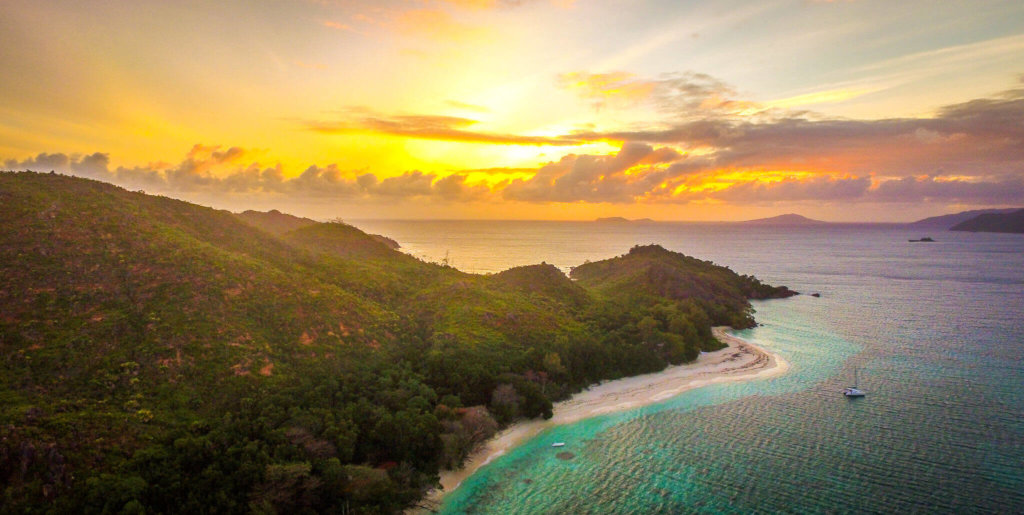
Our Beach Profiling initiative consists of measuring accretion and erosion on six beaches on Curieuse Island. Previously this study was conducted bi-annually however with current climate stresses alongside noticeable changes in the beaches this study has been moved to monthly. The results we’ve measured have correlated with our monsoon seasons. In South East wind season between April and September we’ve measured more accretion on the beaches and in North West wind season between October and March we’ve measured more erosion. Overall there is higher erosion taking place on all beaches compared to accretion.
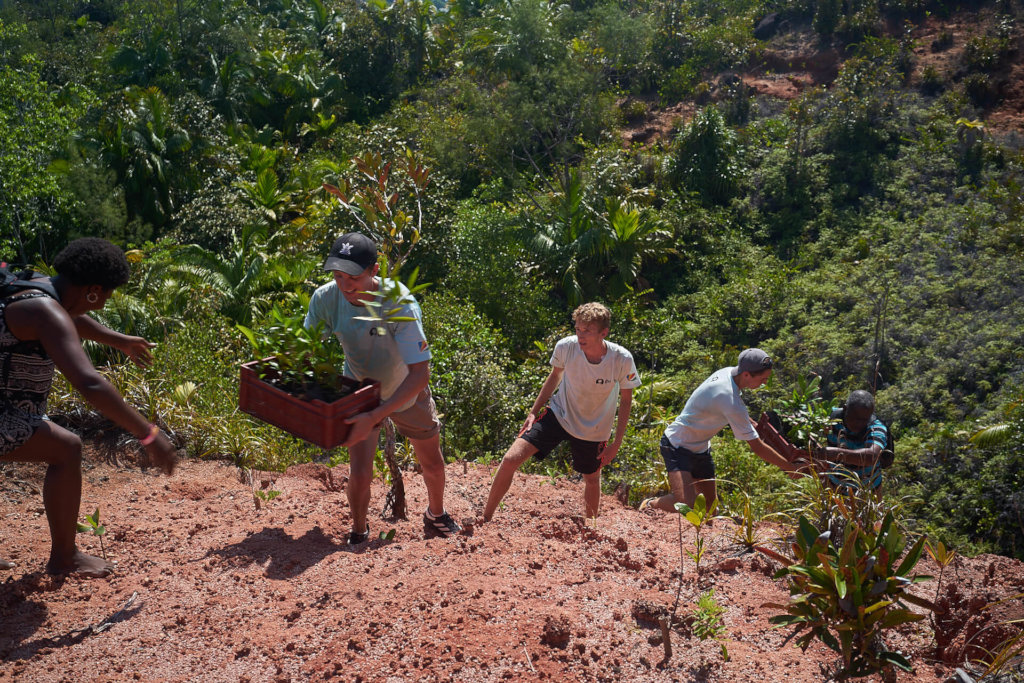
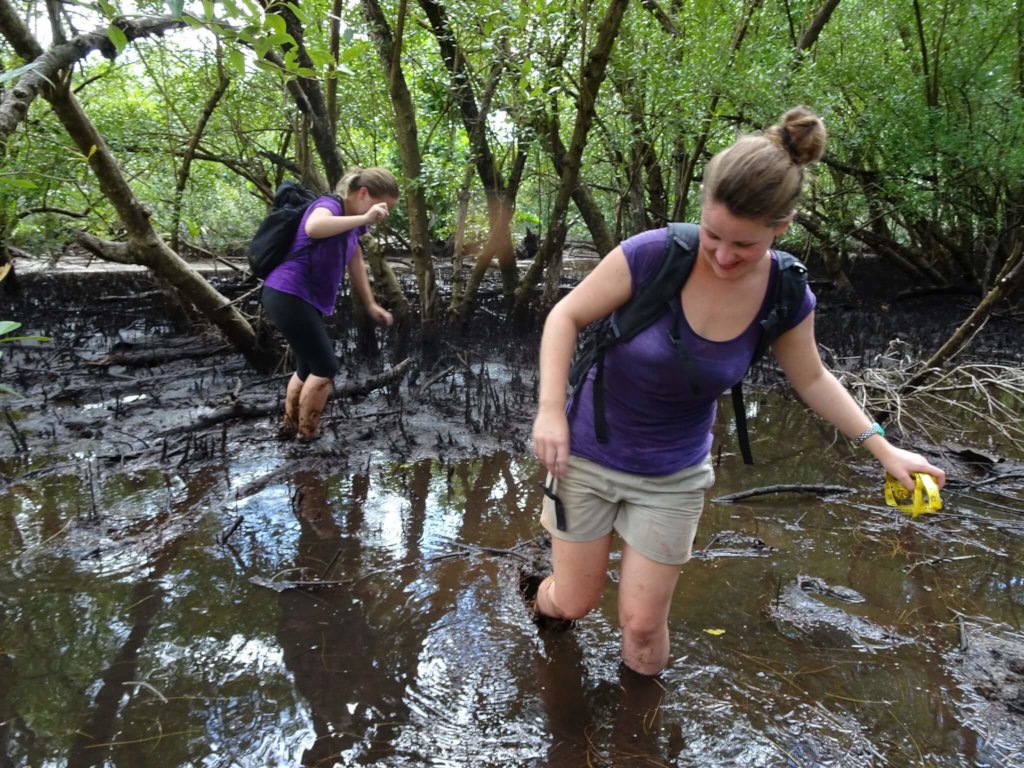
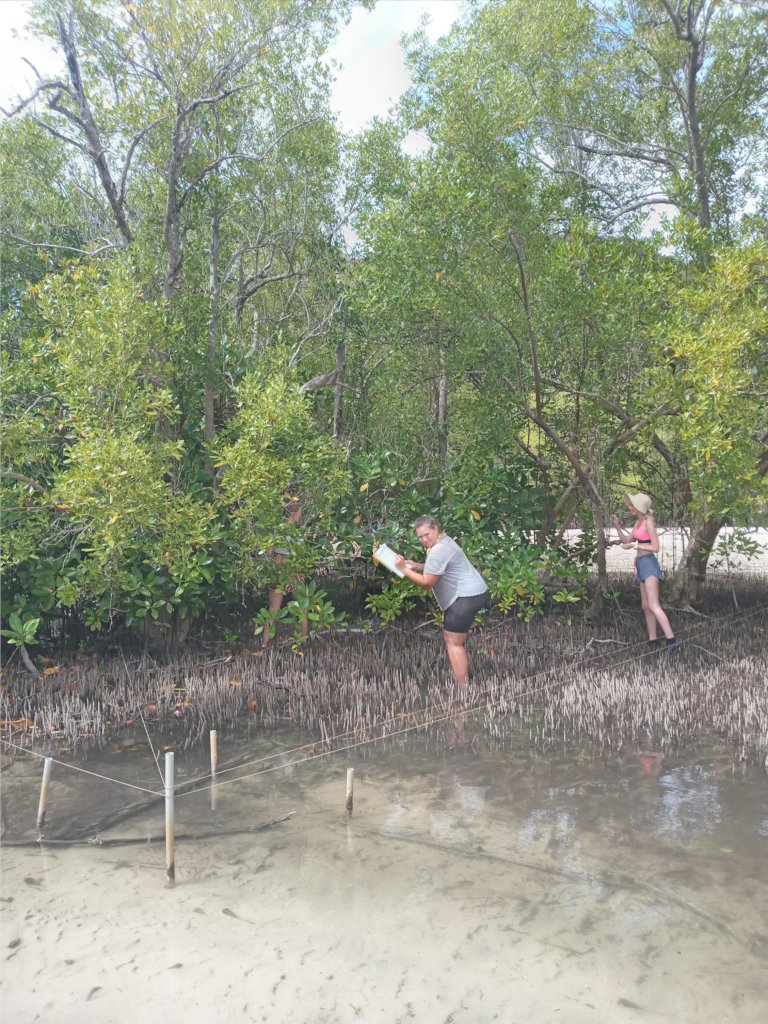
We continue to study and monitor the health and wellbeing of the mangrove forest - analysing the health of the forest through abundance and diversity of the six species found on Curieuse Island. Eight 10x10 quadrats are analysed over a period of time to assess the species and the part of life cycle they’re in (seedling, sapling or tree). The results have shown that our mangrove forest is in a healthy state and the life stages of the mangroves are progressing at a healthy rate. Rhizophora mucronata is still the most commonly found mangrove in the forest followed by Bruguiera Gymnorrhiza and Avicennia marina.
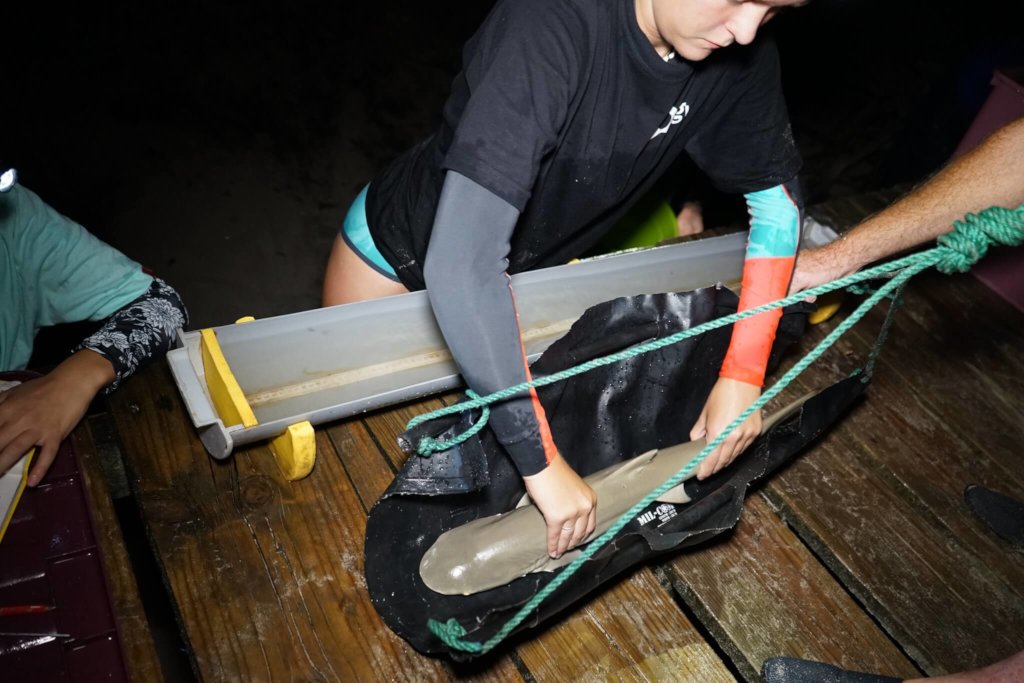
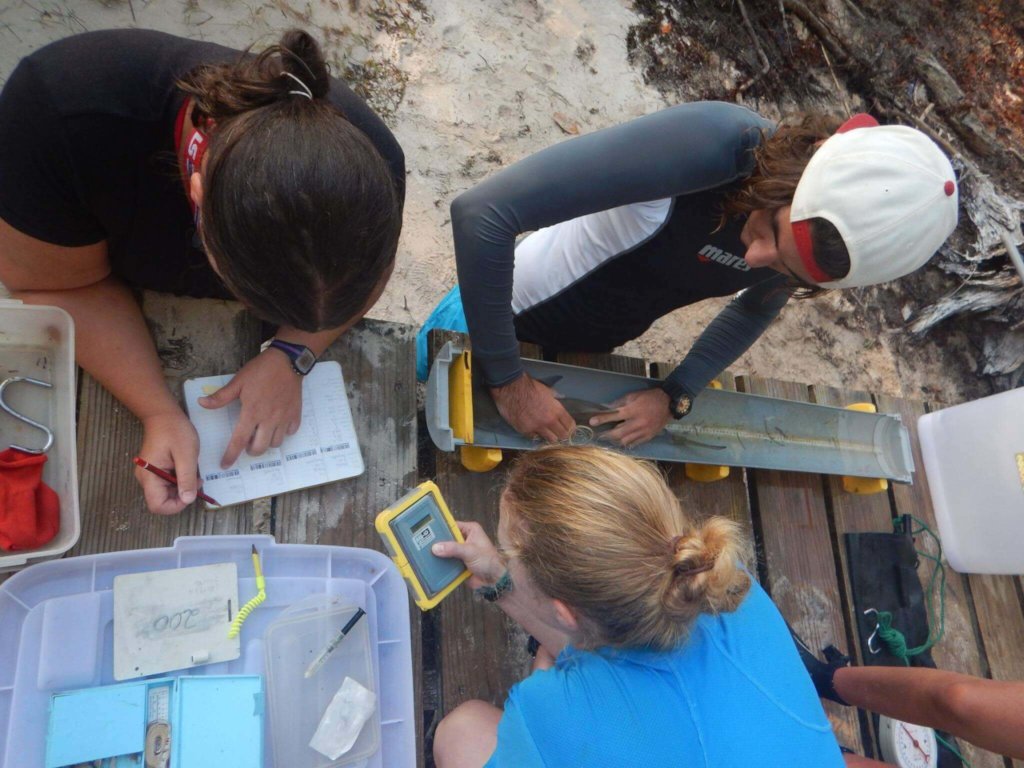
Thank you for your generous and continued support as we work with our local and governmental partners to ensure the continued well being the sharks, tortoises and the local marine ecosystem in Seychelles.
By Jazzy Taberer | Program Manager
Project reports on GlobalGiving are posted directly to globalgiving.org by Project Leaders as they are completed, generally every 3-4 months. To protect the integrity of these documents, GlobalGiving does not alter them; therefore you may find some language or formatting issues.
If you donate to this project or have donated to this project, you can receive an email when this project posts a report. You can also subscribe for reports without donating.