Schistosomiasis Control Initiative (SCI)

by Imperial College London
Play Video
Schistosomiasis Control Initiative (SCI)

Project Report | Mar 12, 2019
Changing behaviour to eliminate parasitic worms

By Dr Carlos Torres Vitolas | MER Advisor: Social Science

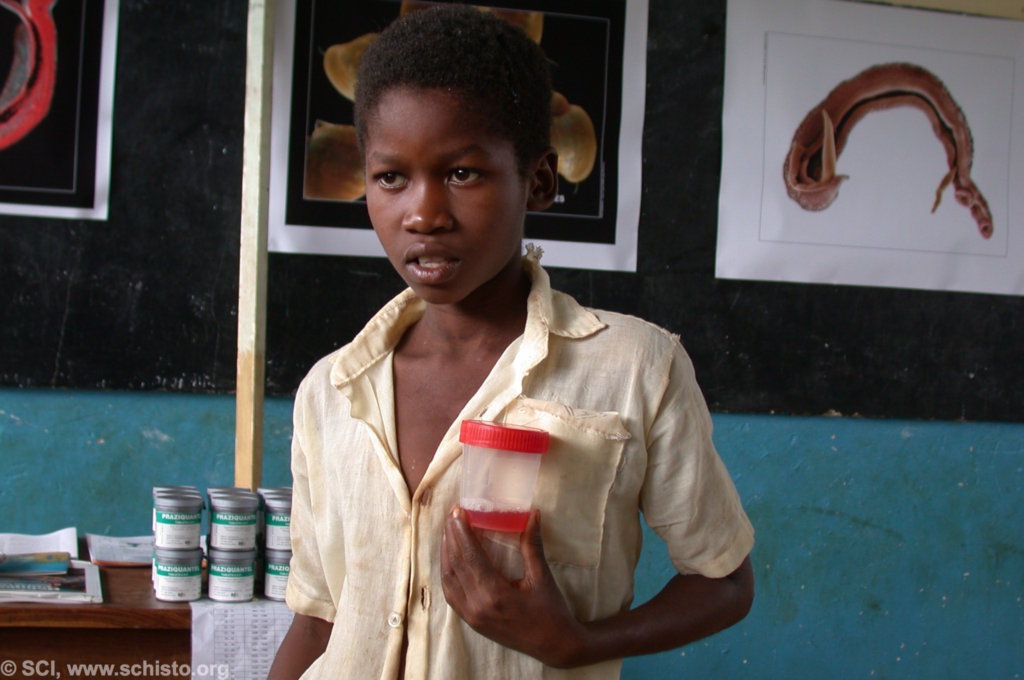
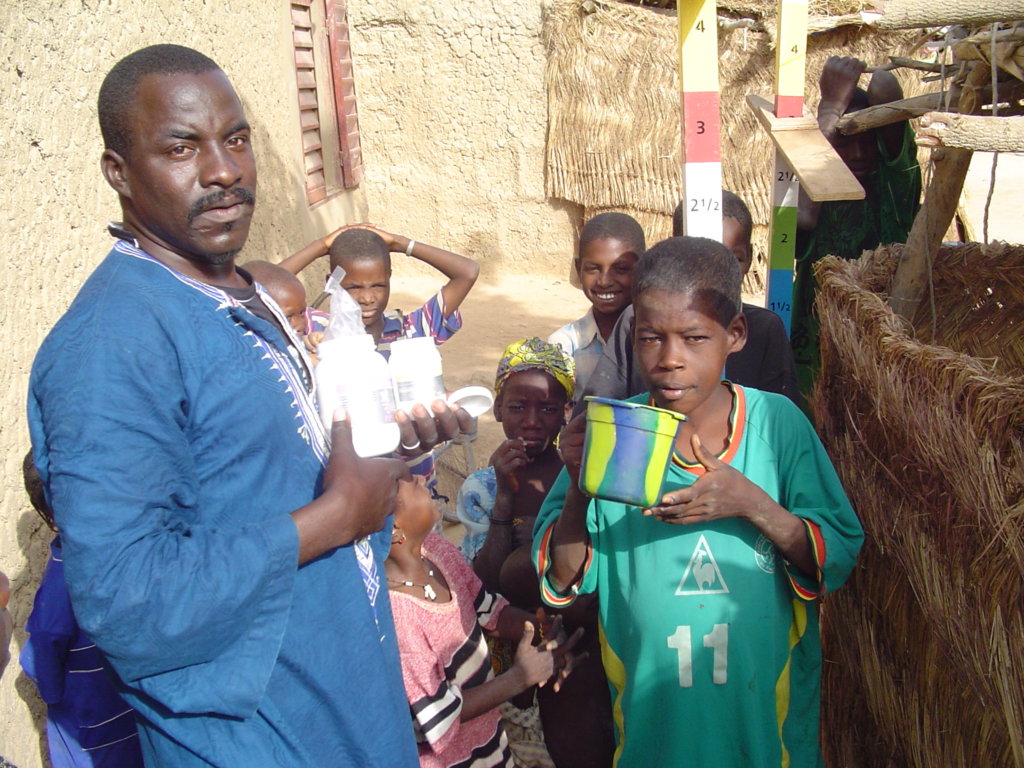
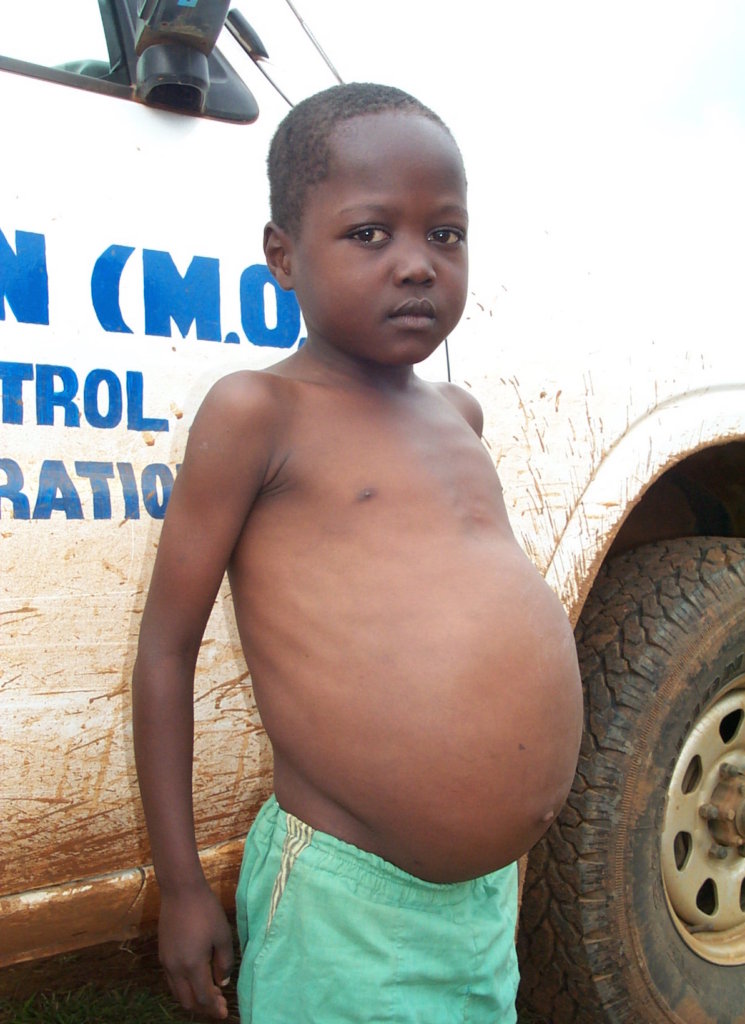
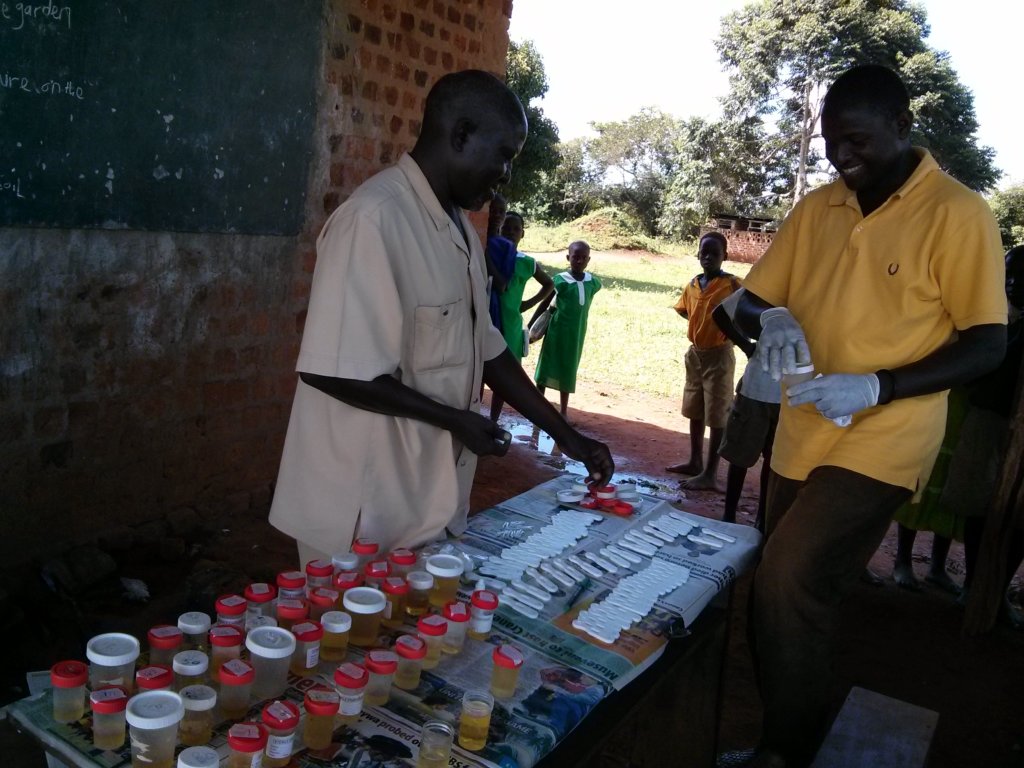
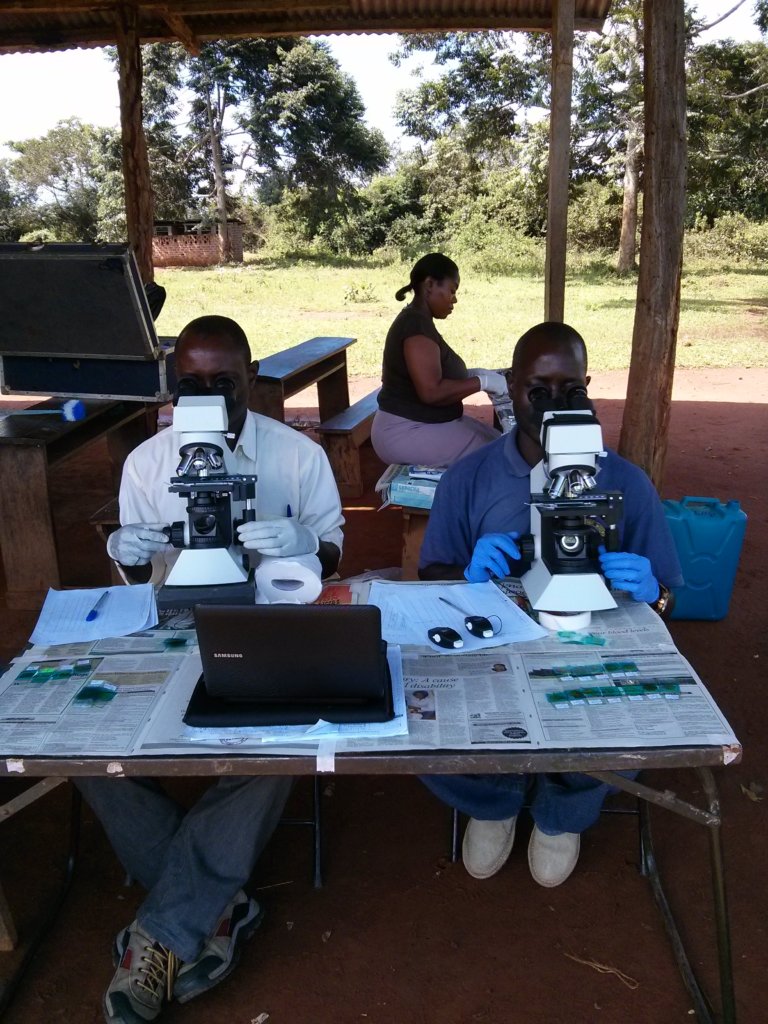
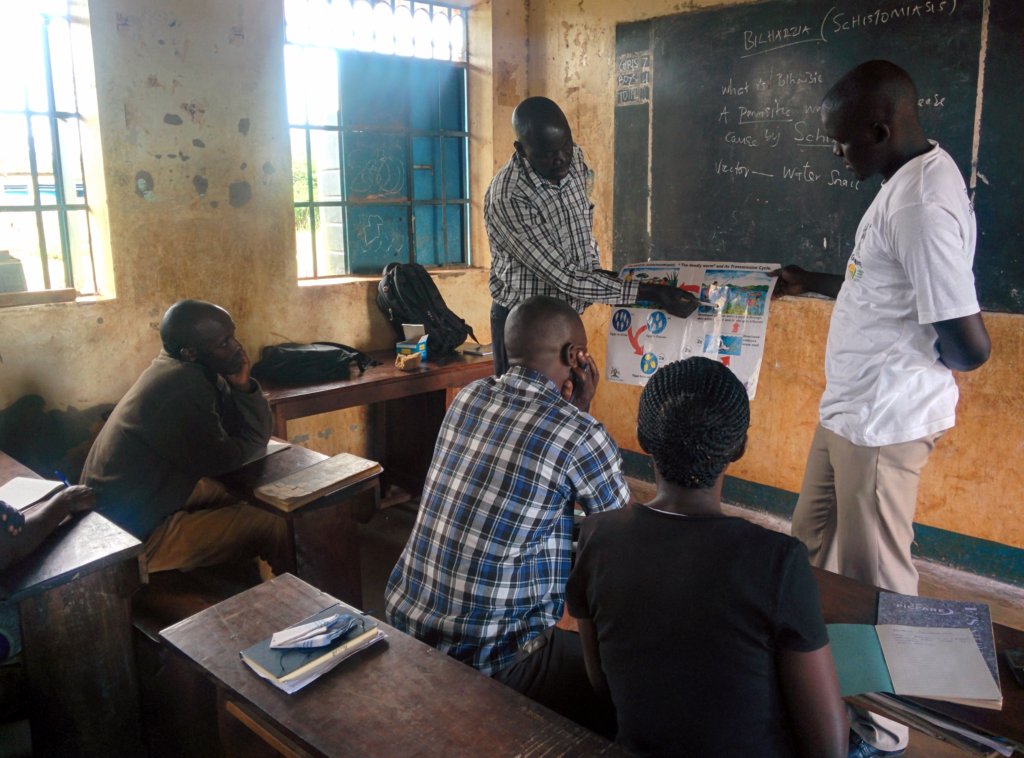
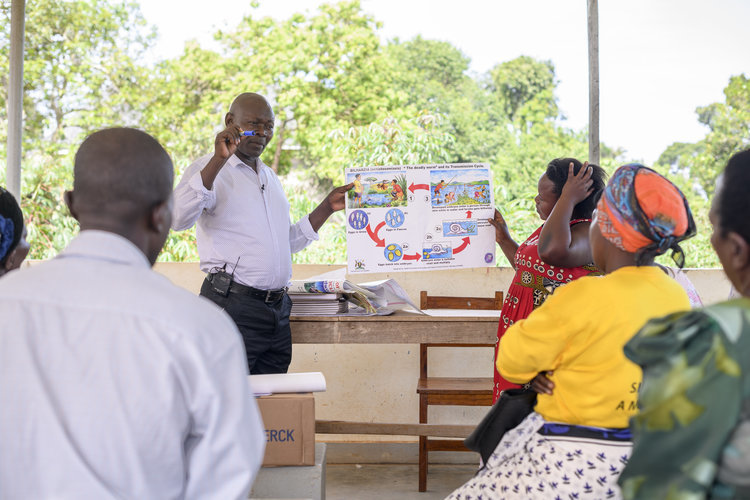
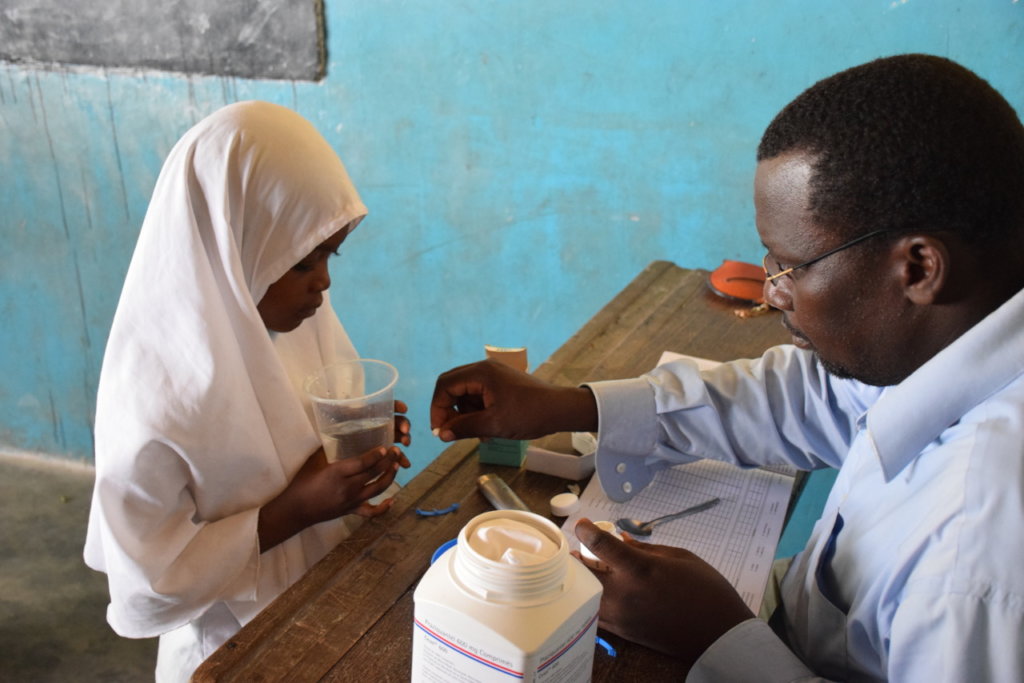
The World Health Organization considers health education and behavioural change interventions as key strategies towards the elimination of parasitic worm infections, alongside the provision of mass treatment, improving water and sanitation infrastructure, and snail control.

Behavioural change interventions involve encouraging local populations at risk of infection to adopt a new set of practices. These can include:

  • Being aware of the risks of water-contact activities such as playing or bathing in contaminated water
  • Encouraging the wearing of protective gear when farming and fishing
  • Encouraging the use of improved sanitation facilities i.e. those that are designed to hygienically separate excreta from human contact
  • Encouraging people to be accepting of treatment for parasitic worm infections.
  • Encouraging the adoption of these practices has proven difficult. Recent studies suggest that improving people’s knowledge of the diseases may not modify people’s practices.*

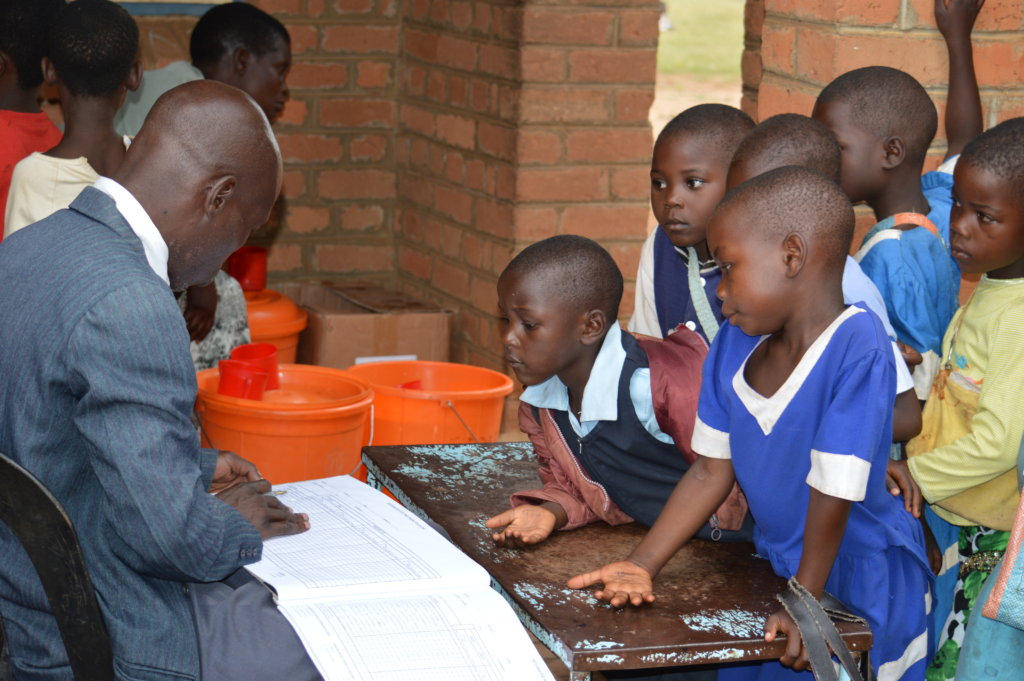
During November 2017, we conducted research in Malawi to identify motivating factors that could support behavioural change among poor rural communities. A number of motivating factors were found to appeal to both adults and adolescents alike:

  • Personal health benefits, both short-term, like curing symptoms of parasitic worm infections, and long-term ones, such as improving people’s capacity to work and study.
  • Collective health benefits concerned with the idea that achieving disease elimination can promote development in local communities.
  • Perceptions of disease centred on people’s views of being at risk of contracting the infections and of the diseases as a serious health problem.

Favourable reception of mass-treatment campaigns, since drugs are distributed for free and close to people’s homes.

We will be discussing these findings with officials in the Ministry of Health in Malawi to inform further treatment activities.

To learn more about our work please visit our How We Work section here.

Reference:

* Sacolo, H., Chimbari, M., Kalinda, C. (2018) Knowledge, attitudes and practices on schistosomiasis in sub-Saharan Africa: a systematic review. BMC Infectious Diseases, pp. 1-17. Available at: https://bmcinfectdis.biomedcentral.com/track/pdf/10.1186/s12879-017-2923-6 [Accessed 17th July 2018]

Links:

Share on Twitter Share on Facebook

Dec 21, 2018
Changing our strategy to achieve elimination

By Demran Ali | Senior Communications Manager

Nov 2, 2018
Is treatment the best method for reducing transmission?

By Arminder Deol | Research Assistant

About Project Reports

Project reports on GlobalGiving are posted directly to globalgiving.org by Project Leaders as they are completed, generally every 3-4 months. To protect the integrity of these documents, GlobalGiving does not alter them; therefore you may find some language or formatting issues.

If you donate to this project or have donated to this project, you can receive an email when this project posts a report. You can also subscribe for reports without donating.

Sign up for updates

Organization Information

Imperial College London

Location: London - United Kingdom
Website:
Facebook: Facebook Page
Alexandra Weldon
Project Leader:
Alexandra Weldon
London , London United Kingdom

Funded Project!

Combined with other sources of funding, this project raised enough money to fund the outlined activities and is no longer accepting donations.
   

Still want to help?

Find another project in Ethiopia or in Physical Health that needs your help.
Find a Project

Learn more about GlobalGiving

Teenage Science Students
Vetting +
Due Diligence

Snorkeler
Our
Impact

Woman Holding a Gift Card
Give
Gift Cards

Young Girl with a Bicycle
GlobalGiving
Guarantee

Get incredible stories, promotions, and matching offers in your inbox

WARNING: Javascript is currently disabled or is not available in your browser. GlobalGiving makes extensive use of Javascript and will not function properly with Javascript disabled. Please enable Javascript and refresh this page.