By Dr Carlos Torres Vitolas | MER Advisor: Social Science
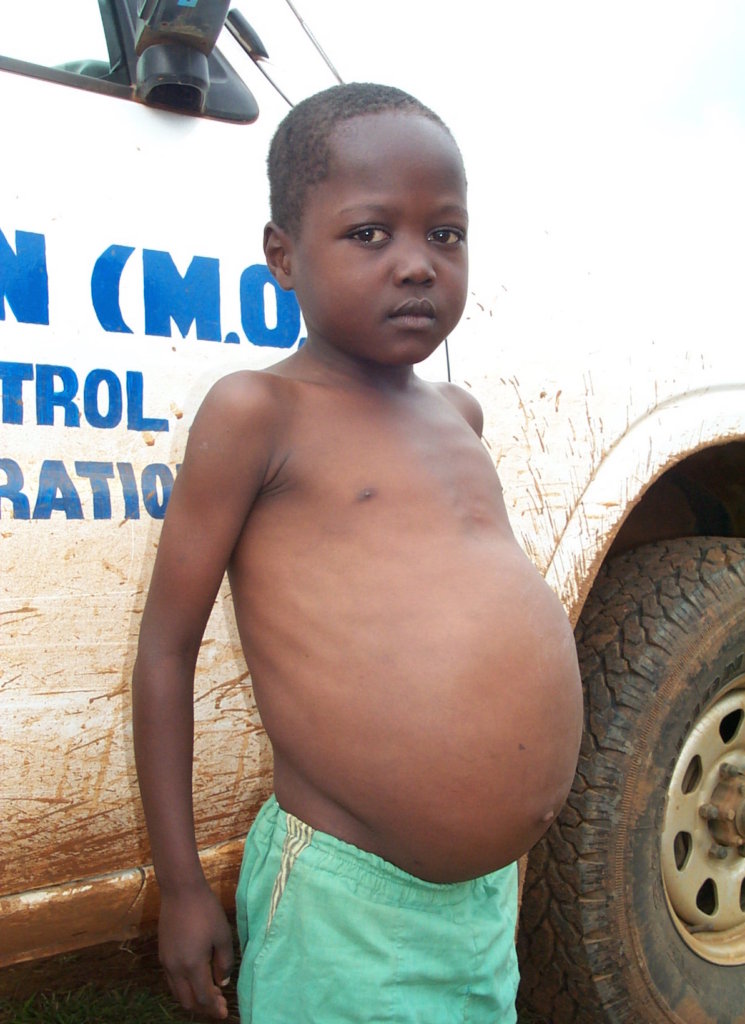
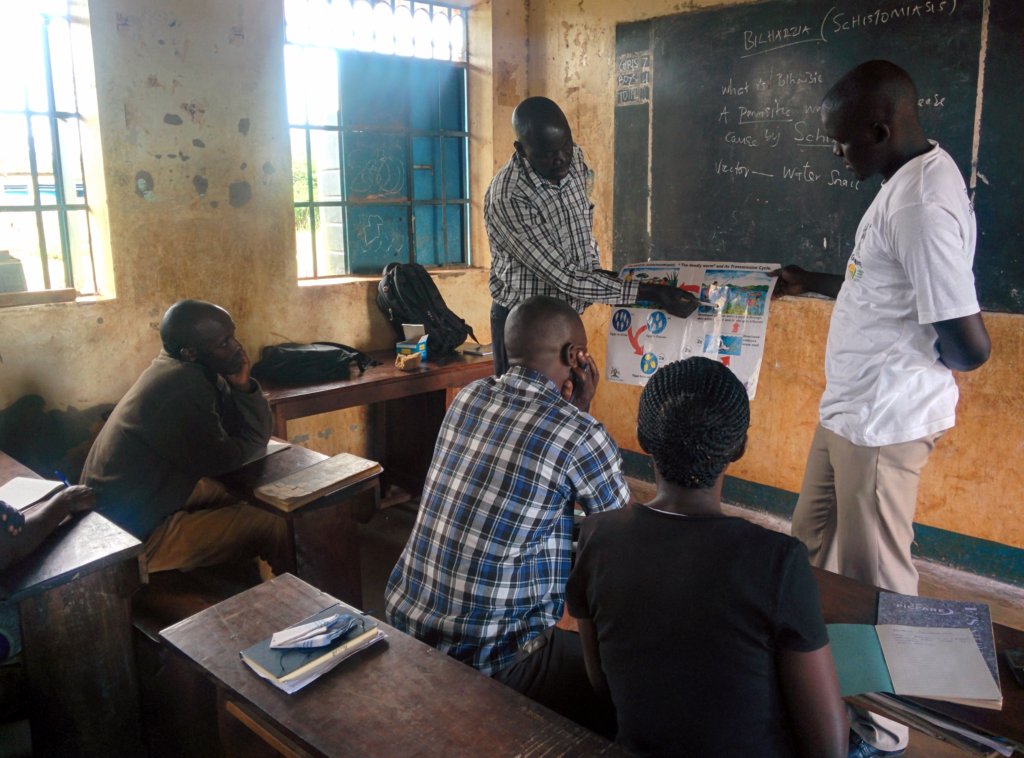
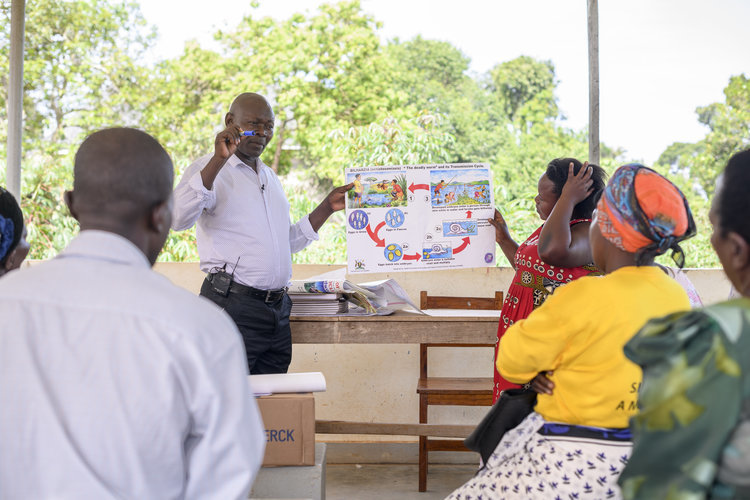
The World Health Organization considers health education and behavioural change interventions as key strategies towards the elimination of parasitic worm infections, alongside the provision of mass treatment, improving water and sanitation infrastructure, and snail control.
Behavioural change interventions involve encouraging local populations at risk of infection to adopt a new set of practices. These can include:
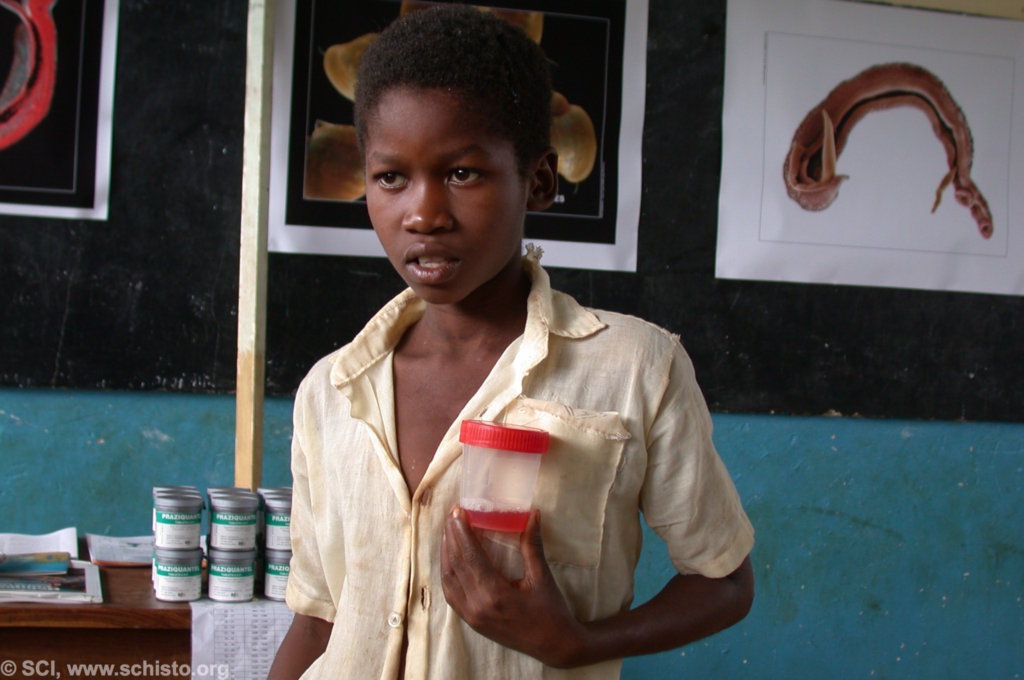
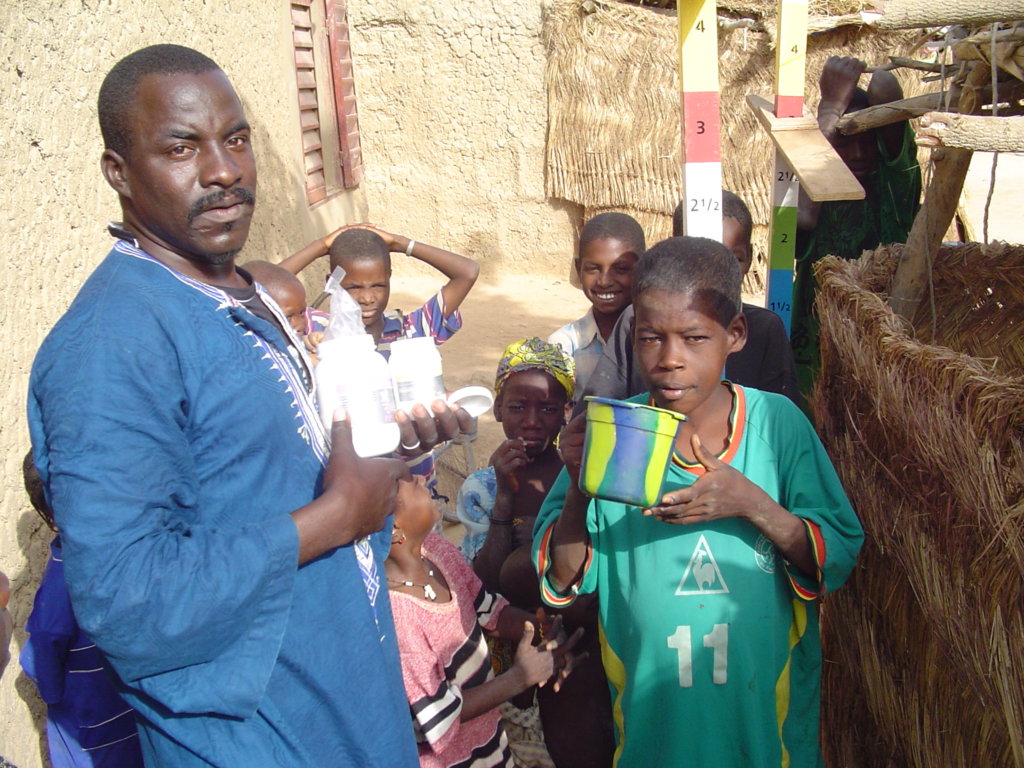
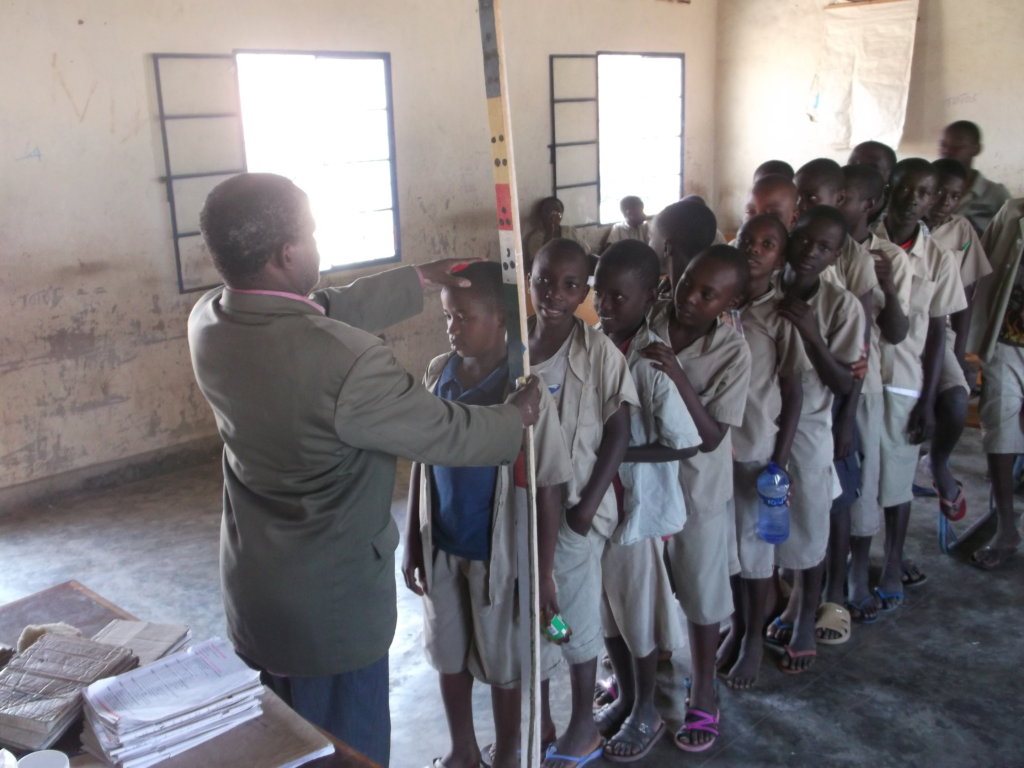
During November 2017, we conducted research in Malawi to identify motivating factors that could support behavioural change among poor rural communities. A number of motivating factors were found to appeal to both adults and adolescents alike:
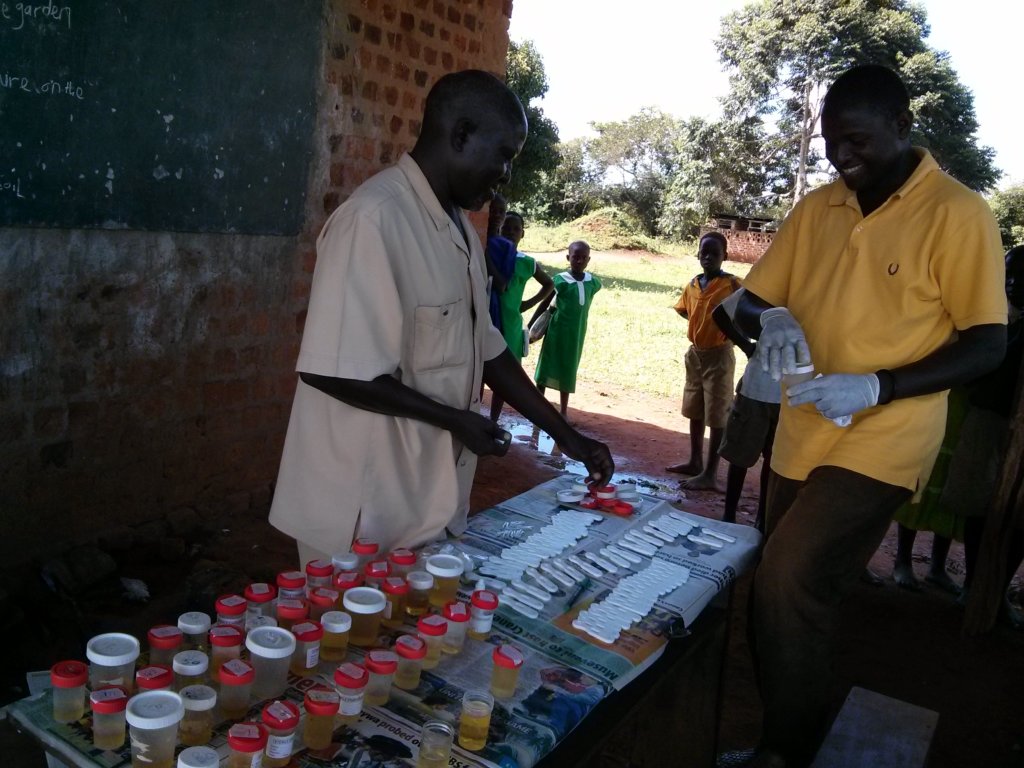
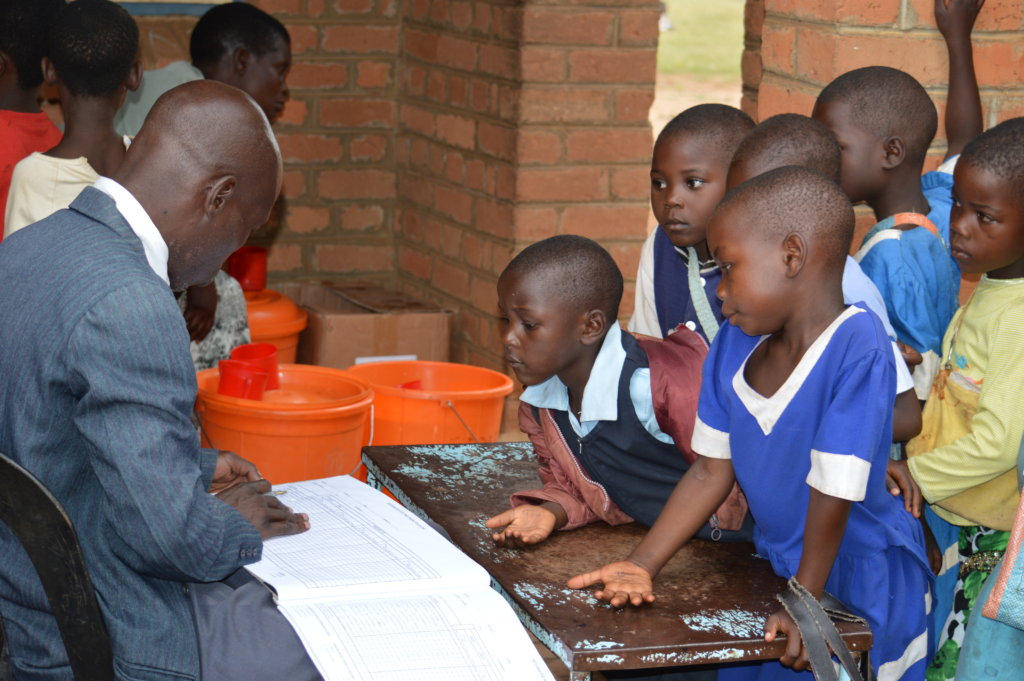
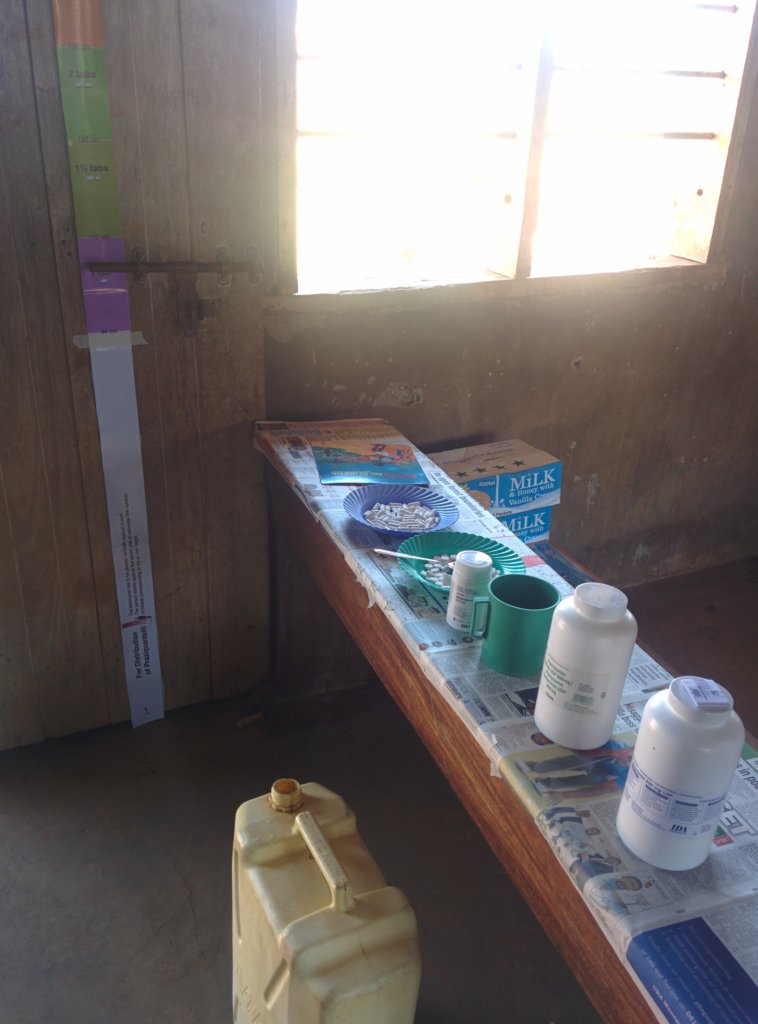
Favourable reception of mass-treatment campaigns, since drugs are distributed for free and close to people’s homes.
We will be discussing these findings with officials in the Ministry of Health in Malawi to inform further treatment activities.
To learn more about our work please visit our How We Work section here.
Reference:
* Sacolo, H., Chimbari, M., Kalinda, C. (2018) Knowledge, attitudes and practices on schistosomiasis in sub-Saharan Africa: a systematic review. BMC Infectious Diseases, pp. 1-17. Available at: https://bmcinfectdis.biomedcentral.com/track/pdf/10.1186/s12879-017-2923-6 [Accessed 17th July 2018]
Links:
Project reports on GlobalGiving are posted directly to globalgiving.org by Project Leaders as they are completed, generally every 3-4 months. To protect the integrity of these documents, GlobalGiving does not alter them; therefore you may find some language or formatting issues.
If you donate to this project or have donated to this project, you can receive an email when this project posts a report. You can also subscribe for reports without donating.