By Arminder Deol | Research Assistant
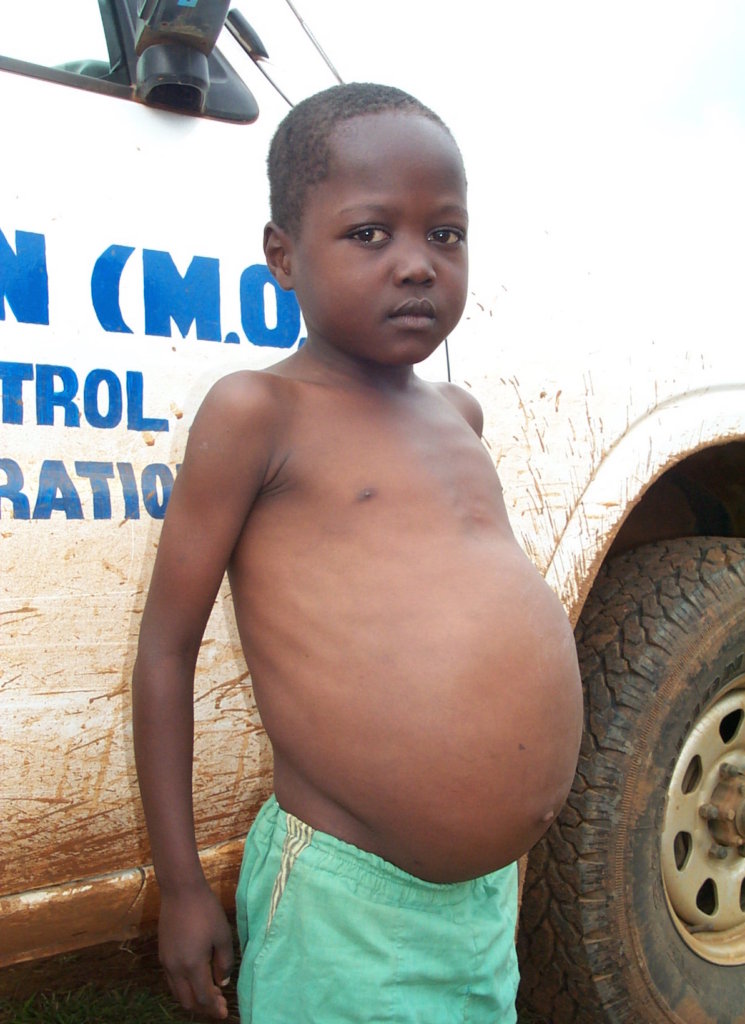
The global number of people affected by schistosomiasis is second only to malaria, however many people have never heard of it. The symptoms of schistosomiasis can be fatal so effective treatment for the disease is imperative.
Here we’ve outlined the top methods for reducing the spread of schistosomiasis:
Treatment programmes
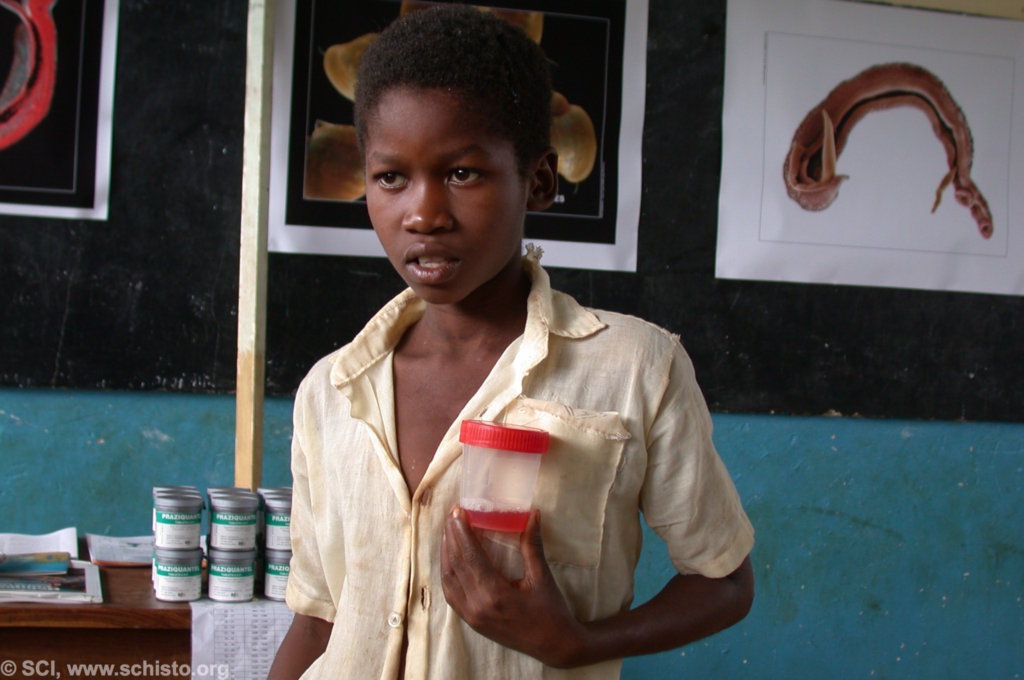
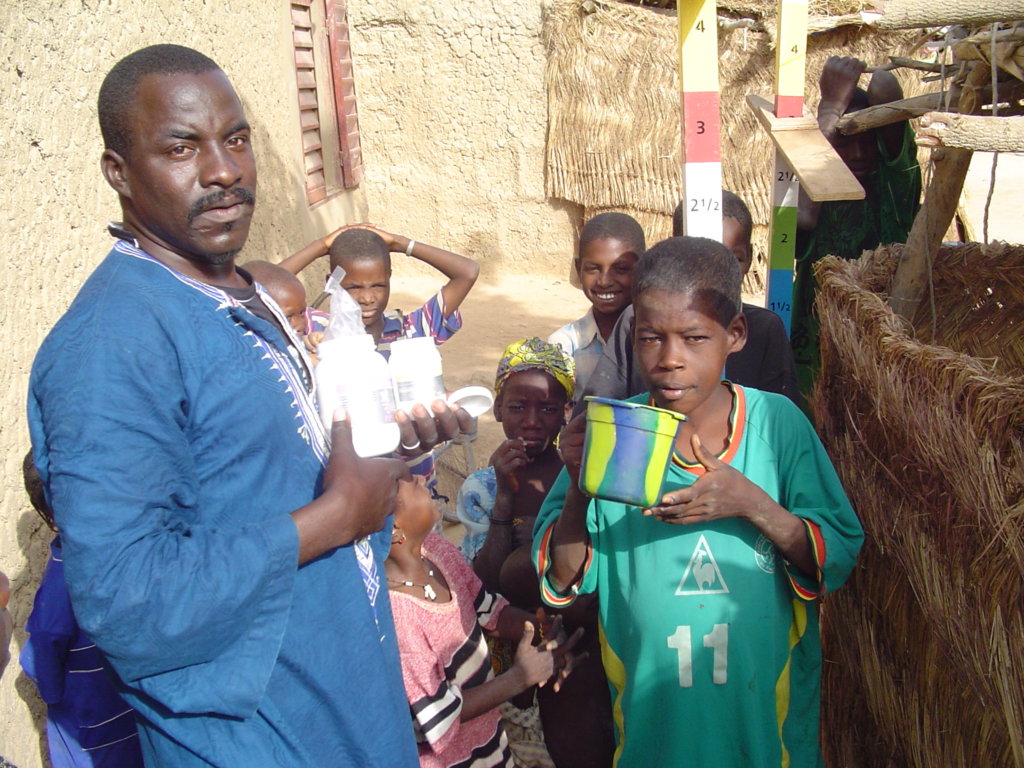
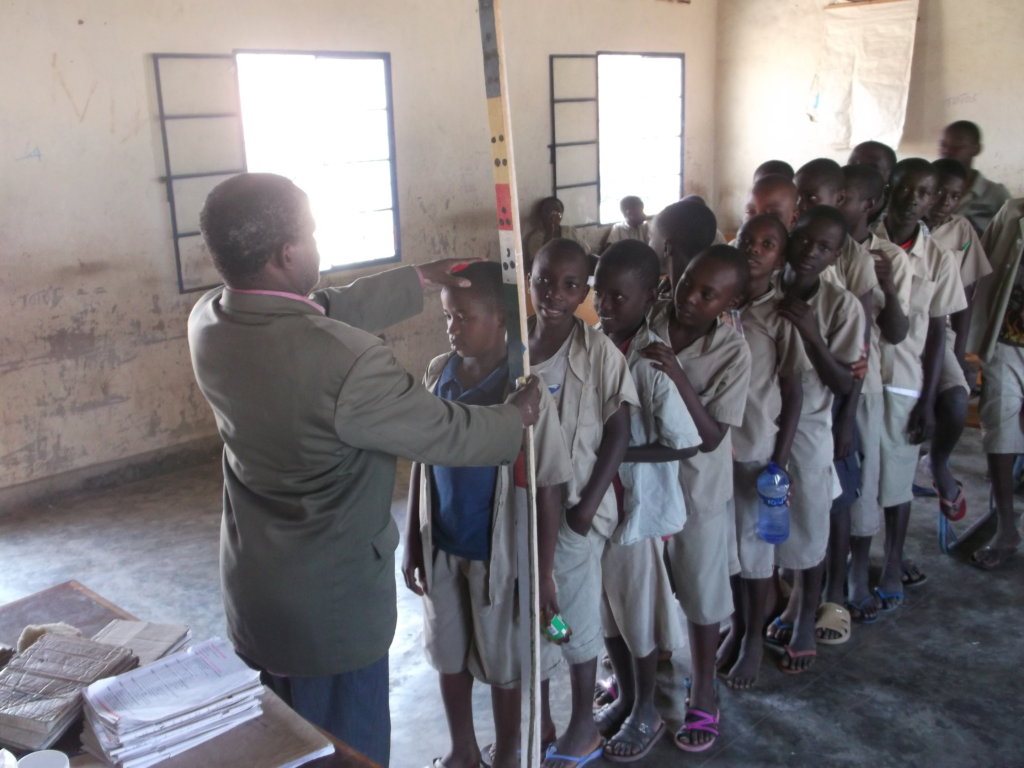
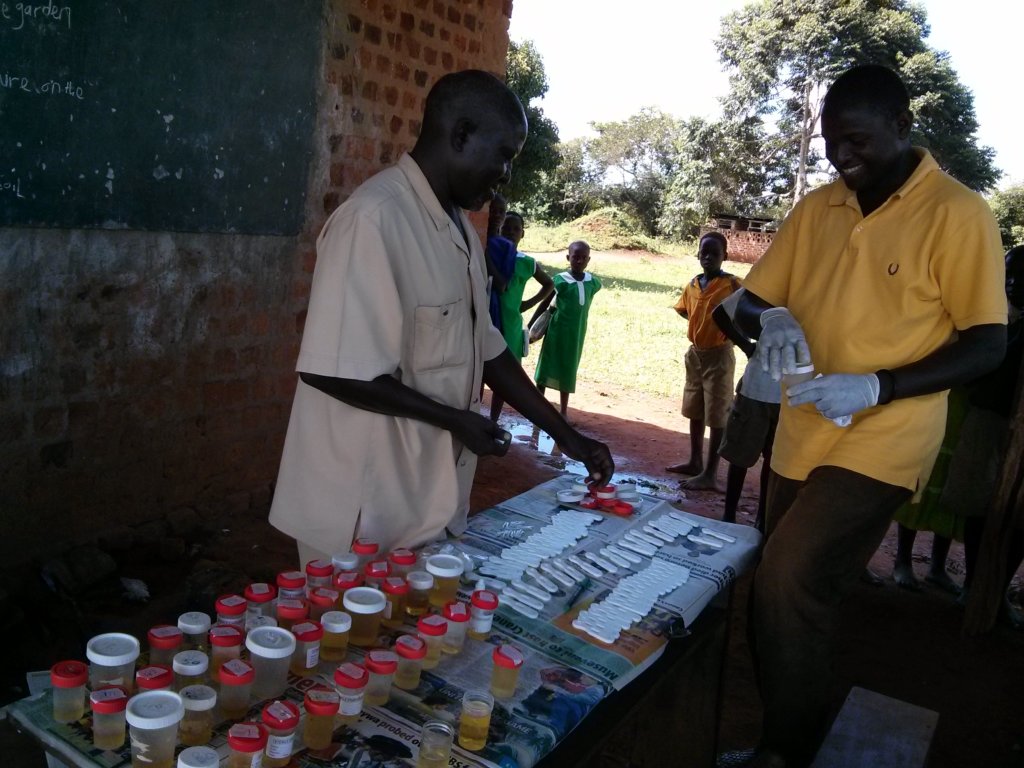
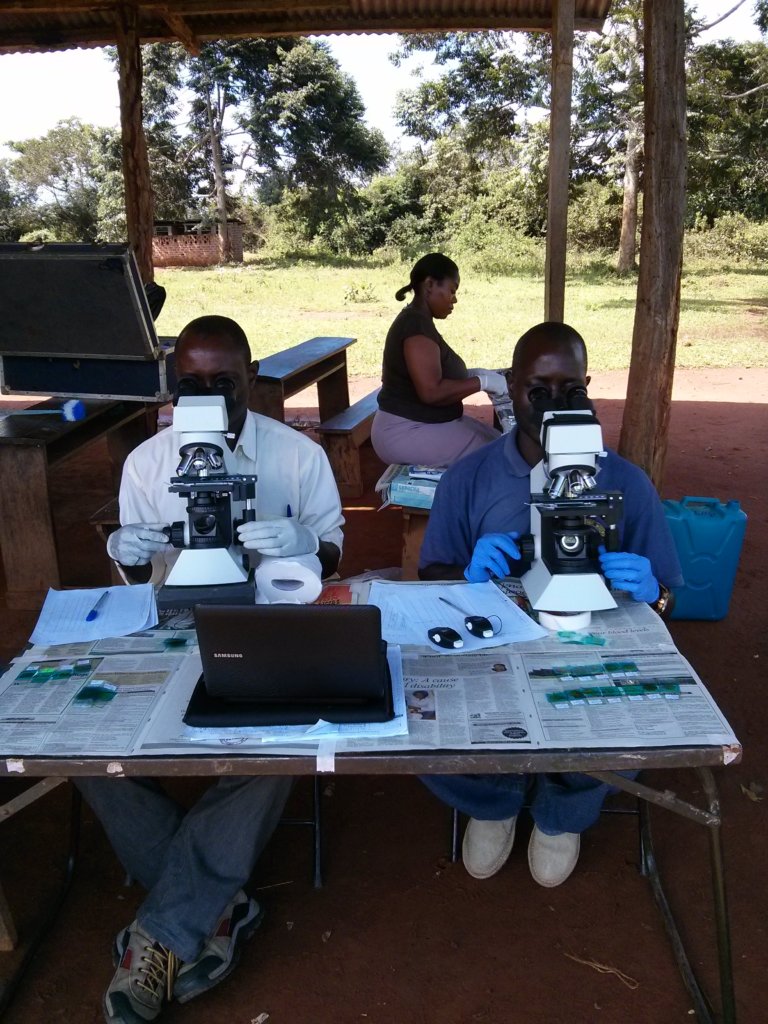
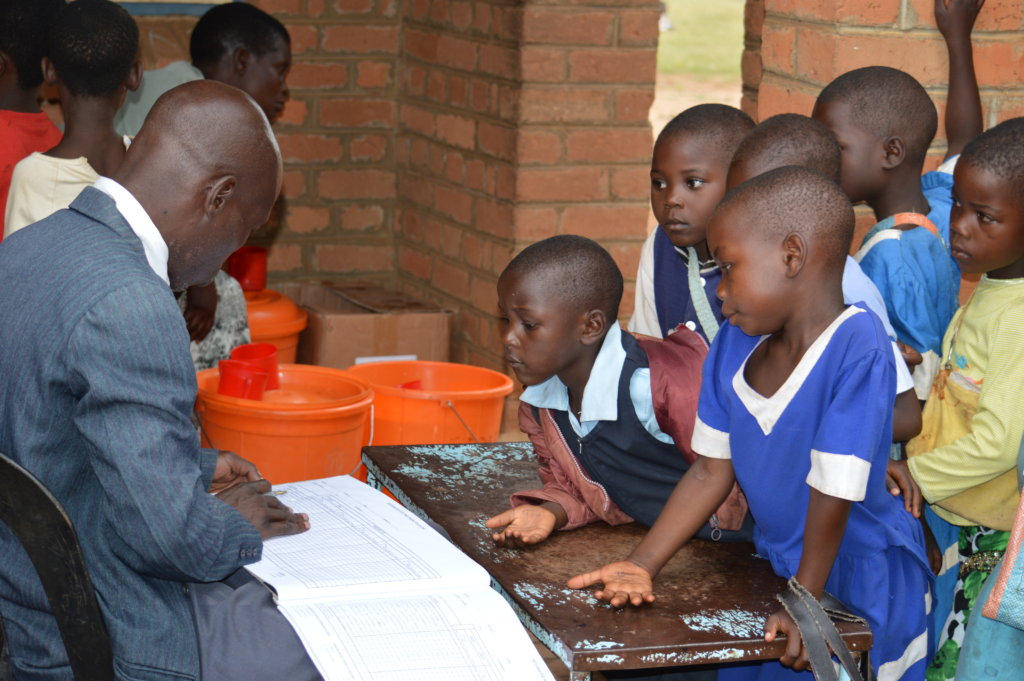
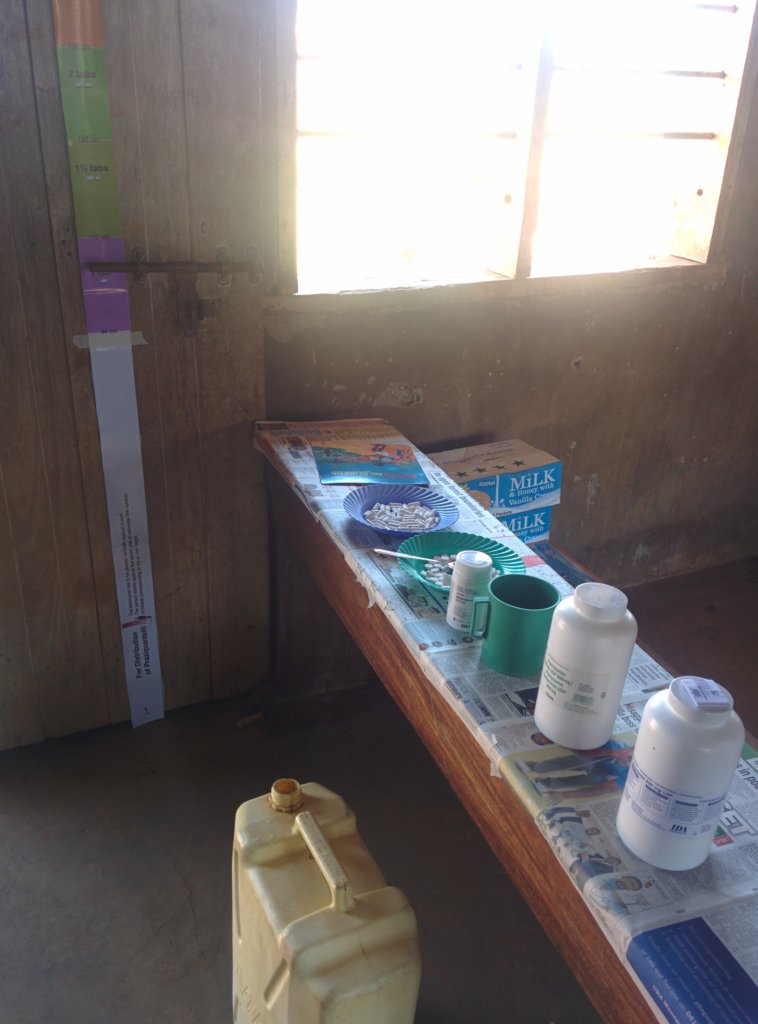
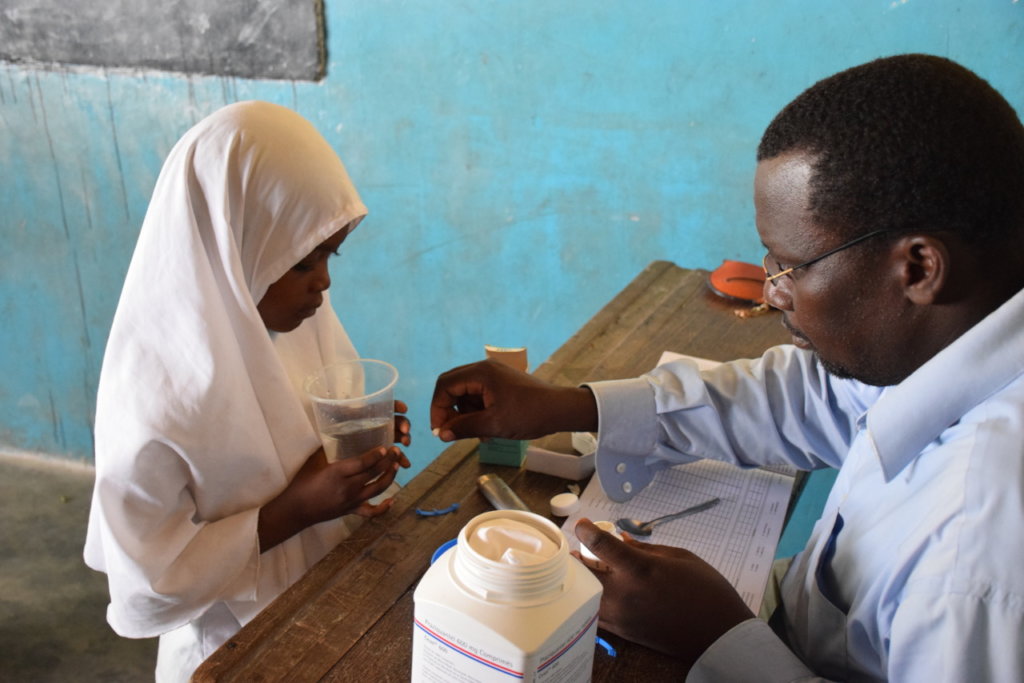
At the SCI we support governments to deliver treatment programmes against schistosomiasis. They use a drug called Praziquantel that works effectively and economically to treat individuals for schistosomiasis. Our partners distribute the drug through schools to effectively treat large numbers of children at a time, who are most burdened by the disease.
Water Sanitation and Hygiene (WASH)
Schistosomiasis is transmitted through contact with contaminated water, so establishing clean water sources is a great way to reduce spread of infection and the disease. SCI supports Ministries of Health to collaborate with WASH ministries and organisations to coordinate treatment and WASH activities.
Education
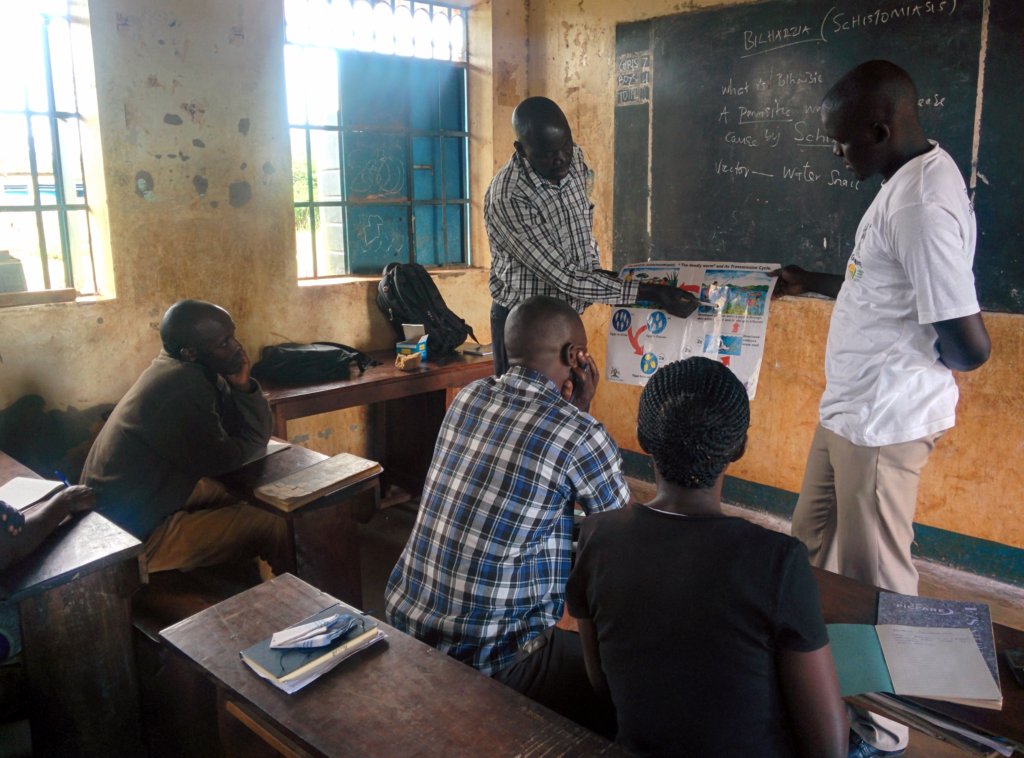
Another good way to reduce the transmission of schistosomiasis is through education. SCI works with governments to teach people about how the disease is transmitted, the importance of good hygiene and, where possible, using clean water, to help reduce the spread of infection.
Snail Control
Young stages of the parasite that cause schistosomiasis are carried by snails that live in fresh water sources. By removing the snails that carry the schistosome larvae, we can reduce the transmission of schistosomiasis to humans. However, molluscicides used to kill the snails also greatly damage ecosystems including killing fish which are a source of food.
Environmental control
Similar to snail control, this solution works by changing the environment that these snails live in, whether by introducing a species that will feed on the snails, such as shrimp, or by changing the vegetation that lives within the bodies of water. Again, this solution can interfere with local ecosystems, can potentially cause damage and are often expensive.
At SCI we support countries to treat with praziquantel, deliver health education and collaborate with the WASH community. We’ve found treatment the simplest, most affordable and with the greatest impact, way to treat communities suffering from schistosomiasis on a national scale. Since its foundation in 2002, SCI has helped deliver over 150 million treatments. Once a large number of people have been treated, not only is that beneficial to the individual, but the chances of becoming infected reduces within a community because there are fewer infected people contaminating the water sources with parasites.
SCI have recently developed a user-friendly disease forecasting tool which can determine the impact of treatment programmes on a population. With this tool, we can predict whether the disease will be eliminated with existing efforts, or if programmatic changes are needed. We hope that with our continued efforts, and innovations such as this, that we will get closer to our target of eliminating schistosomiasis by 2025.
To find out more about our treatment programmes, visit our website: https://www.imperial.ac.uk/schistosomiasis-control-initiative/our-work/what-we-do/how-we-work/
Links:
Project reports on GlobalGiving are posted directly to globalgiving.org by Project Leaders as they are completed, generally every 3-4 months. To protect the integrity of these documents, GlobalGiving does not alter them; therefore you may find some language or formatting issues.
If you donate to this project or have donated to this project, you can receive an email when this project posts a report. You can also subscribe for reports without donating.