By Gail Koelln | Co-director
The following summary outlines One Earth Conservation’s key accomplishments to conserve parrots and empower communities across the Americas from June to September 2026:
Guatemala – Yellow-headed Amazon (Amazona oratrix) Conservation
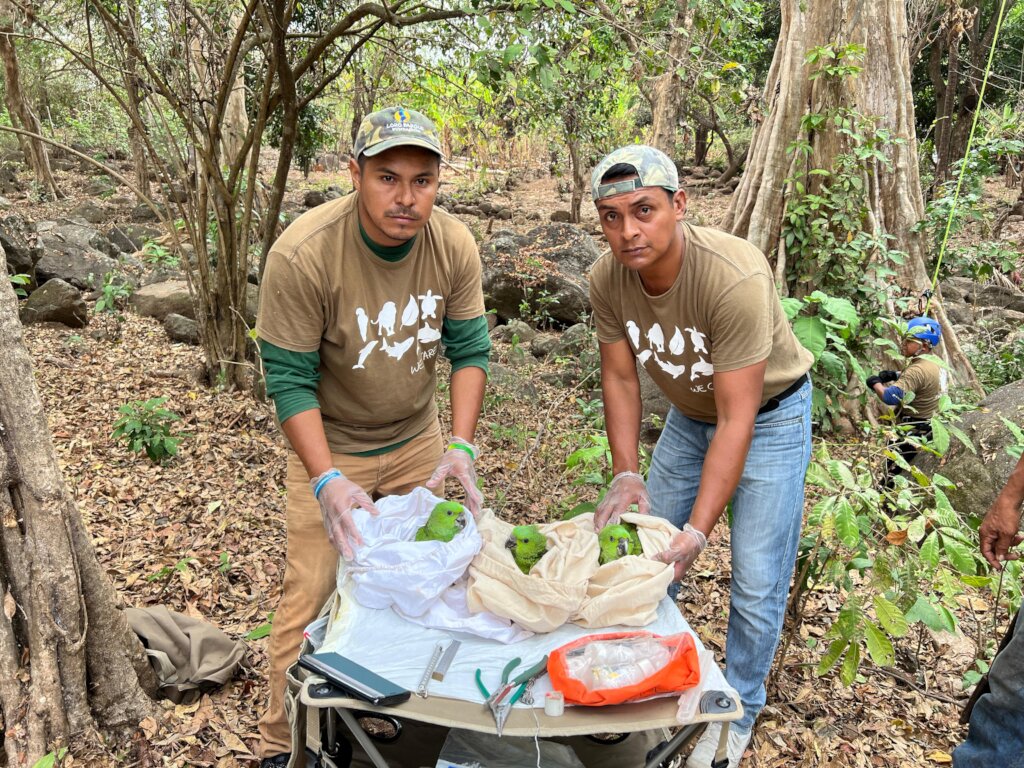
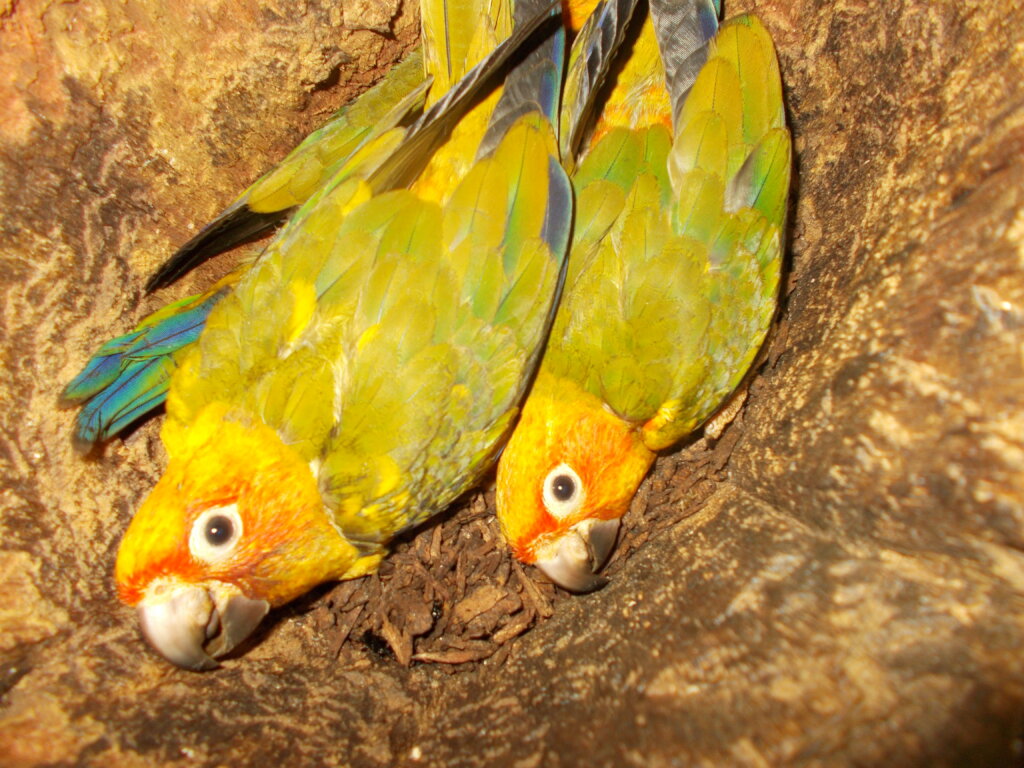
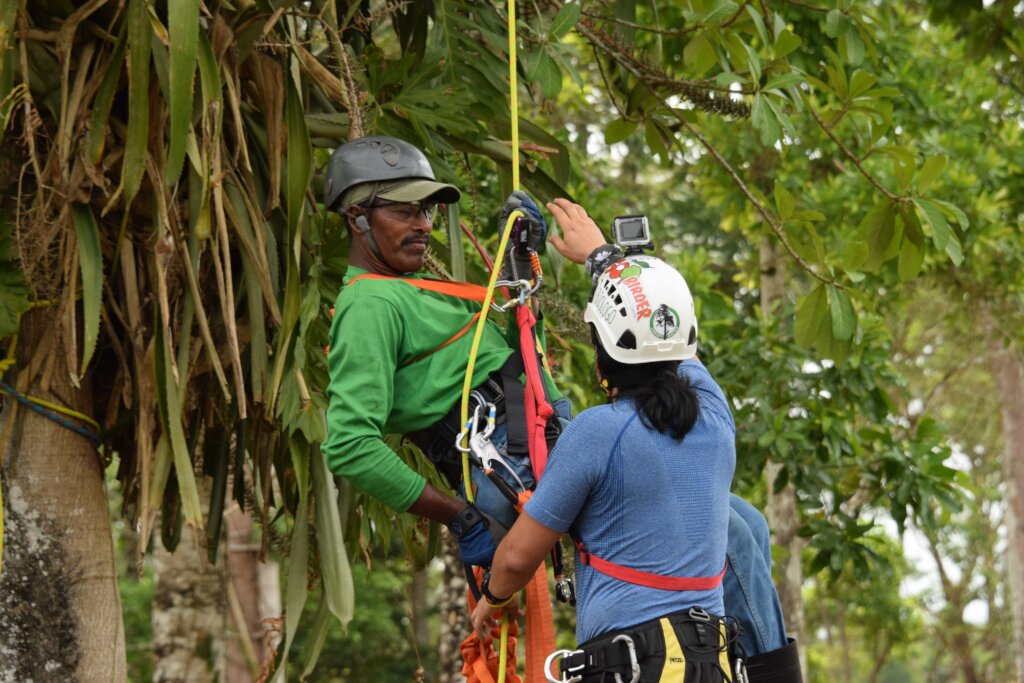
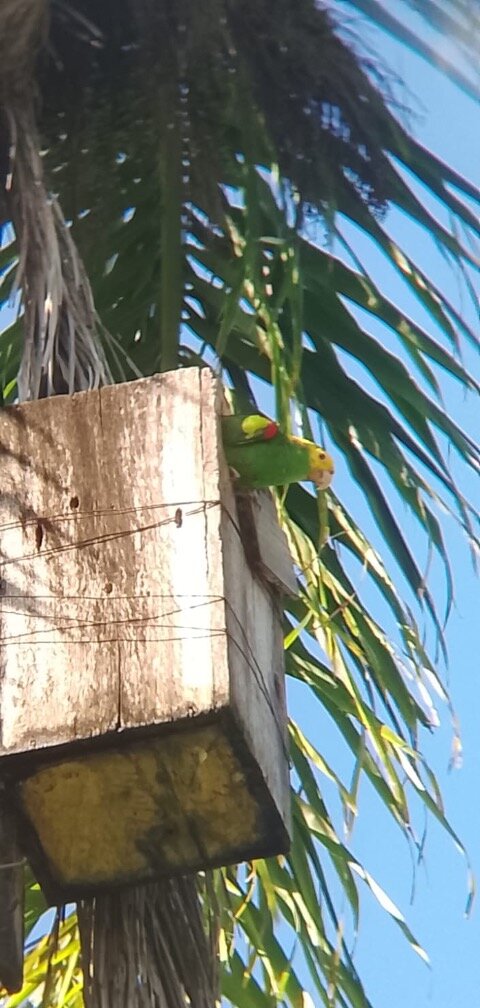
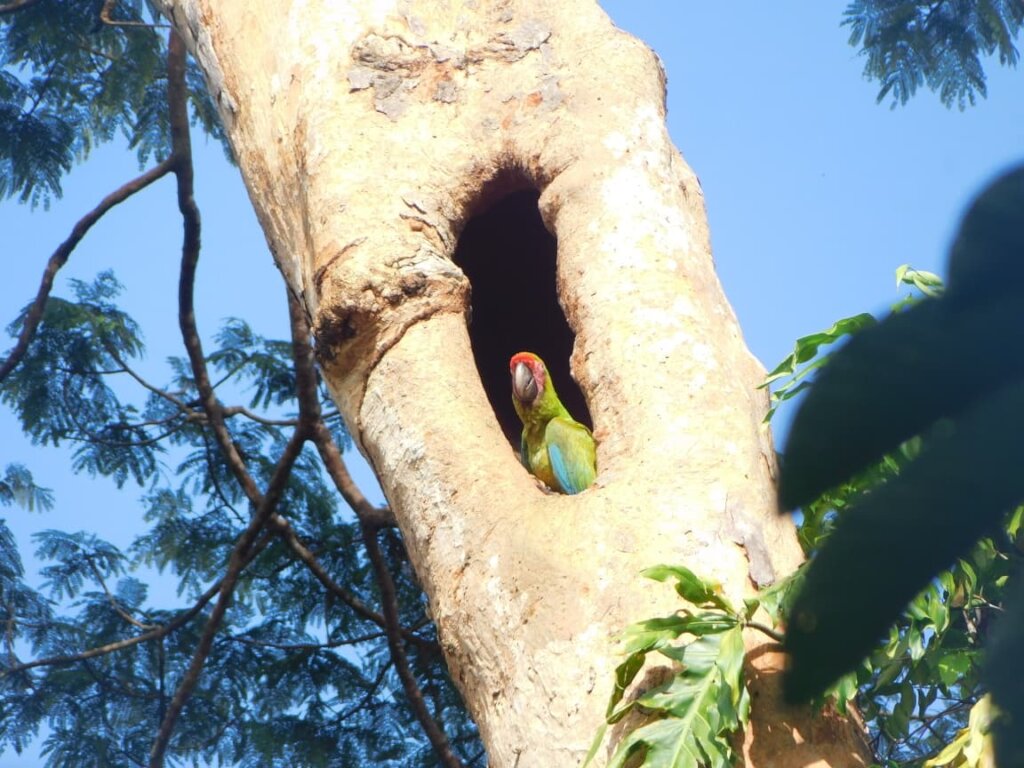
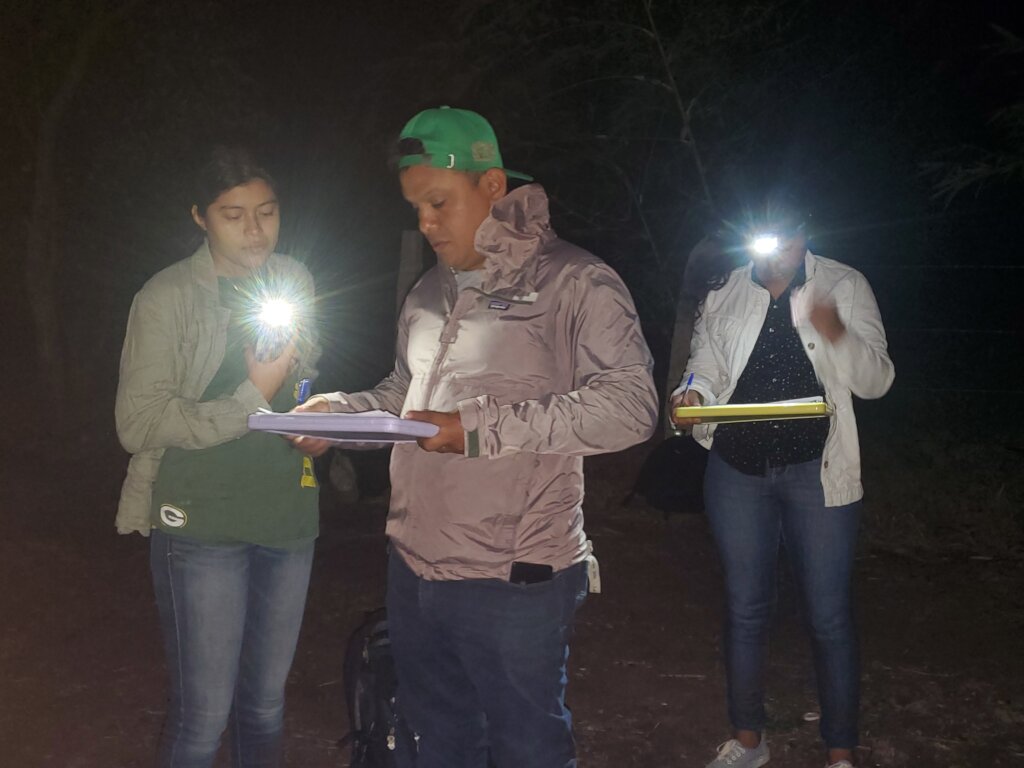
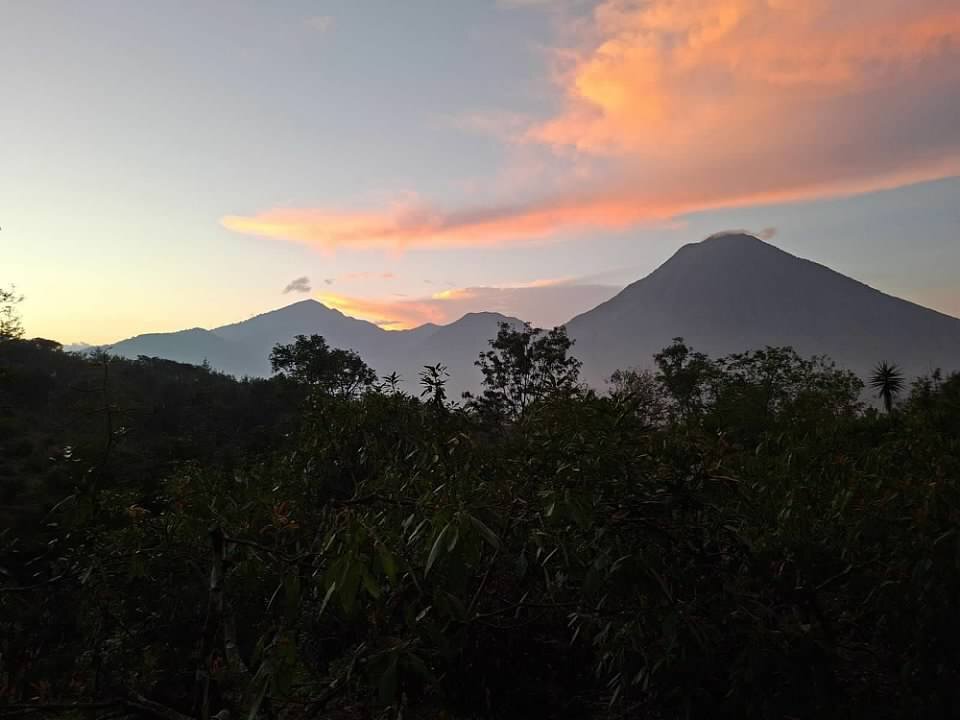
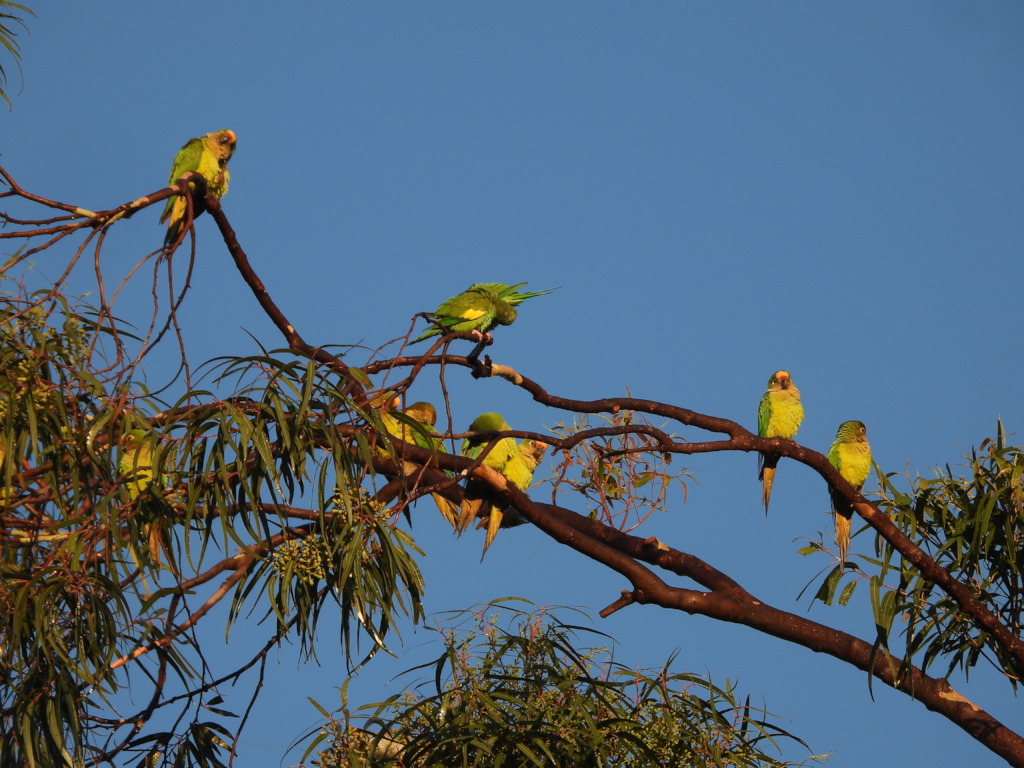
On the Atlantic coast of Guatemala, the breeding season of the yellow-headed parrot (Amazona oratrix) is one of the most significant and crucial times of the year. It is a period when life begins quietly inside the parrots’ nests, while fieldwork increases to protect this fragile and important process. The project started in March with local conservationists searching for nest locations. Long field walks, patient observation, and careful attention to the landscape helped them to identify both natural nests and nest boxes used by the parrots. In April, the project moved into its most intense phase: nest monitoring, patrolling, and protection, which continued through June. Project participants then conducted an annual parrot population count in July 2026.
During the breeding season, time, the team regularly visited nesting sites, observed carefully, recorded behavior, and ensured safe conditions for chick development. At the same time, protection actions were strengthened to reduce the risk of poaching, one of the main threats to the species. This work is the result of a collaboration between the field team, the National Council of Protected Areas (CONAP), and the National Civil Police of Guatemala, whose presence in the area is key to strengthening nest protection and responding to threats. Throughout this season, field work showed a constant reality: conservation is not a single action, but a long-term presence in the territory built through patience, coordination, and daily commitment.
Between 2024 and 2025, OEC’s conservation efforts in Guatemala led to remarkable reproductive successes for this key parrot species. Active yellow-headed parrot nests increased from 5 to 9, with successful fledglings rising from 3 to 8. In 2026, active nests rose to 12, of which 8 were successful. Of the 4 that failed, 3 were lost to natural causes (the collapse of a nest tree and nest abandonment by the female) and only 1 was poached. The annual July census counted 116 individuals, up from 89 in 2025 and 21 in 2019.
Honduras – Unconditional Solidarity Campaign Launched Successfully
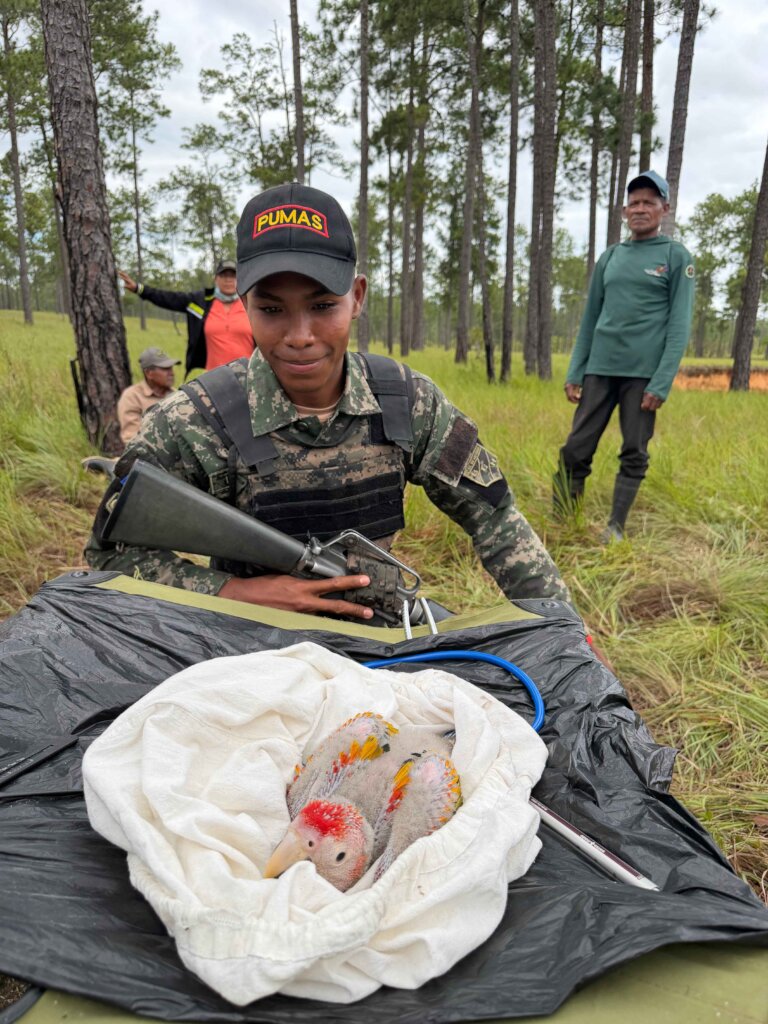
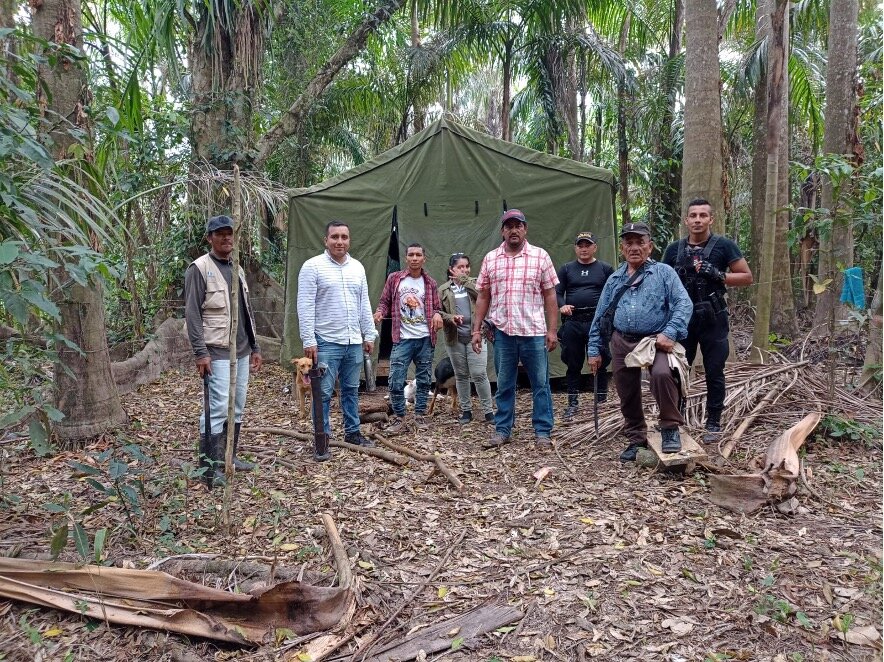
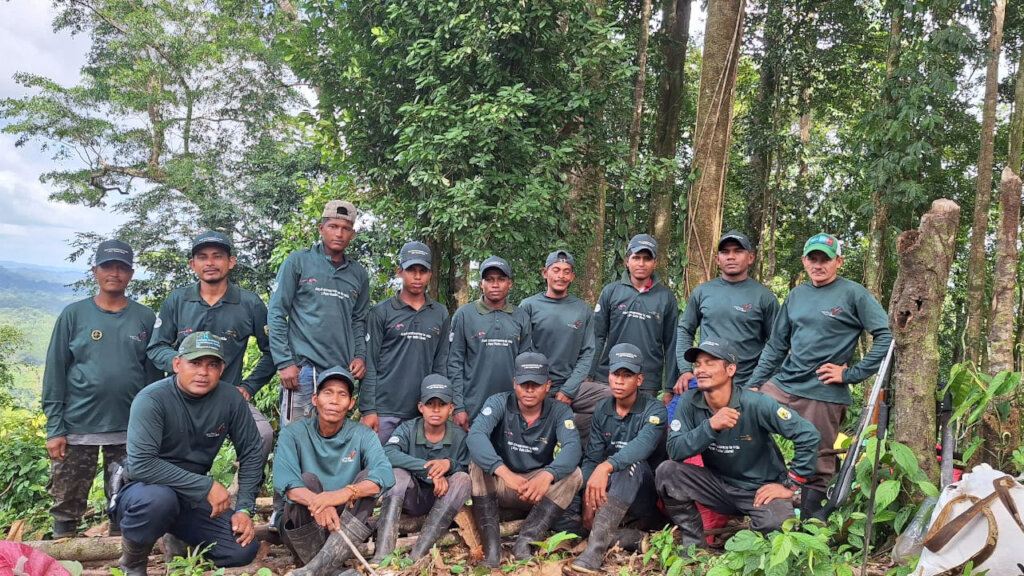
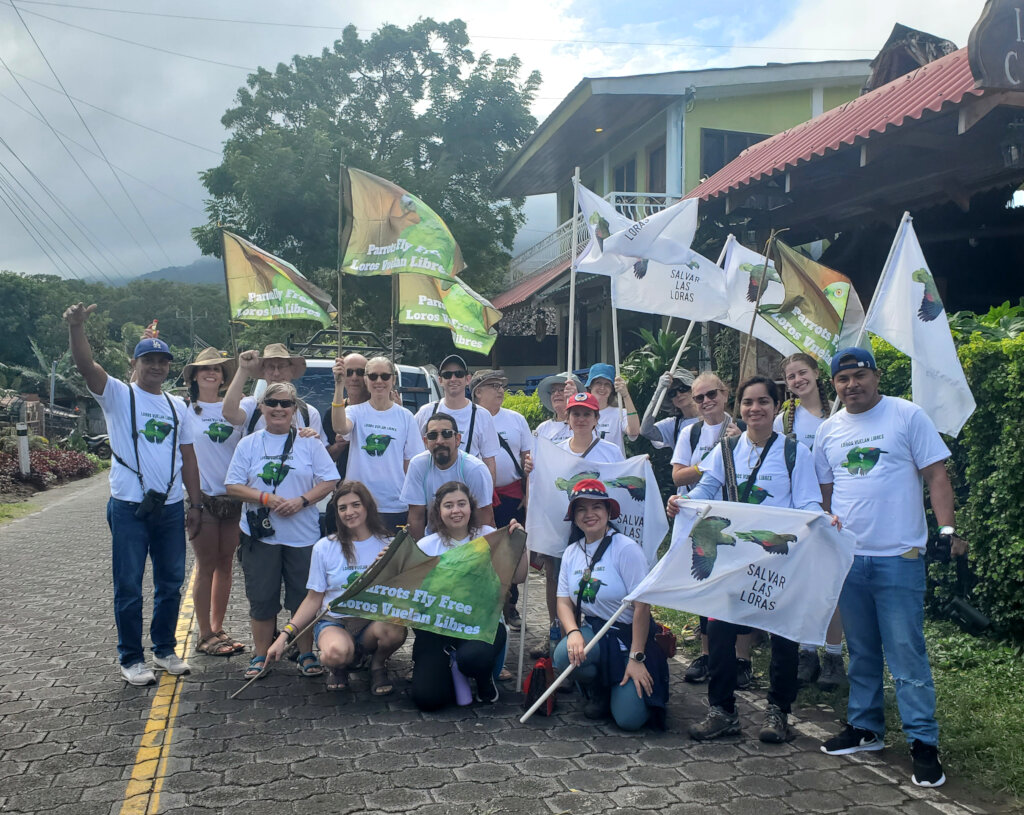
In March and April, LoraKim spent 9.5 weeks camping with the Indigenous parrot conservationists in La Moskitia, Honduras. She did this for many reasons, but primarily to witness oppressions threatening the people and people there, and to practice Unconditional Solidarity. Unconditional Solidarity (US) is inescapable: our well-being is deeply interconnected. We need one another, and none of us is free until all are free. But living and organizing society around this truth requires intention, practice, commitment, and kindness. Without that effort, we can be swept along by forces that harm rather than help.
We undertook this US campaign at this time because of the urgency of the parrot crisis in the world, and in La Moskitia, Honduras. Every year the international demand for parrots as pets increases, placing at risk the people of La Moskitia, their ecosystem, and their cultural and spiritual heritage that depends on a flourishing parrot population. Transformative conservation in this region has had success – there are more parrots flying free there than 20 years ago before the conservation project began, but the success is fragile, and at most like placing a bandage on a gaping wound. There is a much deeper problem. The increasing loss of the forest due to illegal land tenure, the increasing ferociousness of international buyers of the parrots, and decreasing availability of conservation funds now compels an urgency against forces that seem unstoppable.
The campaign increased social capital, grew awareness, increased funding to the project (although far short of what is needed), and engaged and bonded other Honduran stakeholders so that they see La Moskitia as their people, their parrots, and their project. We also grew our understanding of US, practiced it, and protected birds and one another with our physical presence. The work of solidarity is ongoing and the campaign continued through the end of August after the last fledglings left their nest.
Nicaragua – Monitoring of the Yellow-naped Amazon (Amazona auropalliata) on Ometepe Island
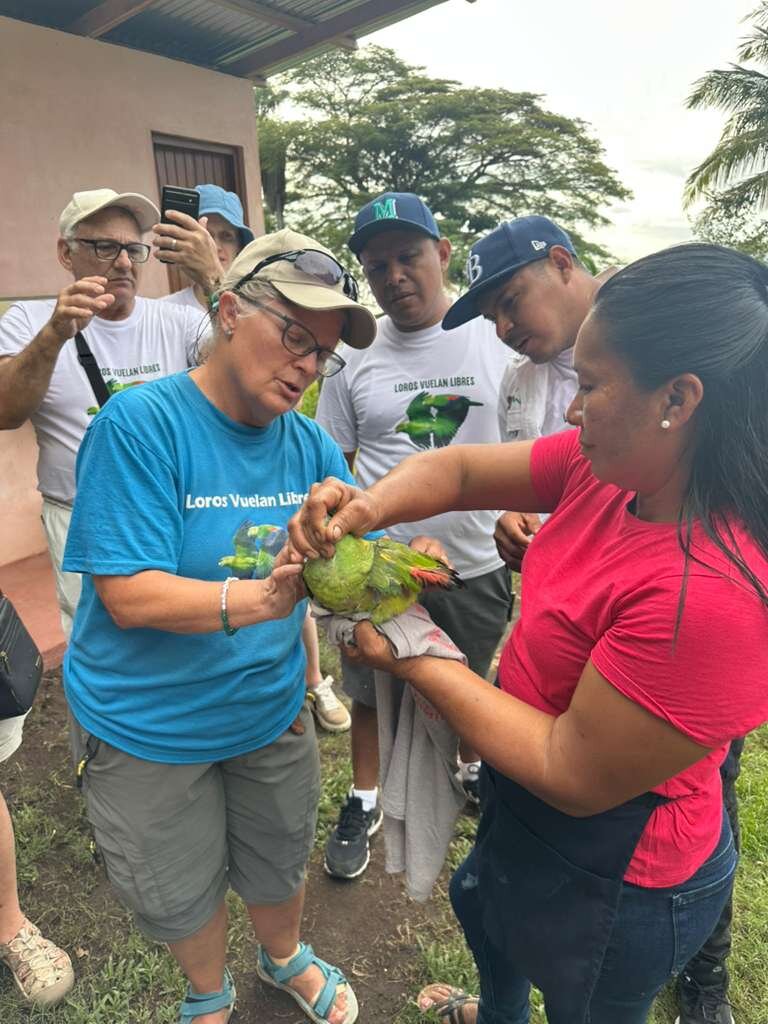
OEC and our project partners on Ometepe Island have continued in 2026 to work with six communities on the island as they have in years past. So far in 2026 they have monitored and protected 60 yellow-naped Amazon nests. Unfortunately, 20% of these nests were poached, however 50% were successful (meaning chicks successfully fledged). An island-wide population count was conducted between July 13 and August 24, 2026. LoraKim traveled there to participate in the count for the entire month. OEC and our partners usually focus on 7 species in our parrot population counts but in 2026 we only counted 6 species. In addition, typically we count parrots in 6 communities on Ometepe Island but in 2026 we counted in 22. Overall, in 2026 we counted about 3,500 critically endangered yellow-naped amazons on the island. LoraKim is also preparing to lead another parrot pilgrimage from December 11 to December 15, 2026. We plan to publish a scientific booklet in 2027 of all the counts and nest monitoring results since 2013.
Paraguay – Multi-species Parrot Conservation
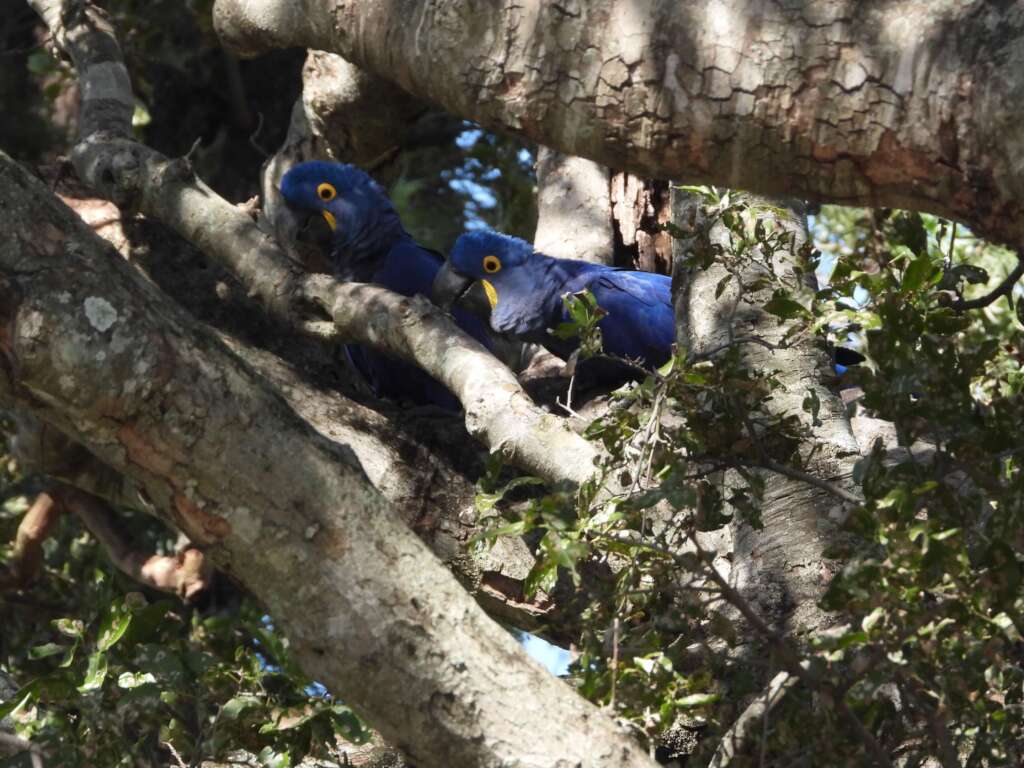
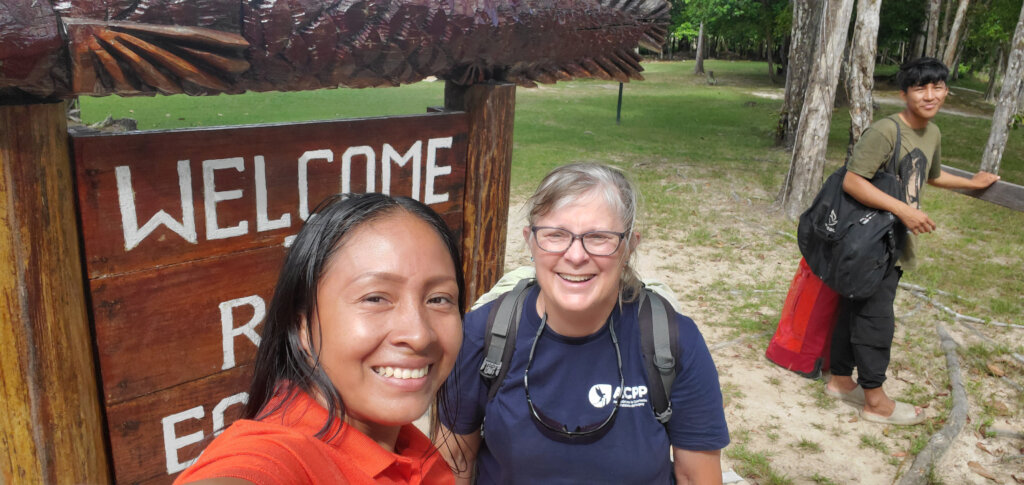
In late 2025, OEC and our partners in Paraguay completed a productive collaboration with World Wildlife Fund Paraguay, which included receiving a $20,000 grant from them. Starting in 2026, we conducted an annual parrot count. Throughout the year we helped staff the project’s Rescue and Liberation Center. Our partnering NGO, Asociación para la Conservación de Psitácidos del Paraguay (ACPP), is managing this center. Our biggest project in Paraguay this year was completing an in-country Parrot Conservation Corps with 120 participants enrolled, though fewer completed the course. During World Parrot Day on May 31, 2026, we supported a webinar series there. It is now the middle of the nesting season of local macaws and yellow-faced parrots. Though parrot poaching has mostly stopped in our conservation areas (but not all), eggs continue to be poached from this area as evidenced by the recent confiscation of parrot eggs at the international airport in Asuncion.
Links:
By Gail Koelln | Co-director
By Gail Koelln | Co-director
Project reports on GlobalGiving are posted directly to globalgiving.org by Project Leaders as they are completed, generally every 3-4 months. To protect the integrity of these documents, GlobalGiving does not alter them; therefore you may find some language or formatting issues.
If you donate to this project or have donated to this project, you can receive an email when this project posts a report. You can also subscribe for reports without donating.



Support this important cause by creating a personalized fundraising page.
Start a Fundraiser