By Gail Koelln | Co-director
Since the launch of our most recent campaign in support of One Earth Conservation's mission to conserve parrots and empower communities across the Americas, significant progress has been made. The following summary outlines key accomplishments from April to June 2025:
Guatemala – Yellow-headed Amazon (Amazona oratrix) Conservation
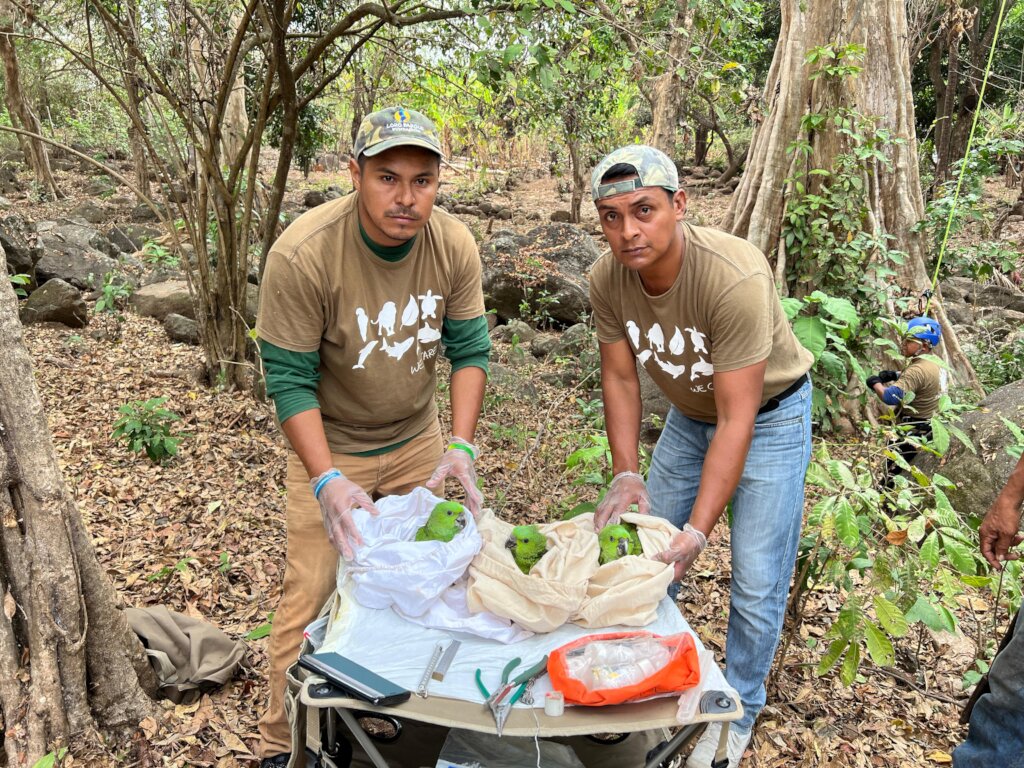
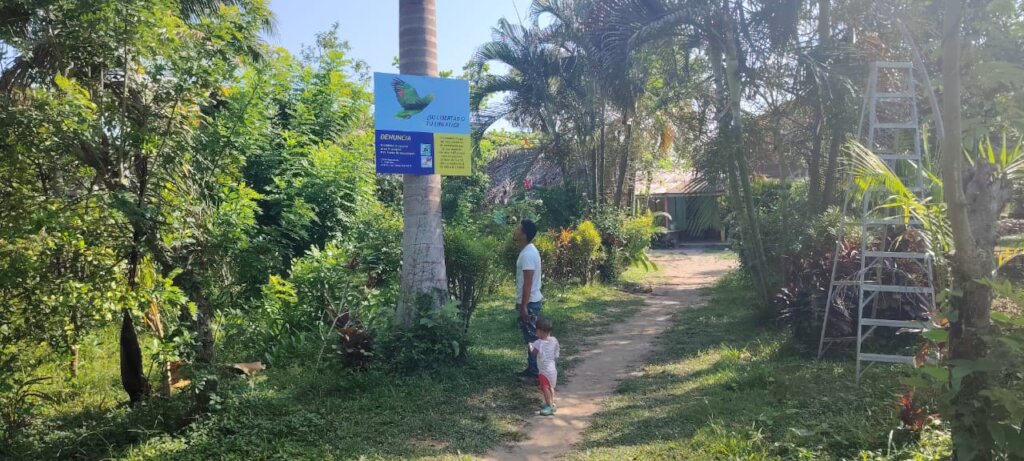
On the Atlantic coast of Guatemala, our partners completed their annual parrot population survey in 2024, recording the highest number of active nests to date (25). Nest monitoring efforts have since been expanded with the addition of a new monitoring site and an increased number of trained rangers to safeguard nests throughout the breeding season. Another important aspect is that, through the conservation project focused on the yellow-headed parrot, we are also successfully protecting another parrot species, the red-lored parrot (Amazona autumnalis), whose population is declining in the area.In addition, in 2025, informational signage promoting parrot conservation was installed within the forest to enhance local awareness and protection efforts. This coming August, the annual parrot population census will be conducted, which is an essential component of our long-term strategy to monitor and safeguard endangered parrot species in their natural habitat.
It is important to highlight that with each year of work in the study area, we observe a highly positive response and growing commitment to parrot protection and conservation from both our local collaborators and the surrounding community.
Guyana and Brazil – Sun Parakeet (Aratinga solstitialis) Initiative
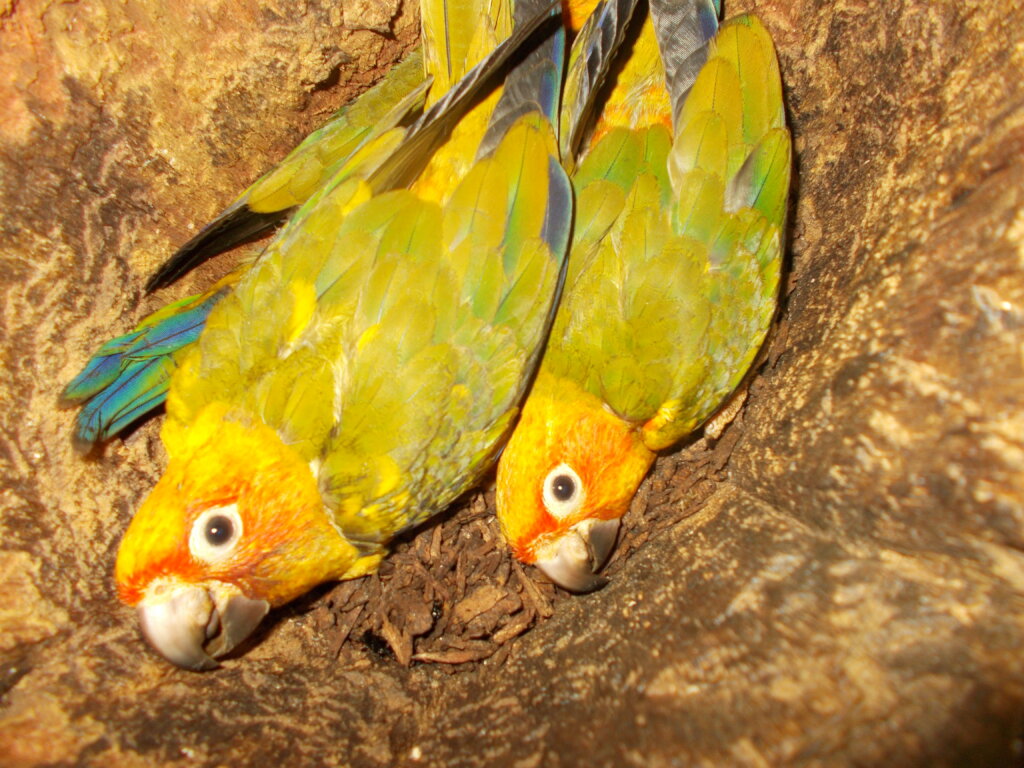
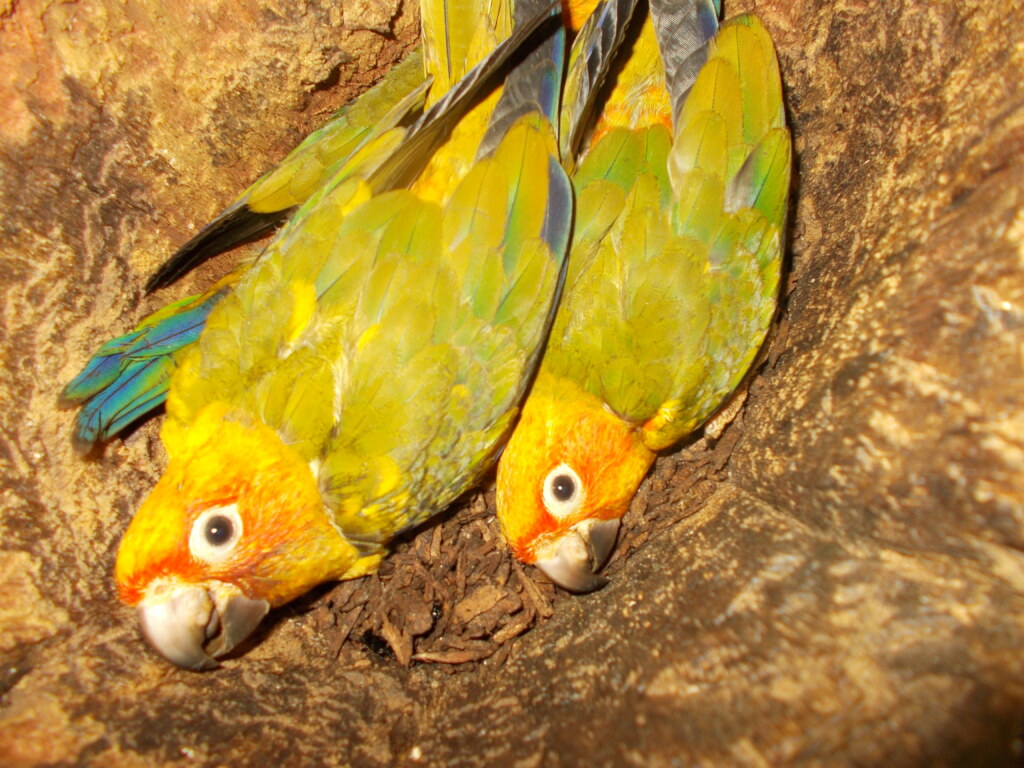
In 2024, local Indigenous conservationists in Karasabai Village monitored up to 65 natural nest cavities and continued to conduct regular population assessments. Plans are underway for a binational parrot census in late 2025, spanning the cross-border habitat of sun parakeets in Guyana and Brazil. Also, in the case of the sun parakeet, each year of dedicated work represents a significant step forward, as we continue to document important information about lesser-known aspects of the species' basic biology. These findings are critical for improving conservation strategies and ensuring more effective management of the species in its natural habitat.
Honduras – Scarlet Macaw (Ara macao) and Great Green Macaw (Ara ambiguus) Projects
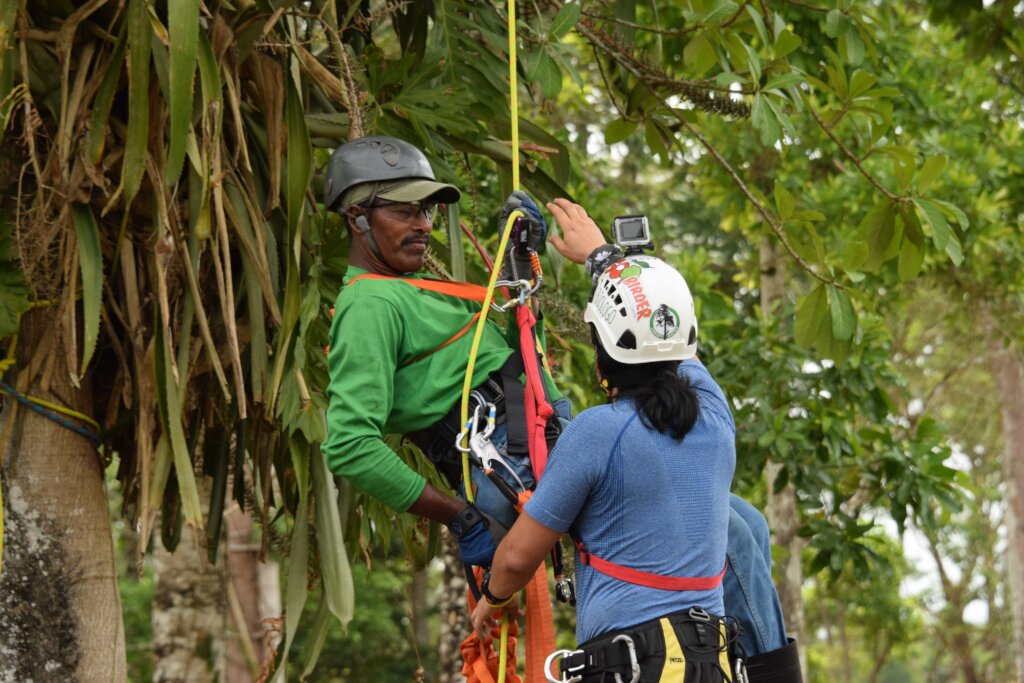
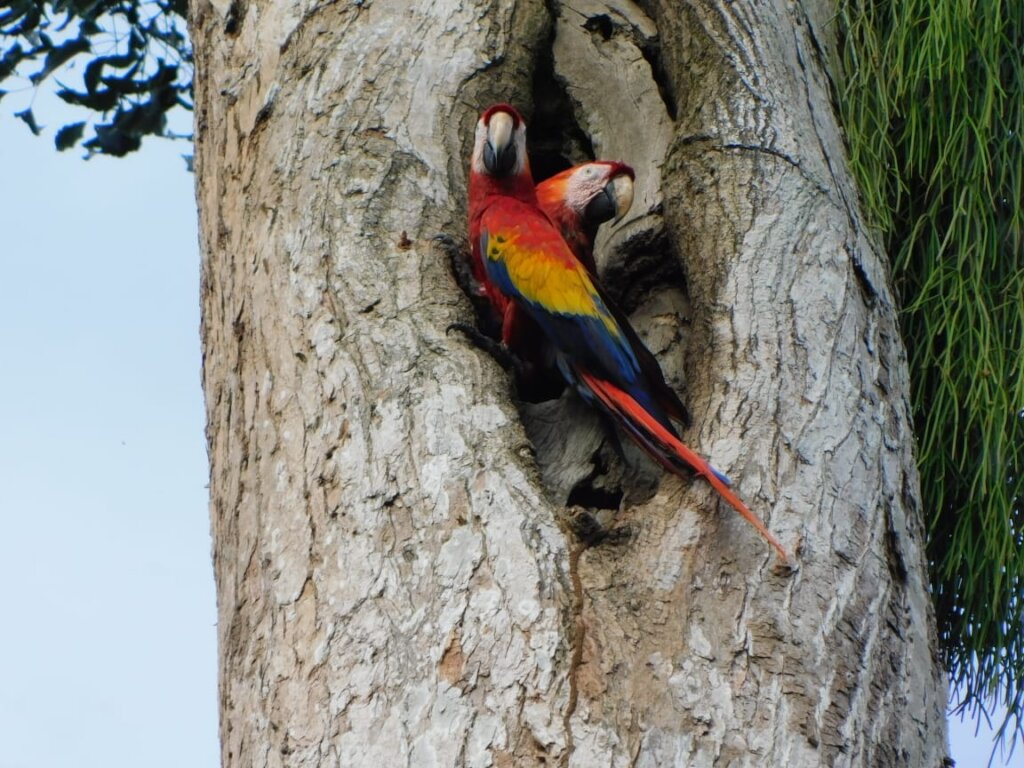
The monitoring of scarlet macaw nests is an ongoing achievement that continues year after year, helping to protect and conserve these large and endangered species. This effort is made possible thanks to the dedication of local parrot rangers and the active involvement of Indigenous communities. Important work also continues at the Rescue Center, which plays a key role in the species’ recovery. It is dedicated to the intake, care, rehabilitation, and, when possible, the release of parrots that have been victims of illegal wildlife trafficking, injured due to human activities or natural causes, raised in captivity under inadequate conditions, and/or rescued from situations of abuse or neglect.
Our Indigenous collaborators in Honduras independently constructed a new ranger station to facilitate wildlife monitoring and protection in their recently established wildlife sanctuary. In parallel, they submitted a formal application to the Honduran government to designate their Great Green Macaw conservation area as an official Area of Wildlife Importance, thereby advancing its legal protection and ecological value.
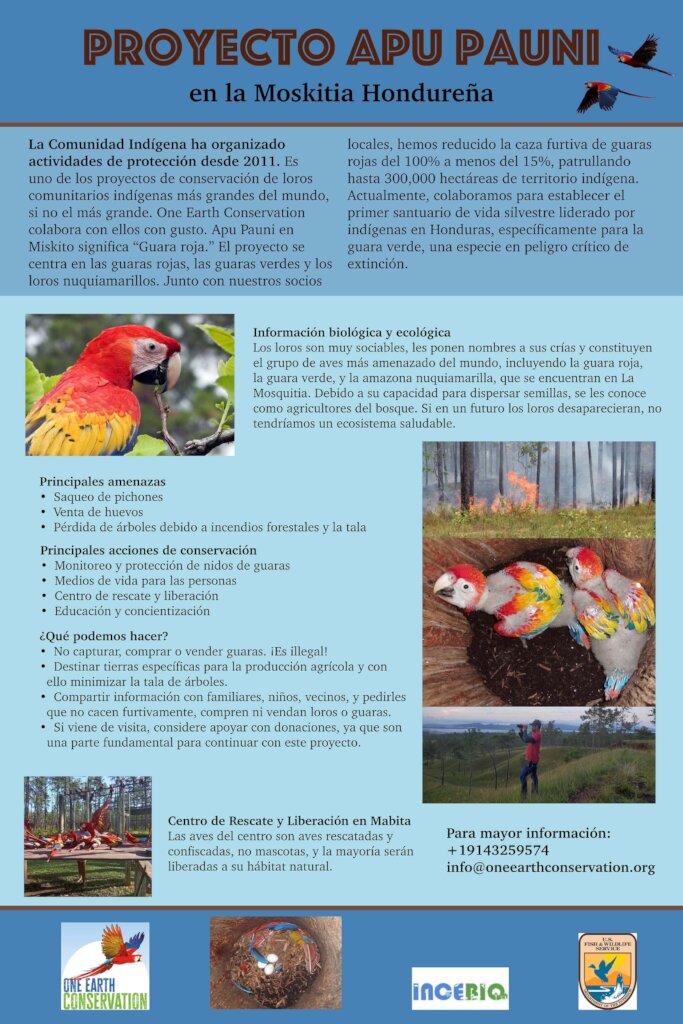
As support and strengthening of environmental education. This year, an informational poster and a brochure were developed about the Apu Pauni project (which means 'Scarlet Macaw') for the Honduran Moskitia region. The posters were installed at strategic points in the area, and the brochures were distributed among the local community and for later dissemination among future project visitors.
Nicaragua – Monitoring of the Yellow-naped Amazon (Amazona auropalliata) on Ometepe Island
Project partners on Ometepe Island completed a multi-year analysis of nest monitoring and population survey data. These conservation efforts have now expanded to six local communities, with an annual increase in both participant engagement and the number of nests monitored and protected. This past June, they presented the results of their work at the 2025 International Psittacine Congress
Paraguay – Multi-species Parrot Conservation
In the Concepción region of Paraguay, this project’s capacity has grown significantly through the hiring of a full-time field biologist and recruitment of additional volunteers and interns. Key achievements include:
Suriname – Community-Led Conservation in Kalebaskreek
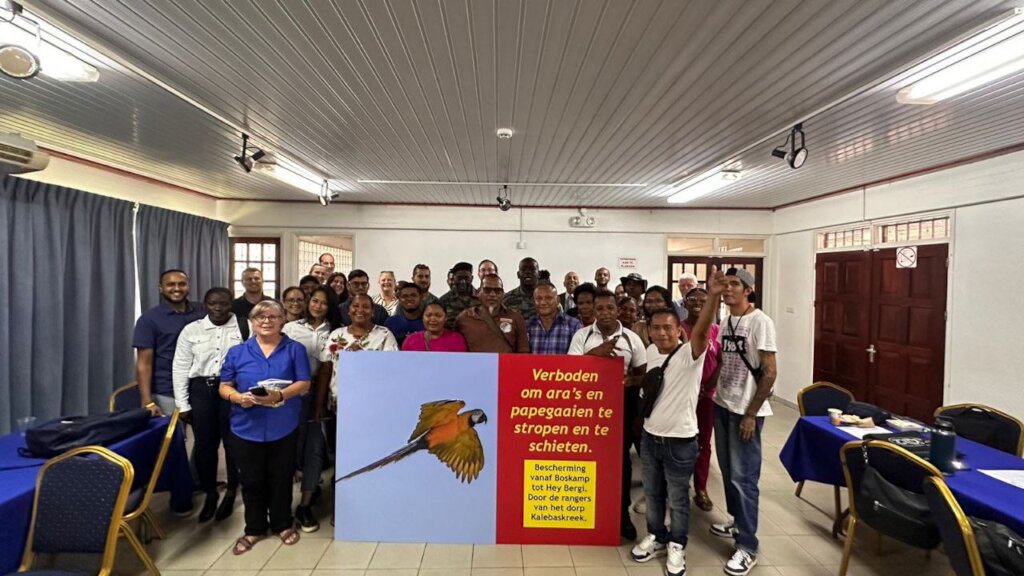
In the Indigenous village of Kalebaskreek, partners continued to receive training in parrot population monitoring and nest surveillance. Notably, the community collectively agreed to ban all hunting and trapping of avian species, effectively establishing a grassroots-managed conservation area. They are now exploring ecotourism as a sustainable income strategy that aligns with their commitment to preserving native parrot populations.
In addition, population census data from various years are currently being organized in order to analyze population trends of different parrot species.
Conclusion
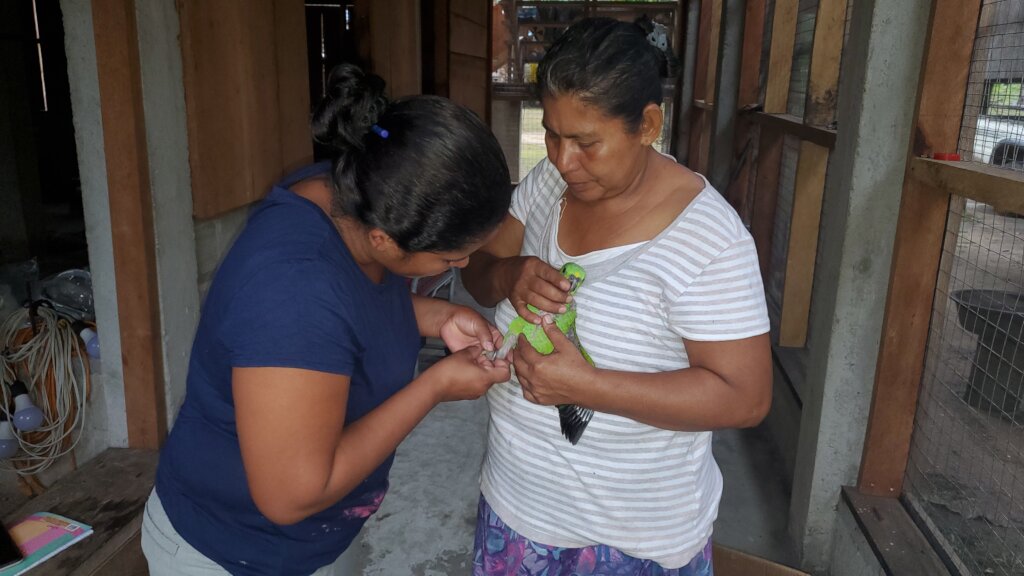
One Earth Conservation, in partnership with local communities and Indigenous groups, continues to make measurable strides in conserving endangered parrot species while promoting ecological stewardship and sustainable livelihoods. We are deeply grateful for the support from GlobalGiving donors, which makes this essential work possible. In general, each year we carry out essential field interventions across all of our projects to support the protection and conservation of various parrot species. These actions include nest monitoring, population surveys, rescue and treatment efforts, and the strengthening of our collaborators, institutions, communities, and staff. In addition, we implement a range of environmental education activities aimed at fostering greater awareness and shifting public perceptions promoting the understanding that these birds deserve to live freely in their natural habitats.
Links:
Project reports on GlobalGiving are posted directly to globalgiving.org by Project Leaders as they are completed, generally every 3-4 months. To protect the integrity of these documents, GlobalGiving does not alter them; therefore you may find some language or formatting issues.
If you donate to this project or have donated to this project, you can receive an email when this project posts a report. You can also subscribe for reports without donating.



Support this important cause by creating a personalized fundraising page.
Start a Fundraiser