Save Mexico's Coral Reefs!

by Asociacion Interamericana Para La Defensa Del Ambiente (AIDA)
Save Mexico's Coral Reefs!

Project Report | Apr 1, 2019
Educating governments on coral reef protection

By Maria Jose Gonzalez Bernat | AIDA Scientific Advisor

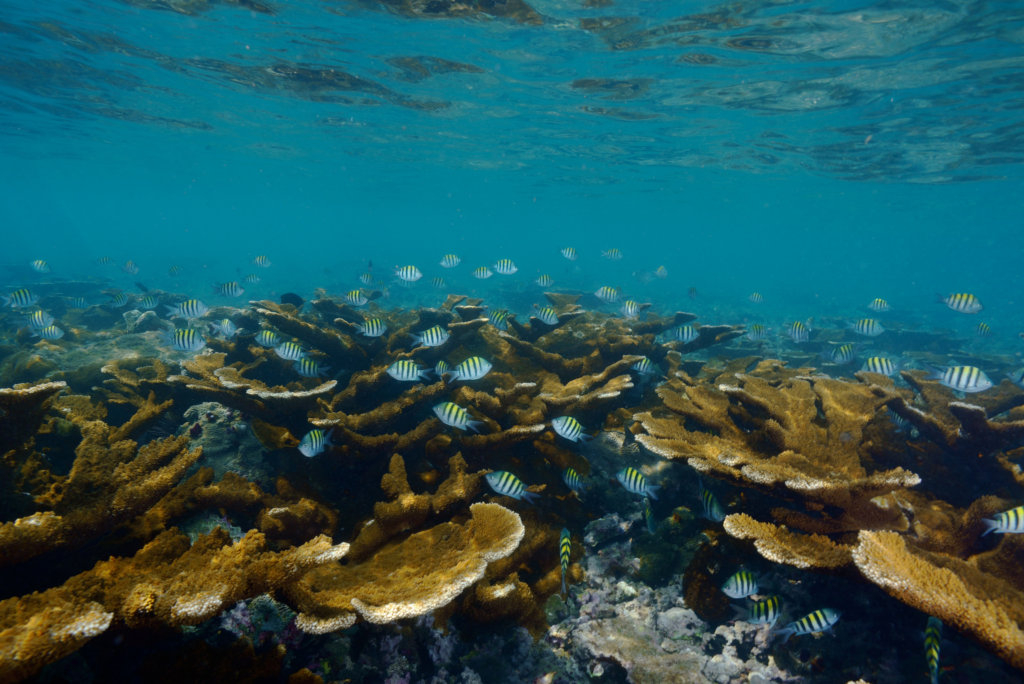
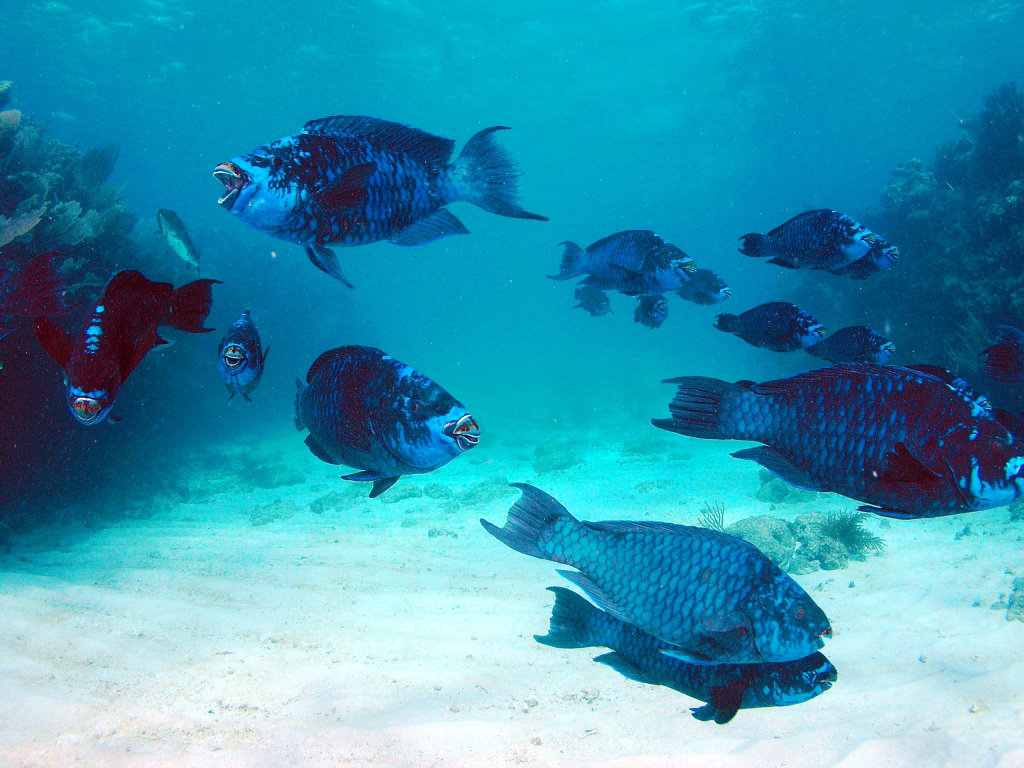
School of midnight blue parrotfish // Bill Goodwin

With the objective of advancing the protection of coral reefs, from the Mesoamerican Reef System to the Antilles, we're conducting outreach to decision-makers from across the region. 

Our latest tool to do so is a Fact Sheet titled, Herbívorous fish and coral reefs: a relationship we must protect. 

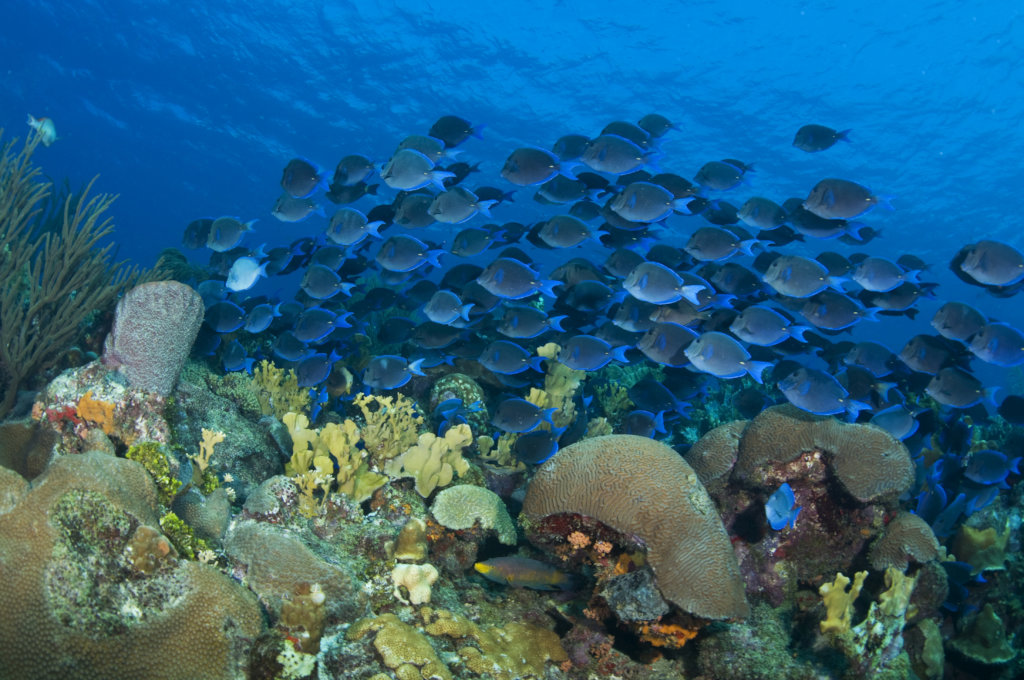
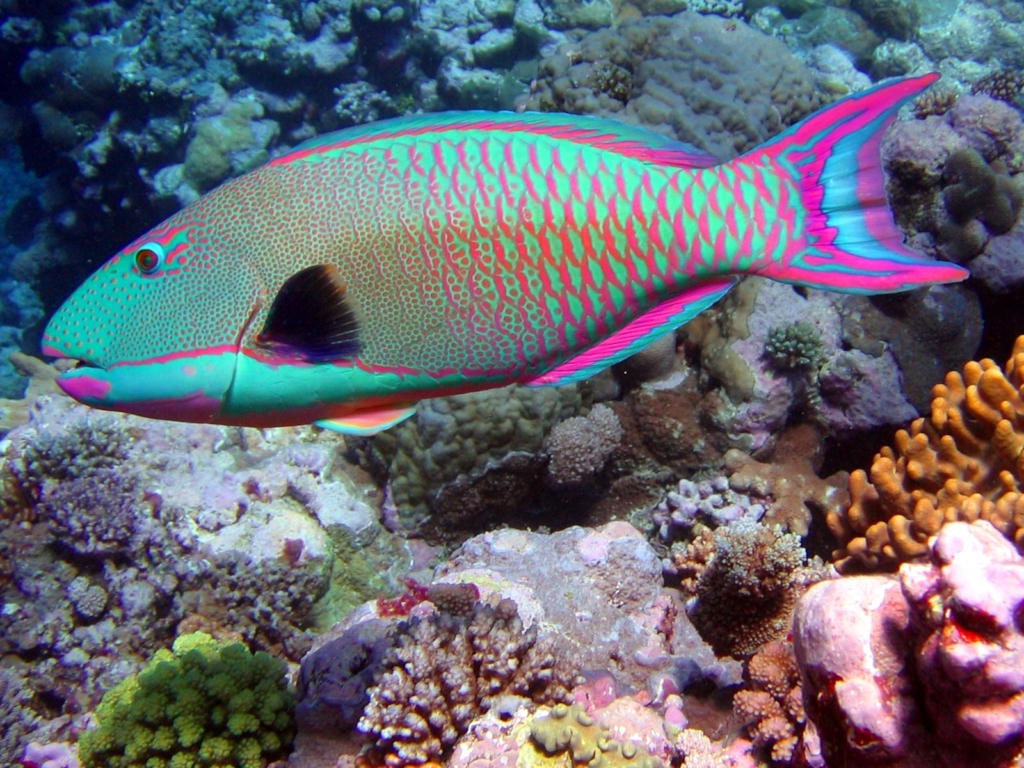
It outlines the vital role parrotfish and other herbívorous fish play in the health of marine environments, by cleaning the algae that deprive corals of light and oxygen. 

In the Fact Sheet and in our outreach to decision-makers, we offer the following recommendations for saving these fish, vital for maintaining the ecological equilibrium necessary for the reef's survival: 

  1. Establish and adopt strong fishing management and conservation strategies that will help herbivorous fish (particularly parrotfish) populations recover. This includes fishing management initiatives, establishing temporary or location-based bans, and strict quotas on fishing. Other measures include encouraging fisheries to diversify the species they capture. In the Caribbean, for example, fishing for lionfish—an invasive species—could be promoted as a viable economic alternative in hundreds of fishing communities.

  2. Establish marine protected areas and recovery zones where fishing is prohibited. These areas or zones, which should include at-risk habitats, need urgent protection because they are considered refuges for juvenile and adult fish. Allowing herbivorous fish species to complete their life cycles would contribute to the resilience of key marine environments like coral reefs.

  3. Standardize monitoring techniques of fish populations and implement alternative management practices. Encouraging optimal standard practices would allow scientists working in diverse habitats to improve monitoring, as well as fishery and ecosystem management. Among other options, reef restoration is also extremely beneficial, and has already been adopted in several areas of Mexico.

  4. Promote comprehensive regional management systems that allow local authorities to share experiences and establish shared management and conservation tools.

  5. Create and implement norms and laws that protect reefs and herbivorous fish. These could include laws that promote adequate fishing management practices and effectively combat threats like overfishing and tourism that damage reef habitats. Such laws could also encourage low impact coastal development that incorporates thorough scientific and technical evaluation into the planning process.

Targeted measures are urgently needed to maintain and improve the health of coral reefs. We're working so that governments and authorities throughout the Americas understand that protecting the colonies of herbivorous fish that sustain them would go a long way toward helping reefs recover.

We couldn't do it without your support. Thank you for your commitment to conserving the health and vibrancy of our coral reefs. 

Links:

Share on Twitter Share on Facebook

Dec 31, 2018
6 Victories in the Year of the Reefs

By Camilo Thompson | AIDA Marine Attorney

Oct 3, 2018
How updating a law could help save Mexico's coral reefs

By Camilo Thompson | AIDA Marine Attorney

About Project Reports

Project reports on GlobalGiving are posted directly to globalgiving.org by Project Leaders as they are completed, generally every 3-4 months. To protect the integrity of these documents, GlobalGiving does not alter them; therefore you may find some language or formatting issues.

If you donate to this project or have donated to this project, you can receive an email when this project posts a report. You can also subscribe for reports without donating.

Sign up for updates

Organization Information

Asociacion Interamericana Para La Defensa Del Ambiente (AIDA)

Location: San Francisco, CA - USA
Website:
Facebook: Facebook Page
X / Twitter: Profile
Asociacion Interamericana Para La Defensa Del Ambiente (AIDA)
Gladys  Martinez
Project Leader:
Gladys Martinez
San Jose , Costa Rica

Funded Project!

Combined with other sources of funding, this project raised enough money to fund the outlined activities and is no longer accepting donations.
   

Still want to help?

Find another project in Mexico or in Climate Action that needs your help.
Find a Project

Learn more about GlobalGiving

Teenage Science Students
Vetting +
Due Diligence

Snorkeler
Our
Impact

Woman Holding a Gift Card
Give
Gift Cards

Young Girl with a Bicycle
GlobalGiving
Guarantee

Get incredible stories, promotions, and matching offers in your inbox

WARNING: Javascript is currently disabled or is not available in your browser. GlobalGiving makes extensive use of Javascript and will not function properly with Javascript disabled. Please enable Javascript and refresh this page.