By Magie Rodriguez | Attorney, Ecosystems Program
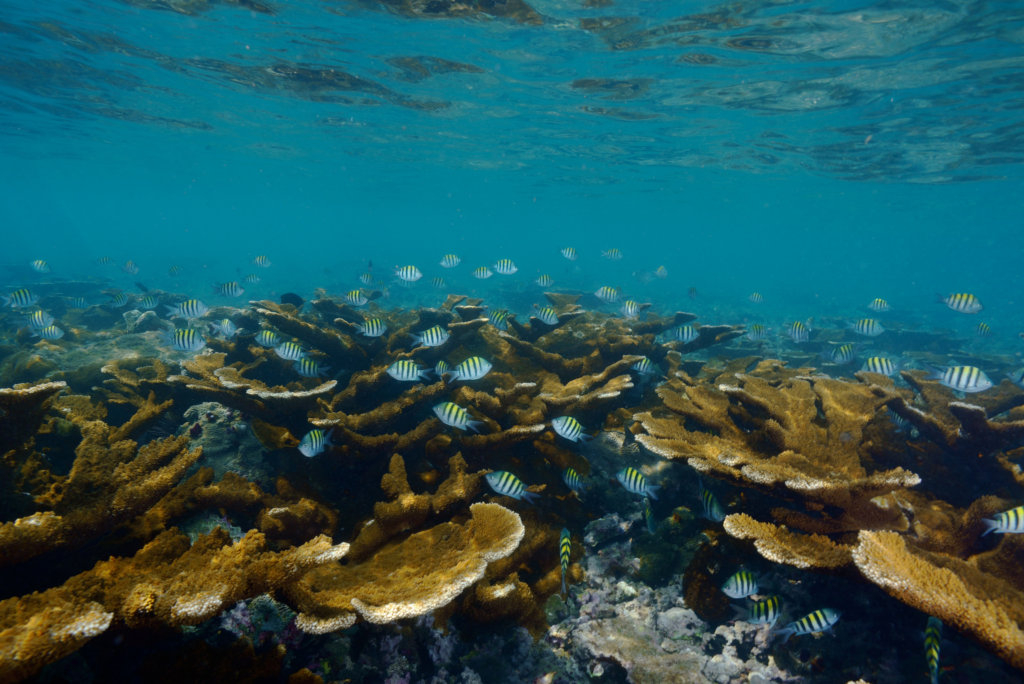
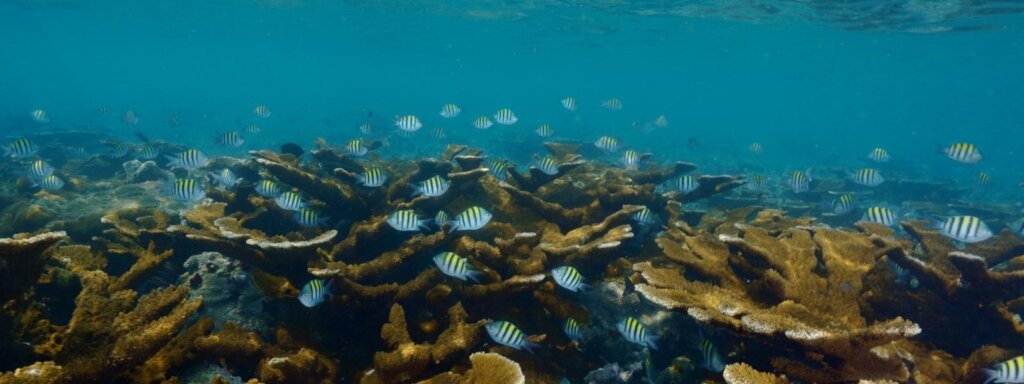
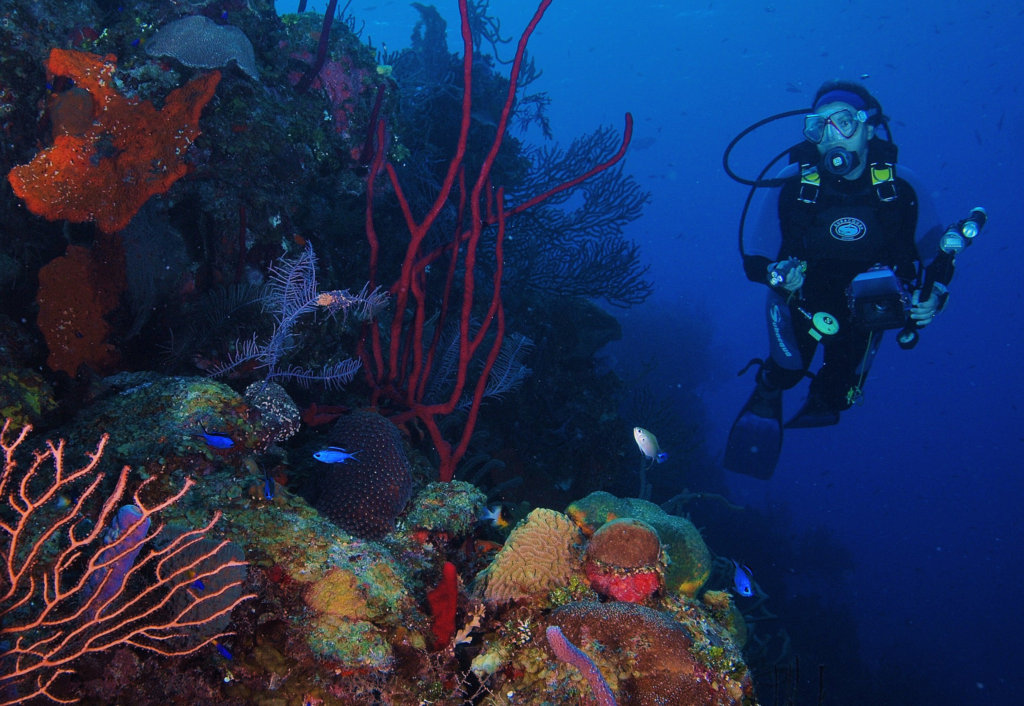
The Mesoamerican Reef (MAR) is the most significant coral reef barrier in the western hemisphere and extends over 1,000 kilometers along the coastlines of Mexico, Belize, Guatemala, and Honduras. Uncontrolled and intense coastal development, anthropogenic interventions, and degradation of ecosystems over wide extensions of these coasts are among the greatest threats to the MAR region. While all four countries have made concerted efforts to manage, conserve, and protect coastal ecosystems, there has been a lack of transparency in the governance framework, poor implementation, a disconnect between management and research, and geopolitical differences, which have played a role in reducing management efficacy.
AIDA communicated the results of the report “Assessing Legal Opportunities to Improve the Health and Resilience of the Mesoamerican Reef” in a closed webinar with representatives of civil society organizations from the four countries that make up the MAR. The report was built thanks to a close collaboration with civil society, academia, and government officials and we will continue to work in close contact with them to ensure that our recommendations are implemented.
Mexico is highly vulnerable to the effects of climate change. The increase in water temperature, ocean acidification, changes in currents, among others, impact the distribution and biological cycle of species of high commercial and exosystemic value, such as the Queen Conch, which depends mainly on the Caribbean coral reefs in Mexico.
For this reason, AIDA and other allied organizations, along with fishing communities, are preparing a citizen petition to the North American Commission for Environmental Cooperation (CEC) - an international authority created within the trade agreement between Mexico, the United States, and Canada - to obtain a response from the Mexican government on the actions it is taking or failing to take to comply with its obligations to generate public policies that promote much-needed adaptation. This complaint will be submitted to the CEC in November.
Despite the existence of a Special Climate Change Program (PECC in Spanish) in Mexico, with strategies and actions for communities and ecosystems to adapt to changing climate conditions, these lines of action have not yet been implemented in marine ecosystems. For instance, local governments are obliged to create and publish climate change adaptation plans for the fishing sector, which are long overdue.
AIDA is crafting a strategy to push local government in Baja California, where Cabo Pulmo -one of the most productive regions in the Sea of Cortez and one of the best-managed protected areas in Mexico- is located, to raise awareness and design an adaptation plan to climate change focused on the fishing communities in Cabo Pulmo.
By Sandra Moguel | Attorney, Marine & Costal Protection
By Sandra Moguel | Attorney, Marine & Costal Protection
Project reports on GlobalGiving are posted directly to globalgiving.org by Project Leaders as they are completed, generally every 3-4 months. To protect the integrity of these documents, GlobalGiving does not alter them; therefore you may find some language or formatting issues.
If you donate to this project or have donated to this project, you can receive an email when this project posts a report. You can also subscribe for reports without donating.