By Camilo Thompson | AIDA Marine Attorney
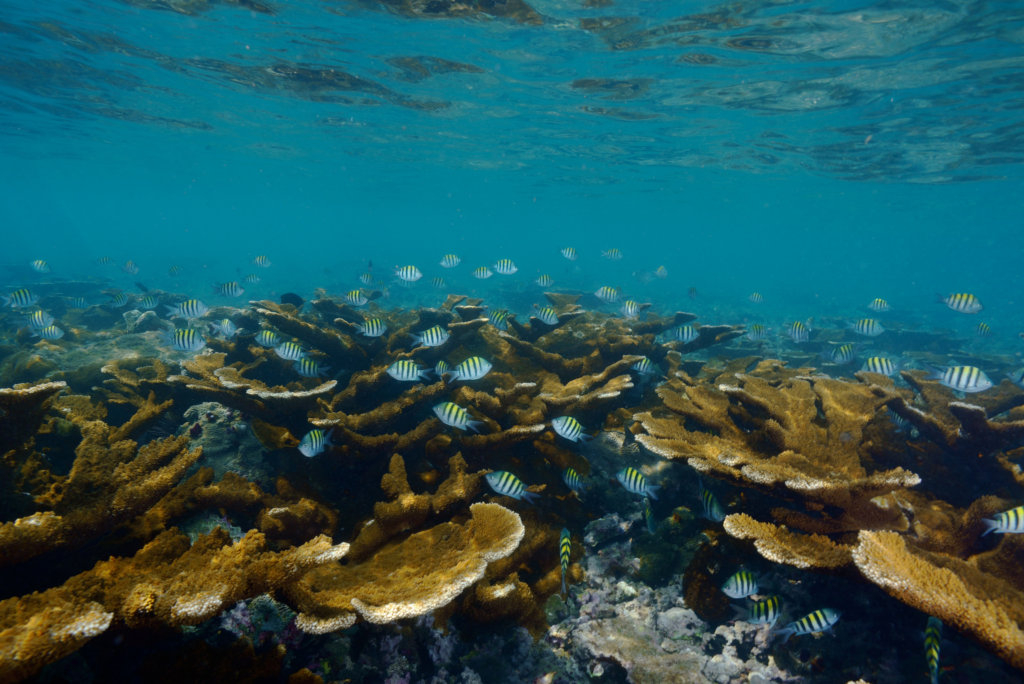
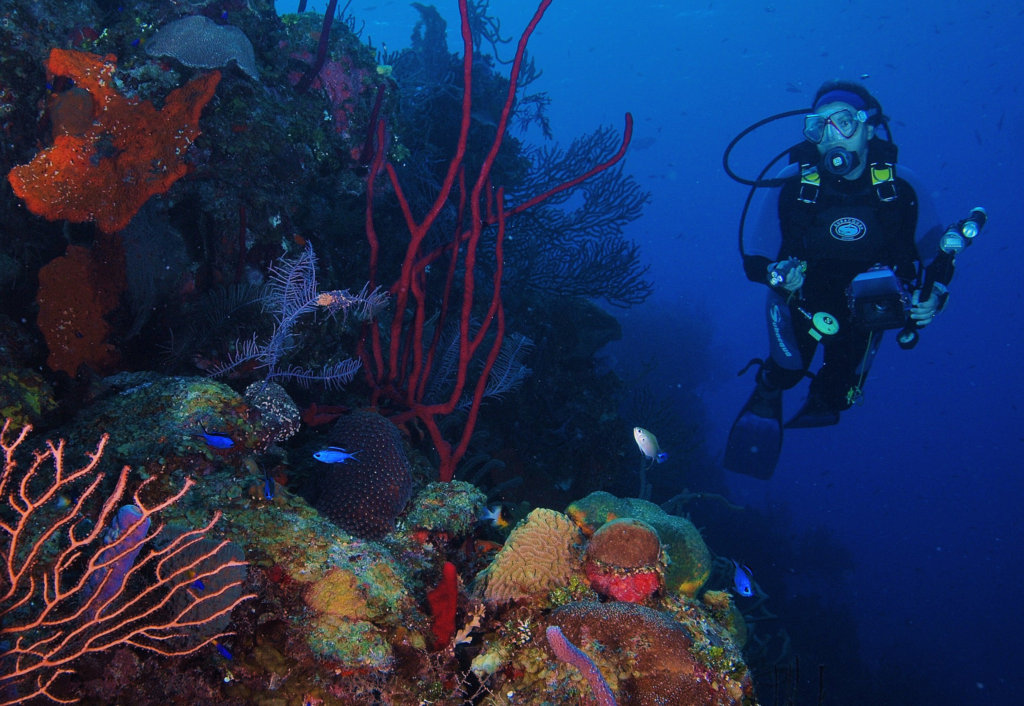
Studies show that 60 percent of coral reefs in Mexico’s Caribbean are in critical or poor condition.
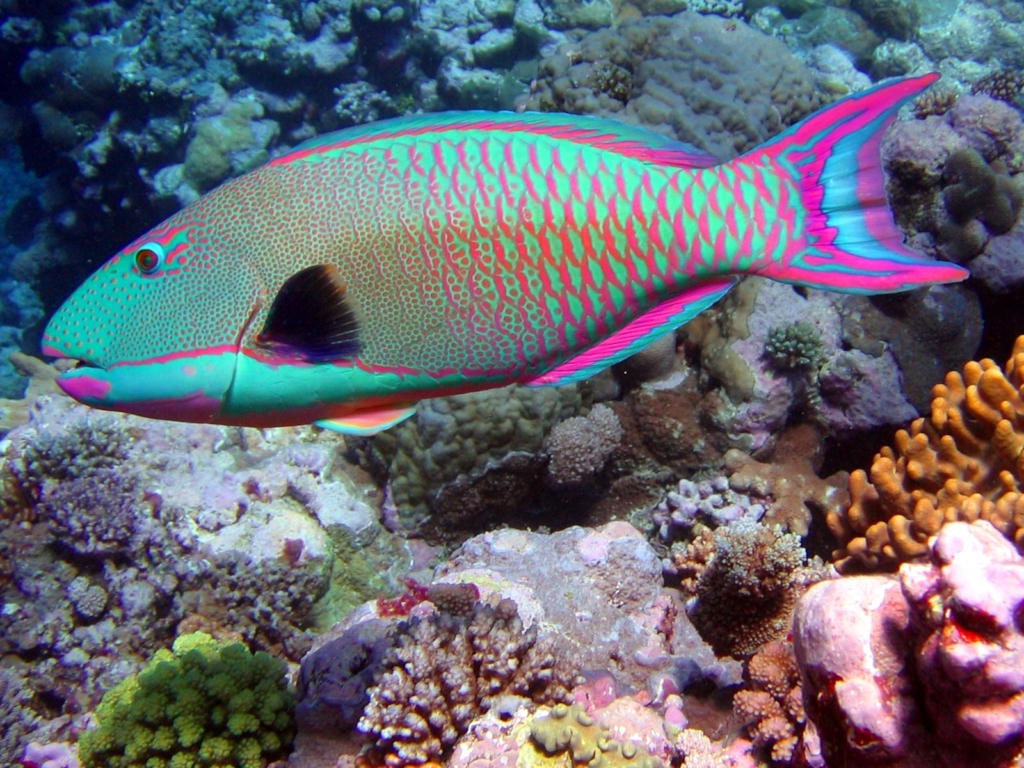
Meanwhile, populations of herbivorous fish, such as parrotfish, have fallen drastically due to overfishing and the impacts of commercial fisheries.
This is worrisome because herbivorous fish play a vital role in keeping reefs resilient: by grazing the algae that grow on corals, they limit its proliferation and, in turn, aid in the development of new coral colonies.
In the face of climate change, the fish’s role in controlling algae is of particular importance. The warming of the ocean, mixed with large pollutant loads, means algae growth is ever quicker and more robust.
That’s why we believe a significant step in saving Mexico’s coral reefs can be taken by protecting herbivorous fish like the parrotfish (and their many cousins).
Together with regional and international partners, we’re calling for the inclusion of 10 species of parrotfish in the Official Mexican Law on the protection of species at risk (NOM-059-SEMARNAT), which is currently being brought up to date.
By protecting these parrotfish under national law, the Mexican State would be complying with its obligations of conduct, due diligence and prevention in dealing with the threats facing species that require special protection.
We believe there exists an international regulatory framework and sufficient technical justification to, in this way, make a decision to protect these coral reefs—among our planet’s most fragile ecosystems.
We hope the Mexican government understands that greater protection is needed to achieve the conservation of one of the most important reef systems on the planet—the Mesoamerican Reef, which we are proud to call part of our national heritage.
Project reports on GlobalGiving are posted directly to globalgiving.org by Project Leaders as they are completed, generally every 3-4 months. To protect the integrity of these documents, GlobalGiving does not alter them; therefore you may find some language or formatting issues.
If you donate to this project or have donated to this project, you can receive an email when this project posts a report. You can also subscribe for reports without donating.