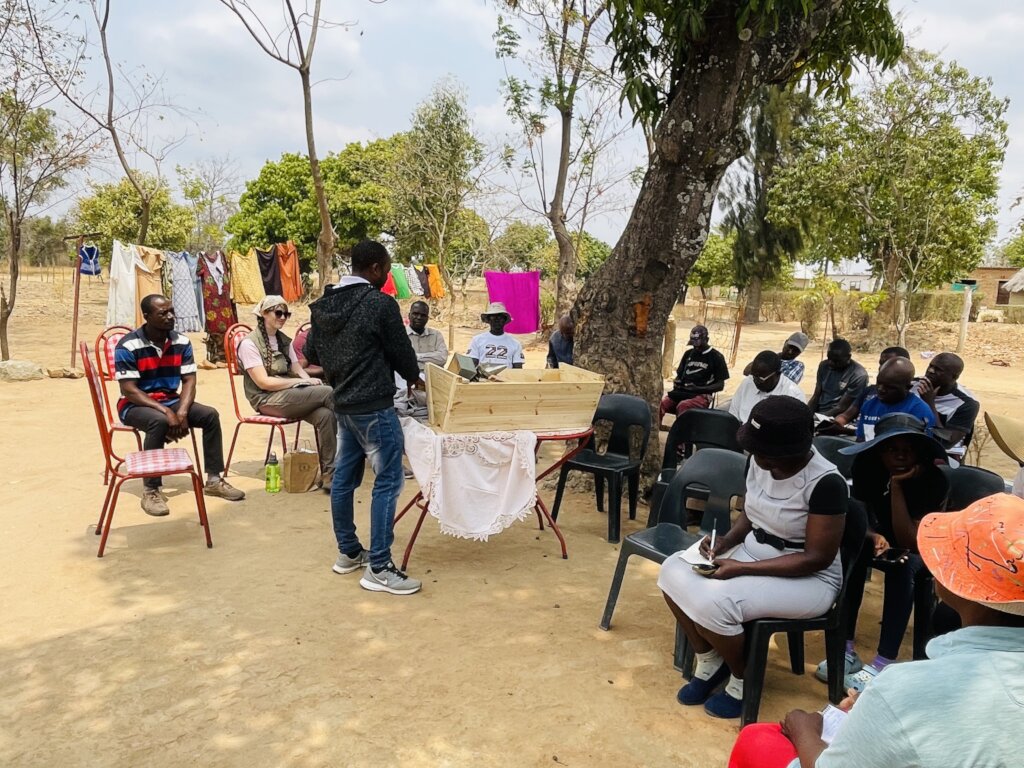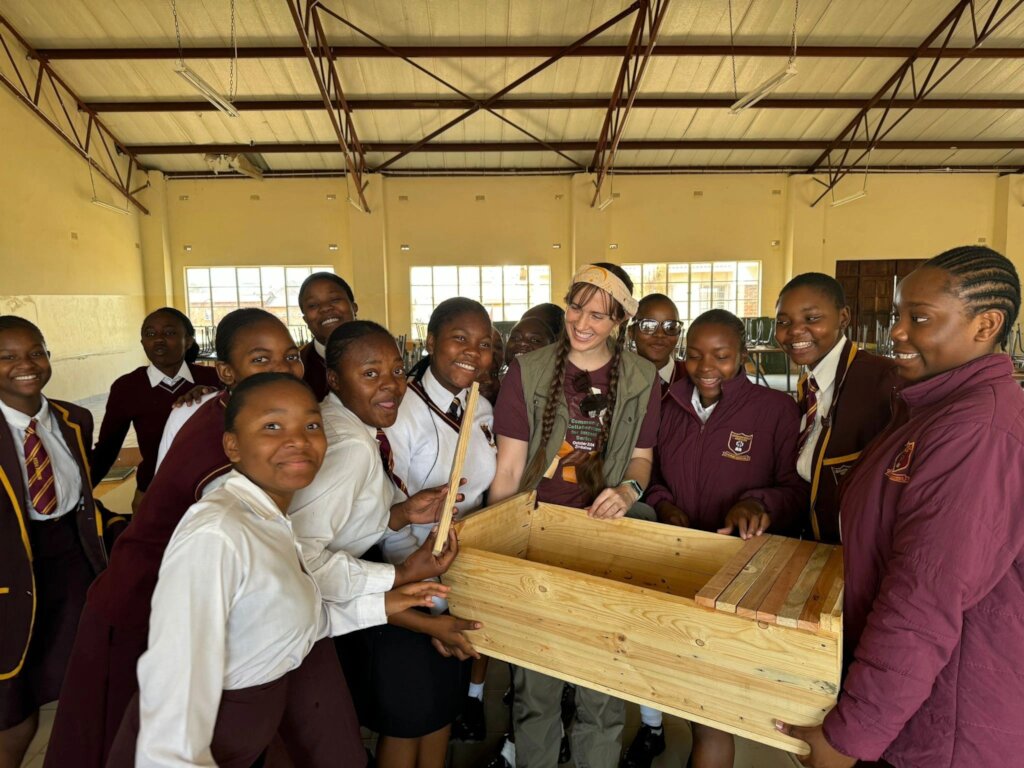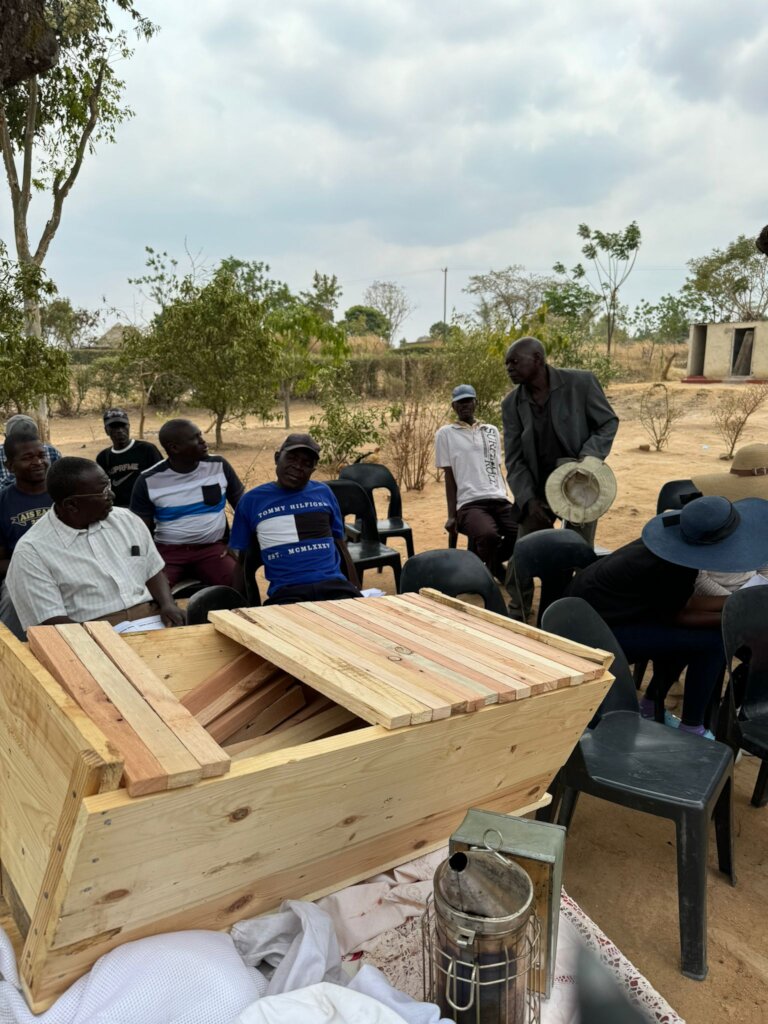
Human-elephant conflict poses serious challenges to rural communities in Mashonaland Central's Mbire District where game parks encroach upon agricultural lands and vice versa, exposing farmers to crop destruction and economic losses. Culling elephants has been suggested. The project seeks to scale a more elephant and human-sensitive alternative through beehive and Chilli fences-an approach that would mitigate the conflict and reduce calls for culling.
Human-Elephant conflict is a pressing issue in Gokwe North District, particularly in areas bordering wildlife conservancies like Chirisa. Villages such as Mareka, Mazenge, Vumba, Maririme, and Manyuli experience frequent elephant incursions, leading to crop destruction, property damage, and occasional human injuries. Elephant sightings have increased in Manyuli Village, prompting intervention from the Zimbabwe Parks and Wildlife Management which include a proposed herd cull to reduce this.
Our project proposes the implementation of chili and beehive barriers. Elephants are deterred by the pungent smell and taste of chili and their natural aversion to bees. As such these barriers will discourage elephants from entering agricultural and rural residential areas. Our documentary and living examples of harmonious coexistence will reduce the pressure for an elephant herd cull as a solution to the manageable conflict by influencing nature friendly approaches.
Our project will sustain livelihoods through beekeeping and chilli farming which provide much needed alternative income sources for 100 families reducing environmentally unsustainable traditional agriculture alone. It will ensure broader biodiversity conservation since protecting elephants ensures the preservation of biodiversity and maintains ecosystem balance. It will empower the local community to coexist with elephants and reduce the calls for culling by directly reducing conflict.