![]()
This program addresses the critical needs of at-risk and underserved community members both youth and adult as well as urban refugees. These groups frequently experience emotional, psychological, and socio-economic challenges that hinder their ability to thrive and succeed. The program will offer counseling, skills training, drug prevention, mental health support, and community engagement services to create a safe and supportive space where youth can access the resources they need. In addition, Na Cafe - a social enterprise based in the Bangkok 1899 building will compliment the programming with catering services and cooking classes, --as a platform to help at-risk and underserved Thai youth and refugee families
Mental Health
Mental wellness is the core of this program, serving as the initial introduction to this vital topic for many individuals. In Thailand, factors such as modernization, urbanization, shifting social dynamics, and family backgrounds have contributed to growing mental health concerns, heightened stress levels, and destructive behaviors among young people. Although mental health awareness has been increasing, there are still challenges and stigmas surrounding mental illness, along with limited access to services.
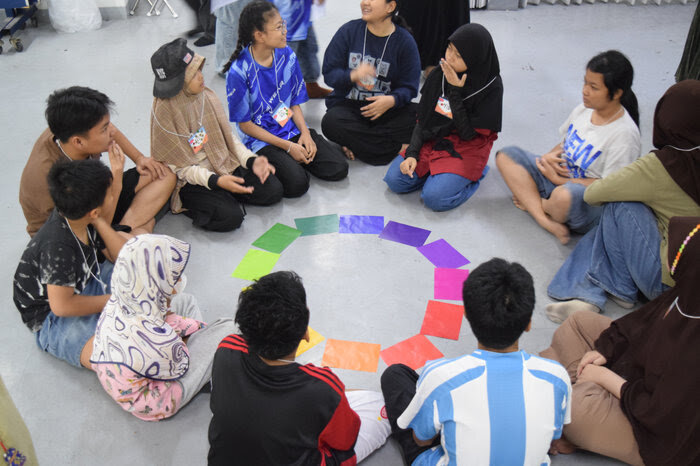
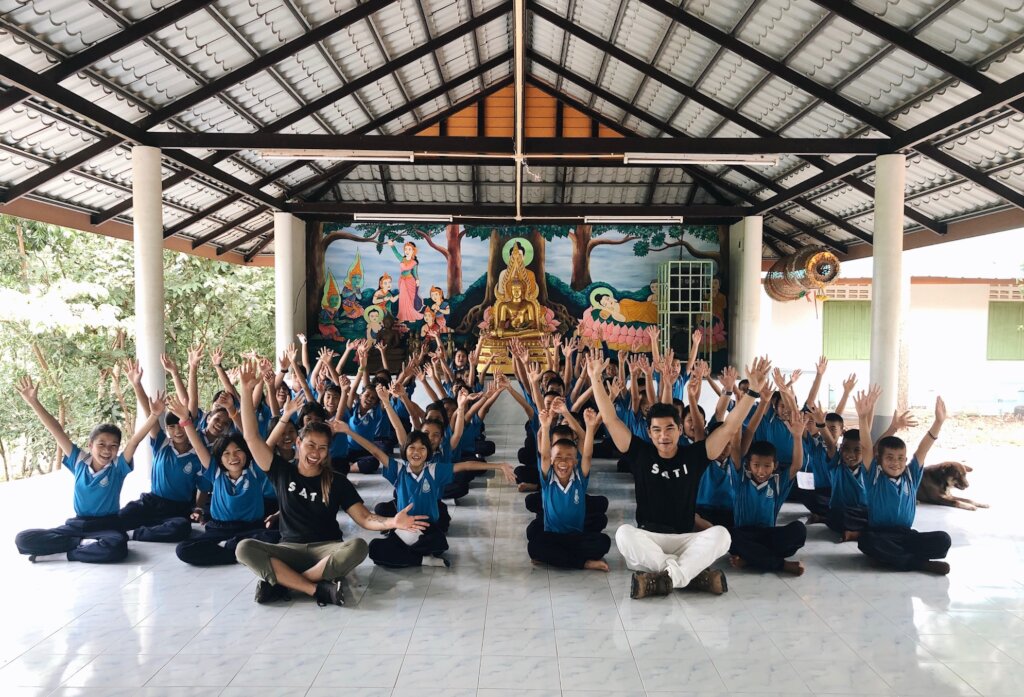
The workshops begin with a meditation exercise designed to encourage reflection and focus on one’s inner thoughts, setting a calm and introspective tone for the sessions.
Sex Education
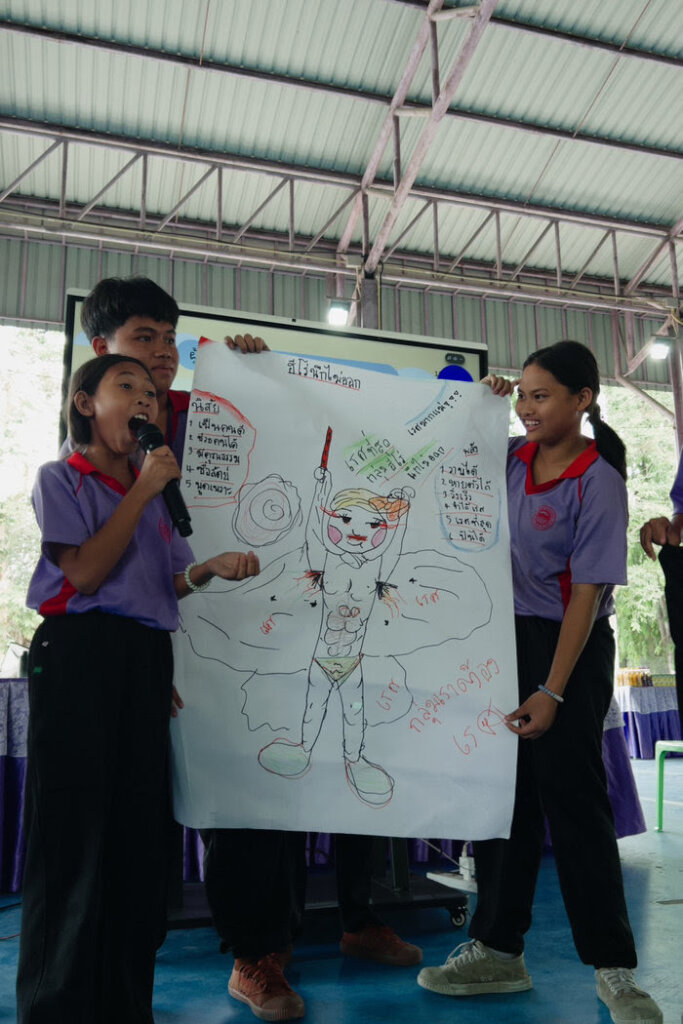
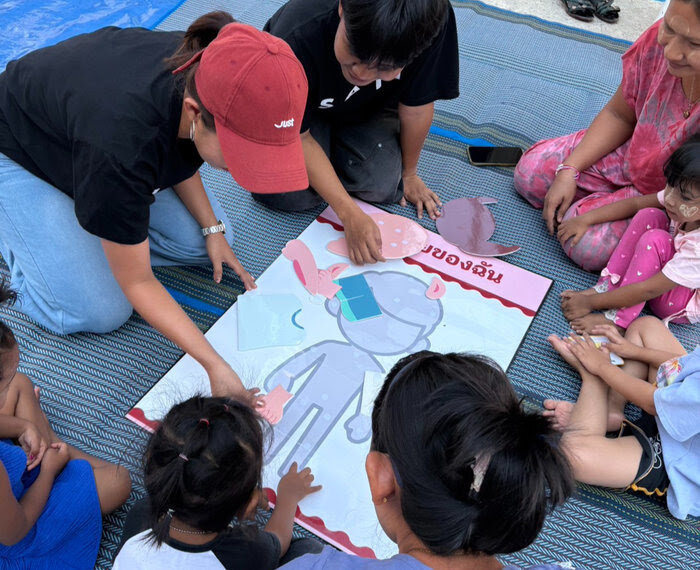
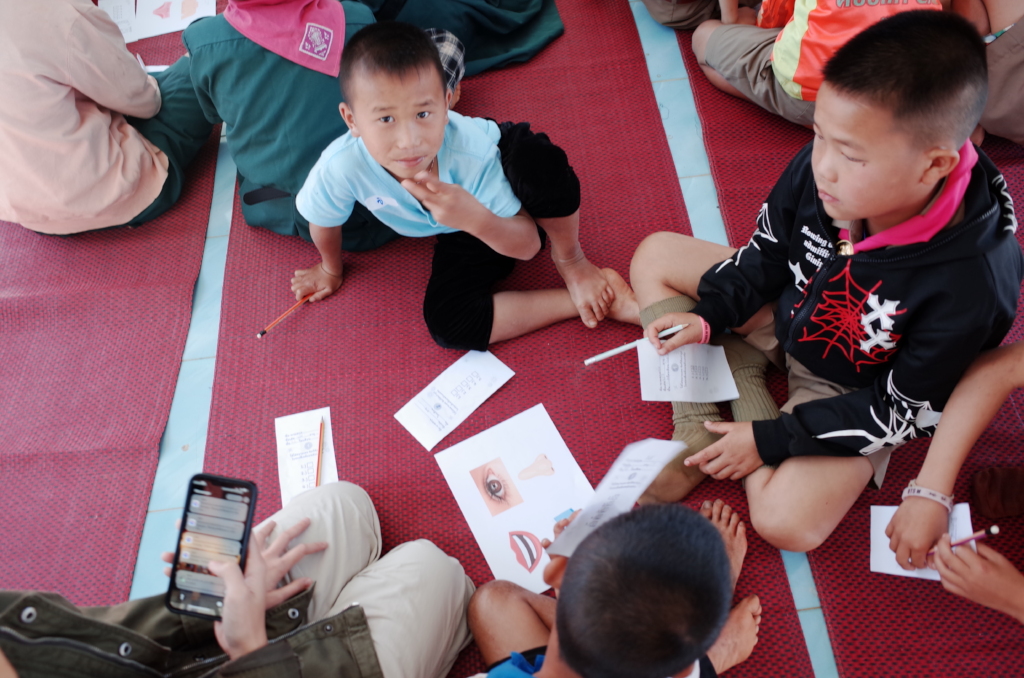
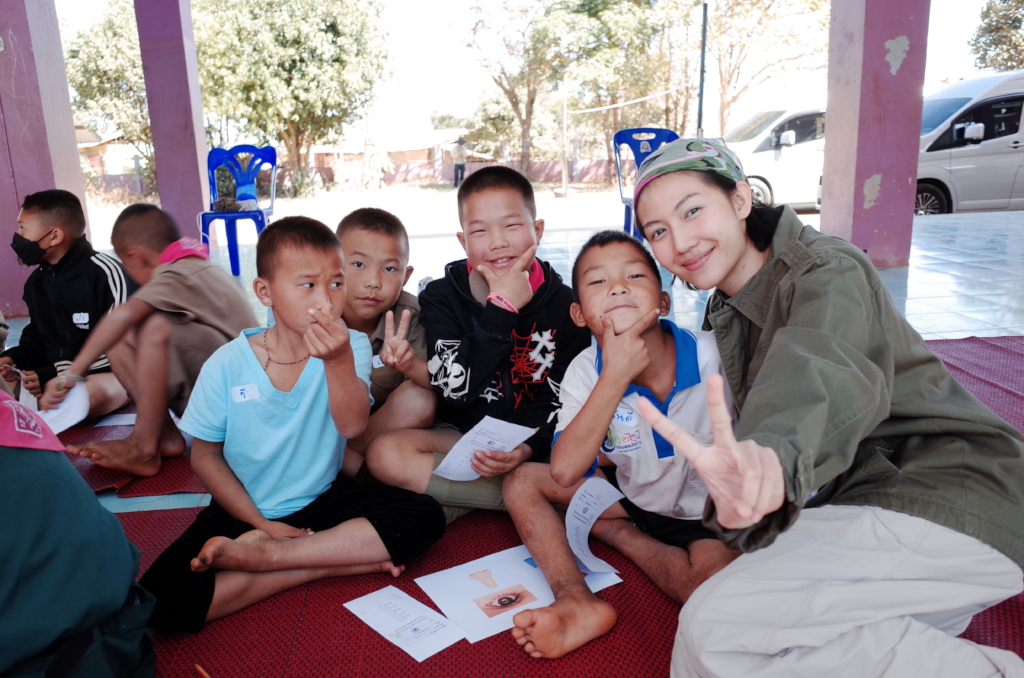
The next segment addresses sexual education, covering essential topics like understanding physical and emotional changes during adolescence, body awareness, self-protection, and safe contraceptive methods. The sessions provide comprehensive, age-appropriate information about sexual and reproductive health, covering everything from anatomy and puberty to contraception and sexually transmitted infections (STIs). The emphasis is on providing accurate knowledge, dispelling common myths, and helping students understand the importance of caring for their bodies. Facilitators use interactive methods like visual aids, group discussions, and role-playing to ensure the content is engaging and easy to understand. A key focus of the project is teaching about consent and healthy relationships. Students learn how to set personal boundaries, recognize the importance of mutual respect, and identify the signs of unhealthy or abusive behavior. Through real-life scenarios and open conversations, they explore what it means to build connections based on trust, equality, and understanding.
Another important aspect of the program is inclusivity. Sessions address gender and sexual diversity, encouraging students to respect different identities and orientations. This creates a space where everyone feels seen, heard, and valued, regardless of their background or experiences. These discussions highlight bodily autonomy emphasizing the importance of respecting others’ rights and introducing the concept of consent, laying the groundwork for informed choices for their own lives.
Anti-Bullying
Building on these themes, the workshop transitions into an Anti-Bullying session. Students learn about the various forms of bullying—physical, verbal, and emotional—and discuss strategies for creating safer, more inclusive environments in their schools and communities. Many participants are surprised to discover that bullying extends beyond physical actions to include harmful words. Practical strategies for coping with bullying were a key focus of the session. Participants were encouraged to stay calm and avoid escalating situations, practice assertive communication to stand up for themselves respectfully, and seek help from trusted adults like teachers, parents, or school staff when needed. Emotional resilience techniques, such as managing stress and staying in control of emotions, were also introduced to help them navigate challenging situations.
Counseling
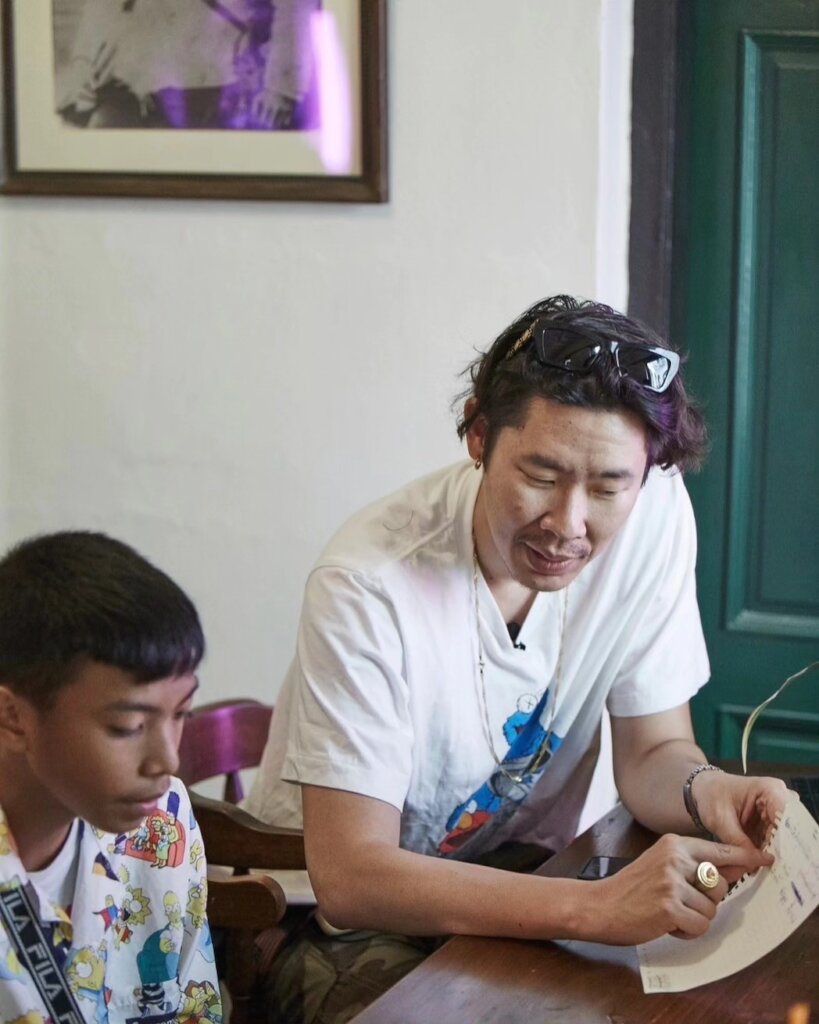
Post workshop, Sati provides Counseling, creating a safe space for youth to express feelings, thoughts, and concerns. Counselors offer tailored guidance on self-protection, stress management, and understanding adolescent changes. The follow-up process began with identifying students who might need additional support. This was done through observation during the workshops, feedback from teachers, and self-disclosure from the students themselves. Once these cases were identified, the project team initiated contact with the students and their guardians, ensuring informed consent and explaining the support services available.
The primary method of follow-up involved scheduled online and phone consultations. These sessions were facilitated by child psychology staff and professional psychologists who were trained to handle sensitive issues. The initial session typically focused on building rapport, understanding the student's situation, and assessing the severity of the issues they were facing. This assessment allowed the team to determine whether the case required further intervention or referral to external services, such as mental health clinics or social welfare organizations.
For students showing signs of stress or early-stage emotional challenges, the sessions focused on teaching coping strategies, such as mindfulness exercises, emotion regulation techniques, and problem-solving skills. The psychologists also provided guidance on how to navigate conflicts or situations of bullying, empowering the students to address these challenges more effectively.
In cases involving more severe issues, such as depression or abuse, the process involved deeper exploration of the student's experiences and the development of a tailored intervention plan. For students facing immediate danger or ongoing abuse, the team collaborated with school counselors, child protection agencies, and local authorities to ensure the student's safety. Throughout the follow-up process, regular communication with the schools and families was maintained to provide holistic support. Teachers and guardians were offered guidance on how to create a supportive environment for the student and recognize warning signs that might require further attention.
If any of the students showed signs of worsening mental health or more severe issues, such as deeper depression or ongoing trauma, the team took immediate steps to ensure they received the right level of care. This included collaborating with school counselors or external agencies such as child protection services or health professionals, ensuring the students were receiving the necessary support beyond the weekly consultations.
![]()
![]()
![Share on Twitter]()
![Share on Facebook]()