Project Report: Strengthening Capacities for Resilience and Empowerment of Adolescent Mothers (S-CRAM)
Date: 30/04/2025
Location: ikorodu-Lagos, Nigeria
Facilitator: Bushroh Olatunji
Project: Scram
Executive Summary
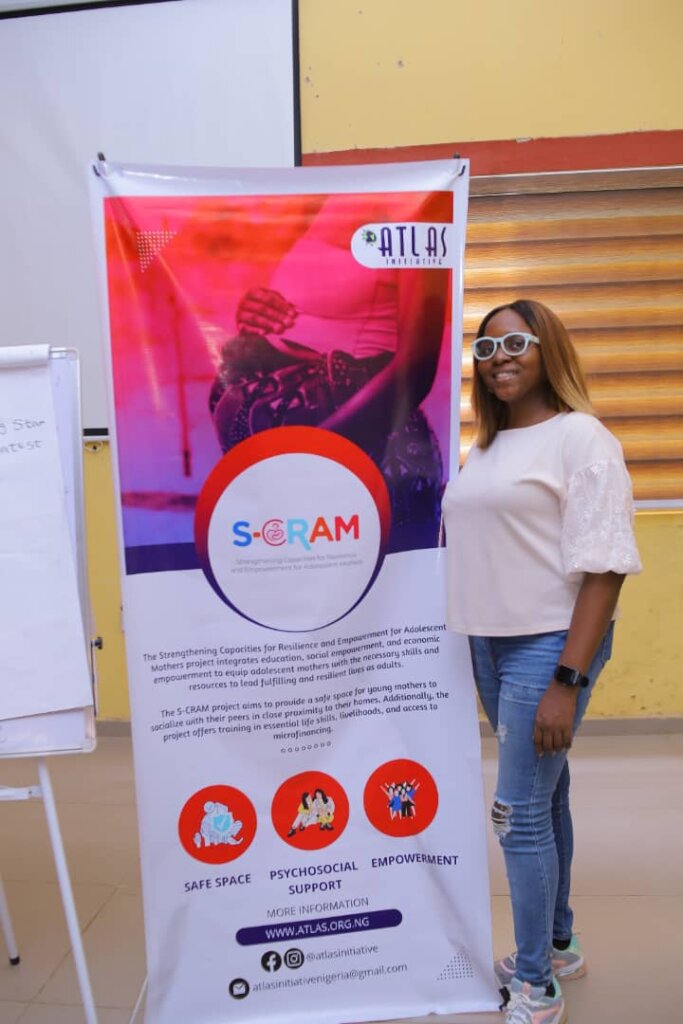
Strengthening Capacities for Resilience and Empowerment of Adolescent Mothers (S-CRAM) helps 50 adolescent mothers in Ikorodu, Lagos, transition into safe, paid employment. The project co-designs job pathways with local businesses, provides childcare and transport, and verifies placements within 90 days.
Project Progress to Date
As of the last comprehensive field update in early 2026, the project has focused on community mapping, needs assessment, and immediate health interventions. The core progress includes:
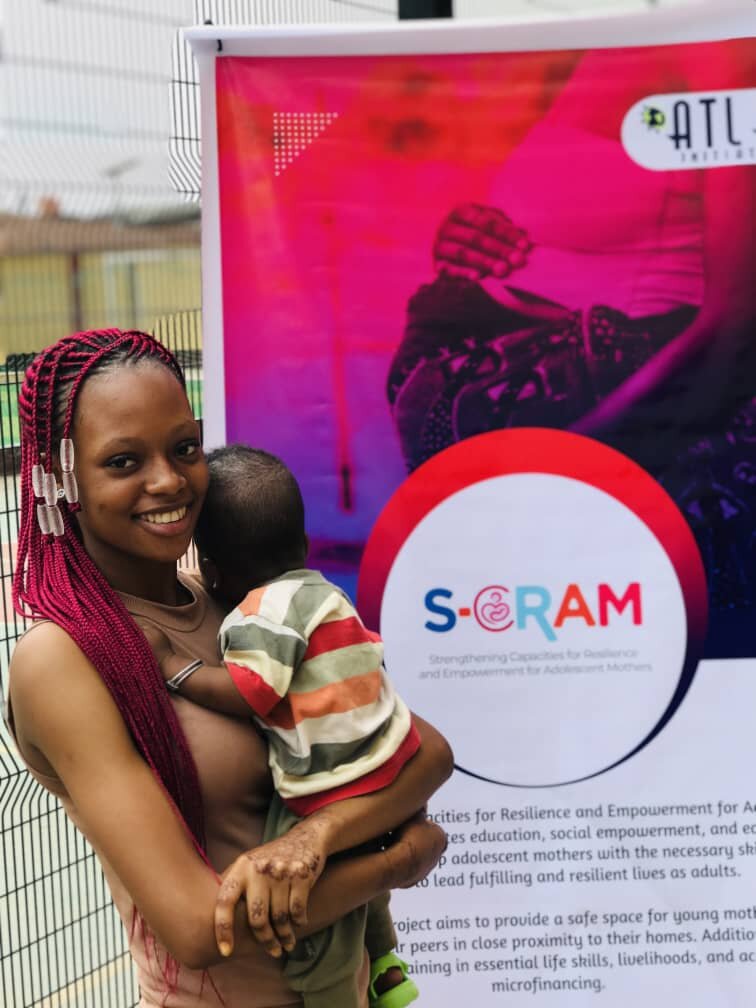
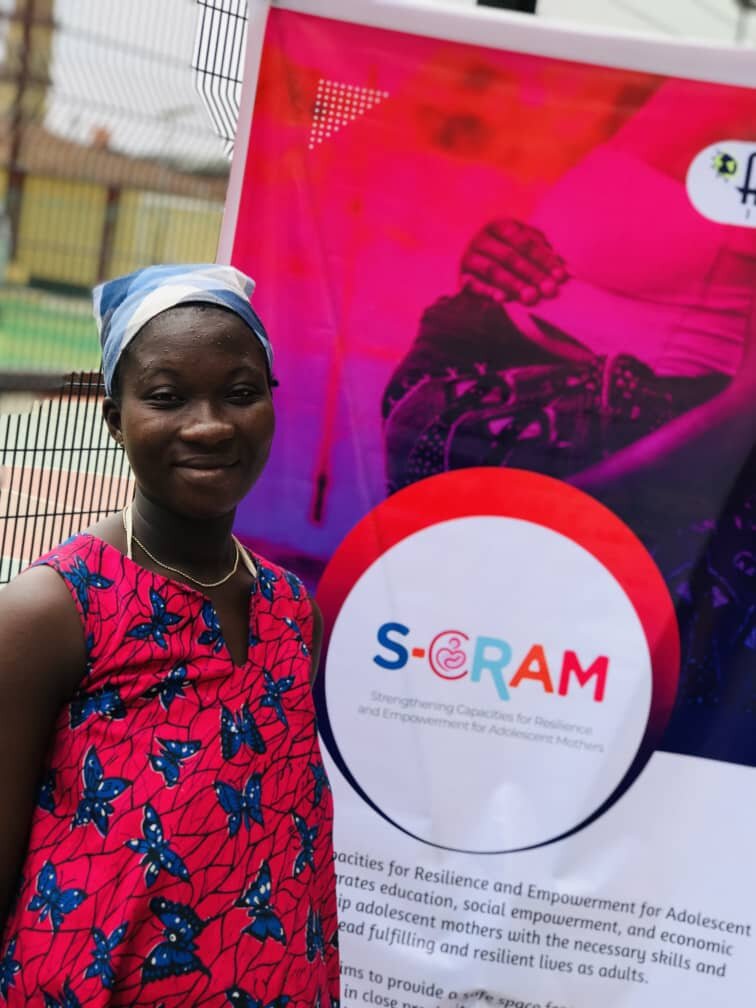
- Community Engagement and Needs Assessment: The ATLAS team has ongoing implementation of the S-CRAM project in Lagos and Ogun States. They have conducted listening sessions with teenage mothers to map their specific needs. The stories collected reveal a spectrum of aspirations: some young women, like a 16-year-old named Abike., dream of returning to formal education, while others who have skills in tailoring or hairstyling lack the capital to start their businesses.
- Direct Health Outreach: A major initial achievement has been the delivery of health education and services to out-of-school teenage girls in vocational training centers:
o Health Education: 98 girls received education on menstrual hygiene and mental well-being.
o Dignity Kits: 86 reusable menstrual pants were distributed, providing a sustainable solution for managing periods.
o HIV Testing: 60 free, non-judgmental HIV tests were conducted, helping to break down the fear and stigma surrounding reproductive health.
- Fundraising Status: The project’s financial progress is a critical area of focus. The public GlobalGiving page shows $361 raised from 7 donors, leaving $39,639 remaining to reach the total goal which is paramount for achieving success in this project.
Key Milestones
The following milestones have been met or are in progress:
Milestone
Status
Evidence / Impact
Project Launch & Community Entry
Completed
Project launched and ongoing implementation in Lagos & Ogun States; trust built with adolescent mothers through initial listening sessions.
Needs Mapping & Beneficiary Profiling
Completed
Individual aspirations identified (return to school, capital for trade, funding for training).
Initial Health & Dignity Outreach
Completed
98 girls educated; 86 menstrual kits and 60 HIV tests delivered, providing baseline data on beneficiary engagement.
MSME Partnership Formation
Not Started
Formal MoUs with local businesses to reserve apprenticeships and entry-level posts are yet to be signed.
Crèche & Transport Subsidy Setup
Not Started
On-site micro-crèche and transport stipends, critical for enabling participation, are not yet in place.
Critical Next Steps
To move from initial outreach to achieving the core goal of securing verified employment for 50 mothers within 90 days, the following feasible steps must be prioritized:
A. Immediate-Term Actions (Next 3 Months)
- Launch a Targeted Fundraising Campaign: Develop a campaign featuring the stories of young women like A. who want to study and train. Use these testimonials to engage individual donors and approach corporate CSR arms of companies in Lagos to close the critical $39,639 funding gap.
- Select and Secure Four Job Pathways: In close consultation with local MSMEs in Ikorodu, finalize the selection of four viable job pathways (e.g., tailoring, hairstyling, retail). Sign Memoranda of Understanding (MoUs) that formally reserve apprenticeship or entry-level positions for S-CRAM graduates cohort 2.
- Begin ID and Bank Account Clinics: Initiate the process of helping beneficiaries obtain necessary identification and open bank accounts. This step is a prerequisite for formal employment and receiving wages, and can be done in parallel with other activities.
B. Medium-Term Actions (3-6 Months)
- Set Up Support Infrastructure: Establish the on-site micro-crèche with appropriate child-safe standards. Simultaneously, finalize safe route mapping and begin distributing transport stipends to remove two of the biggest barriers to sustained participation—childcare and safe mobility.
- Deploy the Blended Learning Model: Commence the training program that combines center-based practice with supervised workplace learning. Implement the mentor system using simple competency rubrics to score participants’ readiness for the job market.
- Activate SRHR Referral Pathway: Formalize the system for confidential Sexual and Reproductive Health and Rights (SRHR) referrals, ensuring young mothers have continuous access to non-judgmental health services throughout their training.
C. Long-Term Success & Sustainability (6-12 Months)
- Verify 90-Day Placements: The ultimate project milestone is to verify that all 50 adolescent mothers have been placed in safe, paid employment and are still in those placements 90 days after starting.
- Launch Alumni Savings Groups: To ensure lasting impact, facilitate the formation of alumni savings groups. This will help graduates build capital, continue to support each other, and resist slipping back into economic fragility.
Conclusion
The S-CRAM project is at a pivotal juncture. The initial groundwork has been laid with successful health outreach and deep community listening, providing a clear mandate from the young women it aims to serve. The path forward, however, requires urgent and focused action on fundraising, formalizing employer partnerships, and constructing the tangible support systems (crèche, transport, ID clinics) that turn a chance into a sustainable livelihood. The team remains committed to ensuring that these young mothers are not just trained, but truly empowered to rebuild their futures with dignity.
![Share on Twitter]()
![Share on Facebook]()