By Zoe Robertson | Development Associate, Annual Programs
As 2022 comes to a close, we’re celebrating the whopping number of animals we translocated last year. Across Australia, new species were reintroduced to places they’d long been extinct from, and existing populations were supplemented to boost genetic diversity and assist them in re-establishing in their homes.
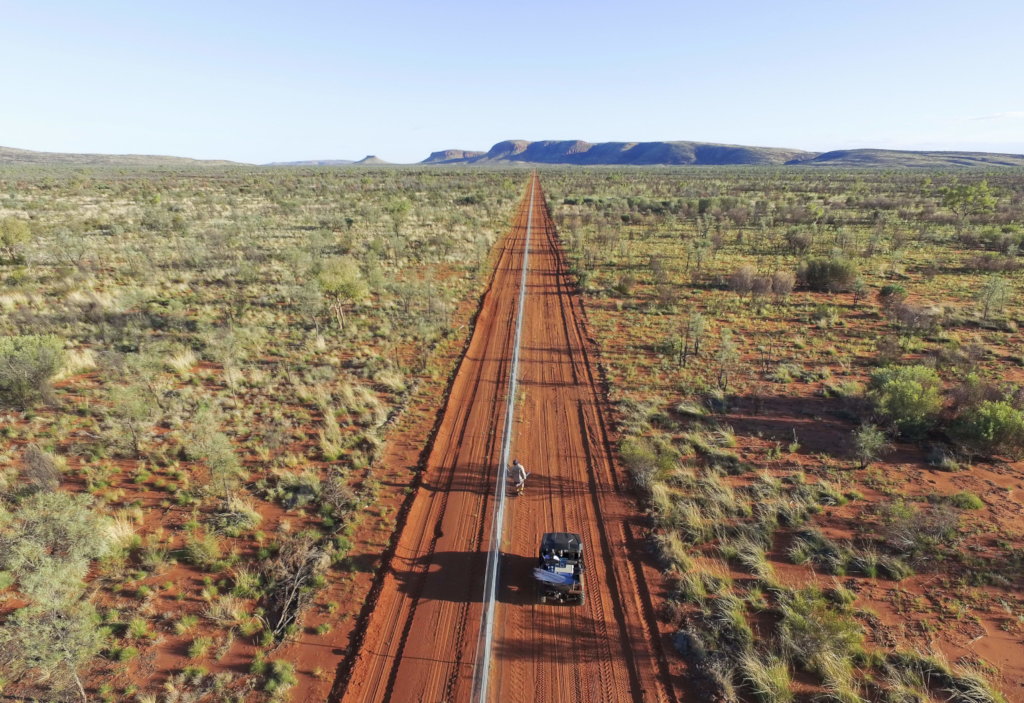
Newhaven Wildlife Sanctuary, which covers 262,000 hectares of Australia’s red centre, had an especially big year – with three significant translocations providing refuge for mammals particularly susceptible to feral predators, feral herbivores, and wildfires.
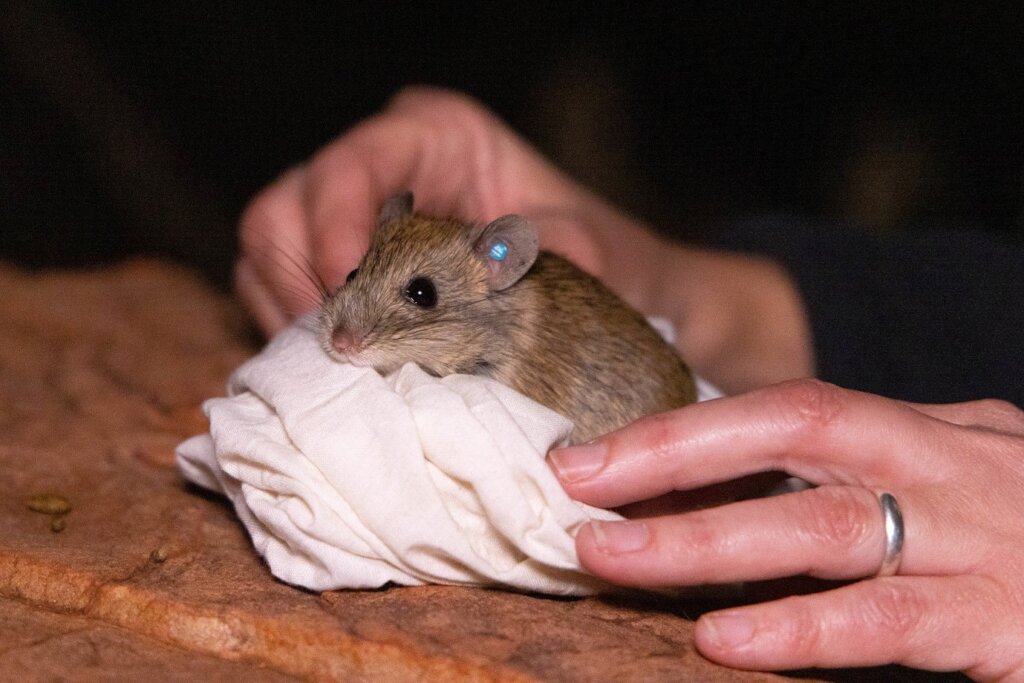
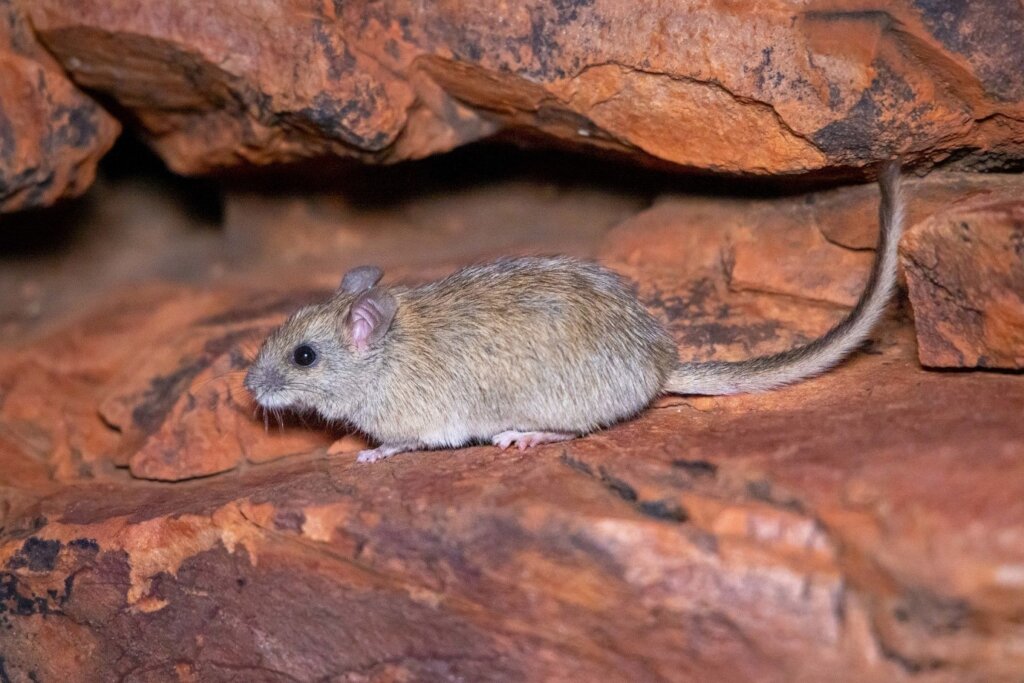
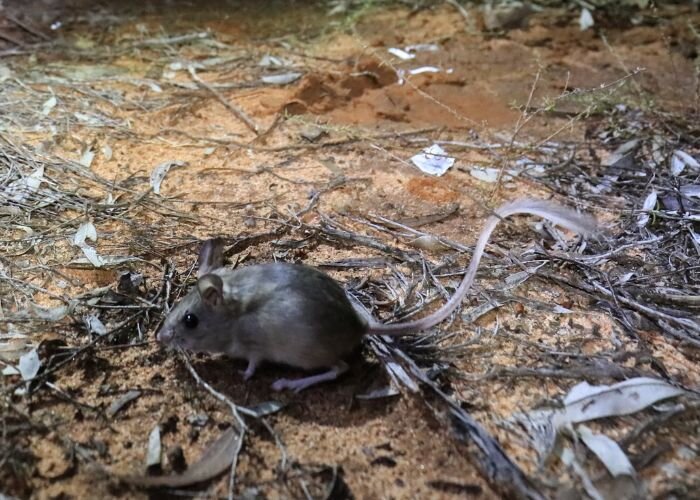
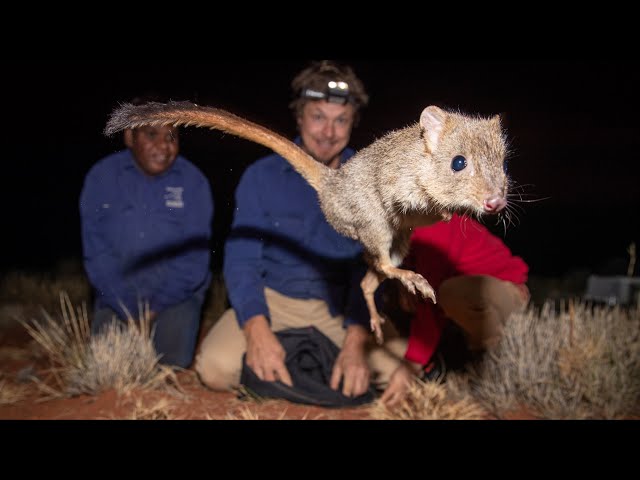
Critically Endangered Central Rock-rat
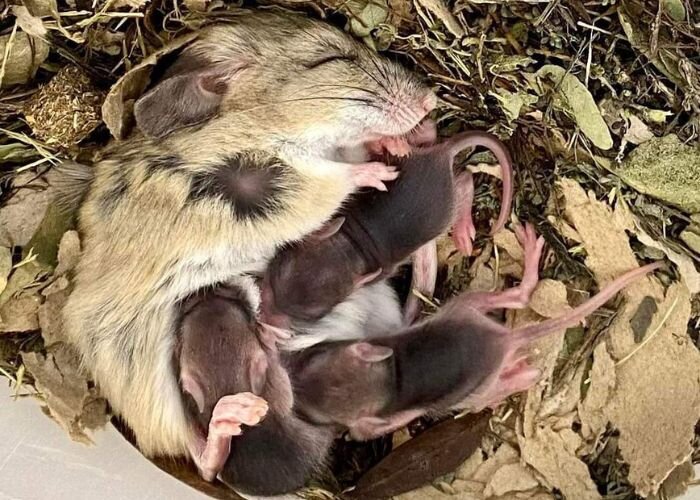
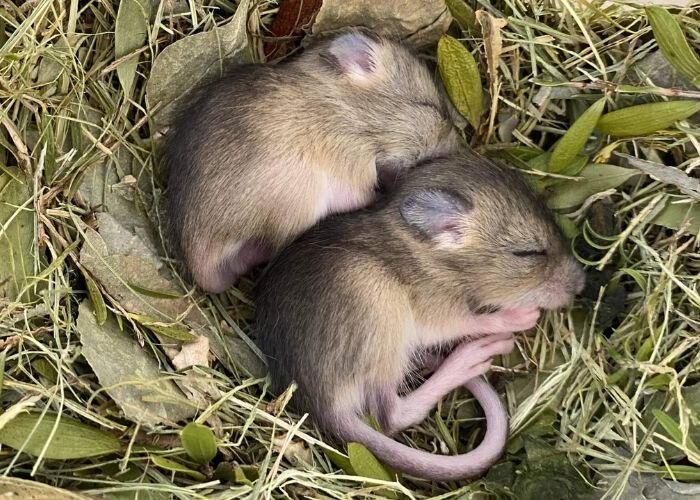
The Central Rock-rat is extremely vulnerable to feral cats and inappropriate fire regimes, and in 2018 was assessed as the mammal most likely to become extinct in the next 20 years. Until earlier last year, its tiny population was restricted to the West MacDonnell Ranges in the Northern Territory. With a seasonally fluctuating population, our science team and the NT Flora and Fauna and Parks and Wildlife Divisions caught a rare window of opportunity after heavy rains, collecting animals from the wild with Traditional Owners’ endorsement while numbers were on an upward trend.
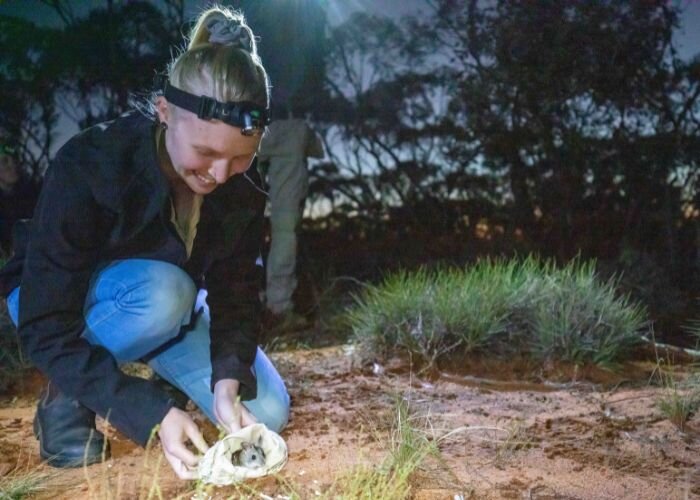
This high-level logistical operation involved a jet ranger helicopter, six vehicles, and more than a dozen people working across five sites in some of the most precipitous terrain in Central Australia – but thanks to their combined efforts, we were able to release a total of 58 rock-rats into Newhaven’s fenced feral predator-free safe haven!
Previous trapping efforts have had an average detection rate of one rock-rat per 625 trap nights, so a success like this is no small feat. Within a couple of months, our camera traps were consistently detecting rock-rats across the release area, showing them settling into their new home. If this new population continues to establish itself throughout Newhaven’s ranges, our predictions show that in ideal conditions the sanctuary could support a population of around 800 Central Rock-rats!
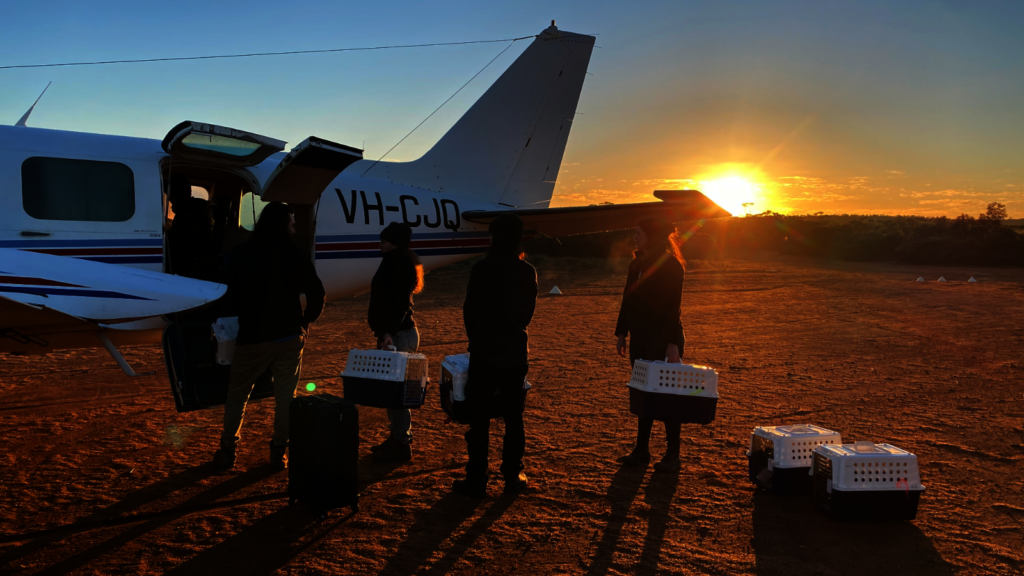
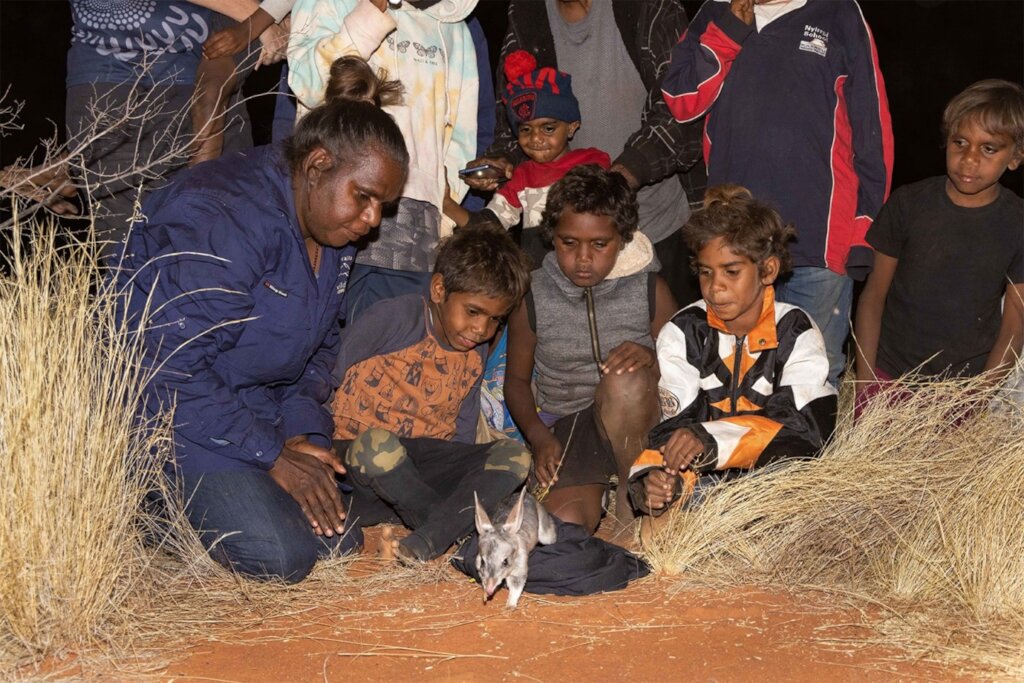
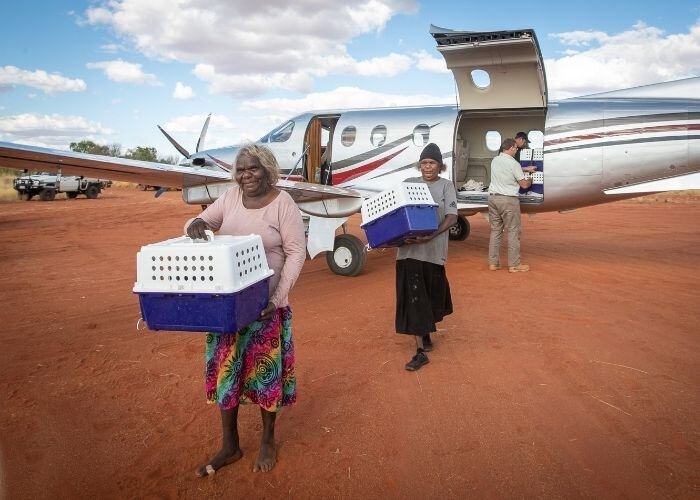
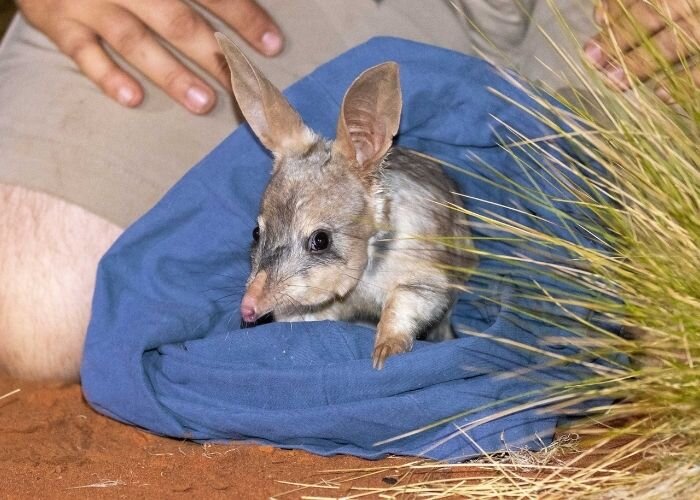
32 Bilbies were selected from Taronga Zoo’s breeding program at their Western Plains Zoo in Dubbo, and then flown to Newhaven, equipped with radio trackers, and set free in their huge new home. The Bilbies clearly made the most of the space, having been detected on just under a third of our camera traps within the 9,450-hectare fenced safe haven. This makes them the second-highest detected reintroduced species in Newhaven (the first being the Mala), an extremely encouraging statistic as they have only just recently been reintroduced. Early health checks also showed an increase in both weight and body condition for most captures! Before the translocation, AWC’s annual Bilby Census showed that we protect just under 15 per cent of the remaining Greater Bilby population, which is estimated at around 10,000 individuals. With the inclusion of Newhaven, AWC has now reintroduced the Bilby to six sites across four states and territories – a major contribution to the conservation of this iconic species!
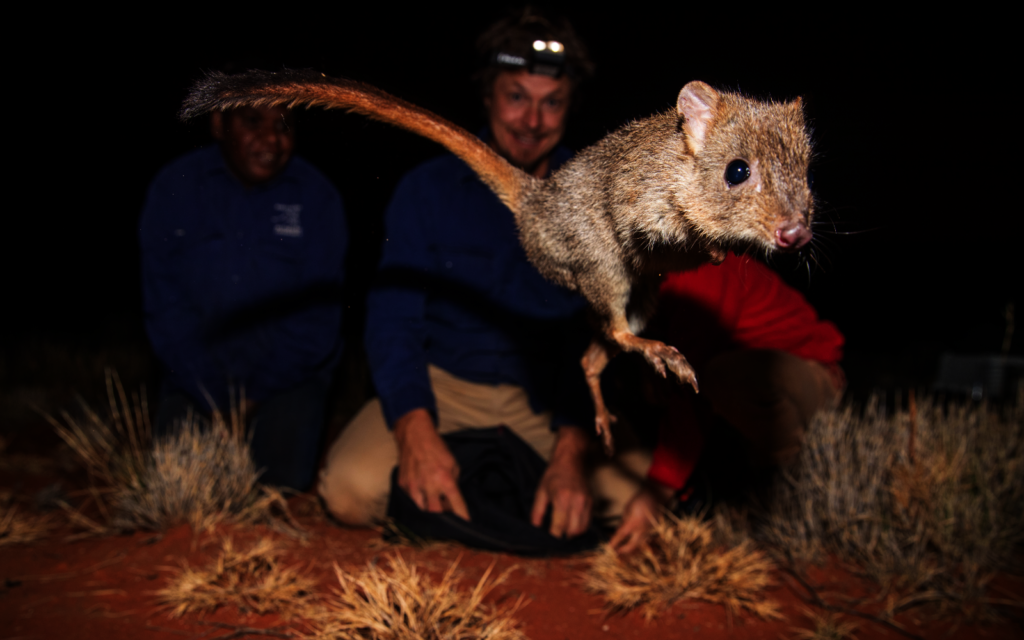
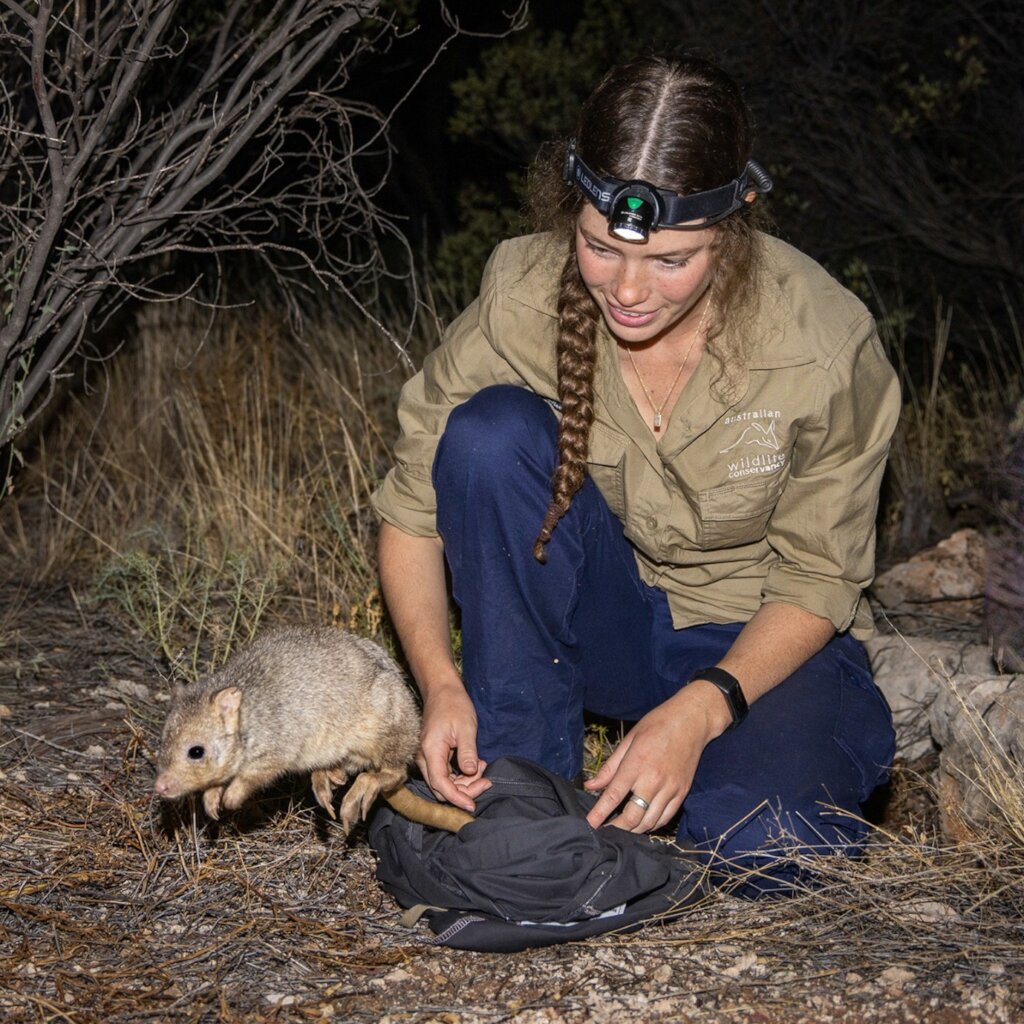
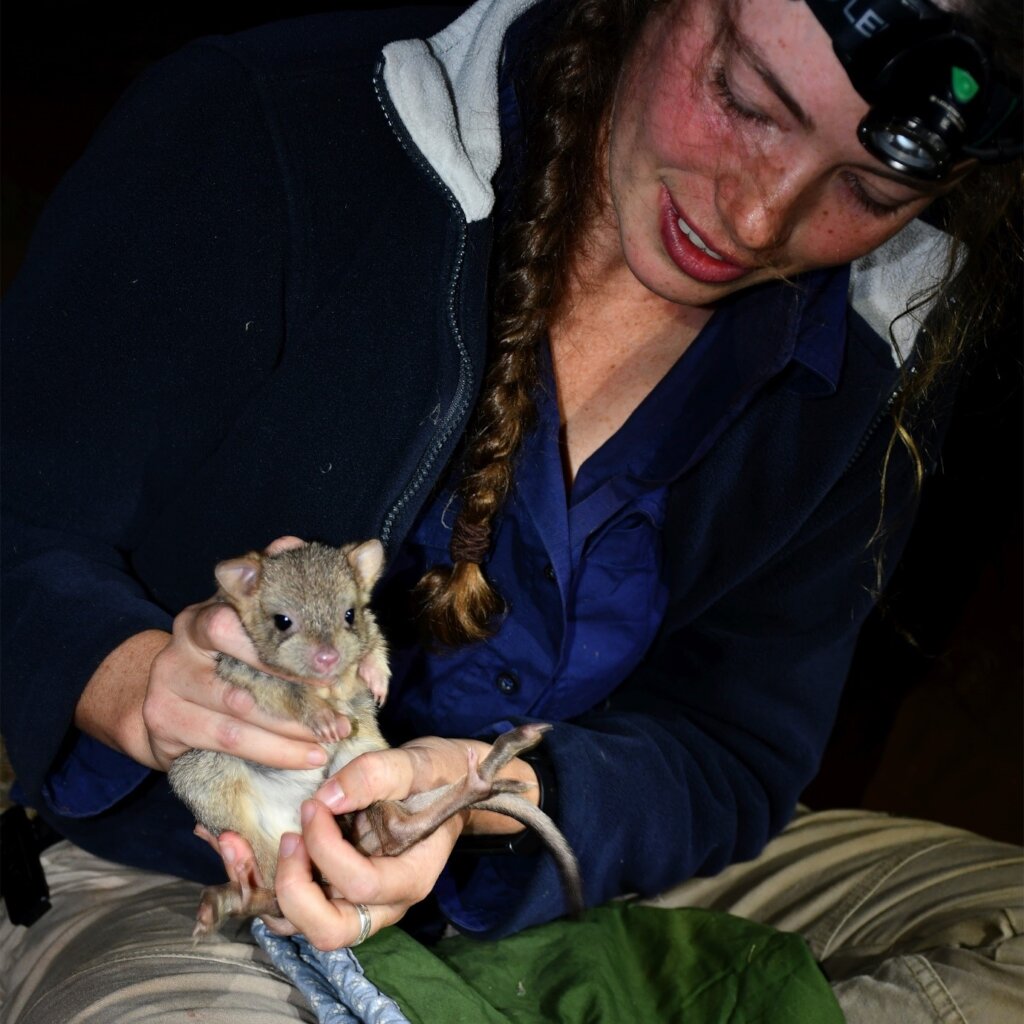
In May, 65 Burrowing Bettongs collected from sites across Australia were reintroduced to Newhaven, returning to the Northern Territory for the first time since their regional extinction in the mid-1900s. The bettongs have now had one- and three-month health checks and the findings are extremely promising, showing both increases in body weight and condition, and increased breeding success rates! Out of 17 females, the science team caught during the three-month post-release health check, 94% were reproductive, up from 62% at translocation and 81% at their one-month health checks. Our scientists even recorded two new young at foot! In addition to re-establishing the species’ role in the ecosystem – mixing organic matter into the soil and building warrens that can be used as dens and thermal refuges by a range of other mammal species – this genetically diverse population at Newhaven may one day be used as a source site to facilitate further releases elsewhere, helping what was once one of the country’s most widespread mammals to regain its footing across Australia.
Australia’s arid zone is the global epicentre for mammal extinctions, with at least fifteen of its species now thought to be locally extinct. AWC staff and partners’ hard work in fire management, feral animal control and weed management at Newhaven has enabled the restoration of locally-extinct mammal species. 2022 was a strong year for reintroductions with the Central rock-rat, Bilby and Burrowing Bettong following in the steps of previously reintroduced species: the Mala and Red-tailed Phascogale. These species will pave the way for future translocations, with up to five species set to return to Newhaven in the coming years. Here’s to the continued health of all our reintroduced species, and to the further renewal of the Red Centre’s lost species in years to come!
Thank you for all of your generous support and please consider giving to one of our new project in 2023.
*All photos are credited to Brad Leue/AWC
Links:
By Zoe Robertson | Development Associate, Annual Programs
By Dani Ryder | Fundraising Manager
Project reports on GlobalGiving are posted directly to globalgiving.org by Project Leaders as they are completed, generally every 3-4 months. To protect the integrity of these documents, GlobalGiving does not alter them; therefore you may find some language or formatting issues.
If you donate to this project or have donated to this project, you can receive an email when this project posts a report. You can also subscribe for reports without donating.