By Zoe Robertson | Development Associate, Annual Programs
In case you missed it, September is Biodiversity Month – a time to recognise the importance of protecting, managing, and restoring biodiversity. We’re having a great month here at Australian Wildlife Conservancy (AWC), because generating positive results for biodiversity is our forte.
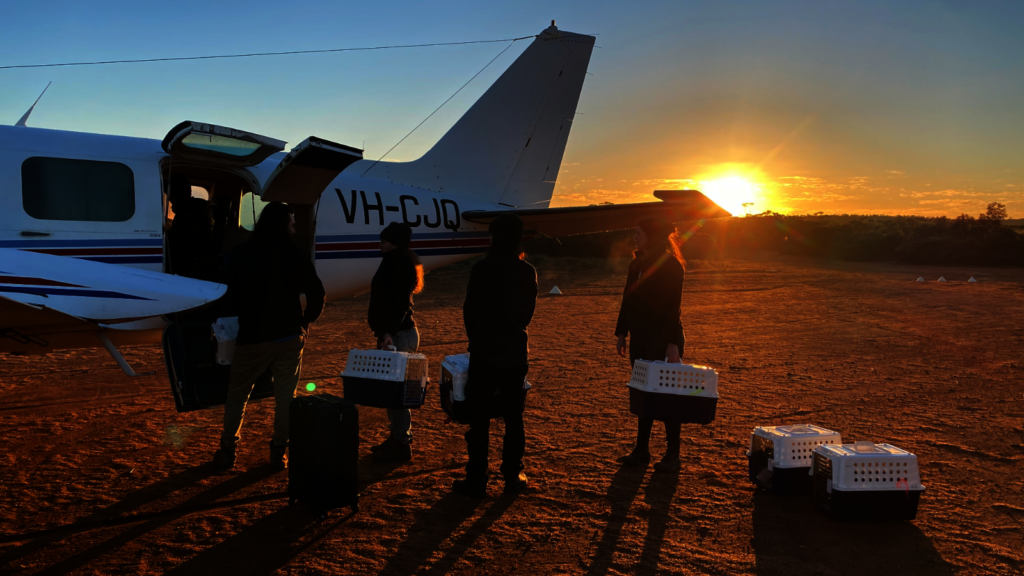
AWC undertakes Australia’s most ambitious mammal reintroduction program. Over the past year, AWC has undertaken translocations of nine mammal species across four sanctuaries and partnership areas, spanning four states and territories. A total of 20 threatened and locally extinct species have now been reintroduced and 45 populations founded across 10 sanctuaries and partnership areas.
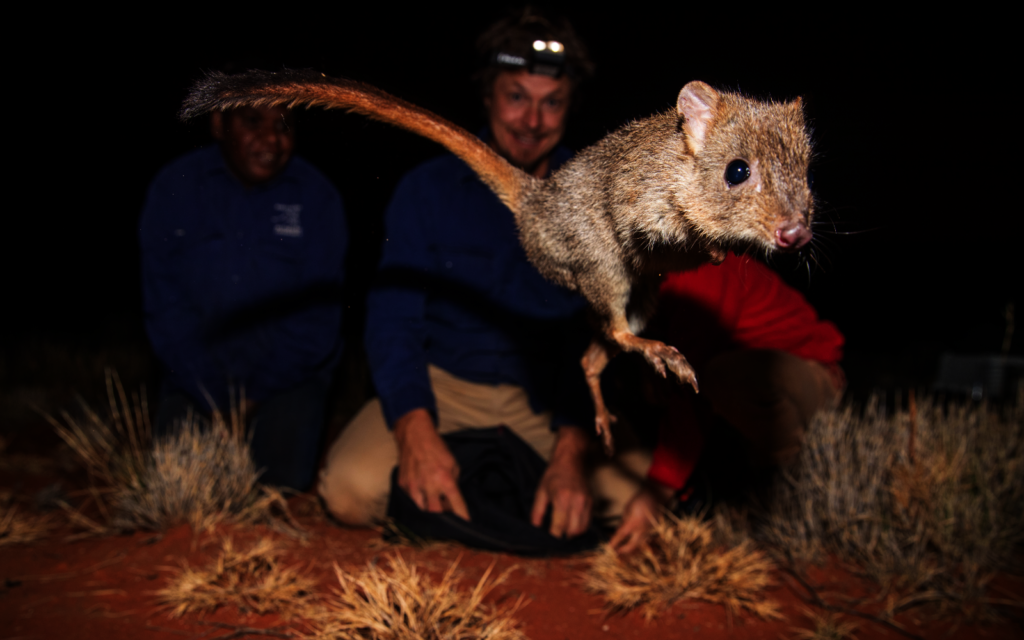
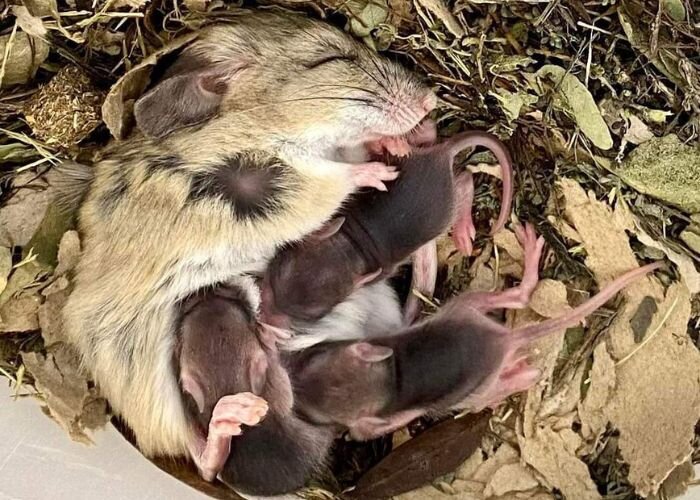
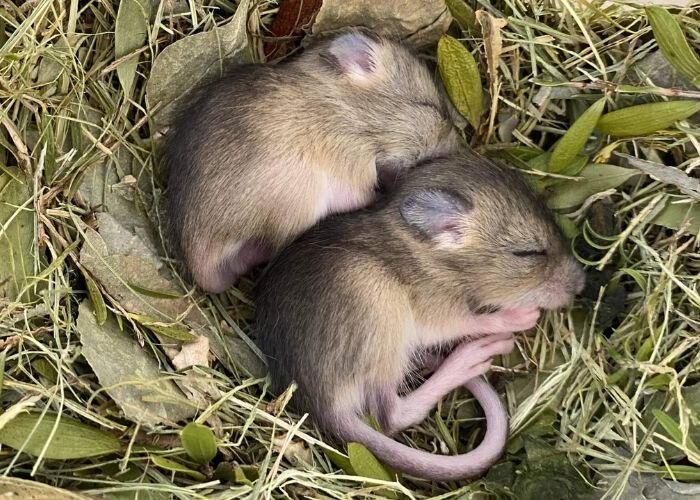
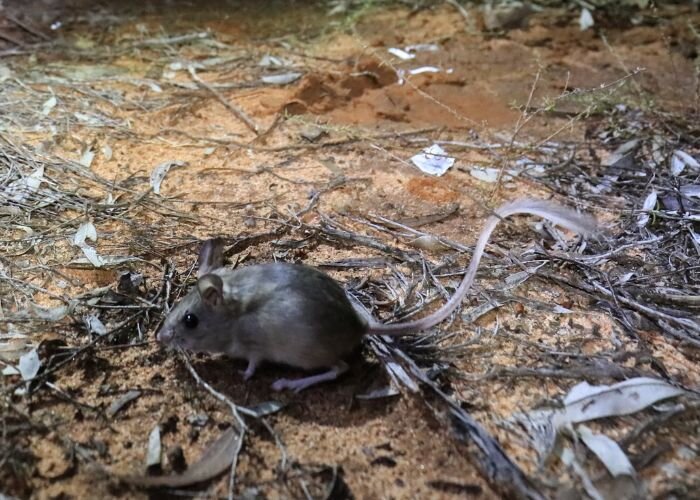
Small, sweet and locally extinct native hopping-mouse returns to NSW
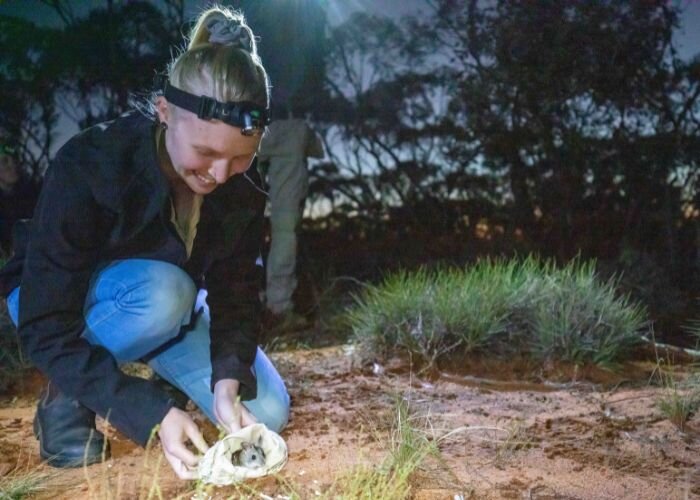
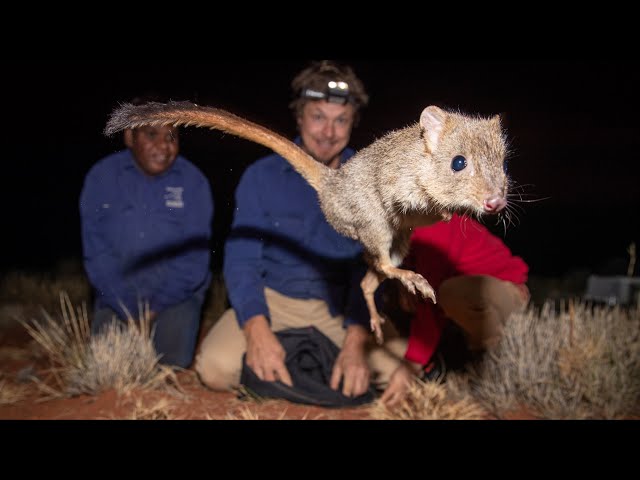
A species of hopping-mouse presumed to be extinct in NSW has returned to the state in early July this year, when AWC reintroduced the native Mitchell’s Hopping-mouse to Mallee Cliffs National Park in western NSW.
Fifty-eight individuals were reintroduced to a 9,750-hectare feral predator-free area at Mallee Cliffs National Park where AWC works in partnership with the NSW Government. They joined 97 other individuals which were reintroduced to the site in April.
The hopping-mice were collected from Monarto Safari Park operated by Zoos SA, where a breeding program has been underway to boost the species’ numbers ahead of the reintroduction.
Rachel Ladd, AWC Wildlife Ecologist, welcomed the return of the species to NSW.
“Small native rodents are a key group of our native fauna which have experienced substantial declines following European colonisation,” explained Rachel Ladd. “Within the Mallee Cliffs feral predator-free safe haven, the species can safely rebuild its numbers in a part of semi-arid NSW, where they have become locally extinct.”
AWC began working in collaboration with Zoos SA in 2019. Together they have established a captive breeding program for the Mitchell’s Hopping-mouse and successfully bred offspring for reintroduction to Mallee Cliffs. The Mitchell’s Hopping-mouse is the third species that Zoos SA have helped reintroduce to Mallee Cliffs, after the Greater Stick-nest Rat and Red-tailed Phascogale.
The hopping-mice are a group of native mammals which has suffered widespread declines and extinction due to land clearance as well as predation by feral predators such as cats and foxes. Of the ten recognised species, five have been wiped out completely, while two of the remaining species are threatened with extinction. The Mitchell’s Hopping-mouse remains secure but has suffered major declines.
The Mitchell’s Hopping-mouse marks the sixth species to be reintroduced to Mallee Cliffs National Park as part of a large-scale rewilding project delivered by AWC with the NSW Government. They join the Bilby, Numbat, Greater Stick-nest Rat, Woylie and Red-tailed Phascogale which were reintroduced between 2019 and 2022.
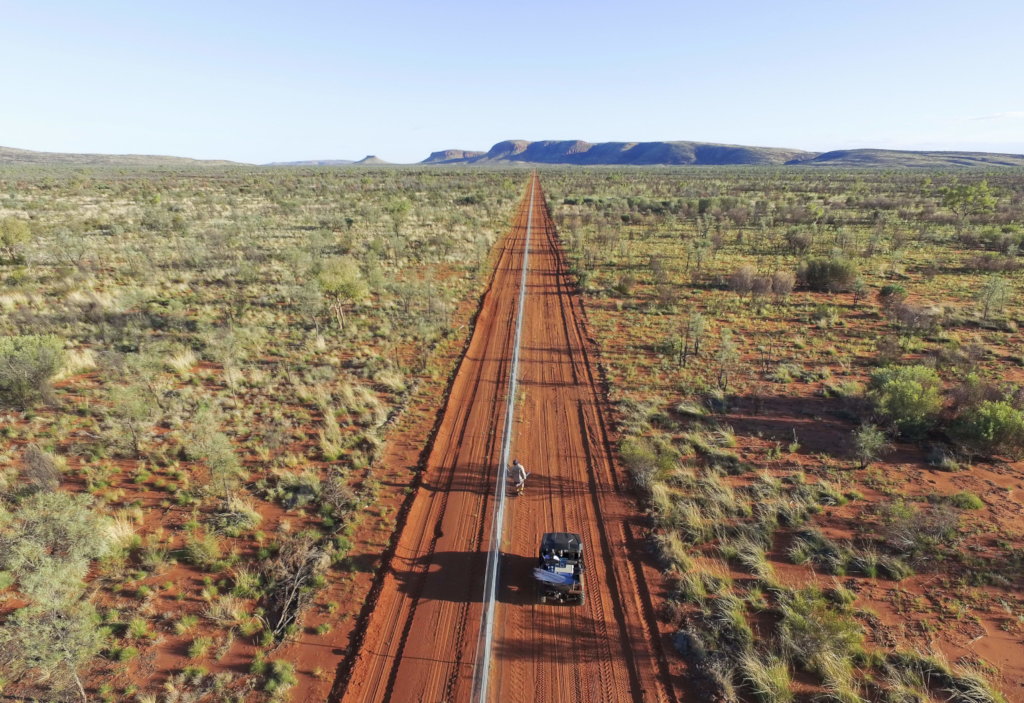
At 9,570 hectares, the safe haven at Mallee Cliffs is the largest of its kind on mainland Australia. The area is fortified by a state-of-the-art predator-proof fence which stands two metres high and incorporates a floppy-top design, a specially reinforced ‘skirt’ to prevent animals from burrowing in, and electrified wires.
For more information on AWC’s latest progress and partnerships, please view the 2022 Annual Impact Report and 2021 Ecohealth Reports.
Links:
Project reports on GlobalGiving are posted directly to globalgiving.org by Project Leaders as they are completed, generally every 3-4 months. To protect the integrity of these documents, GlobalGiving does not alter them; therefore you may find some language or formatting issues.
If you donate to this project or have donated to this project, you can receive an email when this project posts a report. You can also subscribe for reports without donating.