By Flaviano Bianchini | Project Leader
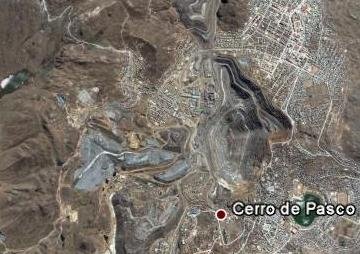
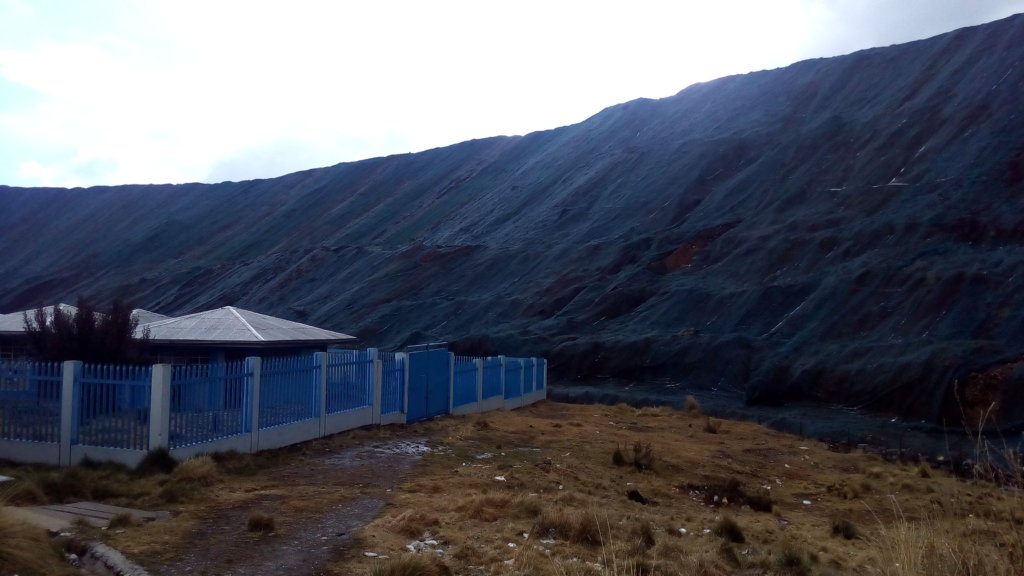
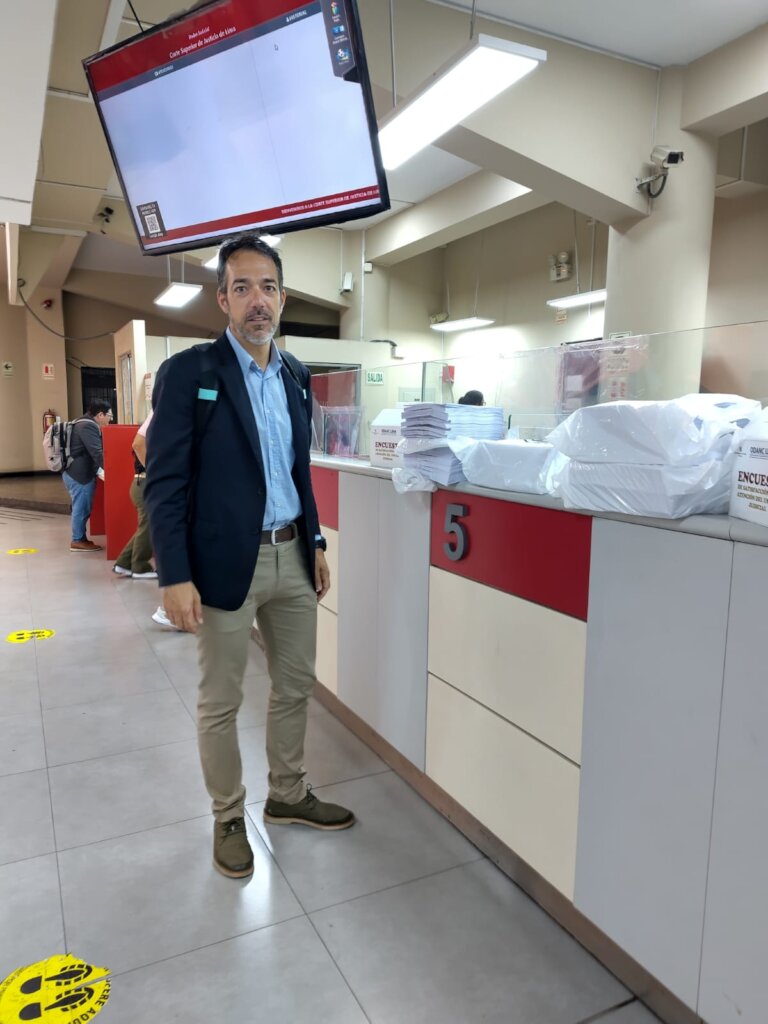
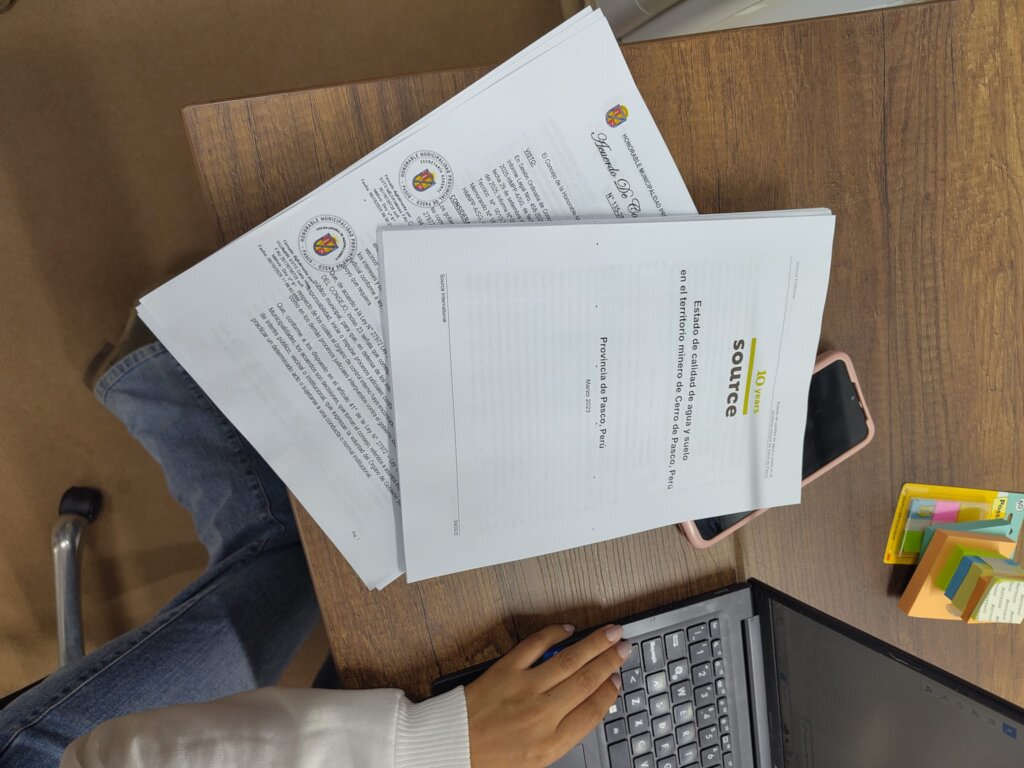
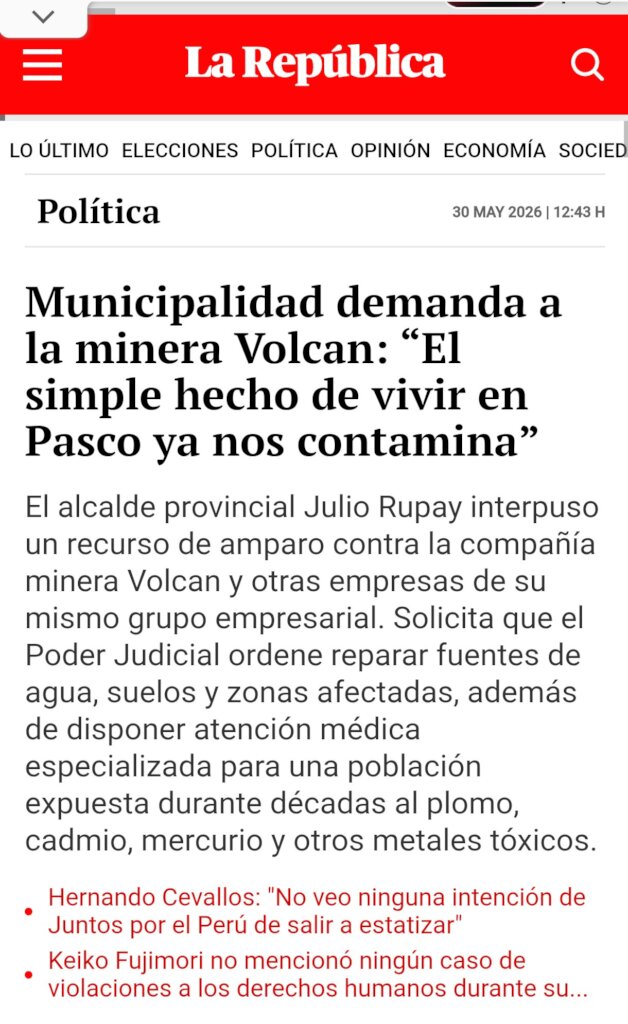
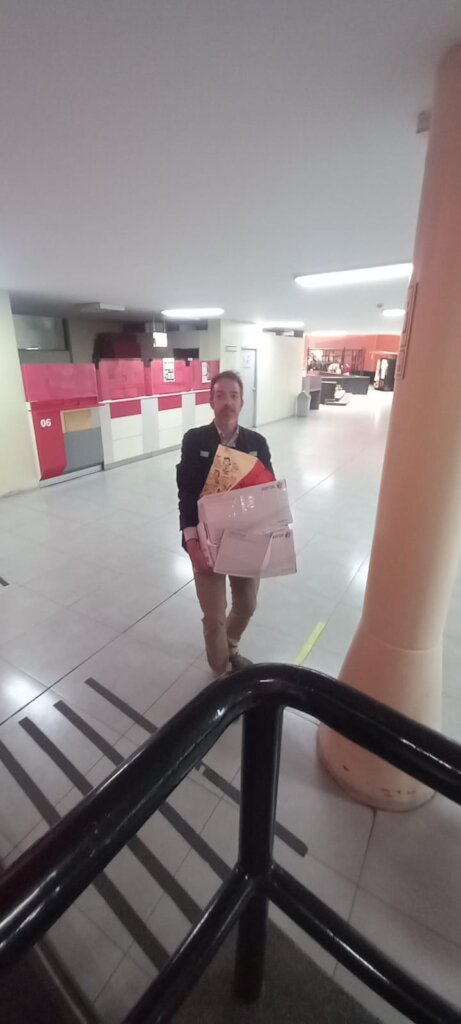
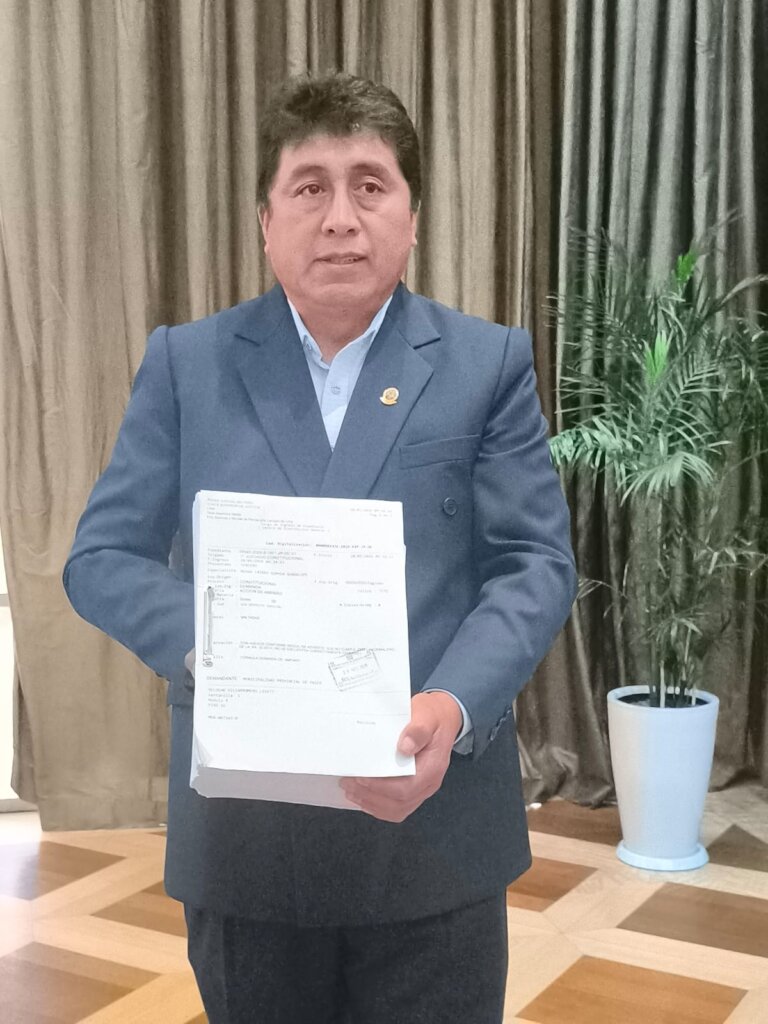
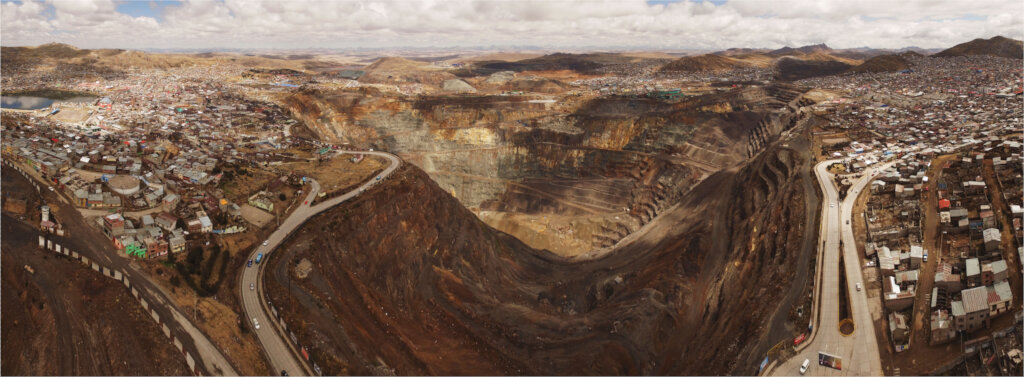
On May 28, the city of Cerro de Pasco made history by filing an amparo action in Lima against Volcan Compañía Minera and three of its subsidiaries. Since then, the court has admitted the case, so now the process will start, and it will be a long and hard battle. We have only done the first step.
For those following from afar, here is what the lawsuit asks the court to order:
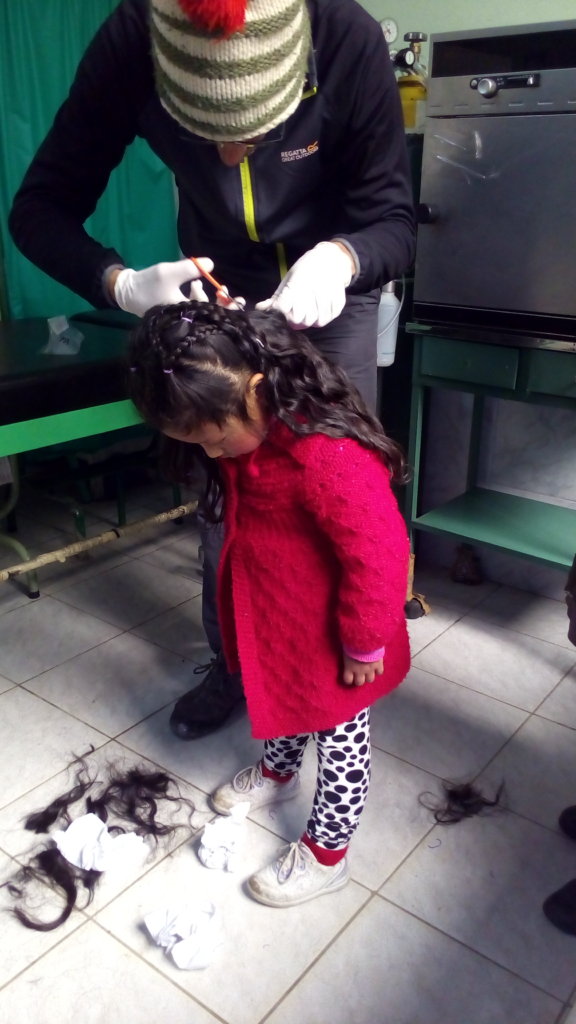
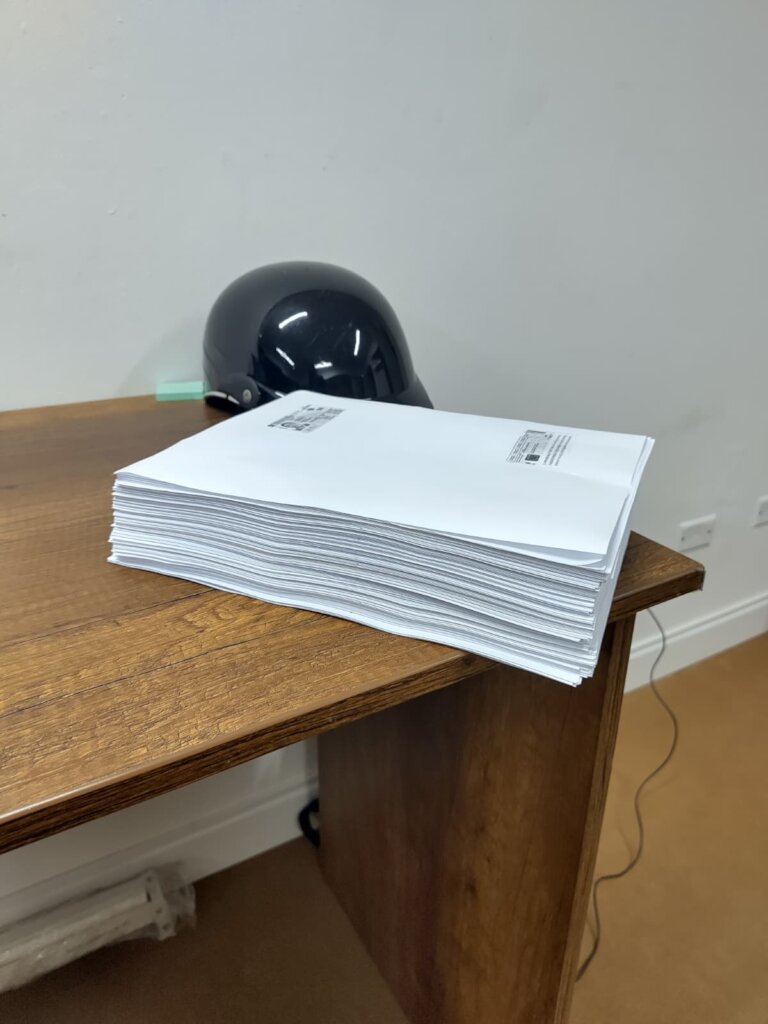
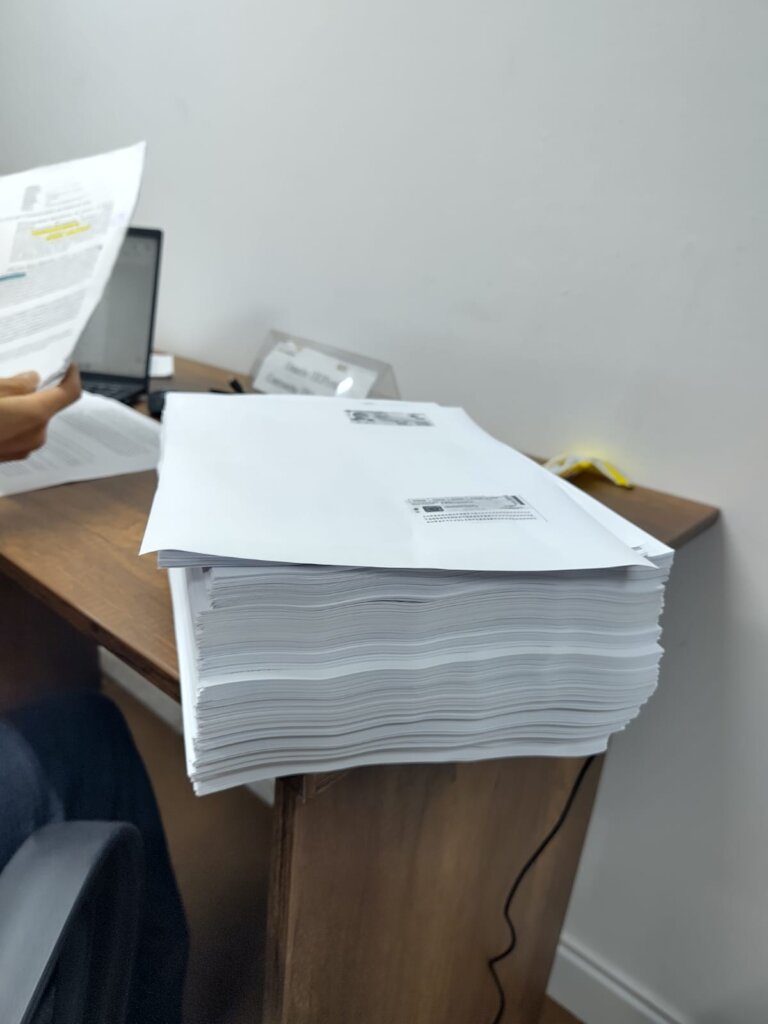
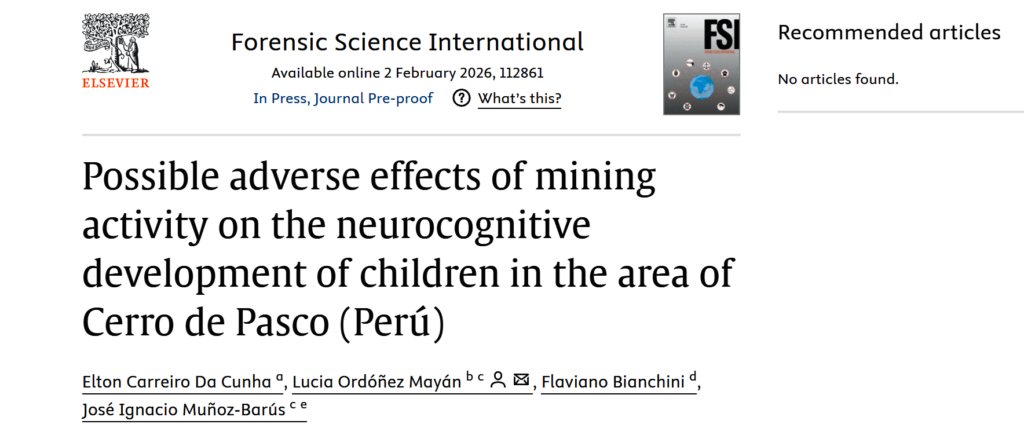
None of this starts from zero. The 1,280-page file is built on the data you have helped us collect since 2008: water monitoring campaigns, soil analyses and, most recently, our study showing that children in exposed areas have markedly higher hair concentrations of lead, arsenic and cadmium, and scored on average 12.3 points lower on IQ tests than non-exposed peers.
As the Mayor of Pasco put it, “Pasco is not against mining. Pasco is against pollution.”
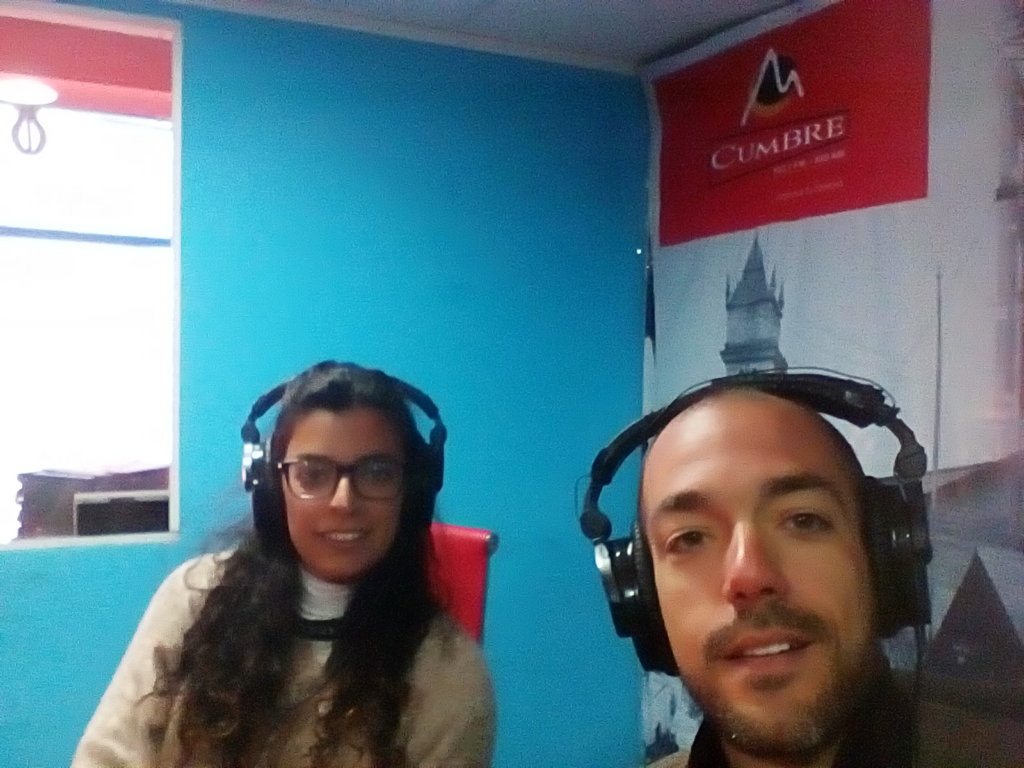
Court cases move slowly, and this one will take time. Our role now is to keep the scientific evidence solid, support our legal partners at EarthRights International, and stay in contact with the community. Soon we will travel again to get more data and been able to push the process even further, thanks to your support.
Your support funds that work, from sampling materials to the legal follow-up of the case. Legal cases are long and expansive; your help is therefore every day more important. Do not stop supporting us!
Thank you for standing with Cerro de Pasco!
By Flaviano Bianchini | Project Leader
By Flaviano Bianchini | Project Leader
Project reports on GlobalGiving are posted directly to globalgiving.org by Project Leaders as they are completed, generally every 3-4 months. To protect the integrity of these documents, GlobalGiving does not alter them; therefore you may find some language or formatting issues.
If you donate to this project or have donated to this project, you can receive an email when this project posts a report. You can also subscribe for reports without donating.



Support this important cause by creating a personalized fundraising page.
Start a Fundraiser