By Clara Masetti | Environmental Scientist for Source International
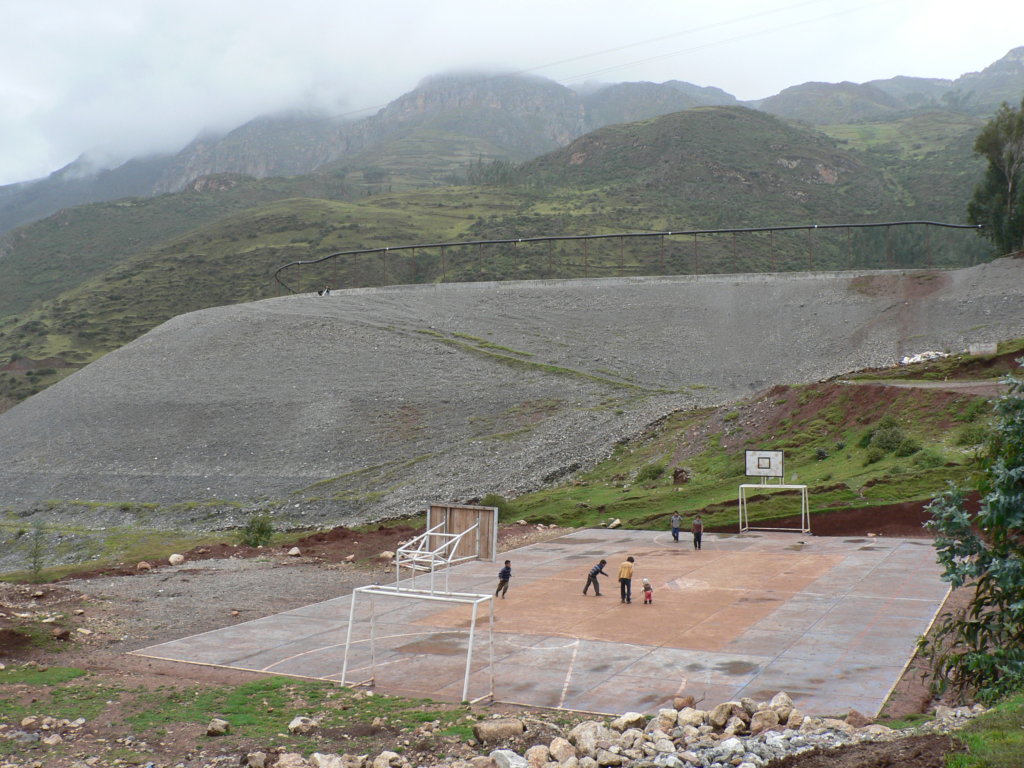
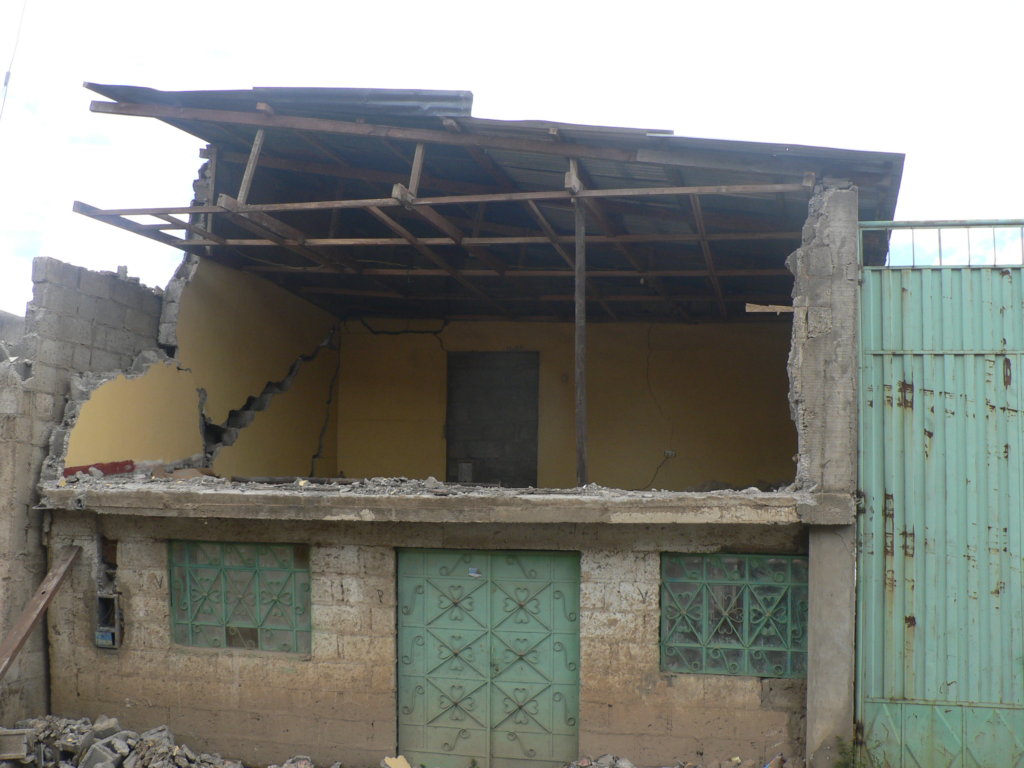
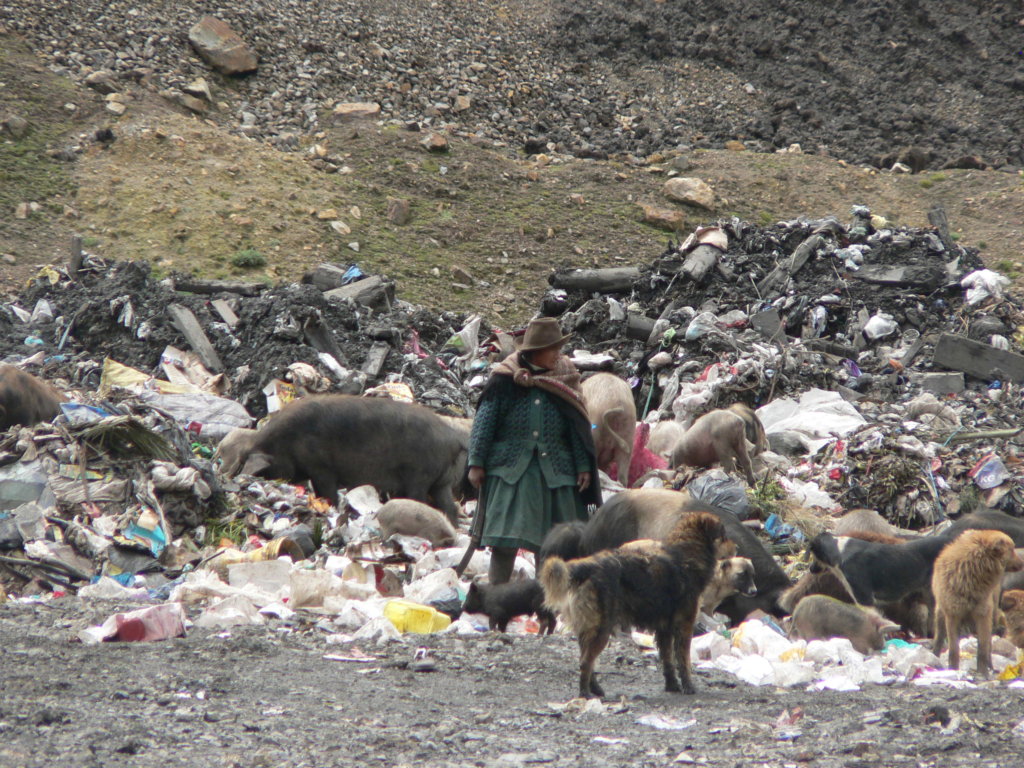
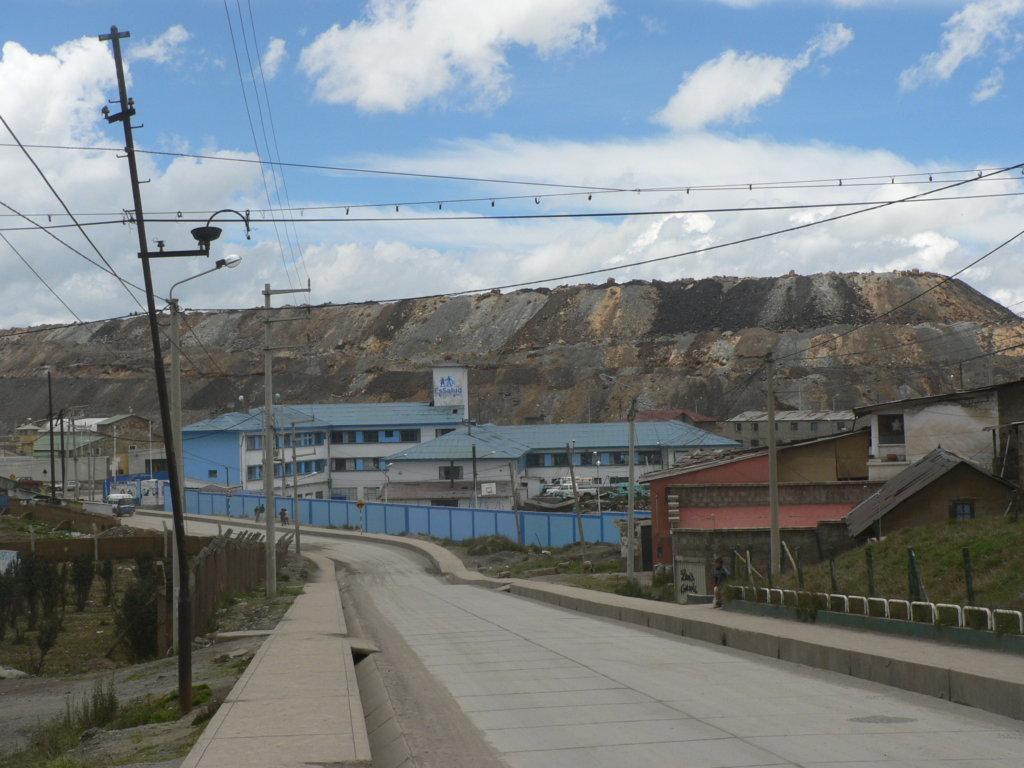
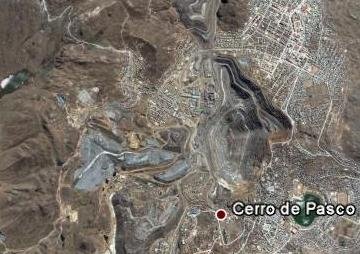
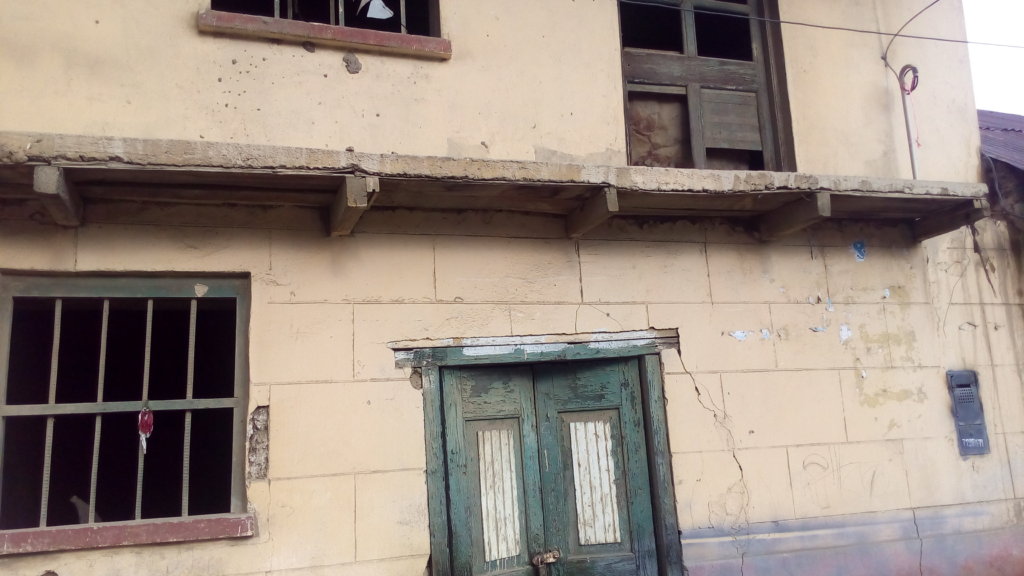
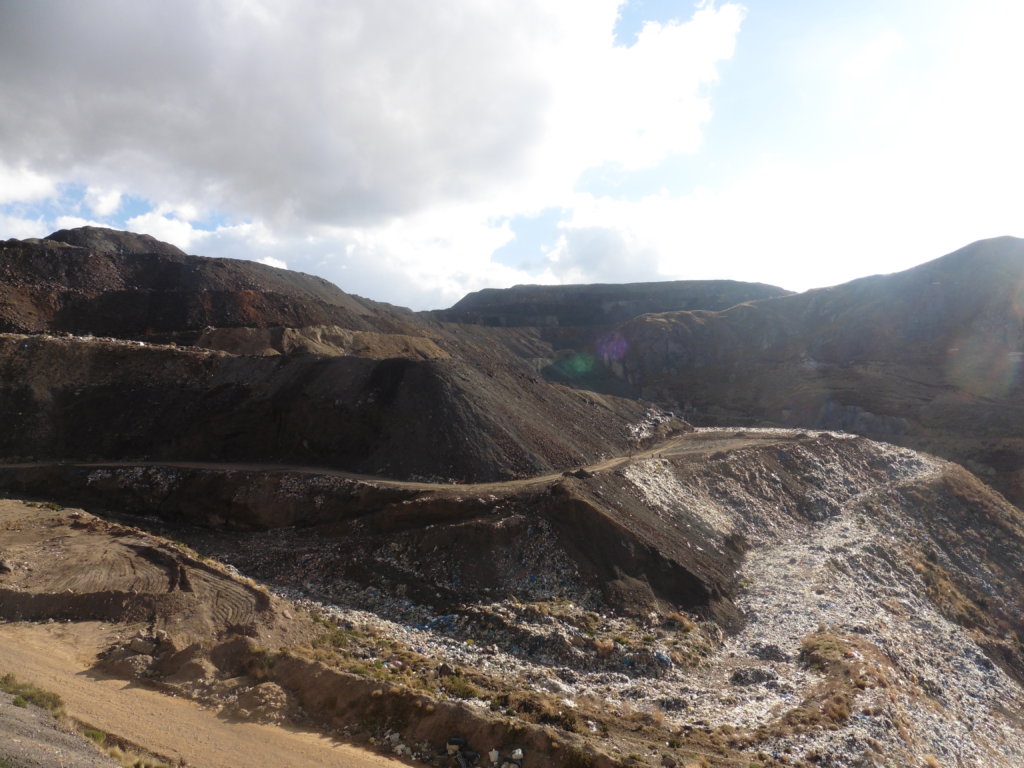
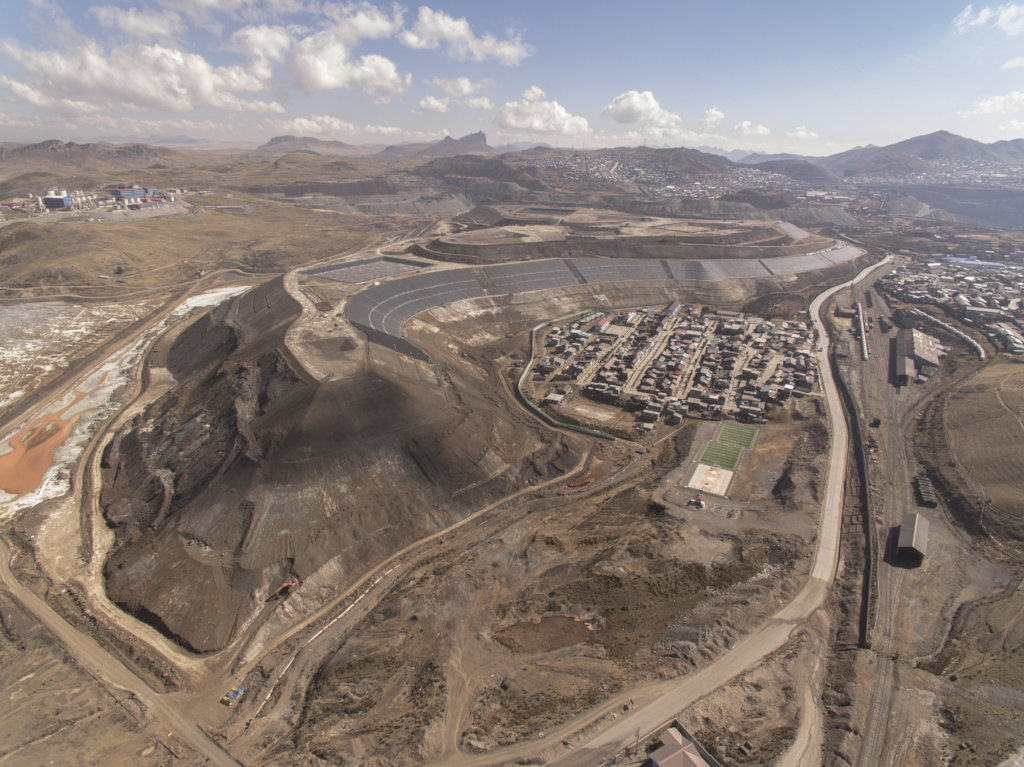
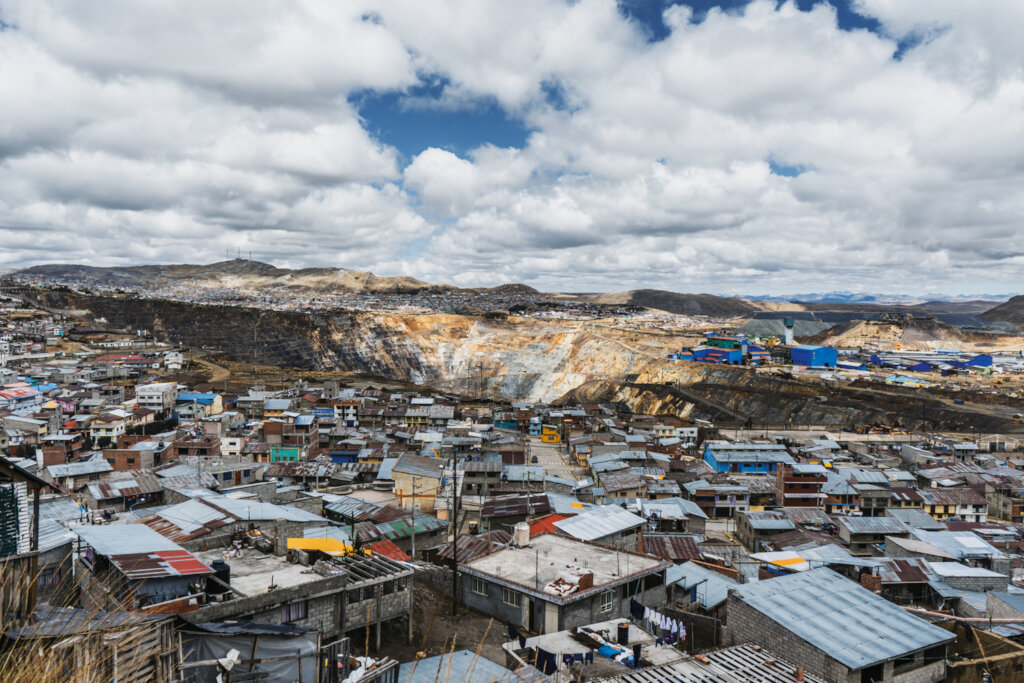
Cerro de Pasco, located 4,500 meters above sea level in the Peruvian Andes, is one of the most polluted cities in the world. Air, soil, wildlife, livestock, water and, consequently, human health, are all severely affected by high concentrations of heavy metals, due to tha mining activity. Since the 20th century, the huge open-pit mine has been expanding in the center of the city, reshaping both the urban and natural landscapes, displacing neighborhoods, draining lakes, and exposing the environment and at least 70.000 residents to pollution.
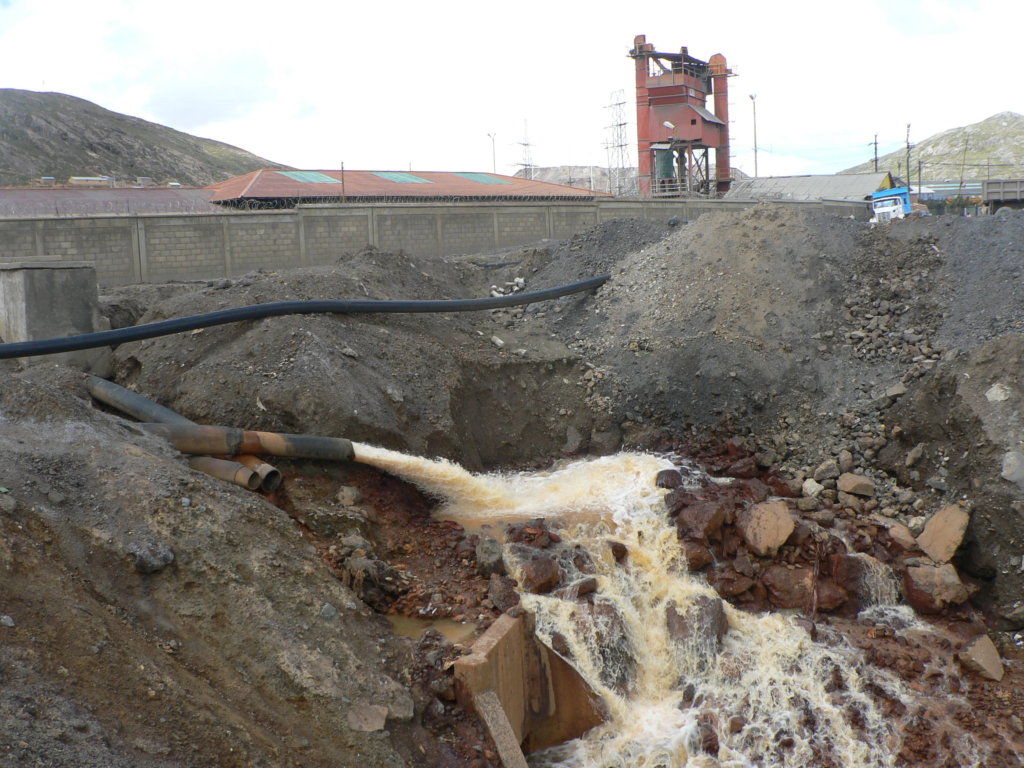
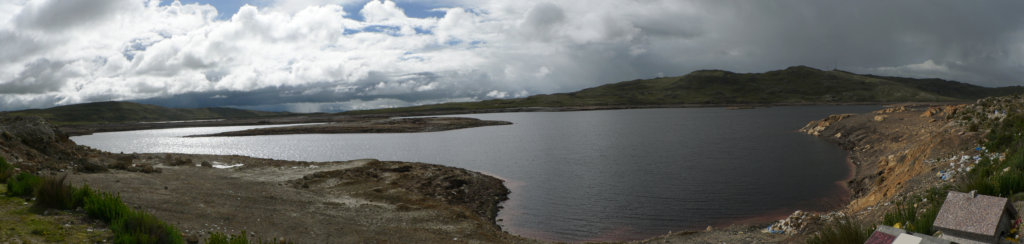
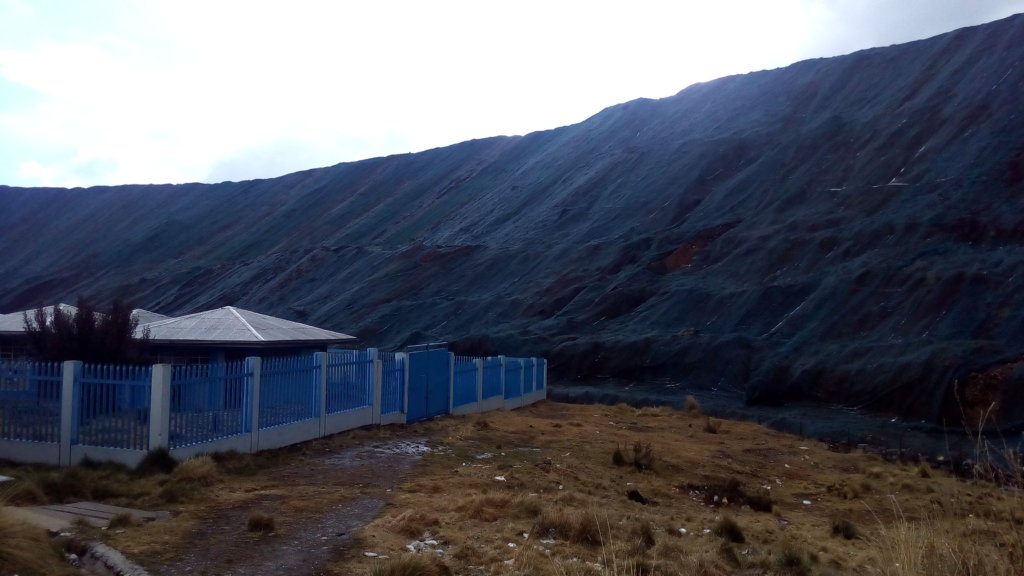
The Quiulacocha and Yanamate lagoons are emblematic of these impacts: originally natural lakes (“Quiulacocha” is named after the Andean gulls that once could be found on its shores), since the 1980s, they have served as discharge sites for untreated acidic mine drainage, leading to the complete disruption of their ecosystems. Now these lagoons have a highly acidic pH and extreme concentrations of dissolved metals – often thousands of times higher than national and international regulatory standards.
Since 2008, Source International has been working in Cerro de Pasco to document and prove, with data in hand, the widespread environmental contamination caused by the city’s open-pit mine and its related activities.
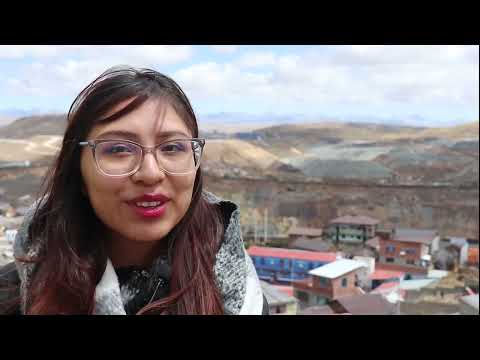
In collaboration with Labor, a local NGO, Source International carried out a new independent monitoring campaign in July 2024. Clara and Flaviano took and analyzed 9 surface water samples and 2 tap water samples from Cerro de Pasco and surrounding areas. These data add to the growing body of evidence of water contamination from the local mining industry, reinforcing findings from previous campaigns conducted in 2008, 2016, 2019, 2022, and 2023 (1).
This report will be available soon, but here’s a preview...
Results confirm a worrying but sadly familiar picture: surface waters remain highly contaminated with heavy metals, with 32 exceedances of the Peruvian environmental quality standards for the protection of aquatic and agricultural ecosystems.
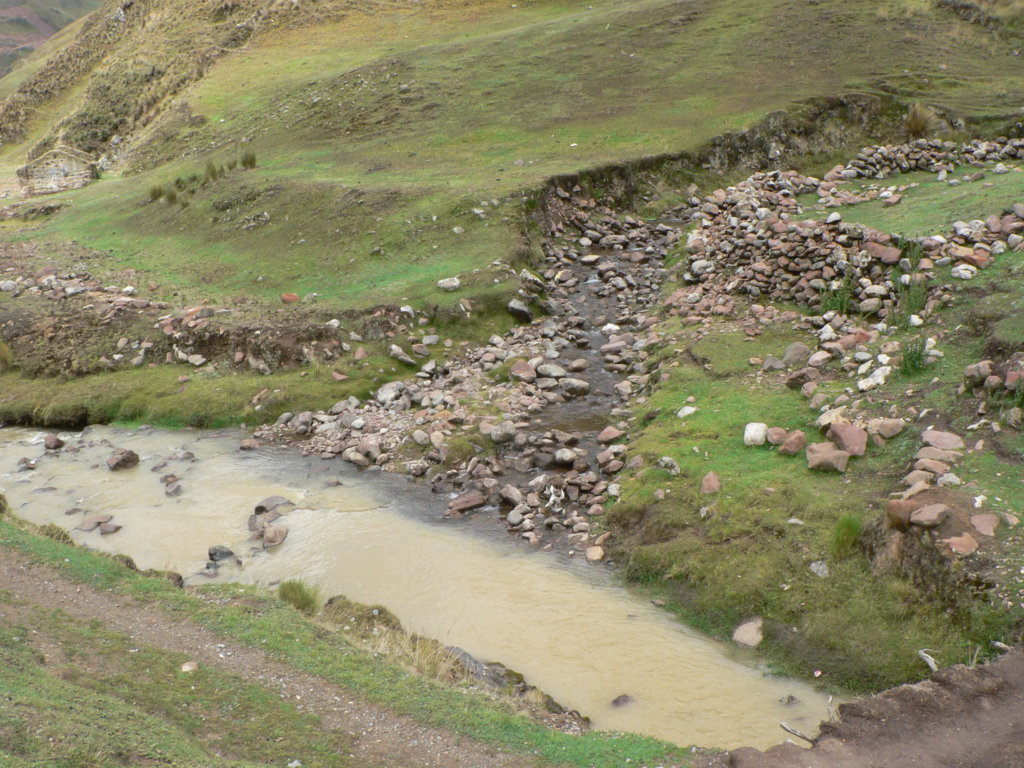
The most critical situations were found again in the Quiulacocha and Yanamate lagoons, where elements such as cadmium, lead, copper, zinc, and manganese exceeded legal limits by up to several thousand times. Other water bodies – such as the San Juan and Tingo rivers – also showed elevated levels, although generally lower than in the lagoons, and with slight improvements compared to 2022 for some parameters. The pollution of lagoons and rivers inevitably translates into contamination of soils, livestock, and agricultural production.
On a more positive note, drinking water samples were mostly compliant with national health standards, except for a slightly high value of iron, a parameter describing water’s organoleptic quality rather than safeness for human consumption.
Despite some encouraging signs, these findings add to the growing body of evidence demonstrating the high potential for chronic heavy metal exposure in the population of Cerro de Pasco. The persistence of heavy metals such as cadmium and lead – both classified by WHO among the major public health threats – shows that the environmental and humanitarian crisis in Cerro de Pasco is far from resolved.
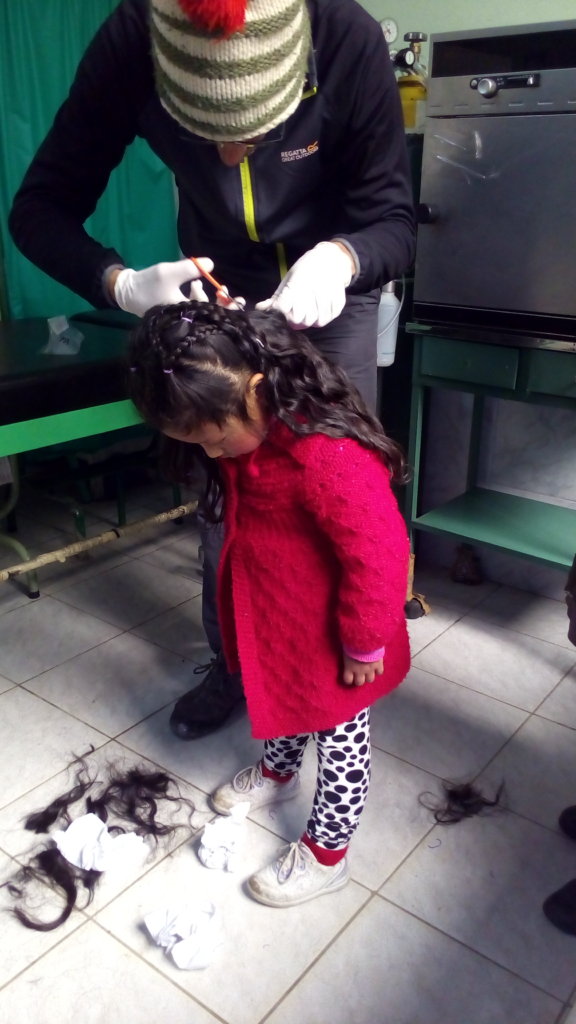
Chronic exposure continues to pose serious risks to local populations, especially children: clinical and biomonitoring studies indicated that virtually all children in Cerro de Pasco carry detectable levels of heavy metals in their blood, urine, and hair, often exceeding international reference thresholds. Lead, arsenic, and mercury are the most prevalent, and their presence is closely linked to the significantly lower QI scores among Pasco’s children as compared to nearby control communities. Despite the National Ministry of Health declaring a sanitary emergency and being informed of the situation, children in Cerro de Pasco continue to suffer – and even die – from chronic exposure to these toxic metals, with the most recent reported fatality occurring in early 2025 (2).
This new report therefore provides an updated and solid basis for legal and advocacy actions, and reinforces the urgent need for effective and lasting remediation and environmental protection measures.
The full technical report will be published online in the coming months. Stay tuned!
Links:
Project reports on GlobalGiving are posted directly to globalgiving.org by Project Leaders as they are completed, generally every 3-4 months. To protect the integrity of these documents, GlobalGiving does not alter them; therefore you may find some language or formatting issues.
If you donate to this project or have donated to this project, you can receive an email when this project posts a report. You can also subscribe for reports without donating.



Support this important cause by creating a personalized fundraising page.
Start a Fundraiser