2. Mother and Child rehabilitation.
1. Introduction
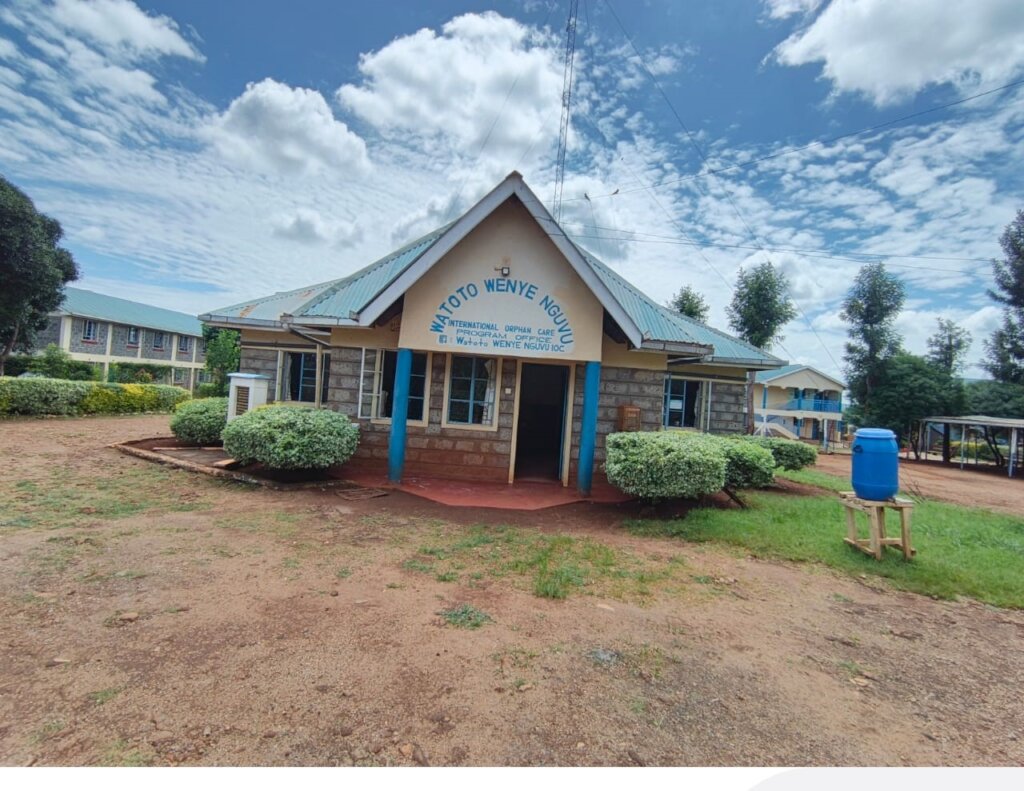
The Kusitawi Village Mother and Child Programme continue to play a critical role in promoting the safety, health, dignity, and socio-economic wellbeing of vulnerable mothers and children within the community and unsafe environment. The program inspired by the new care reforms changes that advocates against separation of mothers and their children and envisions by 2032 to have met deinstitutionalization of children.
The mother and child rehabilitation program is anchored on rescue, rehabilitation, resocialization, and reintegration, while strengthening community-led initiatives that support child protection, education, health, and livelihoods. This report highlights key achievements, success stories, and integrated community interventions implemented, with particular emphasis on activities in Ngoliba Ward community led pilot project.
The target group is mothers who are in the streets, mothers in conflict with law (petty crime or child neglect) gender-based violence and traumatized mothers who are in need of psychosocial support.
2. Rescue Interventions
The programme successfully conducted rescue of 193 mothers and children exposed to neglect, abuse, severe poverty (street), and psychosocial distress. Through close collaboration with community leaders, children office and probation officer these mothers and children are placed in Kusitawi for a period of 6 months .
Rescued beneficiaries were provided with immediate protection, including safe shelter, food, clothing, love and care, and medical care. Mothers in crisis situations were supported to ensure their safety and stability, laying the foundation for effective rehabilitation and recovery.
Figure 3 rehabilitation process from rescue
3. Rehabilitation Support
Rehabilitation focused on restoring the physical, emotional, and psychological wellbeing of both mothers and children. Services provided included medical treatments at Ngoliba health centre and Thika Level 5 for specialized treatments, nutritional support, trauma-informed counselling, and continuous psychosocial follow-up. We also have mothers who were referred to psychiatric treatment in Mathari National Hospital.
4. Beneficiary at Thika level 5 hospital because of malnutrition
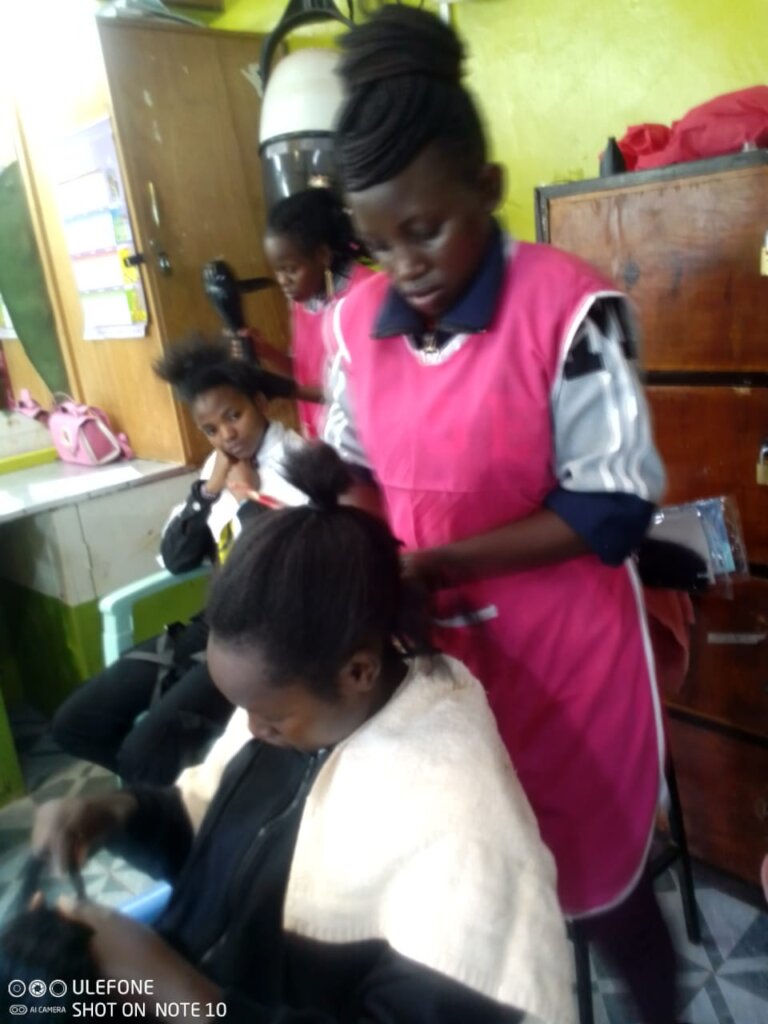
A key success story is that of a young mother who was rescued while experiencing severe post- partum depression (Acute depressive disorder). At the time of intervention, mother had deteriorated to the extent of refusing to eat and was unable to care for herself or her children. Through sustained counselling, medical attention, nutritional rehabilitation, and consistent emotional support, mother gradually recovered. Her mental and physical health significantly improved, enabling her to resume normal functioning. After gaining sense of self mother is enrolled in Hair and Beauty skill class which will sustain her after reintegration. Her journey demonstrates the importance and effectiveness of integrated mental health and rehabilitation services under the programme and is one among many successful cases we have had positive results in the rehabilitations.
5. Daycare Services for Rescued Children
The programme strengthened daycare services for rescued children to provide a safe, nurturing, and child-friendly environment. Children in daycare received age-appropriate early childhood stimulation, meals, health monitoring, and protection.
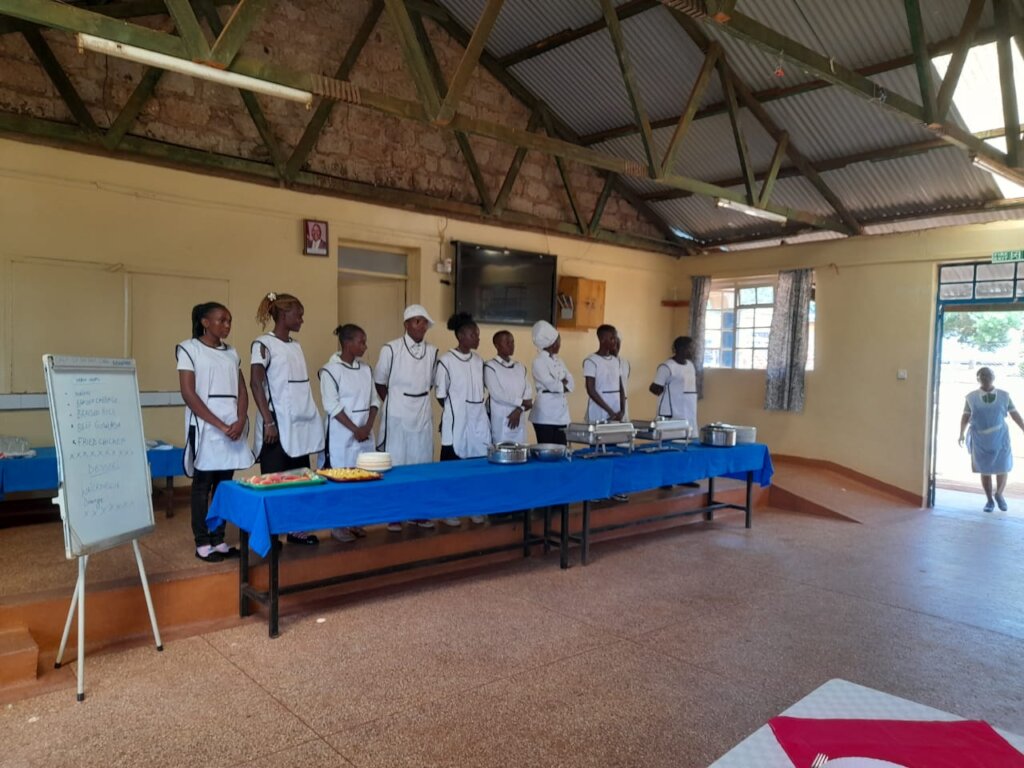
These services enabled mothers undergoing rehabilitation or engaging in income-generating and skills- building activities of hair and beauty, Fashion and Design and Food and Beverage production to do so without compromising the safety and wellbeing of their children. The daycare initiative has significantly contributed to improved child development outcomes and maternal empowerment.
4. Resocialization and Reintegration
Resocialization interventions focused on restoring dignity, rebuilding confidence, and strengthening social and family relationships. Mothers were engaged in mentorship, peer support groups, and parenting sessions aimed at improving coping skills and community interaction. They are also involved in dancing competitions, cooking activities and general cleaning activities as part of the resocialization where they freely interact and learn from each other.
Reintegration was conducted in a structured and monitored manner to ensure sustainability. Njeri (not real name) was successfully reintegrated back into her community after demonstrating stability and improved wellbeing. Follow-up visits continue to ensure long-term success for both mother and child. School-going children were reintegrated into formal education, with particular support extended to learners attending Matathia Primary School. This included provision of basic learning materials, counselling support, and coordination with teachers to facilitate smooth transition and retention in school.
36. Community Comprehensive Development Project
The programme supported a range of community-led initiatives in Ngoliba Ward, demonstrating strong local ownership, collaboration, and sustainability.
6.1 Career Talks for Learners
A major activity implemented was a career talk forum targeting Form Three students and Grade 9 learners. The sessions aimed to inspire learners, expose them to diverse career pathways, and promote informed educational and life choices. A career trainer of teachers on the new curriculum from Muranga teachers training college facilitated the training. Professionals from various sectors engaged learners through interactive discussions and mentorship.
The activity reached over 500 learners, resulting in increased motivation, awareness of career opportunities, and strengthened commitment to education.
6.2 Weekly Physiotherapy Sessions for Persons with Disabilities (PWDs)
The programme lead by thematic area of health and PWDS supported weekly physiotherapy sessions for Persons with Disabilities (PWDs) in Ngoliba Ward. 24 beneficiaries attended this bi- monthly therapies These sessions enhanced mobility, physical strength, and overall quality of life for PWDs while reducing caregiver burden. The initiative also increased community awareness on disability inclusion and the importance of continuous rehabilitative care.
6.3 School Feeding Programme
A school feeding programme was implemented in four schools within Ngoliba Ward, targeting vulnerable learners. The programme improved school attendance, concentration, and retention by ensuring children received nutritious meals during school days. Teachers reported improved learner participation and reduced absenteeism, contributing positively to overall learning outcomes.
6.4 Permaculture Trainings
The programme facilitated permaculture training sessions for community members to promote sustainable agriculture, food security, and environmental conservation. Participants gained practical skills in kitchen gardening, soil conservation, and climate-smart farming practices. These trainings contributed to improved household nutrition and income resilience, particularly for vulnerable families.
6.5 Meetings with Key Stakeholders
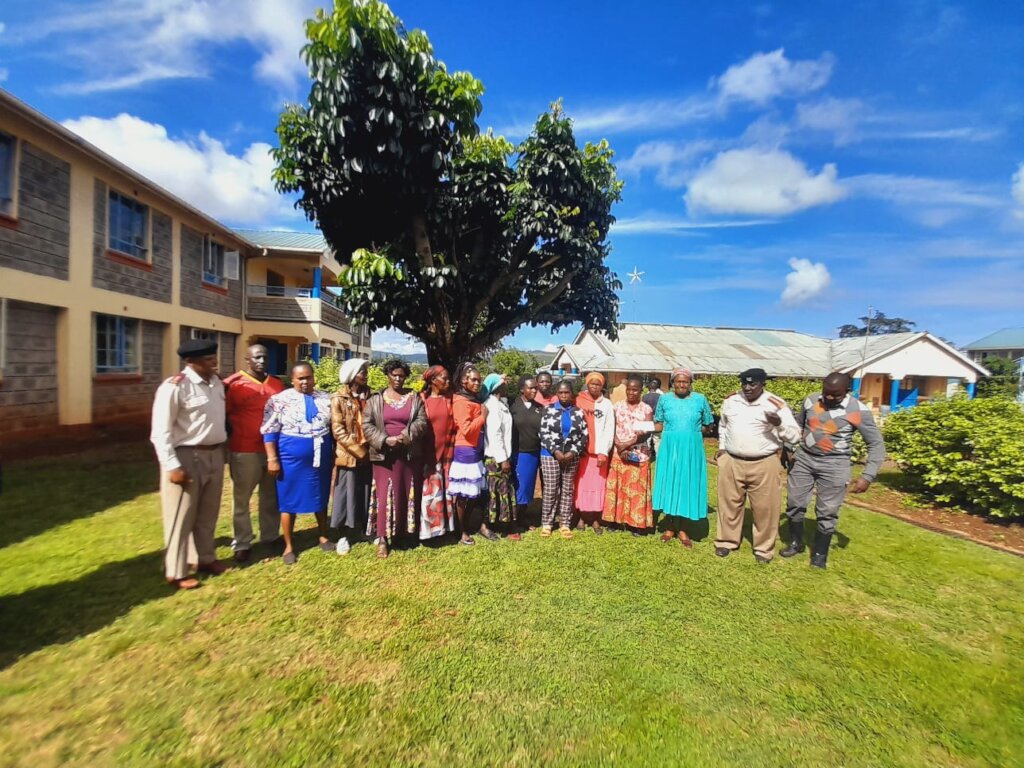
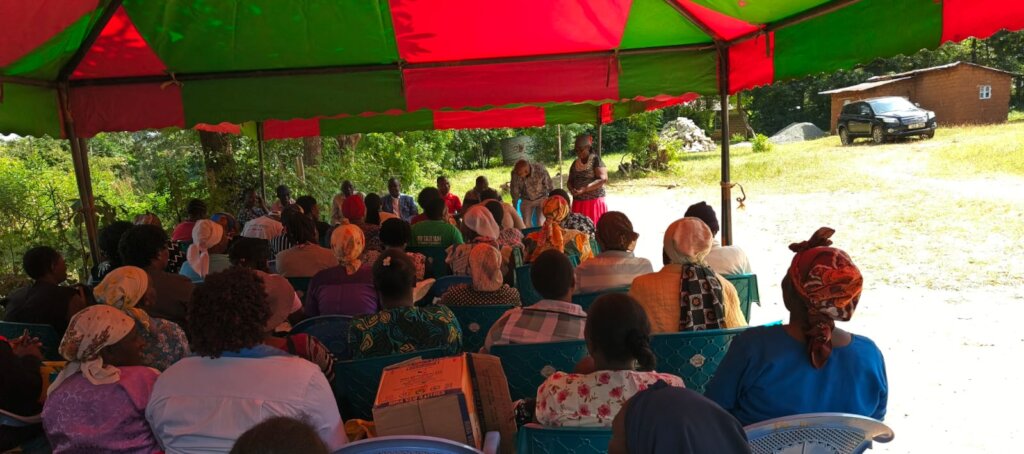
Regular meetings with key stakeholders were convened in Ngoliba Ward, bringing together community leaders, government officers, educators, health workers, and programme partners. These meetings strengthened coordination, improved referral pathways, and enhanced collective ownership of interventions targeting mothers, children, and vulnerable groups.
7. Conclusion
The Mother and Child Programme has demonstrated significant progress through a holistic approach that integrates rescue, rehabilitation, resocialization, reintegration, and community empowerment. The successful recovery of mothers, reintegration of children into schools such as Matathia Primary, establishment of daycare services, and diverse community-led initiatives in Ngoliba Ward
underscore the programme’s impact.
Attachments:
![Share on Twitter]()
![Share on Facebook]()