By Josh Kruskal | Development and Operations Associate
EcoLogic works with rural and indigenous communities in Central America and Mexico because this region is one of the most biologically diverse in the world, and because these communities struggle as the result of extreme social and economic inequality. The Mesoamerican Biological Corridor, one of Conservation International’s 35 global biodiversity hotspots, holds between 7 and 10% of the world’s species.
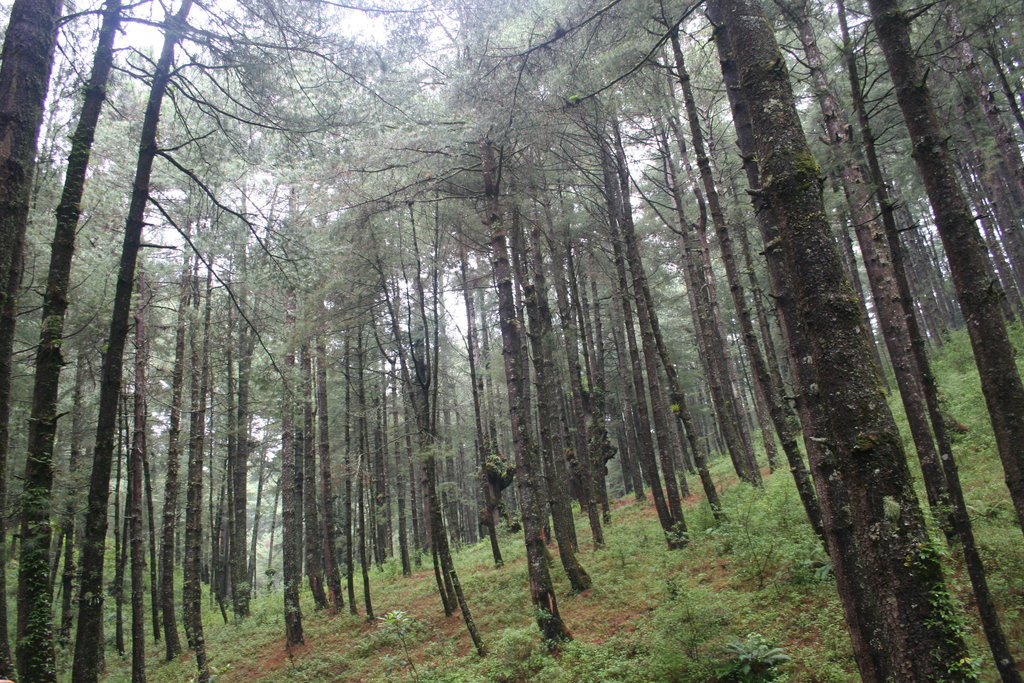
The communities we work with face food insecurity and water shortages, making them extremely vulnerable to the devastating impacts of climate change. Recognizing people’s dependence on natural resources for their survival and livelihoods, EcoLogic supports sustainable solutions that simultaneously advance conservation and community development objectives. EcoLogic aims to solve three interrelated problems facing communities in rural Guatemala: tropical deforestation, food insecurity, and poverty. Although Guatemala has one of the largest and most diverse forest systems in Central America, with 71% tree cover, forest is quickly disappearing. Between 2001 and 2014, almost 100,000 hectares of Guatemala’s forest was lost to deforestation. Guatemala also presents some of the highest rates of inequality, poverty, and chronic malnutrition in the region. In the department of Quiché, where this project takes place, there is a rural poverty rate of 76.9%.
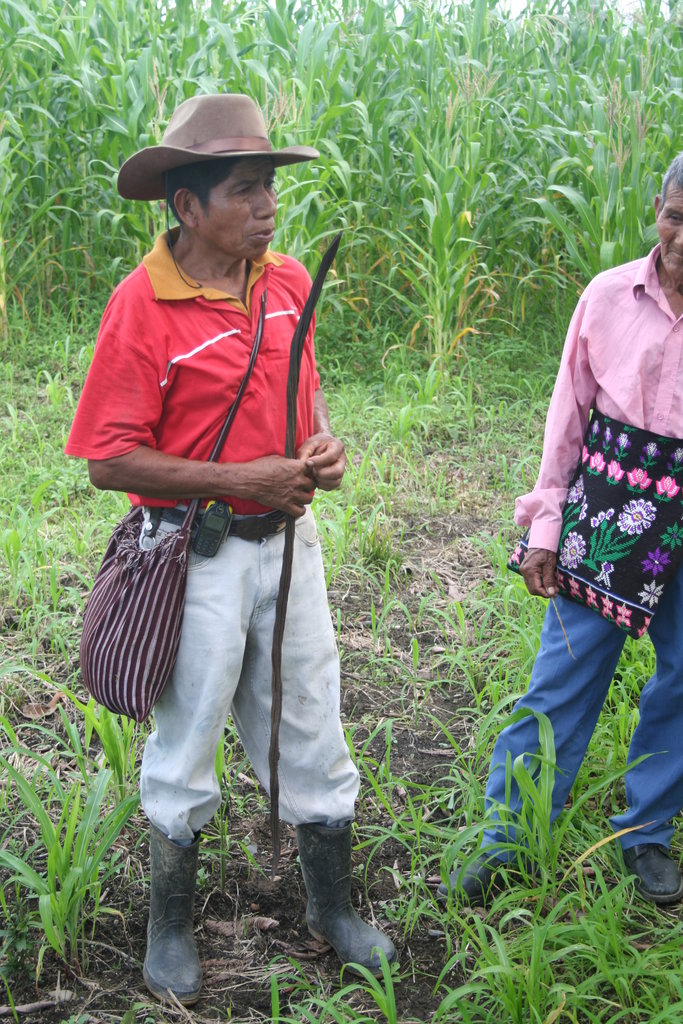
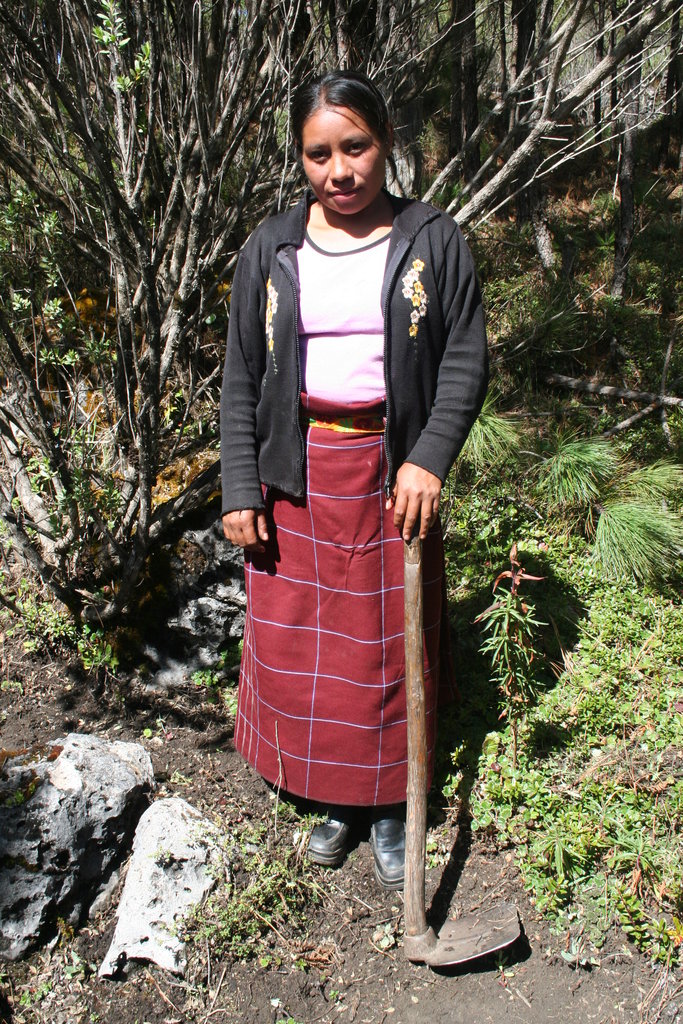
Rural and indigenous families in Guatemala depend upon forest ecosystems for their livelihoods and survival, often through subsistence agriculture. Farmers living in persistent poverty adopt an immediate-term perspective resulting in unsustainable use of natural resources, evidenced by the longstanding tradition of slash-and-burn agriculture. If not used sparingly, this technique of cutting a portion of the forest and burning debris to release nitrogen into the soil prior to planting crops has dramatic negative impacts on the environment. Using this approach, land can only be used for 2-3 years before the soil’s nutrients are depleted, requiring farmers to move to new land and cut down additional forest.
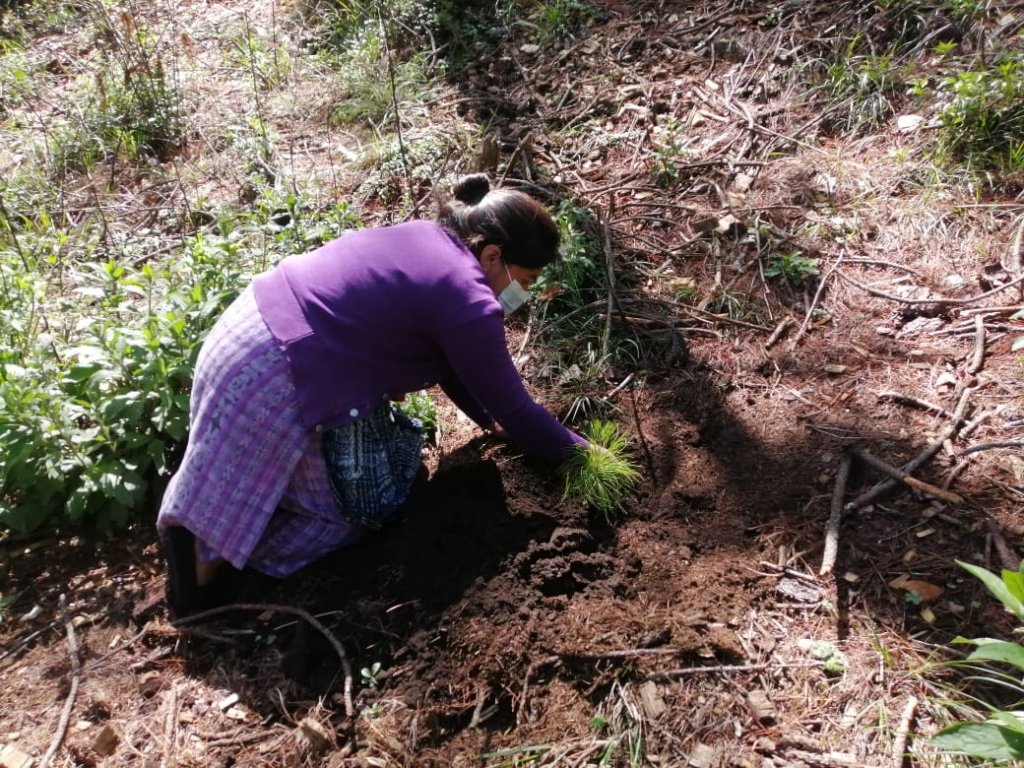
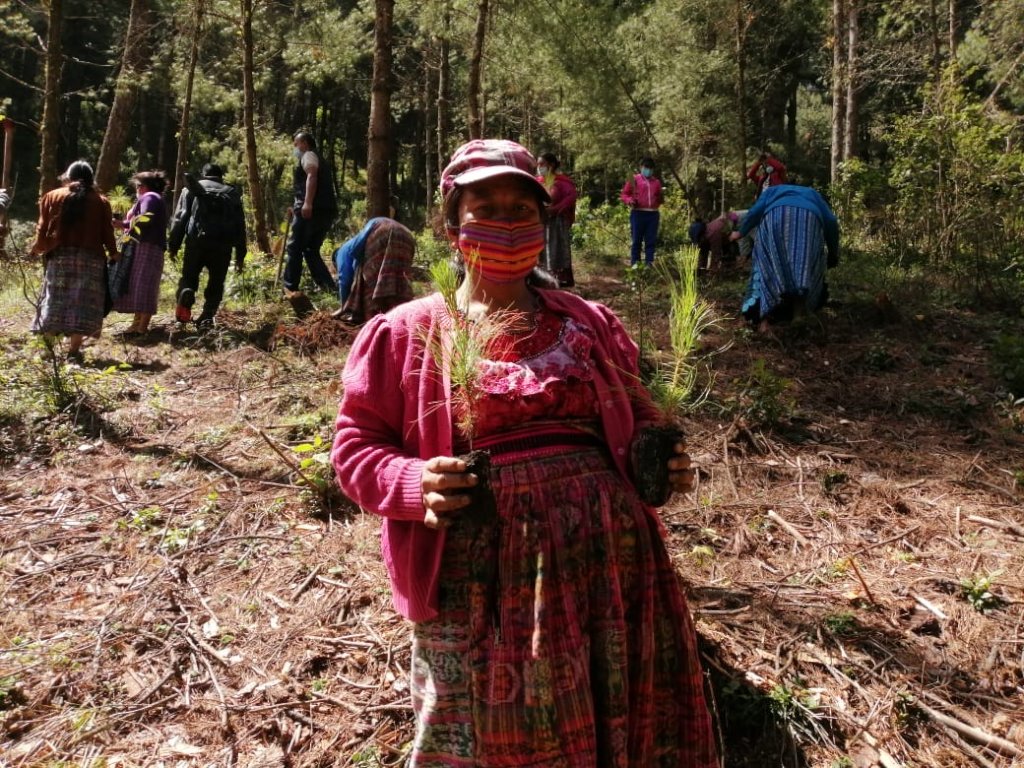
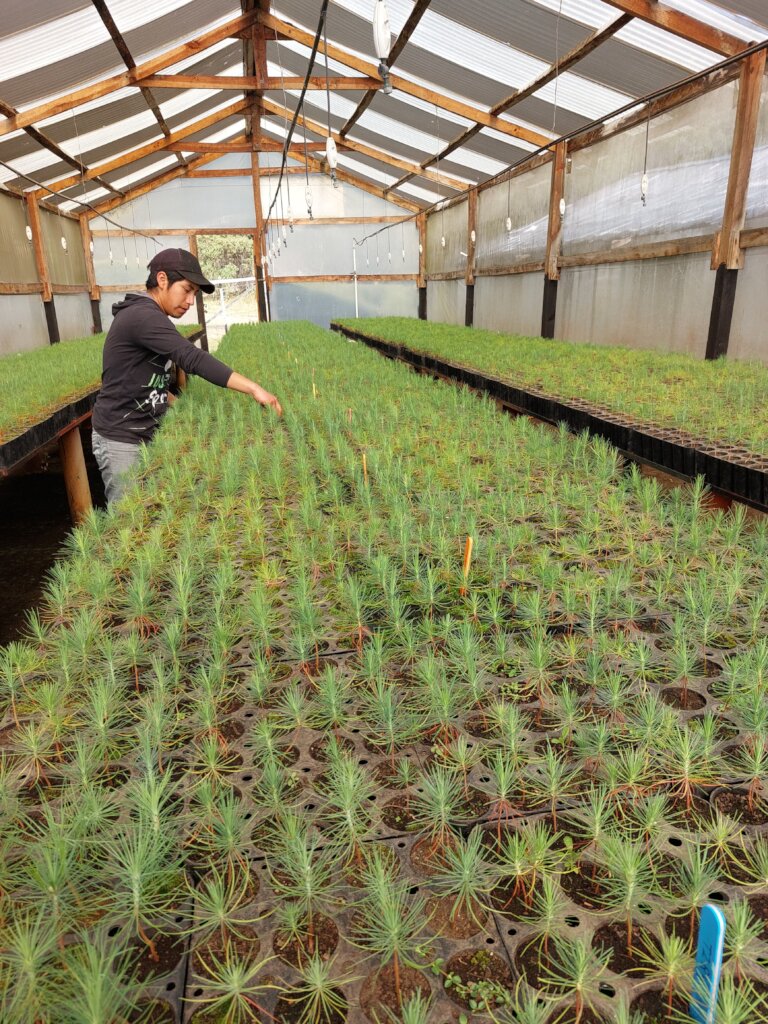
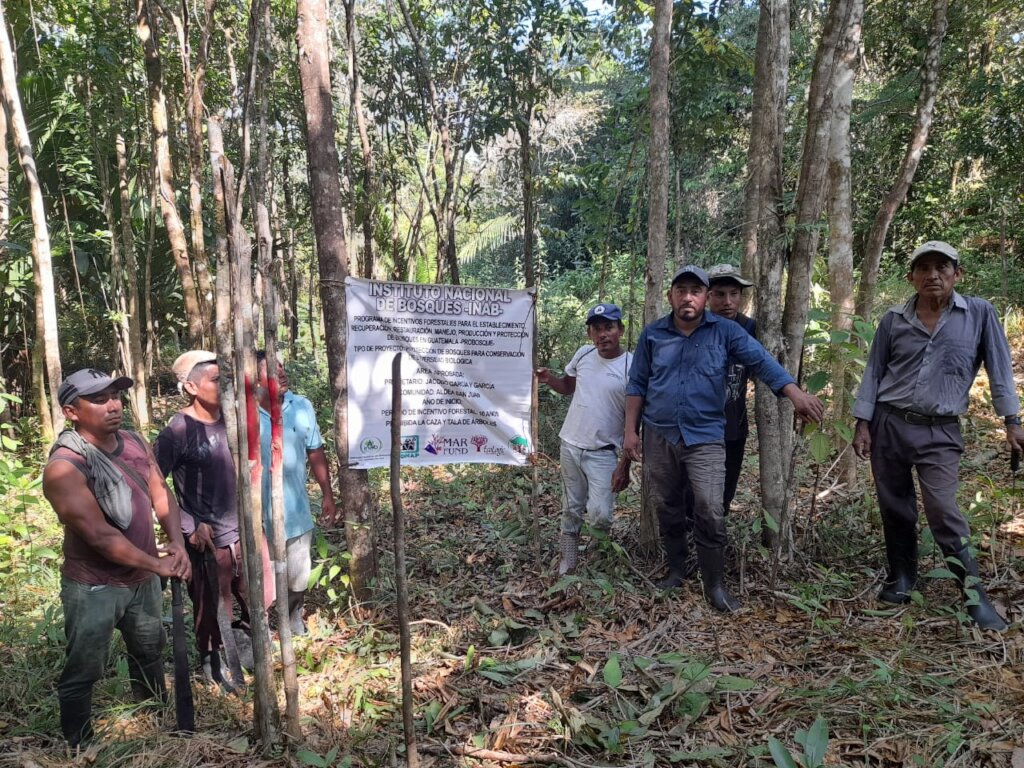
Recognizing local dependence on the forest, EcoLogic works with rural communities to help them find sustainable ways to protect and restore forest ecosystems. By co-creating solutions with farmers, we ensure that projects respond to local needs while deterring environmental degradation. EcoLogic aims to address the interrelated issues of environmental degradation and poverty by building capacity among smallholder farmers to adopt sustainable alternatives to slash-and-burn agriculture. In response to farmer priorities and demand, EcoLogic field technicians have been successful in promoting agroforestry, which is a sustainable practice of growing food crops alongside trees. This approach facilitates improved community wellbeing—by enhancing food security and providing an alternative source of income—while advancing conservation objectives. The availability of alternative livelihood options, such as agroforestry and beekeeping, can help incentivize the adoption of sustainable practices. Apiculture has been a successful strategy for deterring slash-and-burn agriculture since the project was introduced in Ixcán, largely because the practice provides families with a sustainable source of income through the production and sale of honey.
This year, across our project sites in Guatemala, EcoLogic will:
By Josh Kruskal | Development and Operations Associate
By Annie Spaulding | EcoLogic Intern
Project reports on GlobalGiving are posted directly to globalgiving.org by Project Leaders as they are completed, generally every 3-4 months. To protect the integrity of these documents, GlobalGiving does not alter them; therefore you may find some language or formatting issues.
If you donate to this project or have donated to this project, you can receive an email when this project posts a report. You can also subscribe for reports without donating.